140 Webb Street, Weymouth, MA 02188
For more information about senior living options: (866) 208-4318
Overall Review of Pope Nursing Home
Pros
 Michele is a wonderful aide.
- A few of the staff are nice.
- Pope used to be top notch.
- The facility had a bed available for her mother upon discharge.
Cons
 The reviewer calls Pope an absolute disappointment.
- It is noted that Pope used to be top notch but has since declined.
- The environment is described as dirty, with the communal shower not being cleaned after use.
- The reviewer recounts an aide yelling at the mother, indicating abusive behavior.
- There is mention that this issue with the aide had occurred before, raising questions why the aide remains employed.
- Unsafe conditions are described, such as using newspaper to keep a door from locking.
- The reviewer states that aside from a few caregivers, the rest of the staff are a despicable excuse for a place to live.
- The reviewer describes the facility as pathetic and advises others not to send their loved ones to Pope.
Review
Pope Nursing Home in Weymouth is best suited for families that need a nearby bed quickly and can tolerate active family involvement to supervise care and safety. The place has an old reputation as a solid option, and it remains a practical choice for post-hospital transitions when distance and cost are major constraints. In practice, it serves as a fallback option for families who can keep a close eye on daily care, hold staff accountable, and tolerate variability in staffing and cleanliness while searching for a higher-quality long-term fit.
Those who should strongly consider alternatives are families seeking consistent, respectful treatment and a spotless, well-run environment. The most serious concerns raised by reviewers center on safety and dignity: an aide reportedly yelling at a resident, and a broader pattern of care that feels disorganized or emotionally unsafe. Cleanliness and maintenance are also flagged as persistent problems, with examples like unclean communal spaces and makeshift fixes that undermine resident well-being. For residents with higher care needs, complex medical requirements, or behavioral challenges, Pope’s current narrative raises red flags that make alternatives look considerably more reliable.
The favorable notes, there are some caring staff, including a specific aide named Michele, and occasional moments of kindness from a subset of caregivers, do not sufficiently offset the weight of the main drawbacks. A few compassionate staff members signal that the potential for quality care exists, but the overall environment described by reviewers points to systemic gaps: inconsistent supervision, variable responsiveness, and a culture that permits or overlooks distressful interactions. The contrast between occasional positive interactions and clear, documented concerns about safety and cleanliness tilts the assessment toward caution. In practical terms, the defensive stance of “a few good workers” is not a reliable foundation for long-term residency.
To evaluate Pope with an actionable eye, families should demand concrete assurances and visible changes. Before deciding, request a detailed care plan with specific staffing assignments, daily rounds, and incident-resolution protocols. Tour during active hours and observe how aides interact with residents, noting whether calls for help are answered promptly and whether staff treat residents with dignity. Review the latest state inspection findings and ask for a current quality-assurance plan that addresses hygiene, laundry, and cleaning schedules. Insist on speaking with the administrator about past complaints, corrective actions, and measurable targets for improvement. Ask to meet several frontline caregivers on duty and to observe how they handle personal care and safety tasks; require written commitments about supervision and staff training going forward.
The decision framework here favors caution and proactive oversight. If choosing Pope, it should be with a clear, enforceable agreement that guarantees close supervision, rapid escalation of concerns, and monthly progress reviews. If possible, compare with nearby facilities that offer stronger safety records, higher staffing consistency, and cleaner environments, especially options with hospital affiliations or proven post-acute rehabilitation programs. For families with flexibility, positioning Pope as a temporary bridge while exploring higher-quality, more consistently managed communities may be prudent. In any case, a formal plan for ongoing reassessment, quarterly check-ins, updated care plans, and a clear path to alternative placements if improvements stall, will be essential.
In the end, Pope Nursing Home is not a default recommendation for long-term placement given the current concerns about safety, care consistency, and cleanliness. It may work only for families who are prepared to supervise aggressively, demand rapid corrective action, and accept the inherent risk that improvements may be slow or incomplete. For most families, the prudent course is to prioritize facilities with stronger safety profiles, better staffing stability, and cleaner, more respectful environments. Schedule thorough tours, demand candid answers, and insist on concrete, monitorable improvements before considering it as anything more than a temporary, closely watched option.
 49 resident community capacity
 Skilled Nursing Facility
 Beauty salon
 Cable or satellite TV
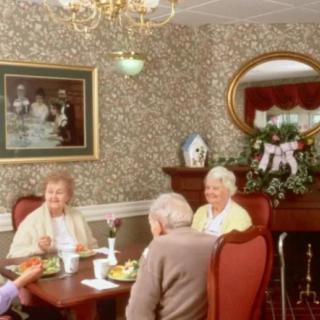
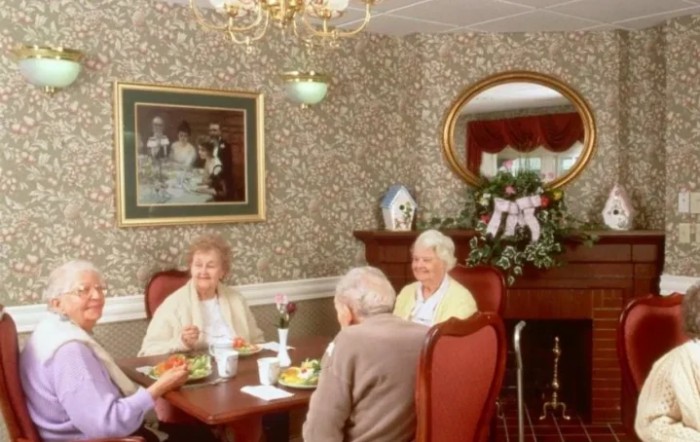
 Dining room
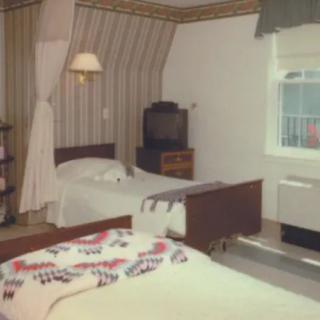
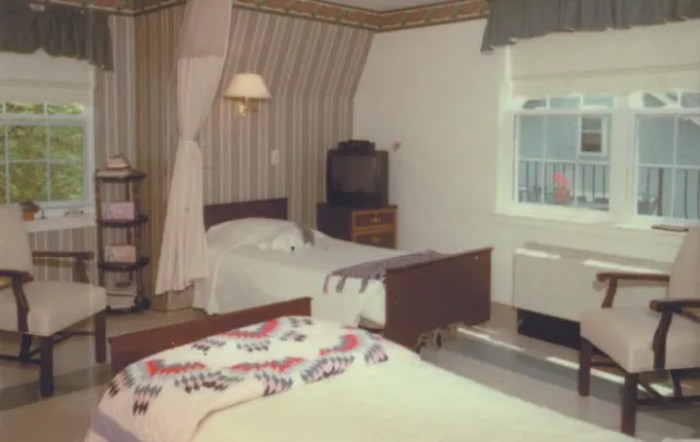
 Fully furnished
 Garden
 Housekeeping services
 Kitchenette
 Move-in coordination
 Outdoor space
 Restaurant-style dining
 Small library
 Telephone
 Wi-Fi/high-speed internet available
 Gen Edw L Logan International (10 miles away)
 24-hour call system
 Activities of daily living assistance
 Assistance with bathing
 Assistance with dressing
 Assistance with transfers
 Diabetes diet
 Medication management
 Mental wellness program
 Special dietary restrictions








 Understanding the Nuances of Palliative Care and Hospice: A Comprehensive Exploration
 Fecal Incontinence in Older Adults: A Comprehensive Guide
 Recognizing the Journey: Understanding and Navigating Anticipatory Grief