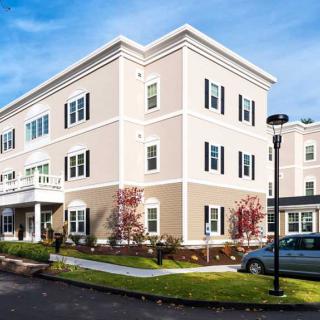
Allerton House Weymouth

Save

  • Interior

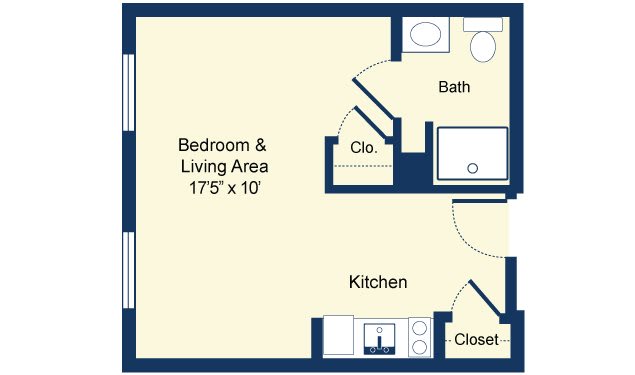
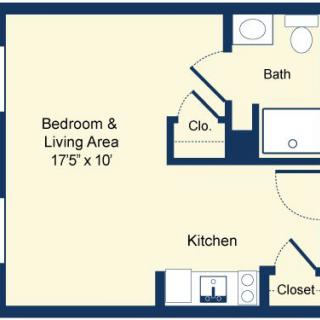
    Floor plan of a studio apartment featuring a bedroom and living area, kitchen, bath, and closets.
  • Decor

    A cozy dining room setup with neatly arranged tables and elegant decor.
  • Living Room

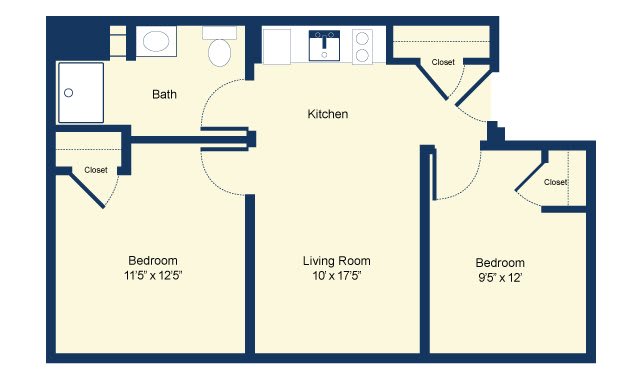
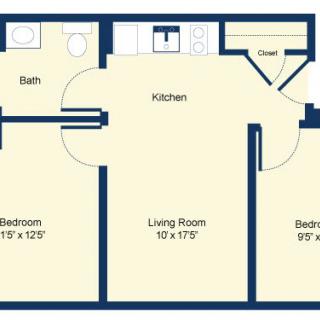
    A floor plan of a two-bedroom apartment featuring a living room, kitchen, and bathroom.
  • Building

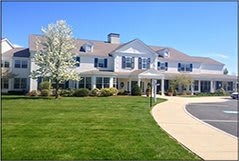
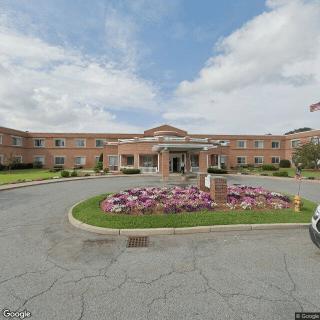
    A large residential building with well-maintained landscaping and a curved driveway.
  • Architecture

    Allerton House Assisted Living Communities with a landscaped exterior.
  • Windows

    A cozy dining room with a wooden table and chairs, featuring large windows with yellow curtains.
  • Fireplace

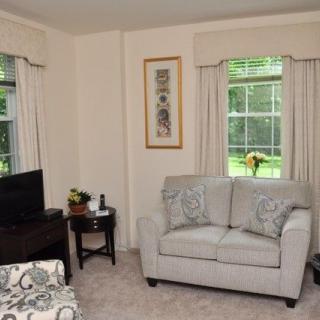
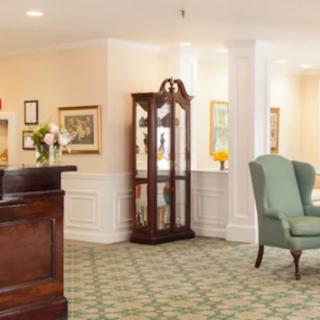
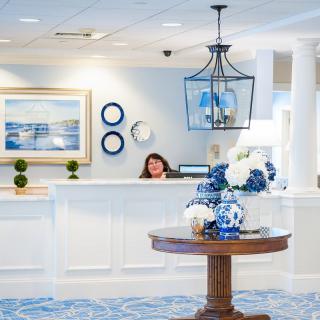
    A cozy living room with a fireplace, comfortable seating, and traditional decor.

Allerton House Weymouth

43 School House Rd, Weymouth, MA 02188

For more information about senior living options: (844) 490-3973

4.7 from 62 reviews
5 stars
53
4 stars
6
3 stars
0
2 stars
1
1 stars
2

Assisted Living Independent Living Memory Care

Allerton House Weymouth Costs & Pricing

Allerton House Weymouth offers a range of living options with prices that reflect the premium care and amenities provided. For a studio apartment, residents can expect to pay $6,800 per month, which is notably higher than the averages in Norfolk County ($5,282) and Massachusetts as a whole ($5,312). A one-bedroom unit at Allerton House costs $7,370, surpassing both county and state averages, which are $5,598 and $5,349 respectively. The two-bedroom option is priced at $7,670, again exceeding local norms of $6,133 in Norfolk County and $6,151 statewide. For those considering semi-private accommodations, the monthly fee stands at $9,500 - significantly above the county's average of $6,142 and Massachusetts' average of $5,805. These figures suggest that while Allerton House Weymouth may be on the pricier side compared to its surroundings, it provides an elevated standard of living that justifies its costs for many residents seeking quality care.

Floor plansAllerton House WeymouthNorfolk CountyMassachusetts
Studio$6,800$5,282$5,312
1 Bedroom$7,370$5,598$5,349
2 Bedrooms$7,670$6,133$6,151
Semi-Private$9,500$6,142$5,805

Overall Review of Allerton House Weymouth

Pros

  • pro The move-in is easy and efficient thanks to the Allerton House team.
  • pro The Allerton House Central Park team is phenomenal, making move-ins seamless and helping residents meet new friends from the start.
  • pro The rooms are perfectly sized to meet residents' needs.
  • pro The staff are friendly, helpful, and attentive to residents.
  • pro The food is great and the dining service is top notch.
  • pro The facility is beautifully kept, clean, and well maintained.
  • pro The activities are engaging and plentiful, offering residents social and cognitive engagement.
  • pro The memory care unit is well cared for, with caring staff and a positive, engaging atmosphere.
  • pro Families feel peace of mind knowing their loved ones are well cared for in a home-like environment.
  • pro The community is welcoming, with a warm atmosphere and a team that genuinely cares about residents' well-being.

Cons

  • pro The room requires a key for entry, which can be cumbersome for an elderly resident.
  • pro There was a lot of general staff turnover, and care waned after the nurse left.
  • pro The monthly fee is too high.
  • pro The grounds are small.
  • pro The facility lacks a fitness center.

Review

Allerton House Weymouth is best suited for families seeking a small, home-like assisted living community with genuinely warm staff, plentiful social opportunities, and a capable memory care option that feels personalized rather than institutional. The setting appeals to those who value a clean, attractive footprint, hands-on move-in support, and a design that encourages resident interaction. It is less ideal for families prioritizing a large campus feel, extensive on-site medical clinics, or aggressively lower prices. Those who need very low-cost placement or a facility with entrenched hospital-level services should consider alternatives.

The strongest draw is the staff culture and the seamless transition families experience from first inquiry through move-in. Reviews highlight proactive teams led by identifiable coordinators who ease paperwork, coordinate room setup, and quickly make new residents feel at home. The dining program earns frequent praise for variety and quality, and the environment - bright, well kept, with inviting common areas - contributes to a welcoming atmosphere. Families repeatedly cite how meals, social events, and routine communication foster a sense of safety and belonging, with staff who are "friendly, caring, and helpful" in both daily care and social planning.

Memory care at Allerton House Weymouth stands out as a particular strength when families face the challenge of dementia care. Observations describe caregivers engaging residents with smiles, guiding activities, and balancing engagement with periods of quiet - an approach that resonates with loved ones seeking dignity and safety. The unit's leadership - often named and trusted by families - along with attentive nursing staff, creates a reliable center of gravity for residents and their relatives. Even when turnover has strained care dynamics in the past, the overall trajectory remains positive, with families noting sustained attention, meaningful activities, and trips that bring joy, such as outings to local fairs.

Still, there are clear caveats worth weighing. Some reviewers point to eras of staff turnover that temporarily affected consistency in the Memory Care Unit, and a few describe variability in staffing attention at specific times. Practical quirks surface too: some residents find the entry system cumbersome, requiring a key rather than a swipe card, which can be a nuisance for mobility-challenged seniors. Others flag that while the activity calendar is robust, many offerings skew toward particular demographics, and one reviewer noted that pricing feels high relative to other options. A few residents miss a fitness facility on-site, which can be a drawback for active seniors seeking channelized fitness.

These cons do not erase the substantial advantages. The overall care ethos at Allerton House Weymouth emphasizes attentive, personable service, a clean and attractive setting, and a calendar rich in social and cognitive-stimulating activities. The smaller, intimate layout makes staff and leadership more accessible, enabling real accountability and daily hands-on reassurance for families. The ongoing commitment to keeping residents engaged - through diverse programs, meaningful outings, and family-connected tools like the Famileo app - helps bridge the gap between care and quality of life. Where occasional staffing bumps have occurred, the community has demonstrated resilience through proactive leadership and a focus on continuity of care.

For decision-makers, the practical takeaway is clear. Allerton House Weymouth serves best those who want a tight-knit, well-managed community with a strong memory care program and a genuinely welcoming atmosphere. It is a compelling choice for families prioritizing social engagement, quality meals, and visible staff commitment, especially when a move-in is imminent or already underway. Alternatives make sense for those who need a larger campus, broader medical resources, or lower ongoing costs. Prospective movers should verify current staffing stability in Memory Care, inquire about preferred room configurations, and assess personal tolerance for the slower-onset mix of activities often found in smaller communities. A targeted tour remains the best next step to confirm alignment with needs and expectations.

Features

Types of Care

  • Assisted Living Assisted LivingAssisted living facilities provide crucial support and care for seniors who may need help with daily tasks such as medication management, bathing, and meal preparation. These communities offer a safe and comfortable environment where seniors can maintain their independence while receiving the assistance they need to thrive in their golden years.
  • Independent Living Independent LivingIndependent living communities are important for seniors because they offer a safe and supportive environment where older adults can live independently while still having access to amenities and services that enhance their quality of life. These communities provide social opportunities, recreational activities, and assistance with daily tasks, promoting overall well-being and allowing seniors to maintain their independence for as long as possible.
  • Memory Care Memory CareMemory care is crucial for seniors as it provides specialized support and services for individuals with dementia or Alzheimer's disease. These programs offer a safe and secure environment where residents receive personalized care, cognitive stimulation, and help with daily activities. Memory care helps seniors maintain their independence, quality of life, and dignity while also providing peace of mind for their families.

Pets

  • Cats allowed Cats allowed"Pet friendly" senior living communities are important for seniors because pets provide companionship, reduce feelings of loneliness and depression, promote physical activity and mental stimulation, and offer a sense of purpose and responsibility. Pets can improve overall well-being and quality of life for seniors in many ways.

Amenities

  • Activities off-site Activities off-siteEngaging in off-site activities is crucial for seniors to maintain social connections, stay active, and stimulate their minds. It promotes overall well-being and helps combat feelings of isolation and loneliness.
  • Activities on-site Activities on-siteActivities on-site are important for seniors because they provide opportunities for socialization, mental stimulation, physical activity, and overall well-being. Engaging in activities can help seniors stay active, maintain their independence, and improve their quality of life.
  • Air-conditioning Air-conditioningAir conditioning is important for seniors as they are more vulnerable to heat-related illnesses and may have underlying health conditions that make it difficult for them to regulate their body temperature. It helps to keep them comfortable, safe, and healthy in hot weather.
  • Beautician on-site Beautician on-siteHaving a beautician on-site at a senior living community is important for seniors as it allows them to easily access grooming and personal care services, boosting their self-esteem and overall well-being. It also provides convenience and helps seniors maintain their sense of independence and personal style.
  • Devotional services off-site Devotional services off-siteDevotional services off-site are important for seniors as they provide spiritual nourishment, social engagement, and a sense of community outside of the senior living facility. This can enhance overall well-being and help combat feelings of isolation and loneliness often experienced by older adults.
  • Devotional services on-site Devotional services on-siteDevotional services on-site provide seniors with spiritual support and a sense of community, as well as an opportunity for reflection and guidance during their senior living experience. This can promote emotional well-being and connection to others, leading to a more fulfilling and enriching lifestyle in their later years.
  • Ground floor units Ground floor unitsGround floor units are important for seniors because they provide easy accessibility, reduced risk of falls and injuries, and convenience for those with mobility issues. Seniors can avoid climbing stairs or using elevators, making daily tasks and activities more manageable and enjoyable.
  • Handicap accessible Handicap accessible"Handicap accessible" amenities are crucial for seniors to ensure they can easily navigate and access facilities, services, and activities without barriers or limitations due to physical impairments. This promotes independence, safety, and inclusivity for seniors in senior living communities.
  • Indoor common areas Indoor common areasIndoor common areas are crucial for seniors as they provide a space for socialization, recreation, and community engagement, promoting overall well-being and reducing feelings of isolation and loneliness.
  • Kitchenette KitchenetteKitchenettes are important for seniors living in senior living communities because they provide the convenience and independence of being able to prepare simple meals and snacks in the comfort of their own living space. This can help promote a sense of autonomy and well-being for seniors, allowing them to maintain some level of control over their dietary choices and daily routines.
  • Outdoor common areas Outdoor common areasOutdoor common areas are important for seniors as they provide a space for socialization, physical activity, and relaxation. Being outside in nature can improve mood and overall well-being, while also encouraging movement and engagement with others. These spaces can help combat feelings of isolation and promote a sense of community among residents.
  • Respite or short term stays offered Respite or short term stays offeredRespite or short term stays provide seniors with a temporary solution when their regular caregiver is unavailable, offering them the opportunity to receive additional care and support during times of need, while also giving caregivers a chance to rest and recharge.
  • Wheelchair accessible showers Wheelchair accessible showersWheelchair accessible showers are crucial for seniors as they provide a safe and independent bathing option for those with mobility challenges. These showers help prevent falls and allow seniors to maintain their dignity and autonomy while ensuring they can bathe comfortably.
  • Wi-Fi/high-speed internet available Wi-Fi/high-speed internet availableWi-Fi/high-speed internet is important for seniors to stay connected with loved ones, access online resources, and participate in virtual activities to combat feelings of loneliness and isolation. It also allows them to easily manage healthcare needs, access entertainment, and engage in lifelong learning opportunities.

Transportation

  • Gen Edw L Logan International (10 miles away) Gen Edw L Logan International (10 miles away)

Care Services

  • Ambulatory care Ambulatory care"Ambulatory care services provide essential medical support and treatment to seniors without requiring hospitalization, allowing them to maintain their independence and quality of life while managing chronic conditions or receiving routine medical care."
  • Incontinence care Incontinence careIncontinence care is essential for seniors to maintain their dignity, hygiene, and overall quality of life. By addressing incontinence issues promptly and effectively, seniors can enjoy a sense of independence and comfort in their daily activities.
  • Medication management Medication managementMedication management is crucial for seniors to ensure they are taking the right medications at the correct dosages and times. This helps prevent adverse drug interactions, reduces the risk of medication errors, and promotes overall health and well-being. Proactive management also allows for adjustments as needed based on changing health conditions or new prescriptions.

Dining

  • Gluten-free Gluten-freeGluten-free options are important for seniors as they are more prone to digestive issues and dietary sensitivities. Offering gluten-free meal choices in senior living communities can help improve their overall health and well-being.
  • Guest meals Guest mealsGuest meals are important for seniors living in senior living communities because they provide an opportunity for socialization and companionship. Sharing a meal with friends, family, or new acquaintances can help combat feelings of loneliness and isolation, promote a sense of community, and enhance overall well-being. Additionally, guest meals allow seniors to enjoy delicious food in a comfortable setting without the hassle of cooking or cleaning up, making dining a pleasurable and stress-free experience.
  • Low / no sodium Low / no sodiumLow/no sodium options are important for seniors because excessive sodium intake can lead to high blood pressure, heart disease, and other health issues commonly experienced by older adults. By choosing low/no sodium foods, seniors can better manage their health and reduce their risk of developing these conditions.
  • Meals provided Meals provided"Meals provided" are crucial for seniors in assisted living communities as it ensures they have access to nutritious, balanced meals without the stress of meal planning and preparation. This can help promote overall health and well-being for seniors who may have limited mobility or cognitive abilities.
  • No Sugar No SugarNo sugar diets are important for seniors because they can help prevent or manage chronic conditions such as diabetes, heart disease, and obesity. Sugar can also contribute to cognitive decline and inflammation in the body, so reducing sugar intake can lead to overall improved health and well-being in older adults.
  • Professional chef Professional chefProfessional chefs are important for seniors living in senior living communities because they provide nutritious and delicious meals that cater to their dietary needs and preferences. A professional chef can ensure that seniors are receiving balanced, flavorful meals that support their overall health and well-being.
  • Restaurant style dining Restaurant style diningRestaurant style dining is important for seniors as it offers them a social and enjoyable dining experience, promotes healthy eating habits, and provides personalized menu options to cater to their dietary needs and preferences. This type of dining setting can enhance their overall quality of life and create a sense of community within the senior living facility.
  • Room service Room serviceRoom service is important for seniors in a senior living community because it provides convenience and allows them to have their meals delivered directly to their room. This can be especially beneficial for seniors who may have mobility issues or difficulty accessing the dining area. Room service ensures that seniors are able to receive nutritious meals without having to navigate through the facility, allowing them to maintain their independence and overall well-being.
  • Vegetarian VegetarianA vegetarian diet is important for seniors because it can help lower the risk of chronic diseases, maintain a healthy weight, and provide essential nutrients needed for aging bodies. Additionally, plant-based diets are often easier on digestive systems and can contribute to overall well-being in older adults.

Activities

  • Art classes Art classesArt classes are important for seniors because they provide a creative outlet, improve cognitive function, reduce stress and anxiety, promote socialization, and enhance overall well-being and quality of life.
  • Catholic services Catholic servicesCatholic services are important for seniors because they provide spiritual support, a sense of community, and opportunities for social interaction that can enhance overall well-being and quality of life in their later years.
  • Cooking classes Cooking classesCooking classes are important for seniors as they provide opportunities for social interaction, enhance cognitive skills, promote healthy eating habits, and boost confidence in the kitchen.
  • Day trips and outings Day trips and outingsDay trips and outings are important for seniors as they provide opportunities for socialization, mental stimulation, physical activity, and a break from daily routines. These experiences can enhance overall well-being and quality of life for older adults living in senior communities.
  • Devotional activities offsite Devotional activities offsiteDevotional activities offsite are important for seniors because they provide social engagement, spiritual growth, and a sense of community outside of their living environment. This can improve overall well-being, mental health, and combat feelings of isolation or loneliness.
  • Devotional activities on-site Devotional activities on-siteDevotional activities on-site provide seniors with a sense of community, spiritual fulfillment, and emotional support, promoting overall well-being and a positive sense of purpose in their lives.
  • Educational speakers / life long learning Educational speakers / life long learningEducational speakers and lifelong learning opportunities are crucial for seniors as they provide mental stimulation, promote social engagement, and contribute to overall well-being. Continuous learning helps seniors stay mentally sharp, build new skills, and maintain a sense of purpose and fulfillment in their lives. It also allows them to stay connected to the world around them and fosters a sense of community within senior living facilities.
  • Happy hour Happy hourHappy hour is important for seniors as it provides a social activity that promotes camaraderie and reduces feelings of loneliness or isolation. It also offers an opportunity for older adults to relax, unwind, and enjoy some drinks or snacks in a fun and welcoming atmosphere.
  • Live dance or theater performances Live dance or theater performancesLive dance or theater performances are important for seniors because they provide opportunities for socialization, mental stimulation, and emotional engagement. These performances can help combat feelings of isolation and loneliness, while also offering a sense of connection to the arts and culture. Additionally, watching live performances can bring joy and create lasting memories for seniors in their later years.
  • Live musical performances Live musical performancesLive musical performances can provide seniors with a sense of joy, nostalgia, and connection. Music has the power to evoke emotions and memories, improve mood and cognitive function, and foster social interaction among seniors. It can also serve as a form of therapy and stress relief for older adults, making it an important activity to include in senior living communities.
  • Other religious services Other religious servicesOther religious services are important for seniors as they provide a sense of community, spiritual comfort, and opportunities for socializing. These services can help seniors feel connected to their faith and maintain a sense of purpose and belonging in their later years.

Description

Allerton House Weymouth in Weymouth, MA is an assisted living community that offers a range of care services and amenities to cater to the individual needs of its residents. With a focus on independent living and memory care, this community provides a comfortable and supportive environment for seniors.

Residents can enjoy a variety of activities right on-site to keep them engaged and entertained. The facility offers indoor common areas where residents can socialize, as well as outdoor common areas where they can enjoy fresh air and nature. There are also devotional services available both on-site and off-site for those who wish to nurture their spiritual side.

The apartment-style living units are located on the ground floor for easy accessibility, with some units being specifically designed to be handicap accessible. Each unit features air-conditioning, a kitchenette, and Wi-Fi/high-speed internet access.

Care services provided at Allerton House Weymouth include medication management and incontinence care. Highly trained staff members are available around the clock to ensure that residents receive the assistance they need while maintaining their independence.

When it comes to dining, residents can look forward to delicious meals prepared by a professional chef. The menu caters to various dietary needs such as low/no sodium, no sugar, and vegetarian options. Meals are served restaurant-style in a comfortable dining area, but room service is also available for those who prefer dining in privacy. Guest meals are offered so that residents can share meals with their friends or family members.

In addition to the comprehensive care services and amenities within the community itself, Allerton House Weymouth is conveniently located near various essential establishments. There are cafes, parks, pharmacies, physicians' offices, restaurants, transportation options, theaters, and hospitals nearby for easy access whenever needed.

Overall, Allerton House Weymouth provides a vibrant and caring environment where seniors can thrive independently while receiving the necessary support and care services they require.

Nearby Places of Interest

This area of Weymouth, Massachusetts offers a variety of amenities within close proximity, making it a convenient and comfortable location for senior living. With several popular restaurants such as Burger King, K C's Pub & Grill, and The Cheesecake Factory nearby, residents can easily enjoy dining out. Additionally, there are multiple pharmacies including CVS and Walgreens for any medical needs. For outdoor recreation, seniors can visit Great Esker Park or Bare Cove Park for leisurely walks or picnics. Nearby healthcare facilities like South Shore Hospital and Eye Health Services provide accessible medical care. Public transportation options such as MBTA stations are conveniently located for easy travel around the area. Overall, this part of Weymouth is a well-rounded community with diverse offerings suitable for seniors looking to settle in a vibrant neighborhood.

Restaurants

  • Burger King (0.7 miles)
  • McDonald's (2 miles)
  • K C's Pub & Grill (2.1 miles)
  • McDonald's (3.4 miles)
  • The Cheesecake Factory (3.8 miles)
  • Stars On Hingham Harbo (3.9 miles)
  • Widowmaker Brewing (4.4 miles)

Pharmacies

  • CVS Pharmacy (0.7 miles)
  • Walgreens (1.1 miles)
  • Walgreens (2.2 miles)
  • Walmart Pharmacy (2.3 miles)
  • CVS Pharmacy (2.6 miles)
  • CVS Pharmacy (2.6 miles)
  • CVS Pharmacy (3 miles)

Parks

  • Great Esker Park (1.4 miles)
  • Bare Cove Park (2.4 miles)
  • Webb Memorial State Park (3.1 miles)
  • Braintree Highlands Community Playground (4.5 miles)
  • World's End (4.9 miles)
  • Andrew's Park (5.3 miles)
  • Fort Revere Park (6.4 miles)

Physicians

  • Eye Health Services (1.7 miles)
  • Harvard Vanguard Medical Associates (2.5 miles)
  • South Shore Orthopedics (3.3 miles)
  • Coffey Eye Care (3.8 miles)
  • Cohasset Pediatrics (6.4 miles)
  • Carney Hospital (7.1 miles)
  • Angels Neurological Ce (7.7 miles)

Transportation

  • MBTA Braintree Station (2.6 miles)
  • West Hingham Commuter RailStation (2.8 miles)
  • MBTA Wollaston Station (4.9 miles)
  • MBTA North Quincy Station (5.7 miles)
  • MBTA - JFK/UMass (8.8 miles)
  • Readville (9.4 miles)

Hospitals

  • South Shore Hospital (2.9 miles)
  • South Shore Hospital (3.6 miles)
  • Signature Health Care (9.2 miles)

Cafes

  • Target T2693 Braintree (3.8 miles)
  • Starbucks (7 miles)
  • Marylou's News (7.6 miles)
  • Seabird Coffee & Co. (7.8 miles)
  • Reign Drink Lab (8.1 miles)
  • Dunkin' Brands (9.1 miles)

Theaters

  • AMC Braintree 10 (4.2 miles)
  • Showcase Cinema de Lux Randolph (6.8 miles)

Places of Worship

  • First Baptist Church (5.8 miles)
  • Annunciation Greek Orthodox Church (9.3 miles)

Frequently Asked Questions

How much does it cost to live at Allerton House Weymouth in Weymouth, MA?
Where is Allerton House Weymouth?
Does Allerton House Weymouth provide care for residents with dementia or Alzheimer's disease?
Does Allerton House Weymouth allow residents to have pets?
What photos are available for Allerton House Weymouth in Weymouth, Massachusetts?

Nearby Communities

  • Allerton House At Central Park

    Allerton House At Central Park

    Weymouth, MA

    4.7 from 46 reviews
     

    pro Bright, resort-like ambiance with friendly staff and good dining.

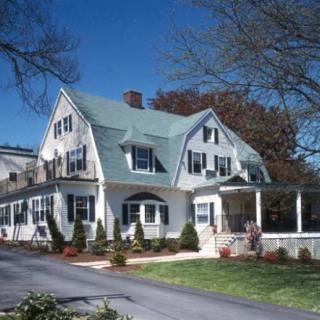
  • Colonial Rehabilitation And Nursing Center

    Colonial Rehabilitation And Nursing Center

    Weymouth, MA

    5 from 1 review
     

    pro Comprehensive 24/7 care with a wide range of on-site amenities in a peaceful Weymouth setting.

  • Pope Nursing Home

    Pope Nursing Home

    Weymouth, MA

    3.3 from 3 reviews
     

    pro Intimate 49-bed setting with 24-hour supervision, daily living assistance, and restaurant-style dining plus a range of amenities.

  • Elizabeth Catherine Rest Home

    Elizabeth Catherine Rest Home

    Weymouth, MA


    pro Diabetic and ambulatory care available; meals provided; indoor common areas.

  • Royal Braintree Nursing And Rehabilitation Center

    Royal Braintree Nursing And Rehabilitation Center

    Braintree, MA

    4.2 from 96 reviews
     

    pro Kind, respectful staff; clean, spacious rooms; engaging activities.

  • Royal Rehabilitation and Nursing Center

    Royal Rehabilitation and Nursing Center

    Braintree, MA

    4.2 from 93 reviews
     

    pro Some compassionate staff and potential rehab support; convenient access to nearby amenities.

  • CareOne Weymouth

    CareOne Weymouth

    Weymouth, MA

    3 from 100 reviews
     

  • Windrose at Weymouth

    Windrose at Weymouth

    South Weymouth, MA

    4.3 from 41 reviews
    $6,400 to $7,400 / month

    pro Friendly, knowledgeable staff with strong memory-care focus and engaging activities.

  • Linden Ponds

    Linden Ponds

    Hingham, MA

    4.1 from 41 reviews
     

    pro Amenity-rich campus with on-site health services and active social/wellness programs.

Related Resources

  • active senior livingVibrant Senior Living: A Comprehensive Guide for Active Older Adults

    Vibrant Senior Living emphasizes active senior living communities that promote independence and engagement through diverse amenities and activities, fostering wellness and social interaction among older adults. These communities range from independent to assisted living, with a focus on personal growth, family involvement, financial planning, and leveraging technology to enhance residents' experiences.

  • assisted living vs memory careAssisted Living and Memory Care: Understanding Their Core Differences

    Assisted living provides moderate support for seniors seeking independence, while memory care offers specialized support for individuals with dementia or cognitive impairments through structured routines and trained staff. Key differences include care approaches, environment security measures, staff training levels, activity types, and cost considerations.

  • assisted living vs nursing homeChoosing the Right Senior Care: A Detailed Exploration of Assisted Living and Nursing Homes


    Choosing between assisted living and nursing homes involves evaluating emotional and financial factors, with assisted living offering independence and support for daily activities at a lower cost, while nursing homes provide intensive medical care for individuals with significant health needs. The decision is influenced by personal preferences, health status, cognitive function, and varying Medicaid coverage across states.