Windrose at Weymouth Costs & Pricing
Windrose at Weymouth offers competitive pricing for its residents, particularly when compared to the broader market in Norfolk County and Massachusetts. For a semi-private room, the cost at Windrose is $6,400 per month, which is slightly higher than the county's average of $6,142 but notably above the state average of $5,805. In terms of studio accommodations, Windrose positions itself at $7,400 per month, significantly outpacing both Norfolk County's average of $5,282 and the state's rate of $5,312. While Windrose may be on the upper end of the pricing spectrum in comparison to its local counterparts, it reflects a commitment to providing quality care and amenities that can justify these costs for potential residents seeking enhanced services and comfort.
| Floor plans | Windrose at Weymouth | Norfolk County | Massachusetts |
|---|
| Semi-Private | $6,400 | $6,142 | $5,805 |
| Studio | $7,400 | $5,282 | $5,312 |
Memory care communities with a similar price nearby
-
from +$281 / mo
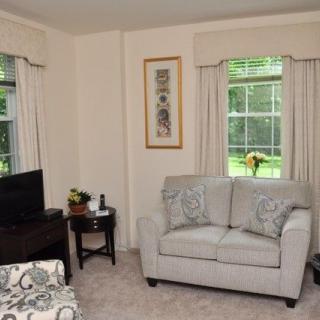
Youville Place
$6,681 to $9,053 / month
22.1 miles away
-
from +$375 / mo
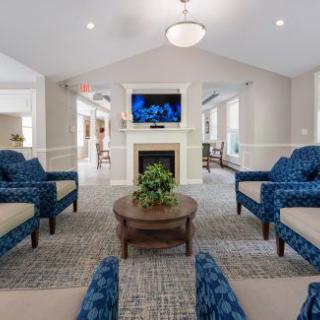
Avita of Needham
$6,775 to $9,995 / month
14.3 miles away
-
from +$700 / mo
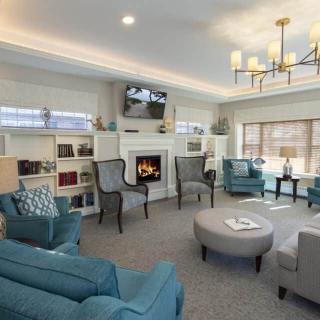
Compass On The Bay
$7,100 to $7,925 / month
11.2 miles away
-
from -$805 / mo
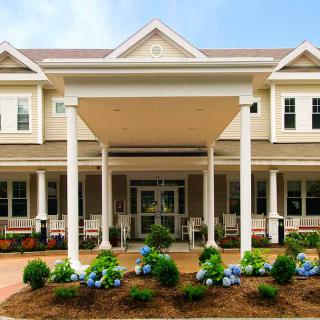
Atria Longmeadow Place
$5,595 to $8,995 / month
24.7 miles away
-
from +$200 / mo
Benchmark Senior Living on Clapboardtree
$6,600 to $7,800 / month
12.4 miles away
Overall Review of Windrose at Weymouth
differentiator
11 reviews mention this
Memory care feels purpose-built
Memory care is the community’s sole focus, and families say residents are kept engaged with a specialized approach.
Many reviewers chose Windrose because they specifically wanted a memory care setting, including families coming from assisted living that couldn’t manage Alzheimer’s-related behaviors. Residents are described as happier once they’re out in the community rather than sitting alone in their rooms. Several comments emphasize that the environment is designed around memory needs and that staff interact in a way that fits cognition changes. One reviewer also called out how the community handled Alzheimer’s differently than other places they had seen.
common
19 reviews mention this
Care staff and communication stand out
Residents and families frequently describe staff as caring, patient, and responsive to changing needs.
Reviewers repeatedly describe staff as gentle, compassionate, and attentive, with multiple comments about patience and respectful treatment. A common point is communication—especially around move-in support, updates to families, and responsiveness when concerns come up. Several reviewers also mention that staff help residents adjust and keep them comfortable day to day. Even reviews that criticize care still discuss specific interactions with the team, indicating families closely monitored what was happening.
common
10 reviews mention this
Activities keep residents engaged
Activities are a consistent part of daily life, with families noticing residents stay involved.
Many reviewers highlight an active schedule for residents, including group activities, outings, and events like happy hour and family night. Multiple comments describe residents being kept busy during the day, with engagement supported both indoors and in warmer-weather outdoor areas. A few reviewers also mention that residents enjoy music and structured activities rather than being left unengaged. The overall theme is that the activity department helps residents feel connected and more comfortable.
common
6 reviews mention this
Restaurant-style dining receives praise
Dining is frequently praised, including preference-based service and accommodating meal routines.
Several reviews mention that residents like the food, with one reviewer describing a choice between two meal options. Others describe how meals are handled with resident safety in mind, including not rushing or disturbing residents unnecessarily. Reviewers also reference a dining experience that feels more like a proper meal service than basic institutional dining. This aligns with the community offering restaurant-style dining and a chef-led program.
caveat
3 reviews mention this
Cost can feel high
Families note the community can be expensive, even when they feel the value matches the care.
Some reviewers call out cost directly, including one tour impression that it was very expensive compared with alternatives. Others acknowledge pricing is higher but still say it felt mostly worth it or that it helps their loved one’s money go farther than expected. At the same time, a negative review alleges serious issues tied to care and logistics, underscoring that families may have different experiences with what the price delivers. Overall, pricing is a recurring point in both cautious and positive perspectives.
How we summarize
Counts show how many written reviews mention each theme; a review can touch several themes, and only frequently mentioned themes are displayed.

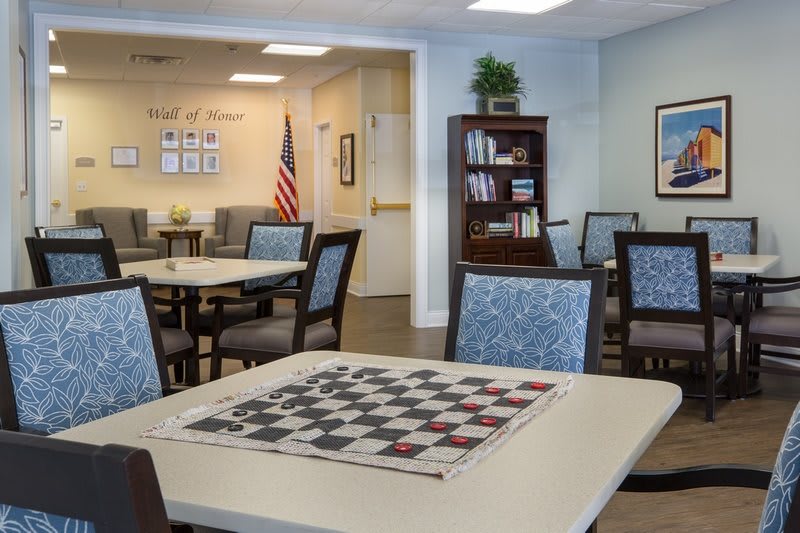
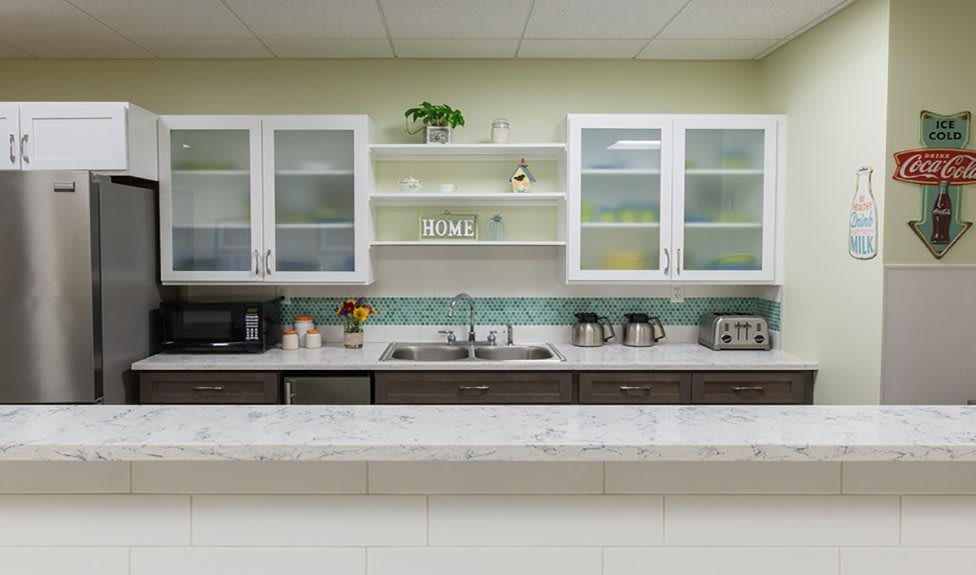
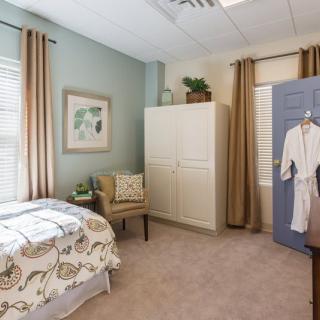


 Studio apartments
 Memory Care
 Activities off-site
 Air-conditioning
 Beautician on-site
 Ground floor units
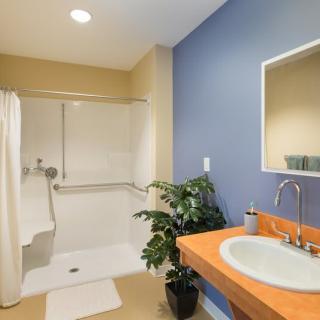
 Handicap accessible
 Indoor common areas
 Outdoor common areas
 Respite or short term stays offered
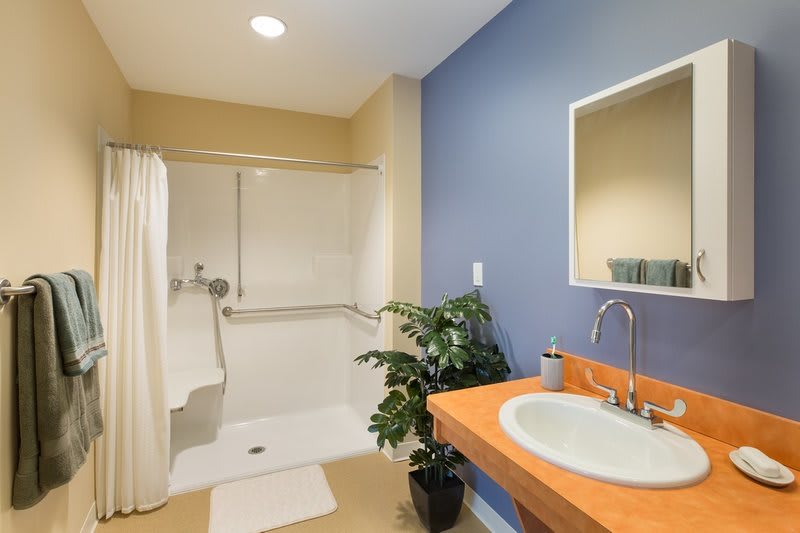
 Wheelchair accessible showers
 Wi-Fi/high-speed internet available
 Gen Edw L Logan International (13 miles away)
 Ambulatory care
 High acuity care
 Incontinence care
 Medication management
 Guest meals
 Art classes
 Catholic services
 Cooking classes
 Day trips and outings
 Educational speakers / life long learning
 Happy hour
 Karaoke
 Live dance or theater performances
 Live musical performances
 Other religious services
 Stretching classes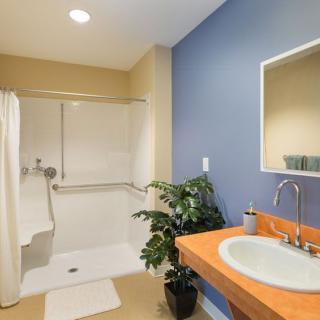
 24/7 staff, transportation, and medication management

 Why Do Dementia Patients Sleep So Much? Understanding Oversleeping, Stages, and Care Approaches
 8 Key Indicators That Suggest It May Be Time to Transition from Assisted Living to Skilled Nursing Care
 Nourishing the Mind: Essential Dietary Approaches for Dementia