
175 Grove St, Braintree, MA 02184
To contact a resident: (781) 848-2050
For more information about senior living options: (866) 208-4318
Overall Review of Alliance Healthcare Center at Braintree
Pros
 The care at Alliance is consistently exceptional.
- The team is top notch—compassionate, kind, and highly capable.
- The staff, including nurses, CNAs, therapists, and support personnel, are excellent and very helpful.
- The care received is outstanding, caring, and helps patients succeed.
- The administration and all staff show kindness and compassion that surpasses expectations.
- The facility is clean, with friendly, dedicated, and positive staff, making Alliance a highly recommended place.
Cons
 A reviewer described the facility as the worst place on the planet, citing abusive night shifts, staff gossip, and vulgar comments toward the elderly.
- Another reviewer stated that staff did not get them out of bed, leading to deterioration and leaving them weak, and expressed a strong dislike for Alliance.
- A third reviewer claimed they did not receive what they paid for and felt the facility’s handling of things was not good.
Review
Alliance Healthcare Center at Braintree is best suited for seniors who need skilled nursing care with a strong post-acute rehab orientation. Families seeking a setting where rehabilitation teams, nurses, CNAs, physical and occupational therapists, work in concert toward real recovery will find alignment here. The community shines for those who want a facility that prioritizes hands-on support, compassionate daily care, and a stable, clean environment as residents rebuild strength after surgery, injury, or a hospital stay. For long-term residents who value consistent warmth from staff and a culture that emphasizes recovery as much as daily living, this center presents a focused, practical fit.
There are reasons to explore alternatives, however. For families prioritizing unyielding aggressive mobilization on a strict timetable, another setting might better fit the goal. A single review raised concerns about night-shift behavior and overall atmosphere, describing abusive conduct and gossip, which underscores the need to verify current staffing culture and governance before choosing. Additionally, if a family’s budget, social programming breadth, or emphasis on nonclinical activities differs from what Alliance prioritizes, it makes sense to compare with other communities that may offer different programming mixes or pricing structures.
The strongest justification for choosing Alliance is the demonstrated strength of its care teams and the way they coordinate around recovery. Multiple residents and family members highlight staff as compassionate, capable, and genuinely invested in outcomes. The nursing, CNA, physical therapy, and occupational therapy teams are repeatedly praised for their professionalism and reliability. When recovery milestones matter, speech, mobility, and functional independence, the facility’s ecosystem appears to deliver consistently. This depth of clinical attention is the core offset to more isolated complaints and sustains a high overall perception of quality.
Experience with rehab at Alliance is a recurring theme of standout outcomes. Several reviews recount weeks of focused rehabilitation after fractures or surgeries, with comments that therapy providers helped patients regain function and “succeed” in the recovery process. The positive resonance across these reports centers on real progress observed through structured PT/OT plans, supportive nursing care, and an administration that seems to back a rehabilitative mindset. For families weighing post-acute needs, these narratives provide practical reassurance that a robust rehabilitation pathway is more than aspirational, it's the expected norm here.
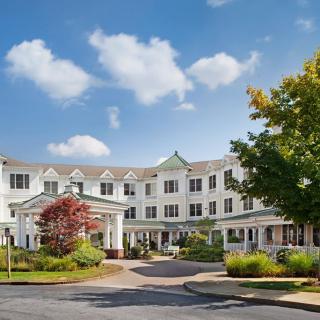
The environment and culture emerge as decisive factors in assessing suitability. The consensus across most reviews is that the facility is clean, organized, and staffed by people who are kind, patient, and capable. This isn’t cosmetic praise; families describe tangible reliability and a sense of security in the care team’s hands. Yet the outlier report should prompt diligence: prospective residents should tour, ask to meet the therapy team, and query night-shift dynamics and responsiveness. A facility-wide orientation toward continuous improvement tends to mitigate such concerns, but firsthand observations will determine whether the culture aligns with a particular family’s expectations for everyday interactions and escalation protocols.
Ultimately, the decision hinges on matching needs to the center’s strengths while guarding against potential gaps. For families prioritizing post-acute rehab with a consistently compassionate staff and a well-coordinated care plan, Alliance Healthcare Center at Braintree stands out as a strong choice. Prospective residents should verify current staffing patterns, request a detailed care plan tailored to the individual, and speak with the therapy team about daily expectations and progression timelines. If the resident requires relentless early mobilization or a very different care culture, or if recent experiences elsewhere suggest significant concern with night-shift operations, it pays to compare with alternatives that may align more closely with those specific priorities. In the balance, Alliance offers a practical, experienced pathway to recovery and ongoing care for most seniors who value dependable, personable clinical support.
 Skilled Nursing Facility
 Gen Edw L Logan International (12 miles away)



 Navigating Medicare Coverage for In-Home Care Services
 In-Home Care Costs in 2025: A Detailed State-by-State Exploration
 Understanding Home Health Care: A Comprehensive Guide