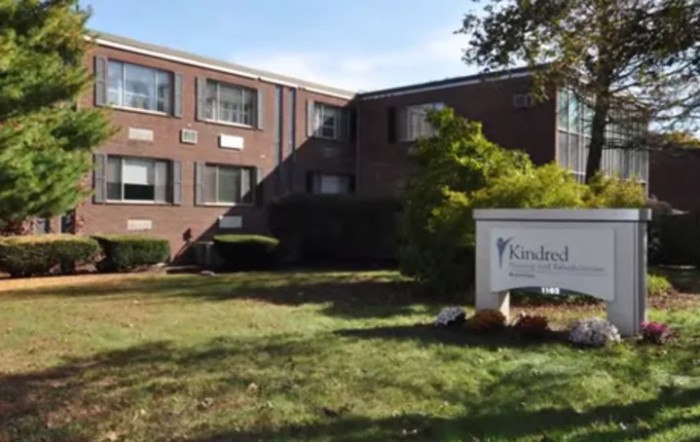
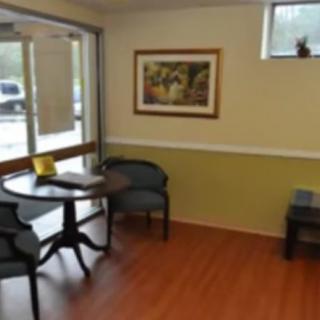
Braintree Manor Healthcare in Braintree, MA

Save

Braintree Manor Healthcare in Braintree, MA

Information last verified:

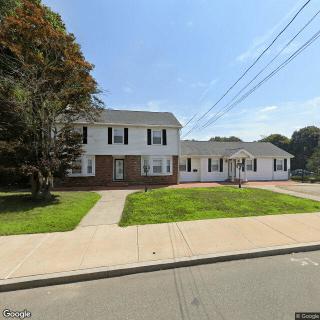
1102 Washington Street, Braintree, MA 02184

For more information about senior living options: (844) 490-3973

2 from 31 reviews
5 stars
5
4 stars
2
3 stars
1
2 stars
3
1 stars
20

Overall Review of Braintree Manor Healthcare

Pros

  • pro There are wonderful and caring people who take care of loved ones.
  • pro Some staff work hard and are dedicated to residents (CNA's mostly).
  • pro The management team is great and the director was awesome.
  • pro Open communication with the social service department is valuable and staff go out of their way to assist, including arranging Skype visits.
  • pro Kindred Nursing and Rehabilitation is highly recommended by families, with friendly, caring staff.
  • pro The staff are pleasant and knowledgeable about residents' needs, and provide daily activities and outings.
  • pro The care includes compassion for patients, with staff listening to patients and offering positive interactions.

Cons

  • pro The CNA staff abuse residents and routinely ignore call lights.
  • pro Staff sometimes hold patients against their will.
  • pro The facility is dirty, with roaches, mice, and pervasive odors.
  • pro Residents are left unsupervised and subjected to verbal and physical abuse.
  • pro The facility is accused of stealing Christmas presents sent to residents’ loved ones.
  • pro The kitchen and food service frequently mishandle orders and deliver poor-quality meals.
  • pro Communication is poor; staff fail to notify families when a resident is in ICU or in danger.
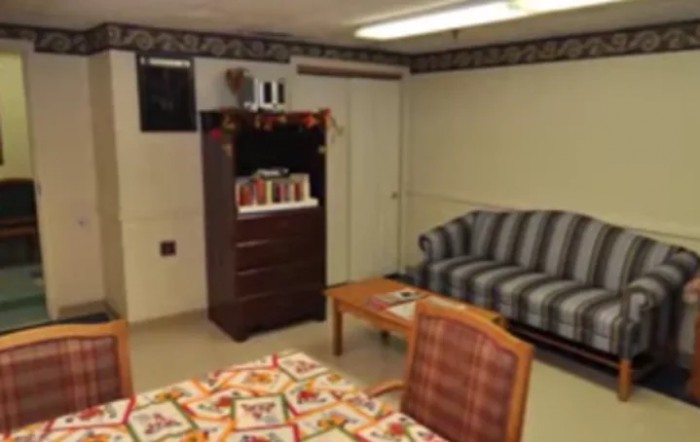
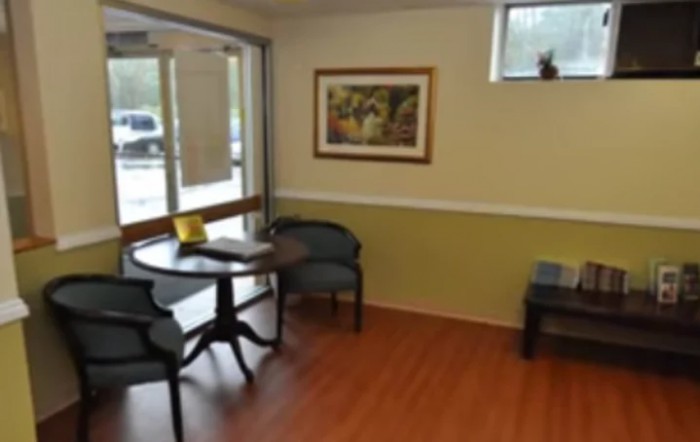
  • pro The building feels outdated, prison-like, and unsafe, with ongoing sanitation and maintenance problems such as elevator breakdowns.

Review

This community is best suited for families that can provide hands-on oversight and demand uncompromising accountability. The residents who benefit most tend to be relatively independent but needing occasional assistance, and families seeking a lower-cost option who are prepared to stay actively involved in care planning. The facility’s infrastructure leans toward an older, institutional feel, and success hinges on diligent frontline staff engagement. When staff are present and responsive, basic care tasks sometimes get done; when shifts are thin, gaps quickly widen. In short, this is not a hands-off solution; it rewards vigilance, proactive problem-solving, and an outspoken family advocate ready to press for improvements.

Those considering alternatives should focus on safety, cleanliness, and reliable care delivery. Anyone with serious safety concerns, documented abuse or neglect, or ongoing needs for robust rehabilitation and medication management should look elsewhere. For families who cannot devote time to advocacy or who rely on consistent communication, this option becomes even more unsteady. In seeking higher-quality outcomes, prioritize facilities with transparent leadership, solid staffing ratios, and track records of clean environments, prompt call-light response, and dependable therapy services. This community is not suitable for those who expect a dependable, turnkey experience without ongoing oversight.

On the upside, certain staff members are described as caring, with friendly nurses and capable therapy services when available. A few administrators and social-service contacts have been praised for engagement and responsiveness, and there are glimpses of meaningful activity and dignity when management is involved. Yet these strengths are fragile, easily overwhelmed by the facility’s larger deficiencies. The most consistent themes across reviews point to insufficient staffing, inconsistent supervision, and a physical plant that struggles to maintain basic hygiene and safety standards. The limited rehabilitation and therapy capacity, driven by staffing gaps, further narrows the margin between occasional competence and ongoing risk.

Practically, families should approach with a rigorous, decision-making toolkit. Before placement, demand the latest state and regulatory findings, a direct line to the administrator, and a concrete plan addressing staffing levels, cleaning protocols, and infection control. Observe care in real time during peak hours to assess call-light response, resident supervision, and medication administration safety. Inspect living spaces for cleanliness, odors, and pests; confirm laundry turnaround and meal quality. Request a dedicated family liaison to coordinate care planning and discharge routes, and insist on a written escalation process for concerns. Keep a documented log of questions and requests, and be prepared to delay admission if promises fail to materialize or if confidence in ongoing improvement cannot be established.

The verdict is clear: financial considerations or geographic convenience may tempt acceptance, but safety and dignity should not be gambled. If safety, cleanliness, and reliable rehab services matter most, strong alternatives should be pursued. This facility can function in a pinch only with relentless family advocacy, continuous oversight, and a clear escalation framework; otherwise, the risk-to-benefit balance heavily favors seeking options with proven staffing stability and cleaner, safer environments. For younger residents or cognitive-heavy cases requiring structured day programs, look instead for facilities with specialized programs, higher staffing levels, and transparent incident reporting. In essence, Braintree Manor is not a default choice; it is a decision that requires a concrete plan, vigilant monitoring, and an exit strategy if conditions fail to improve.

Ultimately, a proactive, no-nonsense approach is essential. If this community is chosen, establish a formal advocacy framework with regular family conferences, weekly updates from the director of nursing, and a real-time pathway to escalate concerns. Maintain a parallel record of incidents, admissions, and responses, and insist on a concrete 30-, 60-, and 90-day improvement roadmap. Be prepared to transition quickly if safety, cleanliness, or dignity deteriorates. With decisive oversight, one can mitigate some risks, but the weight of the evidence suggests that more reliable options exist for families prioritizing safety, consistent care, and peace of mind.

Features

Housing

  • 177 resident community capacity 177 resident community capacity

Types of Care

  • Skilled Nursing Facility Skilled Nursing FacilitySkilled Nursing Facilities are crucial for seniors as they provide round-the-clock medical care, rehabilitation services, and assistance with daily activities. These facilities ensure that seniors receive the specialized care they need to maintain their health and well-being as they age.

Amenities

  • Air-conditioning Air-conditioningAir conditioning is important for seniors as they are more vulnerable to heat-related illnesses and may have underlying health conditions that make it difficult for them to regulate their body temperature. It helps to keep them comfortable, safe, and healthy in hot weather.
  • Beauty salon Beauty salonBeauty salons are important for seniors because they provide a space for them to feel pampered, socialize, and maintain their personal grooming and hygiene. Regular visits to a beauty salon can help boost seniors' self-esteem and overall well-being.
  • Cable or satellite TV Cable or satellite TVCable or satellite TV is important for seniors because it provides entertainment, news, and companionship, helping to combat loneliness and boredom. It also offers a wide range of programming options tailored to different interests and preferences.
  • Computer center Computer centerA computer center is essential for seniors as it provides access to technology, communication tools, and resources that can enhance their daily lives. It allows them to stay connected with loved ones, engage in online activities, and learn new skills, ultimately promoting socialization and mental stimulation.
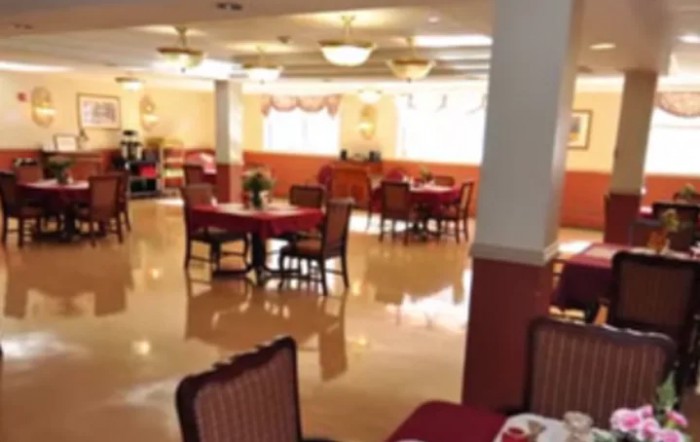
  • Dining room Dining roomDining rooms are important for seniors as they provide a space for socialization, connection, and nutritious meals. They offer opportunities for residents to bond over shared meals, foster a sense of community, and promote healthy eating habits. Dining rooms also ensure that seniors have access to well-balanced meals tailored to their dietary needs and preferences.
  • Fitness room Fitness roomHaving a fitness room in a senior living community is essential for seniors to stay active, maintain their physical health, and improve their overall well-being. Regular exercise can help prevent falls, reduce the risk of chronic diseases, and promote mental sharpness. It also provides social opportunities for residents to connect with others and enjoy a sense of community.
  • Fully furnished Fully furnishedFully furnished senior living communities are important for seniors because they provide convenience, comfort, and a hassle-free moving experience. Seniors can easily settle into their new living space without the stress of having to buy and move furniture. This allows them to focus on enjoying their new home and community.
  • Gaming room Gaming roomGaming rooms are important for seniors as they provide a fun and engaging environment for socializing, cognitive stimulation, and physical activity. Games can improve memory, problem-solving skills, and overall mental well-being while fostering friendships and reducing feelings of isolation.
  • Garden GardenGardens are important for seniors as they provide a peaceful and therapeutic environment for relaxation, physical activity, and socialization. Being in nature has been shown to reduce stress, improve mood, and promote overall well-being. Gardens also offer opportunities for seniors to engage in gardening activities, which can improve mobility, flexibility, and cognitive function. Additionally, gardens create a sense of community and connection with others who share a passion for plants and outdoor spaces.
  • Housekeeping services Housekeeping servicesHousekeeping services are important for seniors because they help maintain a clean and safe living environment, promote independence, and reduce the risk of accidents or illnesses. Additionally, having assistance with household chores can alleviate physical strain and allow seniors to focus on other aspects of their well-being.
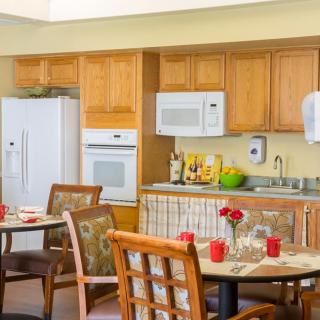
  • Kitchenette KitchenetteKitchenettes are important for seniors living in senior living communities because they provide the convenience and independence of being able to prepare simple meals and snacks in the comfort of their own living space. This can help promote a sense of autonomy and well-being for seniors, allowing them to maintain some level of control over their dietary choices and daily routines.
  • Move-in coordination Move-in coordinationMove-in coordination is important for seniors because it helps ease the transition into their new living environment. It ensures that all logistics, such as packing, organizing movers, and setting up utilities are taken care of, allowing seniors to focus on settling in and adjusting to their new home. Having a smooth move-in process can alleviate stress and anxiety, making the transition smoother and more enjoyable for seniors.
  • Outdoor space Outdoor spaceOutdoor spaces are important for seniors as they provide opportunities for physical activity, social interaction, exposure to natural light and fresh air, and a sense of connection to nature. Having access to outdoor spaces can improve overall well-being and quality of life for older adults living in senior communities.
  • Private bathrooms Private bathroomsPrivate bathrooms are important for seniors in senior living communities because they provide independence, dignity, and comfort. Having a private bathroom allows seniors to maintain their personal hygiene routines without the need for assistance, promoting a sense of autonomy and privacy. Additionally, private bathrooms help prevent the spread of infections and provide a safe and clean environment for seniors to navigate safely.
  • Restaurant-style dining Restaurant-style diningRestaurant-style dining is important for seniors because it allows them to enjoy delicious, nutritious meals in a social and upscale setting. This enhances their dining experience, promotes healthy eating habits, and fosters socialization with fellow residents, ultimately contributing to their overall well-being and quality of life.
  • Small library Small librarySmall libraries are important for seniors as they provide access to a variety of reading materials, including books, newspapers, and magazines. This can help stimulate their minds, keep them engaged, and provide a sense of community through book clubs and other social activities. Additionally, reading has been shown to improve cognitive function and overall mental well-being in older adults.
  • Telephone TelephoneTelephones are important for seniors as they provide a lifeline for communication with loved ones, emergency services, and healthcare providers. They offer a sense of security and independence, enabling seniors to stay connected and access assistance when needed.
  • Wellness center Wellness centerWellness centers are important for seniors because they offer a variety of programs and services that promote physical, mental, and emotional well-being. These centers provide opportunities for exercise, socialization, education, and relaxation, helping seniors maintain their overall health and quality of life.
  • Wi-Fi/high-speed internet available Wi-Fi/high-speed internet availableWi-Fi/high-speed internet is important for seniors to stay connected with loved ones, access online resources, and participate in virtual activities to combat feelings of loneliness and isolation. It also allows them to easily manage healthcare needs, access entertainment, and engage in lifelong learning opportunities.

Transportation

  • Gen Edw L Logan International (11 miles away) Gen Edw L Logan International (11 miles away)
  • Community operated transportation Community operated transportationCommunity operated transportation is crucial for seniors as it provides them with the means to access essential services, social activities, and medical appointments. It allows seniors to maintain their independence and quality of life by ensuring they can participate in activities outside of their homes. Additionally, community-operated transportation services offer a safe and reliable way for seniors to travel without having to rely on family or friends for assistance.
  • Transportation arrangement Transportation arrangementTransportation arrangements are crucial for seniors as they may face challenges with driving, mobility, or access to public transportation. Having reliable transportation services ensures that seniors can easily attend appointments, social activities, and maintain their independence and quality of life.
  • Transportation arrangement (non-medical) Transportation arrangement (non-medical)Transportation arrangements are essential for seniors as they provide access to essential services, activities, and social interactions outside the home. This service helps maintain independence, mobility, and overall well-being for seniors who may have limited transportation options.
  • Transportation to doctors appointments Transportation to doctors appointmentsTransportation to doctors appointments is crucial for seniors as it ensures they have access to necessary medical care and support, promoting their health and well-being. It allows them to receive timely treatment, monitor existing conditions, and address any new health concerns efficiently. Additionally, transportation services can help seniors maintain their independence and quality of life by enabling them to stay connected with their healthcare providers.

Care Services

  • 12-16 hour nursing 12-16 hour nursing12-16 hour nursing care is crucial for seniors in order to ensure around-the-clock monitoring, timely medication administration, and prompt response to any health concerns or emergencies. This level of care helps to promote the overall well-being and safety of seniors living in senior living communities.
  • 24-hour call system 24-hour call system24-hour call systems are important for seniors because they provide peace of mind and immediate assistance in case of emergencies. This technology ensures that help is always available, promoting safety and security for elderly individuals living alone or in assisted living facilities.
  • 24-hour supervision 24-hour supervision24-hour supervision is important for seniors to ensure their safety, well-being, and access to immediate assistance in case of emergencies or health issues. This constant support provides peace of mind for both seniors and their loved ones, allowing them to age in place with dignity and security.
  • Activities of daily living assistance Activities of daily living assistanceActivities of daily living assistance are important for seniors because they provide essential support with tasks such as eating, bathing, dressing, and mobility. This assistance helps seniors maintain their independence, dignity, and overall quality of life as they age.
  • Assistance with bathing Assistance with bathingAssistance with bathing is crucial for seniors as it helps maintain personal hygiene, prevents infections, and ensures their overall well-being and comfort. It also provides a sense of dignity and independence for seniors who may struggle with this task on their own.
  • Assistance with dressing Assistance with dressingAssistance with dressing is important for seniors because it helps maintain their independence, promotes personal hygiene, prevents accidents and injuries, and improves overall quality of life. This service ensures that seniors can continue to dress comfortably and confidently, despite any physical limitations they may have.
  • Assistance with transfers Assistance with transfersAssistance with transfers is crucial for seniors as it helps prevent falls and injuries, maintains their independence, and ensures they can safely navigate their living environment. It also provides peace of mind for both seniors and their loved ones.
  • Diabetes diet Diabetes dietA diabetes diet is crucial for seniors as it helps manage blood sugar levels, reduce risks of complications, and improve overall health and well-being. By following a balanced and nutritious diet tailored to their specific needs, seniors can better control their diabetes and enhance their quality of life.
  • Meal preparation and service Meal preparation and serviceMeal preparation and service are crucial for seniors as they may have limited mobility or energy to cook nutritious meals. Having access to healthy and convenient food options can ensure they are getting the proper nutrition needed to maintain their overall health and well-being.
  • Medication management Medication managementMedication management is crucial for seniors to ensure they are taking the right medications at the correct dosages and times. This helps prevent adverse drug interactions, reduces the risk of medication errors, and promotes overall health and well-being. Proactive management also allows for adjustments as needed based on changing health conditions or new prescriptions.
  • Mental wellness program Mental wellness programMental wellness programs are essential for seniors as they promote cognitive stimulation, emotional support, and social engagement. These programs help prevent isolation, depression, and cognitive decline, ultimately enhancing the overall quality of life for older adults.
  • Special dietary restrictions Special dietary restrictionsSpecial dietary restrictions are important for seniors because age-related changes in metabolism and health conditions can make it difficult for their bodies to process certain foods. By following a diet tailored to their specific needs, seniors can maintain their overall health and well-being, manage chronic conditions, and reduce the risk of complications such as malnutrition or food interactions with medications.

Dining

  • Diabetes diet Diabetes dietA diabetes diet is crucial for seniors as it helps manage blood sugar levels, reduce risks of complications, and improve overall health and well-being. By following a balanced and nutritious diet tailored to their specific needs, seniors can better control their diabetes and enhance their quality of life.
  • Special dietary restrictions Special dietary restrictionsSpecial dietary restrictions are important for seniors because age-related changes in metabolism and health conditions can make it difficult for their bodies to process certain foods. By following a diet tailored to their specific needs, seniors can maintain their overall health and well-being, manage chronic conditions, and reduce the risk of complications such as malnutrition or food interactions with medications.

Activities

  • Community-sponsored activities Community-sponsored activitiesCommunity-sponsored activities are important for seniors as they provide opportunities for social interaction, mental stimulation, and physical activity. These activities can help improve overall well-being, combat loneliness and isolation, and promote a sense of belonging and purpose among older adults.
  • Concierge services Concierge servicesConcierge services are essential for seniors as they provide assistance with daily tasks and errands, enhance their quality of life by offering convenience and personalized care, and promote a sense of safety and security.
  • Fitness programs Fitness programsFitness programs are crucial for seniors as they help improve strength, flexibility, balance, and overall well-being. Staying active can reduce the risk of chronic diseases, improve mental health, and enhance quality of life in older adults.
  • Planned day trips Planned day tripsPlanned day trips are important for seniors because they offer opportunities for socialization, mental stimulation, and physical activity. They provide a change of scenery and help seniors stay engaged and connected to their community, promoting overall well-being and quality of life.
  • Resident-run activities Resident-run activitiesResident-run activities are important for seniors as they encourage social interaction, creativity, and a sense of autonomy. These activities empower seniors to stay engaged and active in their community while fostering meaningful connections with their peers.
  • Scheduled daily activities Scheduled daily activitiesScheduled daily activities are important for seniors because they provide structure, socialization, mental stimulation, and physical activity. Engaging in regular activities can improve overall well-being and quality of life for seniors living in a community setting.

Description

Braintree Manor Healthcare is an assisted living community located in Braintree, MA. This community offers a wide range of amenities to ensure the comfort and enjoyment of its residents. The community features a beauty salon where residents can pamper themselves, as well as access to cable or satellite TV for their entertainment needs. Community-operated transportation is available, making it easy for residents to get around and explore the local area.

For those who enjoy staying connected, there is a computer center with Wi-Fi/high-speed internet access. The dining room offers restaurant-style dining, providing delicious and nutritious meals for residents. Additionally, there is a fitness room where residents can stay active and maintain their physical well-being.

Braintree Manor Healthcare provides fully furnished accommodations, ensuring that residents feel at home from the moment they move in. Private bathrooms offer convenience and privacy. Housekeeping services are also provided to keep the living spaces clean and tidy.

The community boasts various recreational spaces including a gaming room, small library, and outdoor garden area where residents can relax and socialize. A wellness center is available to promote overall health and well-being.

In terms of care services, Braintree Manor Healthcare offers 24-hour call system and supervision to provide peace of mind to both residents and their families. Assistance with activities of daily living such as bathing, dressing, and transfers is provided by trained caregivers. Medication management is also offered to ensure that residents take their medications correctly and on time.

Special dietary restrictions are accommodated with diabetes diet options and meal preparation services. A mental wellness program is in place to support the emotional well-being of residents.

Transportation arrangements are available for non-medical purposes as well as transportation to doctors' appointments. Move-in coordination services make the transition into the community seamless.

The surrounding area offers convenient amenities with cafes, parks, pharmacies, physicians' offices, restaurants, places of worship, theaters, and hospitals all within close proximity.

Braintree Manor Healthcare is dedicated to providing a comfortable and fulfilling lifestyle for its residents, offering a range of amenities and care services to meet their individual needs.

Nearby Places of Interest

Transportation

  • MBTA Braintree Station (0.7 miles)
  • MBTA Wollaston Station (4.8 miles)
  • MBTA North Quincy Station (5.5 miles)
  • West Hingham Commuter RailStation (5.9 miles)
  • Readville (7.1 miles)
  • Route 128 station (7.3 miles)
  • Canton Junction Station (7.9 miles)

Physicians

  • Harvard Vanguard Medical Associates (0.9 miles)
  • Eye Health Services (3.1 miles)
  • Coffey Eye Care (3.3 miles)
  • South Shore Orthopedics (4.7 miles)
  • Carney Hospital (6.2 miles)
  • Angels Neurological Ce (7 miles)
  • Outpatient Department Signature Healthcare - Brockton Hospital (7.6 miles)

Pharmacies

  • CVS Pharmacy (1.1 miles)
  • CVS Pharmacy (2.1 miles)
  • CVS Pharmacy (2.6 miles)
  • Walmart Pharmacy (2.9 miles)
  • CVS Pharmacy (2.9 miles)
  • Walgreens (3 miles)
  • Walgreens (3 miles)

Parks

  • Braintree Highlands Community Playground (1.8 miles)
  • Great Esker Park (3.4 miles)
  • Houghton's Pond (4.6 miles)
  • Andrew's Park (4.6 miles)
  • Governor Hutchinson's Field (5.5 miles)
  • Bare Cove Park (5.5 miles)
  • Webb Memorial State Park (5.9 miles)

Cafes

  • Target T2693 Braintree (1.9 miles)
  • Dunkin' Brands (6.4 miles)
  • Marylou's News (7 miles)
  • Reign Drink Lab (7.8 miles)
  • Starbucks (8.8 miles)

Restaurants

  • The Cheesecake Factory (1.9 miles)
  • Widowmaker Brewing (2.2 miles)
  • Burger King (2.5 miles)
  • Pho 89 (2.7 miles)
  • 1048 Bar and Grill (2.8 miles)
  • The Connection Cafe (3 miles)
  • McDonald's (3.1 miles)

Theaters

  • AMC Braintree 10 (1.9 miles)
  • Showcase Cinema de Lux Randolph (3.8 miles)

Places of Worship

  • First Baptist Church (2.7 miles)
  • Annunciation Greek Orthodox Church (6.9 miles)

Hospitals

  • South Shore Hospital (3.1 miles)
  • South Shore Hospital (4.8 miles)
  • Signature Health Care (7.7 miles)
  • Lemuel Shattuck Hospital (8.5 miles)
  • New England Baptist Outpatient Care Center (8.7 miles)

Frequently Asked Questions

Where is Braintree Manor Healthcare?
What photos are available for Braintree Manor Healthcare in Braintree, Massachusetts?

Nearby Communities

  • KinCare at Home

    KinCare at Home

    Braintree, MA

    5 from 5 reviews
     

    pro Convenient location with easy access to healthcare, dining, parks, and transportation.


  • Grove Manor Estates

    Grove Manor Estates

    Braintree, MA

    4.6 from 76 reviews
    $3,550 to $7,265 / month

    pro Caring, responsive staff in a welcoming, activity-rich community.

  • South Shore Elder Svc Inc

    South Shore Elder Svc Inc

    Braintree, MA


    pro Convenient location with access to amenities, healthcare, transportation, and cultural venues.

  • The Irish Manor

    The Irish Manor

    Braintree, MA

    4.6 from 9 reviews
    $4,500 / month

    pro High-acuity care with private rooms at a competitive price near amenities.

  • The Glen at Grove Manor

    The Glen at Grove Manor

    Braintree, MA

    4.5 from 38 reviews
    $3,550 to $5,720 / month

    pro Strong staff, prompt maintenance, and engaging activities.

  • Alliance Health At Braintree

    Alliance Health At Braintree

    Braintree, MA

    4.8 from 9 reviews
     

    pro Responsive physical therapy and well-maintained facilities in a convenient location.

  • Alliance Healthcare Center at Braintree

    Alliance Healthcare Center at Braintree

    Braintree, MA

    4.8 from 9 reviews
     

    pro PTs made effort; good facilities; convenient location; dining acceptable.

  • Sunrise of Braintree

    Sunrise of Braintree

    Braintree, MA

    4.5 from 71 reviews
    $5,160 to $8,400 / month

    pro Friendly, attentive staff; clean facility with engaging activities.

  • The Atrium At Faxon Woods

    The Atrium At Faxon Woods

    Quincy, MA

    4.3 from 52 reviews
    $5,025 to $7,850 / month

    pro Caring, attentive staff; engaging activities; clean, well-maintained environment; memory-care programming with restaurant-style dining.

Related Resources

  • fecal incontinenceFecal Incontinence in Older Adults: A Comprehensive Guide

    Fecal incontinence, prevalent among older adults, arises from factors like weakened pelvic muscles and nerve damage, significantly affecting well-being and social interactions. Diagnosis involves clinical evaluation and tests to inform tailored treatments, while caregivers and preventive measures can aid in managing the condition effectively.

  • anticipatory griefRecognizing the Journey: Understanding and Navigating Anticipatory Grief

    Anticipatory grief is an emotional response to the impending loss of a loved one, characterized by complex emotions such as sadness and anger, and involves navigating stages similar to those identified by Kübler-Ross. Coping strategies are vital for managing this process, emphasizing compassionate communication, self-care, and support groups while recognizing the cultural influences on grieving.

  • adult day careEncouraging Participation in Adult Day Care: A Guide to Supporting a Hesitant Parent

    Adult day care programs offer essential support and activities for older adults, yet many hesitate to participate due to concerns about independence and stigma. To alleviate these apprehensions, families should facilitate open discussions, explore financial resources, suggest trial visits, and collaborate with healthcare providers to highlight the benefits of such services for both the participants and their caregivers.