

150 Grossman Drive Suite 201, Braintree, MA 02184
To contact a resident: (617) 588-0055
For more information about senior living options: (866) 208-4318
Overall Review of KinCare at Home
Pros
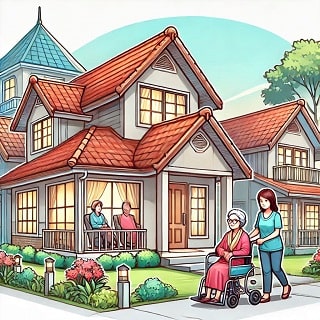
 KinCare at Home provides compassionate and expert clinical care for home care of varying degrees.
- David is professional, personable, and highly trusted to care for loved ones.
- The KinCare team delivers excellent care and is patient and knowledgeable.
- KinCare is a caring, family-owned business that goes above and beyond to care for patients and friends, remaining calm and patient and exceeding expectations.
- Mia and her team are exceptional; they listen attentively and work tirelessly to ensure the best care, with Mia's care and compassion shining in every conversation.
- KinCare at Home is highly recommended for home health needs.
Review
KinCare at Home in Braintree, MA is best suited for families that want deeply personalized, in-home care for an older loved one who can remain at home with professional, compassionate support. The operation is clearly anchored by a family-owned ethos, and that translates into steady, accountable care rather than a rotating agency feel. Care is delivered through a network built on relationship and continuity rather than quick fixes. The stories of long-term engagement with David and Mia illustrate a level of trust and clinical competence that makes it practical to keep someone at home who would otherwise need higher levels of facility-based oversight. Proximity to the Boston metro helps families coordinate visits and crises with confidence.
However, those weighing KinCare against alternatives should consider whether round-the-clock, facility-based supervision or hospital-style medical interventions are required. If a loved one needs constant skilled nursing, highly specialized equipment, or the social ecosystem of a senior living community, a traditional assisted living or skilled nursing facility may be more suitable. KinCare excels in flexible, home-centered care, but the home setting is less suited to scenarios where frequent on-site nursing coverage, large-scale activities, or intensive medical supervision is non-negotiable.
On the upside, the core strengths are clear and repeatedly validated: compassionate, expert clinical care delivered by caregivers who combine professional rigor with a personable demeanor. The EMS background embedded in leadership and some caregivers translates into practical, calm decision-making in medical moments, quick response, and a readiness to handle the unexpected. The team is patient, attentive, and adept at listening, they tailor plans to the individual rhythms and preferences of the person receiving care. That level of attentiveness reduces anxiety for families and reduces the friction commonly seen when trying to adjust to new caregivers.
Another standout is the family-owned culture. KinCare presents an atmosphere of accountability, consistency, and genuine concern for both patients and their families. The caregivers are described as going beyond what is expected and staying with a plan until it works, which translates into fewer care gaps and more dependable routines. The emphasis on listening and adjusting care based on feedback creates a sense of partnership with families, turning caregiver turnover into stability rather than disruption. In-home care thus becomes less an ad hoc service and more a supported, coordinated program that respects independence while providing safety.
That said, the model carries typical tradeoffs. The most meaningful limitation is that home care cannot fully substitute for the constant, on-site presence of a full-service facility when complex, 24/7 medical oversight is essential. Families should confirm what coverage looks like for evenings, nights, weekends, and vacations, and clarify backup plans if a principal caregiver is unavailable. It is prudent to obtain a written care plan, scheduled updates, and clear escalation protocols, so the strengths, trust, continuity, and responsiveness, do not hinge on any single person. Friction points, travel time, caregiver availability, and the pace of add-on services, are manageable with planning, but they exist.
Overall, KinCare at Home stands out for families prioritizing a trusted, compassionate, home-based approach that keeps a loved one at home with dignified, capable care. The combination of professional clinical competence, a calm, patient style, and a family-owned commitment creates a compelling alternative to facility-based options for many seniors. For those needing constant on-site supervision or a bustling campus social life, alternatives warrant careful comparison. The prudent course is to engage early with the leadership, David and Mia, develop a concrete care plan, verify references, and confirm alignment with budget and goals. When a home-centered, relationship-driven model matches the senior’s needs, KinCare is hard to beat.
 Gen Edw L Logan International (11 miles away)






 California's Form 602A: An In-Depth Examination of Senior Care Assessment
 Comprehensive Look at Senior Blood Pressure Charts: Normal and Elevated Levels by Age
 Top Canine Companions for Older Adults