
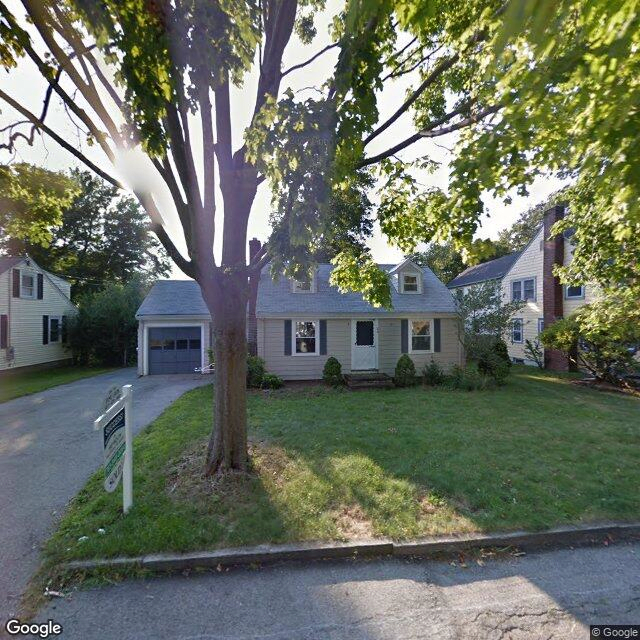
35 Russell Rd, South Weymouth, MA 02190
To contact a resident: (781) 925-1916
For more information about senior living options: (866) 208-4318
Overall Review of Paula's Private Duty Nursing
Pros
 Pope used to be top notch.
- The facility had a bed available for a mother at discharge, which was appreciated.
- A few of the staff are nice.
- Michele is a wonderful aide.
- Some caregivers showed compassion and were helpful.
Cons
 The experience was an absolute disappointment.
- The mother was left unattended for three hours while an aide yelled at her.
- The facility had ongoing issues with an aide.
- The place was dirty.
- The communal shower was not cleaned after use.
- Newspaper was placed in the door to prevent it from locking.
- Aside from two or three caregivers, the rest of the staff were a despicable excuse for anyone to have to live there.
- One should not send a loved one to Pope.
Review
Paula's Private Duty Nursing in South Weymouth, MA, is best suited for families that need immediate bed availability for a medically complex relative and can provide rigorous, on-site oversight of caregiving. The setting is most appropriate when a discharge plan hinges on securing a place quickly and when a family is ready to intervene directly if care drifts. For families facing hospital-to-home transitions, the ability to place a loved one and rely on a nurse-manager dynamic can feel compelling, provided the family is prepared to monitor daily care and push for accountability. In short, readiness to supervise and intervene is the differentiator that makes this option workable.
Those seeking consistently high-quality care, transparent operations, and pristine conditions should consider alternatives. The reviews signal uneven staff reliability, notable cleanliness concerns, and a pattern that raises red flags for ongoing safety. Prospective residents with more demanding needs for continuous, well-supervised nursing oversight may be better served elsewhere. Families should prioritize facilities with proven governance, robust incident reporting, and regularly audited cleanliness standards, especially when a loved one depends on protection from neglect or mistreatment.
The few apparent positives matter for families who can harness them, but they do not fully mitigate the fundamental risks. On the plus side, a handful of caregivers are described as compassionate, and one aide, Michele, stands out as genuinely caring in a landscape where care quality varies. The occasional warmth and attentiveness can make a meaningful difference for a vulnerable resident, particularly if a trusted staff member is consistently assigned. Additionally, the ability to secure a bed during a discharge process remains a tangible advantage for families navigating scarce options. Yet these small gains are precarious if they ride alongside systemic issues or weak oversight.
The dominant drawbacks, however, long outshine the partial positives. A serious report of abuse by an aide, left unaddressed for an extended period, signals a fundamental safety failure that families cannot overlook. Cleanliness lapses compound the concern: a dirty environment, a communal shower not wiped after use, and a door kept from locking with newspaper are all indicators of lax housekeeping and inadequate infection-control discipline. Such conditions create real risks for vulnerable residents and undermine trust in the staff’s ability to provide consistent, respectful care. When only a minority of caregivers earn praise while the bulk of staff are described as insufficient, the overall risk becomes unacceptable for most families.
To navigate options wisely, families should ask pointed questions before committing. Inquire about staff-to-resident ratios at all shifts, the process for reporting and addressing complaints, and the steps the administrator takes when a safety or abuse issue is raised. Request recent inspection or survey results, proof of background checks, and evidence of ongoing staff training in de-escalation, safe transfers, and hygiene practices. Observe a tour with a careful eye for cleanliness, the condition of shared spaces, how supplies are stocked, and whether residents appear engaged and well-supervised. If choosing Paula’s, demand a concrete improvement plan with measurable targets and a clear escalation path for problems observed by family members.
Bottom line: Paula's Private Duty Nursing is a risky choice for anyone prioritizing safety, consistency, and impeccably maintained environments. The mixed reviews suggest that, while some staff individuals can deliver genuine kindness, the facility struggles with core governance and daily operations. For families willing to accept a high level of oversight and willing to push for rapid corrective action, it may still function as a short-term bridge during transitions. For most, however, evaluating stronger-certified options with formal accountability and a proven track record will yield safer, steadier care and greater peace of mind.
 Gen Edw L Logan International (14 miles away)






 A Detailed Examination of Nursing Home Costs Across the U.S.
 Exploring Nonmedical Home Care: Understanding Services, Costs, and Financial Approaches
 Engaging Brain Games and Innovative Apps to Keep Senior Minds Active