
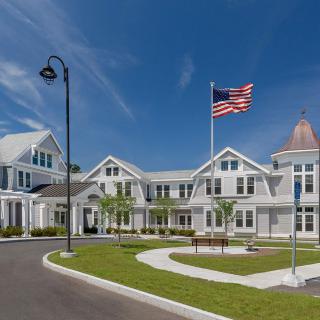
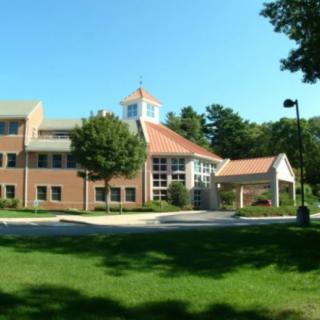
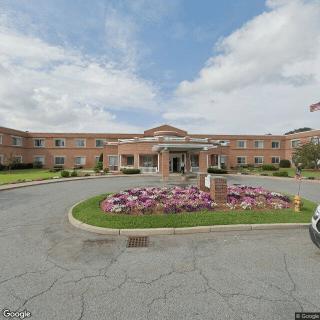
50 Recreation Park Drive, Hingham, MA 02043
For more information about senior living options: (866) 208-4318
Overall Review of Queen Anne Nursing Home
Pros
 The nurses are friendly and the staff aren’t rushing around.
- Dyana from activities is a ray of sunshine for the residents.
- Anthony did a great job with bingo and engaging activities.
- The food is excellent and meals are well-liked by residents.
- The CNA staff is exceptional and goes above and beyond to help.
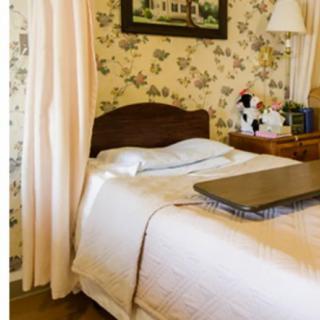
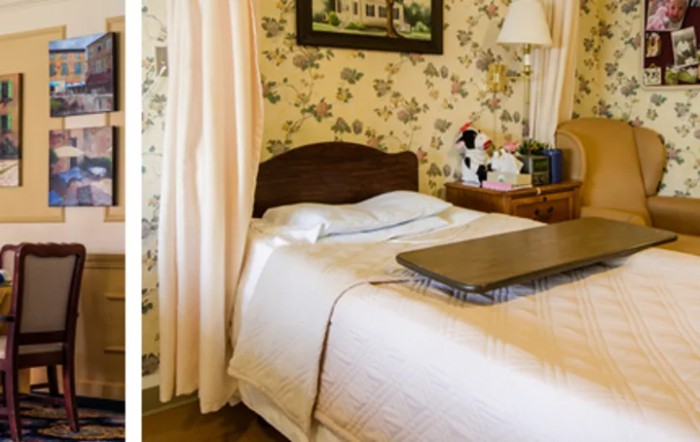
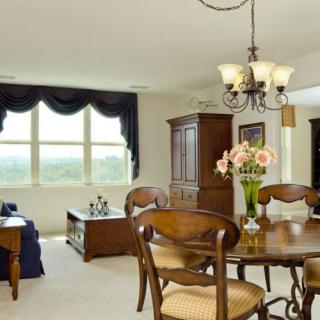
- The facility is clean, beautifully decorated, and rooms feel homey.
- Rehab services provide fantastic results that enable residents to return home.
- The facility allows pets to visit and has an easy, digital sign-in process.
Cons
 The reviewer felt the facility’s upper management was deficient, and staff were rude and dismissive toward families seeking quality care.
- The social work team was criticized for acting as though questions burdened them.
- A family member’s clothes were lost, with claims that unlabeled items go into a “black hole,” and there was no accountability.
- There were no onboarding instructions or a welcome package provided for the patient’s stay.
- Medication management was mishandled, with meds lost and caregivers suggesting the patient had already taken doses when she had not.
- Nurses were described as rude or mean, aides were often unavailable or overwhelmed, leading to long waits for help.
- The care included dehydration and unsafe practices, such as forcing a patient to get out of bed when dizzy, with allegations of abusive behavior by a nurse.
- The facility was said to lack an Alzheimer's program and adequate safety measures or activities for dementia patients.
Review
Queen Anne Nursing Home in Hingham is best suited for families seeking a rehab-leaning, home-like setting where cleanliness, decor, and engaging activities support everyday life, and where front-line caregivers can drive a positive day-to-day experience. The community tends to deliver well for residents who respond to structured rehabilitation programs, enjoy social events, and appreciate a pleasant environment with good food. It is not ideal for those requiring highly consistent clinical oversight, constant bilingual communication, or robust programming for dementia care.
Those weighing alternatives should note that several reviews flag critical gaps in consistency and communication, especially around medical management, shower frequency, and responsiveness. For families prioritizing reliable, empathetic care with English-speaking staff and predictable routines, other facilities may be a better fit. Northwood Nursing Home in Norwell emerges in several reviews as a strong contrast for those who want steadier rehab engagement, more frequent assistance, and a calmer, less rushed atmosphere.
On the upside, the strongest positives center on rehab performance and the daily life environment when staff are engaged. Families repeatedly praise capable nursing aides, attentive rehabilitation teams, and caregivers who remember residents and go the extra mile to keep residents presentable and comfortable. The facility’s decor, clean rooms, and the breadth of activities, from live music to craft and memory-affirming programs, build a sense of normalcy and dignity. Many residents benefit from a welcoming common area, pet-accessibility for visits, and food that responds to individual preferences, which can significantly lift mood and cooperation during recovery.
However, the major drawbacks are hard to overlook. Widespread concerns include inconsistent follow-through by nursing and social-work teams, frequent pauses in showers, medication errors, and hurried care that leaves families feeling left out. Language barriers among a substantial portion of staff complicate communication for non-English-speaking families and residents, and several reports describe exhausted aides and insufficient staffing, leading to delays and sacrifices in basic needs like bathroom assistance or timely hydration. There are also troubling anecdotes of punitive or dismissive engagement with residents deemed difficult, along with instances where alarms and safety protocols were not implemented promptly.
These pros and cons pull in opposite directions, meaning the value hinges on what families prioritize and how closely they supervise day-to-day care. For families willing to actively advocate, monitor schedules, and request direct access to the care team, Queen Anne can still deliver meaningful rehab outcomes and a dignified living environment. The sustained quality of relationships with CNAs, therapists, and activities staff can partially offset inconsistencies in administration, provided expectations are clear and escalation paths are used early. Yet for those needing a consistently quiet, highly attentive, linguistically accessible environment with strong dementia programming, the positives may not be enough to overcome the negatives.
In the end, the decision centers on risk tolerance and care goals. If rehab strength, a pleasant, engaging setting, and staff who genuinely connect with residents are the top priorities, and there is capacity for proactive family involvement, Queen Anne stands as a viable option that can restore function and improve day-to-day quality of life. If, instead, reliability, rapid issue resolution, language accessibility, and dementia-specific programming are non-negotiable, it makes sense to explore alternatives like Northwood or other skilled-nursing communities with a track record of steadier day-to-day operations and more consistent caregiver deployment. The prudent path is to visit, observe care rhythms, and insist on direct conversations with the social services team to map a plan that aligns with the resident’s needs.
 106 resident community capacity
 Skilled Nursing Facility
 Air-conditioning
 Beauty salon
 Cable or satellite TV
 Computer center
 Dining room
 Fitness room
 Fully furnished
 Gaming room
 Garden
 Housekeeping services
 Kitchenette
 Move-in coordination
 Outdoor space
 Private bathrooms
 Restaurant-style dining
 Small library
 Telephone
 Wellness center
 Wi-Fi/high-speed internet available
 Gen Edw L Logan International (14 miles away)
 Community operated transportation
 12-16 hour nursing
 24-hour call system
 Activities of daily living assistance
 Assistance with bathing
 Assistance with dressing
 Assistance with transfers
 Diabetes diet
 Medication management
 Mental wellness program
 Special dietary restrictions
 Concierge services
 Planned day trips

 In-Home Care Costs in 2025: A Detailed State-by-State Exploration
 Understanding Home Health Care: A Comprehensive Guide
 Home Health Care Demystified: A Comprehensive Guide for Families and Caregivers