
203 Linden Ponds Way, Hingham, MA 02043
For more information about senior living options: (866) 208-4318
Overall Review of Linden Ponds Retirement Community
Pros
 Linden Ponds offers many clubs and the dining rooms and food service are really quite good.
 - The staff are lovely and provide very good care for residents.
- The setting features beautiful nature, a wooded view, and pleasant surroundings.
- There are extensive activities and a lively, friendly community.
- The LP model provides reassurance that care can continue even if a resident’s assets are exhausted.
- The meals and dining options are terrific and encourage residents to socialize.
- The community is nice and clean, with residents appearing happy and well-supported.
- Linden Ponds is described as a great place to live with wonderful amenities and lifelong care.
Cons
 They report abysmal negligence and absolutely disgusting conditions, including soiled briefs and past-expired food in the room.
 - They describe the nursing staff as completely and utterly incompetent and lacking compassion.
- They feel the price is pathetic for the level of care provided.
- They allege Linden Ponds (Rose Court) has zero integrity and has done nothing to improve their mother's care.
- They threaten to sue and accuse staff of caring only about their paycheck.
- They state their mother is not getting proper care and demand urgent changes.
- They are concerned that dissatisfied residents’ feedback is ignored by the facility.
- They find the cost to be borderline too expensive.
Review
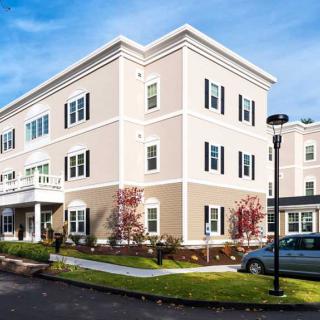
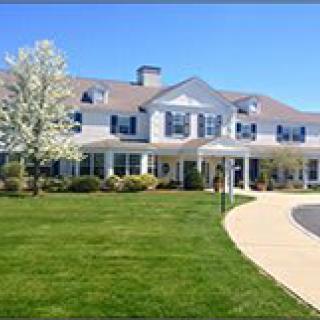
Linden Ponds is best suited for families seeking a full-spectrum retirement community that supports a resident from independence through memory care, all within a single, well-appointed campus. It works for seniors who prize a vibrant social fabric, a broad menu of clubs and excursions, and the reassurance of a continuum of care as needs evolve. The setting, pleasant grounds, wooded views, and convenient amenities, appeals to those who want a lively, engaged environment without moving between separate campuses. For families, the model offers a clear path: start with an independent living arrangement and transition to assisted living or memory care without uprooting the core community. In short, Linden Ponds serves those who value continuity, a strong activity calendar, and peace of mind about long-term care within one address.
That said, several circumstances warrant careful consideration or alternatives. The price tag sits at a premium, particularly for residents who require higher levels of care later on, and some families may find the monthly costs steep even when the continuity of care is a strong selling point. For households with tighter budgets, exploring lower-cost options or communities that specialize more narrowly in assisted living or memory care could be prudent. The most striking red flag in the feedback is the existence of serious care and sanitation concerns voiced by a number of families, suggesting that for those whose loved ones require demanding day-to-day supervision and meticulous attention, Linden Ponds may not deliver consistently reliable outcomes. Finally, a few reviews raise questions about how management engages with dissatisfied families, a factor that matters deeply when trust and responsiveness are non-negotiable.
The strong positives tend to fall into three buckets and, when weighed against the cons, they frequently offset the larger financial and care-related risks for many residents. First, the community delivers a rich social ecosystem: abundant clubs, frequent excursions, and a genuinely personable staff that makes residents feel seen and included. Families repeatedly note that dining services are solid to excellent and that life within the dining rooms and lounges fosters real connection. Second, the continuum of care, independent living, assisted living, and memory care, provides security that needs won’t force a move to a new, unfamiliar facility as health declines. The Rose Court memory care environment is described by some families as attentive and compassionate, with care teams that work hard to personalize routines and support. Third, the physical setting and apartment options, bright units, large common areas, even pet-friendly spaces, convey a sense of home that many families find compelling, especially for long-term residency and for loved ones who prefer not to relocate multiple times.
Yet the downsides matter just as much in the decision. The most consequential con is cost, amplified by the reality that some families arrive at a monthly figure that climbs to levels well beyond typical mid-market options. When care needs intensify, the financial planning burden can remain substantial, even with assurances that the facility maintains pricing stability under its continuum model. On the care front, while many experiences are positive, several reviews describe neglectful or disengaged care practices, with specific references to room conditions, medication oversight, and responsiveness. These anecdotes cannot be dismissed, because they touch on daily safety and dignity. Safety concerns extend beyond nursing care to operational details like winter slip hazards and general upkeep of living spaces. Taken together, these reports create a cautionary signal: for residents who require meticulous, consistent supervision, independent verification of current staffing quality and care processes is essential.
Practical decision-making hinges on targeted inquiries and hard data. Prospective families should demand a current, transparent overview of staffing ratios by unit, recent turnover rates, and quality metrics for memory care versus general assisted living. Tours should focus not only on amenities and layout but on care planning, how individualized care plans are created, updated, and monitored, and how families are kept informed of any shifts in a resident’s condition. Investigate the refund and financial-promise components that underpin the continuum model, how guarantees are structured, what happens if a resident exhausts assets, and the timeline for any refunds. Given past mixed feedback, request direct conversations with current residents’ families about care experiences, and seek examples of improvements made in response to concerns. A visit during different times of the day will illuminate how staff respond when the campus is busier, or when a resident requires more hands-on assistance.
In the end, Linden Ponds delivers a compelling package for families who value a robust, socially active community with a clear, lifelong care path and strong residential feel. It is especially attractive for those who can absorb the premium cost in exchange for a rich activity calendar, good dining, and a sense of security about future needs being met on campus. However, for households prioritizing affordability, or for those whose loved ones require exceptionally precise and consistent day-to-day care, alternatives deserve serious consideration. The right choice will balance the desire for a seamless progression of care with a realistic appraisal of daily staffing reliability and the true cost of care over time. Prospective buyers should walk in with a checklist: current care quality assurances, concrete performance data, and a candid understanding of how the community handles dissatisfactions when they arise.
 Board and Care Home
 Gen Edw L Logan International (13 miles away)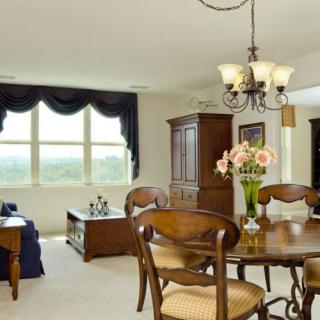



 Caring for Those Who Care: Recognizing, Understanding, and Overcoming Caregiver Burnout
 Caregiver Exhaustion: Recognizing the Signs and Restoring Your Well-Being
 Understanding Hospice Care at Home: Comprehensive Services, Key Benefits, and Eligibility