At Barrington of Fort Thomas, the monthly costs for different room types display a competitive edge when compared to both Campbell County and the broader Kentucky market. For instance, a studio unit is priced at $2,773, slightly lower than the county average of $2,796 and significantly more affordable than the state average of $3,357. The one-bedroom option also reflects this trend, costing $3,145 - again undercutting both the county's rate of $2,833 and the state's higher figure of $3,458. Interestingly, however, the two-bedroom units are priced at $3,995 which is above Campbell County's average of $3,765 but remains slightly above Kentucky's overall cost of $3,702. This pricing structure suggests that while Barrington offers attractive rates for smaller accommodations in relation to its peers, it positions itself differently within the market for larger living spaces.
Floor plans
Barrington of Fort Thomas
Campbell County
Kentucky
Studio
$2,773
$2,796
$3,357
1 Bedroom
$3,145
$2,833
$3,458
2 Bedrooms
$3,995
$3,765
$3,702
Skilled Nursing Facilities with a similar price nearby
Pricing is often described as worth it, and it also comes out below county and state ranges across unit sizes.
Several reviewers frame the cost as justified, including comments about it being a better value than higher levels of care and “worth the price.” A couple of families still called it expensive or stressful, but tempered that with overall satisfaction. This aligns with the community’s pricing positioning being below county and state benchmarks for studio through two-bedroom options.
differentiator11 reviews mention this
Food and dining are a focal point
Dining is repeatedly praised, while some families ask for more fresh fruit and more resident input.
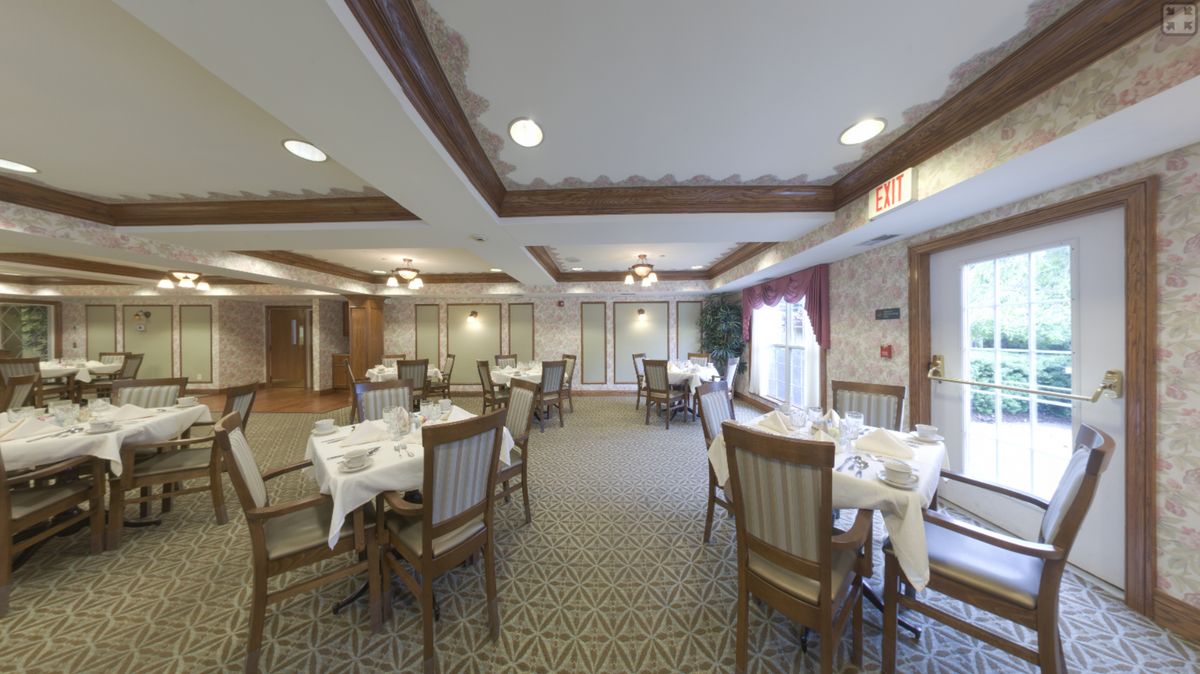
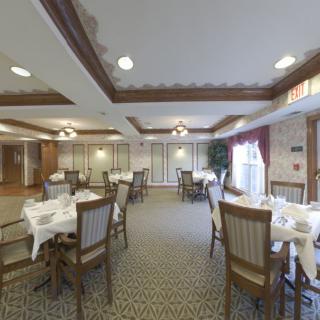
Food shows up as one of the most discussed day-to-day topics. Many reviewers describe the meals as great, delicious, or something their loved one enjoys, including parties and meals in the dining area. A smaller set of comments want improvements such as more fresh fruit or more feedback from residents to shape the dining experience. The community also offers restaurant-style dining and supports special dietary restrictions residents mention.
common17 reviews mention this
Staff friendliness and responsiveness stand out
Residents and families describe staff who are friendly, accommodating, and attentive to day-to-day needs.
A large share of reviewers highlight how welcoming and accommodating the staff are, from first impressions through ongoing care. Some comments specifically mention staff professionalism and quick follow-through when apartment work was needed. Others note weaker responsiveness, including not returning phone calls or wanting better updates about daily activities. Overall, most feedback treats the staff as a major reason families feel comfortable.
common4 reviews mention this
Cleanliness is consistently noted
Reviewers repeatedly mention cleanliness, even as remodeling is underway.
Cleanliness comes through in multiple reviews, with comments about an extremely clean facility and a well-maintained building. One reviewer also mentions remodeling as the only notable issue during an otherwise positive cleanliness assessment. Another family points to a clean, cheery atmosphere, reinforcing that day-to-day environment is a consistent strength.
common7 reviews mention this
Activities get mixed feedback
Activities are available, but some families want more encouragement and more outside options.
Reviewers describe a steady presence of scheduled activities and opportunities for residents to join in. Some families say their loved ones participate in activities or enjoy events like an annual kids’ easter egg hunt, and others note people out and about doing things. The main pushback is that some residents need more encouragement, activity communications could be better, or planned activities outside the facility could be stronger.
caveat2 reviews mention this
Van and appointment transportation is limited
Transportation scheduling can be tight, with appointment rides available only a few days per week.
Two reviews specifically call out transportation as a scheduling challenge. One family says van service to appointments is only available a few days a week, and another describes the schedule for the van service as narrow. This aligns with the community providing transportation arrangement support, but with residents noticing limited availability.
caveat2 reviews mention this
Care communication needs tightening
A couple of reviews mention problems with nursing communication or follow-through on care timing.
While many reviewers are satisfied with care, a few point to gaps around communication and care timing. One review says the nurse on duty could be better about notifying families when a hospital visit is needed and about medication timing. Another describes a disconnect at the initial assessment about what support would be provided, leading to a need for extra time before the next move.
How we summarize
Counts show how many written reviews mention each theme; a review can touch several themes, and only frequently mentioned themes are displayed.
Features
Housing
108 resident community capacity
Types of Care
Active Adult Communities (55+)
Assisted Living
Independent Living
Skilled Nursing Facility
Amenities
Activities off-site
Activities on-site
Air-conditioning
Beautician on-site
Beauty salon
Cable or satellite TV
Computer center
Devotional services off-site
Devotional services on-site
Dining room
Fitness room
Fully furnished
Gaming room
Garden
Housekeeping services
Indoor common areas
Kitchenette
Move-in coordination
Outdoor common areas
Outdoor space
Private bathrooms
Respite or short term stays offered
Restaurant-style dining
Small library
Telephone
Wellness center
Wheelchair accessible showers
Wi-Fi/high-speed internet available
Transportation
Cincinnati Northern Kentucky International (11 miles away)
Community operated transportation
Transportation arrangement
Transportation arrangement (non-medical)
Transportation to doctors appointments
Care Services
12-16 hour nursing
24-hour call system
24-hour supervision
Activities of daily living assistance
Ambulatory care
Assistance with bathing
Assistance with dressing
Assistance with transfers
Diabetes diet
Incontinence care
Meal preparation and service
Medication management
Mental wellness program
Special dietary restrictions
Dining
Diabetes diet
Meals provided
Special dietary restrictions
Activities
Activities off-site
Activities on-site
Community-sponsored activities
Concierge services
Devotional activities offsite
Devotional activities on-site
Fitness programs
Planned day trips
Resident-run activities
Scheduled daily activities
Nearby Places of Interest
This part of Fort Thomas, Kentucky offers a convenient location with easy access to various amenities, making it a desirable option for seniors looking to settle in the area. With hospitals such as St Elizabeth Fort Thomas and The Christ Hospital nearby, residents can feel secure knowing that medical care is easily accessible. Additionally, there are numerous physicians' offices and pharmacies in close proximity for any healthcare needs. The neighborhood also provides opportunities for recreation with parks like Highland Hills Park and Tower Park nearby. There are plenty of dining options ranging from casual eateries like Dixie Chili to more upscale venues such as Hofbrauhaus Newport. Overall, this area offers a blend of convenience, healthcare resources, and recreational activities, making it a suitable choice for seniors looking for a comfortable and engaging community to call home.
Hospitals
St Elizabeth Fort Thomas (0.5 miles)
Albright Health Center (2.9 miles)
The Christ Hospital (4.2 miles)
University of Cincinnati Medical Center (5 miles)
Cincinnati Children's Hospital Medical Center (5.2 miles)
Veterans Hospital (5.3 miles)
Good Samaritan Hospital (5.6 miles)
Physicians
Certified Hearing Aid & Audiology Associates (0.5 miles)
Bryan Jeffrey Krol (0.6 miles)
Kurtzman, Drew Saint Elizabeth Physicians Dermatology (2.5 miles)
St. E Diabetes Center (2.9 miles)
Beers, Ann, Md - St Elizabeth Healthcare Regl (2.9 miles)
Hand Surgery Specialists (4.5 miles)
University Hospital Outpatient Building (5 miles)
Parks
Highland Hills Park (0.8 miles)
Tower Park (1.1 miles)
John G & Phyllis W Smale Riverfront Park (3 miles)
At Barrington of Fort Thomas, the monthly costs for different room types display a competitive edge when compared to both Campbell County and the broader Kentucky market. For instance, a studio unit is priced at $2,773, slightly lower than the county average of $2,796 and significantly more affordable than the state average of $3,357. The one-bedroom option also reflects this trend, costing $3,145 - again undercutting both the county's rate of $2,833 and the state's higher figure of $3,458. Interestingly, however, the two-bedroom units are priced at $3,995 which is above Campbell County's average of $3,765 but remains slightly above Kentucky's overall cost of $3,702. This pricing structure suggests that while Barrington offers attractive rates for smaller accommodations in relation to its peers, it positions itself differently within the market for larger living spaces.
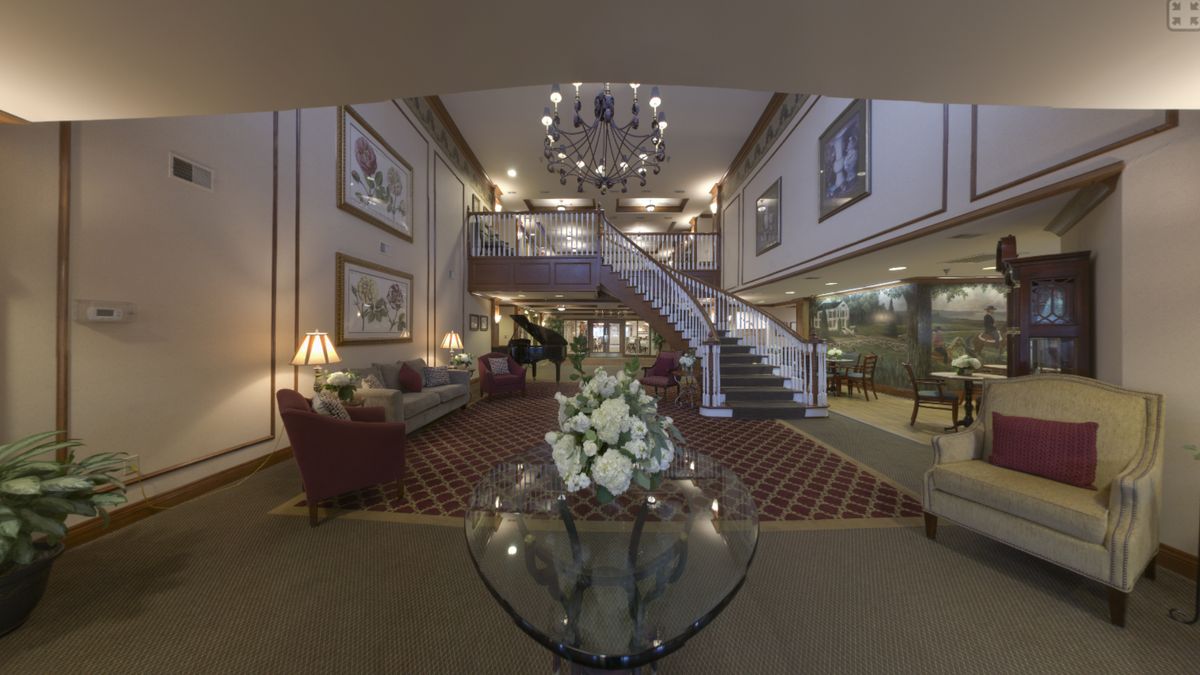
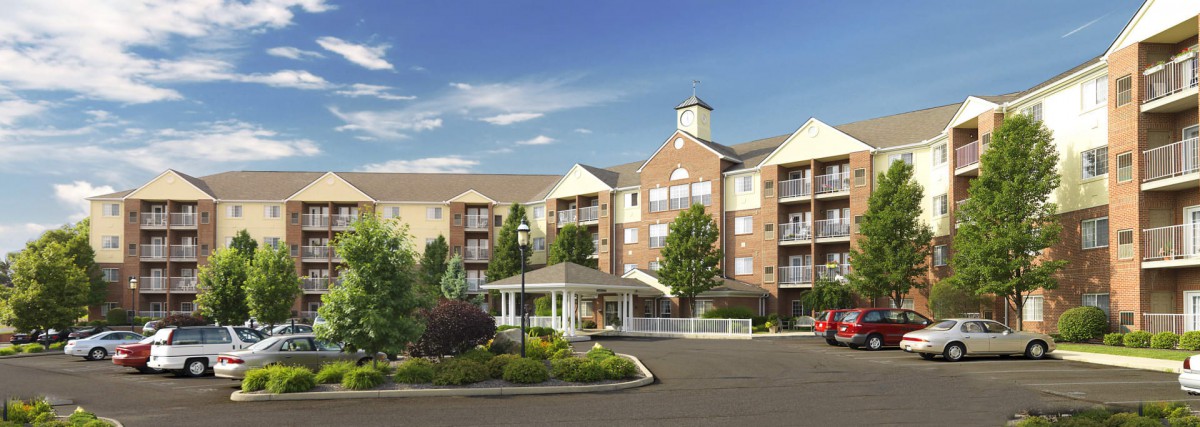
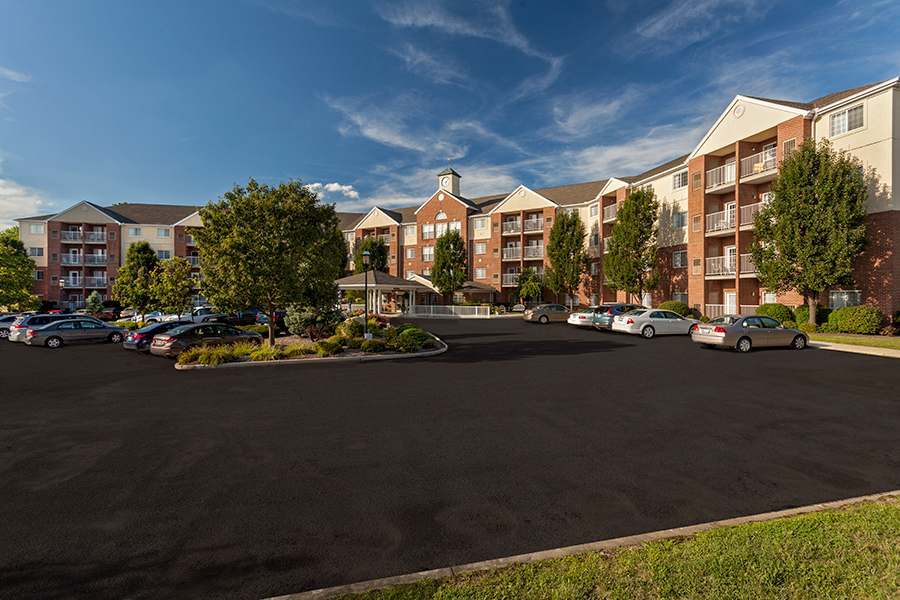
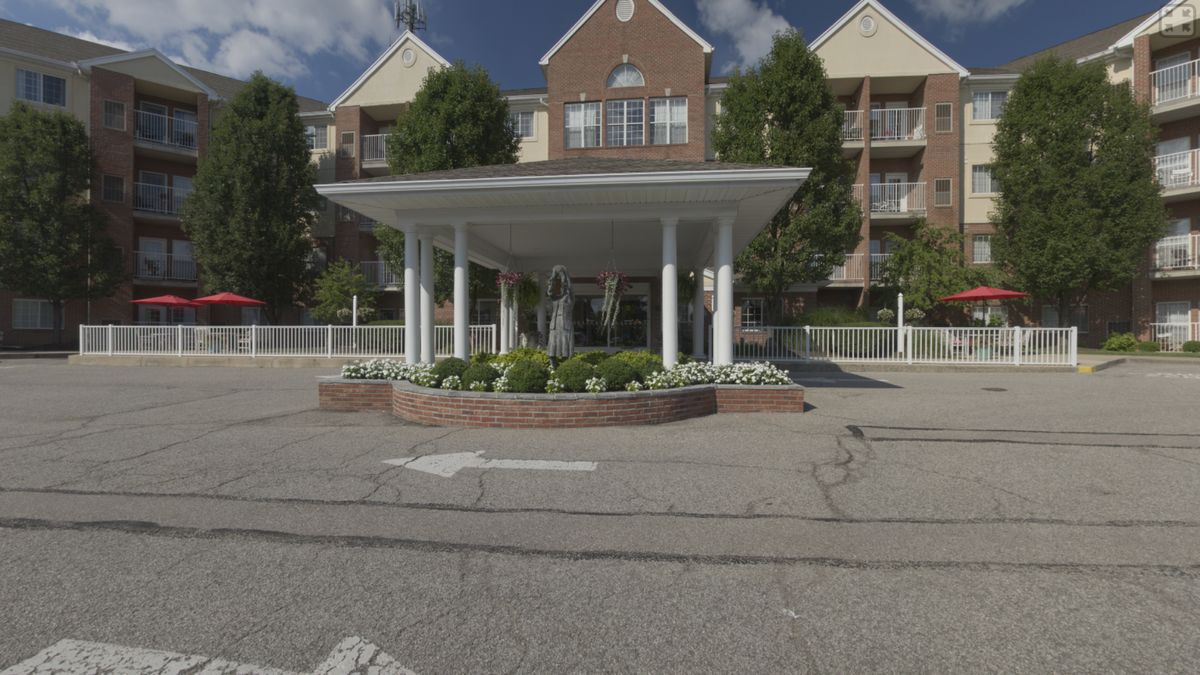
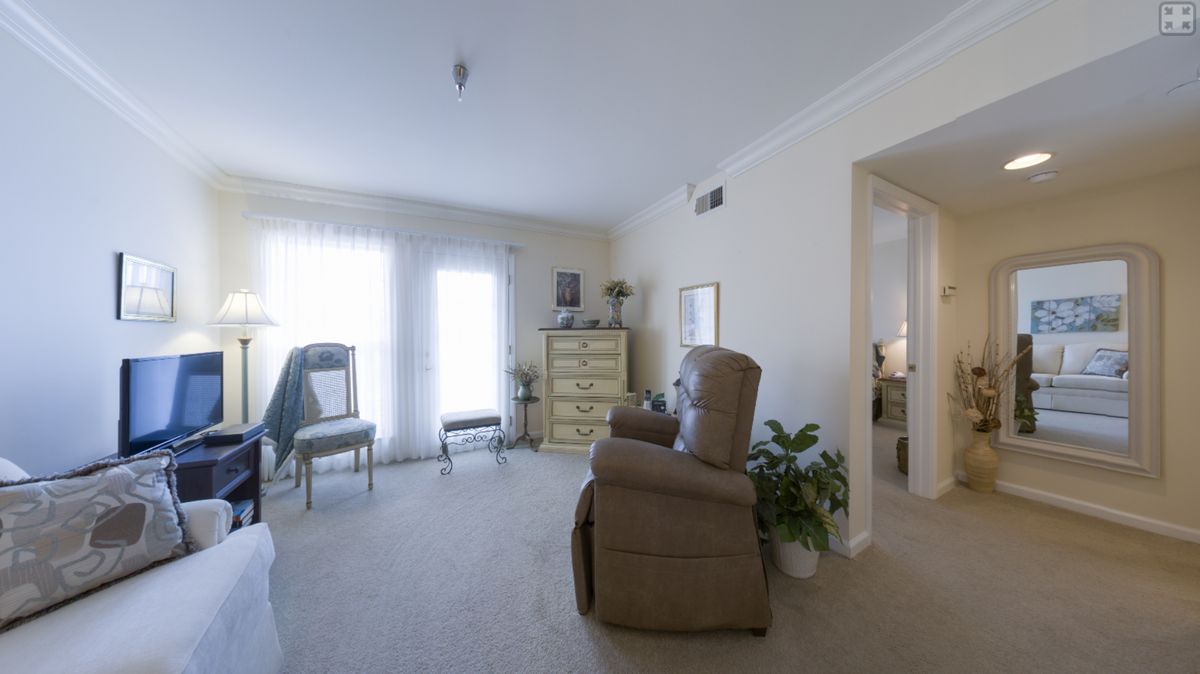
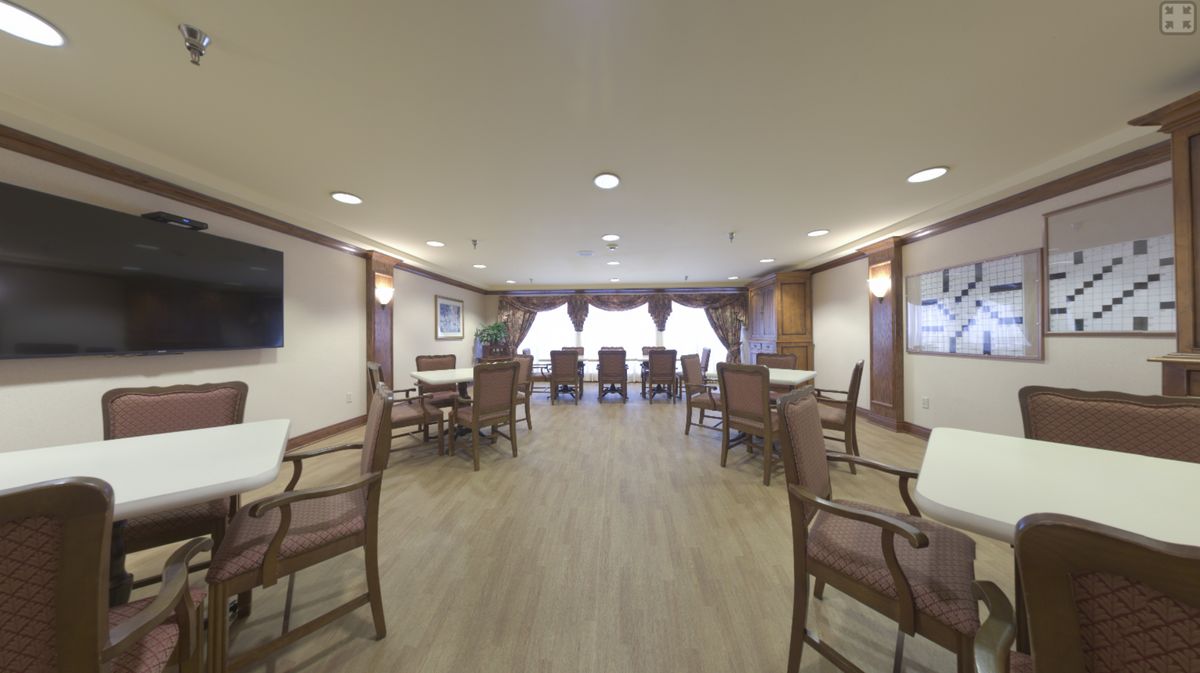
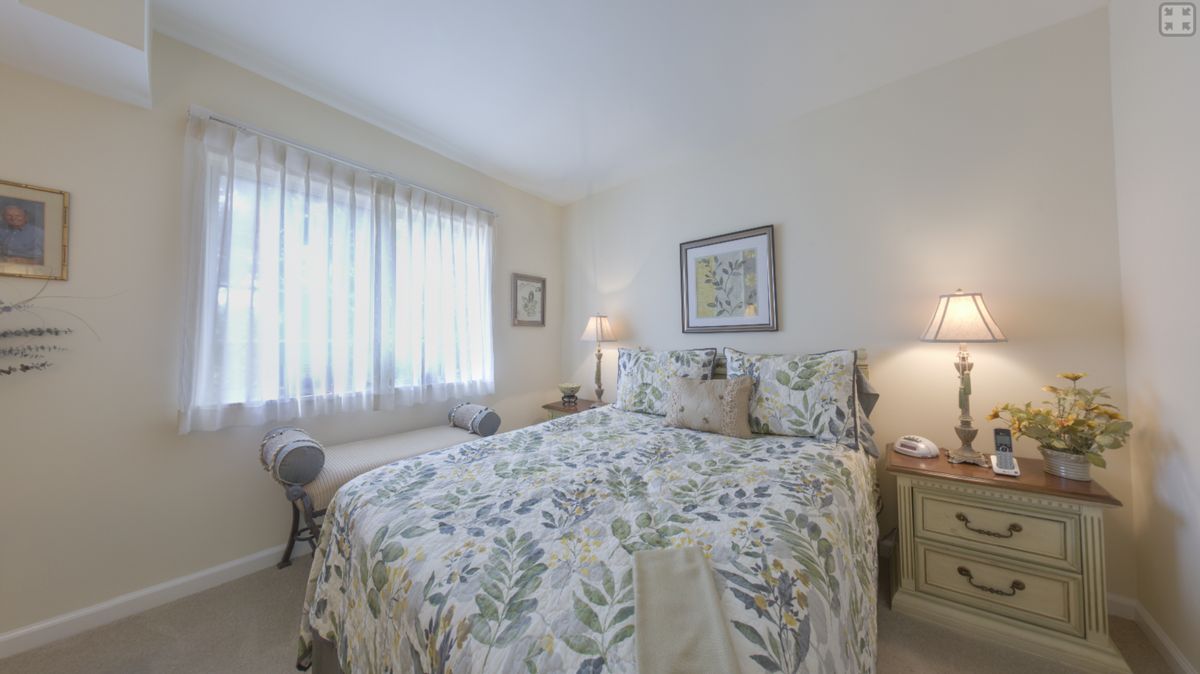
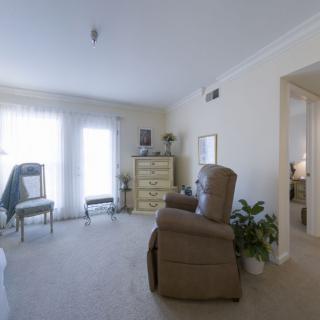
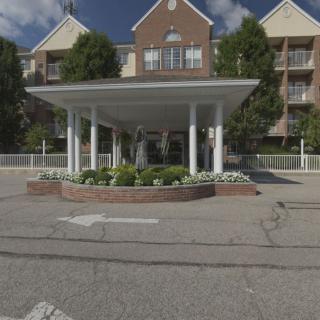
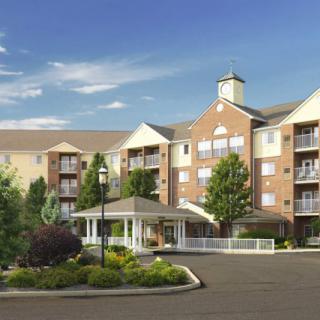
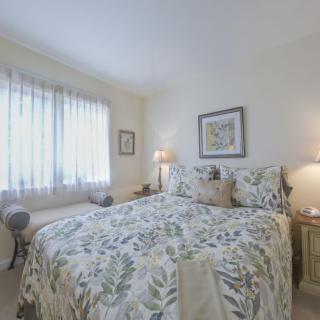
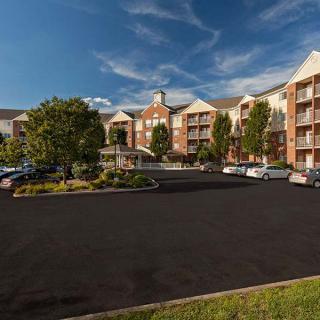
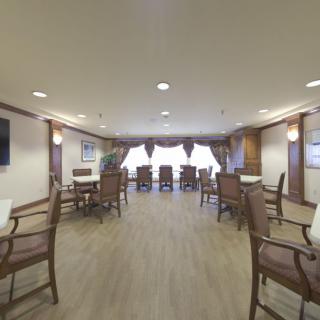
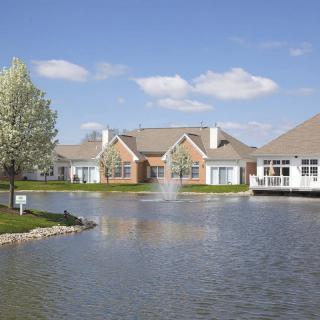
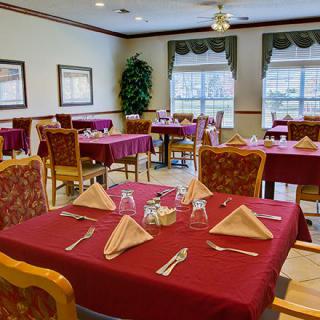
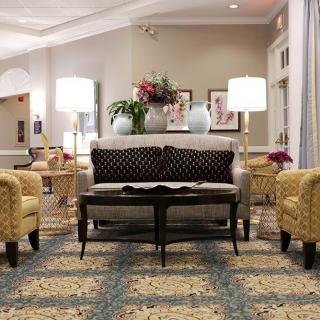
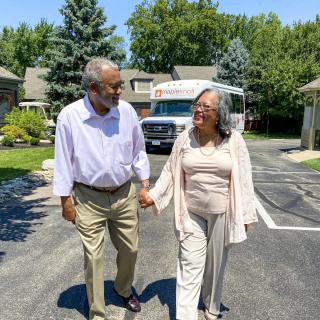
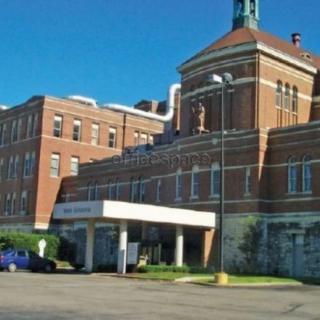
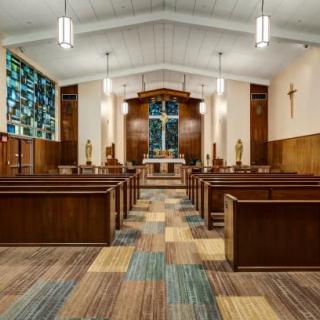
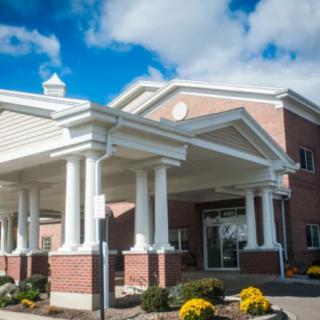
Barrington of Fort Thomas on seniors.fyi includes 8 photos including images showing interior, decor, building, dining, bedroom, architecture, landscaping, spacious, and more.
Nearby Communities
Barrington at Ft. Thomas
Ft. Thomas, KY
4.5 from 49 reviews
Friendly, attentive staff in a clean, engaging environment with a wide range of activities.
Highlandspring Of Ft Thomas
Fort Thomas, KY
3.6 from 91 reviews
Professional therapy and compassionate nursing staff with engaging activities.
St Elizabeth Ft Thomas
Fort Thomas, KY
Compact, personalized assisted living with 24/7 supervision, ADL support, and restaurant-style dining.
Carmel Manor
Fort Thomas, KY
4.2 from 110 reviews
$3,300 to $3,540 / month
Clean facility with compassionate, dignified care in a faith-based setting.
The Pavilion At Kenton
Covington, KY
3.9 from 43 reviews
Extensive amenities and comprehensive care services, including transportation and wellness programs.
Regency Manor North
Covington, KY
3.8 from 38 reviews
Fully furnished apartments with 24-hour supervision, medication management, mental wellness support, and meals.
Saint Margaret Hall
Cincinnati, OH
2.9 from 52 reviews
$5,520 to $6,570 / month
Caring staff, engaging activities, good meals, and private rooms with nice views.
The Ashford on Mt. Washington
Cincinnati, OH
4.3 from 103 reviews
$3,295 to $4,295 / month
Bright, inviting facility with strong resident engagement and a dedicated Activities Director; good value for the area.
Coldspring Transitional Care Center
Cold Spring, KY
3.4 from 84 reviews
Effective physical therapy and rehabilitation, plus engaging activities and a pleasant dining/environment.
The guide highlights the importance of assisted living facilities for aging veterans needing daily support, discusses unique challenges they face, and outlines available financial assistance from the VA, including the Aid and Attendance program. It emphasizes understanding eligibility criteria and navigating the VA system to access necessary benefits effectively.
The article compares assisted living and skilled nursing facilities, detailing their differing levels of assistance, medical support, cost structures, and day-to-day experiences. It emphasizes that assisted living is for those needing help with daily activities while maintaining independence, whereas skilled nursing facilities provide intensive medical care with 24-hour staff supervision.
The transition from assisted living to skilled nursing care is often prompted by complex medical needs that assisted living cannot meet, with key indicators including frequent health declines, increased falls, severe memory issues, and caregiver burnout. Families should recognize these signs early to discuss options with healthcare providers and prepare for the emotional and logistical aspects of moving to a facility that offers comprehensive medical support.
Get PricingAsk A QuestionSchedule A TourContact Senior Advisor
By clicking submit, you agree to our Partner's Terms of Use. You
also consent to receive calls and texts, which may be autodialed, from our Partner. Your consent is not a condition to
using our Partner's service. Please visit our Partner's Privacy Policy for information about their privacy practices.


 108 resident community capacity
 Active Adult Communities (55+)
 Assisted Living
 Independent Living
 Skilled Nursing Facility
 Activities off-site
 Air-conditioning
 Beautician on-site
 Cable or satellite TV
 Computer center
 Devotional services off-site
 Dining room
 Fitness room
 Fully furnished
 Gaming room
 Garden
 Housekeeping services
 Indoor common areas
 Kitchenette
 Move-in coordination
 Outdoor common areas
 Private bathrooms
 Respite or short term stays offered
 Restaurant-style dining
 Small library
 Telephone
 Wellness center
 Wheelchair accessible showers
 Wi-Fi/high-speed internet available
 Cincinnati Northern Kentucky International (11 miles away)
 Community operated transportation
 12-16 hour nursing
 24-hour call system
 Ambulatory care
 Assistance with bathing
 Assistance with dressing
 Assistance with transfers
 Diabetes diet
 Incontinence care
 Medication management
 Mental wellness program
 Special dietary restrictions
 Concierge services
 Planned day trips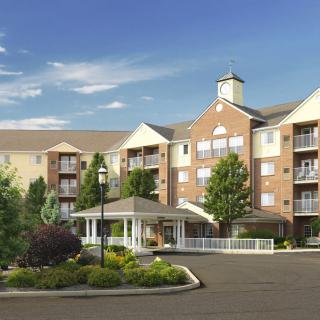
 Friendly, attentive staff in a clean, engaging environment with a wide range of activities.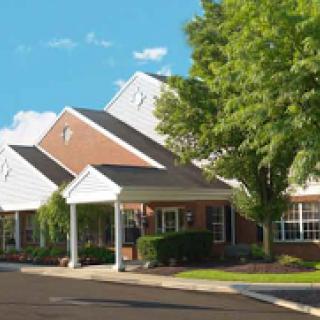

 Assisted Living Support for Veterans: A Complete and Detailed Overview
 Exploring the Contrasts Between Assisted Living and Skilled Nursing
 8 Key Indicators That Suggest It May Be Time to Transition from Assisted Living to Skilled Nursing Care