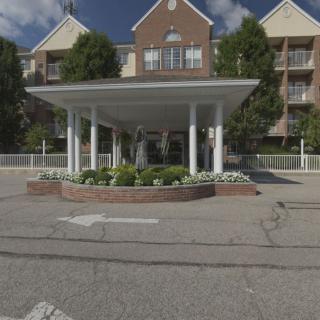
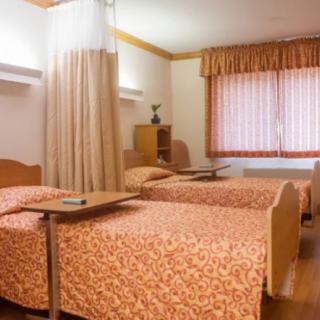
Coldspring Transitional Care Center in Cold Spring, KY

Save

Coldspring Transitional Care Center in Cold Spring, KY

Information last verified:

300 Plaza Drive, Cold Spring, KY 41076

For more information about senior living options: (844) 490-3973

3.4 from 79 reviews
5 stars
40
4 stars
5
3 stars
1
2 stars
9
1 stars
24

Overall Review of Coldspring Transitional Care Center

Pros

  • pro Coldspring provides excellent long-term care with a highly professional and dedicated staff.
  • pro Communication is clear, and residents are treated with genuine respect.
  • pro The team goes above and beyond to ensure safety, comfort, and quality of life.
  • pro It is a top-tier care facility that comes highly recommended.
  • pro The nurses, aides, and staff genuinely care about residents’ well-being.
  • pro The therapy team is incredible and helps residents progress daily.
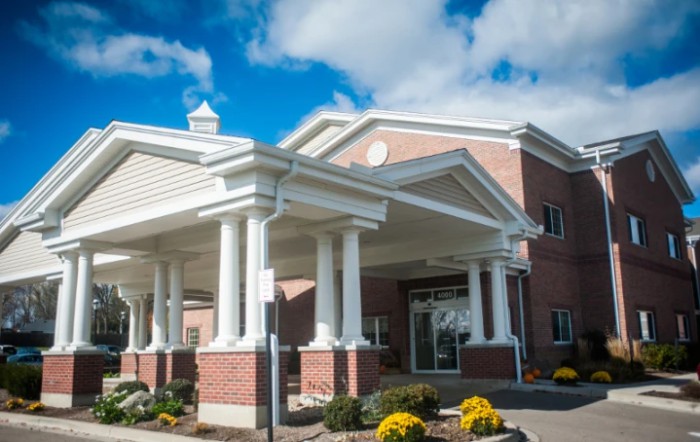
  • pro The building is clean, beautiful, spacious, and well maintained, with top-notch amenities and services.
  • pro The staff are kind, patient, and attentive, making residents feel supported.
  • pro The facility offers engaging activities and experiences, including excellent food service.

Cons

  • pro The staff were rude and seemed more interested in paperwork than the residents.
  • pro Response to call lights and requests for help could take 1–2 hours.
  • pro Residents were left dirty, sometimes in urine or feces, without timely cleaning.
  • pro Medications were not monitored for adverse reactions, risking harm.
  • pro Aides were described as rough, causing bruises on patients.
  • pro Therapy and services were inconsistent, with some residents receiving little or no therapy on weekends.
  • pro The facility was perceived as prioritizing money over patient care and sometimes misleading families.
  • pro There was a dangerously high patient-to-staff ratio, such as one nurse for many patients.

Review

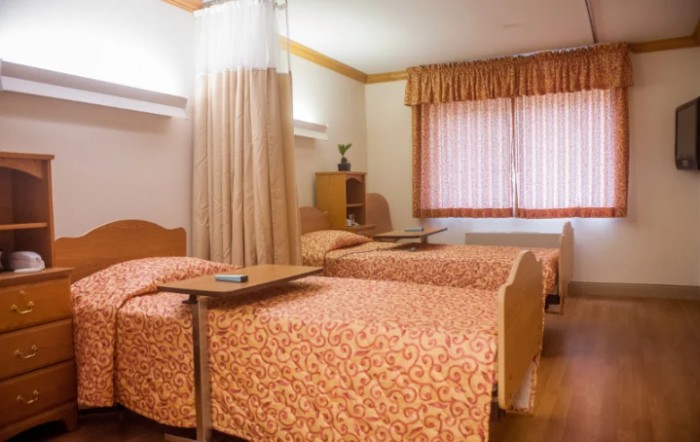
This community is best suited for families and individuals prioritizing aggressive rehabilitation and clear, hands-on therapy. It shines for short-term rehab needs where the goal is to regain function and return home, thanks to a therapy team that many reviewers describe as top-tier and highly engaged. The building itself supports a comfortable, modern feel with private rooms and on-site amenities that can make a rehab stay feel less clinical. In short, when the immediate objective is meaningful physical improvement delivered by dedicated therapists, this center often delivers results.

At the same time, several reviewers flag a contrasting reality: care consistency and daily nursing attention can be uneven, and communication gaps repeatedly surface as a core weakness. Families with ongoing caregiving responsibilities or those who need reliable, timely nurse assistance at all hours are likely to encounter friction. Positive therapy outcomes do not automatically translate into consistently attentive daily care, and this dissonance can leave loved ones and families feeling navigating a system where progress in therapy coexists with hesitations about basic monitoring, medication oversight, and prompt help with daily needs.

The strongest pro, exceptional rehabilitation, frequently offsets a portion of the downside, but only up to a point. When therapy teams are described as knowledgeable, encouraging, and capable of moving patients toward independence, those gains can be substantial. Several residents report real strides in mobility, strength, and confidence, with therapists who explain progress and tailor sessions. However, the same voices warn that treatment is not a universal guarantee; weekends and evenings can reflect the same staffing constraints seen in general care, which can blunt the consistency families expect from a single, integrated care plan. In practice, therapy success helps, but it cannot fully compensate for reported gaps in routine nursing responsiveness and medical oversight.

Care experiences vary widely among reviewers. Some residents describe compassionate, patient, and competent staff with moments of extraordinary dedication, noting that aides, nurses, and therapists often go the extra mile. Others recount missed call lights, delayed assistance, and perceived indifference during crucial moments of need. There are persistent threads about odors or cleanliness in some areas, questions about how oxygen and other medical equipment are managed, and troubling anecdotes about communication breakdowns during care conferences or after transfers. These contrasts create a landscape where one family’s peace of mind can hinge on the particular shift, the staff on duty, and the level of active advocacy from family members.

For families weighing this center, a practical playbook emerges. Ask for current staffing ratios and shift coverage, especially for nights and weekends, and insist on a transparent explanation of how med administration and monitoring are handled on all shifts. Request recent survey results and a clear outline of how any past deficiencies have been addressed, including concrete steps and timelines. Speak with multiple staff members, not just front-line caregivers, to gauge consistency; tour at different times of day to observe responsiveness and patient engagement; and talk to current residents or families about daily life beyond therapy sessions. If possible, request a direct contact for the social work/administration team to measure how well information is conveyed during care conferences and update calls.

The bottom line is pragmatic and clear: this is a facility that can deliver outstanding rehabilitation and general comfort when therapy is your priority and the emphasis is on getting a resident back to independence. It is less consistently reliable for those who require seamless, round-the-clock nursing oversight, immediate call-light responsiveness, and meticulous daily care. Families who can accept a realistic trade-off, strong therapy and a bright, modern setting in exchange for potential variability in daily nursing attention, will likely find a good fit here. Those whose top priority is unwavering daily caregiving consistency, proactive medical oversight, and predictably instantaneous assistance should explore alternatives with stronger staffing stability and tighter quality controls. The right choice hinges on which facet of care matters most: the proven power of therapy and a welcoming environment, or consistently dependable, hands-on support every hour of every day.

Features

Housing

  • 143 resident community capacity 143 resident community capacity

Types of Care

  • Skilled Nursing Facility Skilled Nursing FacilitySkilled Nursing Facilities are crucial for seniors as they provide round-the-clock medical care, rehabilitation services, and assistance with daily activities. These facilities ensure that seniors receive the specialized care they need to maintain their health and well-being as they age.

Amenities

  • Air-conditioning Air-conditioningAir conditioning is important for seniors as they are more vulnerable to heat-related illnesses and may have underlying health conditions that make it difficult for them to regulate their body temperature. It helps to keep them comfortable, safe, and healthy in hot weather.
  • Beauty salon Beauty salonBeauty salons are important for seniors because they provide a space for them to feel pampered, socialize, and maintain their personal grooming and hygiene. Regular visits to a beauty salon can help boost seniors' self-esteem and overall well-being.
  • Cable or satellite TV Cable or satellite TVCable or satellite TV is important for seniors because it provides entertainment, news, and companionship, helping to combat loneliness and boredom. It also offers a wide range of programming options tailored to different interests and preferences.
  • Computer center Computer centerA computer center is essential for seniors as it provides access to technology, communication tools, and resources that can enhance their daily lives. It allows them to stay connected with loved ones, engage in online activities, and learn new skills, ultimately promoting socialization and mental stimulation.
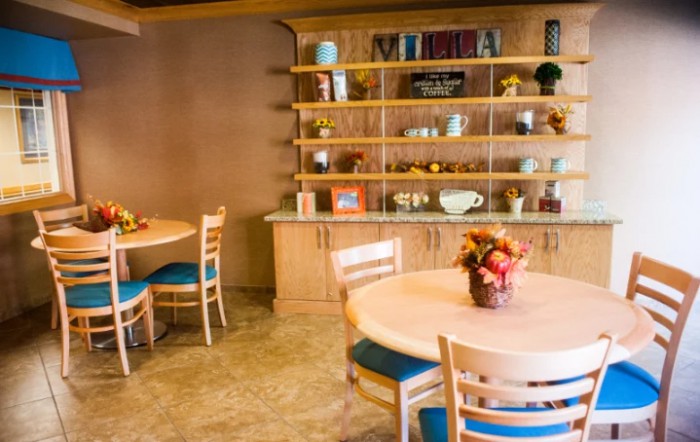
  • Dining room Dining roomDining rooms are important for seniors as they provide a space for socialization, connection, and nutritious meals. They offer opportunities for residents to bond over shared meals, foster a sense of community, and promote healthy eating habits. Dining rooms also ensure that seniors have access to well-balanced meals tailored to their dietary needs and preferences.
  • Fitness room Fitness roomHaving a fitness room in a senior living community is essential for seniors to stay active, maintain their physical health, and improve their overall well-being. Regular exercise can help prevent falls, reduce the risk of chronic diseases, and promote mental sharpness. It also provides social opportunities for residents to connect with others and enjoy a sense of community.
  • Fully furnished Fully furnishedFully furnished senior living communities are important for seniors because they provide convenience, comfort, and a hassle-free moving experience. Seniors can easily settle into their new living space without the stress of having to buy and move furniture. This allows them to focus on enjoying their new home and community.
  • Gaming room Gaming roomGaming rooms are important for seniors as they provide a fun and engaging environment for socializing, cognitive stimulation, and physical activity. Games can improve memory, problem-solving skills, and overall mental well-being while fostering friendships and reducing feelings of isolation.
  • Garden GardenGardens are important for seniors as they provide a peaceful and therapeutic environment for relaxation, physical activity, and socialization. Being in nature has been shown to reduce stress, improve mood, and promote overall well-being. Gardens also offer opportunities for seniors to engage in gardening activities, which can improve mobility, flexibility, and cognitive function. Additionally, gardens create a sense of community and connection with others who share a passion for plants and outdoor spaces.
  • Housekeeping services Housekeeping servicesHousekeeping services are important for seniors because they help maintain a clean and safe living environment, promote independence, and reduce the risk of accidents or illnesses. Additionally, having assistance with household chores can alleviate physical strain and allow seniors to focus on other aspects of their well-being.
  • Kitchenette KitchenetteKitchenettes are important for seniors living in senior living communities because they provide the convenience and independence of being able to prepare simple meals and snacks in the comfort of their own living space. This can help promote a sense of autonomy and well-being for seniors, allowing them to maintain some level of control over their dietary choices and daily routines.
  • Move-in coordination Move-in coordinationMove-in coordination is important for seniors because it helps ease the transition into their new living environment. It ensures that all logistics, such as packing, organizing movers, and setting up utilities are taken care of, allowing seniors to focus on settling in and adjusting to their new home. Having a smooth move-in process can alleviate stress and anxiety, making the transition smoother and more enjoyable for seniors.
  • Outdoor space Outdoor spaceOutdoor spaces are important for seniors as they provide opportunities for physical activity, social interaction, exposure to natural light and fresh air, and a sense of connection to nature. Having access to outdoor spaces can improve overall well-being and quality of life for older adults living in senior communities.
  • Private bathrooms Private bathroomsPrivate bathrooms are important for seniors in senior living communities because they provide independence, dignity, and comfort. Having a private bathroom allows seniors to maintain their personal hygiene routines without the need for assistance, promoting a sense of autonomy and privacy. Additionally, private bathrooms help prevent the spread of infections and provide a safe and clean environment for seniors to navigate safely.
  • Restaurant-style dining Restaurant-style diningRestaurant-style dining is important for seniors because it allows them to enjoy delicious, nutritious meals in a social and upscale setting. This enhances their dining experience, promotes healthy eating habits, and fosters socialization with fellow residents, ultimately contributing to their overall well-being and quality of life.
  • Small library Small librarySmall libraries are important for seniors as they provide access to a variety of reading materials, including books, newspapers, and magazines. This can help stimulate their minds, keep them engaged, and provide a sense of community through book clubs and other social activities. Additionally, reading has been shown to improve cognitive function and overall mental well-being in older adults.
  • Telephone TelephoneTelephones are important for seniors as they provide a lifeline for communication with loved ones, emergency services, and healthcare providers. They offer a sense of security and independence, enabling seniors to stay connected and access assistance when needed.
  • Wellness center Wellness centerWellness centers are important for seniors because they offer a variety of programs and services that promote physical, mental, and emotional well-being. These centers provide opportunities for exercise, socialization, education, and relaxation, helping seniors maintain their overall health and quality of life.
  • Wi-Fi/high-speed internet available Wi-Fi/high-speed internet availableWi-Fi/high-speed internet is important for seniors to stay connected with loved ones, access online resources, and participate in virtual activities to combat feelings of loneliness and isolation. It also allows them to easily manage healthcare needs, access entertainment, and engage in lifelong learning opportunities.

Transportation

  • Cincinnati Northern Kentucky International (13 miles away) Cincinnati Northern Kentucky International (13 miles away)
  • Community operated transportation Community operated transportationCommunity operated transportation is crucial for seniors as it provides them with the means to access essential services, social activities, and medical appointments. It allows seniors to maintain their independence and quality of life by ensuring they can participate in activities outside of their homes. Additionally, community-operated transportation services offer a safe and reliable way for seniors to travel without having to rely on family or friends for assistance.
  • Transportation arrangement Transportation arrangementTransportation arrangements are crucial for seniors as they may face challenges with driving, mobility, or access to public transportation. Having reliable transportation services ensures that seniors can easily attend appointments, social activities, and maintain their independence and quality of life.
  • Transportation arrangement (non-medical) Transportation arrangement (non-medical)Transportation arrangements are essential for seniors as they provide access to essential services, activities, and social interactions outside the home. This service helps maintain independence, mobility, and overall well-being for seniors who may have limited transportation options.
  • Transportation to doctors appointments Transportation to doctors appointmentsTransportation to doctors appointments is crucial for seniors as it ensures they have access to necessary medical care and support, promoting their health and well-being. It allows them to receive timely treatment, monitor existing conditions, and address any new health concerns efficiently. Additionally, transportation services can help seniors maintain their independence and quality of life by enabling them to stay connected with their healthcare providers.

Care Services

  • 12-16 hour nursing 12-16 hour nursing12-16 hour nursing care is crucial for seniors in order to ensure around-the-clock monitoring, timely medication administration, and prompt response to any health concerns or emergencies. This level of care helps to promote the overall well-being and safety of seniors living in senior living communities.
  • 24-hour call system 24-hour call system24-hour call systems are important for seniors because they provide peace of mind and immediate assistance in case of emergencies. This technology ensures that help is always available, promoting safety and security for elderly individuals living alone or in assisted living facilities.
  • 24-hour supervision 24-hour supervision24-hour supervision is important for seniors to ensure their safety, well-being, and access to immediate assistance in case of emergencies or health issues. This constant support provides peace of mind for both seniors and their loved ones, allowing them to age in place with dignity and security.
  • Activities of daily living assistance Activities of daily living assistanceActivities of daily living assistance are important for seniors because they provide essential support with tasks such as eating, bathing, dressing, and mobility. This assistance helps seniors maintain their independence, dignity, and overall quality of life as they age.
  • Assistance with bathing Assistance with bathingAssistance with bathing is crucial for seniors as it helps maintain personal hygiene, prevents infections, and ensures their overall well-being and comfort. It also provides a sense of dignity and independence for seniors who may struggle with this task on their own.
  • Assistance with dressing Assistance with dressingAssistance with dressing is important for seniors because it helps maintain their independence, promotes personal hygiene, prevents accidents and injuries, and improves overall quality of life. This service ensures that seniors can continue to dress comfortably and confidently, despite any physical limitations they may have.
  • Assistance with transfers Assistance with transfersAssistance with transfers is crucial for seniors as it helps prevent falls and injuries, maintains their independence, and ensures they can safely navigate their living environment. It also provides peace of mind for both seniors and their loved ones.
  • Diabetes diet Diabetes dietA diabetes diet is crucial for seniors as it helps manage blood sugar levels, reduce risks of complications, and improve overall health and well-being. By following a balanced and nutritious diet tailored to their specific needs, seniors can better control their diabetes and enhance their quality of life.
  • Meal preparation and service Meal preparation and serviceMeal preparation and service are crucial for seniors as they may have limited mobility or energy to cook nutritious meals. Having access to healthy and convenient food options can ensure they are getting the proper nutrition needed to maintain their overall health and well-being.
  • Medication management Medication managementMedication management is crucial for seniors to ensure they are taking the right medications at the correct dosages and times. This helps prevent adverse drug interactions, reduces the risk of medication errors, and promotes overall health and well-being. Proactive management also allows for adjustments as needed based on changing health conditions or new prescriptions.
  • Mental wellness program Mental wellness programMental wellness programs are essential for seniors as they promote cognitive stimulation, emotional support, and social engagement. These programs help prevent isolation, depression, and cognitive decline, ultimately enhancing the overall quality of life for older adults.
  • Special dietary restrictions Special dietary restrictionsSpecial dietary restrictions are important for seniors because age-related changes in metabolism and health conditions can make it difficult for their bodies to process certain foods. By following a diet tailored to their specific needs, seniors can maintain their overall health and well-being, manage chronic conditions, and reduce the risk of complications such as malnutrition or food interactions with medications.

Dining

  • Diabetes diet Diabetes dietA diabetes diet is crucial for seniors as it helps manage blood sugar levels, reduce risks of complications, and improve overall health and well-being. By following a balanced and nutritious diet tailored to their specific needs, seniors can better control their diabetes and enhance their quality of life.
  • Special dietary restrictions Special dietary restrictionsSpecial dietary restrictions are important for seniors because age-related changes in metabolism and health conditions can make it difficult for their bodies to process certain foods. By following a diet tailored to their specific needs, seniors can maintain their overall health and well-being, manage chronic conditions, and reduce the risk of complications such as malnutrition or food interactions with medications.

Activities

  • Community-sponsored activities Community-sponsored activitiesCommunity-sponsored activities are important for seniors as they provide opportunities for social interaction, mental stimulation, and physical activity. These activities can help improve overall well-being, combat loneliness and isolation, and promote a sense of belonging and purpose among older adults.
  • Concierge services Concierge servicesConcierge services are essential for seniors as they provide assistance with daily tasks and errands, enhance their quality of life by offering convenience and personalized care, and promote a sense of safety and security.
  • Fitness programs Fitness programsFitness programs are crucial for seniors as they help improve strength, flexibility, balance, and overall well-being. Staying active can reduce the risk of chronic diseases, improve mental health, and enhance quality of life in older adults.
  • Planned day trips Planned day tripsPlanned day trips are important for seniors because they offer opportunities for socialization, mental stimulation, and physical activity. They provide a change of scenery and help seniors stay engaged and connected to their community, promoting overall well-being and quality of life.
  • Resident-run activities Resident-run activitiesResident-run activities are important for seniors as they encourage social interaction, creativity, and a sense of autonomy. These activities empower seniors to stay engaged and active in their community while fostering meaningful connections with their peers.
  • Scheduled daily activities Scheduled daily activitiesScheduled daily activities are important for seniors because they provide structure, socialization, mental stimulation, and physical activity. Engaging in regular activities can improve overall well-being and quality of life for seniors living in a community setting.

Description

The Coldspring Transitional Care Center, located in Cold Spring, KY, offers a range of amenities and care services to provide a comfortable and supportive living environment for its residents. The community features a beauty salon where residents can enjoy salon services and maintain their personal grooming needs. Cable or satellite TV is available in each resident's room for entertainment purposes.

Community-operated transportation is provided to assist residents with getting around town and attending appointments or social outings. A computer center is available for residents to utilize technology and stay connected with loved ones. Dining is provided in a restaurant-style setting where nutritious meals are prepared and served.

Residents can engage in physical fitness activities in the on-site fitness room. The center also provides fully furnished rooms for convenience. A gaming room is available for residents to enjoy leisure activities, and there is also a small library on-site for those who enjoy reading.

Housekeeping services are provided to ensure that the living spaces are clean and well-maintained. Each resident has access to their private bathroom for added privacy and comfort. Move-in coordination assistance is provided to help ease the transition into the community.

Outdoor space allows residents to enjoy fresh air and nature, while a garden provides an opportunity for those who enjoy gardening. Telephone services are available for communication purposes, as well as Wi-Fi/high-speed internet access throughout the community.

Care services at Coldspring Transitional Care Center include 24-hour call systems and supervision to ensure the safety of all residents. Trained staff provide assistance with activities of daily living such as bathing, dressing, and transfers. The staff also helps manage medications and ensures that all dietary needs are met, including special dietary restrictions such as diabetes diets.

Transportation arrangements are made not only for non-medical purposes but also for doctors' appointments when needed. A wellness center promotes mental wellness through various programs and activities tailored to individual needs.

The community offers concierge services to assist residents with any additional needs or requests. Fitness programs and scheduled daily activities provide opportunities for socialization and engagement. Planned day trips allow residents to explore the local area and enjoy new experiences. Resident-run activities give residents the chance to take an active role in organizing events within the community.

Coldspring Transitional Care Center is conveniently located near various amenities, including cafes, parks, pharmacies, restaurants, places of worship, and hospitals. This ensures that residents have easy access to necessary services and can partake in a variety of recreational or cultural activities nearby.

Nearby Places of Interest

Cafes

  • Panera Bread (1.1 miles)
  • Starbucks (6.4 miles)
  • Starbucks (6.5 miles)
  • Starbucks (6.6 miles)
  • York Street Cafe (6.9 miles)
  • Starbucks (7.8 miles)
  • Starbucks (7.8 miles)

Places of Worship

  • Licking Valley Baptist Church (1.3 miles)
  • St Mary Catholic Church (3.7 miles)

Pharmacies

  • Walgreens (1.8 miles)
  • Walgreens (2.4 miles)
  • Alexandria Drugs (2.9 miles)
  • Remke Bigg's (4.4 miles)
  • Walgreens (6.3 miles)
  • CVS Pharmacy (6.4 miles)
  • Kroger Pharmacy (6.5 miles)

Restaurants

  • Taco Bell (1.9 miles)
  • Chipotle Mexican Grill (2 miles)
  • Wendy's (2 miles)
  • Long John Silver's (2.1 miles)
  • Raising Cane's Chicken Fingers (2.1 miles)
  • Skyline Chili (2.2 miles)
  • KFC (2.7 miles)

Physicians

  • Kurtzman, Drew Saint Elizabeth Physicians Dermatology (2.7 miles)
  • River Hills Pediatrics (2.9 miles)
  • St Elizabeth Physician's Alexandria (3.1 miles)
  • Bryan Jeffrey Krol (5.6 miles)
  • Certified Hearing Aid & Audiology Associates (5.6 miles)
  • Wellington Orthopaedic & Sports Medicine (6.1 miles)
  • Advanced Spine & Pain Management (6.3 miles)

Hospitals

  • Albright Health Center (2.8 miles)
  • St Elizabeth Fort Thomas (5.6 miles)
  • Mercy Health Anderson Hospital (7.1 miles)
  • St Elizabeth Healthcare (7.3 miles)
  • St Elizabeth Baby Center (7.3 miles)
  • St Elizabeth Medical Center (7.3 miles)

Parks

  • Alexandria Community Park (4.3 miles)
  • Tower Park (4.5 miles)
  • Mills Rd Park (5.2 miles)
  • Highland Hills Park (5.6 miles)
  • Beech Acres Park (5.9 miles)
  • John G & Phyllis W Smale Riverfront Park (7.8 miles)
  • President's Park (7.9 miles)

Transportation

  • Government Square (8.1 miles)

Frequently Asked Questions

Where is Coldspring Transitional Care Center?
What photos are available for Coldspring Transitional Care Center in Cold Spring, Kentucky?

Nearby Communities

  • The Seasons At Alexandria

    The Seasons At Alexandria

    Alexandria, KY

    3.9 from 45 reviews
    $2,075 to $3,535 / month

    pro Beautiful, clean, and well-maintained accommodations with flexible care options.


  • Holy Family Retirement Ctr

    Holy Family Retirement Ctr

    Melbourne, KY

    5 from 2 reviews
     

    pro Dual care options (Independent Living + Skilled Nursing) with personalized care.

  • Carmel Manor

    Carmel Manor

    Fort Thomas, KY

    4.3 from 108 reviews
    $3,300 to $3,540 / month

    pro Clean facility with compassionate, dignified care in a faith-based setting.

  • Rosedale Green

    Rosedale Green

    Covington, KY

    3.8 from 19 reviews
     

    pro Well-designed, spacious, homelike layout with private suites and inviting common areas.

  • Highlandspring Of Ft Thomas

    Highlandspring Of Ft Thomas

    Fort Thomas, KY

    3.4 from 82 reviews
     

    pro Professional therapy and compassionate nursing staff with engaging activities.

  • Barrington of Fort Thomas

    Barrington of Fort Thomas

    Fort Thomas, KY

    4.5 from 49 reviews
    $2,773 to $3,995 / month

    pro Friendly, attentive staff; clean facility with quality dining and good value.

  • The Ashford on Mt. Washington

    The Ashford on Mt. Washington

    Cincinnati, OH

    4.3 from 97 reviews
    $3,295 to $4,295 / month

    pro Bright, inviting facility with strong resident engagement and a dedicated Activities Director; good value for the area.

  • Celebration Villa of Summit Hills

    Celebration Villa of Summit Hills

    Crestview Hills, KY

    4.5 from 71 reviews
    $3,095 to $5,095 / month

    pro Caring staff with responsive family communication in a welcoming, well-kept environment.

  • Arden Courts Of Anderson Township

    Arden Courts Of Anderson Township

    Cincinnati, OH

    4.5 from 67 reviews
    $7,670 / month

    pro Friendly, attentive staff and a home-like, well-maintained environment with engaging activities.

Related Resources

  • tax implications of parent living with youNavigating the Tax Landscape of Caregiving: Credits, Deductions, and Beyond

    Caregiving for an aging parent entails emotional and financial responsibilities accompanied by significant tax implications, including potential benefits from claiming them as dependents and deductions for medical expenses and caregiving costs. Caregivers must understand eligibility requirements, maintain thorough documentation, and consider consulting a tax professional to navigate these complexities effectively.

  • low impact exercises for seniorsHighly Beneficial Low-Impact Exercises for Senior Living Residents

    Low-impact exercises are vital for seniors as they promote health, independence, and social interaction while reducing joint strain. These adaptable activities, guided by healthcare professionals, enhance strength, flexibility, and emotional well-being.

  • is home health care tax deductibleIs In-Home Healthcare Tax Deductible? Your Comprehensive Guide

    The guide details the tax deductibility of in-home healthcare expenses according to IRS guidelines, differentiating between medically necessary services and non-medical assistance, while emphasizing the need for proper documentation and itemization requirements. It also highlights state-level variations, the importance of record-keeping, and encourages seeking professional tax help to understand evolving regulations.