





4250 Glenn Avenue, Covington, KY 41015
For more information about senior living options: (866) 208-4318
Overall Review of Rosedale Green
Pros
 The facility is great, with friendly and helpful staff, administrators, and nursing teams.
- Rosedale Green is an amazing nursing home.
- The staff truly treats residents like family.
- Families sleep soundly knowing their loved ones are well cared for.
- Staff on household 7 and the front desk are praised for taking excellent care.
- The care team across nurses, aides, activities, and cooks is attentive and caring.
- The father received extraordinary care and love during his stay.
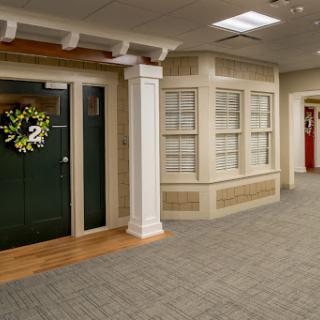
- The renovations will create personalized, home-like apartments to enhance comfort.
Cons
 The nurse aides, LPNs, and nurse supervisors are disrespectful during nurse aide training.
- A nurse supervisor allegedly lied about a nickname appearing on a staff member’s phone during a trainee’s bath.
- They pick on people who are less fortunate.
- They love talking about people in a bad way.
- A nurse aide training a resident reportedly flipped a bed, and the supervisor watched and did nothing, laughing it off.
- The chief of operations is sneaky and can get staff fired based on how the nursing team feels about them.
- Management is rude and disrespectful, ignoring the written rules and ejecting family members.
Review
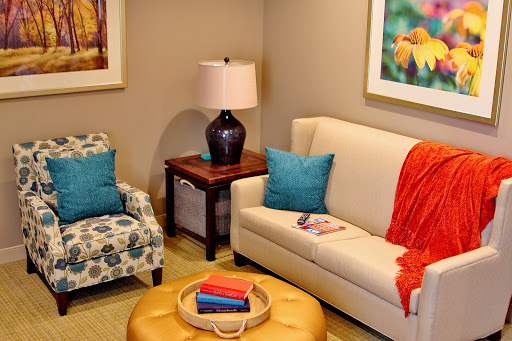
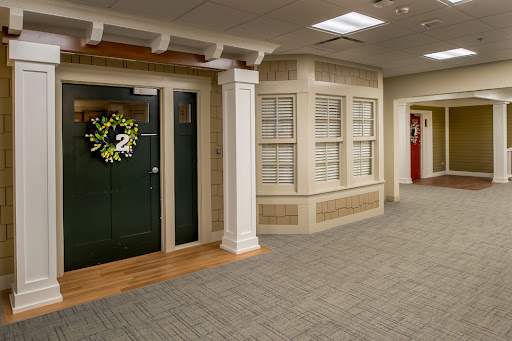
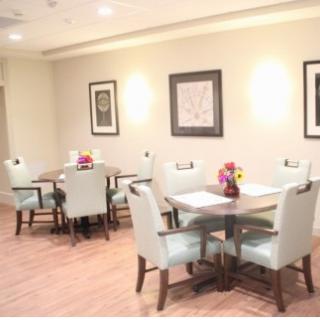
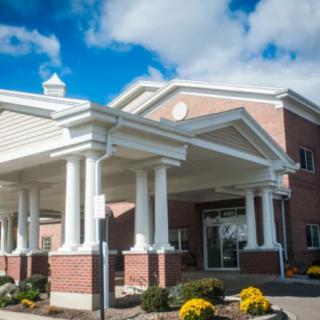
Rosedale Green in Covington, KY is best suited for families seeking a warm, home-like environment where caregiving teams deliver attentive, personal care and where rehabilitation and post-acute services are readily available. The community’s household approach creates a daily rhythm that feels familiar to residents and reassuring to relatives. Residents benefit from steady nursing attention, consistent daily routines, and considerate front-desk service, with modern common areas and a sense of comfort that makes transitions easier. The renovation push toward more private apartments and rehab-focused spaces signals a clear commitment to evolving with resident needs. This is the type of place where the emotional tone, kindness, respect, and personal connection, often matters as much as clinical oversight.
Those who require ironclad governance and rock-solid operational predictability may want to explore alternatives. Several accounts raise flags about management style and internal dynamics, including claims that supervisors can shape outcomes in ways that feel punitive or opaque. Disputes over rules, as well as reports of family members being asked to leave under controversial circumstances, point to an environment where policy enforcement can feel inconsistent. Understaffing in some shifts translates into slower return calls and less immediate attention to questions or new admissions. For families prioritizing transparent escalation paths, predictable staffing patterns, and clearly documented procedures, it’s prudent to compare options with facilities that emphasize governance and compliance.
On balance, the strongest positives center on caregiving warmth and resident-centered attention. Families frequently praise compassionate, hands-on care from nurses, aides, and therapy teams, with meticulous daily hygiene, attentive meals, and a culture that treats residents like family. The rehab program, when available, supports meaningful recovery outcomes and can be a critical asset for post-hospital transitions. The environment often feels calm, clean, and respectful, contributing to real peace of mind during tough times. Yet those benefits do not fully neutralize concerns about governance and communication frictions, which can undermine trust when they arise and color the overall experience.
Renovation activity reinforces a strategic shift toward rehabilitation-focused care and greater privacy, with plans for smaller, more personalized apartments. The care staff, especially in nursing and therapy, consistently earns praise for expertise and dedication, and stories of improved quality of life during end-of-life or dementia care carry substantial weight. The positive impressions from families about staff demeanor, cleanliness, and daily routines can be substantial; they can help families feel confident their loved ones are well cared for. Still, the persistent tension between excellent bedside care and occasional administrative missteps remains a meaningful undercurrent that families should weigh.
Decision-making should include a careful, real-time vetting of how staffing, supervision, and policy enforcement actually play out. Prospective residents should request a behind-the-scenes look at household interactions, ask direct questions about scheduling, break coverage, and supervisor presence on the floor. Inquire about explicit discrimination policies, incident reporting mechanisms, and the process for addressing concerns about staff conduct. Confirm renovation timelines, the availability and pricing of small private apartments, and whether the rehab-focused model changes what is included in monthly costs. These steps help separate genuine strengths from potential governance pitfalls.
In sum, Rosedale Green offers a compelling blend of heartfelt caregiving, modern amenities, and a rehabilitation-forward trajectory that can suit seniors who prize comfort, dignity, and hands-on support. The most important caveat centers on governance, how disputes are resolved, how staff supervision is implemented, and how residents’ rights are protected. For families willing to navigate those dynamics, the residence can be a dependable home where loved ones feel truly cared for. For others, particularly those needing unwavering administrative consistency and robust policy safeguards, it makes sense to compare alternatives carefully before making a final commitment.
 176 resident community capacity
 Skilled Nursing Facility
 Air-conditioning
 Beauty salon
 Cable or satellite TV
 Computer center
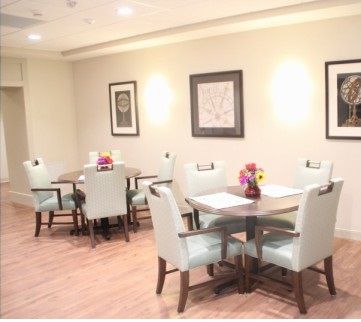
 Dining room
 Fitness room
 Fully furnished
 Gaming room
 Garden
 Housekeeping services
 Kitchenette
 Move-in coordination
 Outdoor space
 Private bathrooms
 Restaurant-style dining
 Small library
 Telephone
 Wellness center
 Wi-Fi/high-speed internet available
 Cincinnati Northern Kentucky International (9 miles away)
 Community operated transportation
 12-16 hour nursing
 24-hour call system
 Activities of daily living assistance
 Assistance with bathing
 Assistance with dressing
 Assistance with transfers
 Diabetes diet
 Medication management
 Mental wellness program
 Special dietary restrictions
 Concierge services
 Planned day trips





 Senior Move Management: Understanding the Role, Value, and Associated Costs
 Weight Training for Seniors: Building Strength and Vitality
 Understanding the Sandwich Generation: Stress and Responsibilities for Multigenerational Caregivers