For more information about senior living options: (866) 208-4318
4.2 from 54 reviews
5 stars
40
4 stars
3
3 stars
3
2 stars
0
1 stars
8
The Highlands Assisted Living at Moorings of Arlington Heights Costs & Pricing
The Highlands Assisted Living at Moorings of Arlington Heights presents a premium pricing structure for its living accommodations, particularly when compared to both Cook County and the broader state of Illinois. For a studio apartment, residents can expect to pay $7,615 per month, which significantly surpasses the average monthly cost in Cook County at $3,762 and Illinois at $4,028. Similarly, the one-bedroom option is priced at $8,090 per month - again reflecting a substantial increase over local and state averages of $3,256 and $3,527 respectively. This pricing indicates that The Highlands offers a higher-end lifestyle with potentially enhanced amenities and services designed to cater to residents seeking a more luxurious assisted living experience.
Floor plans
The Highlands Assisted Living at Moorings of Arlington Heights
Cook County
Illinois
Studio
$7,615
$3,762
$4,028
1 Bedroom
$8,090
$3,256
$3,527
Memory care communities with a similar price nearby
Overall Review of The Highlands Assisted Living at Moorings of Arlington Heights
common5 reviews mention this
Dining can be hit or miss
Dining is frequently discussed, with strong praise alongside serious complaints about food and dietary fit.
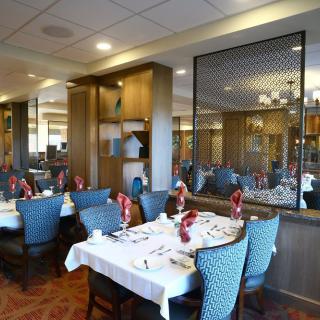
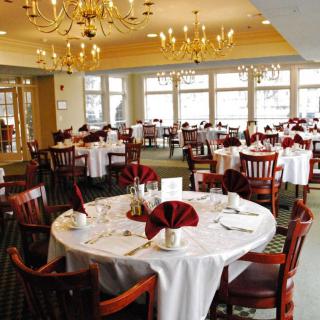
Several residents and families say the food is strong, describing restaurant-style meals and enjoying the dining experience. Others report major problems, including uneatable food and a breakfast item they said didn’t fit their allergy needs. A few reviewers also mention specific meal quality positively, even while overall experiences vary across care areas.
common4 reviews mention this
Activities keep residents engaged
Residents and families describe plenty of on-site options to stay busy.
Reviews describe ongoing activities and social events, including shows, outings, and group interests that residents can join. Families also mention amenities and programming that make visits feel lively. Even in brief comments, people point to pool access and active community programming as part of what stands out.
common18 reviews mention this
Staff help, but quality varies
Many reviewers describe friendly, helpful staff, while others report breakdowns in responsiveness and care.
On the positive side, residents’ families mention welcoming interactions, helpful communication, and staff members who address day-to-day needs. Several reviewers highlight accessibility of specific staff during transitions or after moving in. At the same time, other reviews include complaints about no one responding to requests, poor basic care, and staff attitudes that residents and families found unacceptable.
caveat8 reviews mention this
Care services are a mixed experience
Reviews describe a range of care experiences, from responsive assistance to serious concerns during health decline.
Some residents and families say the community supports ongoing needs and can provide higher levels of care within the same setting, including round-the-clock care. Others describe serious issues such as delayed assistance with basic needs, inadequate bathing, and breakdowns that families say worsened outcomes. There are also comments questioning preparedness for dementia or Alzheimer’s care as needs increase, alongside concerns raised about neglect and lack of resolution.
How we summarize
Counts show how many written reviews mention each theme; a review can touch several themes, and only frequently mentioned themes are displayed.
Features
Types of Care
Assisted Living
Memory Care
Amenities
Activities off-site
Activities on-site
Bath tubs
Cable or satellite TV
Devotional services off-site
Ground floor units
Handicap accessible
Indoor common areas
Kitchenette
Outdoor common areas
Swimming pool / hot tub
Wi-Fi/high-speed internet available
Transportation
Chicago O'Hare International (7 miles away)
Chicago Midway (22 miles away)
Care Services
Ambulatory care
Diabetic care
Dining
Gluten-free
Guest meals
Low / no sodium
Meals provided
No Sugar
Professional chef
Restaurant style dining
Room service
Activities
Art classes
Day trips and outings
Devotional activities offsite
Educational speakers / life long learning
Happy hour
Live dance or theater performances
Live musical performances
Live well programs
Stretching classes
Tai Chi
Water aerobics
Yoga / chair yoga
Videos
Nearby Places of Interest
This part of Arlington Heights, Illinois boasts a variety of amenities and services conveniently located within a few miles radius. For dining options, residents can enjoy Culver's, Portillo's Hot Dogs, Olive Garden, Raising Cane's Chicken Fingers, and more. There are multiple Walgreens pharmacies nearby for easy access to medication and health supplies. Additionally, there are several coffee shops like Starbucks and healthcare facilities including hospitals and physicians' offices within a short drive. Outdoor enthusiasts can appreciate the nearby parks such as Ned Brown Preserve and Lake Arlington for leisurely walks or picnics. The area also offers entertainment options with the AMC Streets of Woodfield 20 movie theater in close proximity. For those who value their faith, St Thomas Of Villanova and St Hubert Church are available for worship services. Convenient transportation options include the O'Hare Multi-Modal Facility and Airport Transit System for ease of travel. Overall, this area provides a well-rounded environment suited for seniors looking for convenience and accessibility in everyday living.
Restaurants
Culver's (0.9 miles)
Portillo's Hot Dogs (1.9 miles)
McDonald's (2 miles)
Olive Garden (3 miles)
Raising Cane's Chicken Fingers (3.1 miles)
McDonald's (3.2 miles)
Maggiano's (3.5 miles)
Pharmacies
Walgreens (1 miles)
Walgreens (2.6 miles)
Walgreens (2.8 miles)
Walgreens (3 miles)
Walgreens (4.5 miles)
Walgreens (4.5 miles)
Walgreens (4.7 miles)
Cafes
Starbucks (1 miles)
Starbucks (5.1 miles)
Starbucks (5.8 miles)
Hospitals
NCH Northwest Community Hospital (1.1 miles)
Glenbrook Hospital (6.4 miles)
Physicians
Arlington Eye Physicians (1.4 miles)
Ferber, Stuart Nch Buffalo Grove Outpatient Care Center (6.2 miles)
The Highlands Assisted Living at Moorings of Arlington Heights presents a premium pricing structure for its living accommodations, particularly when compared to both Cook County and the broader state of Illinois. For a studio apartment, residents can expect to pay $7,615 per month, which significantly surpasses the average monthly cost in Cook County at $3,762 and Illinois at $4,028. Similarly, the one-bedroom option is priced at $8,090 per month - again reflecting a substantial increase over local and state averages of $3,256 and $3,527 respectively. This pricing indicates that The Highlands offers a higher-end lifestyle with potentially enhanced amenities and services designed to cater to residents seeking a more luxurious assisted living experience.
Yes, The Highlands Assisted Living at Moorings of Arlington Heights provides memory care services for residents with mild or advanced stages of dementia or Alzheimer's disease.
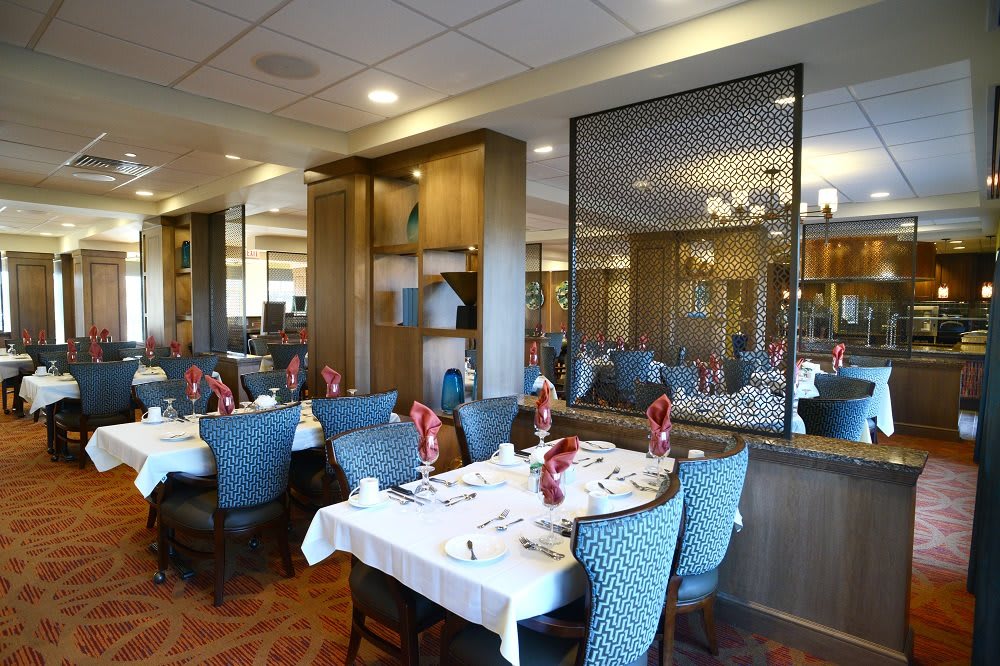
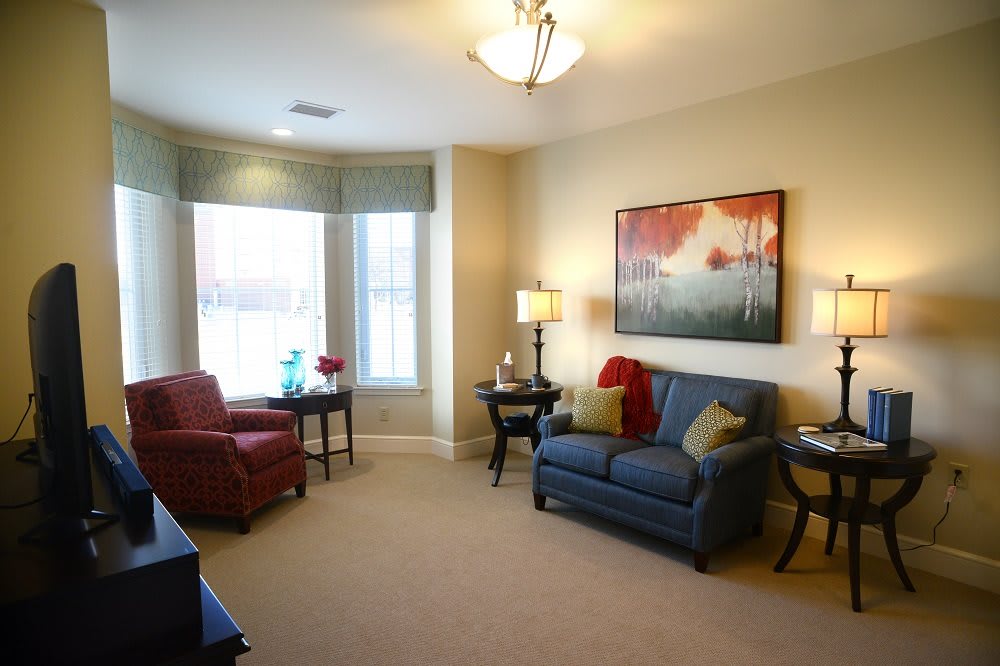
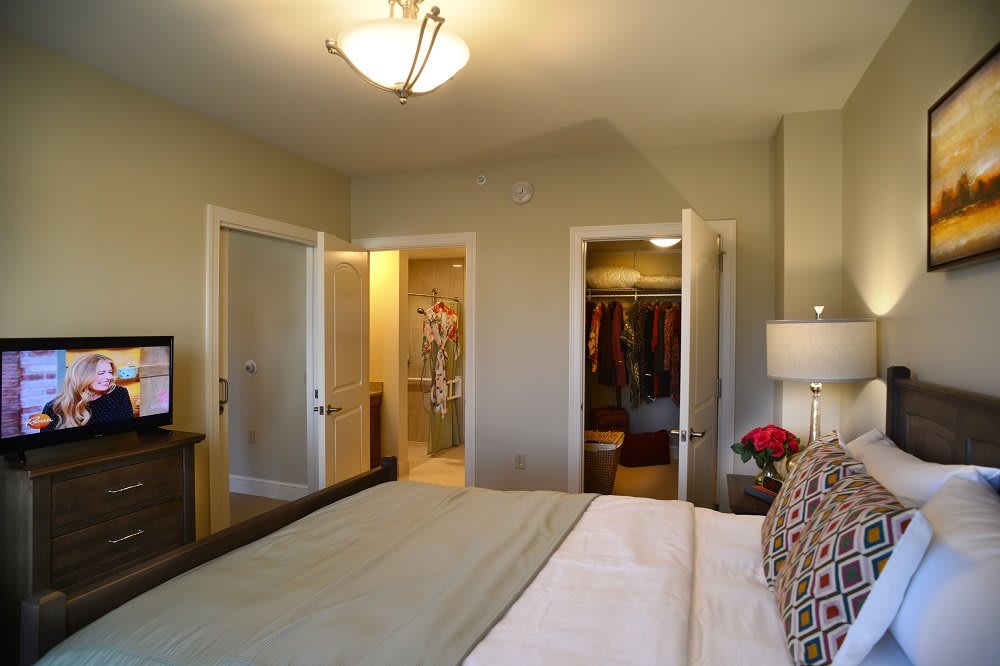
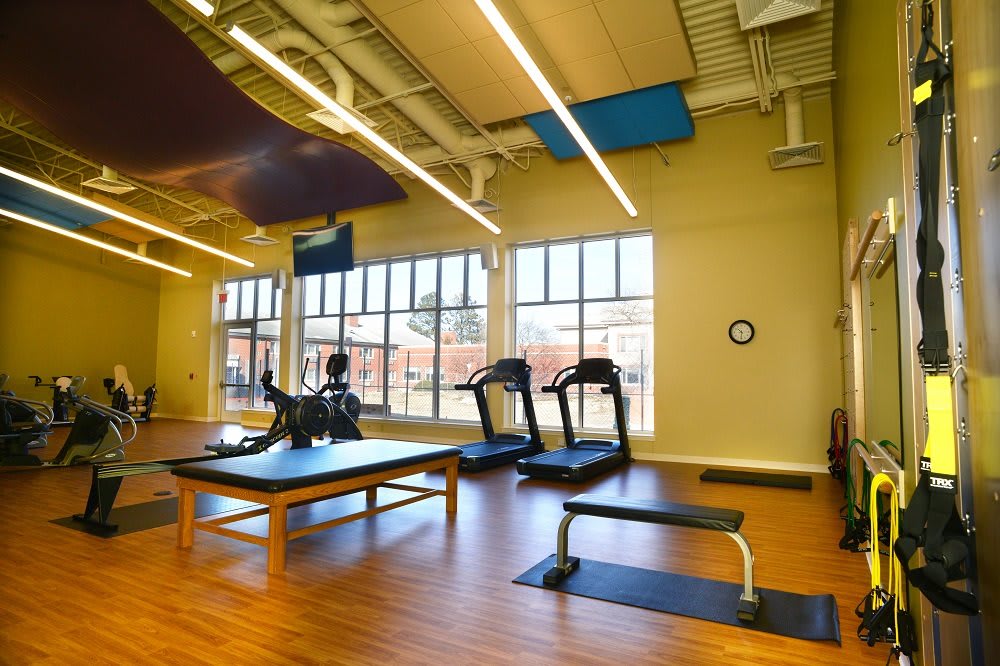
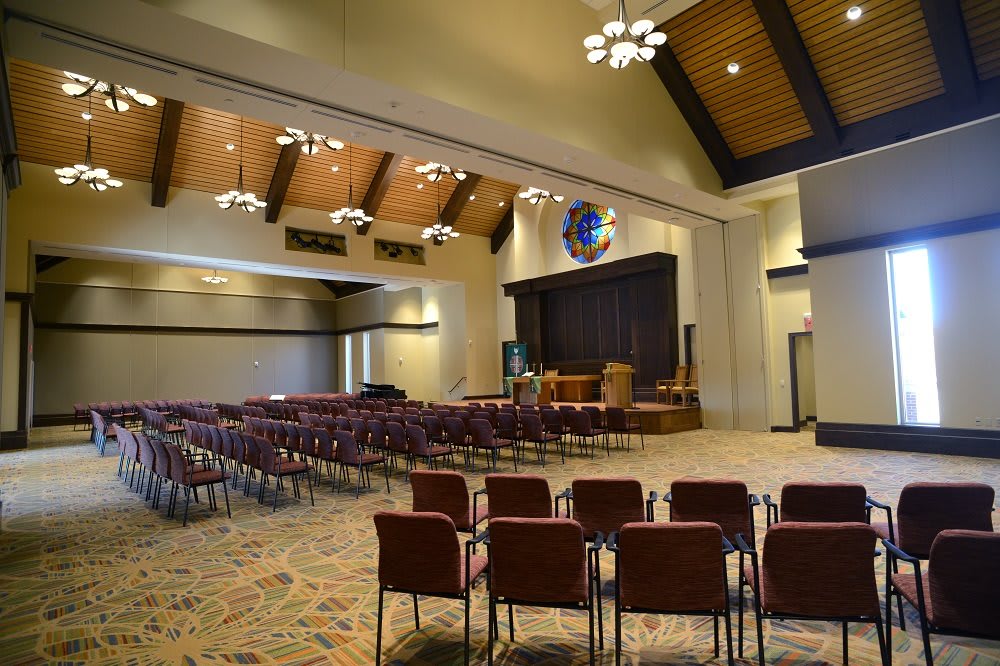
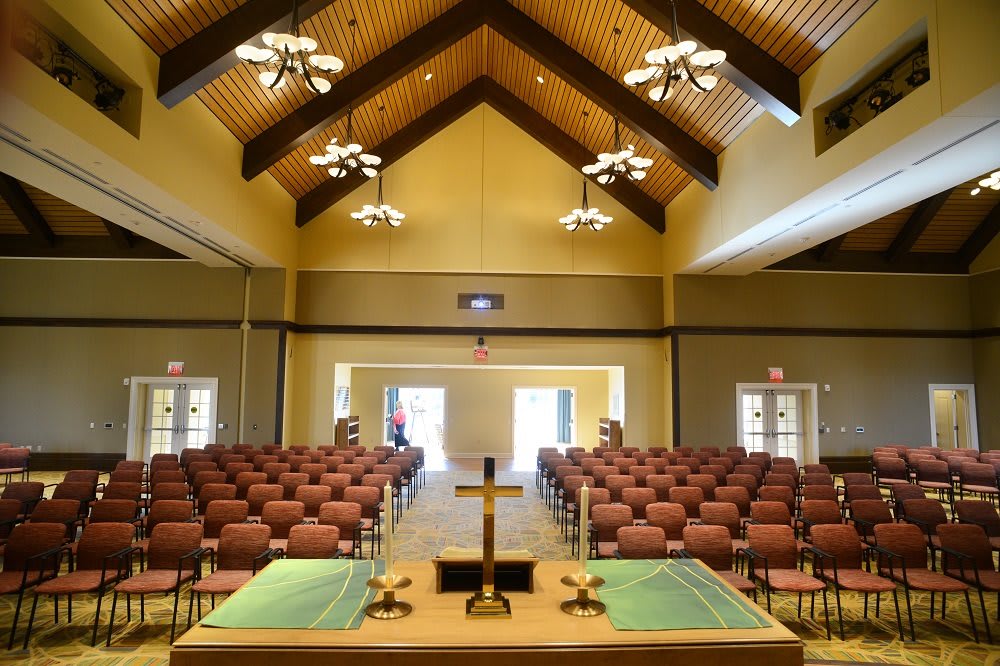
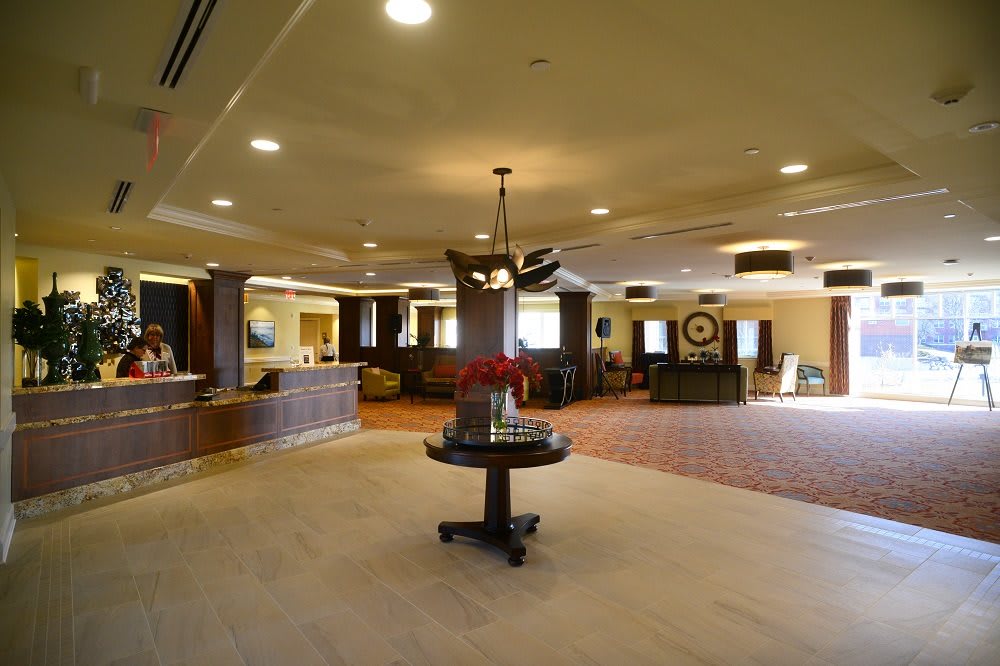
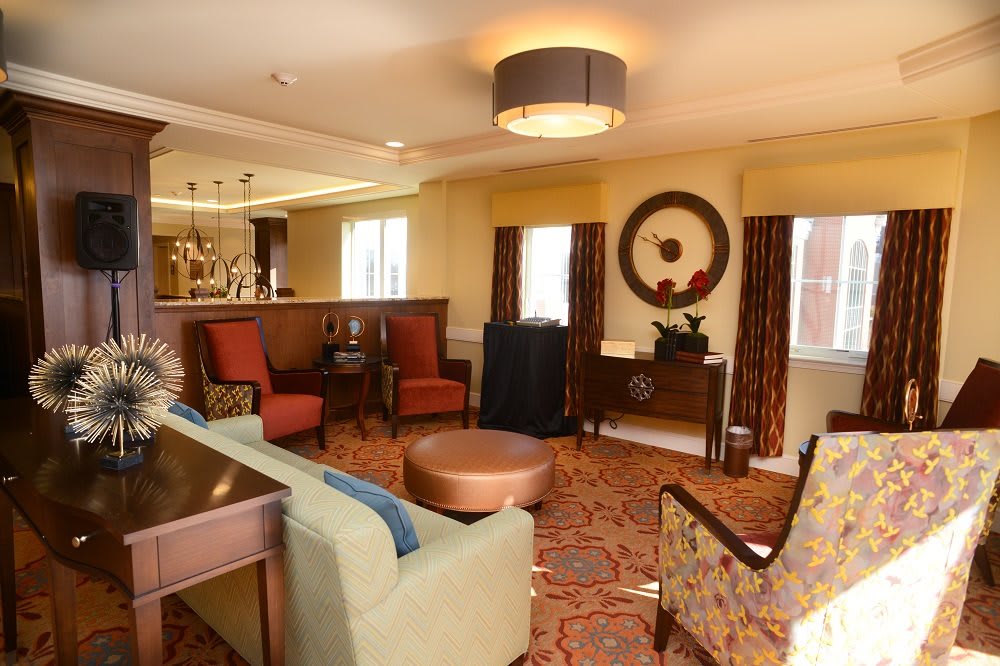
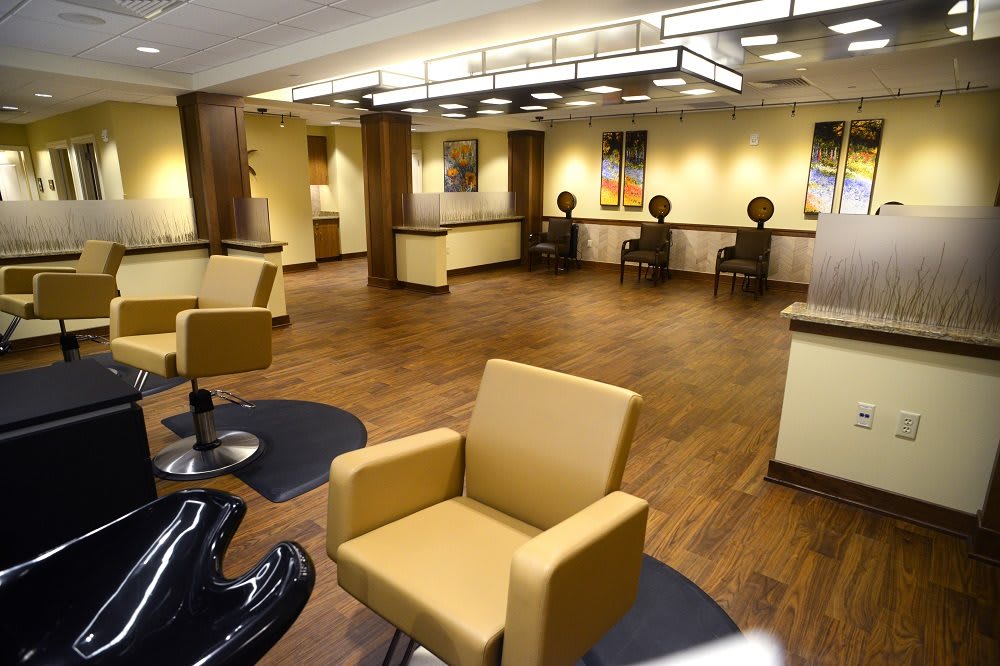
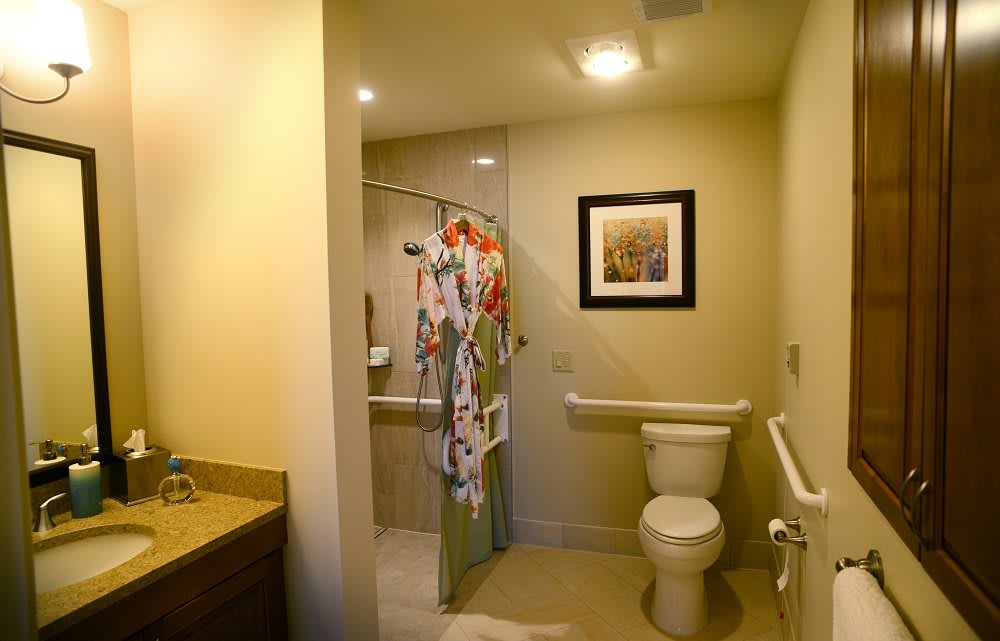
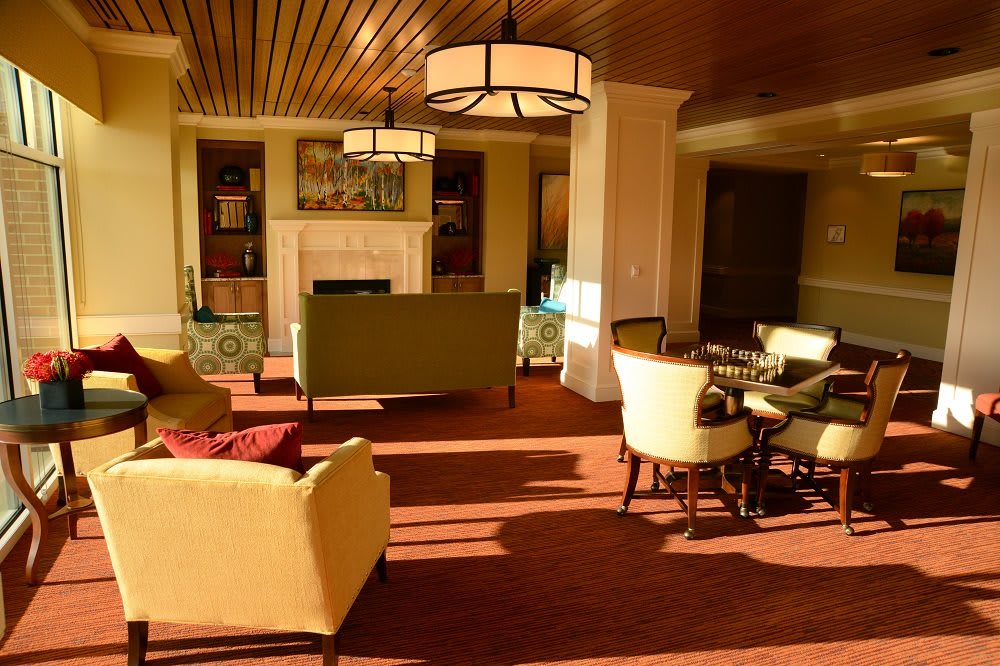
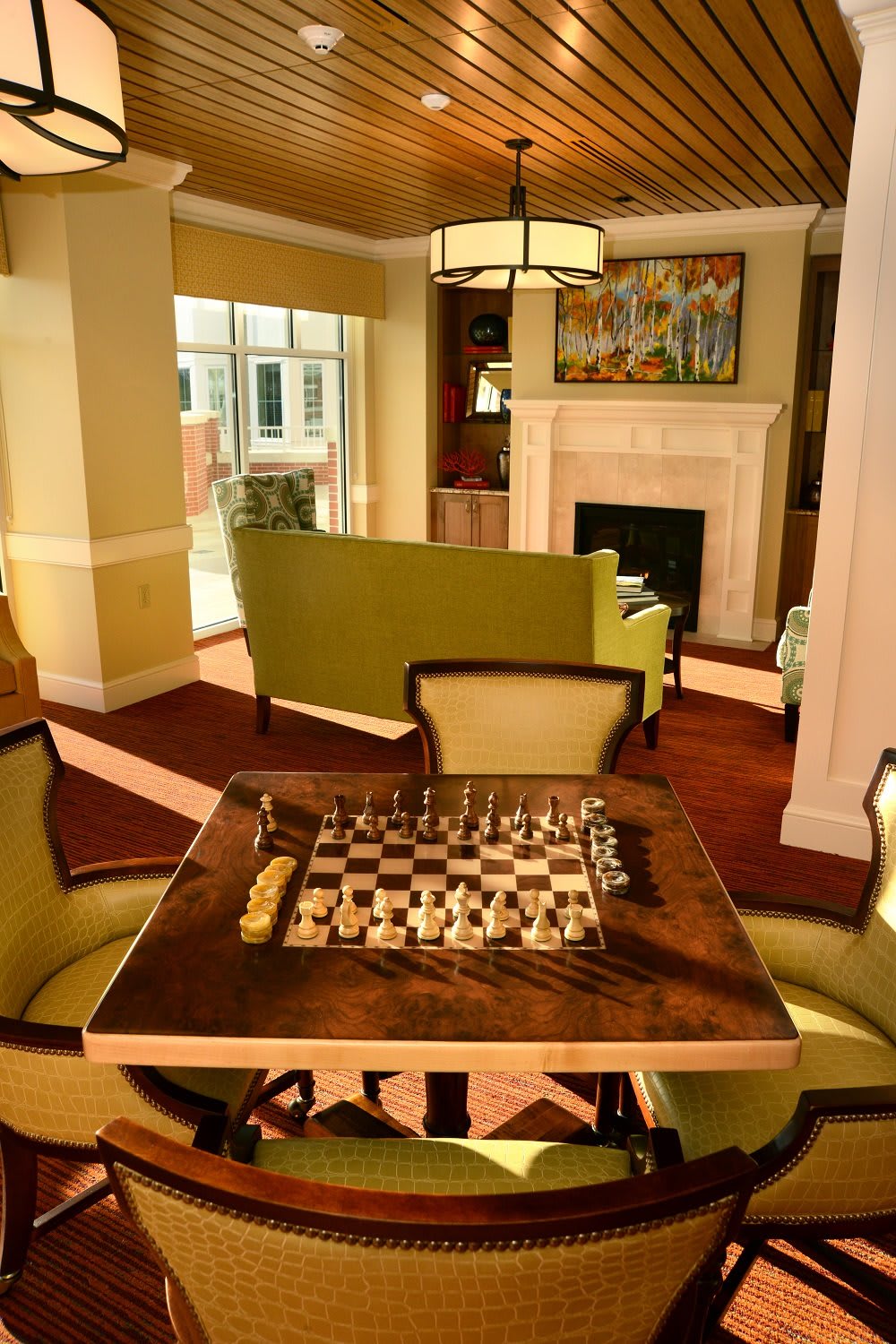
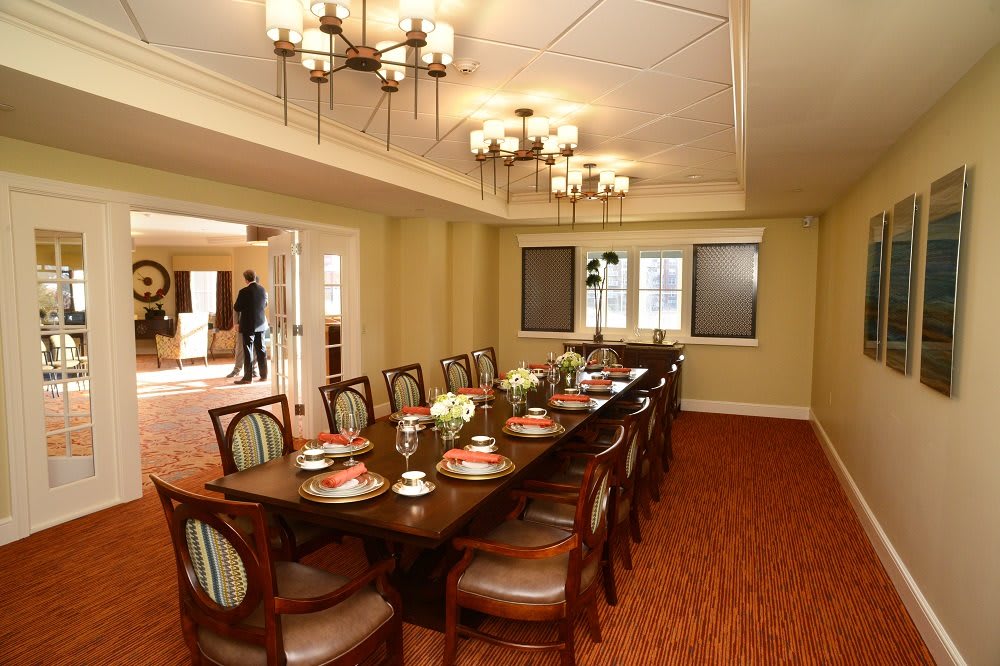
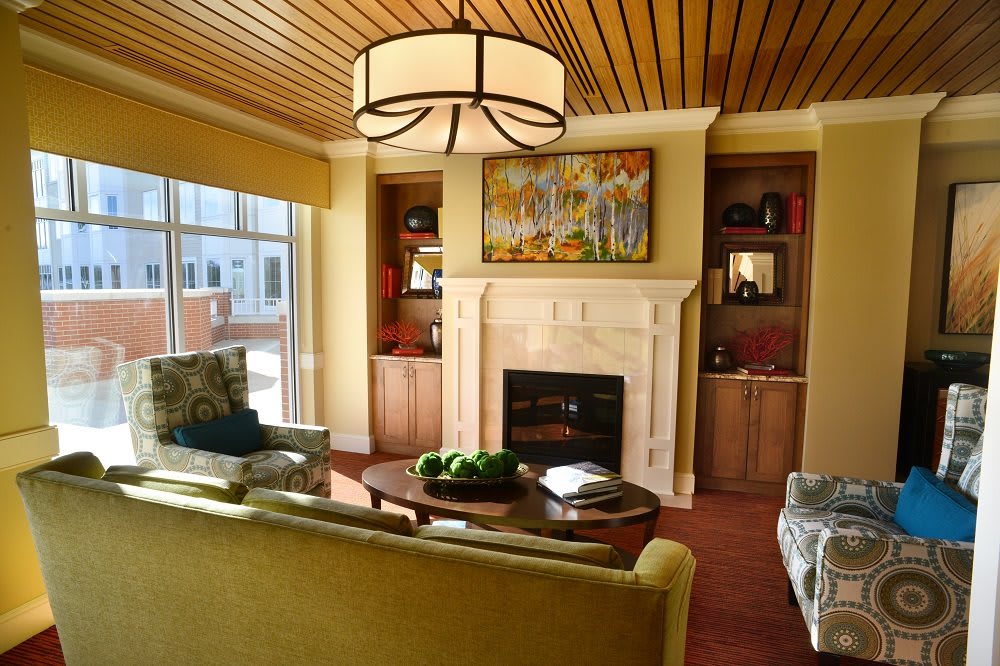
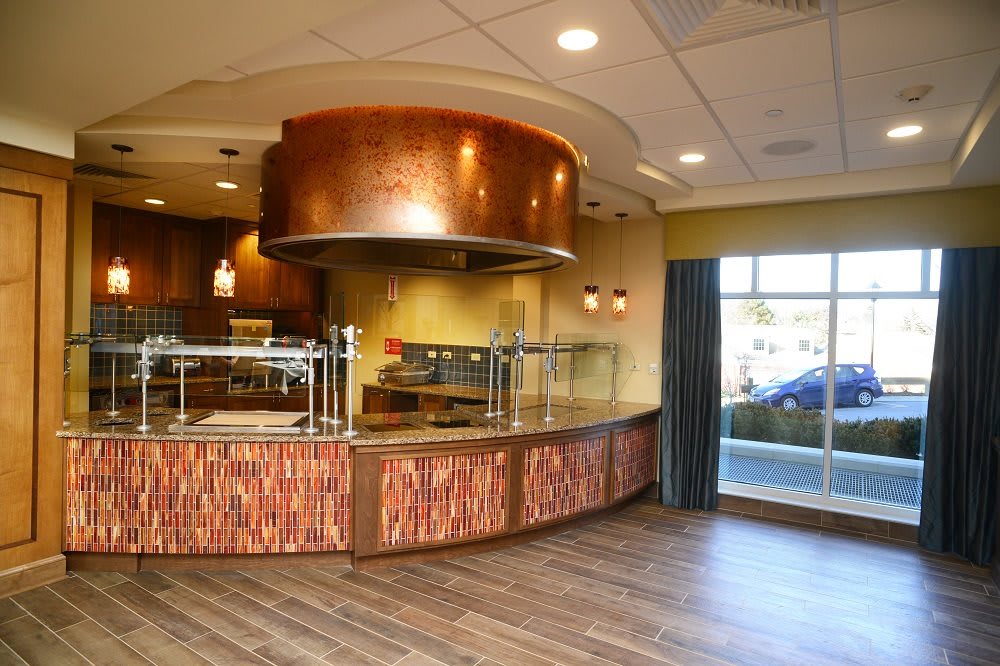
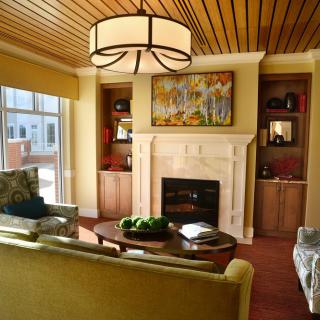
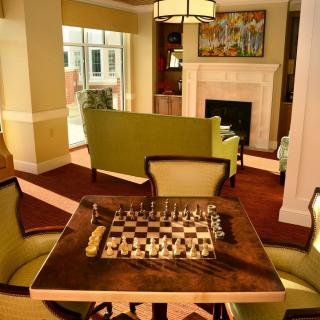
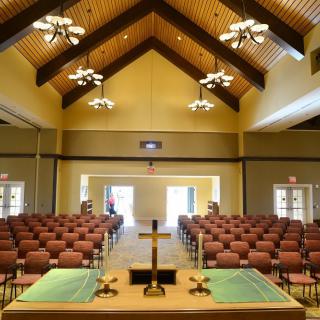
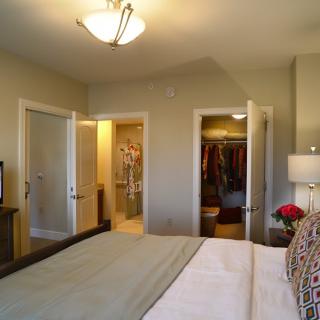
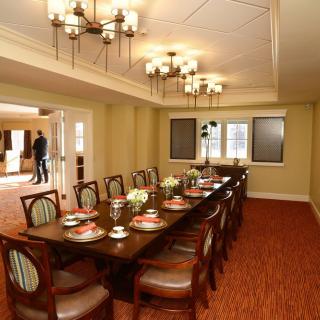
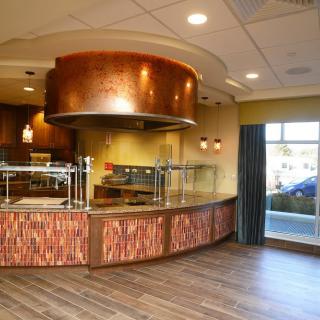
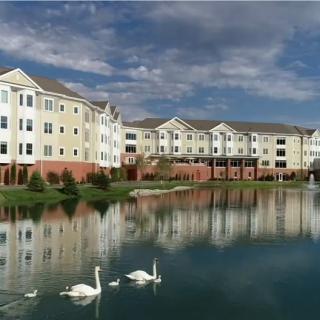
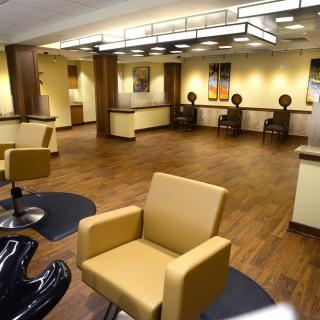
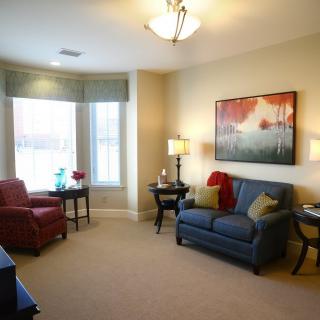
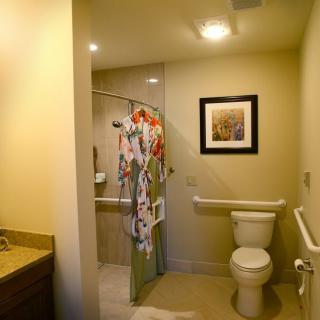
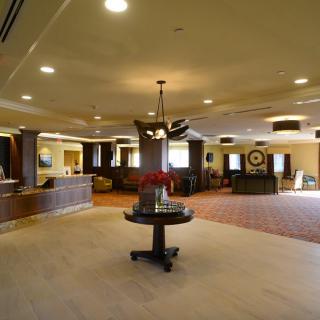
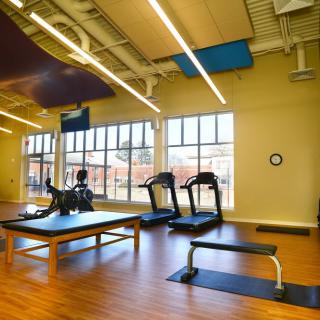
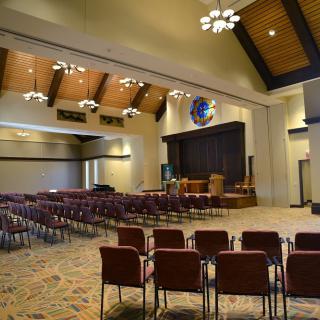
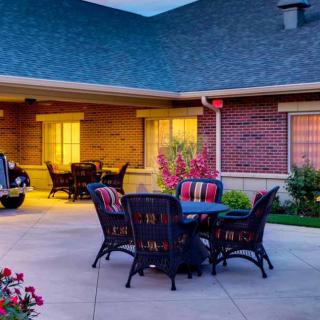
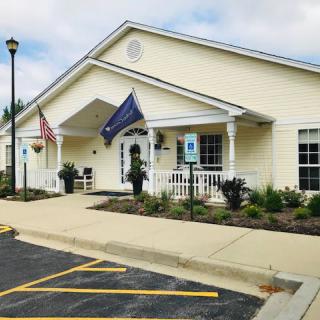
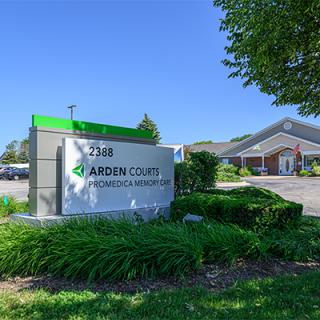
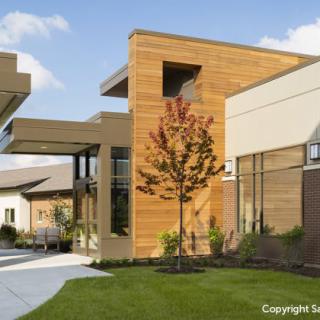
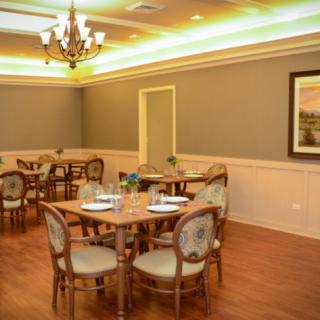
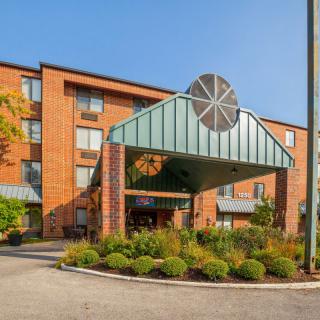
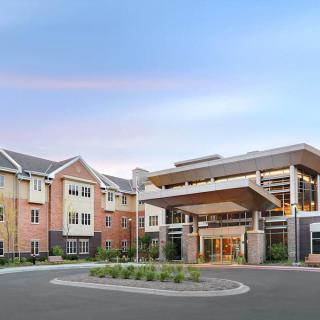
The Highlands Assisted Living at Moorings of Arlington Heights on seniors.fyi includes 16 photos including images showing interior, decor, living room, lighting, dining, fireplace, windows, artwork, and more.
Nearby Communities
The Moorings of Arlington Heights
Arlington Heights, IL
4.3 from 85 reviews
$2,760 to $3,800 / month
Knowledgeable staff and a pleasant environment with engaging activities.
Moorings Of Arlington Heights
Arlington Hts, IL
Comprehensive skilled nursing with 24/7 supervision and restaurant-style dining.
Moorings of Arlington Heights (AL)
Arlington Heights, IL
4.3 from 49 reviews
Extensive amenities and 24/7 care
Assisting Hands Home Care - Arlington Heights, IL
Arlington Heights, IL
4.9 from 54 reviews
Consistently courteous, dependable, and helpful service.
All-Ways Caring Svc Inc
Arlington Heights, IL
Convenient location with nearby amenities and hospital access.
The Reserve at Arlington Heights
Arlington Heights, IL
4 from 116 reviews
Memory-care focus with 24/7 supervision, mental wellness programs, and restaurant-style dining.
Church Creek
Arlington Heights, IL
4.3 from 121 reviews
$3,000 to $4,400 / month
Friendly, attentive staff in a clean, hotel-like setting with engaging activities and restaurant-style dining.
Plum Creek
Rolling Meadows, IL
4.5 from 35 reviews
Intimate setting with comprehensive care and robust amenities.
Lutheran Home
Arlington Heights, IL
3.9 from 145 reviews
$6,778 to $9,132 / month
Private rooms with dignity-focused memory care and engaging activities.
Dementia often results in disrupted sleep patterns, leading to excessive daytime sleeping due to factors like brain damage affecting circadian rhythms, medication side effects, and lack of structure in daily activities. Caregivers must monitor these changes closely, as oversleeping can increase risks such as malnutrition or dehydration, and provide necessary support and routines to enhance patient engagement and well-being.
The transition from assisted living to skilled nursing care is often prompted by complex medical needs that assisted living cannot meet, with key indicators including frequent health declines, increased falls, severe memory issues, and caregiver burnout. Families should recognize these signs early to discuss options with healthcare providers and prepare for the emotional and logistical aspects of moving to a facility that offers comprehensive medical support.
Dementia is characterized by cognitive decline, with nutrition playing a vital role in brain health; while no specific diet can prevent or reverse it, a nutrient-dense diet rich in antioxidants and healthy fats may support cognitive function. The MIND diet, which emphasizes beneficial foods and limits processed items, along with proper hydration and individualized meal strategies, can enhance the well-being of dementia patients.
The Highlands Assisted Living at Moorings of Arlington Heights photos
×
Interior
Decor
Living Room
Architecture
Bedroom
Windows
Dining
Landscaping
Lighting
Artwork
Bathroom
Lobby
Exercise Equipment
Lighting Fixtures
Interior
Decor
Bedroom, Television, and Closet
Dining
Living Room
Landscaping, Lake, and Water
Windows
Architecture
Bathroom, Shower, Grab Bars, and Accessible Bathroom
Kitchen
Lighting
Artwork
Chandelier
Fireplace
Seating Area
Lobby and Reception Area
Exercise Equipment, Gym, Fitness, Workout Space, and Treadmills
Salon
Seating and Church
Lighting Fixtures
Cozy Atmosphere
Get PricingAsk A QuestionSchedule A TourContact Senior Advisor
By clicking submit, you agree to our Partner's Terms of Use. You
also consent to receive calls and texts, which may be autodialed, from our Partner. Your consent is not a condition to
using our Partner's service. Please visit our Partner's Privacy Policy for information about their privacy practices.


 Assisted Living
 Memory Care
 Activities off-site
 Bath tubs
 Cable or satellite TV
 Devotional services off-site
 Ground floor units
 Handicap accessible
 Indoor common areas
 Kitchenette
 Outdoor common areas
 Swimming pool / hot tub
 Wi-Fi/high-speed internet available
 Chicago O'Hare International (7 miles away)
 Ambulatory care
 Diabetic care
 Gluten-free
 Art classes
 Day trips and outings
 Educational speakers / life long learning
 Happy hour
 Live dance or theater performances
 Live musical performances
 Live well programs
 Knowledgeable staff and a pleasant environment with engaging activities.

 Why Do Dementia Patients Sleep So Much? Understanding Oversleeping, Stages, and Care Approaches
 8 Key Indicators That Suggest It May Be Time to Transition from Assisted Living to Skilled Nursing Care
 Nourishing the Mind: Essential Dietary Approaches for Dementia