Rosetta Of Pocatello

Save

  • Interior

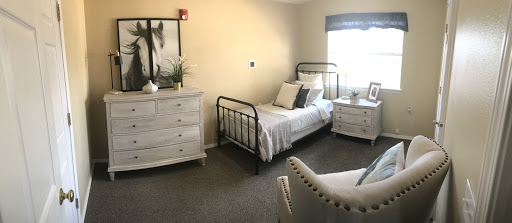
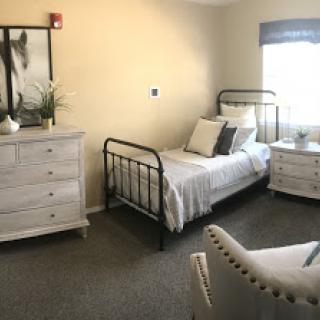
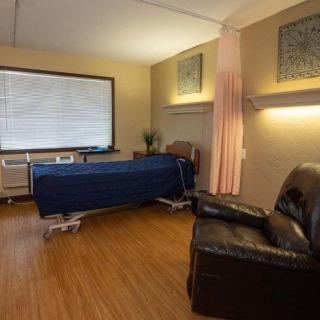
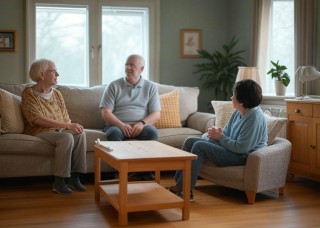
    A cozy and inviting bedroom featuring a single bed, stylish furniture, and soft neutral tones.
  • Decor

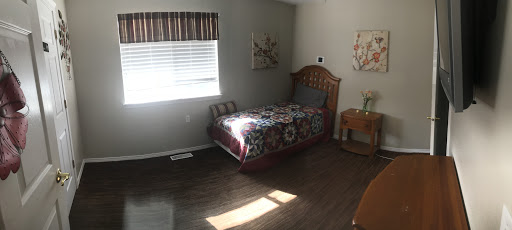
    A cozy bedroom featuring a bed with colorful bedding, wooden furniture, and a bright window allowing natural light.
  • Building

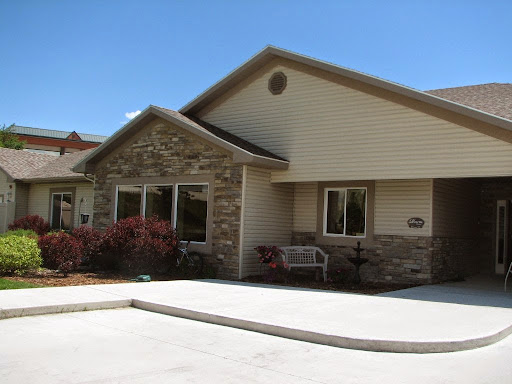
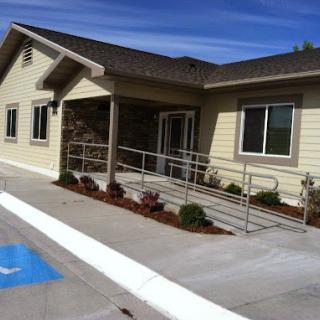
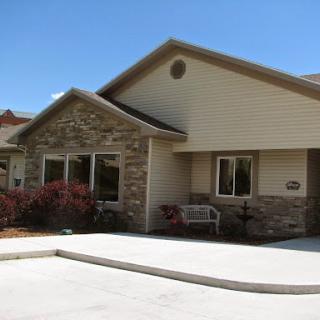
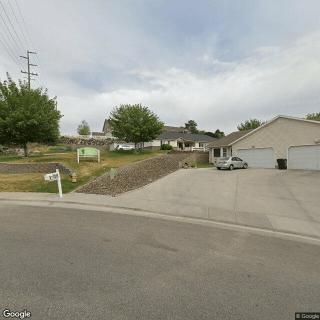
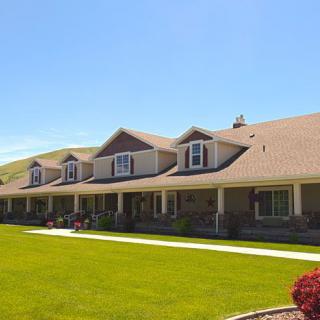
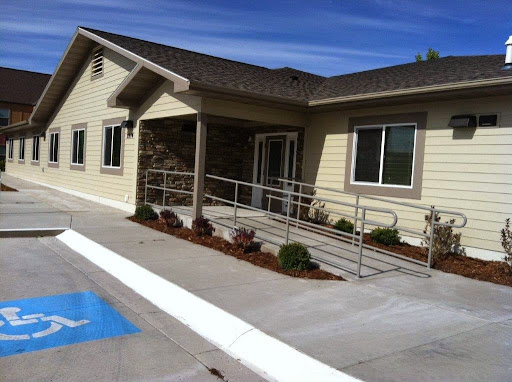
    A modern building featuring handicap accessibility with a ramp and landscaped surroundings.
  • Architecture

    A charming single-story house with a stone exterior and landscaped surroundings.
  • Landscaping

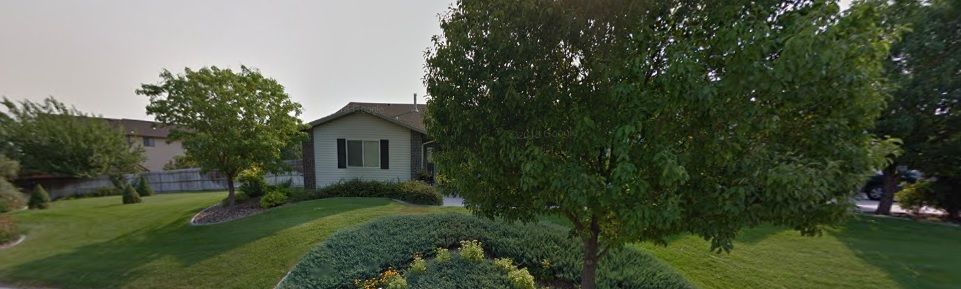
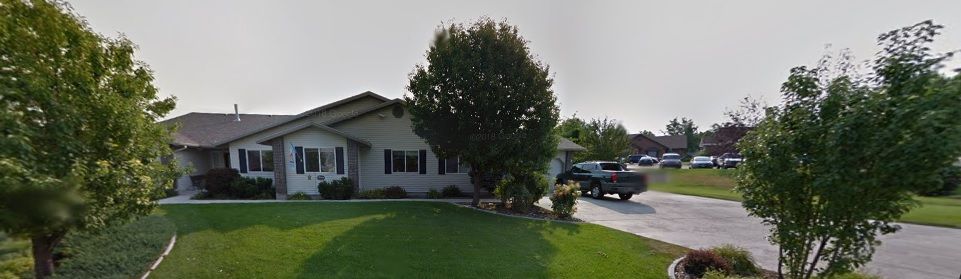
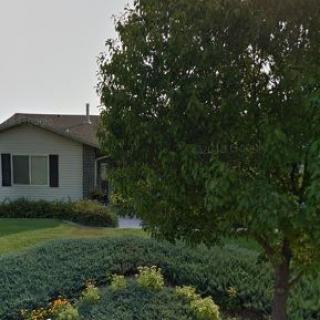
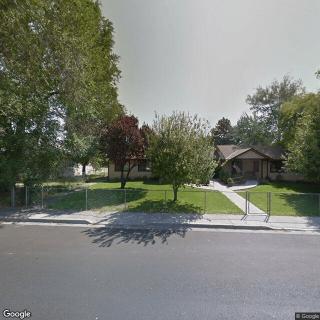
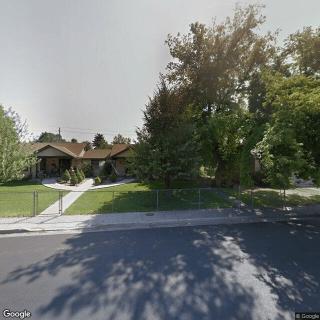
    A suburban house with a well-maintained garden and large tree.
  • Tree

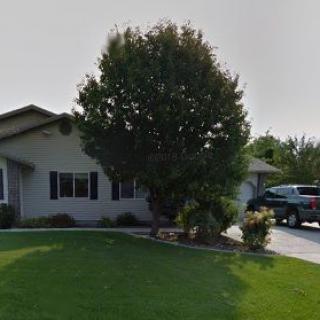
    A suburban house with a large tree, well-maintained lawn, and a car parked in the driveway.

Rosetta Of Pocatello

1590 Delphic Way, Pocatello, ID 83201

For more information about senior living options: (844) 490-3973

4.8 from 42 reviews
5 stars
38
4 stars
2
3 stars
0
2 stars
0
1 stars
2

Assisted Living Board and Care Home Memory Care

Rosetta Of Pocatello Costs & Pricing

Rosetta of Pocatello offers competitive pricing for its services, particularly when compared to both Bannock County and the broader state of Idaho. For semi-private rooms, Rosetta's monthly cost stands at $2,500, which is notably lower than the county average of $2,650 and significantly below the state average of $3,026. In terms of private accommodations, Rosetta charges $2,948, slightly surpassing the county's rate of $2,883 but still offering substantial savings compared to Idaho's average of $3,906. For those seeking studio living arrangements, Rosetta's price is set at $3,200 - this aligns closely with the state's average of $3,213 while remaining above Bannock County's figure of $3,071. Overall, Rosetta of Pocatello presents an appealing option for potential residents looking for cost-effective solutions within a comfortable community setting.

Floor plansRosetta Of PocatelloBannock CountyIdaho
Semi-Private$2,500$2,650$3,026
Private$2,948$2,883$3,906
Studio$3,200$3,071$3,213

Overall Review of Rosetta Of Pocatello

Pros

  • pro The staff are caring and compassionate toward residents.
  • pro Residents feel like family and are well loved by the staff.
  • pro The administrator Katie is amazing and goes above and beyond for residents, families, and staff.
  • pro The facility feels like home, is clean, and well maintained.
  • pro Rosetta's memory care is excellent, with knowledgeable and dedicated staff.
  • pro The meals are home-cooked and the building is consistently clean.
  • pro The staff are friendly, responsive, and willing to help with questions.
  • pro Rosetta is described as a wonderful community with a warm, loving environment.

Cons

  • pro The facility is small, unclean, and very poorly run, with extremely poor management.
  • pro The administration promised to prorate prepaid days but refused to honor the remainder after the resident's death.
  • pro Medications were halted without informing the family.
  • pro A safety bed rail was not provided despite repeated requests, endangering the resident after multiple falls.
  • pro Front-desk service was slow and unresponsive, making it hard to gain access or exit.
  • pro The heater vents were rusted and filthy, contributing to an unclean environment.

Review

Rosetta Assisted Living in Pocatello presents itself in many ways to families seeking a memory care option. For some, its smaller, home-like feel and location near the family home are major selling points. Visitors describe a facility that often feels warm and intimate, with an emphasis on personal attention and a sense of family within the community. Several families who toured and then placed loved ones there highlighted how the environment can feel more personal than larger, more institutional settings. They mentioned clean spaces, a comfortable living area, and a layout that supports a close, neighborly atmosphere rather than a sterile, hospital-like vibe. The memory care focus is repeatedly cited as a strength, with residents described as well cared for, clean, and surrounded by caregivers who understand the nuances of dementia and related needs.

Within the positive narratives, families spoke highly of the staff, the administration, and especially specific individuals who stood out in their care experiences. A recurring name among glowing testimonials is Katie, the administrator, who is repeatedly praised for going above and beyond for residents, their families, and the staff. Several reviewers credit her leadership with maintaining a compassionate, family-oriented culture. The staff are described as friendly, knowledgeable, and dedicated to delivering tailored care; several accounts emphasize that the care team treats residents with warmth and respect, making families feel that their loved ones are valued and well looked after. In these narratives, Rosetta comes across as a place where caregiving is not just a job but a calling, with staff and administrators who are genuinely invested in the well-being and happiness of residents.

The more positive reviews also celebrate the facility's atmosphere beyond pure clinical care. Families note that the building, though older, feels homey and welcoming rather than institutional. The sense of community is reinforced by testimonials about how residents interact with caregivers and how care plans are personalized to fit individual needs. Some reviewers recount a philosophy of care that emphasizes family-like interactions, consistent with the smaller-scale, home-like environment that appeals to families seeking intimacy and personal attention for their loved ones. In these accounts, Rosetta is described as a place where residents feel comfortable, even when memory challenges are present, and where families feel supported during difficult transitions.

However, the experiences are not uniformly positive. A number of reviews describe serious concerns and frustrations that create a stark contrast to the more favorable statements. One family recounts a dispute over prorated fees after their father passed away, claiming they were promised a refund for unused days and later denied that refund, resulting in a financial loss. This account highlights a fragile trust between families and administration around billing practices and commitments made during admission discussions. Another family raises safety concerns, describing multiple falls and a request for a safety rail that was not accommodated. They emphasize the risk this posed to an elderly resident who could not easily recover from a fall, noting that there were delays in rounds and routine checks, and questioning why simple safety measures were not implemented promptly. Such concerns underscore the critical importance of proactive safety protocols and reliable monitoring in a memory care setting.

Additional negative feedback points to perceived issues with accountability and communication. Some reviewers allege a lack of timely responses and inadequate front-desk access, including delays in addressing questions or returning calls. There is also criticism about facility upkeep, with mentions of rusted vents and other cleanliness concerns that conflict with the image of a well-maintained environment. One reviewer even described the atmosphere as reminiscent of a mental institution, with residents appearing unsettled, which consumed much of the emotional weight of the experience for that family. In contrast to the louder concerns, a few reviewers united in a common plea: if families are weighing Rosetta, they should assess not only the warm conversations and the initial impressions but also the consistency of care, safety practices, and transparent communication in day-to-day operations.

Against this backdrop of mixed experiences, several families share stories of truly positive outcomes. They recount moving a loved one to Rosetta after disappointing experiences elsewhere, and finding that the care, the approach to memory care, and the community feel aligned with what they were seeking. Reviews describe caregivers who make residents feel like family, who provide companionship and engagement, and who help families feel supported during what can be a stressful period. The breadth of positive testimonials extends beyond families to include staff perspectives, with comments about the workplace culture and management contributing to a positive care environment. Some reviewers underscore the sense that Rosetta - not just as a facility but as a community - values meaningful relationships, supports staff well, and fosters an atmosphere where residents can thrive emotionally and socially.

In sum, Rosetta Assisted Living in Pocatello appears to be a facility that draws a wide spectrum of experiences. On one side, families celebrate a small, intimate, memory-care-focused environment where compassionate staff, attentive administration, and a home-like atmosphere make residents feel cared for and valued. On the other side, some families report serious concerns about billing integrity, safety measures, and communication that undermine trust and raise questions about daily operations. Potential families weighing Rosetta should consider both viewpoints: the strong, positive experiences of families who describe deep, family-like care and the more cautionary accounts centered on safety, transparency, and accountability. Given the strength of leadership and the demonstrated commitment to compassionate care in many reviews, it may be worthwhile to visit, speak with current residents and families, and specifically inquire about safety protocols, fall prevention measures, billing policies, and how quickly staff respond to front-door access and family inquiries. The facility's memory-care strengths and the evident dedication of many staff members could be a meaningful fit for some loved ones, while the concerns raised by others highlight the importance of careful, personalized due diligence before deciding.

Features

Housing

  • 22 resident community capacity 22 resident community capacity

Types of Care

  • Assisted Living Assisted LivingAssisted living facilities provide crucial support and care for seniors who may need help with daily tasks such as medication management, bathing, and meal preparation. These communities offer a safe and comfortable environment where seniors can maintain their independence while receiving the assistance they need to thrive in their golden years.
  • Board and Care Home Board and Care HomeBoard and care homes provide a smaller, more intimate setting for seniors who require assistance with daily tasks but do not need the level of care offered by a nursing home. They offer personalized care, meals, and social activities in a homelike environment, ensuring that seniors receive individualized attention and support in their golden years.
  • Memory Care Memory CareMemory care is crucial for seniors as it provides specialized support and services for individuals with dementia or Alzheimer's disease. These programs offer a safe and secure environment where residents receive personalized care, cognitive stimulation, and help with daily activities. Memory care helps seniors maintain their independence, quality of life, and dignity while also providing peace of mind for their families.

Pets

  • Cats allowed Cats allowed"Pet friendly" senior living communities are important for seniors because pets provide companionship, reduce feelings of loneliness and depression, promote physical activity and mental stimulation, and offer a sense of purpose and responsibility. Pets can improve overall well-being and quality of life for seniors in many ways.
  • Dogs allowed Dogs allowed"Pet friendly" senior living communities are important for seniors because pets provide companionship, reduce feelings of loneliness and depression, promote physical activity and mental stimulation, and offer a sense of purpose and responsibility. Pets can improve overall well-being and quality of life for seniors in many ways.

Amenities

  • Beauty salon Beauty salonBeauty salons are important for seniors because they provide a space for them to feel pampered, socialize, and maintain their personal grooming and hygiene. Regular visits to a beauty salon can help boost seniors' self-esteem and overall well-being.
  • Cable or satellite TV Cable or satellite TVCable or satellite TV is important for seniors because it provides entertainment, news, and companionship, helping to combat loneliness and boredom. It also offers a wide range of programming options tailored to different interests and preferences.
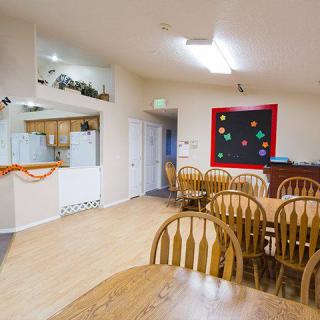
  • Dining room Dining roomDining rooms are important for seniors as they provide a space for socialization, connection, and nutritious meals. They offer opportunities for residents to bond over shared meals, foster a sense of community, and promote healthy eating habits. Dining rooms also ensure that seniors have access to well-balanced meals tailored to their dietary needs and preferences.
  • Fully furnished Fully furnishedFully furnished senior living communities are important for seniors because they provide convenience, comfort, and a hassle-free moving experience. Seniors can easily settle into their new living space without the stress of having to buy and move furniture. This allows them to focus on enjoying their new home and community.
  • Garden GardenGardens are important for seniors as they provide a peaceful and therapeutic environment for relaxation, physical activity, and socialization. Being in nature has been shown to reduce stress, improve mood, and promote overall well-being. Gardens also offer opportunities for seniors to engage in gardening activities, which can improve mobility, flexibility, and cognitive function. Additionally, gardens create a sense of community and connection with others who share a passion for plants and outdoor spaces.
  • Housekeeping services Housekeeping servicesHousekeeping services are important for seniors because they help maintain a clean and safe living environment, promote independence, and reduce the risk of accidents or illnesses. Additionally, having assistance with household chores can alleviate physical strain and allow seniors to focus on other aspects of their well-being.
  • Kitchenette KitchenetteKitchenettes are important for seniors living in senior living communities because they provide the convenience and independence of being able to prepare simple meals and snacks in the comfort of their own living space. This can help promote a sense of autonomy and well-being for seniors, allowing them to maintain some level of control over their dietary choices and daily routines.
  • Move-in coordination Move-in coordinationMove-in coordination is important for seniors because it helps ease the transition into their new living environment. It ensures that all logistics, such as packing, organizing movers, and setting up utilities are taken care of, allowing seniors to focus on settling in and adjusting to their new home. Having a smooth move-in process can alleviate stress and anxiety, making the transition smoother and more enjoyable for seniors.
  • Outdoor space Outdoor spaceOutdoor spaces are important for seniors as they provide opportunities for physical activity, social interaction, exposure to natural light and fresh air, and a sense of connection to nature. Having access to outdoor spaces can improve overall well-being and quality of life for older adults living in senior communities.
  • Private PrivatePrivacy is important for seniors as it allows them to maintain their independence, dignity, and sense of control over their own lives. It also gives them the space and freedom to relax, reflect, and engage in activities that bring them joy and fulfillment. Creating private spaces within senior living facilities is crucial for promoting overall well-being and quality of life.
  • Telephone TelephoneTelephones are important for seniors as they provide a lifeline for communication with loved ones, emergency services, and healthcare providers. They offer a sense of security and independence, enabling seniors to stay connected and access assistance when needed.
  • Wi-Fi/high-speed internet available Wi-Fi/high-speed internet availableWi-Fi/high-speed internet is important for seniors to stay connected with loved ones, access online resources, and participate in virtual activities to combat feelings of loneliness and isolation. It also allows them to easily manage healthcare needs, access entertainment, and engage in lifelong learning opportunities.

Transportation

  • Pocatello Regional (8 miles away) Pocatello Regional (8 miles away)

Care Services

  • 24-hour call system 24-hour call system24-hour call systems are important for seniors because they provide peace of mind and immediate assistance in case of emergencies. This technology ensures that help is always available, promoting safety and security for elderly individuals living alone or in assisted living facilities.
  • 24-hour supervision 24-hour supervision24-hour supervision is important for seniors to ensure their safety, well-being, and access to immediate assistance in case of emergencies or health issues. This constant support provides peace of mind for both seniors and their loved ones, allowing them to age in place with dignity and security.
  • Activities of daily living assistance Activities of daily living assistanceActivities of daily living assistance are important for seniors because they provide essential support with tasks such as eating, bathing, dressing, and mobility. This assistance helps seniors maintain their independence, dignity, and overall quality of life as they age.
  • Assistance with bathing Assistance with bathingAssistance with bathing is crucial for seniors as it helps maintain personal hygiene, prevents infections, and ensures their overall well-being and comfort. It also provides a sense of dignity and independence for seniors who may struggle with this task on their own.
  • Assistance with dressing Assistance with dressingAssistance with dressing is important for seniors because it helps maintain their independence, promotes personal hygiene, prevents accidents and injuries, and improves overall quality of life. This service ensures that seniors can continue to dress comfortably and confidently, despite any physical limitations they may have.
  • Assistance with transfers Assistance with transfersAssistance with transfers is crucial for seniors as it helps prevent falls and injuries, maintains their independence, and ensures they can safely navigate their living environment. It also provides peace of mind for both seniors and their loved ones.
  • Coordination with health care providers Coordination with health care providersCoordination with health care providers is crucial for seniors to ensure proper medical care, medication management, and overall well-being. This collaboration helps prevent overlapping treatments, track progress more effectively, and provide comprehensive support tailored to individual needs.
  • Dementia waiver Dementia waiverDementia waivers are essential for seniors as they provide critical protections and accommodations for those experiencing cognitive decline. These waivers ensure individuals with dementia receive appropriate care, support, and resources to maintain their quality of life and dignity as they navigate the challenges of this progressive condition.
  • Diabetes diet Diabetes dietA diabetes diet is crucial for seniors as it helps manage blood sugar levels, reduce risks of complications, and improve overall health and well-being. By following a balanced and nutritious diet tailored to their specific needs, seniors can better control their diabetes and enhance their quality of life.
  • Hospice waiver Hospice waiverHospice waivers are important for seniors because they allow individuals to receive specialized end-of-life care and support at home or in a hospice facility. This waiver ensures that seniors can access the necessary resources and services to maintain comfort and dignity during their final days.
  • Meal preparation and service Meal preparation and serviceMeal preparation and service are crucial for seniors as they may have limited mobility or energy to cook nutritious meals. Having access to healthy and convenient food options can ensure they are getting the proper nutrition needed to maintain their overall health and well-being.
  • Medication management Medication managementMedication management is crucial for seniors to ensure they are taking the right medications at the correct dosages and times. This helps prevent adverse drug interactions, reduces the risk of medication errors, and promotes overall health and well-being. Proactive management also allows for adjustments as needed based on changing health conditions or new prescriptions.
  • Mental wellness program Mental wellness programMental wellness programs are essential for seniors as they promote cognitive stimulation, emotional support, and social engagement. These programs help prevent isolation, depression, and cognitive decline, ultimately enhancing the overall quality of life for older adults.
  • Mild cognitive impairment Mild cognitive impairment"Mild cognitive impairment" is important for seniors because it is an early stage of cognitive decline that can potentially progress to more severe conditions such as dementia. Recognizing and addressing mild cognitive impairment can help seniors receive appropriate care and support to maintain their quality of life and independence for as long as possible.
  • Special dietary restrictions Special dietary restrictionsSpecial dietary restrictions are important for seniors because age-related changes in metabolism and health conditions can make it difficult for their bodies to process certain foods. By following a diet tailored to their specific needs, seniors can maintain their overall health and well-being, manage chronic conditions, and reduce the risk of complications such as malnutrition or food interactions with medications.
  • Specialized memory care programming Specialized memory care programmingSpecialized memory care programming is crucial for seniors with cognitive impairments such as dementia or Alzheimer's disease. These programs provide a safe and supportive environment tailored to the unique needs of individuals with memory loss, helping them maintain their independence, dignity, and quality of life.
  • Transportation arrangement (medical) Transportation arrangement (medical)Transportation arrangements for medical purposes are essential for seniors as they may have difficulty driving themselves to appointments or accessing public transportation. Having reliable and safe transportation options ensures that seniors can receive timely medical care and maintain their health and well-being.
  • Transportation to doctors appointments Transportation to doctors appointmentsTransportation to doctors' appointments is crucial for seniors as it ensures they have access to necessary medical care and support for their health needs. Without reliable transportation, seniors may struggle to attend important appointments, leading to potential delays in treatment and health complications. Providing transportation services helps seniors maintain their overall well-being and quality of life.
Dining

  • Diabetes diet Diabetes dietA diabetes diet is crucial for seniors as it helps manage blood sugar levels, reduce risks of complications, and improve overall health and well-being. By following a balanced and nutritious diet tailored to their specific needs, seniors can better control their diabetes and enhance their quality of life.
  • Special dietary restrictions Special dietary restrictionsSpecial dietary restrictions are important for seniors because age-related changes in metabolism and health conditions can make it difficult for their bodies to process certain foods. By following a diet tailored to their specific needs, seniors can maintain their overall health and well-being, manage chronic conditions, and reduce the risk of complications such as malnutrition or food interactions with medications.

Activities

  • Community-sponsored activities Community-sponsored activitiesCommunity-sponsored activities are important for seniors as they provide opportunities for social interaction, mental stimulation, and physical activity. These activities can help improve overall well-being, combat loneliness and isolation, and promote a sense of belonging and purpose among older adults.
  • Scheduled daily activities Scheduled daily activitiesScheduled daily activities are important for seniors because they provide structure, socialization, mental stimulation, and physical activity. Engaging in regular activities can improve overall well-being and quality of life for seniors living in a community setting.

Description

Rosetta Of Pocatello is an assisted living community located in Pocatello, ID, offering board and care home as well as memory care services. Our residents enjoy a range of amenities to make their stay comfortable and convenient. These include cable or satellite TV, a dining room for shared meals, fully furnished accommodations, a beautiful garden, housekeeping services, a kitchenette for personal use, move-in coordination assistance, outdoor space for relaxation and recreation, private rooms for privacy, telephone access, and Wi-Fi or high-speed internet connectivity.

Our dedicated staff provides 24-hour supervision and assistance with activities of daily living such as bathing, dressing, and transfers. We also coordinate with healthcare providers to ensure comprehensive care for our residents. Our team is experienced in dementia care and we offer specialized memory care programming to support those with memory loss or cognitive impairment. We provide assistance with medication management and meal preparation according to specific dietary restrictions such as diabetes diets.

At Rosetta Of Pocatello, we prioritize the mental wellness of our residents. We offer a mental wellness program designed to enhance cognitive functioning and promote emotional well-being. In addition to these services, we also arrange transportation for medical appointments and have easy access to nearby cafes, parks, pharmacies, physicians' offices, restaurants, places of worship, theaters, and hospitals.

With a focus on personalized care and vibrant community living experience through daily scheduled activities like games and outings within the neighborhood friendly area close by; Rosetta Of Pocatello prides itself on providing a safe and comfortable environment where individuals can thrive while receiving the necessary support they need.

Nearby Places of Interest

This area of Pocatello, Idaho offers convenient access to a variety of amenities and services that may appeal to seniors. With several physician offices, pharmacies, and hospitals located within a short distance, medical care is easily accessible. Places of worship provide opportunities for spiritual fulfillment, while transportation options like Sam's Taxi Cab can help with getting around town. There are also plenty of dining options nearby, including familiar chains like Applebee's and Burger King as well as local favorites like Mama Mia and Thai Zap. Parks such as Ammon Park and Alameda Park offer outdoor recreation possibilities, and the nearby AMC Classic Pine Ridge 11 theater provides entertainment options. Overall, this area offers a mix of convenience and leisure opportunities that may suit the needs of seniors looking for a comfortable living environment in Pocatello.

Physicians

  • West Family Medicine (0 miles)
  • Eyecare Of Southeast Idaho (0.3 miles)
  • Intermountain Medical Clinic (0.4 miles)
  • Kidney Associates of Southern Idaho (0.4 miles)
  • Idaho Surgicenter (0.8 miles)
  • Alameda Vision Center (0.8 miles)
  • Idaho Eye and Laser Center (0.8 miles)

Places of Worship

  • Calvary Chapel Christian School (0.1 miles)
  • Forerunner Evangelistic Ministry (0.8 miles)
  • Church of Jesus Christ of Latter Day Saints (1.1 miles)
  • Church of Jesus Christ of Latter Day Saints (1.2 miles)
  • Supreme Assembly of Beauceant (1.6 miles)
  • Mision (1.9 miles)
  • Church of Jesus Christ of Latter Day Saints (1.9 miles)

Transportation

  • Sam's Taxi Cab (0.4 miles)

Restaurants

  • Applebee's (0.4 miles)
  • Sandpiper Restaurant & Lounge (0.5 miles)
  • Burger King (0.5 miles)
  • Jack In The Box (0.6 miles)
  • Mama Mia (0.8 miles)
  • Thai Zap (1 miles)
  • KB's Pocatello (1 miles)

Pharmacies

  • Ridley's Family Markets (1 miles)
  • Key Medical (1.3 miles)
  • Snake River Long Term Care Pharmacy (1.3 miles)
  • Walgreens (1.4 miles)
  • Fred Meyer Pharmacy (1.5 miles)
  • Walgreens (1.8 miles)
  • Ed Snell's Pharmacy Shop (1.8 miles)

Cafes

  • Starbucks (1.4 miles)
  • Idaho Unlimited (1.6 miles)
  • Java Espress - Po (1.7 miles)
  • Jeri's Jumbo's Cafe (2 miles)
  • Cafe Tuscano (2.1 miles)

Parks

  • Ammon Park (1.6 miles)
  • Alameda Park (1.6 miles)
  • Bear Lake National Wildlife Refuge (1.6 miles)
  • Sacajawea Park (1.9 miles)
  • Caldwell Park Pocatello,idaho (2.1 miles)

Theaters

  • AMC CLASSIC Pine Ridge 11 (2.1 miles)

Hospitals

  • US Veterans Outpatient Clinic (2.1 miles)
  • Portneuf Medical Center (2.3 miles)
  • Portneuf Labor, Delivery & Postpartum (2.3 miles)

Frequently Asked Questions

How much does it cost to live at Rosetta Of Pocatello in Pocatello, ID?
Where is Rosetta Of Pocatello?
Does Rosetta Of Pocatello provide care for residents with dementia or Alzheimer's disease?
Does Rosetta Of Pocatello allow residents to have pets?
What photos are available for Rosetta Of Pocatello in Pocatello, Idaho?

Nearby Communities

Related Resources

  • va nursing homeComprehensive Guide to VA Nursing Homes: A Crucial Long-Term Care Resource for Veterans

    VA nursing homes, or Community Living Centers (CLCs), offer tailored long-term care for veterans, featuring medical attention and rehabilitation in a supportive environment. The guide covers facility types, eligibility criteria, financial assistance options, quality of care standards, and alternatives to full-time nursing home placement.

  • in home dementia care costsEstimating the Expenses of At-Home Dementia Care: A Detailed Exploration

    At-home dementia care expenses vary widely based on care levels, location, and caregiver expertise, with monthly costs for home health aides exceeding $4,500 and specialized care potentially surpassing $100,000 annually. While families favor in-home care for its comfort and personalized attention, they must consider financial planning and the challenges of caregiver fatigue.

  • end stage dementiaComprehensive Insights on the Late Stages of Dementia: What to Expect and How to Provide Care
    The article discusses the late stages of dementia, detailing the progression from mild to severe impairment and highlighting key characteristics such as profound cognitive decline and dependency in daily activities. It emphasizes care strategies focused on comfort and dignity, the importance of advance directives, and the emotional support needed for family caregivers facing this challenging journey.