
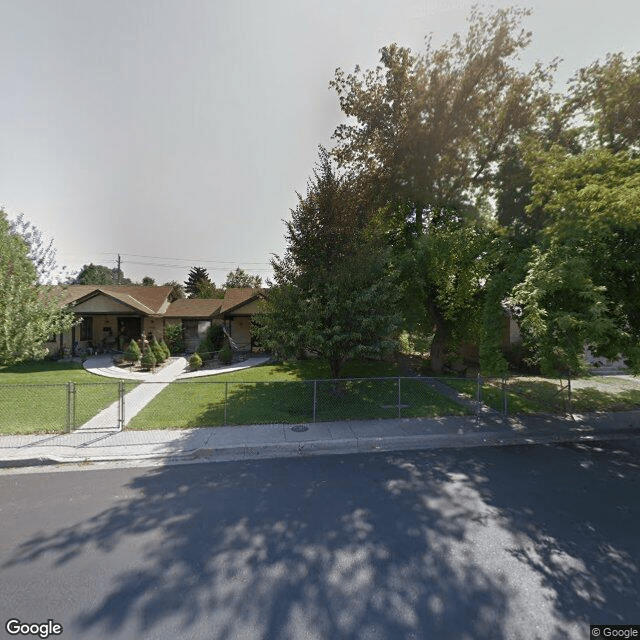
518 Willard Ave, Pocatello, ID 83201
To contact a resident: (208) 234-1200
For more information about senior living options: (866) 208-4318
Overall Review of Alzheimer Community Care - Pocatello
Pros
 The staff at Ashley Manor are amazing and treat residents like family.
- Juanita, the administrator, is knowledgeable, supportive, and easy to work with for families during transitions.
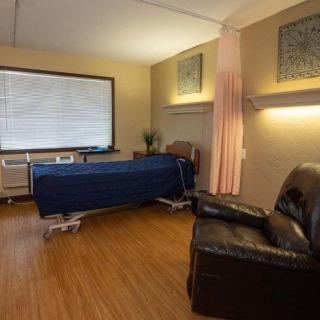
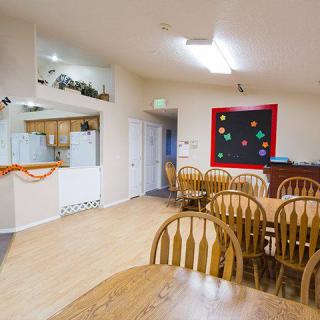
- Ashley Manor is clean, comfortable, and well maintained.
- The facility goes above and beyond to ensure the well-being of its residents.
- The atmosphere at Ashley Manor feels like home, with a family-like care that puts residents first.
- Families feel heard, reassured, and well-informed by the always-responsive staff.
- The Cedar location has improved significantly under Juanita's leadership and is highly recommended.
Cons
 There is one staff member, not even certified, caring for residents daily.
 - The staff lose track of residents’ personal belongings and seem to have little time to do much.
- The facility rarely engages residents in activities, with no bingo or games observed.
- A naked resident was found in a room, and the incident was shrugged off as normal.
- Significant administration turnover caused doubts about the decision to place a loved one there.
Review
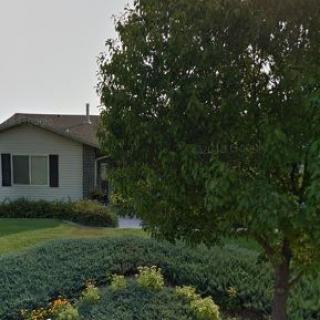
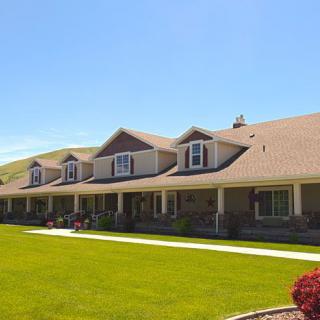
This Pocatello memory-care community is best suited for families seeking a small, home-like setting where dementia-specific care remains the central focus. The neighborhood footprint is intimate, the environment is clean and comfortable, and staff routinely establish everyday trust with residents and their families. For loved ones who thrive on personal connections and steady, hands-on attention, this setting delivers the sort of consistent, warmth-driven care that makes transitions from home feel less daunting. The standout factor is leadership that is visibly involved, an administrator who engages families, coordinates care with clarity, and helps ease the decision-making process during what is often a difficult time.
Those weighing this option should explicitly consider alternatives if a larger program with broader medical oversight, more structured activities, or higher staff-to-resident ratios is a priority. This is not a campus with expansive therapy menus or brisk resident turnover in service steps; it is a smaller operation where the day-to-day care hinges on a compact staff team. A handful of reviews flag staffing constraints and leadership turnover in the past, and a report describes a safety lapse involving an unlicensed caregiver. For families seeking highly diversified programming, aggressive activity scheduling, or seamless 24/7 clinical management, stronger-scaling facilities elsewhere may be a better fit.
The practical strengths are clear and repeated: exceptional cleanliness and a home-like atmosphere, with caregivers described as compassionate, patient, and respectful. The administration, especially Juanita, consistently receives praise for accessibility, calm guidance, and a proactive approach to coordinating services and benefits. This setting emphasizes personalized attention, often treating residents like family, which tends to reduce agitation and foster comfort for those with memory challenges. The facility also earns high marks for helping families navigate funding avenues and eligibility requirements, reducing the stress of financial logistics during a tense transition.
Nonetheless, notable concerns do appear. While the consensus highlights strong caregiver warmth, the smaller scale can translate into tighter staffing windows, raising questions about coverage during shifts or absences. Historical turnover in administration at a related Cedar location has created some uncertainty, and there is at least one account of a safety lapse involving an unaccredited staff member and a resident. Other reviewers point to inconsistent activity engagement and occasional mishandling of personal belongings. These are real risks that prospective families should verify through current staffing data, supervision patterns, and the day-to-day activity calendar before deciding.
The pros, personalized, attentive care, a welcoming environment, and a responsive administrator, tend to offset the drawbacks when the care goal is a truly domestic, low-stress setting tailored to memory care. The intimate scale enables quicker escalation of concerns, more meaningful resident-staff interactions, and stronger family communication, which in turn supports continuity of care. Stabilizing leadership, as evidenced by improvements at the Cedar location, suggests a capacity to resolve issues and strengthen procedures quickly when they arise. For families prioritizing ongoing, relationship-based care over expansive programming, the balance here generally tilts in favor of choosing this community.
For families moving forward, practical steps matter most: schedule a face-to-face with the administrator, tour the current care plans, and request a transparent picture of staffing levels, shift coverage, and supervision practices. Ask to review the incident and enrichment records, and inquire how belongings are tracked and protected. Confirm daily activity options and determine whether the calendar meets the resident’s interests and cognitive needs. If warmth, continuity, and a family-like atmosphere align with core priorities and budget allows, this community represents a compelling choice in Pocatello. If a broader, more structured program or stronger guaranteed staffing levels are non-negotiable, it is prudent to broaden the search.
 Board and Care Home
 Pocatello Regional (8 miles away)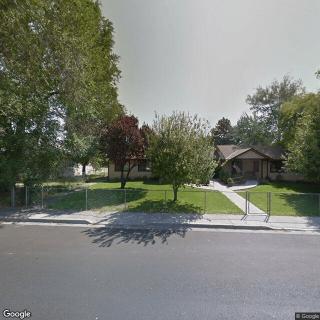


 Comprehensive Insights and Practical Strategies to Help Older Adults Avoid Falls
 6 Crucial Ways an Elder Law Attorney Assists Families
 Navigating the Tax Landscape of Caregiving: Credits, Deductions, and Beyond