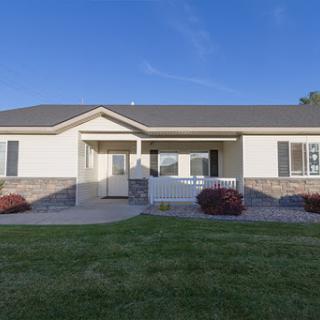
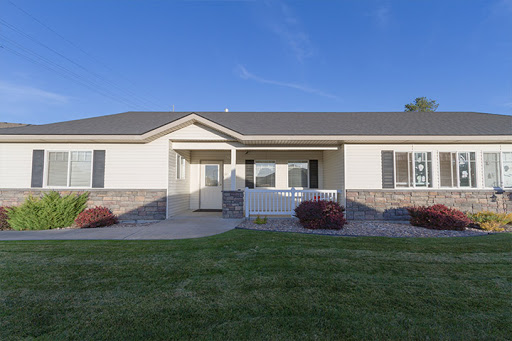
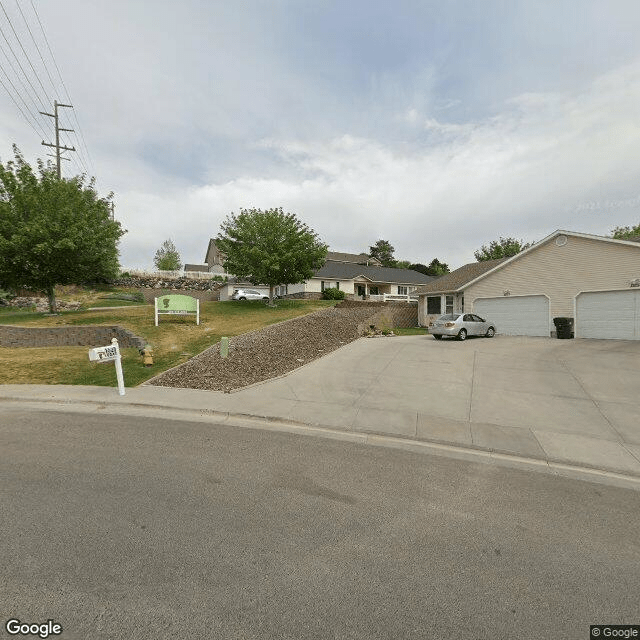
1525 E Cedar, Pocatello, ID 83201
To contact a resident: (208) 478-1431
For more information about senior living options: (866) 208-4318
Ashley Manor - Cedar Costs & Pricing
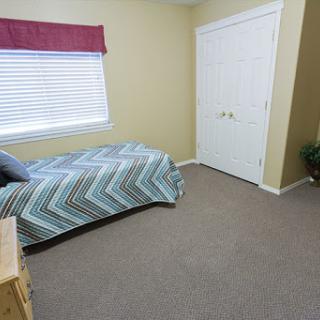
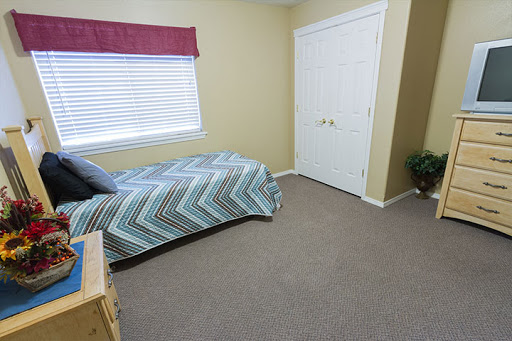
Ashley Manor - Cedar offers competitive pricing for its services, with costs that reflect both the quality of care and the local market dynamics. For a semi-private room, residents pay $2,800 per month, which is slightly above the average for Bannock County at $2,650, but more affordable than the state average of $3,026. Private rooms are priced at $3,200, again positioning Ashley Manor favorably against Bannock County's average of $2,883 and significantly below Idaho's state average of $3,906. Additionally, studio accommodations are offered at the same rate as private rooms - $3,200 - lower than both Bannock County and Idaho state averages. Overall, Ashley Manor - Cedar strikes a balance between affordability and quality care in comparison to the surrounding region and statewide figures.
| Floor plans | Ashley Manor - Cedar | Bannock County | Idaho |
|---|---|---|---|
| Semi-Private | $2,800 | $2,650 | $3,026 |
| Private | $3,200 | $2,883 | $3,906 |
| Studio | $3,200 | $3,071 | $3,213 |
Memory care communities with a similar price nearby
-
from -$100 / mo
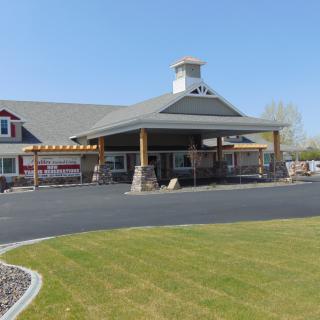
The Gables of Pocatello Memory Care
$2,700 to $3,500 / month2.5 miles away -
from -$300 / mo
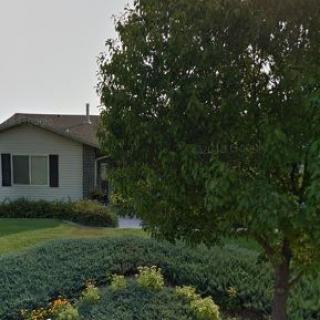
Rosetta Of Pocatello
$2,500 to $3,200 / month1.3 miles away -
About the same
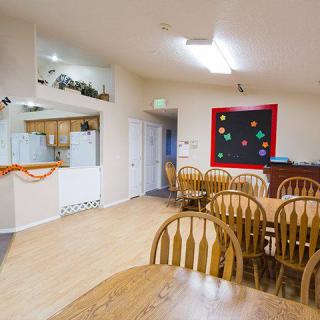
Ashley Manor Hawthorne
$2,800 to $3,200 / month3.2 miles away -
from -$100 / mo
Gables Of Blackfoot Assisted Living
$2,700 to $3,500 / month23.2 miles away
Overall Review of Ashley Manor - Cedar
Pros
 The staff at Ashley Manor are amazing, caring, and attentive to residents.
- Juanita, the administrator, is friendly, knowledgeable, and supportive to families.
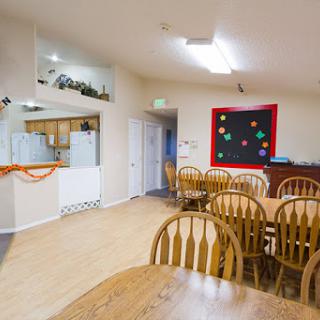
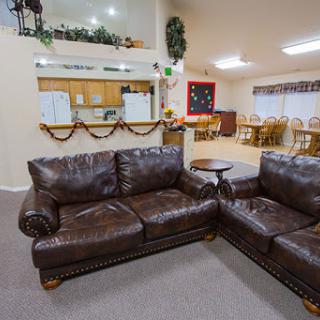
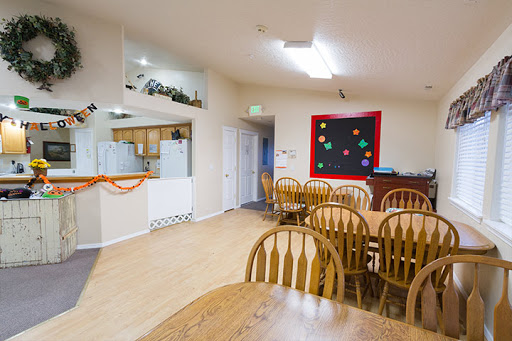
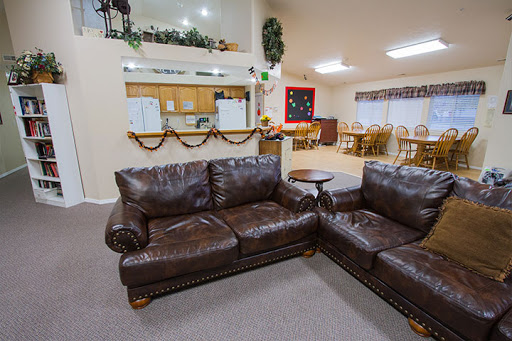
- The facility is clean, comfortable, and feels like home.
- Residents are treated like family, with a warm, compassionate atmosphere.
- Families feel reassured thanks to the staff's ongoing communication and support.
- The care for residents with dementia is compassionate, patient, and high-quality.
- Ashley Manor goes above and beyond to ensure residents' well-being.
Cons
 One staff member, not certified, is described as caring for residents daily but reportedly loses track of personal belongings and has little time to do much of anything.
- A reviewer states they literally found a naked resident in their mom's room and that this was shrugged off as normal, leading them to say they would never have placed their mother there.
- It is implied that some staff seem mainly focused on keeping residents from dying rather than providing meaningful care.
Review
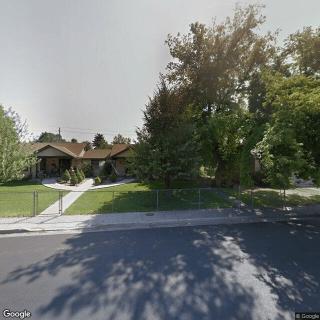
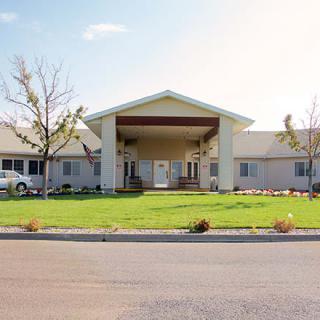
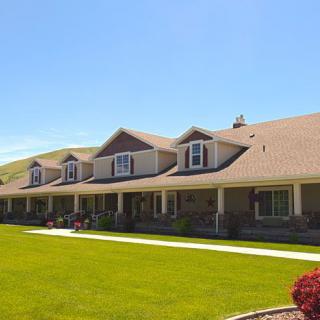
This community is best suited for families seeking a small, memory-care focused setting where residents are treated like family and care comes with attentive, hands-on leadership. Ashley Manor Cedar shines for loved ones with dementia who prefer a cozy, home-like atmosphere over a large campus, and for households that value direct access to an administrator who can guide transitions, coordinate funding options, and maintain open lines of communication with families. The model particularly suits those who want frequent personal contact with caregivers, predictable routines, and a sense that staff know the residents well. It’s a strong fit for late-stage memory care or early-to-mid-stage dementia where family involvement remains central to daily care.
On the positive side, the facility’s size and atmosphere are repeatedly highlighted as major strengths. Cleanliness and comfort are evident, yet the real differentiator is the staff’s approach: compassionate, patient, and genuinely invested in each resident’s well-being. Across multiple accounts, residents are described as feeling like family, with staff seen as responsive and attentive to daily needs. The administrator, Juanita, emerges as a standout asset, hands-on, knowledgeable about care programs and funding avenues, and dedicated to guiding families through transitions with reassurance and clear guidance. The combination of a homey setting and proactive leadership translates into strong day-to-day care, plus reliable communication that keeps families engaged and informed.
Yet no facility is without its cautions. One review raises a clear red flag about staffing concentration and engagement, pointing to a situation where a single, non-certified staffer appeared to shoulder too much responsibility and where privacy and daily activity seemed insufficient. Another account hints at gaps in activity programming and a sense that some days centered more on supervision than purposeful interaction. Taken together, these concerns emphasize the reality that even in highly regarded memory-care communities, staffing logistics and consistent engagement are the hinge points. Prospective families should test these dynamics firsthand by observing shifts, asking how many staff are assigned per resident, and confirming that programming and personal care plans are robust and ongoing.
Still, the favorable elements tend to offset these risks when the operation is solidly led and well-staffed. The ongoing improvement noted by families, especially after leadership turnover, signals that the Cedar location can stabilize quickly and sustain a high standard of care. The intimate setting supports relational continuity, which matters greatly for memory care, while the facility’s willingness to assist with funding and admissions logistics reduces the stress of the transition. The ability to maintain steady family contact, including FaceTime and regular updates, adds a crucial layer of reassurance for relatives who cannot be onsite constantly. In practice, strong leadership and a warm culture can largely compensate for the occasional staffing hiccup, provided due diligence is performed during tours and trial visits.
For families weighing options, Ashley Manor Cedar is a compelling choice for those prioritizing warmth, individualized attention, and a sense of community within memory care. It excels when a resident benefits from close caregiver relationships, transparent administration, and proactive problem-solving around financing and placement. Those who should consider alternatives are the families needing a larger campus with broader activity rosters, or those requiring consistently high staffing ratios and stringent safety oversight across multiple shifts. Prospective clients ought to schedule a visit that includes time with the administrator, request to meet direct caregivers, and review current care plans and activity calendars. A candid discussion about staffing levels, supervision practices, and how privacy and dignity are safeguarded will reveal whether this environment aligns with the resident’s safety and engagement priorities.
In sum, Ashley Manor Cedar delivers a warm, well-maintained, and deeply compassionate memory-care experience anchored by a standout administrator and a staff prepared to treat residents like family. The intimate setting and clear family-friendly communication create a strong foundation for peace of mind, especially for dementia care where trust and daily personal attention matter most. The notable caveats center on staffing consistency and real-world engagement; these issues are not universal, but they warrant careful verification through a structured visit. When these variables align, the Cedar location stands out as a practical, heartfelt option that can meaningfully ease the transition for both residents and their families.
 Board and Care Home
 Memory Care
 Cats allowed
 Dogs allowed
 Beautician on-site
 Private
 Respite or short term stays offered
 Wheelchair accessible showers
 Pocatello Regional (8 miles away)
 High acuity care
 Incontinence care
 Medication management
 Kosher
 Choosing the Right Senior Care: A Detailed Exploration of Assisted Living and Nursing Homes
 Safeguarding Your Memory Through the Golden Years: Eight Ways to Preserve Cognitive Health
 Comprehensive Insights into Activities of Daily Living (ADLs) and Their Assessment