Caring Hearts Assisted Living* in Pocatello, ID

Save

Caring Hearts Assisted Living* in Pocatello, ID

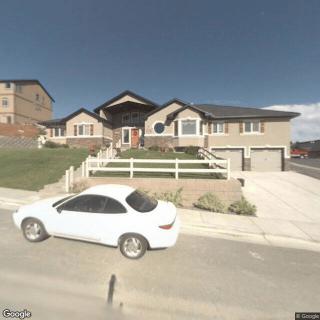
3480 East Center Street, Pocatello, ID 83201

For more information about senior living options: (844) 490-3973

3.9 from 62 reviews
5 stars
43
4 stars
0
3 stars
1
2 stars
3
1 stars
15

Assisted Living Board and Care Home Memory Care Skilled Nursing Facility

Overall Review of Caring Hearts Assisted Living*

Pros

  • pro The staff at Caring Hearts treat residents like family.
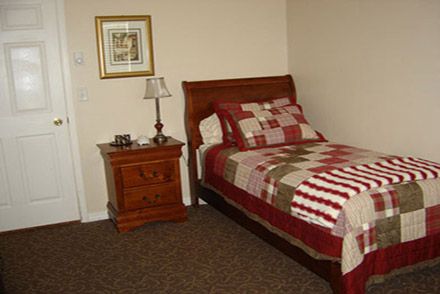
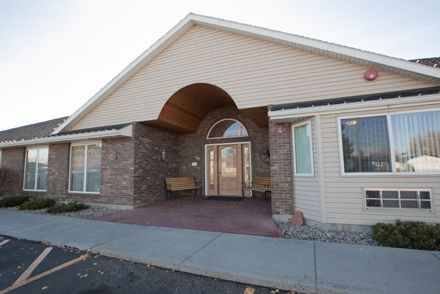
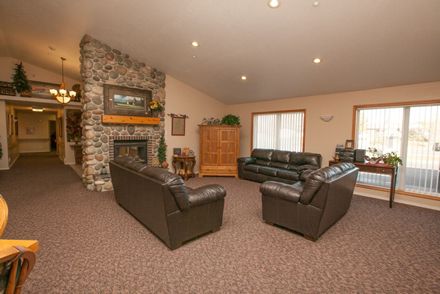
  • pro The facility is clean, welcoming, and feels like a home.
  • pro The residents are the top priority and receive attentive care.
  • pro Alice, the administrator, goes above and beyond for residents and families.
  • pro The caregivers form strong, loving bonds with residents and make them feel valued.
  • pro The staff are dependable, skilled, and provide a positive, compassionate environment.
  • pro Families report excellent communication and responsiveness from the administration.
  • pro The meals are wonderful and well balanced.
  • pro The new owners are friendly and attentive, contributing to a positive atmosphere.

Cons

  • pro The facility is described as awful, with incompetent and untrustworthy staff.
  • pro It is criticized for being understaffed and not having enough time for residents.
  • pro The management is accused of lacking ethics and integrity and not treating residents with respect or sympathy.
  • pro There is a claim of neglect, including an incident where a patient was dropped and left on the floor, leading to death.
  • pro The director is reported to have been hostile to visitors, even threatening to eject them.
  • pro Management is alleged to prioritize money over proper care and to lack clear communication with families.
  • pro The facility is suggested to be renamed "UnCaring Hearts" due to perceived lack of concern for residents.

Review

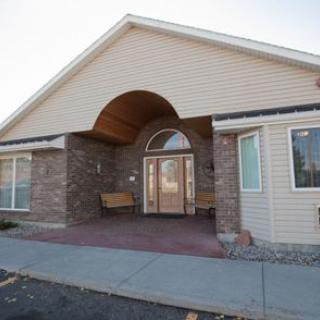
Caring Hearts Assisted Living in Pocatello is best suited for families seeking a warm, homey atmosphere with deeply personal, front-line care for loved ones, especially when memory-care or dementia needs are present. The community earns consistently strong praise for its residents-first approach, with multiple accounts of cheerful, attentive aides and a leadership team that makes residents feel seen. Tour experiences, patient meals, tidy spaces, and a two-house setup that provides options for different living arrangements reinforce the sense that this is a place where daily life can feel normal and comforting rather than clinical.

Explicitly, those who may want to consider alternatives include families who require ironclad administrative transparency, consistent and timely medication management, or a rigorously structured risk-control environment. A subset of reviews raises red flags about communication gaps and perceived under-staffing, including concerns about how emergencies or health changes are conveyed and managed. Some families also report ethical concerns or disagreements with management practices, including disputes over financial or care decisions. For these reasons, households that prize consistency in administration, fast issue resolution, and unambiguous accountability should evaluate other options in parallel.

The strongest positives - genuine warmth from staff, a feeling of "being cared for by family," and the facility's careful attention to clean, welcoming spaces - often offset the more ambiguous or negative signals. Families repeatedly describe caregivers who go "above and beyond" in daily tasks, meals, bathing, and social engagement; administrators like Alice are singled out for accessibility and hands-on involvement. The two-house model provides choices for residents who may benefit from different levels of supervision or social interaction, while the presence of routine, welcoming events and even therapy-dog visits adds practical quality of life that families notice and appreciate. These advantages matter, particularly for residents with dementia who thrive on routine, familiarity, and affectionate, consistent care.

Yet the cons cited in reviews cannot be dismissed. The strongest caution revolves around communication: inconsistent updates, delayed notices about changes in health or care plans, and perceptions that some families must push for basic information. Instances described as understaffing or overwhelmed aides suggest that staff capacity may fluctuate, potentially impacting responsiveness during peak times. A few reviews also reflect concerns about management practices and ethics, including perceptions of misaligned priorities or delayed or opaque financial decisions. While many families celebrate the care journey, these reports underscore real differences in experience and should be weighed carefully, especially when deciding on a long-term care path.

For families evaluating this community, a practical due-diligence plan is essential. Schedule multiple visits at different times to observe staffing levels in action and to meet both the administrator and key caregivers. Request a clear, written care plan for the prospective resident, with explicit medication management protocols, emergency procedures, and a defined communication cadence for family updates. Speak with several families who have loved ones in different houses and ask for recent references. Confirm who is responsible for transport to offsite appointments and how transportation is coordinated. Finally, insist on transparent financial discussions and a review of any contracts or policies that govern changes in care level or residency.

In the end, Caring Hearts stands out as a compelling option for families prioritizing affection, attentiveness, and a true sense of "home" for loved ones, especially those facing memory-care challenges. The campus presents a clean, approachable environment, with staff members who routinely demonstrate patience, kindness, and a personal touch that resonates with families. It is advisable for prospective residents and their families to enter with eyes open about the administration and staffing dynamics, and to pair this with conversations with current families about how communication and care coordination unfold day to day. When the goal is steady, compassionate caregiving within a friendly, neighborly setting, Caring Hearts earns serious consideration - and a clear, practical path forward for those who can accommodate the trade-offs noted.

Features

Housing

  • 22 resident community capacity 22 resident community capacity
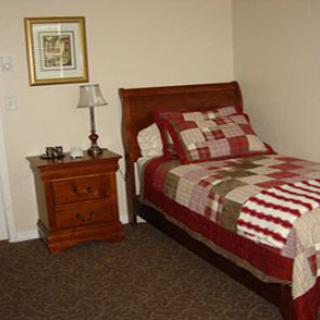
  • Studio apartments Studio apartmentsStudio apartments are important for seniors because they offer a smaller, more manageable living space that is easier to navigate and maintain as physical abilities decline. Additionally, studio apartments provide seniors with independence and privacy while still being part of a community that offers support and social opportunities.

Types of Care

  • Assisted Living Assisted LivingAssisted living facilities provide crucial support and care for seniors who may need help with daily tasks such as medication management, bathing, and meal preparation. These communities offer a safe and comfortable environment where seniors can maintain their independence while receiving the assistance they need to thrive in their golden years.
  • Board and Care Home Board and Care HomeBoard and care homes provide a smaller, more intimate setting for seniors who require assistance with daily tasks but do not need the level of care offered by a nursing home. They offer personalized care, meals, and social activities in a homelike environment, ensuring that seniors receive individualized attention and support in their golden years.
  • Memory Care Memory CareMemory care is crucial for seniors as it provides specialized support and services for individuals with dementia or Alzheimer's disease. These programs offer a safe and secure environment where residents receive personalized care, cognitive stimulation, and help with daily activities. Memory care helps seniors maintain their independence, quality of life, and dignity while also providing peace of mind for their families.
  • Skilled Nursing Facility Skilled Nursing FacilitySkilled Nursing Facilities are crucial for seniors as they provide round-the-clock medical care, rehabilitation services, and assistance with daily activities. These facilities ensure that seniors receive the specialized care they need to maintain their health and well-being as they age.

Amenities

  • Beauty salon Beauty salonBeauty salons are important for seniors because they provide a space for them to feel pampered, socialize, and maintain their personal grooming and hygiene. Regular visits to a beauty salon can help boost seniors' self-esteem and overall well-being.
  • Cable or satellite TV Cable or satellite TVCable or satellite TV is important for seniors because it provides entertainment, news, and companionship, helping to combat loneliness and boredom. It also offers a wide range of programming options tailored to different interests and preferences.
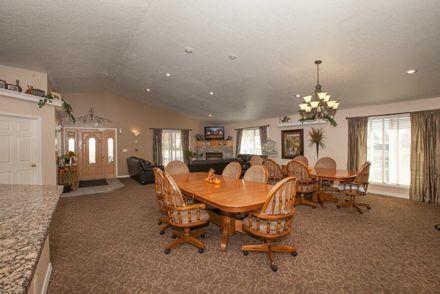
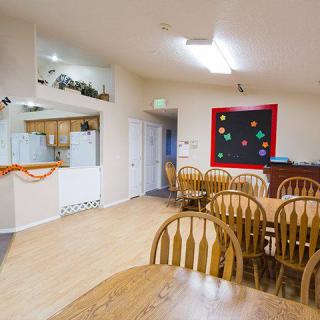
  • Dining room Dining roomDining rooms are important for seniors as they provide a space for socialization, connection, and nutritious meals. They offer opportunities for residents to bond over shared meals, foster a sense of community, and promote healthy eating habits. Dining rooms also ensure that seniors have access to well-balanced meals tailored to their dietary needs and preferences.
  • Fully furnished Fully furnishedFully furnished senior living communities are important for seniors because they provide convenience, comfort, and a hassle-free moving experience. Seniors can easily settle into their new living space without the stress of having to buy and move furniture. This allows them to focus on enjoying their new home and community.
  • Garden GardenGardens are important for seniors as they provide a peaceful and therapeutic environment for relaxation, physical activity, and socialization. Being in nature has been shown to reduce stress, improve mood, and promote overall well-being. Gardens also offer opportunities for seniors to engage in gardening activities, which can improve mobility, flexibility, and cognitive function. Additionally, gardens create a sense of community and connection with others who share a passion for plants and outdoor spaces.
  • Housekeeping services Housekeeping servicesHousekeeping services are important for seniors because they help maintain a clean and safe living environment, promote independence, and reduce the risk of accidents or illnesses. Additionally, having assistance with household chores can alleviate physical strain and allow seniors to focus on other aspects of their well-being.
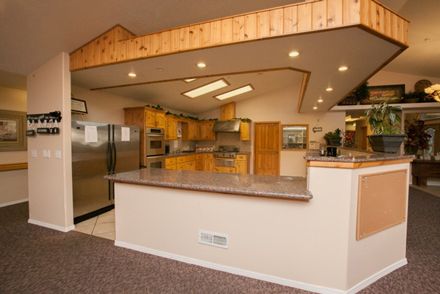
  • Kitchenette KitchenetteKitchenettes are important for seniors living in senior living communities because they provide the convenience and independence of being able to prepare simple meals and snacks in the comfort of their own living space. This can help promote a sense of autonomy and well-being for seniors, allowing them to maintain some level of control over their dietary choices and daily routines.
  • Laundry LaundryLaundry services are important for seniors as they may have difficulty with physical tasks such as bending, lifting, or carrying heavy loads. Having access to laundry services can help seniors maintain personal hygiene, cleanliness, and independence in their daily lives.
  • Move-in coordination Move-in coordinationMove-in coordination is important for seniors because it helps ease the transition into their new living environment. It ensures that all logistics, such as packing, organizing movers, and setting up utilities are taken care of, allowing seniors to focus on settling in and adjusting to their new home. Having a smooth move-in process can alleviate stress and anxiety, making the transition smoother and more enjoyable for seniors.
  • Outdoor space Outdoor spaceOutdoor spaces are important for seniors as they provide opportunities for physical activity, social interaction, exposure to natural light and fresh air, and a sense of connection to nature. Having access to outdoor spaces can improve overall well-being and quality of life for older adults living in senior communities.
  • Respite or short term stays offered Respite or short term stays offeredRespite or short term stays provide seniors with a temporary solution when their regular caregiver is unavailable, offering them the opportunity to receive additional care and support during times of need, while also giving caregivers a chance to rest and recharge.
  • Telephone TelephoneTelephones are important for seniors as they provide a lifeline for communication with loved ones, emergency services, and healthcare providers. They offer a sense of security and independence, enabling seniors to stay connected and access assistance when needed.
  • Wi-Fi/high-speed internet available Wi-Fi/high-speed internet availableWi-Fi/high-speed internet is important for seniors to stay connected with loved ones, access online resources, and participate in virtual activities to combat feelings of loneliness and isolation. It also allows them to easily manage healthcare needs, access entertainment, and engage in lifelong learning opportunities.

Transportation

  • Pocatello Regional (10 miles away) Pocatello Regional (10 miles away)

Care Services

  • 24-hour call system 24-hour call system24-hour call systems are important for seniors because they provide peace of mind and immediate assistance in case of emergencies. This technology ensures that help is always available, promoting safety and security for elderly individuals living alone or in assisted living facilities.
  • 24-hour supervision 24-hour supervision24-hour supervision is important for seniors to ensure their safety, well-being, and access to immediate assistance in case of emergencies or health issues. This constant support provides peace of mind for both seniors and their loved ones, allowing them to age in place with dignity and security.
  • Activities of daily living assistance Activities of daily living assistanceActivities of daily living assistance are important for seniors because they provide essential support with tasks such as eating, bathing, dressing, and mobility. This assistance helps seniors maintain their independence, dignity, and overall quality of life as they age.
  • Assistance with bathing Assistance with bathingAssistance with bathing is crucial for seniors as it helps maintain personal hygiene, prevents infections, and ensures their overall well-being and comfort. It also provides a sense of dignity and independence for seniors who may struggle with this task on their own.
  • Assistance with dressing Assistance with dressingAssistance with dressing is important for seniors because it helps maintain their independence, promotes personal hygiene, prevents accidents and injuries, and improves overall quality of life. This service ensures that seniors can continue to dress comfortably and confidently, despite any physical limitations they may have.
  • Assistance with transfers Assistance with transfersAssistance with transfers is crucial for seniors as it helps prevent falls and injuries, maintains their independence, and ensures they can safely navigate their living environment. It also provides peace of mind for both seniors and their loved ones.
  • Coordination with health care providers Coordination with health care providersCoordination with health care providers is crucial for seniors to ensure proper medical care, medication management, and overall well-being. This collaboration helps prevent overlapping treatments, track progress more effectively, and provide comprehensive support tailored to individual needs.
  • Diabetes diet Diabetes dietA diabetes diet is crucial for seniors as it helps manage blood sugar levels, reduce risks of complications, and improve overall health and well-being. By following a balanced and nutritious diet tailored to their specific needs, seniors can better control their diabetes and enhance their quality of life.
  • Meal preparation and service Meal preparation and serviceMeal preparation and service are crucial for seniors as they may have limited mobility or energy to cook nutritious meals. Having access to healthy and convenient food options can ensure they are getting the proper nutrition needed to maintain their overall health and well-being.
  • Medication management Medication managementMedication management is crucial for seniors to ensure they are taking the right medications at the correct dosages and times. This helps prevent adverse drug interactions, reduces the risk of medication errors, and promotes overall health and well-being. Proactive management also allows for adjustments as needed based on changing health conditions or new prescriptions.
  • Mental wellness program Mental wellness programMental wellness programs are essential for seniors as they promote cognitive stimulation, emotional support, and social engagement. These programs help prevent isolation, depression, and cognitive decline, ultimately enhancing the overall quality of life for older adults.
  • Special dietary restrictions Special dietary restrictionsSpecial dietary restrictions are important for seniors because age-related changes in metabolism and health conditions can make it difficult for their bodies to process certain foods. By following a diet tailored to their specific needs, seniors can maintain their overall health and well-being, manage chronic conditions, and reduce the risk of complications such as malnutrition or food interactions with medications.
  • Transportation arrangement (medical) Transportation arrangement (medical)Transportation arrangements for medical purposes are essential for seniors as they may have difficulty driving themselves to appointments or accessing public transportation. Having reliable and safe transportation options ensures that seniors can receive timely medical care and maintain their health and well-being.
  • Transportation to doctors appointments Transportation to doctors appointmentsTransportation to doctors' appointments is crucial for seniors as it ensures they have access to necessary medical care and support for their health needs. Without reliable transportation, seniors may struggle to attend important appointments, leading to potential delays in treatment and health complications. Providing transportation services helps seniors maintain their overall well-being and quality of life.

Dining

  • Diabetes diet Diabetes dietA diabetes diet is crucial for seniors as it helps manage blood sugar levels, reduce risks of complications, and improve overall health and well-being. By following a balanced and nutritious diet tailored to their specific needs, seniors can better control their diabetes and enhance their quality of life.
  • Special dietary restrictions Special dietary restrictionsSpecial dietary restrictions are important for seniors because age-related changes in metabolism and health conditions can make it difficult for their bodies to process certain foods. By following a diet tailored to their specific needs, seniors can maintain their overall health and well-being, manage chronic conditions, and reduce the risk of complications such as malnutrition or food interactions with medications.

Activities

  • Community-sponsored activities Community-sponsored activitiesCommunity-sponsored activities are important for seniors as they provide opportunities for social interaction, mental stimulation, and physical activity. These activities can help improve overall well-being, combat loneliness and isolation, and promote a sense of belonging and purpose among older adults.
  • Educational speakers / life long learning Educational speakers / life long learningEducational speakers and lifelong learning opportunities are crucial for seniors as they provide mental stimulation, promote social engagement, and contribute to overall well-being. Continuous learning helps seniors stay mentally sharp, build new skills, and maintain a sense of purpose and fulfillment in their lives. It also allows them to stay connected to the world around them and fosters a sense of community within senior living facilities.
  • Scheduled daily activities Scheduled daily activitiesScheduled daily activities are important for seniors because they provide structure, socialization, mental stimulation, and physical activity. Engaging in regular activities can improve overall well-being and quality of life for seniors living in a community setting.

Languages Spoken

  • English EnglishEnglish is important for seniors as it allows them to communicate effectively with healthcare providers, understand important information related to their health and medications, stay connected with loved ones, and engage in social activities within their communities. It also opens up opportunities for lifelong learning and intellectual stimulation.

Description

Caring Hearts Assisted Living is a premier senior living community located in Pocatello, ID. We offer a range of care options including board and care home, memory care, and skilled nursing facility services to meet the unique needs of our residents.

Our community boasts a variety of amenities to ensure the comfort and convenience of our residents. Each room is fully furnished and equipped with cable or satellite TV as well as Wi-Fi/high-speed internet access. Our dining room provides delicious meals prepared by our skilled culinary team, taking into account any special dietary restrictions. Housekeeping services are provided to maintain a clean and tidy living environment, while laundry facilities are available for residents' convenience.

For those who enjoy spending time outdoors, we have a beautiful garden and outdoor space where residents can relax or engage in activities. Move-in coordination is provided to assist residents in transitioning smoothly into their new home.

At Caring Hearts Assisted Living, we prioritize the health and well-being of our residents. Our compassionate staff provide 24-hour supervision and assistance with activities of daily living such as bathing, dressing, transfers, and medication management. We also coordinate with healthcare providers to ensure that each resident receives the necessary medical attention they require. Additionally, we offer diabetes diet programs and special dietary restrictions can be accommodated.

To keep our residents socially engaged and mentally stimulated, we organize scheduled daily activities and invite educational speakers for lifelong learning opportunities. Transportation arrangements can be made for medical appointments as well.

Located in close proximity to several cafes, parks, pharmacies, physicians' offices, restaurants, transportation options, places of worship, and hospitals; Caring Hearts Assisted Living offers convenience to both residents and their families.

Experience top-quality senior care in a warm and welcoming environment at Caring Hearts Assisted Living in Pocatello,ID

Nearby Places of Interest

This area of Pocatello, Idaho, offers a convenient and comprehensive range of healthcare services, with multiple hospitals and medical clinics located within a short distance. There are also several reputable physicians and specialists nearby to cater to your healthcare needs. In terms of amenities, you will find a variety of dining options, including cafes and restaurants serving a range of cuisines. The area also boasts several parks where you can enjoy outdoor activities and places of worship for spiritual fulfillment. Additionally, there are pharmacies and transportation services available to ensure easy access to essentials and getting around the area. Overall, this neighborhood provides a well-rounded and accessible environment that could be suitable for senior living.

Hospitals

  • US Veterans Outpatient Clinic (0.4 miles)
  • Portneuf Medical Specialty Clinic (0.7 miles)
  • Portneuf Labor, Delivery & Postpartum (0.7 miles)
  • Safe Haven Hospital and Care Center (0.8 miles)
  • Portneuf Regional Medical Center (1.4 miles)
  • Portneuf Medical Center (1.5 miles)
  • Portneuf Medical Center (2.1 miles)

Physicians

  • Julio C Vasquez, MD (0.4 miles)
  • Pocatello Radiology Associates (0.4 miles)
  • Idaho Kidney Institute (0.4 miles)
  • Idaho Vein Center (0.4 miles)
  • Southeast Idaho Gastroenterology (0.5 miles)
  • Callaghan Cheryl M (0.6 miles)
  • Portneuf Heart and Lung Surgeons (0.6 miles)

Cafes

  • Cafe Tuscano (0.7 miles)
  • Turner Dining Commons (1.3 miles)
  • Red Hot Roasters (1.9 miles)
  • Idaho Unlimited (2.2 miles)

Restaurants

  • Arctic Circle Restaurant (0.7 miles)
  • VousDoo Grill (1.6 miles)
  • ISU Chartwells (1.7 miles)
  • Jack In The Box (1.8 miles)
  • McDonald's (1.9 miles)
  • Elmer's Restaurant (1.9 miles)
  • Jimmy John's (1.9 miles)

Parks

  • Ammon Park (1.2 miles)
  • Caldwell Park Pocatello,idaho (1.3 miles)
  • Caldwell Park (1.8 miles)
  • Alameda Park (1.9 miles)

Places of Worship

  • LDS 2nd University Stake Center (1.3 miles)
  • Supreme Assembly of Beauceant (1.5 miles)
  • Central Christian Church (1.7 miles)
  • Blazing Grace Church (1.7 miles)
  • Idaho Pocatello Mission (1.8 miles)
  • Islamic Soc of SE Idaho (1.9 miles)
  • Calvary Chapel Christian School (2.2 miles)

Pharmacies

  • Bob's Pharmacy (1.4 miles)
  • Bengal Pharmacy (1.7 miles)
  • Ridley's Family Markets (2 miles)
  • Ed Snell's Pharmacy Shop (2 miles)
  • Shaver Pharmacy And Compounding Center (2 miles)
  • Albertsons Pharmacy (2.1 miles)
  • Ed Snell's Pharmacy Shop (2.2 miles)

Transportation

  • Sam's Taxi Cab (1.9 miles)
  • Avcenter (2 miles)

Frequently Asked Questions

What floor plans and room types does Caring Hearts Assisted Living* offer?
Where is Caring Hearts Assisted Living*?
Does Caring Hearts Assisted Living* provide care for residents with dementia or Alzheimer's disease?
What photos are available for Caring Hearts Assisted Living* in Pocatello, Idaho?

Nearby Communities

  • Caring Hearts Assisted Living

    Caring Hearts Assisted Living

    Pocatello, ID

    3.8 from 64 reviews
     

    pro Compassionate staff who treat residents with dignity and keep families informed.

  • Copper Summit Assisted Living

    Copper Summit Assisted Living

    Pocatello, ID

    4.8 from 73 reviews
    $4,000 / month

  • Quail Ridge

    Quail Ridge

    Pocatello, ID

    4.6 from 28 reviews
    $2,750 to $4,350 / month

    pro Caring staff with engaging activities and restaurant-style dining.

  • Idaho State Veterans Home - Pocatello

    Idaho State Veterans Home - Pocatello

    Pocatello, ID

    4.5 from 11 reviews
     

    pro Comprehensive veteran-focused care with 24/7 supervision, ADL support, medication management, mental wellness, and transportation plus social activities.

  • Gateway Transitional Care Center

    Gateway Transitional Care Center

    Pocatello, ID

    4.7 from 103 reviews
     

    pro Caring staff and a clean, home-like environment.

  • Ashley Manor - Cedar

    Ashley Manor - Cedar

    Pocatello, ID

    4.7 from 23 reviews
    $2,800 to $3,200 / month

    pro Compassionate staff and proactive family communication create a trusting, home-like atmosphere.

  • Rosetta Of Pocatello

    Rosetta Of Pocatello

    Pocatello, ID

    4.8 from 42 reviews
    $2,500 to $3,200 / month

    pro Warm, home-like environment with compassionate, personalized care.

  • The Gables of Pocatello Assisted Living

    The Gables of Pocatello Assisted Living

    Pocatello, ID

    4.7 from 10 reviews
     

    pro Welcoming, home-like atmosphere with caring staff and a facility dog.

  • Ashley Manor Hawthorne

    Ashley Manor Hawthorne

    Pocatello, ID

    4 from 8 reviews
    $2,800 to $3,200 / month

    pro Previously clean and welcoming with friendly staff.

Related Resources

  • does my mom have dementia quizFive Subtle Dementia Indicators to Observe: An In-Depth Guide to Understanding “Does My Mom Have Dementia?”

    The article presents five subtle indicators of dementia, such as memory lapses and mood swings, to help families assess cognitive decline in loved ones. It emphasizes early detection, open communication, and seeking professional help while providing practical support steps.

  • dementia paranoiaDementia, Paranoia, and Caregiver Guidance: Understanding the Connection

    Dementia encompasses progressive neurological disorders that impair cognitive functions and can lead to paranoia due to cognitive decline and emotional changes. The article discusses the triggers of paranoia in dementia, caregiver strategies for managing it, and the importance of distinguishing between dementia-related paranoia and other psychiatric conditions.

  • memory care activitiesEngaging Memory Care Activities That Enhance Quality of Life

    Memory care activities are essential for improving the quality of life of seniors with cognitive impairments, as they stimulate cognitive function, promote well-being, and encourage social interaction through tailored strategies. These activities combine structured exercises with spontaneous tasks, sensory engagement, physical workouts, creative pursuits, and intergenerational interactions to enhance emotional connection and a sense of purpose.