

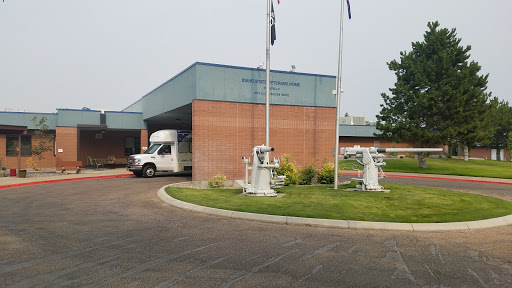
1957 Alvin Ricken Drive, Pocatello, ID 83201
For more information about senior living options: (866) 208-4318
Overall Review of Idaho State Veterans Home - Pocatello
Pros
 The staff are really helpful and respect veterans.
- The reviewer is interested in volunteering again to serve veterans.
- Debbie Harmon is exceptionally friendly and knowledgeable.
- The care given is wonderful.
- It is a good place for veterans in need of services.
- The staff at the veterans home always look for ways to keep veterans healthy.
- Family time is a great way to help veterans.
Review
Idaho State Veterans Home in Pocatello is best suited for veterans who want a caregiving setting that treats service with reverence and centers daily life around veteran-specific needs. The community excels for families seeking dependable, respectful staff, where caregivers consistently show patience, practical support, and a willingness to go the extra mile for residents. Residents benefit from a culture that values family involvement and provides straightforward access to veteran-focused services. The atmosphere is rooted in mission-driven care, with staff members who understand the unique histories and expectations of military retirees, and who communicate with clarity, compassion, and responsiveness.
Those needing high-acuity medical management, intensive memory care, or upscale, modern amenities may want alternatives. The reviews hint at solid everyday care but do not promise luxury or expansive clinical depth. For families planning a short-term rehab, rapid transition, or a setting that prioritizes high-tech comforts, other communities may offer a better fit. Similarly, if independence and a broader spectrum of social programming are primary goals, it pays to compare options side-by-side to ensure the chosen home aligns with day-to-day preferences and anticipated care trajectories.
On the upside, the strongest positives center on people. Staff are described as helpful and respectful, with several references to individuals who go beyond routine duties to support veterans. Debbie Harmon stands out as a particularly approachable and well-informed point of contact, signaling a facility that trains its team to engage with families confidently. The care itself earns high marks, caregivers who monitor health, support daily living, and dedicate time to family interactions. The presence of a robust volunteer culture, and the ability for families to contribute to the veteran’s daily life, such as through supervised family time, adds a meaningful layer of connection that many seniors value.
Yet there is tempered feedback that suggests room for consistency. Two reviews rate the experience as middle-of-the-pack, indicating that while outcomes are generally positive, some days do not meet the top-tier standard. That variability matters for families balancing safety, pace of care, and cognitive or physical needs. The lack of explicit caveats in other reviews does not erase the possibility of occasional gaps, whether in responsiveness during peak times or in tailoring services to individual circumstances. Prospective residents should probe for specifics on nursing support, response times, and how staff handle complex care plans during weekends or holidays.
The key pros do, in practice, offset the cons for most veterans and their families. The staff’s engagement, respect, and veterans-first orientation translate into reliable daily care and a reassuring sense of dignity. The ability to involve family members and volunteers creates a fuller support network that can ease transitions and sustain wellness. The facility’s focus on keeping veterans healthy, through attentive monitoring and proactive outreach, tends to produce steady, consistent experiences that align with expectations for long-term elder care. In short, the positives are not cosmetic; they are the core driver of outcomes here.
For families making a decision, start with the human factor: arrange a face-to-face with direct care staff, tour the unit, and request a detailed view of care plans, staff-to-resident ratios, and emergency response protocols. Ask how the home coordinates with veterans’ benefits and outside providers, and what respite or transitional care options look like. Check whether memory support, rehab services, and social programming meet anticipated needs, and verify the cadence of family conferences. If veteran respect, steady daily care, and a community that honors service are non-negotiables, this facility stands out as a well-suited choice; if higher clinical acuity or premium amenities are priorities, explore parallel options in the area.
 66 resident community capacity
 Skilled Nursing Facility
 Air-conditioning
 Beauty salon
 Cable or satellite TV
 Computer center
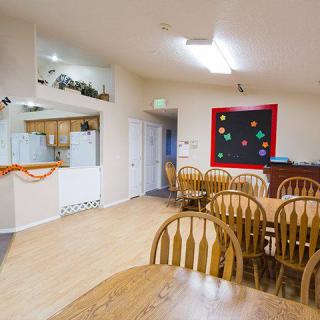
 Dining room
 Fitness room
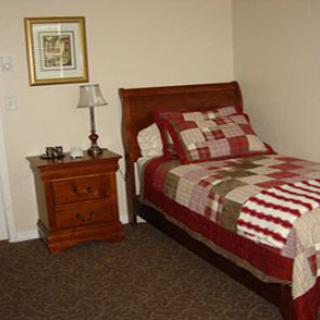
 Fully furnished
 Gaming room
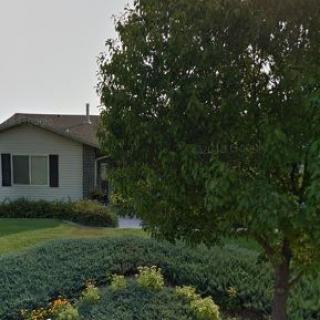
 Garden
 Housekeeping services
 Kitchenette
 Move-in coordination
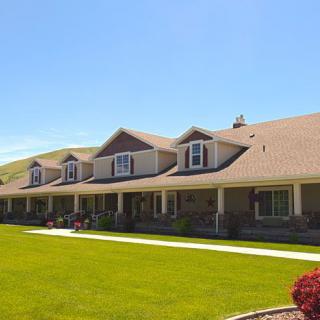
 Outdoor space
 Private bathrooms
 Restaurant-style dining
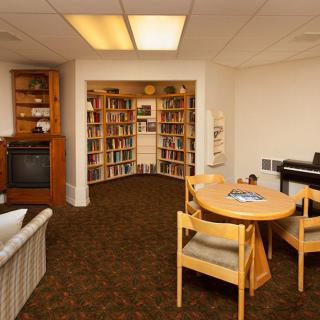
 Small library
 Telephone
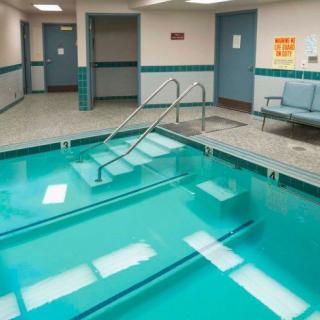
 Wellness center
 Wi-Fi/high-speed internet available
 Pocatello Regional (10 miles away)
 Community operated transportation
 12-16 hour nursing
 24-hour call system
 Activities of daily living assistance
 Assistance with bathing
 Assistance with dressing
 Assistance with transfers
 Diabetes diet
 Medication management
 Mental wellness program
 Special dietary restrictions
 Concierge services
 Planned day trips

 Encouraging Participation in Adult Day Care: A Guide to Supporting a Hesitant Parent
 Comprehensive Exploration of Living Wills and Other Advance Directives
 A Detailed Exploration of Living Wills and Advance Directives