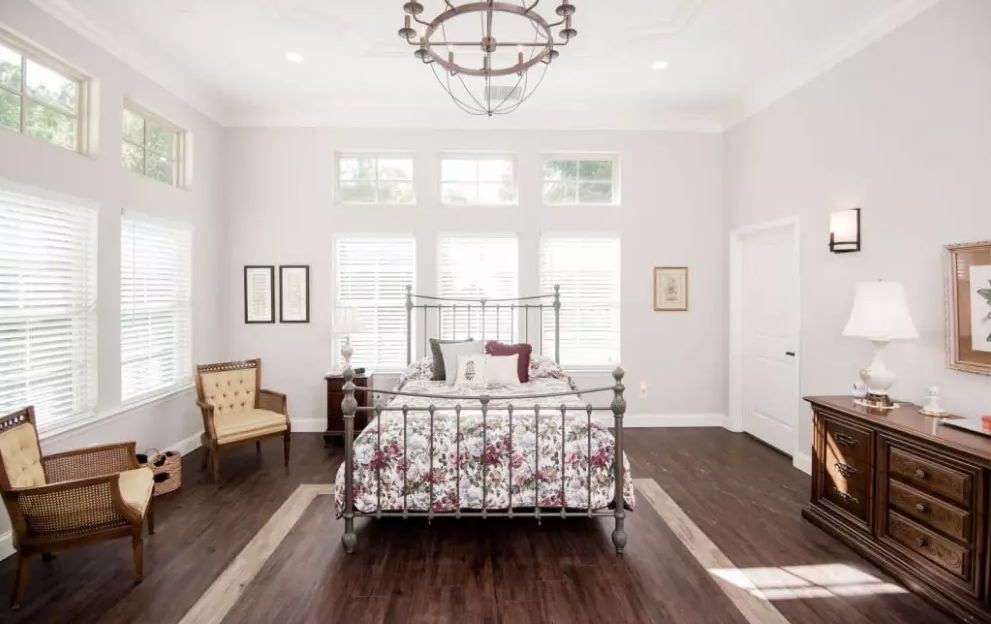
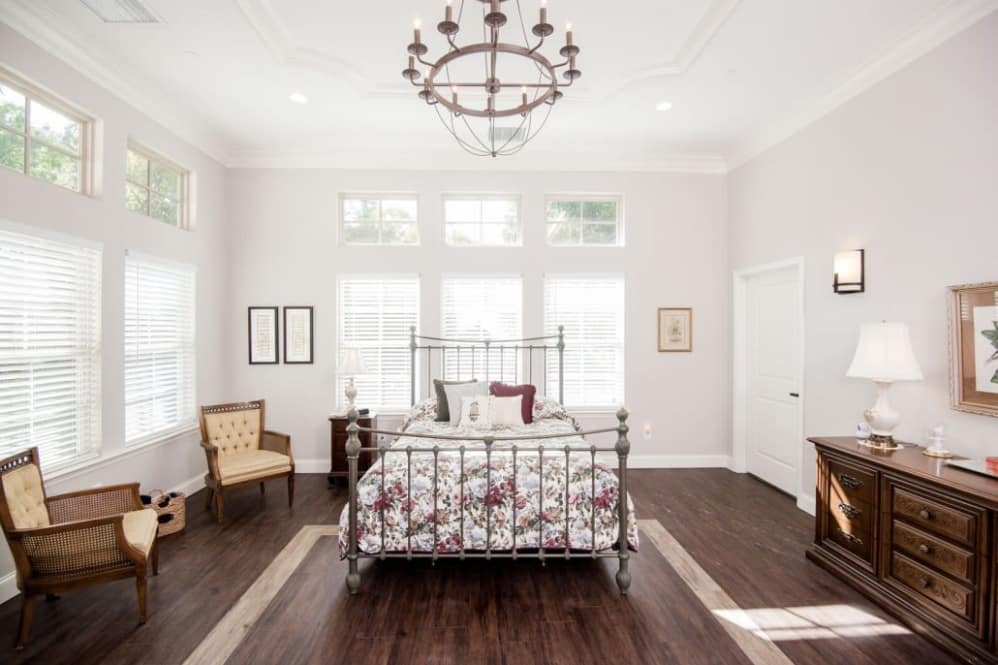
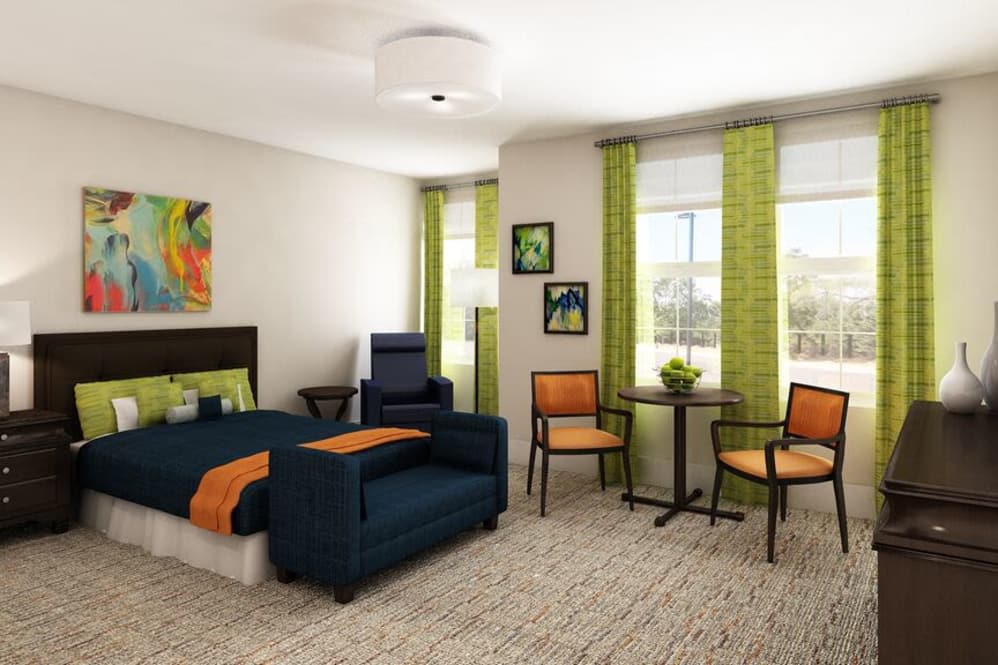
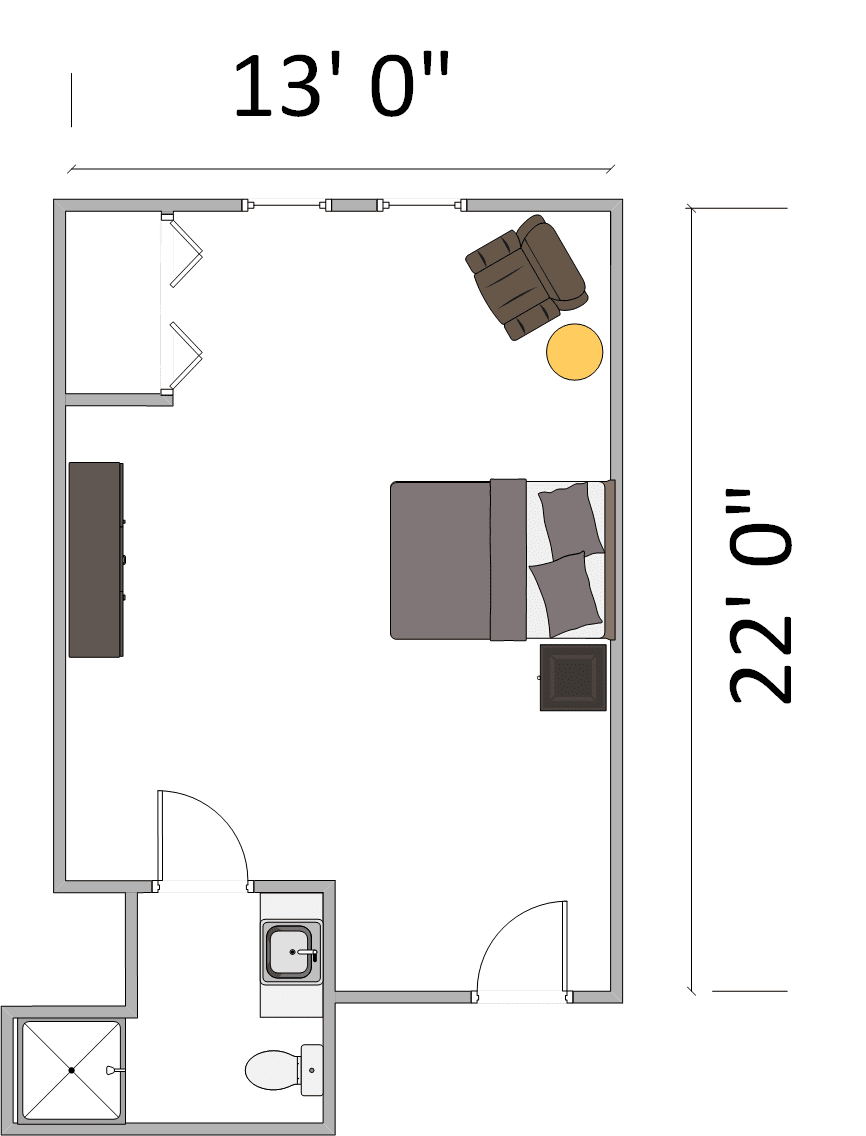
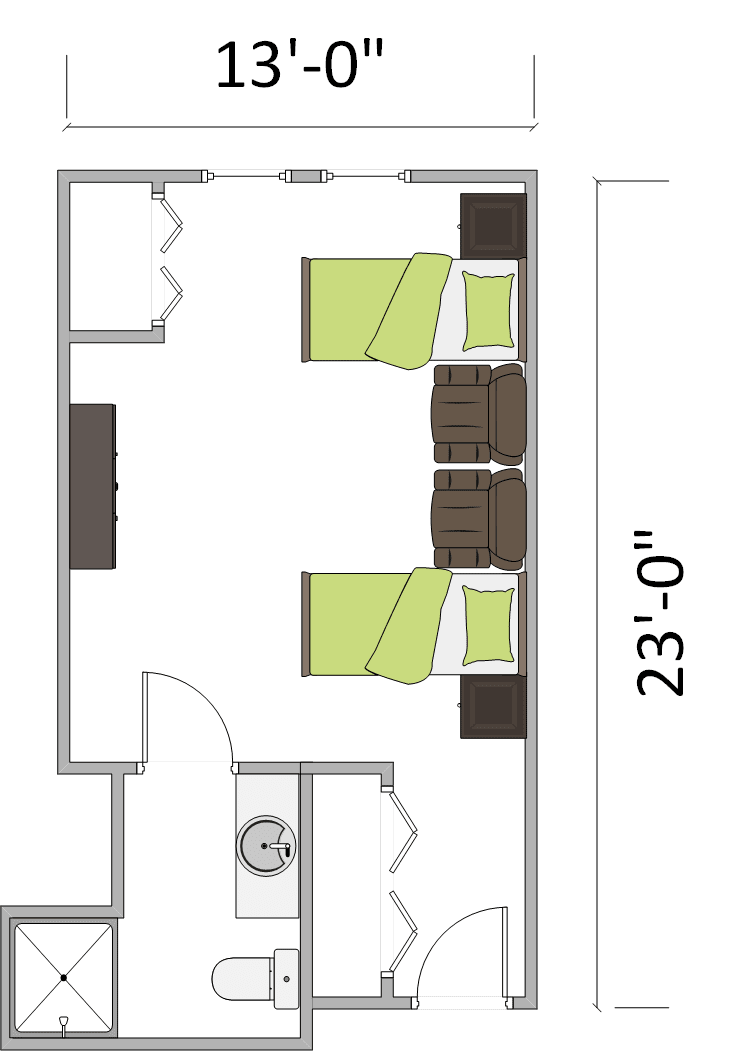
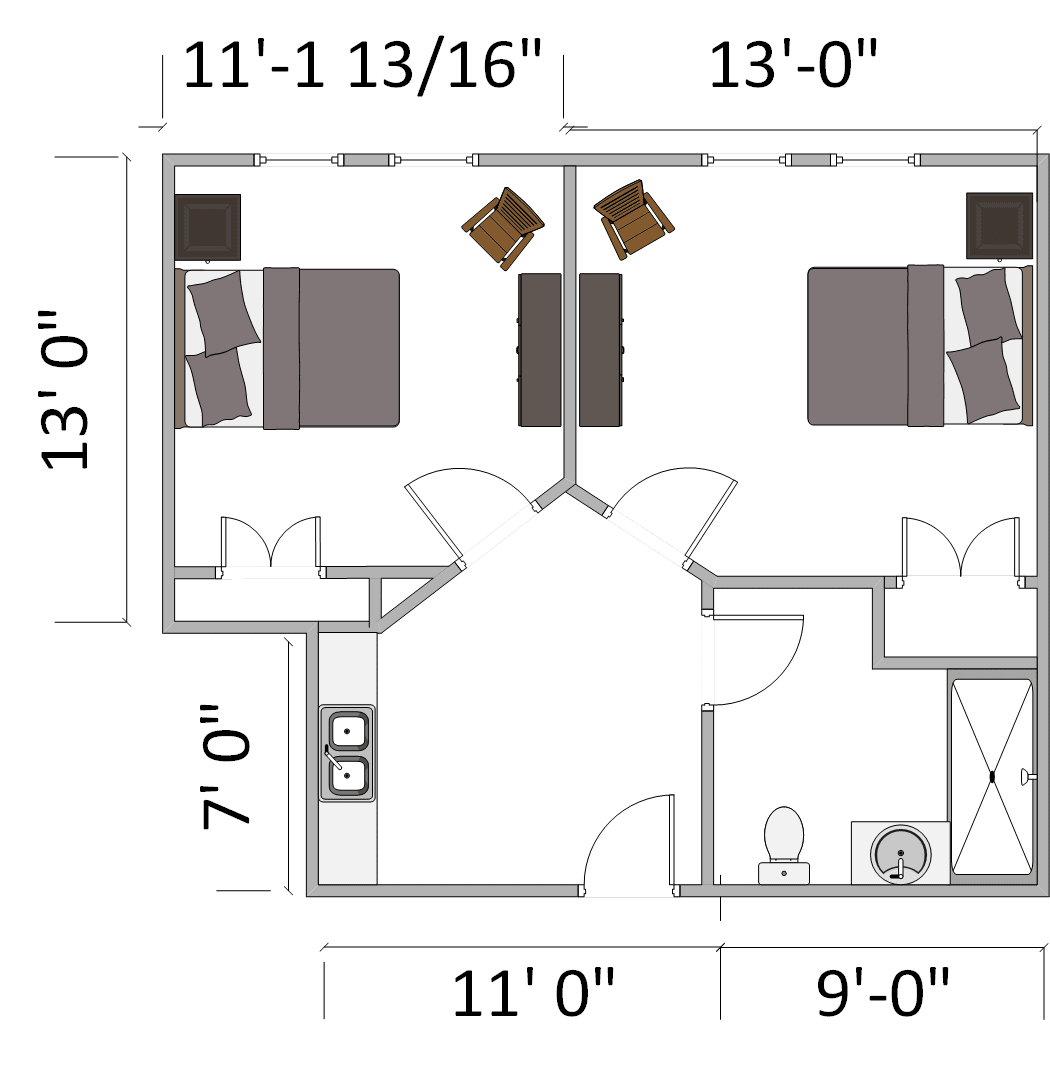
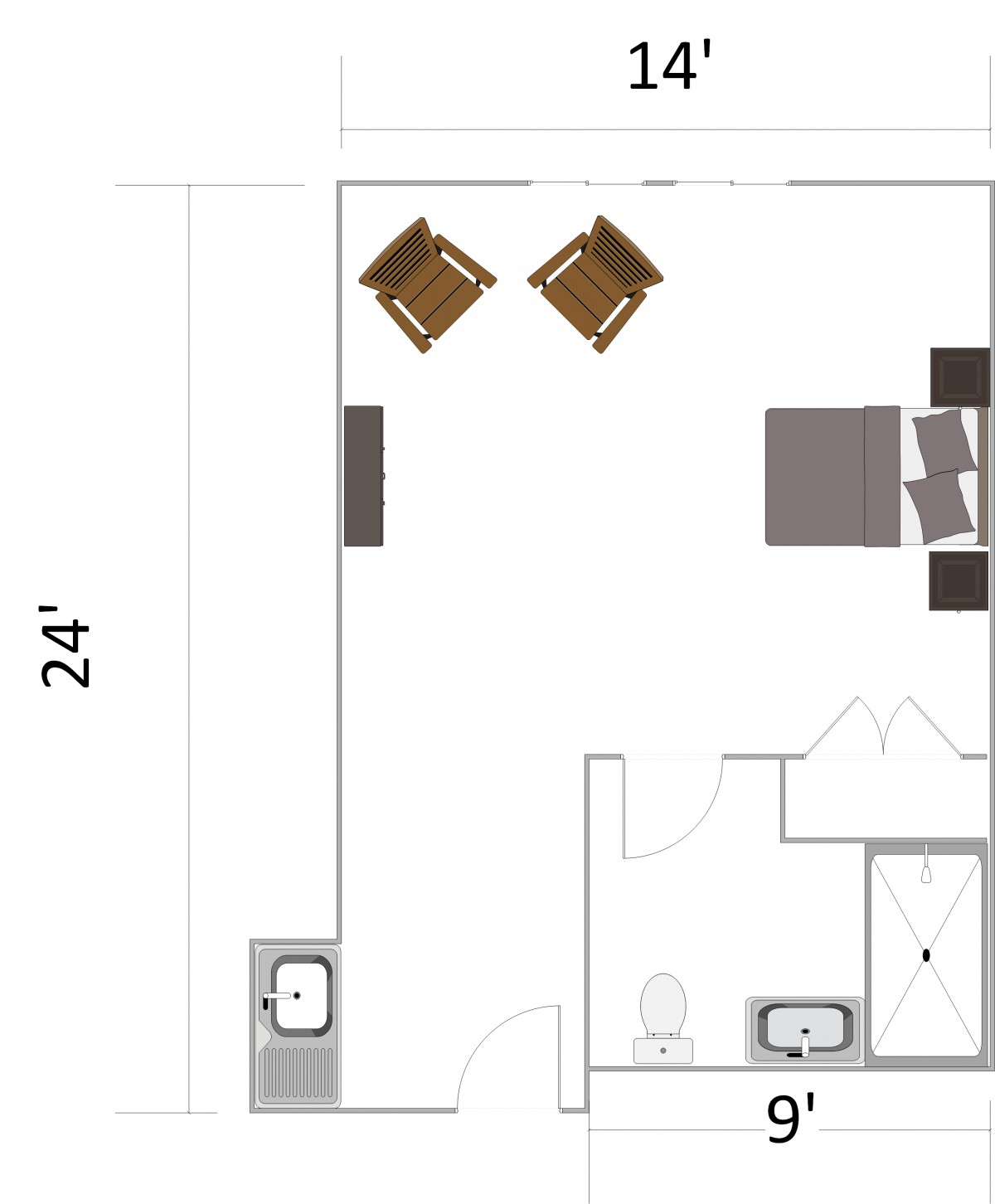
At The Phoenix at Tucker, the monthly costs for accommodations reflect a commitment to providing quality care and services in a welcoming environment. For a studio room, residents can expect to pay $4,368, which is notably higher than the average rates in Gwinnett County ($3,580) and throughout Georgia ($3,520). The semi-private option is priced at $4,520, significantly above local norms of $2,530 in Gwinnett and $2,529 statewide. For those seeking more spacious living arrangements, the one-bedroom units are available at $5,490 - again exceeding the regional averages of $3,647 in Gwinnett County and $3,412 across Georgia. While these costs may be elevated compared to surrounding areas, they reflect the comprehensive amenities and personalized care that residents receive at The Phoenix at Tucker.
Floor plans
The Phoenix at Tucker
Gwinnett County
Georgia
Studio
$4,368
$3,580
$3,520
Semi-Private
$4,520
$2,530
$2,529
1 Bedroom
$5,490
$3,647
$3,412
Memory care communities with a similar price nearby
Residents and families repeatedly describe attentive, caring staff.
Across reviews, families describe staff as warm, friendly, and proactive, with a strong emphasis on resident well-being. Several reviewers mention responsiveness when problems come up, including timely notifications and support during health changes. A few residents also highlight day-to-day help and personal attention that made them feel comfortable visiting and trusting the care team.
differentiator5 reviews mention this
Value for the price stands out
Multiple families say the community offers strong value.
Some reviewers chose the Phoenix at Tucker specifically because it felt like a good deal for the services they expected. One family contrasts it with other places they toured as several hundred dollars per month cheaper, and another calls out value for the money. Pricing is consistently described as a deciding factor, even when other details like room size or food variety are discussed.
Several reviewers appreciate controlled access for residents with memory issues, describing it as secure while still allowing residents to move around. At the same time, some reviews raise concerns about whether assisted living staffing matched dementia care needs, including not being staffed adequately. Other comments suggest care expectations shifted after management changes, which adds to the uneven picture for dementia-related needs.
caveat8 reviews mention this
Meals help, but diets can be limiting
Food gets praise, but dietary needs and options are sometimes an issue.
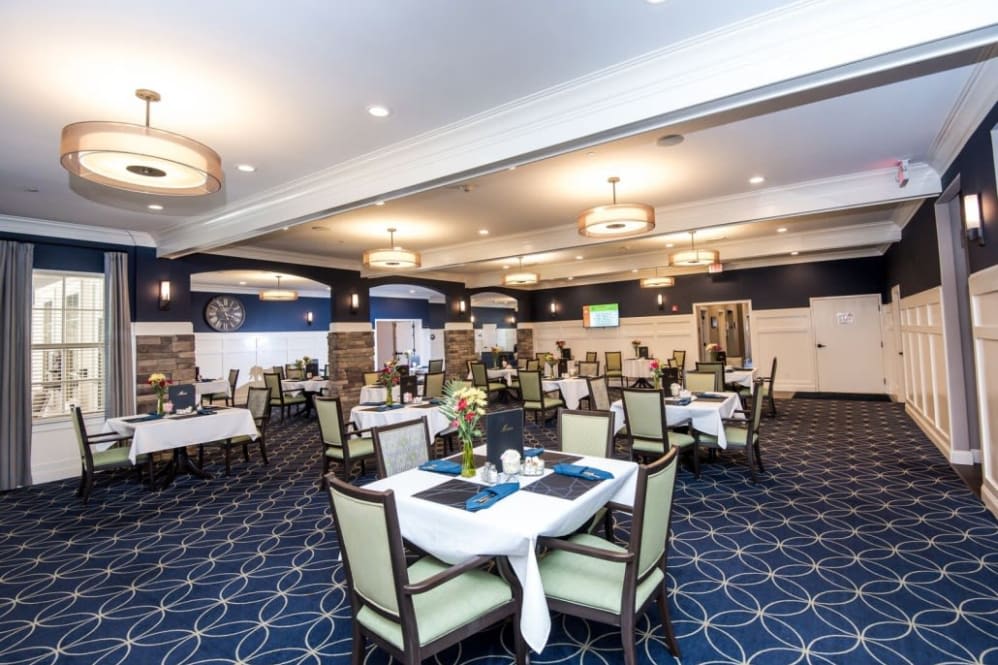
Dining is often described as tasty, with choices and an experience that feels more like home than a basic cafeteria. Reviews also mention restaurant-style dining and professional-chef support as part of the meal routine. However, some families report that options can feel limited at times and that meals may not adequately account for specific dietary needs like diabetic diets.
common9 reviews mention this
Activities and engagement are emphasized
Residents are described as staying engaged with daily activities.
Reviews repeatedly mention engaging programs and scheduled activities that keep residents busy, including exercise, music, games, and outings. Families also describe a community calendar with social events and faith-related programming. The overall emphasis on activities shows up alongside comments about residents being more active and connected after moving in.
common4 reviews mention this
Clean building and strong common space
Families frequently highlight cleanliness and comfortable shared areas.
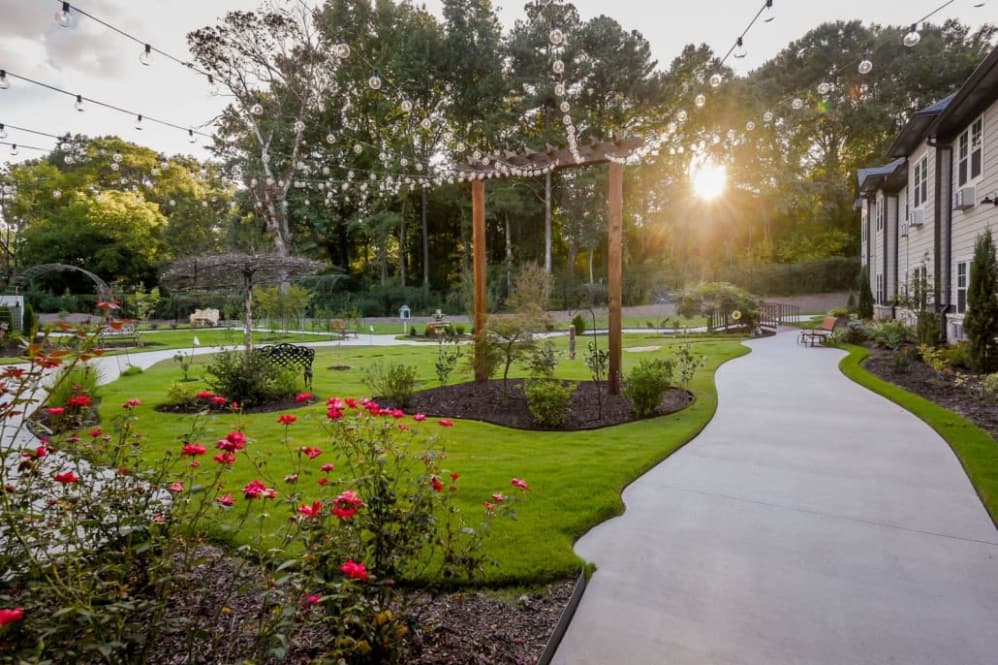
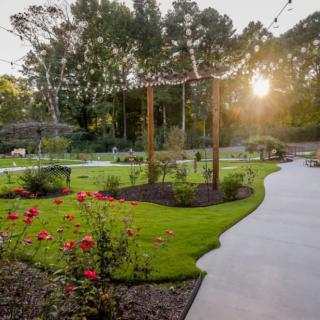
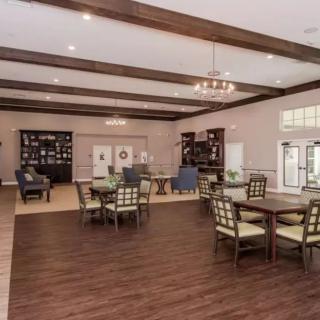
Multiple reviewers describe the facility as clean and well-kept, including common areas that feel inviting for residents. Some mention gardens and outdoor space as part of the day-to-day environment. A few others shift to room-size or cosmetic concerns, but the cleanliness theme stays consistently positive.
How we summarize
Counts show how many written reviews mention each theme; a review can touch several themes, and only frequently mentioned themes are displayed.
Features
Housing
90 resident community capacity
1-bedroom apartments
2-bedroom apartments
Studio apartments
Types of Care
Assisted Living
Memory Care
Respite Care
Pets
Cats allowed
Dogs allowed
Amenities
Activities off-site
Activities on-site
Air-conditioning
Beautician on-site
Beauty salon
Cable or satellite TV
Computer center
Devotional services off-site
Devotional services on-site
Dining room
Fitness room
Fully furnished
Gaming room
Garden
Garden view
Ground floor units
Handicap accessible
Housekeeping services
Indoor common areas
Kitchenette
Laundry
Move-in coordination
Outdoor common areas
Outdoor space
Private bathrooms
Resident parking
Respite or short term stays offered
Restaurant-style dining
Small library
Telephone
Wellness center
Wheelchair accessible showers
Wi-Fi/high-speed internet available
Transportation
William B Hartsfield-Atlanta International (19 miles away)
Community operated transportation
Transportation & parking
Transportation arrangement
Transportation arrangement (non-medical)
Transportation to doctors appointments
Care Services
12-16 hour nursing
24-hour call system
24-hour supervision
Activities of daily living assistance
Ambulatory care
Assistance with bathing
Assistance with dressing
Assistance with transfers
Diabetes diet
Diabetic care
Incontinence care
Meal preparation and service
Medication management
Mental wellness program
Mild cognitive impairment
Special dietary restrictions
Specialized memory care programming
Dining
Diabetes diet
Gluten-free
Guest meals
Low / no sodium
Meals provided
No Sugar
Professional chef
Restaurant style dining
Room service
Special dietary restrictions
Special dining programs
Vegan
Vegetarian
Activities
Activities off-site
Art classes
Bible study group
Community-sponsored activities
Concierge services
Cooking classes
Day trips and outings
Devotional activities offsite
Devotional activities on-site
Educational speakers / life long learning
Fitness programs
Happy hour
Karaoke
Live dance or theater performances
Live musical performances
Live well programs
Planned day trips
Religious services
Resident-run activities
Scheduled daily activities
Wine tasting
Languages Spoken
English
Nearby Places of Interest
Located in Tucker, Georgia, this area offers a variety of amenities and services that cater to the needs of seniors. With several restaurants nearby such as Local No. 7 and Kacey's Home Cooking, residents can enjoy delicious meals without traveling far. For those looking for healthcare options, there are multiple pharmacies, including Walgreens and CVS Pharmacy, as well as physicians like Northlake Emory and Atlanta OB/GYN within a short distance. Additionally, the proximity to parks like Henderson Park and Stone Mountain Park provides opportunities for outdoor recreation and relaxation. Transportation options such as MARTA stations are available for easy access to other parts of the city. Hospitals like North Dekalb Health Center and Atlanta VA Medical Center are also nearby for any medical emergencies. This part of Tucker combines convenience, healthcare facilities, dining options, and access to nature making it an ideal choice for senior living.
Restaurants
Local No. 7 (0.6 miles)
Chick-Fil-A (0.6 miles)
McDonald's (0.8 miles)
Del Taco (1.8 miles)
Chick-Fil-A (2.2 miles)
Kacey's Home Cooking (2.5 miles)
McDonald's (3.7 miles)
Cafes
Starbucks (0.8 miles)
White Windmill Bakery and Cafe (5.4 miles)
Dancing Goats Coffee Bar (7 miles)
Pharmacies
Walgreens (0.9 miles)
CVS Pharmacy (2.5 miles)
Walgreens (3.1 miles)
CVS Pharmacy (3.2 miles)
Walgreens (4 miles)
Walgreens (4 miles)
Kroger Pharmacy (4.7 miles)
Parks
Henderson Park (1.8 miles)
Briarlake Forest Park (3.3 miles)
Stone Mountain Walk Up Trail (3.8 miles)
Leafmore Country Club (4.5 miles)
Almost To The Top Of Stone Mountain (4.5 miles)
Stone Mountain Park (4.8 miles)
Mountain Park Park (5.4 miles)
Theaters
Movie Tavern Northlake Festival (2.2 miles)
Regal Hollywood (4.1 miles)
Places of Worship
Rehoboth Baptist Church (2.2 miles)
Lilburn Alliance Church (3.1 miles)
Embry Hills Church of Christ (3.8 miles)
Corpus Christi Catholic Church (3.8 miles)
St Stephen The Martyr (4.2 miles)
Mountain Park First Baptist Church (4.6 miles)
Mountain Park United Methodist Church (4.8 miles)
Physicians
Northlake Emory (2.5 miles)
Decatur Health Imaging (5.2 miles)
Atlanta OB/GYN (5.6 miles)
Gynecology and Obstetrics of Dekalb PC (5.8 miles)
At The Phoenix at Tucker, the monthly costs for accommodations reflect a commitment to providing quality care and services in a welcoming environment. For a studio room, residents can expect to pay $4,368, which is notably higher than the average rates in Gwinnett County ($3,580) and throughout Georgia ($3,520). The semi-private option is priced at $4,520, significantly above local norms of $2,530 in Gwinnett and $2,529 statewide. For those seeking more spacious living arrangements, the one-bedroom units are available at $5,490 - again exceeding the regional averages of $3,647 in Gwinnett County and $3,412 across Georgia. While these costs may be elevated compared to surrounding areas, they reflect the comprehensive amenities and personalized care that residents receive at The Phoenix at Tucker.
The Phoenix at Tucker offers a comprehensive suite of features tailored to enhance the quality of life for residents with dementia or Alzheimer's disease. Around-the-clock supervision ensures that residents are safe and supported at all times, while assistance with activities of daily living, such as bathing and dressing, fosters independence and dignity. The careful management of transfers helps prevent falls and promotes mobility, crucial for maintaining physical health. Incontinence care is provided with compassion to ensure comfort and hygiene. Meal preparation and service are designed to meet specific dietary needs, encouraging proper nutrition. Medication management minimizes the risk of errors and supports overall well-being. Additionally, the mental wellness program addresses emotional health through meaningful engagement, while specialized memory care programming offers tailored activities that stimulate cognitive function in those experiencing mild cognitive impairment or advanced stages of dementia. Together, these elements create an environment that prioritizes both safety and enrichment for residents facing the challenges of memory loss.
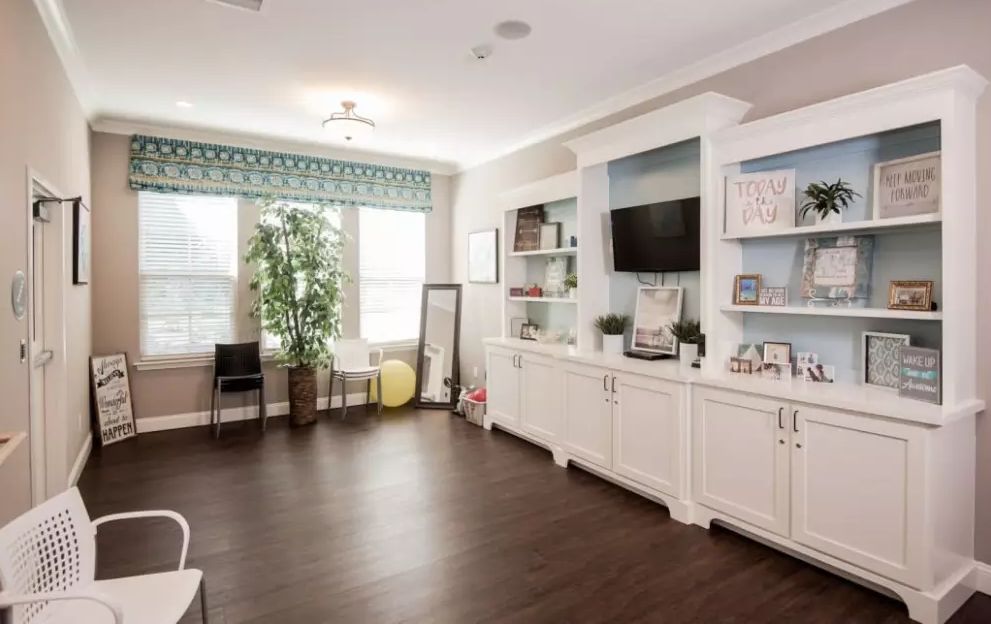
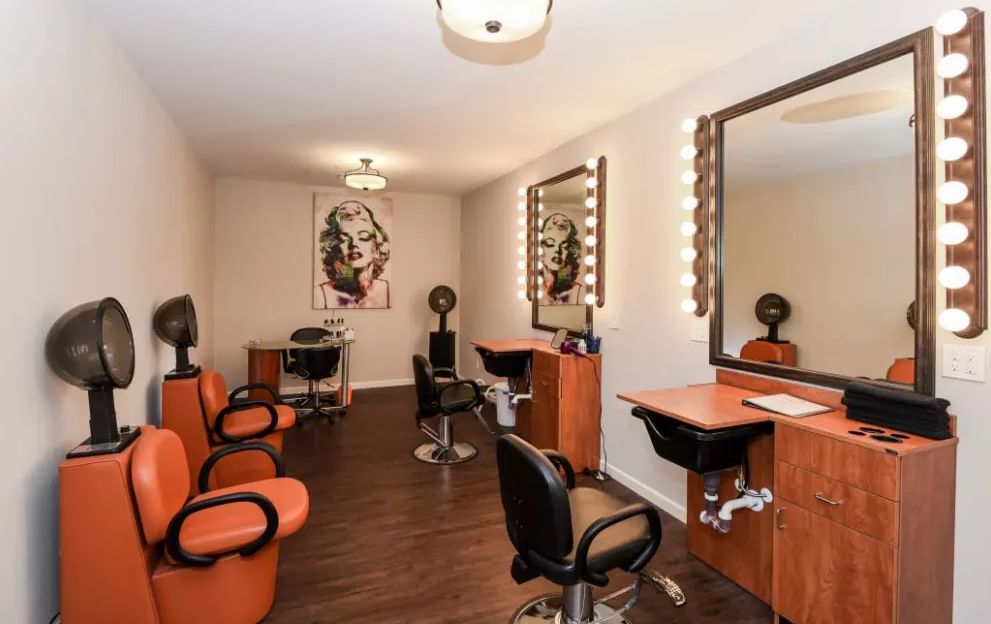
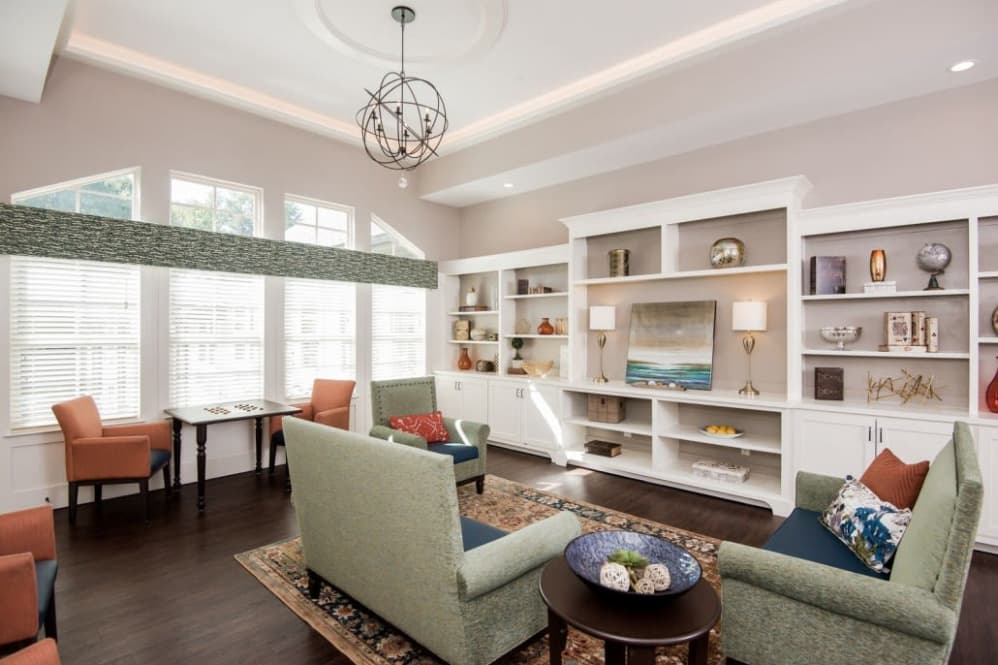
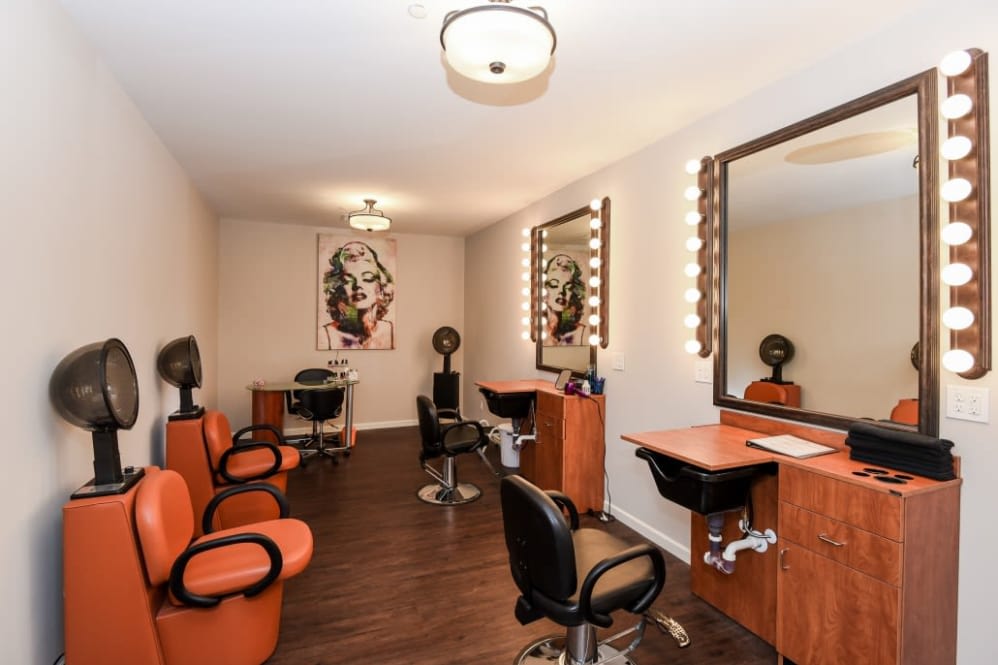
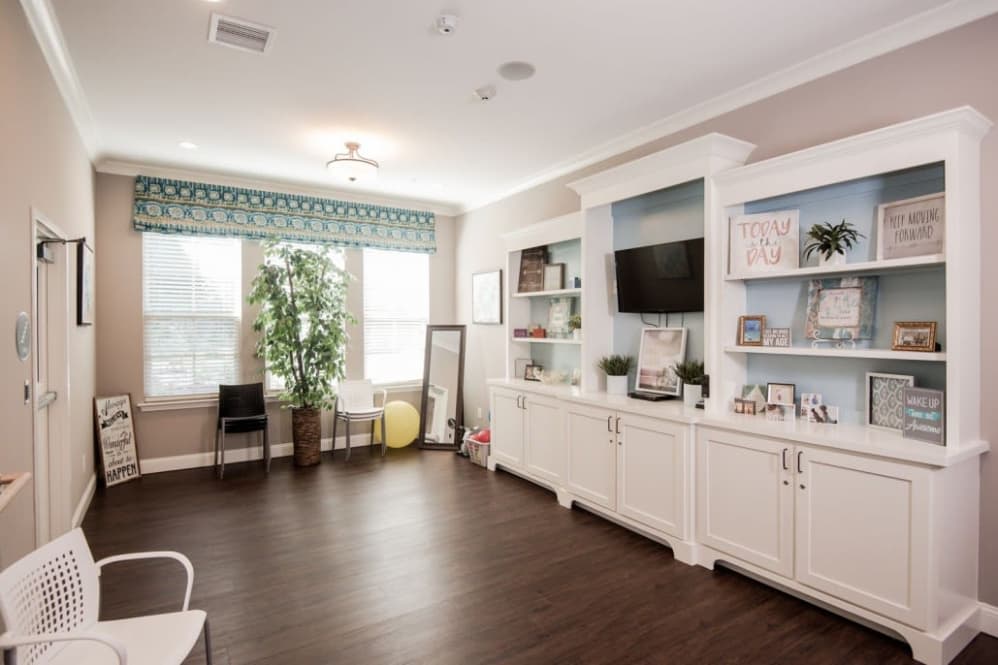
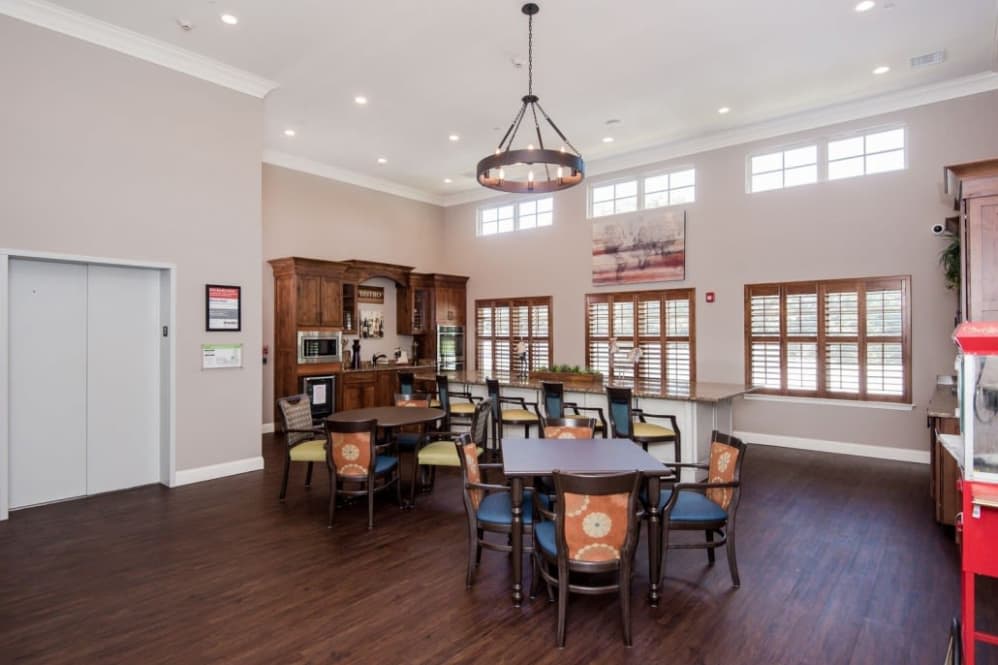
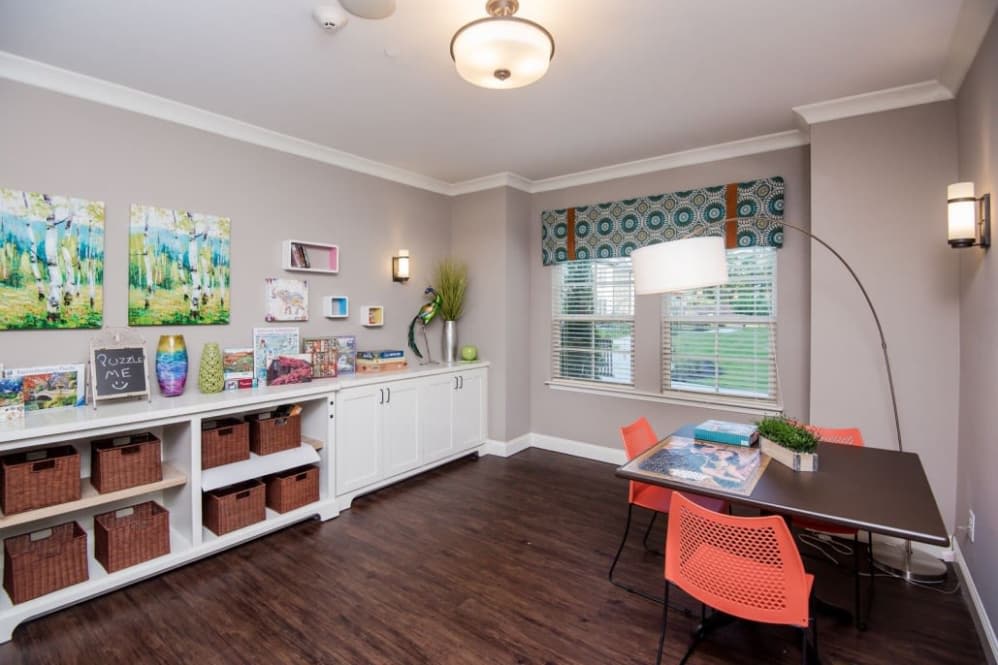
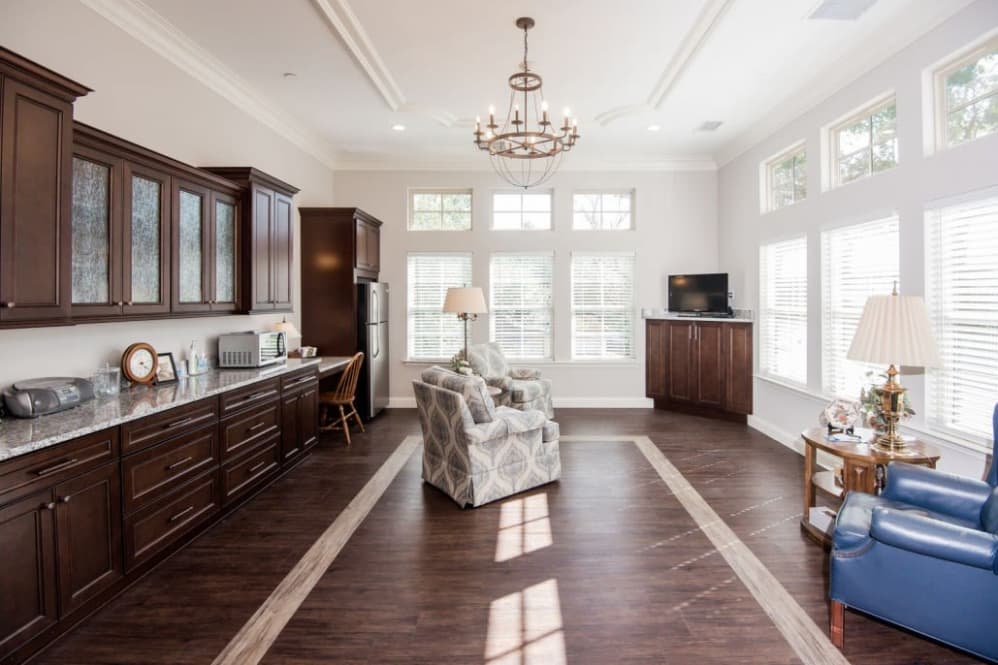
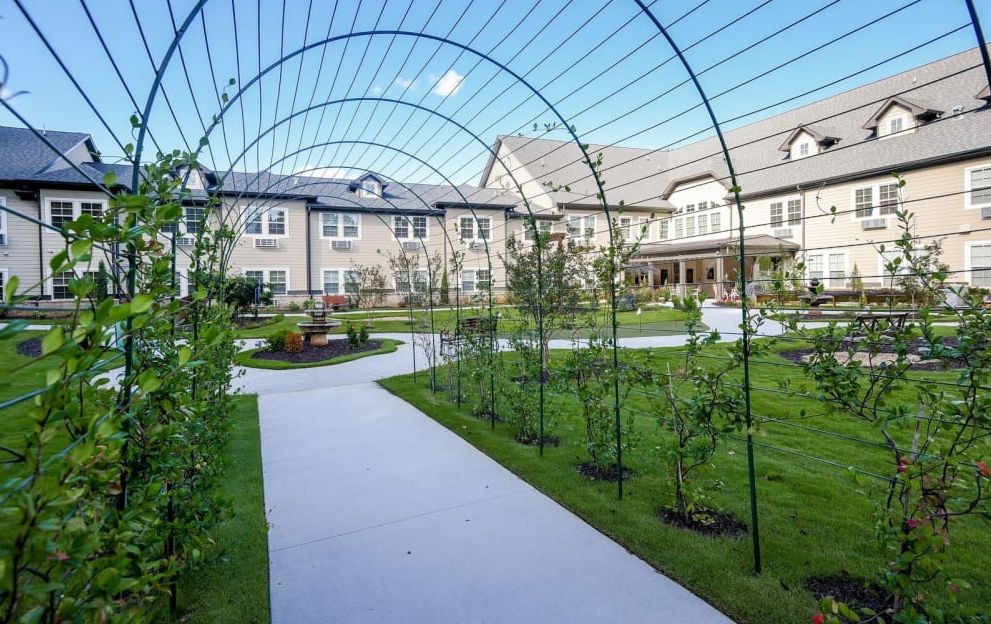
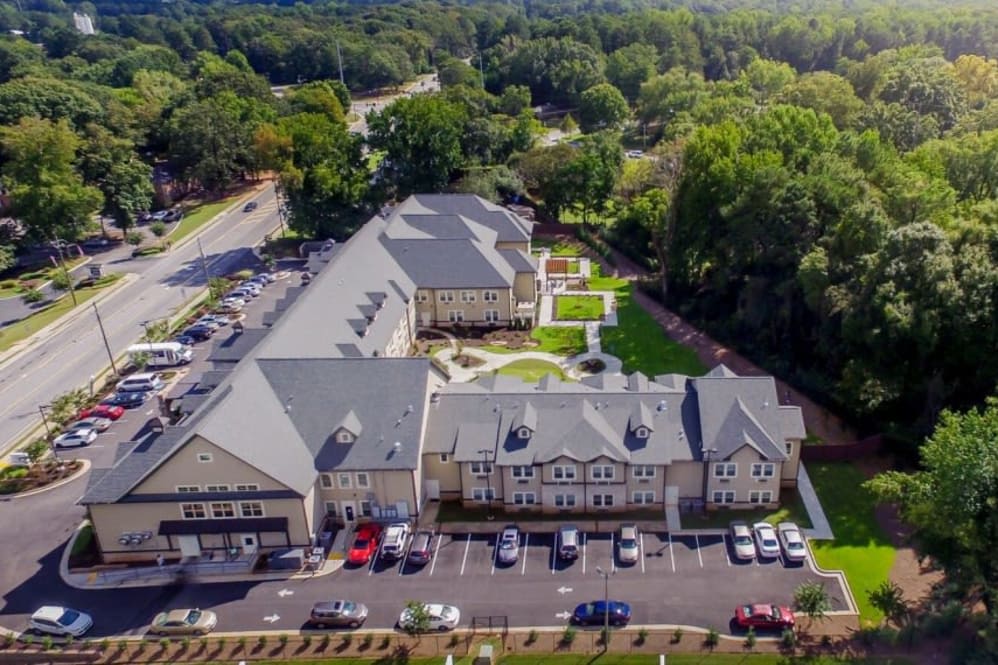
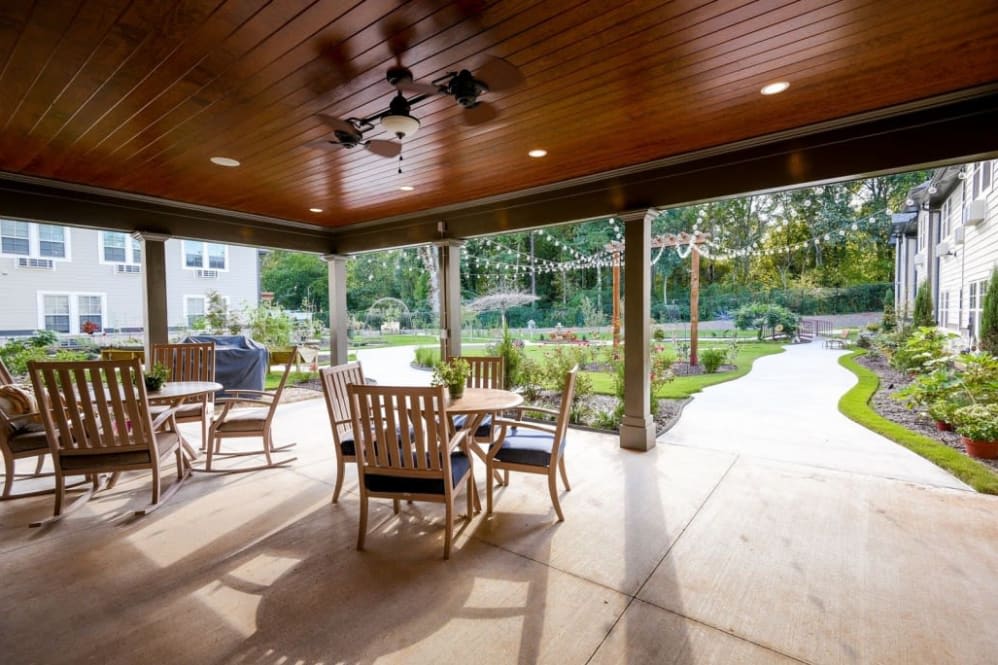
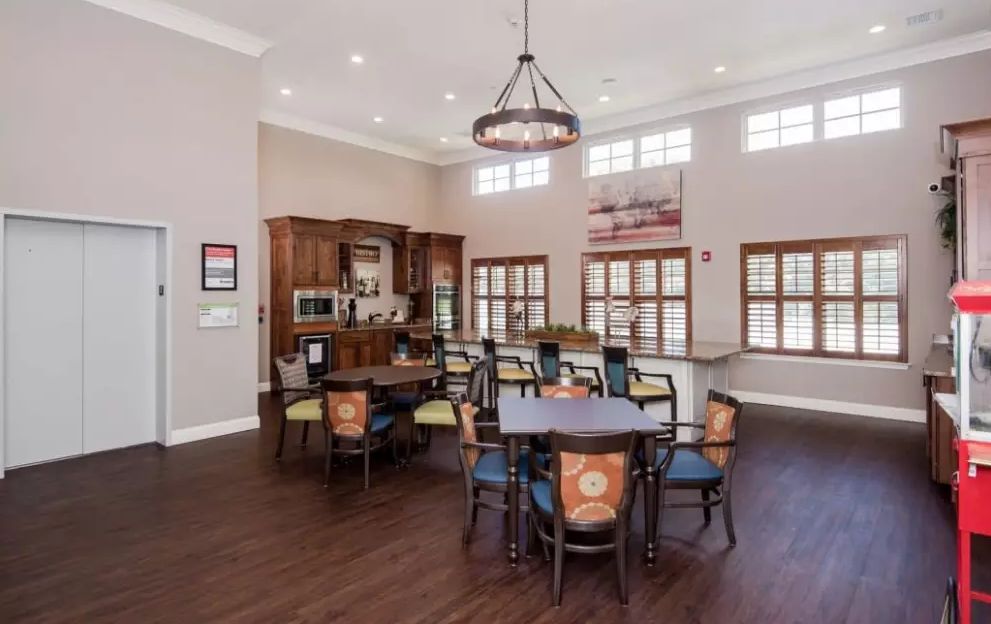
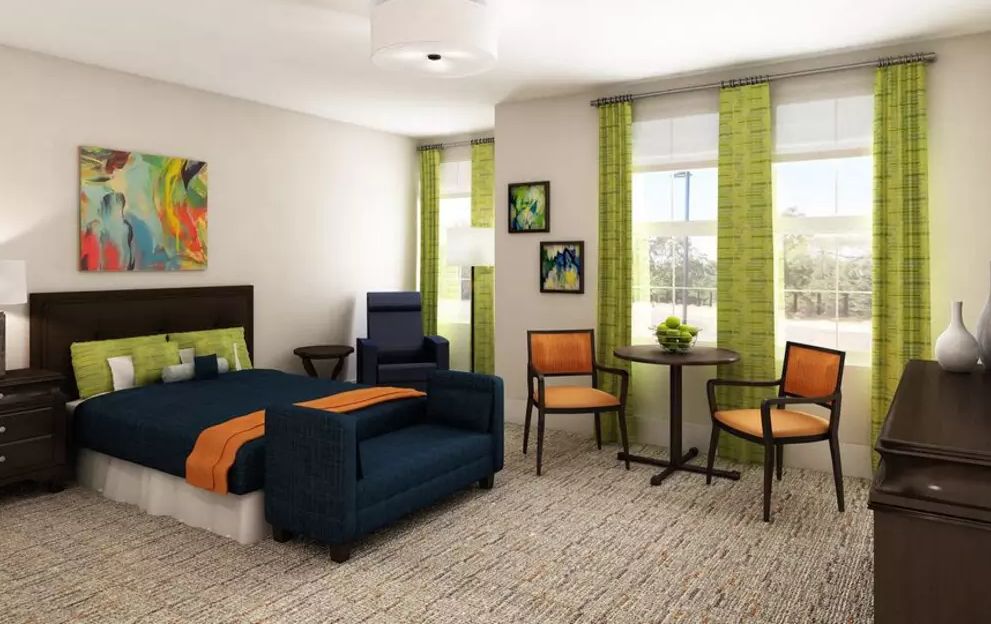
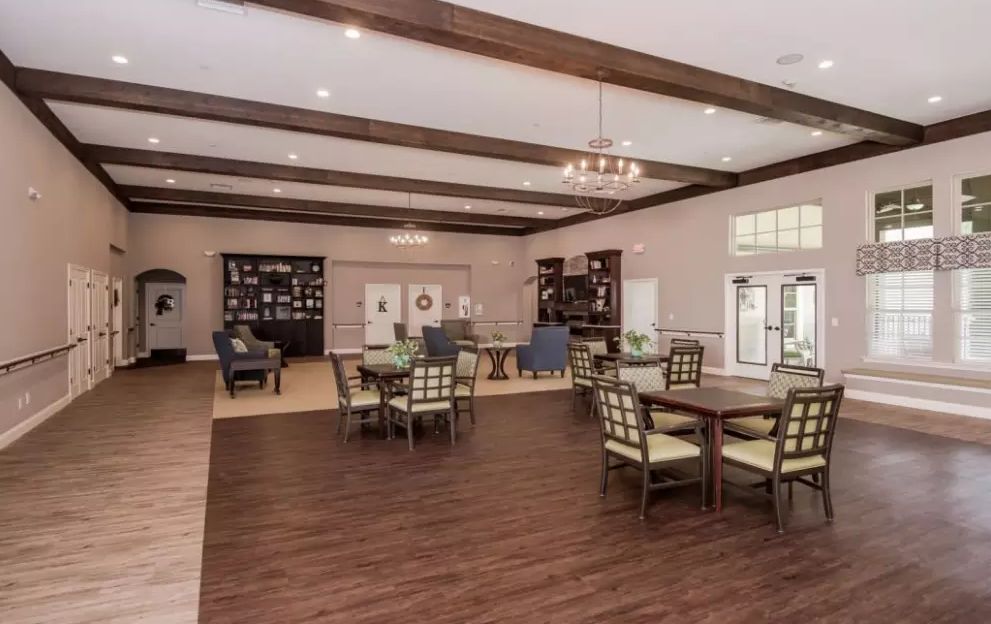
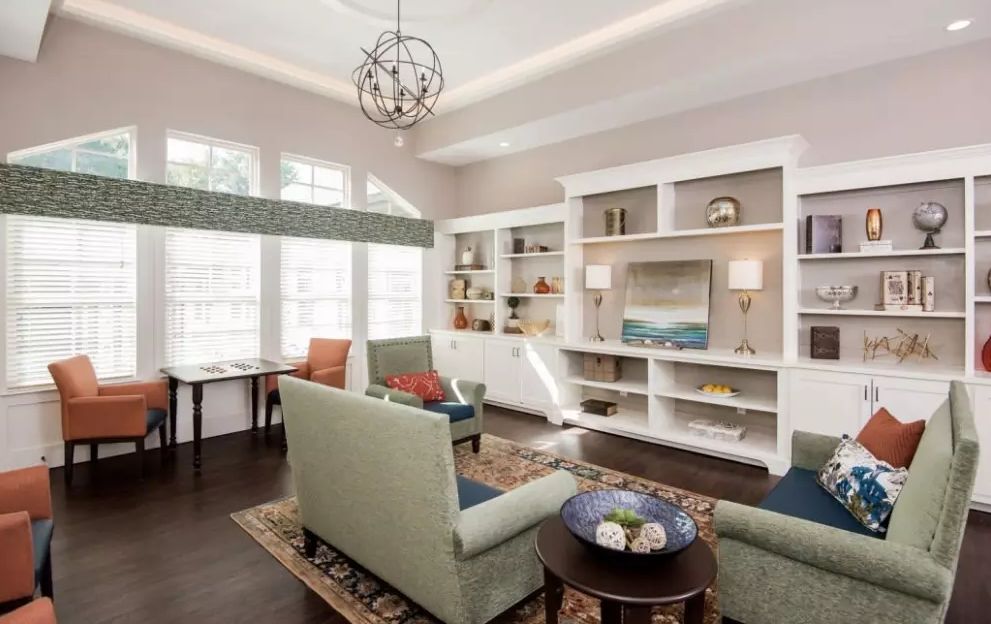
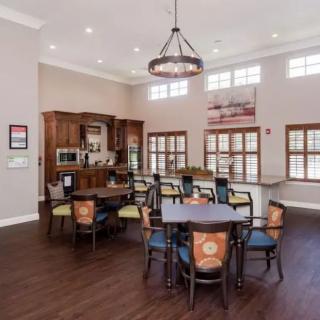
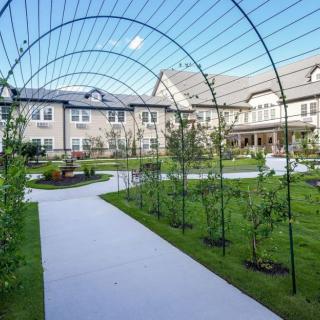
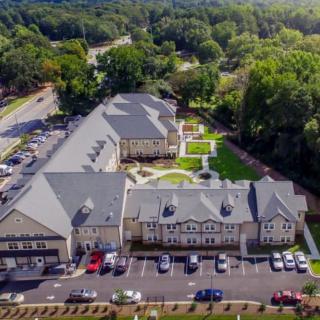
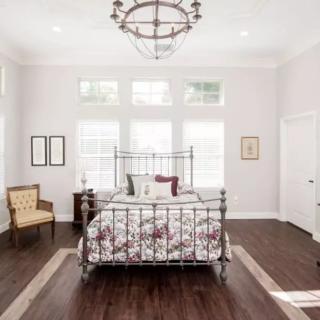
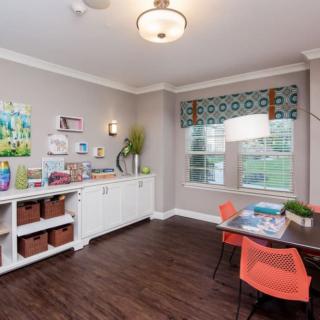
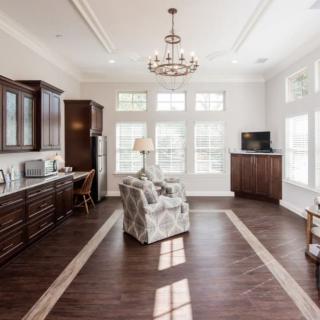
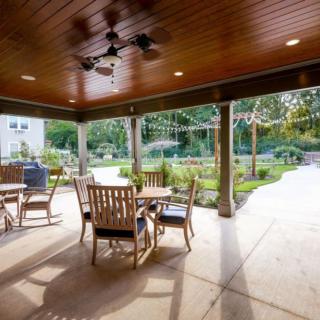
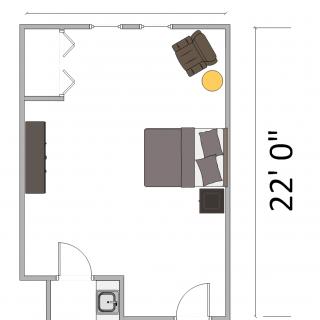
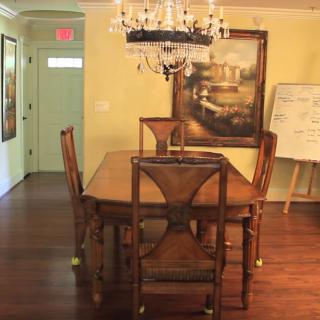
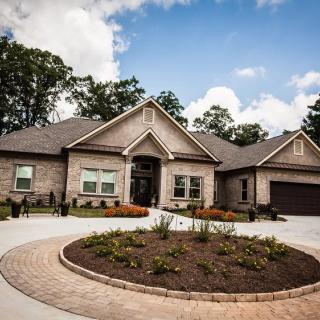
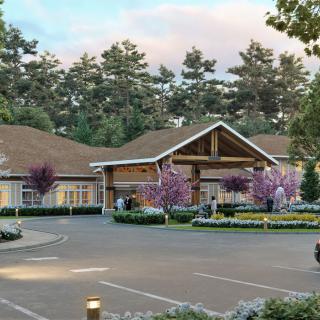
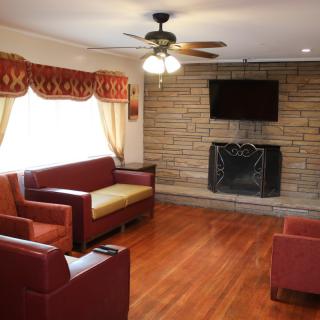
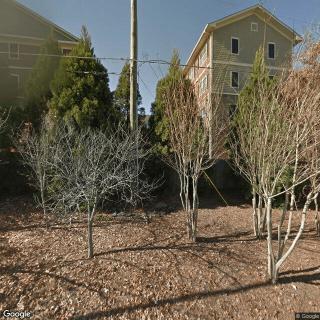
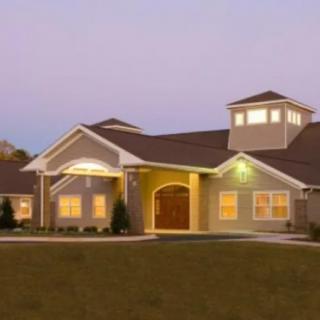
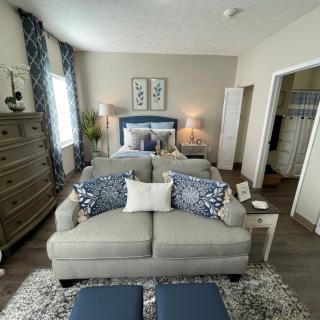
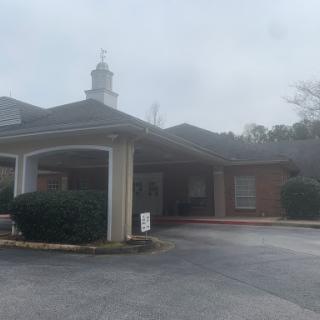
The Phoenix at Tucker on seniors.fyi includes 28 photos including images showing interior, decor, bedroom, dining, floor plan, lighting, natural light, living room, and more.
Nearby Communities
The Gardens of Magnolia Trails Phase III
Tucker, GA
4.4 from 20 reviews
$1,500 / month
Very affordable studio option with diabetic care and engaging activities.
Grace Healthcare Of Tucker
Tucker, GA
2.5 from 26 reviews
$4,500 / month
Compassionate, caring staff and a clean, well-maintained environment.
Hibiscus Manor
Tucker, GA
3 from 2 reviews
$2,500 to $3,000 / month
Competitive pricing for semi-private living with memory care and comprehensive amenities.
Hand n Hand Home Care LLC-Tucker, GA
Tucker, GA
5 from 2 reviews
$4,209 to $5,471 / month
Warm, comfortable assisted living in a peaceful Tucker neighborhood with convenient nearby amenities.
Reminiscence therapy is a structured method for older adults, especially those with dementia, to share life stories using prompts and sensory cues, fostering emotional well-being, social engagement, and self-identity. It aims to improve quality of life by enhancing interpersonal connections and cognitive stimulation while requiring careful facilitation to avoid distressing memories.
Dementia, particularly Lewy body dementia, often involves hallucinations that can significantly distress both patients and caregivers due to disruptions in sensory processing and neurotransmitter imbalances. Effective management includes compassionate communication, environmental adjustments, and a multidisciplinary approach to care while addressing the emotional needs of caregivers.
Alzheimer’s disease is a progressive neurological disorder that significantly impacts memory and cognitive functions, accounting for 60-80% of dementia cases, with early diagnosis being crucial yet challenging. It involves brain changes like beta-amyloid plaques and tau tangles, influenced by genetic and lifestyle factors, and while there is no cure, symptom management and support for caregivers are essential.
Get PricingAsk A QuestionSchedule A TourContact Senior Advisor
By clicking submit, you agree to our Partner's Terms of Use. You
also consent to receive calls and texts, which may be autodialed, from our Partner. Your consent is not a condition to
using our Partner's service. Please visit our Partner's Privacy Policy for information about their privacy practices.









 90 resident community capacity
 1-bedroom apartments
 Assisted Living
 Memory Care
 Respite Care
 Cats allowed
 Dogs allowed
 Activities off-site
 Air-conditioning
 Beautician on-site
 Cable or satellite TV
 Computer center
 Devotional services off-site
 Dining room
 Fitness room
 Fully furnished
 Gaming room
 Garden
 Ground floor units
 Handicap accessible
 Housekeeping services
 Indoor common areas
 Kitchenette
 Laundry
 Move-in coordination
 Outdoor common areas
 Private bathrooms
 Resident parking
 Restaurant-style dining
 Small library
 Telephone
 Wellness center
 Wheelchair accessible showers
 Wi-Fi/high-speed internet available
 William B Hartsfield-Atlanta International (19 miles away)
 Community operated transportation
 12-16 hour nursing
 24-hour call system
 Ambulatory care
 Assistance with bathing
 Assistance with dressing
 Assistance with transfers
 Diabetes diet
 Diabetic care
 Incontinence care
 Medication management
 Mental wellness program
 Special dietary restrictions
 Art classes
 Bible study group
 Concierge services
 Cooking classes
 Day trips and outings
 Educational speakers / life long learning
 Happy hour
 Karaoke
 Live dance or theater performances
 Live musical performances
 Wine tasting
 English
 Very affordable studio option with diabetic care and engaging activities.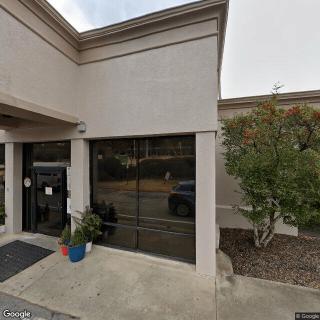
 An In-Depth Look at Reminiscence Therapy in Dementia Care
 Dementia-Related Hallucinations: Causes, Experiences, and Practical Approaches
 Illuminating Insights About Alzheimer's Disease: Ten Crucial Realities