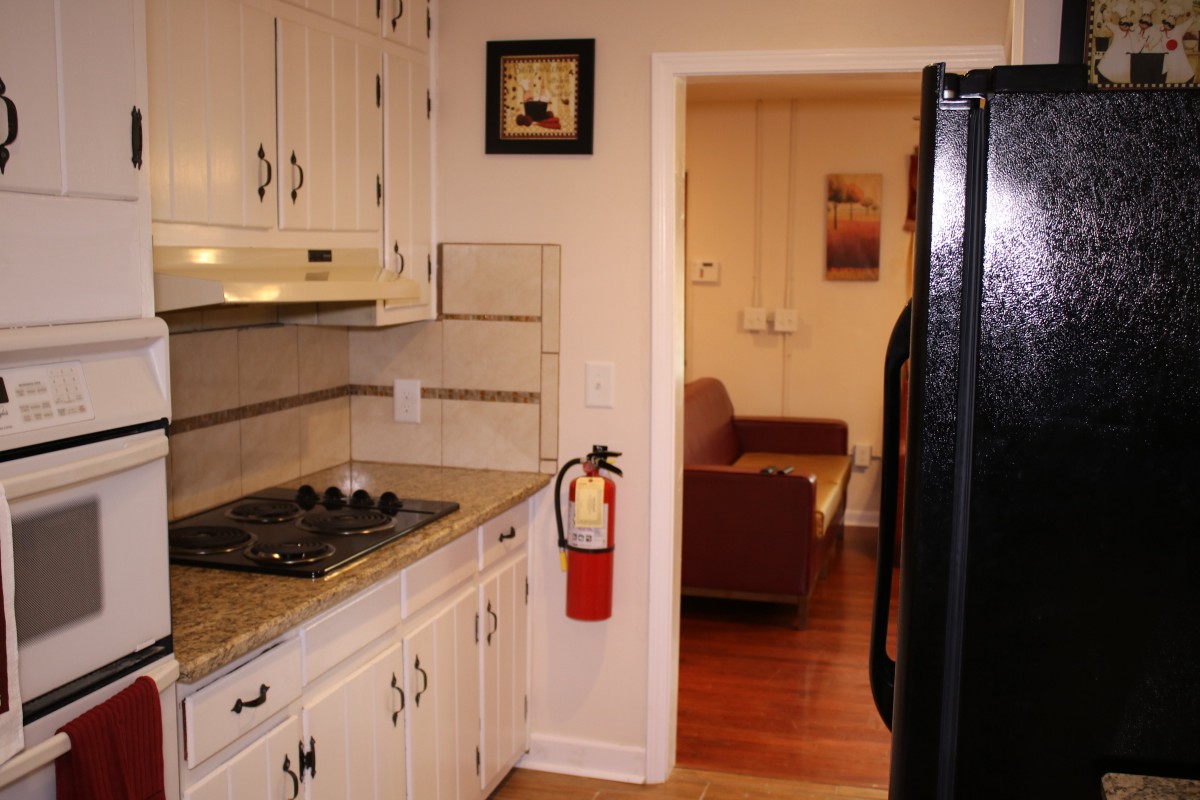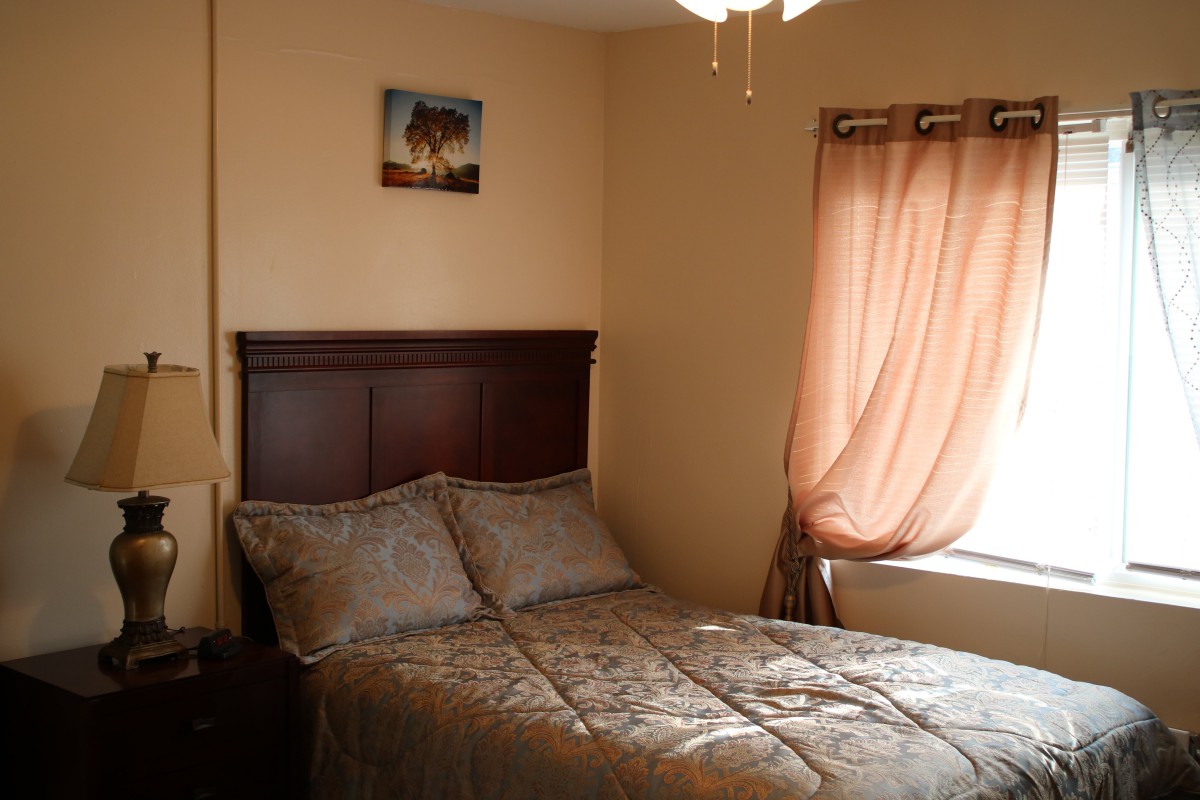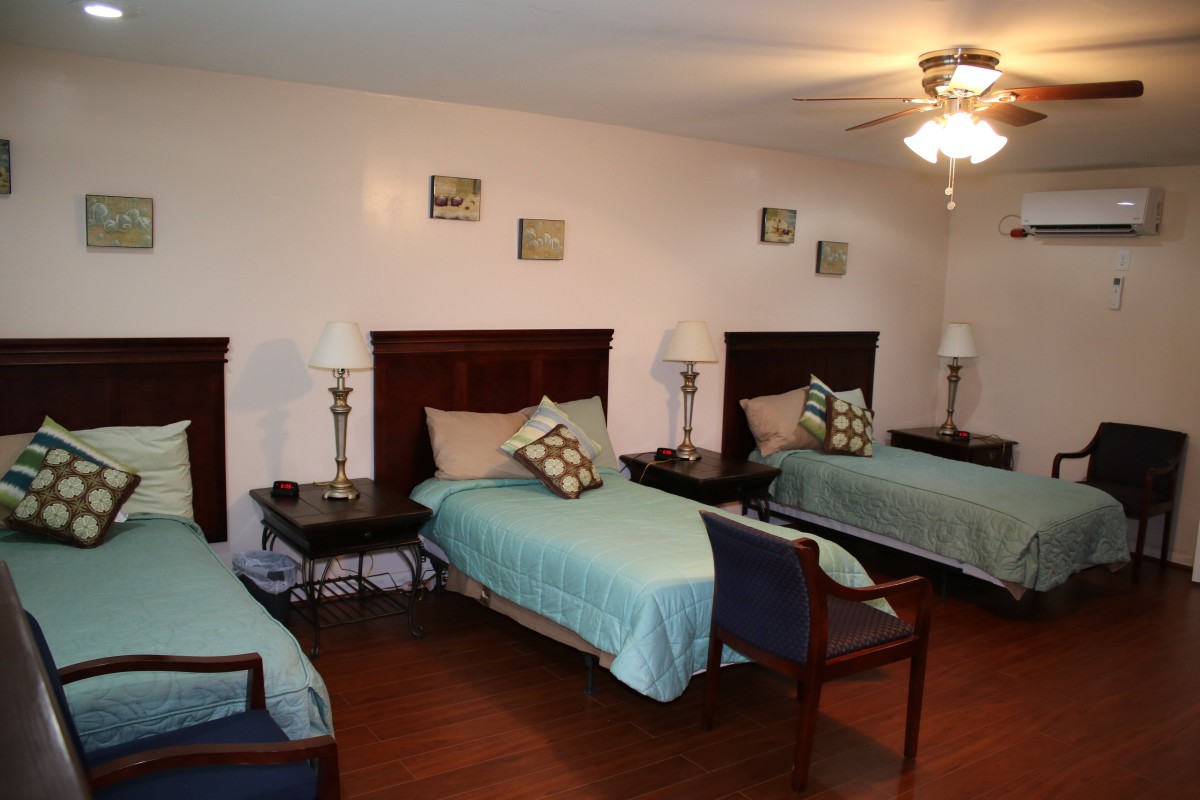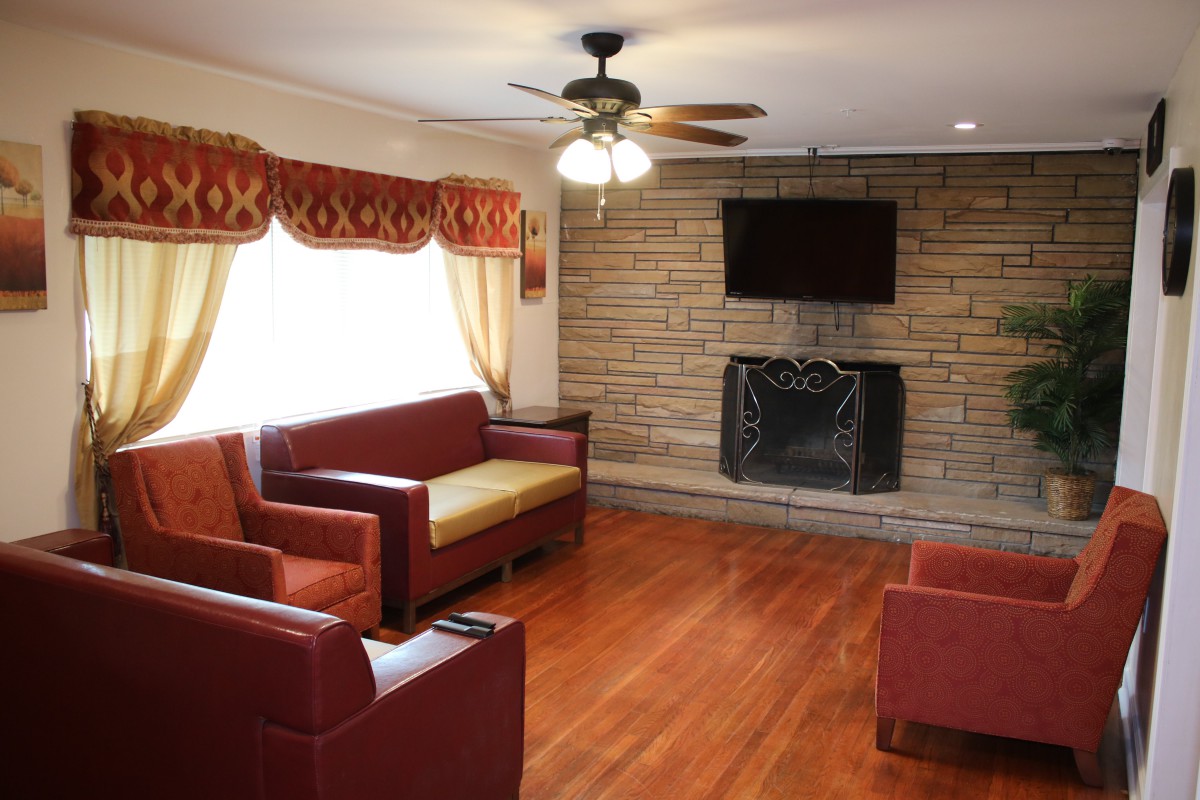
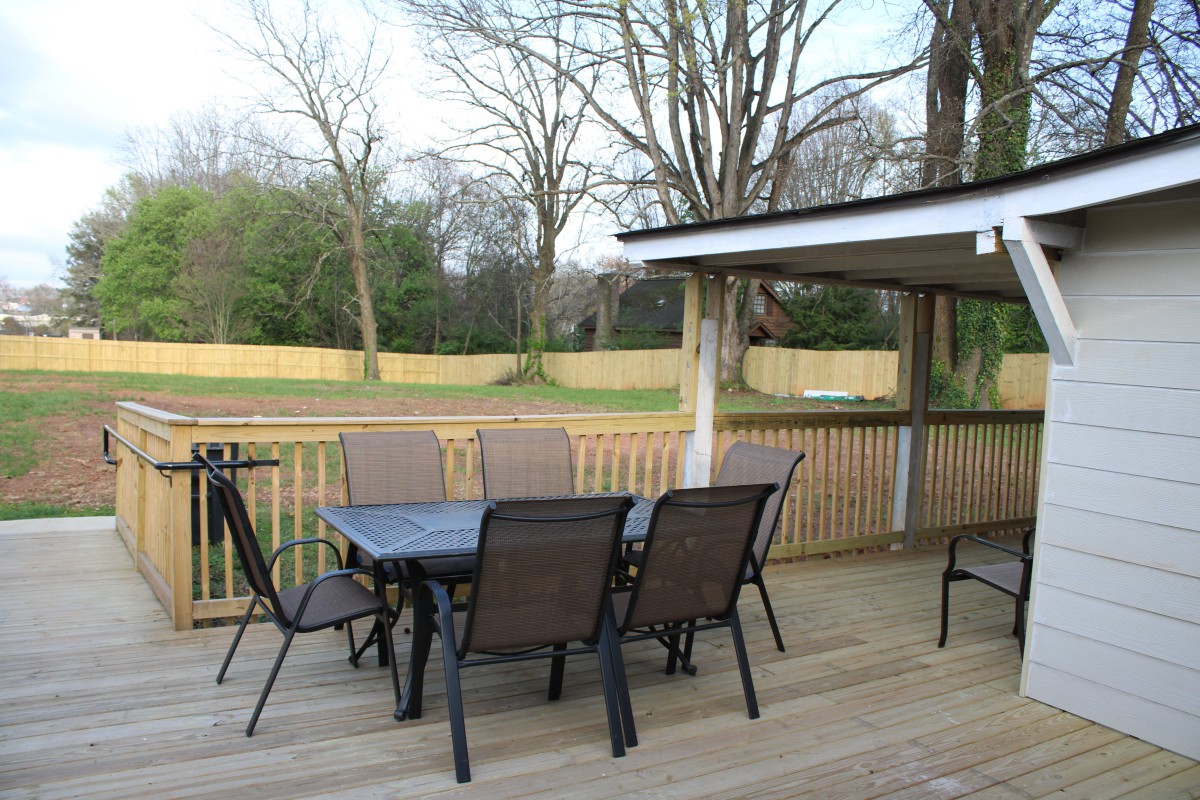
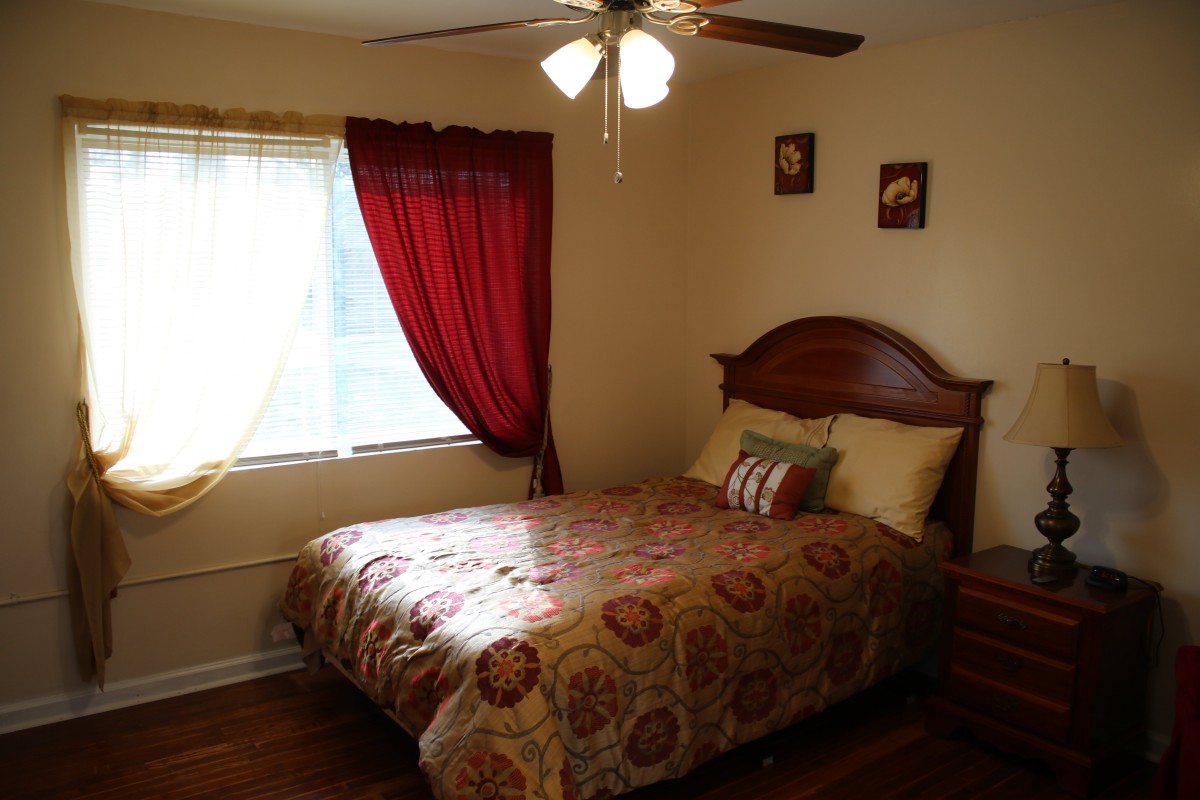
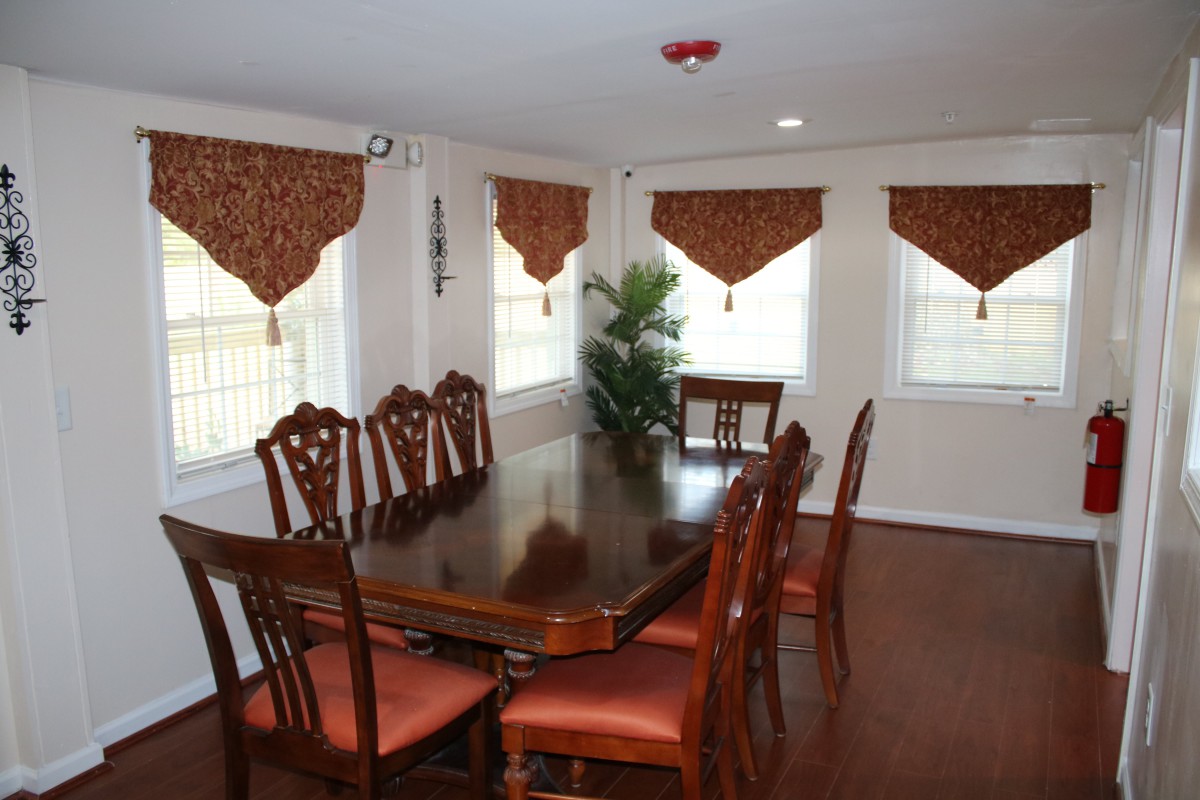
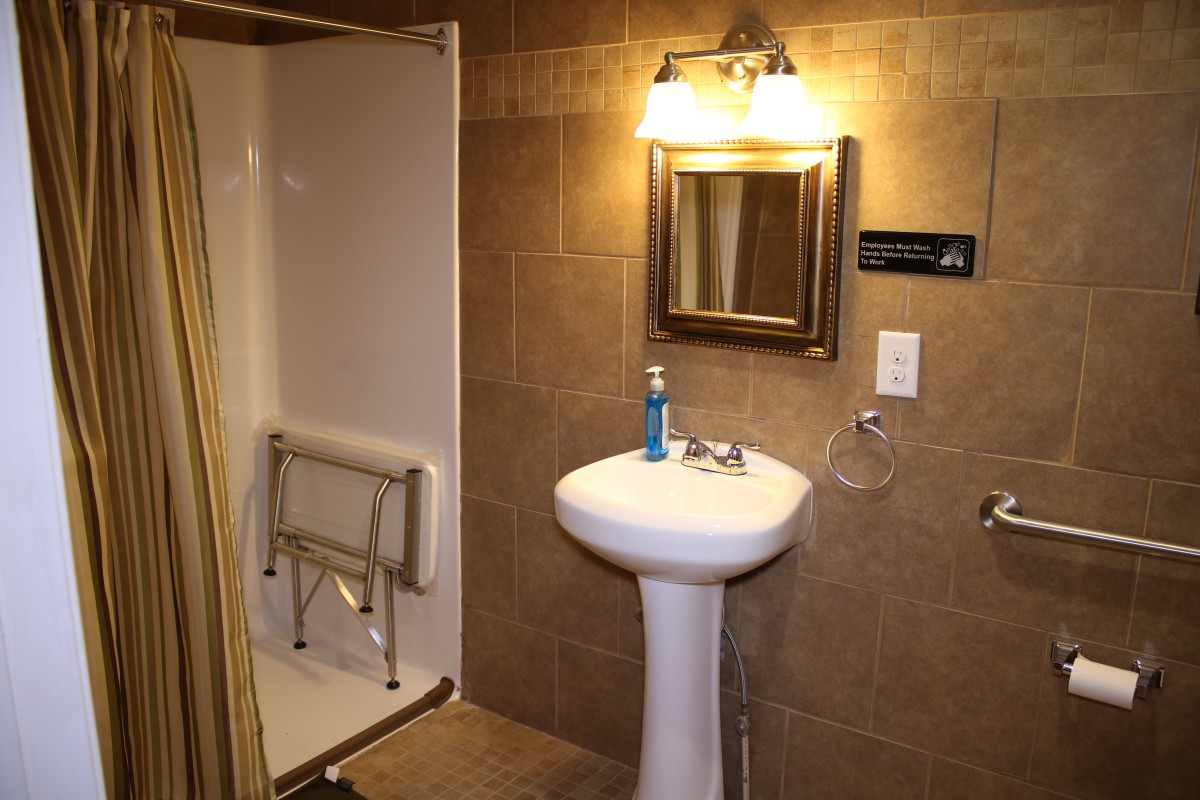
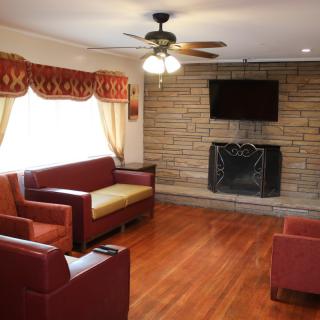
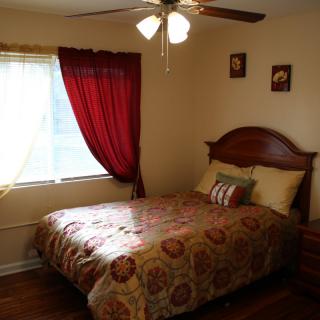
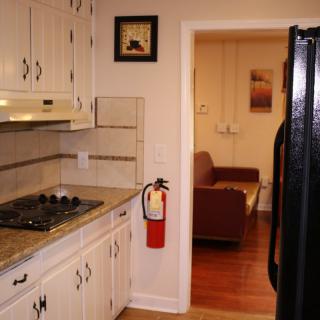
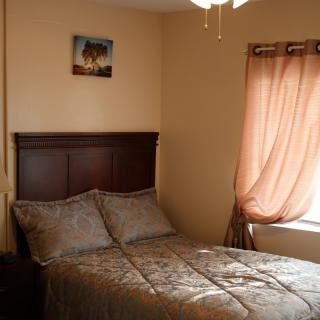
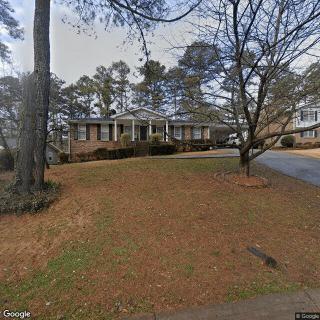
2203 Fellowship Road, Tucker, GA 30084
For more information about senior living options: (866) 208-4318
Hibiscus Manor Costs & Pricing
Hibiscus Manor offers competitive pricing for its residential accommodations, with semi-private rooms available at $2,500 per month, slightly below the average costs of $2,530 in Gwinnett County and $2,529 across Georgia. For those seeking more privacy, the private rooms at Hibiscus Manor are priced at $3,000 per month. While this rate is notably above the county's average of $2,551, it remains somewhat lower than the state average of $2,864. Overall, Hibiscus Manor provides a favorable option for individuals looking for quality care in a cost-effective environment compared to local and statewide alternatives.
| Floor plans | Hibiscus Manor | Gwinnett County | Georgia |
|---|---|---|---|
| Semi-Private | $2,500 | $2,530 | $2,529 |
| Private | $3,000 | $2,551 | $2,864 |
Memory care communities with a similar price nearby
-
from -$400 / mo
Premium Personal Care Home
$2,100 to $2,850 / month23.1 miles away -
from -$400 / mo
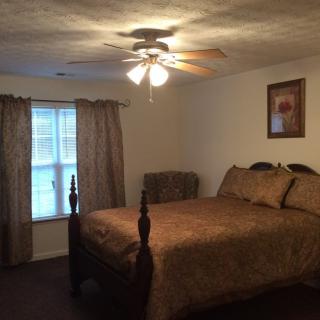
Abiding Care Home
$2,100 / month13.1 miles away -
About the same

A & C Personal Care Home
$2,500 to $4,000 / month9.3 miles away -
About the same
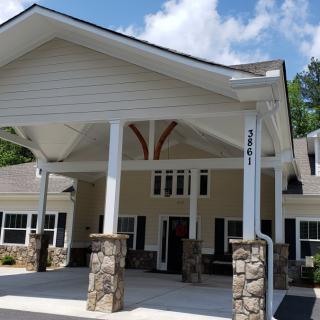
Green Park at Kennesaw
$2,500 to $5,500 / month24.6 miles away -
About the same

Golden Manor Senior Living
$2,500 to $4,445 / month15.3 miles away
Overall Review of Hibiscus Manor
Pros
 The care at Hibiscus Manor Personal Care Home is exceptional.
- The facility is clean, safe, and quiet.
- The staff are thorough, patient, and kind.
- The reviewer couldn't ask for a better place for her mom.
Cons
 The front desk was very rude.
Review
Hibiscus Manor in Tucker, GA is best suited for families seeking a small, intimate personal care setting where daily life centers on a clean, quiet, and safe home atmosphere. The strongest signals from available impressions point to a facility that feels calm and predictable, with residents who can benefit from steady routines. The care dynamic appears to rest on caregivers who are thorough, patient, and kind, providing a tangible sense of reliability for loved ones who require hands-on assistance without feeling institutional. For a senior who prioritizes a homelike feel over a sprawling campus, Hibiscus Manor represents a solid match.
That said, there are clear reasons to consider alternatives. The most notable caveat centers on inconsistent warmth at the front desk and in routine administrative interactions. One account explicitly labels the front-desk experience as rude, which can color the first impression and ongoing logistics of visits, billing, and scheduling. With only two reviews contributing to the overall rating of 3 stars, one strong positive and one negative, the picture is decidedly mixed. Families who place a premium on consistently welcoming front-door service and friction-free administrative communication will want to explore other options to avoid a potential recurring friction point.
On balance, the core positives, cleanliness, safety, and a quiet setting, work well to offset the most salient con of uneven customer service. A safe, orderly environment reduces anxiety for residents and families; it supports stable routines and predictable day-to-day experiences, which are essential for many seniors seeking personal care. The staff’s thoroughness, patience, and kindness directly bolster quality of life, ensuring that basic needs, medications, mobility assistance, and daily activities receive attentive, considerate handling. For families prioritizing dependable care above all else, these strengths can outweigh the drawbacks of a difficult front-desk interaction.
However, the negative side cannot be dismissed lightly. A rude or inattentive front desk can complicate admissions, tours, billing questions, and urgent communications, potentially undermining trust before a resident even settles in. The front-line experience often shapes a family’s overall sense of a community; when that experience is inconsistent, it raises questions about consistency of care and responsiveness across shifts and departments. The limited pool of reviews means this remains a snapshot rather than a robust profile. Prospective residents should probe to confirm whether the administrative tone has improved and whether staff training emphasizes courteous, helpful interactions as vigorously as caregiving.
For families choosing Hibiscus Manor, a practical decision framework is essential. Plan a detailed visit that includes a candid walk-through of daily routines and quiet areas, and observe how staff, including the front desk, greet and assist visitors. Ask to meet with an administrator or the care director to discuss intake processes, care planning, and reporting protocols. Inquire about resident-to-staff ratios during peak hours, the cadence of rounds, and how emergency calls are managed. Clarify what “personal care” encompasses, including daily living support, medication assistance, and any memory-care considerations, and request sample care plans relevant to the prospective resident’s needs. A written outline of fees, deposits, and renewal terms is crucial to avoid surprises.
In the end, Hibiscus Manor offers a concrete benefit for families seeking a calm, clean, and caring home where staff are generally described as thorough and kind. It delivers a meaningful level of personal attention that can translate into tangible safety and daily comfort for a resident who thrives on routine and a serene environment. Yet the front-desk experience matters; if welcoming, responsive administrative service is non-negotiable, or if a family needs consistently seamless interactions from the first inquiry onward, it is wise to compare with other local options that may provide a more uniformly warm front-line experience. For the right resident and family, Hibiscus Manor can be a reliable, comfortable choice; for others, the search should continue until a match on both care quality and customer-service tone is found.
 7 resident community capacity
 Assisted Living
 Board and Care Home
 Memory Care
 Respite Care
 Activities off-site
 Air-conditioning
 Bath tubs
 Beautician on-site
 Cable or satellite TV
 Devotional services off-site
 Dining room
 Fully furnished
 Garden
 Handicap accessible
 Housekeeping services
 Indoor common areas
 Move-in coordination
 Outdoor common areas
 Private
 Private bathrooms
 Small library
 Telephone
 Wheelchair accessible showers
 Wi-Fi/high-speed internet available
 William B Hartsfield-Atlanta International (19 miles away)
 24-hour supervision
 Ambulatory care
 Assistance with bathing
 Assistance with dressing
 Assistance with transfers
 Diabetes diet
 Diabetic care
 High acuity care
 Incontinence care
 Meal preparation and service
 Medication management
 Mental wellness program
 Special dietary restrictions
 BBQs or picnics
 Birthday parties

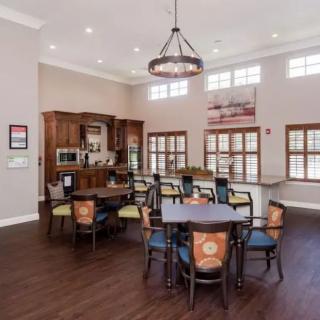
 Five Subtle Dementia Indicators to Observe: An In-Depth Guide to Understanding “Does My Mom Have Dementia?”
 Dementia, Paranoia, and Caregiver Guidance: Understanding the Connection
 Engaging Memory Care Activities That Enhance Quality of Life