
4608 Lawrenceville Highway, Tucker, GA 30084
For more information about senior living options: (866) 208-4318
Overall Review of Meadowbrook Health And Rehab
Pros
 Girls on C-Hall is the best.
- Meadowbrook staff is excellent and very congenial.
- Meadowbrook was very helpful to families seeking admission.
- Meadowbrook offered a double room for two with a TV, which pleased the reviewer.
- The reviewer had no complaints about Meadowbrook.
Cons
 The facility is wholly unsuitable to care for a loved one, aside from a few compassionate CNAs.
- The food was consistently cold.
- Residents unable to reach the restroom were left to sit in their waste for extended periods.
- When concerns or requests were raised, staff were often met with attitudes that treated them as an inconvenience.
- A nurse dismissed the uncle’s feeding struggles by claiming he was receiving physical therapy, which was not the case, and food ended up all over him.
- Without family intervention, the uncle would have starved; feeding tools were provided too late.
- Staff were unprofessional, unkind, and devoid of empathy, and advocates were rarely acknowledged or taken seriously.
- The nurse’s response after the uncle’s death—“I have to be careful what I say to you”—suggested something to hide.
- Meadowbrook is described as horrible: nurses are mean, residents aren’t given enough food or snacks, the environment is dingy, there are no meaningful activities, and understaffing is evident.
Review
Meadowbrook Health And Rehab in Tucker, GA is best suited for families who can stay actively involved in daily care and are prepared to push for visibility and accountability. The reviews suggest a facility that may offer occasional warmth from a small portion of staff, but without constant, hands-on advocacy from family or a designated caregiver, basic needs can slip. This is not a place for residents who rely on steady, compassionate care, reliable feeding assistance, or respectful communication as a baseline. Families should expect to play a central role in monitoring meals, hygiene, and timely responses to calls, because the absence of assertive oversight can quickly become a pattern.
Those weighing Meadowbrook against alternatives should emphasize options with demonstrably reliable staffing, consistently nutritious meals, and a culture of responsiveness. The most serious red flags across accounts are neglect of fundamental needs, including feeding and toileting, along with unprofessional, unsympathetic communication from staff. If a loved one cannot advocate for themselves, or if family oversight cannot be maintained regularly, the risk of deteriorating care rises markedly. For many families, a move to a facility with steadier daily oversight, or a transition to home health support, may deliver a safer, more predictable quality of life.
On the upside, there are moments when care feels more dependable: a subset of CNAs show genuine compassion, and in at least one account the staff were described as congenial and receptive during an admission process. A double-occupancy room was considered acceptable by some, and elements of the environment, where present, felt organized and approachable, suggesting that not all shifts are created equal. These glimpses of positive interaction imply that the right staffing mix and management approach could, in theory, produce consistently better experiences. However, isolated pockets of warmth do not counterbalance the broader pattern of care concerns.
The more troubling threads run through several reviews: meals served cold or inadequately supported for residents who cannot feed themselves, extended waits before basic needs are addressed, and repeated anecdotes of dismissiveness when concerns are raised. The facility is described as dingy by some, with notes about understaffing translating into limited activities and insufficient attention to ongoing care tasks. In one heartbreaking instance, a family member reports witnessing neglect and being met with evasive or evasive-sounding responses from the care team when questions arise. Taken together, the reviews point to a recurring risk: without aggressive family involvement, the resident’s daily life may feel neglected and dehumanizing.
Families evaluating Meadowbrook should plan a thorough on-site assessment that goes beyond a single tour. Observe mealtimes, request to meet front-line caregivers in different shifts, and ask for a current, written care plan with specifics on feeding assistance, skin care, mobility support, and toileting. Inquire about staffing levels across day and night shifts, and demand examples of how concerns are tracked and resolved. If pursuing admission, insist on a structured trial period with clear, measurable expectations, and establish a rapid escalation path if needs are not being met. Documentation, routine follow-up, and a concrete advocate in place will be essential to maintain safety and dignity.
In the end, Meadowbrook is not a default or easy recommendation for families seeking reliable, high-quality long-term care. The most prudent path is to treat it as a facility that could work only with rigorous oversight, strong internal and external accountability, and a clear plan for rapid corrective action when problems surface. For residents with significant dependence in feeding, hygiene, or mobility, alternatives deserve serious consideration, even if that means exploring other local options or combining facility care with home health support. The decision should prioritize safety, consistent nourishment, and respectful treatment as non-negotiables, and proceed only if those guarantees can be secured through proactive, ongoing family involvement and formal care-management measures.
 144 resident community capacity
 Skilled Nursing Facility
 Air-conditioning
 Beauty salon
 Cable or satellite TV
 Computer center
 Dining room
 Fitness room
 Fully furnished
 Gaming room
 Garden
 Housekeeping services
 Kitchenette
 Move-in coordination
 Outdoor space
 Private bathrooms
 Restaurant-style dining
 Small library
 Telephone
 Wellness center
 Wi-Fi/high-speed internet available
 William B Hartsfield-Atlanta International (20 miles away)
 Community operated transportation
 12-16 hour nursing
 24-hour call system
 Activities of daily living assistance
 Assistance with bathing
 Assistance with dressing
 Assistance with transfers
 Diabetes diet
 Medication management
 Mental wellness program
 Special dietary restrictions
 Concierge services
 Planned day trips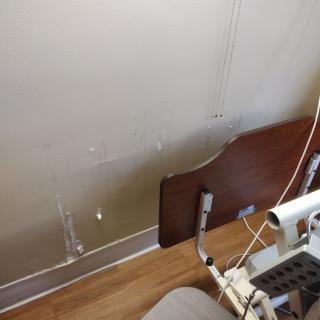





 Is a Geriatric Care Manager the Right Choice for Your Family?
 Compassionate Conversations: How to Comfort Someone Who Is Grieving
 Home Health Care Aides: Understanding Their Role and Supporting Your Family