

4608 Lawrenceville Hwy, Tucker, GA 30084
To contact a resident: (770) 491-9444
For more information about senior living options: (866) 208-4318
Meadowbrook Nursing Home Inc Costs & Pricing
Meadowbrook Nursing Home Inc's monthly cost for a private room stands at $4,350, which significantly exceeds the average expenses in both Gwinnett County and the state of Georgia. In Gwinnett County, the typical cost for similar accommodations is approximately $2,551, while across Georgia, residents can expect to pay around $2,864. This disparity suggests that Meadowbrook may offer enhanced services or amenities that justify its higher pricing. Families considering options for long-term care should weigh these factors carefully alongside financial implications when exploring nursing home facilities in the area.
| Floor plans | Meadowbrook Nursing Home Inc | Gwinnett County | Georgia |
|---|---|---|---|
| Private | $4,350 | $2,551 | $2,864 |
Skilled Nursing Facilities with a similar price nearby
-
from -$455 / mo

Historic Roswell Place
$3,895 to $4,666 / month14.5 miles away -
from -$255 / mo

Atria Park Of Tucker
$4,095 to $4,795 / month1.9 miles away -
from +$300 / mo

Fulton Center for Rehabilitation
$4,650 to $4,826 / month17.8 miles away -
from +$650 / mo

Budd Terrace At Wesley Woods
$5,000 to $6,000 / month8.8 miles away -
from -$638 / mo
Belmont Village Senior Living Johns Creek
$3,712 to $6,116 / month14.6 miles away
Overall Review of Meadowbrook Nursing Home Inc
Pros
 There are a few compassionate CNAs who provide care.
- Girls on C-Hall is described as the best.
- Vee and Ozi are mentioned positively.
Cons
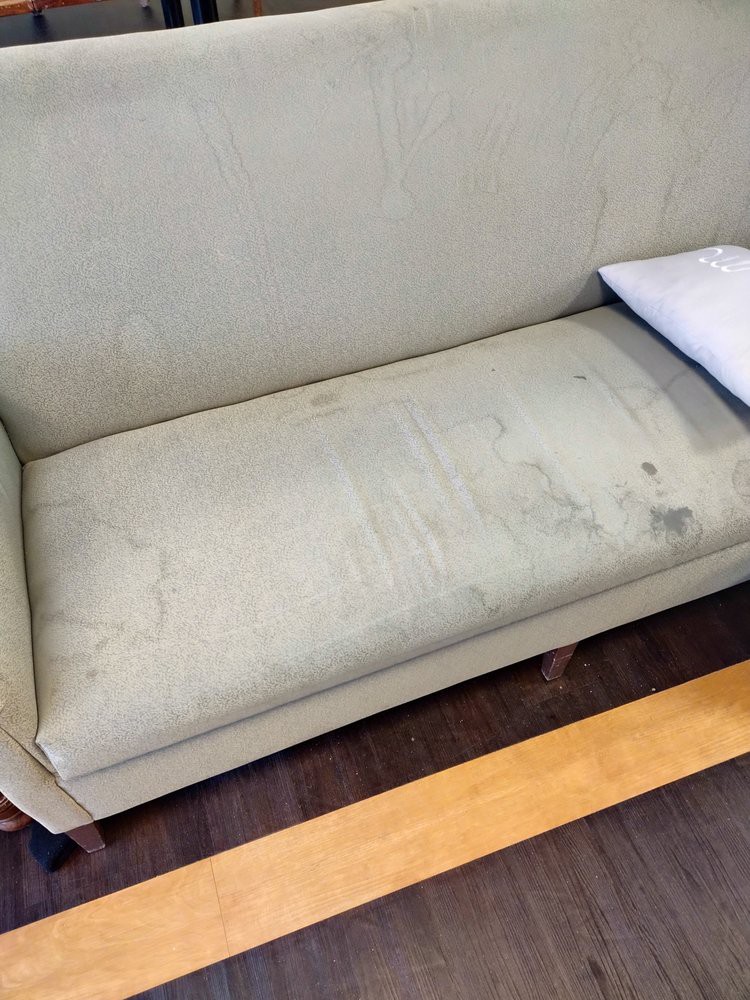
 The facility is wholly unsuitable to care for a loved one, aside from a few compassionate CNAs.
- The food was consistently cold.
- Residents who cannot reach the restroom are left sitting in their waste for extended periods.
- When concerns or requests were raised, staff often treated them as an inconvenience.
- A nurse dismissed the uncle’s difficulty feeding himself by claiming he was receiving physical therapy when he was not.
- There were instances of food being left on the resident while hardly any food was eaten.
- Without family to feed him, he would have starved.
- The nurse’s response about his final moments suggested something to hide, raising deep concern.
Review
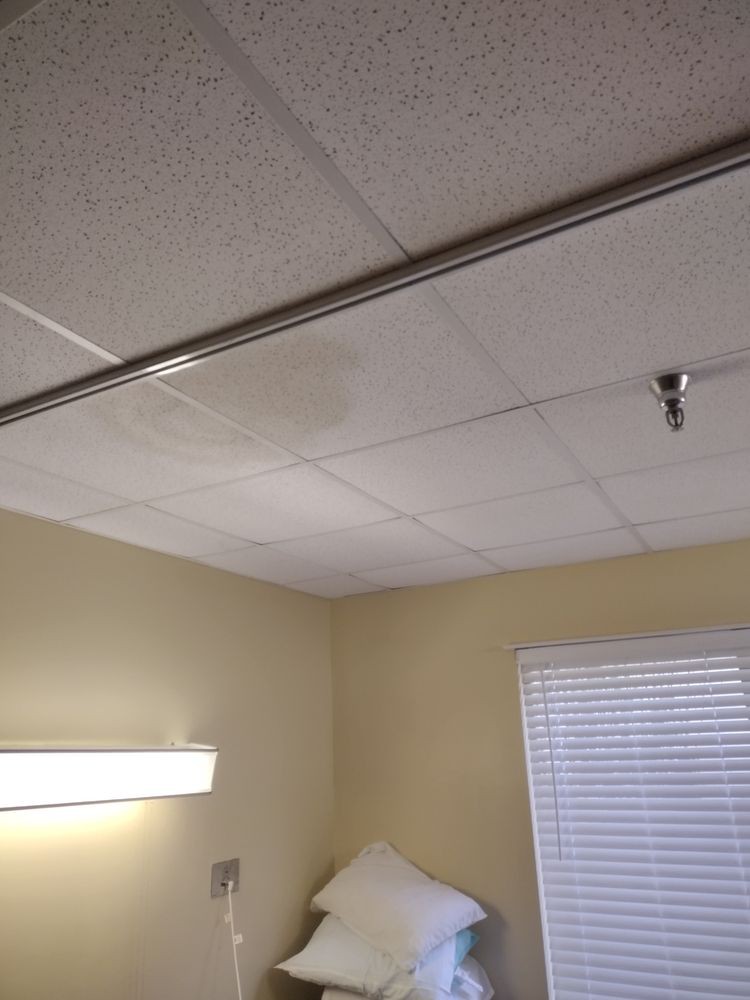
Meadowbrook Nursing Home Inc in Tucker, GA is best suited for a narrow slice of residents: those with very light care needs and families willing to actively supervise and advocate. The evidence points to chronic staffing gaps, limited warmth from most caregivers, and a care ethos that tolerates, even excuses, neglectful lapses. In practice, the model here seems to work only when the resident’s basic safety and dignity do not depend on routine, consistent hands-on assistance. For anyone who relies on timely help with meals, hygiene, mobility, or medical monitoring, this community is unlikely to deliver reliably. The few genuinely caring CNAs mentioned in anecdotes do not compensate for the broader pattern of under-resourcing and reticence from leadership.
Families considering Meadowbrook should actively compare it to facilities with stronger staffing, clearer accountability, and higher standards of resident dignity. Those with loved ones who are ambulatory and largely independent could theoretically tolerate the inconsistencies, but anyone facing feeding struggles, risk of untreated incontinence, or slow responses will want alternatives. Prospective residents must demand transparent care plans, accessible management, and demonstrable improvements before committing. If there is any hesitation about the resident’s safety or emotional well-being, move on to options with proven track records of timely assistance, respectful communication, and consistent meal service.
From a clinical and daily-life perspective, the few positives are outweighed by systemic issues. There are caregivers who demonstrate genuine concern, and there are instances where staff escalate concerns when pressed by family members. When advocacy leads to changes, such as providing practical feeding tools or other supports, it shows that improvement is possible, but it remains inconsistent and often too late. The best-case scenario rests on isolated acts of kindness rather than a reliable, facility-wide pattern. In short, the care environment hinges on sporadic goodwill rather than established processes.
The core failings are documented in persistent, tangible ways: meals arriving cold, residents unable to access the restroom left sitting in waste, and a culture where requests are dismissed or met with unprofessional attitudes. The consequences are not hypothetical; families report watching loved ones deteriorate and feeling dismissed by nurses, doctors, and administration. The most troubling moments involve evasive responses about a resident’s final moments, which signals a troubling lack of transparency and accountability. These patterns erode trust and raise serious questions about safety, dignity, and the ethical obligation to safeguard vulnerable residents. In practical terms, these failures are non-negotiable red flags for any prospective resident.
To proceed with due diligence, ask for specific examples of response times, meal service schedules, and staff-to-resident ratios. Request a current care plan with measurable goals, and insist on regular updates from an administrator or care coordinator. Schedule a first-hand meal observation and a walk-through of bathrooms and common areas. Check recent inspection reports and talk to other families about consistency of care. If any of these checks reveal ongoing gaps, or if staff communication feels hostile or dismissive, reallocate to facilities with stronger commitments to rehabilitation, nutrition, and respectful engagement.
In summary, Meadowbrook Nursing Home Inc is not a strong choice for most families. It may still be considered only in tightly constrained circumstances where oversight can be sustained and where the alternative is even more limited care options. For the majority, the risks to safety, dignity, and timely support outweigh any minor positives. The prudent path is to explore other options with proven staffing reliability, compassionate care, and clear accountability. Start with nearby facilities that publish staffing data, demonstrate prompt responsiveness, and maintain consistently warm, nourishing meals. The decision should prioritize safety, dignity, and peace of mind for both resident and family.
 Skilled Nursing Facility
 Private
 William B Hartsfield-Atlanta International (20 miles away)




 Comprehensive Approaches for Arthritis: A Detailed Guide to Symptoms, Causes, and Care
 Comprehensive Insights and Practical Strategies to Help Older Adults Avoid Falls
 6 Crucial Ways an Elder Law Attorney Assists Families