
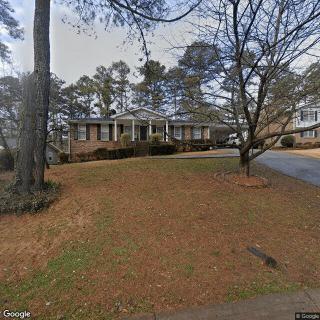
2076 Idlewood Road, Tucker, GA 30084
To contact a resident: (678) 691-1953
For more information about senior living options: (866) 208-4318
The Gardens of Magnolia Trails Phase III Costs & Pricing
The Gardens of Magnolia Trails Phase III offers a competitive monthly rate for its studio accommodations at $1,500, significantly lower than the average costs in Gwinnett County and the broader state of Georgia, which stand at approximately $3,580 and $3,520 respectively. This pricing structure highlights The Gardens as an attractive option for residents seeking quality living arrangements without the premium price typically found in the area. By providing a more affordable alternative, The Gardens of Magnolia Trails Phase III caters to those looking for comfort and community at a fraction of the local cost, making it an appealing choice for individuals and families alike.
| Floor plans | The Gardens of Magnolia Trails Phase III | Gwinnett County | Georgia |
|---|---|---|---|
| Studio | $1,500 | $3,580 | $3,520 |
Assisted Living communities with a similar price nearby
-
About the same
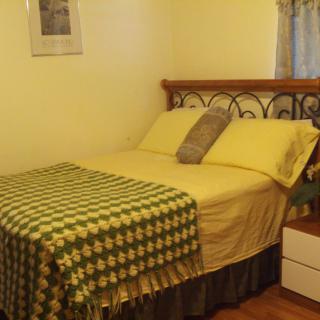
Lend A Hand Personal Care Home
$1,500 to $2,000 / month20.4 miles away -
About the same

Candler Ridge II
$1,500 to $2,000 / month24.0 miles away -
from +$275 / mo

Senior Living At Mercy's Point
$1,775 to $1,875 / month16.1 miles away -
from +$100 / mo
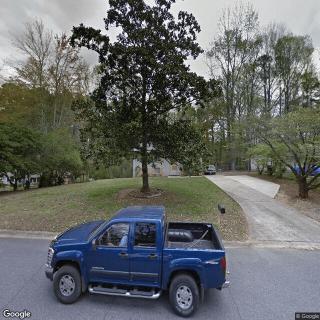
My Care Your Care Home
$1,600 to $1,900 / month23.1 miles away -
from +$146 / mo

Merrill Gardens at Woodstock
$1,646 to $5,595 / month22.4 miles away
Overall Review of The Gardens of Magnolia Trails Phase III
Pros
 The memory care facility is wonderful, and staff are truly caring and proactive with residents.
- The facility is spotless, the meals are delicious, and the environment is comfortable and attractive.
- The staff are warm, friendly, and attentive to residents and their families.
- The park in back is lovely with fruit trees, flowers, and water features.
- Daily activities and holiday festivities engage residents and their families.
- Orchard at Tucker is a beautiful, well-run community with friendly, accommodating staff and a resort-like atmosphere.
- Orchard developers have a long history and fantastic reputation for providing support for seniors in safe, extremely comfortable surroundings.
Cons
 One reviewer notes that all the good reviews were from over five years ago and claims the facility has gone downhill since the current ownership took over.
- Another reviewer says their mother did not receive adequate care, alleging staff negligence.
- They report occasions when no staff member could be found in the building, with only the front desk personnel present.
- They describe cosmetic issues, including an unrepaired awning for at least a year and dumpster-area doors in disrepair, which may leave a bad first impression.
- They criticize ongoing staff turnover, stating that caregivers do not stay long.
- They complain that the front desk is not staffed 24/7 and that contacting the facility by phone is a nightmare.
Review
This community is best suited for families seeking a memory-care oriented assisted living that feels like a warm, well-staffed home in which daily life centers on meaningful activity and personal connection. The Gardens of Magnolia Trails Phase III in Tucker earns its strongest endorsement from families that value a lively activities calendar, consistently attentive staff, and a culture that treats residents as individuals. It works especially well for residents who flourish with structured routines, regular exercise, social engagement, and dependable meals in a clean, welcoming environment. Those whose loved ones require highly predictable clinical oversight, or who insist on a single, unwavering brand of governance across all shifts, may want to consider alternatives.
The core strengths lie in the caregiving ethos and the daily lived reality inside the community. Reviews repeatedly spotlight staff who are warm, proactive, and genuinely attached to residents, with particular praise for how memory care is managed and how caregivers partner with families. The presence of an on-site hairdresser, accessible exercise classes, and a full slate of activities adds tangible value, making the environment feel active rather than merely supervised. When the staff channels care into consistent routines and personal attention, families report safety, comfort, and a sense of true home for their loved ones. That level of human connection often offsets ordinary anxieties about aging in place and supports continuity of care.
But the experience is not without its friction points. Several reviews chart a tension between the strong, resident-centered care and the realities of change in leadership and operations. At times, the positives are tempered by concerns about ownership transitions and staffing stability, which can translate into uneven experiences across shifts or days. Cosmetic maintenance issues, such as non-urgent repairs or attention gaps, appear as collateral reminders that this is a complex, living operation. While these factors do not erase the care quality, they do influence consistency and predictability, especially when family members rely on steady communication and rapid problem resolution.
Leadership clarity emerges as a decisive variable. The executive team has been described as deeply committed to elevating care, with specific praise for executives who engage families, set clear expectations, and drive tangible improvements in resident well-being. Yet the same corpus of reviews also notes periods when turnover and reorganizations disrupted steady operations. The contrast matters: stable, proactive governance tends to amplify the already strong caregiving culture, while instability can dull the reliability families crave when navigating decline in a loved one’s condition. In practical terms, this means that future residents benefit most when leadership continuity is verified and matched with a transparent, responsive care team.
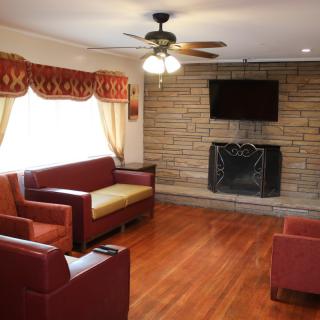
Environment and programming stand out as practical anchors for decision-making. The facility’s upkeep is repeatedly described as spotless, with an appealing back area that includes nature features. The daily schedule, holiday events, and resident-centric entertainment contribute to a vibrant atmosphere that many families associate with a higher quality of life for their loved ones. Cleanliness, an inviting dining experience, and thoughtfully designed common spaces support social interaction and independence where possible. These tangible positives help offset concerns about staffing gaps, but they do not fully neutralize the risk of uneven care if leadership or staffing levels shift unexpectedly.
For families weighing alternatives, the message is practical and focused. If stability, consistent communication, and a uniformly high level of oversight are non-negotiables, it may be wise to explore other nearby options or to verify the current ownership and management trajectory in detail. Orchard at Tucker, cited in community discussions as a benchmark for flexibility and attentive caregiving, represents a meaningful reference point, an example of how some families respond to the right mix of leadership, staff engagement, and resident-centered programming. However, experiences vary by day and by staff, so any alternative should be evaluated with current on-site observation, conversations with multiple team members, and direct feedback from several families.
In the end, the decision rests on aligning loved ones’ care priorities with the community’s strengths while acknowledging the caveats. The Gardens of Magnolia Trails Phase III offers a compelling combination of compassionate caregivers, engaging programming, and a home-like atmosphere that many families will deeply value. The caveats, ownership transitions, staffing consistency, and occasional cosmetic or operational gaps, call for due diligence: ask about current leadership stability, verify staff-to-resident ratios, tour at different times of day, and request candid conversations with front-line caregivers and residents’ families. With those checks, the option can become a clear, well-supported choice for those prioritizing warmth, activity, and memory-care expertise.
 Assisted Living
 Activities on-site
 Devotional services off-site
 Indoor common areas
 William B Hartsfield-Atlanta International (19 miles away)
 Ambulatory care
 Diabetic care
 Meals provided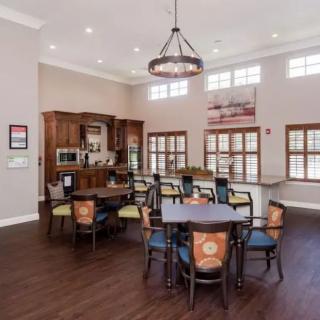



 Understanding the Distinctions: Assisted Living and Memory Care Explained
 Guiding Elderly Parents Who Refuse Assisted Living: 6 Practical Steps
 Your Comprehensive Guide to Luxury Assisted Living: Elevated Facilities, Amenities, and Costs