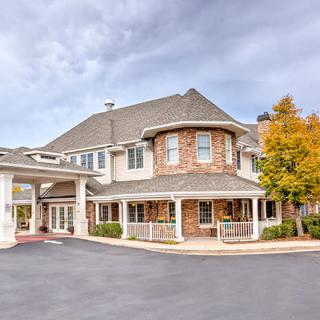
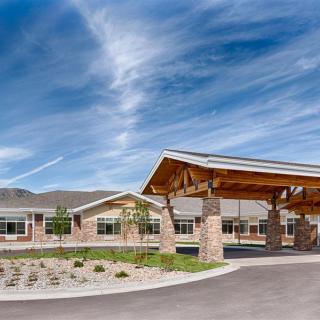
Lark Springs in Colorado Springs, CO

Save

  • Interior

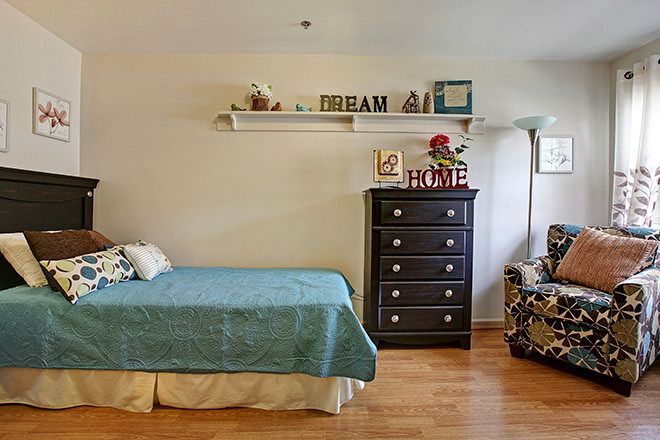
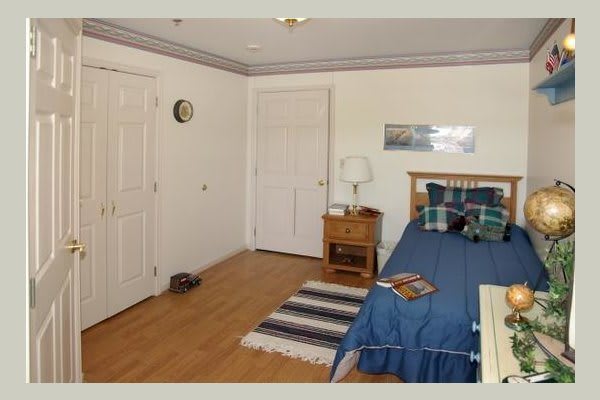
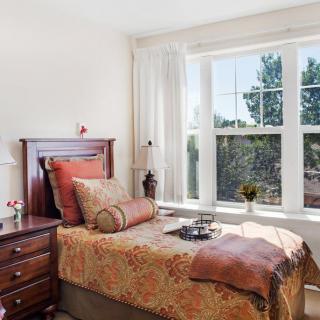
    A cozy bedroom with a wooden floor, featuring a neatly made bed with blue bedding, a nightstand with a lamp, and a striped rug.
  • Outdoors

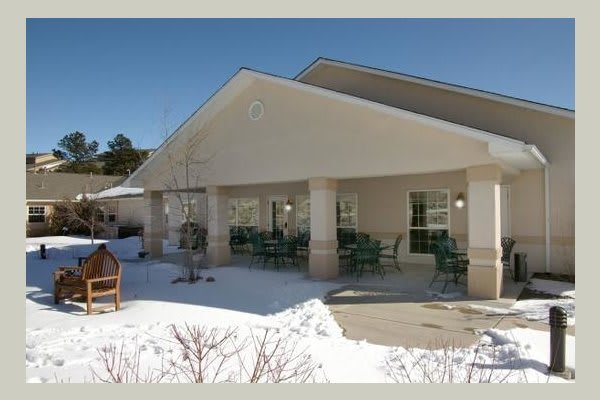
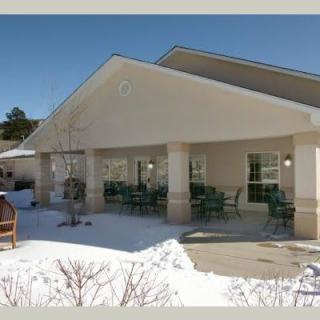
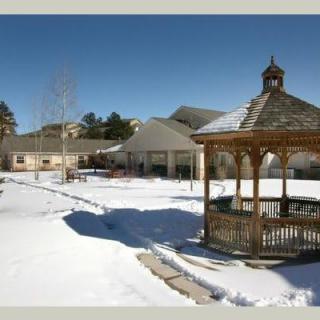
    A building with a covered seating area surrounded by snow in a sunny winter setting.
  • Decor

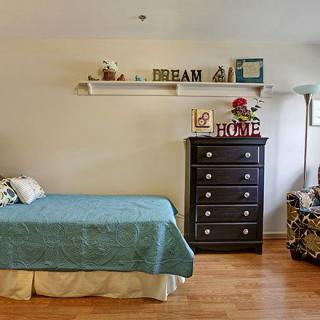
    A cozy bedroom featuring a single bed with a blue cover, shelves adorned with decorations, and a black chest of drawers.
  • Living Room

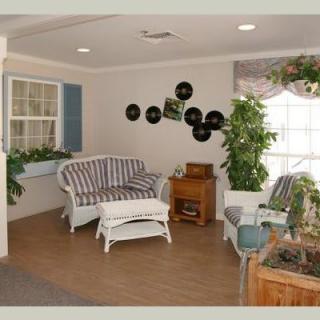
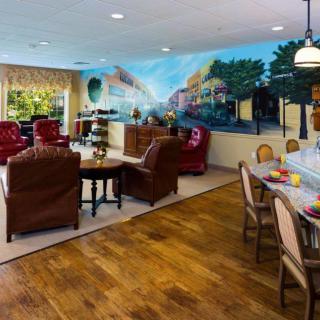
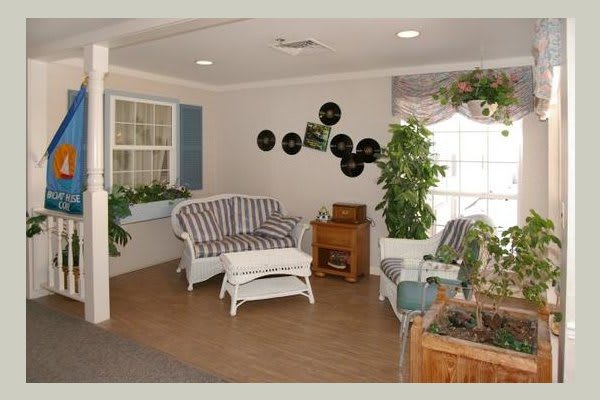
    A cozy living room with vintage decor, featuring a striped sofa, record-themed wall art, and abundant indoor plants.
  • Building

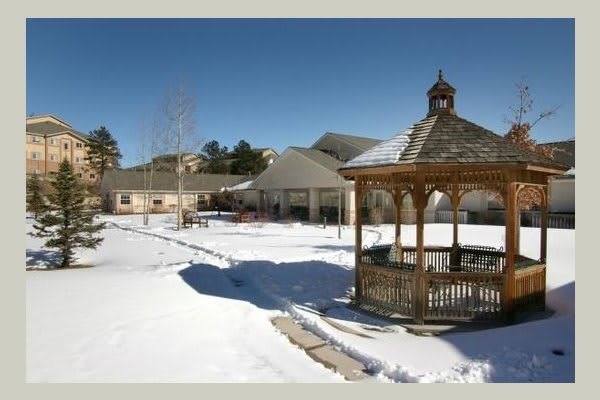
    A snow-covered landscape featuring a wooden gazebo and buildings in the background.
  • Trees

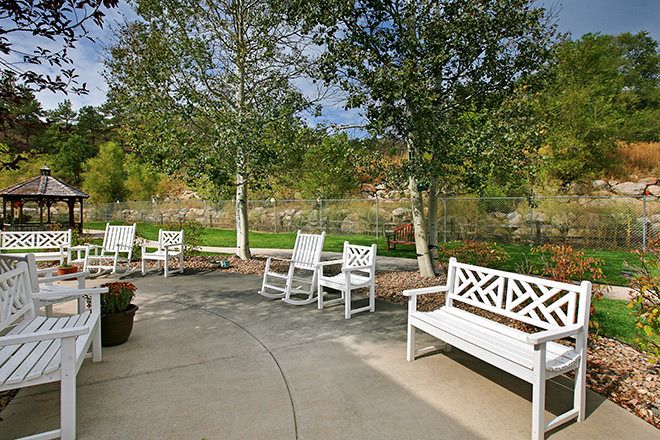
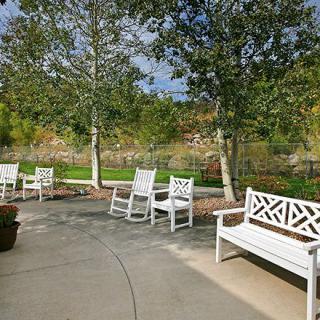
    A serene outdoor garden area featuring white benches and chairs along a curved pathway surrounded by lush trees.
  • Windows

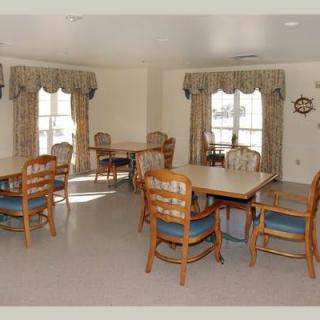
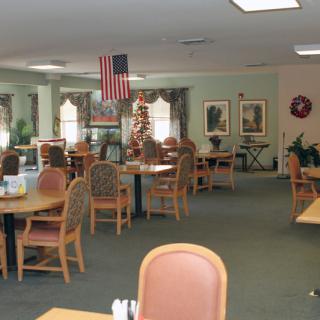
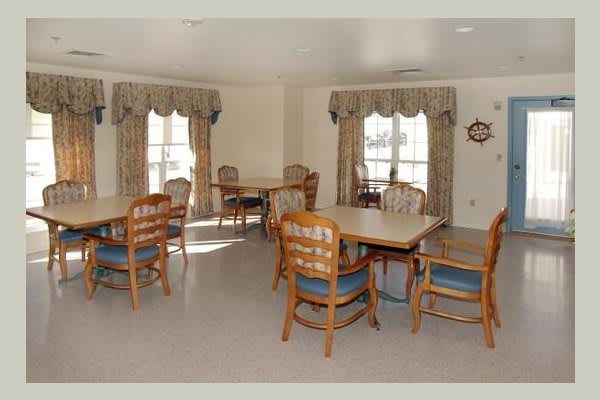
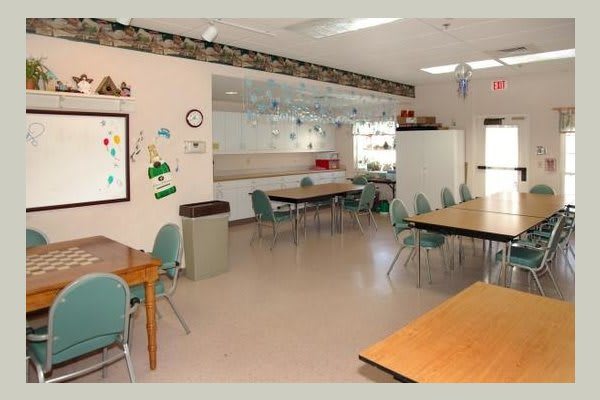
    A spacious dining area with multiple tables and chairs, featuring large windows with curtains.
  • Landscaping

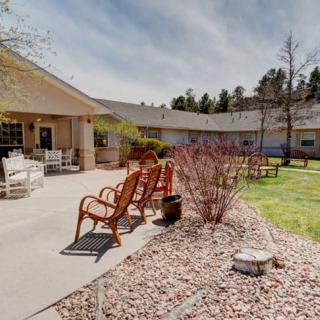
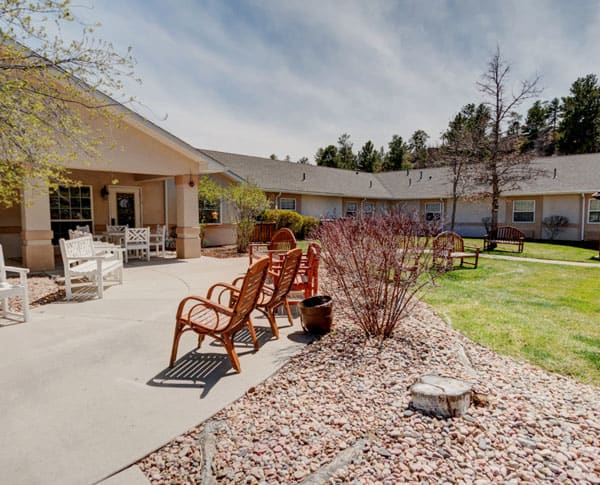
    A peaceful patio area with wooden chairs overlooking a garden, adjacent to a building under a clear sky.
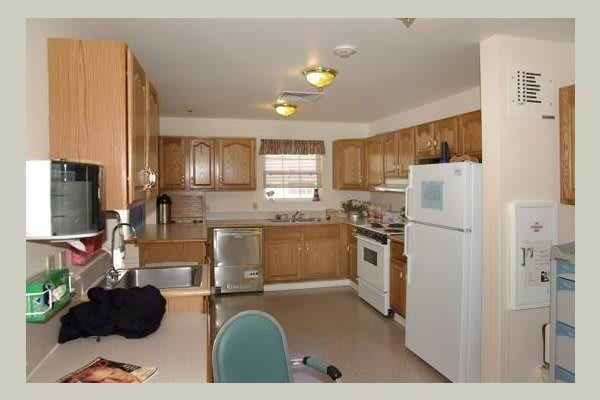
  • Kitchen

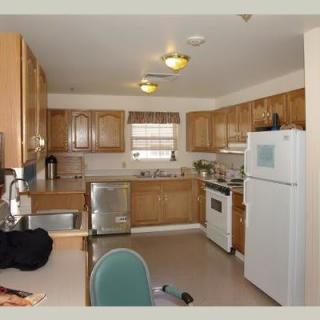
    A cozy kitchen with wooden cabinets, featuring an oven, refrigerator, sink, and various appliances.
  • Artwork

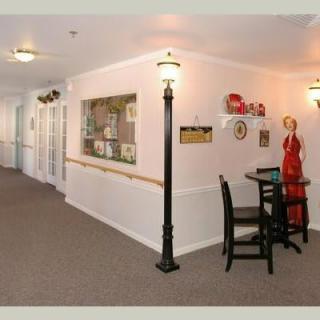
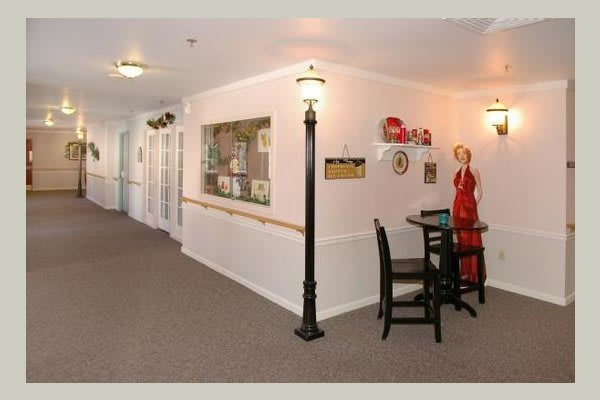
    A warmly decorated hallway featuring artwork, furniture, and a floor lamp.
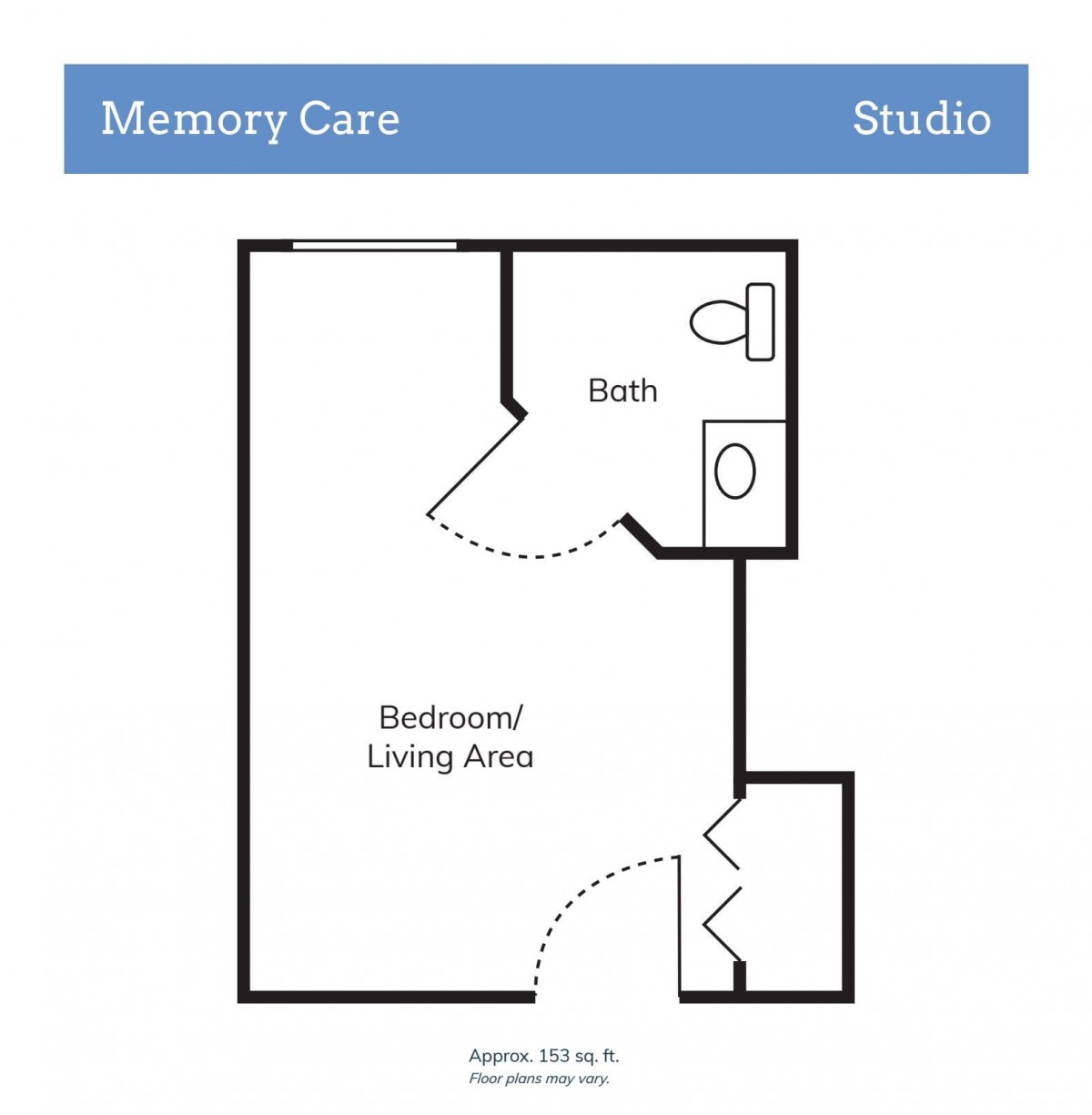
  • Floor Plan

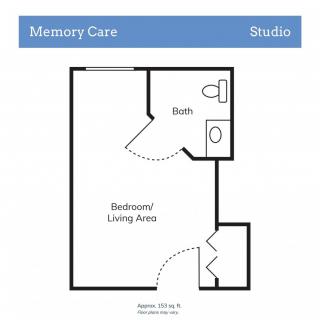
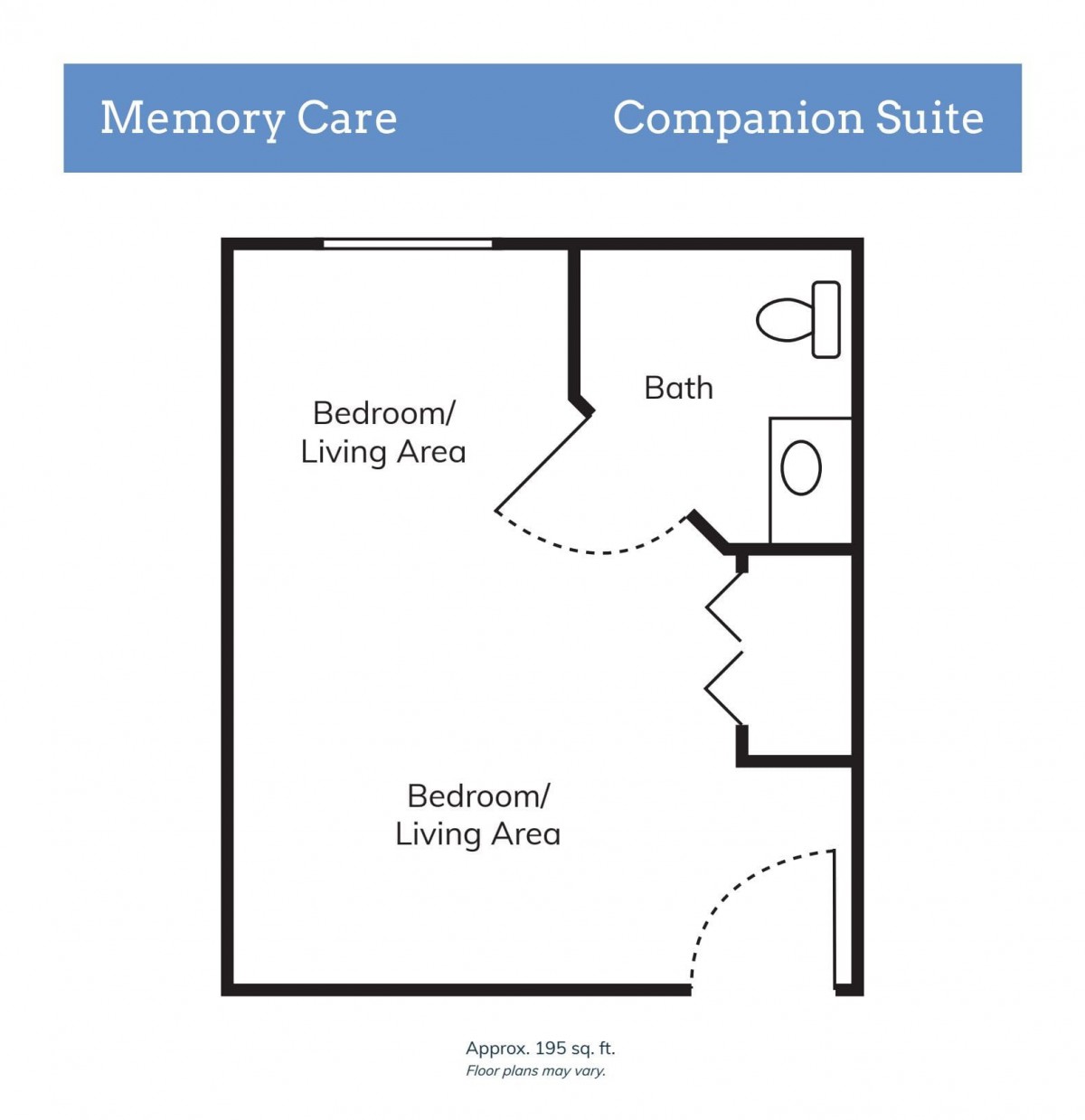
    Floor plan of a memory care studio apartment with labeled areas for the bathroom and bedroom/living area.
  • Conference Room

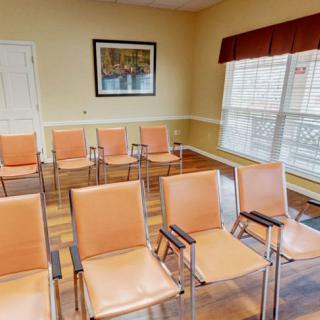
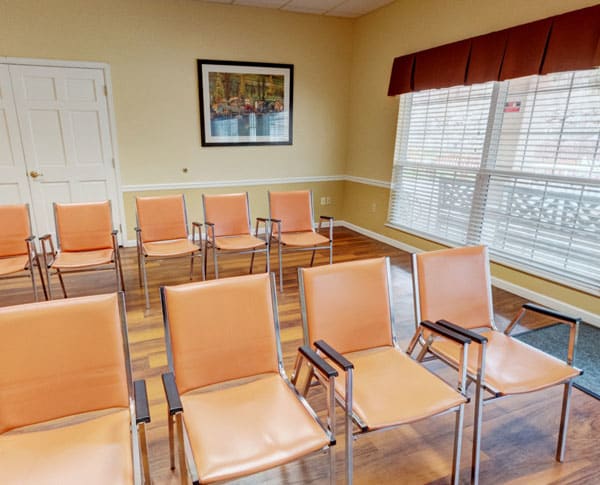
    A small meeting room with neatly arranged chairs and a large window.
  • Bright Lighting

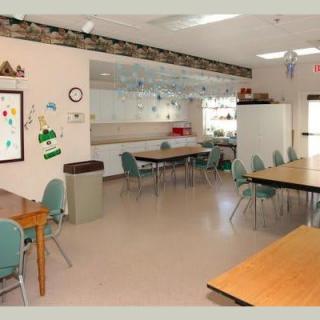
    An empty classroom with tables and chairs arranged neatly, decorated walls, and bright lighting.
  • Meeting Room

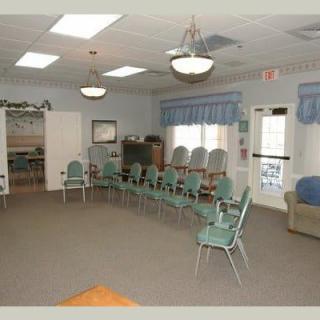
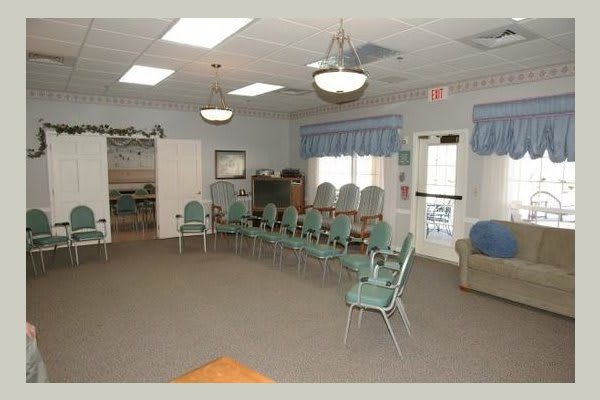
    An empty meeting room with chairs arranged in a circle.

Lark Springs in Colorado Springs, CO

2850 North Academy Boulevard, Colorado Springs, CO 80917

For more information about senior living options: (844) 490-3973

3.9 from 74 reviews
5 stars
39
4 stars
14
3 stars
8
2 stars
2
1 stars
11

Assisted Living Memory Care Respite Care

Lark Springs Costs & Pricing

At Lark Springs, the costs reflect a competitive yet thoughtful approach to senior living. For a semi-private room, residents can expect to pay $3,525 per month, which is notably lower than both the El Paso County average of $4,029 and the broader Colorado state average of $4,009. In contrast, the pricing for studio rooms at Lark Springs is set at $4,450, exceeding the county's average of $3,458 but remaining close to the state average of $4,090. This pricing strategy suggests that while Lark Springs offers appealing options for those seeking semi-private accommodations at a more accessible rate compared to its regional counterparts, it positions its studio offerings on the higher end of the spectrum, presumably reflecting an enhanced level of service or amenities offered in these private settings. Overall, Lark Springs appears to balance quality and affordability effectively within its market context.

Floor plansLark SpringsEl Paso CountyColorado
Semi-Private$3,525$4,029$4,008
Studio$4,450$3,458$4,088

What level of care are you interested in?

Assisted Living

Memory Care

Independent Living

Skilled Nursing Facility

Continuing Care Retirement Community (CCRC)CCRC

Other


Request a tour at Lark Springs

    Overall Review of Lark Springs

    Pros

    • pro The facility is clean, beautiful, and well maintained.
    • pro The staff are friendly, patient, and dedicated to doing their jobs well.
    • pro It feels like a small, homey environment for the residents.
    • pro The new owner is credited with turning Lark Springs into one of the best facilities in Colorado Springs.
    • pro The outdoor space, including the courtyard with bunnies, is unmatched in the area.
    • pro Rooms can be fully decorated by families to create a home-like setting.
    • pro Caregivers and nurses are described as caring, compassionate, and highly knowledgeable.
    • pro The community is active and engaged, with ongoing activities and a full-time activity director.
    • pro The facility offers privacy and comfort, including spa-like showers and right-sized rooms.
    • pro The atmosphere is bright, safe, and well kept.
    • pro The staff are supportive in helping with admissions, approvals, and getting residents settled.
    • pro The staff and management are described as kind and dedicated to residents' well-being.

    Cons

    • pro Bed bugs were present, and management was accused of treating residents with no respect.
    • pro The rooms were filthy despite claims of daily housekeeping.
    • pro High staff turnover was said to negatively affect care and overall service.
    • pro The cost was described as high, with activities and engagement appearing lacking.
    • pro Communication with families was inconsistent, leaving them feeling excluded from the care team.
    • pro The environment was described as depressing, with residents wandering unsupervised and safety concerns.
    • pro Front office staff and the head of nursing were labeled as uncaring and rude.
    • pro The rooms felt hospital-like and not homey.
    • pro It was alleged that management does not conduct thorough background checks on staff.

    Review

    Lark Springs is best suited for families seeking a memory-care focused, small-park style community where dementia care is the top priority and a home-like environment is deliberately cultivated. The campus projects a bright, renovated feel with clean, well-kept interiors and a courtyard that invites residents to stroll or linger, often with comforting touches like a few friendly rabbits. It appeals to households who want hands-on, attentive staff who know residents by name and who value secure, contained spaces that minimize elopement risk while preserving a sense of normal daily life. Those prioritizing Medicaid eligibility, broader assisted-living options, or a more expansive activity calendar may want to consider alternatives.

    The strongest cases for Lark Springs rest on the care philosophy and the lived reality of daily life there. Families repeatedly note staff who are genuinely engaged, patient, and able to respond in meaningful ways when dementia creates daily challenges. The setting itself reinforces this: a smaller, memory-care oriented footprint with protected outdoor spaces, rooms that can be personalized, and an atmosphere that often feels safe and intimate rather than institutional. Renovations and ongoing updates have modernized common areas and amenities, contributing to a welcoming feel that supports residents' dignity and familiar routines, while the presence of a full-time activity director in some shifts helps sustain meaningful engagement.

    Yet the community has visible drawbacks that families must weigh. High turnover can disrupt continuity of care, and several reviews flag inconsistent communication with families and slow or uneven responsiveness from administrative staff. Expense is another reality, with some families feeling the price point does not fully align with perceived value, especially when concerns about housekeeping, room cleanliness, and timely updates surface. Instances of bed bugs and other cleanliness-related complaints appear in a minority of reports, tempering the otherwise warm impressions of care and environment. On balance, these cons do not negate the care quality, but they do challenge the predictability families expect from a steady care team.

    As a memory-care provider, Lark Springs tends to deliver on safety and specialized supervision. The facility is described as secure and well-suited to residents with dementia, with staff who are capable of managing wandering risks and coordinating care with families and external providers. Several reviews highlight the strength of the caregiving core - hands-on aides and nurses who know procedures, reinforce routines, and provide compassionate support during challenging days. The memory-care design - lock-down features, private rooms when available, and clear sightlines - helps reduce stressful triggers for residents while enabling staff to monitor needs more effectively. However, the episodic staffing gaps can temper this strength, so consistency remains the critical question for families.

    Activity and lifestyle offerings swing with staffing and budget realities. When fully resourced, the community presents a lively rhythm: regular programming, outings, and opportunities for residents to participate in activities that fit their interests, including cooking, music, brain games, and social events. Outdoor spaces are repeatedly praised, offering a pleasant backdrop for daily movement and sun exposure. On slower days, however, activity levels can feel uneven, and some reviewers report limited opportunities or a perception of underutilized programming. Prospective residents should verify the current activity lineup and the schedule with the specific wing and staff assignment to gauge how well the day-to-day life matches expectations.

    For families choosing where to place a loved one with dementia, Lark Springs offers a compelling combination of care intent, environment, and security, with clear strengths in caregiver commitment and a homelike setting. It is a strong fit for those who want a memory-care specialty that emphasizes safety, personalized attention, and a bright, navigable campus. Alternatives are worth considering for those who require broader assisted-living options, more consistent administrative communication, or cost structures that align with tighter budgets and Medicaid eligibility. Before deciding, families should tour with a focused checklist: inquire about current nurse-to-resident ratios, verify housekeeping and room-cleanliness practices, test the responsiveness of the care team to non-emergent questions, confirm the presence and stability of the activity program, and request a sample care plan that reflects the resident's daily routines and dietary needs. In short, Lark Springs is a solid choice for dementia-focused care in a warm, cared-for setting, provided expectations are aligned with the realities of staffing and cost.

    Features

    Housing

    • 76 resident community capacity 76 resident community capacity

    Types of Care

    • Assisted Living Assisted LivingAssisted living facilities provide crucial support and care for seniors who may need help with daily tasks such as medication management, bathing, and meal preparation. These communities offer a safe and comfortable environment where seniors can maintain their independence while receiving the assistance they need to thrive in their golden years.
    • Memory Care Memory CareMemory care is crucial for seniors as it provides specialized support and services for individuals with dementia or Alzheimer's disease. These programs offer a safe and secure environment where residents receive personalized care, cognitive stimulation, and help with daily activities. Memory care helps seniors maintain their independence, quality of life, and dignity while also providing peace of mind for their families.
    • Respite Care Respite CareRespite care provides temporary relief for caregivers, allowing them to recharge and attend to their own needs. It also gives seniors the opportunity to socialize, receive professional care, and experience a change of scenery, promoting overall well-being and reducing feelings of isolation.

    Amenities

    • Air-conditioning Air-conditioningAir conditioning is important for seniors as they are more vulnerable to heat-related illnesses and may have underlying health conditions that make it difficult for them to regulate their body temperature. It helps to keep them comfortable, safe, and healthy in hot weather.
    • Beautician on-site Beautician on-siteHaving a beautician on-site at a senior living community is important for seniors as it allows them to easily access grooming and personal care services, boosting their self-esteem and overall well-being. It also provides convenience and helps seniors maintain their sense of independence and personal style.
    • Beauty salon Beauty salonBeauty salons are important for seniors because they provide a space for them to feel pampered, socialize, and maintain their personal grooming and hygiene. Regular visits to a beauty salon can help boost seniors' self-esteem and overall well-being.
    • Cable or satellite TV Cable or satellite TVCable or satellite TV is important for seniors because it provides entertainment, news, and companionship, helping to combat loneliness and boredom. It also offers a wide range of programming options tailored to different interests and preferences.
    • Computer center Computer centerA computer center is essential for seniors as it provides access to technology, communication tools, and resources that can enhance their daily lives. It allows them to stay connected with loved ones, engage in online activities, and learn new skills, ultimately promoting socialization and mental stimulation.
    • Dining room Dining roomDining rooms are important for seniors as they provide a space for socialization, connection, and nutritious meals. They offer opportunities for residents to bond over shared meals, foster a sense of community, and promote healthy eating habits. Dining rooms also ensure that seniors have access to well-balanced meals tailored to their dietary needs and preferences.
    • Fitness room Fitness roomHaving a fitness room in a senior living community is essential for seniors to stay active, maintain their physical health, and improve their overall well-being. Regular exercise can help prevent falls, reduce the risk of chronic diseases, and promote mental sharpness. It also provides social opportunities for residents to connect with others and enjoy a sense of community.
    • Fully furnished Fully furnishedFully furnished senior living communities are important for seniors because they provide convenience, comfort, and a hassle-free moving experience. Seniors can easily settle into their new living space without the stress of having to buy and move furniture. This allows them to focus on enjoying their new home and community.
    • Gaming room Gaming roomGaming rooms are important for seniors as they provide a fun and engaging environment for socializing, cognitive stimulation, and physical activity. Games can improve memory, problem-solving skills, and overall mental well-being while fostering friendships and reducing feelings of isolation.
    • Garden GardenGardens are important for seniors as they provide a peaceful and therapeutic environment for relaxation, physical activity, and socialization. Being in nature has been shown to reduce stress, improve mood, and promote overall well-being. Gardens also offer opportunities for seniors to engage in gardening activities, which can improve mobility, flexibility, and cognitive function. Additionally, gardens create a sense of community and connection with others who share a passion for plants and outdoor spaces.
    • Housekeeping services Housekeeping servicesHousekeeping services are important for seniors because they help maintain a clean and safe living environment, promote independence, and reduce the risk of accidents or illnesses. Additionally, having assistance with household chores can alleviate physical strain and allow seniors to focus on other aspects of their well-being.
    • Indoor common areas Indoor common areasIndoor common areas are crucial for seniors as they provide a space for socialization, recreation, and community engagement, promoting overall well-being and reducing feelings of isolation and loneliness.
    • Kitchenette KitchenetteKitchenettes are important for seniors living in senior living communities because they provide the convenience and independence of being able to prepare simple meals and snacks in the comfort of their own living space. This can help promote a sense of autonomy and well-being for seniors, allowing them to maintain some level of control over their dietary choices and daily routines.
    • Move-in coordination Move-in coordinationMove-in coordination is important for seniors because it helps ease the transition into their new living environment. It ensures that all logistics, such as packing, organizing movers, and setting up utilities are taken care of, allowing seniors to focus on settling in and adjusting to their new home. Having a smooth move-in process can alleviate stress and anxiety, making the transition smoother and more enjoyable for seniors.
    • Outdoor common areas Outdoor common areasOutdoor common areas are important for seniors as they provide a space for socialization, physical activity, and relaxation. Being outside in nature can improve mood and overall well-being, while also encouraging movement and engagement with others. These spaces can help combat feelings of isolation and promote a sense of community among residents.
    • Outdoor space Outdoor spaceOutdoor spaces are important for seniors as they provide opportunities for physical activity, social interaction, exposure to natural light and fresh air, and a sense of connection to nature. Having access to outdoor spaces can improve overall well-being and quality of life for older adults living in senior communities.
    • Private bathrooms Private bathroomsPrivate bathrooms are important for seniors in senior living communities because they provide independence, dignity, and comfort. Having a private bathroom allows seniors to maintain their personal hygiene routines without the need for assistance, promoting a sense of autonomy and privacy. Additionally, private bathrooms help prevent the spread of infections and provide a safe and clean environment for seniors to navigate safely.
    • Respite or short term stays offered Respite or short term stays offeredRespite or short term stays provide seniors with a temporary solution when their regular caregiver is unavailable, offering them the opportunity to receive additional care and support during times of need, while also giving caregivers a chance to rest and recharge.
    • Restaurant-style dining Restaurant-style diningRestaurant-style dining is important for seniors because it allows them to enjoy delicious, nutritious meals in a social and upscale setting. This enhances their dining experience, promotes healthy eating habits, and fosters socialization with fellow residents, ultimately contributing to their overall well-being and quality of life.
    • Small library Small librarySmall libraries are important for seniors as they provide access to a variety of reading materials, including books, newspapers, and magazines. This can help stimulate their minds, keep them engaged, and provide a sense of community through book clubs and other social activities. Additionally, reading has been shown to improve cognitive function and overall mental well-being in older adults.
    • Telephone TelephoneTelephones are important for seniors as they provide a lifeline for communication with loved ones, emergency services, and healthcare providers. They offer a sense of security and independence, enabling seniors to stay connected and access assistance when needed.
    • Wellness center Wellness centerWellness centers are important for seniors because they offer a variety of programs and services that promote physical, mental, and emotional well-being. These centers provide opportunities for exercise, socialization, education, and relaxation, helping seniors maintain their overall health and quality of life.
    • Wi-Fi/high-speed internet available Wi-Fi/high-speed internet availableWi-Fi/high-speed internet is important for seniors to stay connected with loved ones, access online resources, and participate in virtual activities to combat feelings of loneliness and isolation. It also allows them to easily manage healthcare needs, access entertainment, and engage in lifelong learning opportunities.

    Transportation

    • City of Colorado Springs Muni (6 miles away) City of Colorado Springs Muni (6 miles away)
    • Community operated transportation Community operated transportationCommunity operated transportation is crucial for seniors as it provides them with the means to access essential services, social activities, and medical appointments. It allows seniors to maintain their independence and quality of life by ensuring they can participate in activities outside of their homes. Additionally, community-operated transportation services offer a safe and reliable way for seniors to travel without having to rely on family or friends for assistance.
    • Transportation arrangement Transportation arrangementTransportation arrangements are crucial for seniors as they may face challenges with driving, mobility, or access to public transportation. Having reliable transportation services ensures that seniors can easily attend appointments, social activities, and maintain their independence and quality of life.
    • Transportation arrangement (non-medical) Transportation arrangement (non-medical)Transportation arrangements are essential for seniors as they provide access to essential services, activities, and social interactions outside the home. This service helps maintain independence, mobility, and overall well-being for seniors who may have limited transportation options.
    • Transportation to doctors appointments Transportation to doctors appointmentsTransportation to doctors appointments is crucial for seniors as it ensures they have access to necessary medical care and support, promoting their health and well-being. It allows them to receive timely treatment, monitor existing conditions, and address any new health concerns efficiently. Additionally, transportation services can help seniors maintain their independence and quality of life by enabling them to stay connected with their healthcare providers.

    Care Services

    • 12-16 hour nursing 12-16 hour nursing12-16 hour nursing care is crucial for seniors in order to ensure around-the-clock monitoring, timely medication administration, and prompt response to any health concerns or emergencies. This level of care helps to promote the overall well-being and safety of seniors living in senior living communities.
    • 24-hour call system 24-hour call system24-hour call systems are important for seniors because they provide peace of mind and immediate assistance in case of emergencies. This technology ensures that help is always available, promoting safety and security for elderly individuals living alone or in assisted living facilities.
    • 24-hour supervision 24-hour supervision24-hour supervision is important for seniors to ensure their safety, well-being, and access to immediate assistance in case of emergencies or health issues. This constant support provides peace of mind for both seniors and their loved ones, allowing them to age in place with dignity and security.
    • Activities of daily living assistance Activities of daily living assistanceActivities of daily living assistance are important for seniors because they provide essential support with tasks such as eating, bathing, dressing, and mobility. This assistance helps seniors maintain their independence, dignity, and overall quality of life as they age.
    • Ambulatory care Ambulatory care"Ambulatory care services provide essential medical support and treatment to seniors without requiring hospitalization, allowing them to maintain their independence and quality of life while managing chronic conditions or receiving routine medical care."
    • Assistance with bathing Assistance with bathingAssistance with bathing is crucial for seniors as it helps maintain personal hygiene, prevents infections, and ensures their overall well-being and comfort. It also provides a sense of dignity and independence for seniors who may struggle with this task on their own.
    • Assistance with dressing Assistance with dressingAssistance with dressing is important for seniors because it helps maintain their independence, promotes personal hygiene, prevents accidents and injuries, and improves overall quality of life. This service ensures that seniors can continue to dress comfortably and confidently, despite any physical limitations they may have.
    • Assistance with transfers Assistance with transfersAssistance with transfers is crucial for seniors as it helps prevent falls and injuries, maintains their independence, and ensures they can safely navigate their living environment. It also provides peace of mind for both seniors and their loved ones.
    • Diabetes diet Diabetes dietA diabetes diet is crucial for seniors as it helps manage blood sugar levels, reduce risks of complications, and improve overall health and well-being. By following a balanced and nutritious diet tailored to their specific needs, seniors can better control their diabetes and enhance their quality of life.
    • Diabetic care Diabetic careDiabetic care is crucial for seniors as they are more susceptible to developing diabetes due to aging and other health conditions. Proper management of diabetes can help prevent complications such as heart disease, vision loss, and nerve damage, improving the overall quality of life for seniors in senior living communities.
    • Incontinence care Incontinence careIncontinence care is essential for seniors to maintain their dignity, hygiene, and overall quality of life. By addressing incontinence issues promptly and effectively, seniors can enjoy a sense of independence and comfort in their daily activities.
    • Meal preparation and service Meal preparation and serviceMeal preparation and service are crucial for seniors as they may have limited mobility or energy to cook nutritious meals. Having access to healthy and convenient food options can ensure they are getting the proper nutrition needed to maintain their overall health and well-being.
    • Medication management Medication managementMedication management is crucial for seniors to ensure they are taking the right medications at the correct dosages and times. This helps prevent adverse drug interactions, reduces the risk of medication errors, and promotes overall health and well-being. Proactive management also allows for adjustments as needed based on changing health conditions or new prescriptions.
    • Mental wellness program Mental wellness programMental wellness programs are essential for seniors as they promote cognitive stimulation, emotional support, and social engagement. These programs help prevent isolation, depression, and cognitive decline, ultimately enhancing the overall quality of life for older adults.
    • Mild cognitive impairment Mild cognitive impairment"Mild cognitive impairment" is important for seniors because it is an early stage of cognitive decline that can potentially progress to more severe conditions such as dementia. Recognizing and addressing mild cognitive impairment can help seniors receive appropriate care and support to maintain their quality of life and independence for as long as possible.
    • Special dietary restrictions Special dietary restrictionsSpecial dietary restrictions are important for seniors because age-related changes in metabolism and health conditions can make it difficult for their bodies to process certain foods. By following a diet tailored to their specific needs, seniors can maintain their overall health and well-being, manage chronic conditions, and reduce the risk of complications such as malnutrition or food interactions with medications.
    • Specialized memory care programming Specialized memory care programmingSpecialized memory care programming is crucial for seniors with cognitive impairments such as dementia or Alzheimer's disease. These programs provide a safe and supportive environment tailored to the unique needs of individuals with memory loss, helping them maintain their independence, dignity, and quality of life.

    Dining

    • Diabetes diet Diabetes dietA diabetes diet is crucial for seniors as it helps manage blood sugar levels, reduce risks of complications, and improve overall health and well-being. By following a balanced and nutritious diet tailored to their specific needs, seniors can better control their diabetes and enhance their quality of life.
    • Meals provided Meals provided"Meals provided" are crucial for seniors in assisted living communities as it ensures they have access to nutritious, balanced meals without the stress of meal planning and preparation. This can help promote overall health and well-being for seniors who may have limited mobility or cognitive abilities.
    • Special dietary restrictions Special dietary restrictionsSpecial dietary restrictions are important for seniors because age-related changes in metabolism and health conditions can make it difficult for their bodies to process certain foods. By following a diet tailored to their specific needs, seniors can maintain their overall health and well-being, manage chronic conditions, and reduce the risk of complications such as malnutrition or food interactions with medications.
    • Vegetarian VegetarianA vegetarian diet is important for seniors because it can help lower the risk of chronic diseases, maintain a healthy weight, and provide essential nutrients needed for aging bodies. Additionally, plant-based diets are often easier on digestive systems and can contribute to overall well-being in older adults.

    Activities

    • Community-sponsored activities Community-sponsored activitiesCommunity-sponsored activities are important for seniors as they provide opportunities for social interaction, mental stimulation, and physical activity. These activities can help improve overall well-being, combat loneliness and isolation, and promote a sense of belonging and purpose among older adults.
    • Concierge services Concierge servicesConcierge services are essential for seniors as they provide assistance with daily tasks and errands, enhance their quality of life by offering convenience and personalized care, and promote a sense of safety and security.
    • Fitness programs Fitness programsFitness programs are crucial for seniors as they help improve strength, flexibility, balance, and overall well-being. Staying active can reduce the risk of chronic diseases, improve mental health, and enhance quality of life in older adults.
    • Planned day trips Planned day tripsPlanned day trips are important for seniors because they offer opportunities for socialization, mental stimulation, and physical activity. They provide a change of scenery and help seniors stay engaged and connected to their community, promoting overall well-being and quality of life.
    • Resident-run activities Resident-run activitiesResident-run activities are important for seniors as they encourage social interaction, creativity, and a sense of autonomy. These activities empower seniors to stay engaged and active in their community while fostering meaningful connections with their peers.
    • Scheduled daily activities Scheduled daily activitiesScheduled daily activities are important for seniors because they provide structure, socialization, mental stimulation, and physical activity. Engaging in regular activities can improve overall well-being and quality of life for seniors living in a community setting.

    Description

    Lark Springs in Colorado Springs, CO is an assisted living community that specializes in Memory Care and Respite Care. Our community offers a wide range of amenities to ensure the comfort and well-being of our residents. With an on-site beautician and beauty salon, our residents can easily maintain their personal grooming needs. They can also enjoy their favorite shows with cable or satellite TV in their fully furnished apartments.

    We provide convenient transportation options including community-operated transportation and arrangements for non-medical transportation to doctors' appointments. Our computer center allows residents to stay connected with loved ones, while our Wi-Fi/high-speed internet keeps them connected to the wider world.

    A variety of communal spaces are available for the enjoyment of our residents, including a dining room where they can savor restaurant-style meals with special dietary restrictions skillfully catered to, a gaming room for entertainment, and a small library for leisurely reading. Our fitness room and wellness center promote physical activity and overall well-being.

    The care services at Lark Springs are exceptional. We offer 24-hour call systems and supervision for peace of mind. Our dedicated staff assists with activities of daily living such as bathing, dressing, transfers, medication management, meal preparation, and service. We also provide specialized memory care programming for those with cognitive impairments.

    At Lark Springs, we believe in creating an engaging atmosphere for our residents. Planned day trips and resident-run activities keep everyone busy while concierge services ensure that all needs are met efficiently. Nearby cafes, parks, pharmacies, physicians' offices, restaurants, theaters, and hospitals provide convenience and accessibility.

    Experience the comfort and quality care at Lark Springs in Colorado Springs – a place where residents can thrive in a supportive environment while maintaining their independence

    Nearby Places of Interest

    This part of Colorado Springs, Colorado offers a mix of medical facilities, parks, pharmacies, cafes, restaurants, and a theater for entertainment. With several physicians' offices nearby, including oral and maxillofacial surgery, pain management, and allergy clinics, residents have convenient access to healthcare services. The area also features several parks for outdoor recreation such as Palmer Park and Eastridge Dog Park. There are multiple pharmacies in the vicinity for medication needs as well as a variety of dining options ranging from fast food to Mexican cuisine. Additionally, there is a modern theater for enjoying movies. Overall, this neighborhood provides a well-rounded mix of amenities that cater to the diverse needs of seniors looking for a comfortable living environment in Colorado Springs.

    Physicians

    • Affiliates In Oral & Maxillofacial Surgery PC (0.3 miles)
    • Colorado Institute For Pain Management (0.4 miles)
    • Expresscare Plus (0.7 miles)
    • Colorado Springs Allergy and Asthma Clinic (1.2 miles)
    • Erik Van Os (1.8 miles)
    • Associates in Gastroenterology (1.8 miles)
    • Colorado Springs Family Practice (1.8 miles)

    Parks

    • Palmer Park (0.4 miles)
    • Eastridge Dog Park (0.8 miles)
    • Remington Park (3.3 miles)
    • Pring Ranch Park (3.3 miles)
    • Memorial Park (3.4 miles)
    • Cottonwood Creek Park (3.8 miles)
    • John "Prairie Dog" O'Byrne Park (3.9 miles)

    Pharmacies

    • A Village Pharmacy (0.5 miles)
    • Walgreens (0.6 miles)
    • CVS Pharmacy (0.6 miles)
    • Native Roots Dispensary (1.7 miles)
    • Walgreens (2 miles)
    • Walgreens (2 miles)
    • Walmart Pharmacy (2.3 miles)

    Cafes

    • Dutch Bros Coffee (1.5 miles)
    • Dutch Bros Coffee (2.3 miles)
    • Starbucks (2.7 miles)
    • Good Neighbors Meeting House (3.3 miles)
    • Wayfinder Coffee Co. (3.5 miles)
    • Panera Bread (3.9 miles)

    Hospitals

    • Surgical Center At Premier (1.9 miles)
    • Audubon Ambulatory Surgery Center (1.9 miles)
    • DaVita Pikes Peak Dialysis Center (2 miles)
    • Memorial Hospital (3 miles)
    • Memorial Health System Cancer (3.1 miles)
    • Memorial Health Scheduling Service (3.3 miles)
    • Memorial Hospital (3.3 miles)

    Restaurants

    • FH Beerworks (2 miles)
    • Chipotle Mexican Grill (2.2 miles)
    • In-N-Out Burger (2.2 miles)
    • McDonald's (2.3 miles)
    • Chick-Fil-A (2.4 miles)
    • Erickberto’s Mexican Food (2.5 miles)
    • Hurts Donuts (2.8 miles)

    Theaters

    • Cinemark Carefree Circle And Imax (2.3 miles)

    Frequently Asked Questions

    How much does it cost to live at Lark Springs in Colorado Springs, CO?
    Where is Lark Springs?
    Does Lark Springs provide care for residents with dementia or Alzheimer's disease?
    What photos are available for Lark Springs in Colorado Springs, Colorado?

    Nearby Communities

    • ResCare

      ResCare

      Colorado Springs, CO

      5 from 1 review
       

      pro Convenient location with many nearby services and activities.
    • Parkmoor Village Care Center

      Parkmoor Village Care Center

      Colorado Springs, CO

      3.2 from 57 reviews
       

      pro Compassionate nurses and aides deliver dedicated, high-quality care in a safe, home-like environment.

    • Parkmoor Village Healthcare Center

      Parkmoor Village Healthcare Center

      Colorado Springs, CO

      3.4 from 62 reviews
       

      pro Attentive nursing staff and engaging activities with solid rehab services.

    • A Nurse's Touch

      A Nurse's Touch

      Colorado Springs, CO

       
      $2,500 / month

      pro Affordable private-room board-and-care with personalized care.

    • The Residence At Village Green LLC

      The Residence At Village Green LLC

      Colorado Springs, CO


      pro Personalized care with diabetic support and off-site devotional activities.

    • Residence At Village Green

      Residence At Village Green

      Colorado Springs, CO


      pro Broad range of amenities and 24/7 care with transportation, meals, and enrichment activities.

    • Pikes Peak Care Center

      Pikes Peak Care Center

      Colorado Springs, CO

      3.8 from 31 reviews
      $6,009 to $6,339 / month

      pro Active memory-care engagement and attentive staff in a welcoming environment.

    • Springs Ranch Memory Care

      Springs Ranch Memory Care

      Colorado Springs, CO

      4.6 from 104 reviews
      $6,000 to $8,400 / month

      pro Friendly, dedicated staff in a clean, home-like setting with engaging activities.

    • Sunrise at University Park

      Sunrise at University Park

      Colorado Springs, CO

      4.5 from 141 reviews
      $4,980 to $6,390 / month

      pro Friendly staff, strong family communication, clean environment, and engaging activities in a smaller community.

    Related Resources

    • dementia behaviorsDementia Behaviors: In-Depth Understanding and Effective Coping Strategies

      Dementia causes cognitive decline and challenging behaviors that caregivers must manage, necessitating an understanding of the neurological basis of these issues. Effective strategies and self-care for caregivers can enhance support for those with dementia and improve their daily lives.

    • does my mom have dementia quiz5 Early Indicators of Dementia and What You Can Do

      The content outlines five key early indicators of dementia, including significant memory loss and confusion about time and place, while emphasizing the need for professional evaluation and emotional support for both individuals showing symptoms and their caregivers. It encourages family members to monitor these signs closely and use online quizzes for initial awareness.

    • when should someone with dementia go into a care home8 Important Indicators That Memory Care May Be Necessary
      The article highlights eight indicators that a loved one with dementia may require specialized memory care, emphasizing the emotional and logistical challenges families encounter in this decision. It discusses signs such as difficulties with daily tasks, safety concerns, and caregiver burnout, suggesting that memory care facilities can provide the necessary support and structured environments for those experiencing cognitive decline.


    Get Pricing Ask A Question Schedule A Tour Contact Senior Advisor