
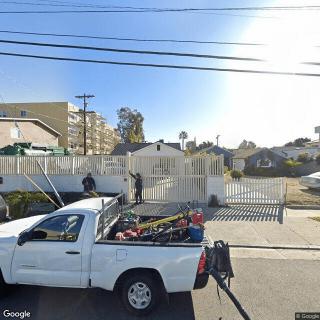
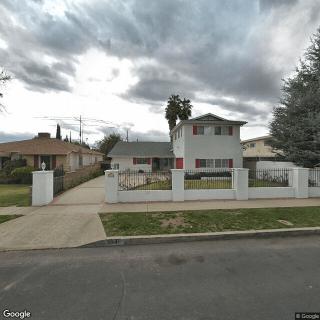
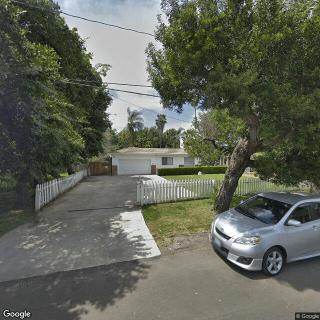
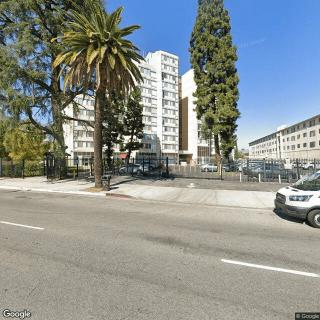
14127 Tiara Street, Van Nuys, CA 91401
For more information about senior living options: (866) 208-4318
Overall Review of Family Care Manor
Pros
 Jasmine is an amazing nurse and caregiver who goes the extra mile to keep residents and visiting families safe and comfortable.
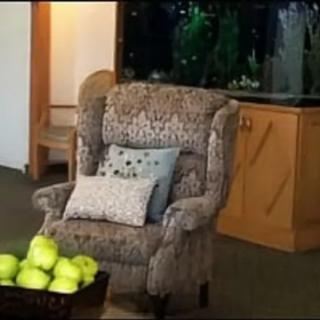
- The home is clean, with incredible furnishings and wonderful meals.
- The staff are very knowledgeable and help residents regain their independence after rehab.
- They helped find a physical therapy company to come to the home and arranged a new primary physician.
- Jasmine is friendly during tours, and the home has a skilled RN staff, including Russian-speaking team members.
- The reviewers would definitely recommend the home to others.
Cons
 Also, keep in mind street parking is limited to two hours on weekdays for some reason
Review
This community is best suited for families seeking a warm, home-like assisted living setting in Van Nuys that can support memory care needs and post-acute rehab without pulling families into a impersonal institutional feel. The standout is a hands-on, nurse-led team, exemplified by Jasmine, who consistently goes the extra mile to keep residents safe and comfortable while maintaining open channels with visiting family. The setting feels clean and well-appointed, with tasteful furnishings and solid, appealing meals that help preserve dignity and mood. For seniors transitioning from a hospital or needing recuperation after a rehab episode, the combination of attentive staff and a residential atmosphere makes this an attractive option.
Those evaluating options should consider alternatives if the priority is a facility with more aggressive medical oversight, larger campus resources, or a broader menu of structured programming. A few families also weigh the ease of parking and visitor logistics more heavily, especially when frequent appointments or family visits are expected. If a unit requires around-the-clock medical intensity, on-site specialists, or a more expansive activity calendar, this community may feel limited in comparison. Language needs are well served here by Russian-speaking staff, but facilities that must meet different linguistic requirements or more formal clinical protocols may be a better fit elsewhere.
On the strength side, the resident care story reads consistently positive. The staff’s expertise is repeatedly highlighted, with Jasmine identified as a clinician who combines nursing presence with personal warmth. The home environment earns praise for cleanliness and comfort, reinforcing a sense of safety. Care for dementia-related needs is described as thoughtful and steady, and the option to coordinate rehabilitation services, such as connecting with a physical therapy team and arranging a new physician, speaks to a practical, hands-on approach to continuity of care. For families navigating transitions, these practical anchors often translate into smoother days and less family stress.
That practical, person-centered approach is the core strength that helps offset the main logistical snag. The intimate, home-like footprint supports easier supervision, quicker responsiveness, and more meaningful family engagement than a large campus often allows. The ability to arrange rehab follow-through, obtain auxiliary medical contacts, and rely on staff who remember routines and preferences translates into meaningful peace of mind for worried relatives. In short, the pros, attentive nursing leadership, high-quality meals and ambience, and proactive care coordination, tend to compensate for the travel-and-visit realities inherent to a smaller, non-urban setting that can impose parking constraints.
The most concrete drawback is administrative and logistical rather than clinical. Street parking is limited to two hours on weekdays, which complicates drop-offs, visits, and impromptu family attendance. This is not a fatal flaw, but it is real enough to influence planning: families should arrange scheduling with staff, consider off-peak visit windows, and verify local parking options before committing. One review notes the parking limitation explicitly, suggesting that this factor can tilt decisions for families juggling work, doctor appointments, and multiple daily visits. If parking or visitor convenience tops your list, this is a criterion to test in a tour.
Overall, the community delivers strong value for the right resident: a dementia-capable, rehab-friendly, homelike setting backed by a compassionate RN-led team and a language-friendly staff. Families who prize safety, personal attention, and practical care coordination will find that the advantages clearly outweigh the single, concrete logistical downside. For those who require expansive medical programming, larger-scale activities, or less parking pressure, alternatives may better align with expectations. A guided tour, direct conversation about RN coverage, and a clear plan for visitor parking will reveal how well this community can fit a specific care trajectory and family routine.
 6 resident community capacity
 Assisted Living
 Board and Care Home
 Cable or satellite TV
 Dining room
 Fully furnished
 Garden
 Housekeeping services
 Move-in coordination
 Outdoor space
 Telephone
 Wi-Fi/high-speed internet available
 Burbank-Glendale-Pasadena (5 miles away)
 24-hour supervision
 Activities of daily living assistance
 Assistance with bathing
 Assistance with dressing
 Assistance with transfers
 Diabetes diet
 Meal preparation and service
 Medication management
 Special dietary restrictions
 Transportation arrangement (medical)
 Transportation to doctors appointments



 Exploring the Contrasts Between Assisted Living and Skilled Nursing
 8 Key Indicators That Suggest It May Be Time to Transition from Assisted Living to Skilled Nursing Care
 Vibrant Senior Living: A Comprehensive Guide for Active Older Adults