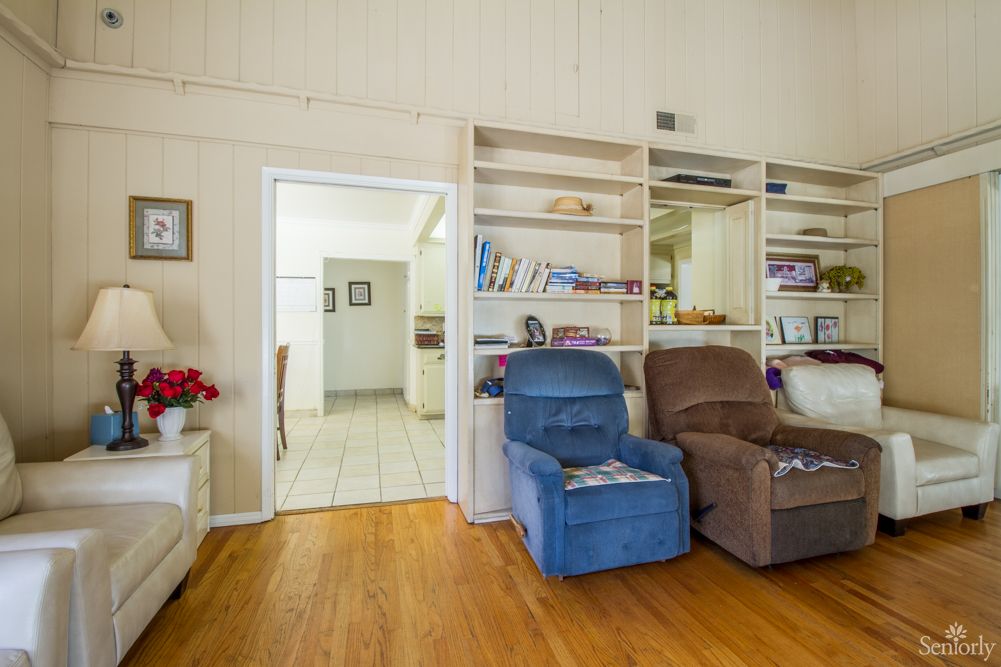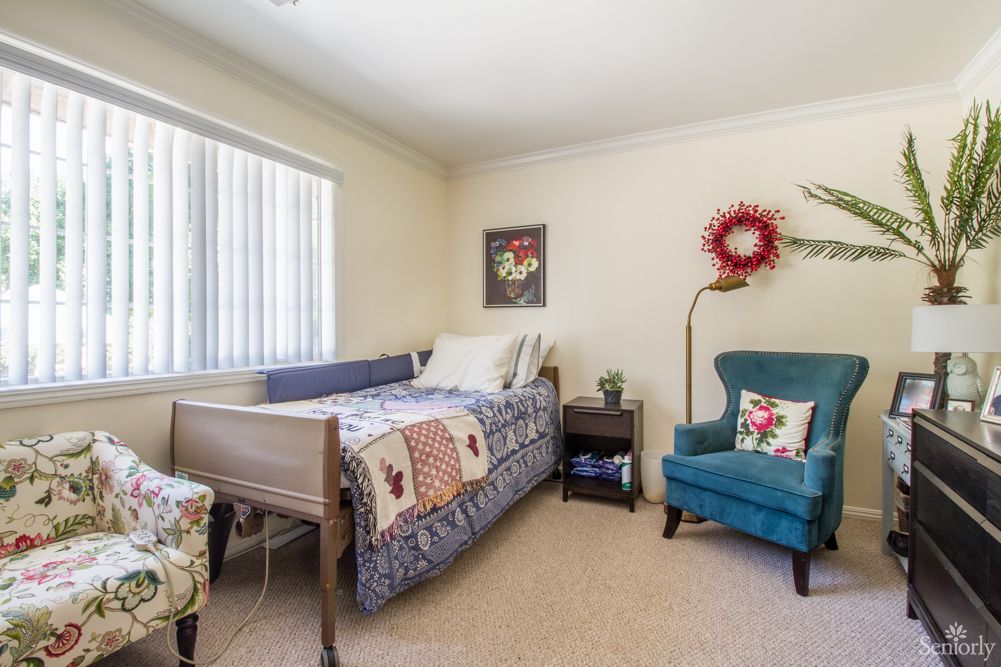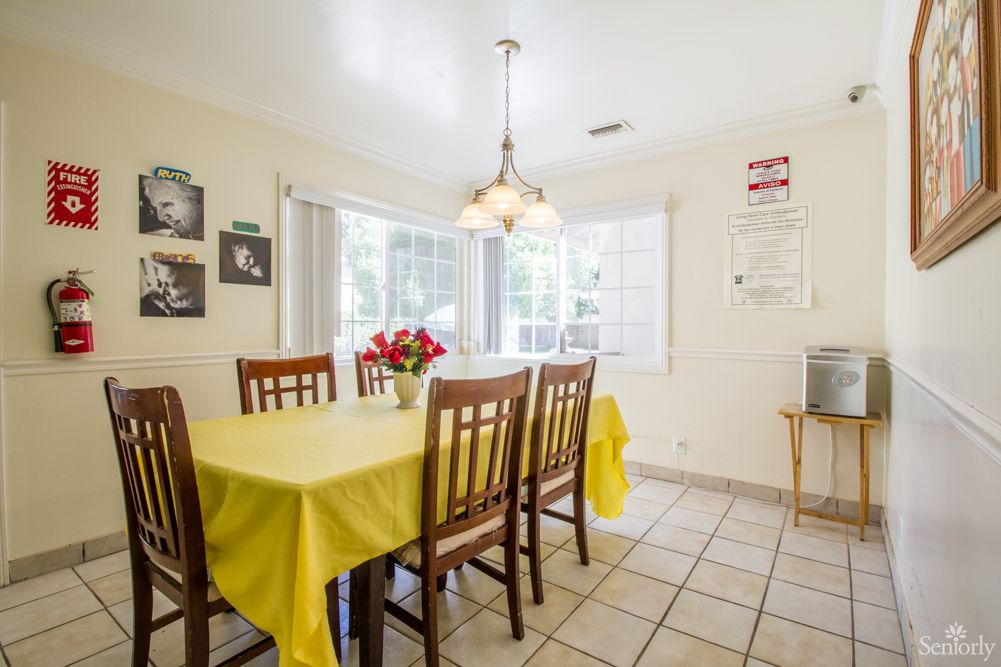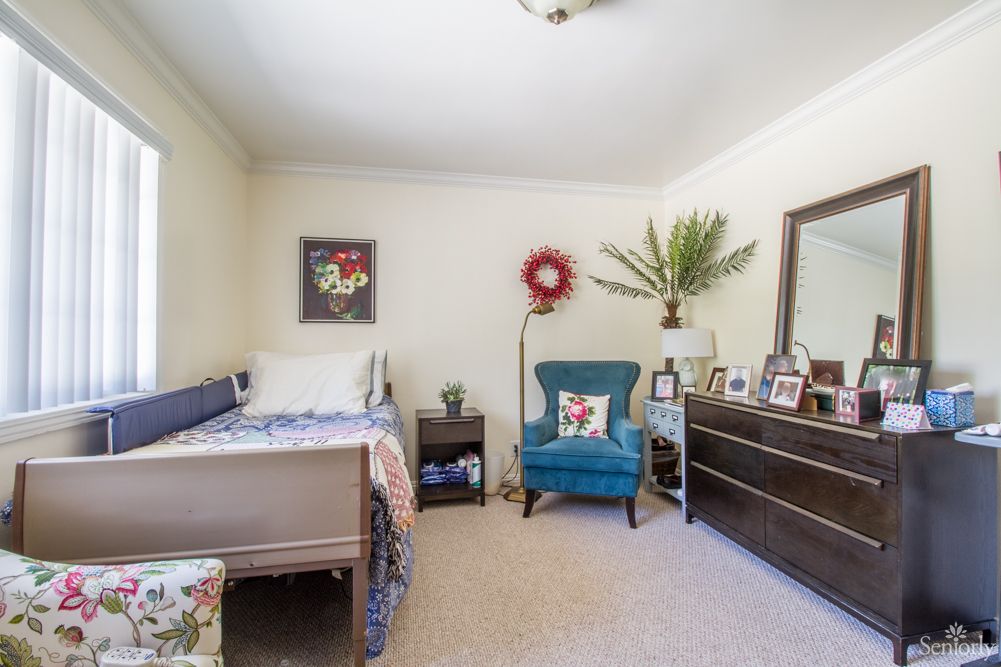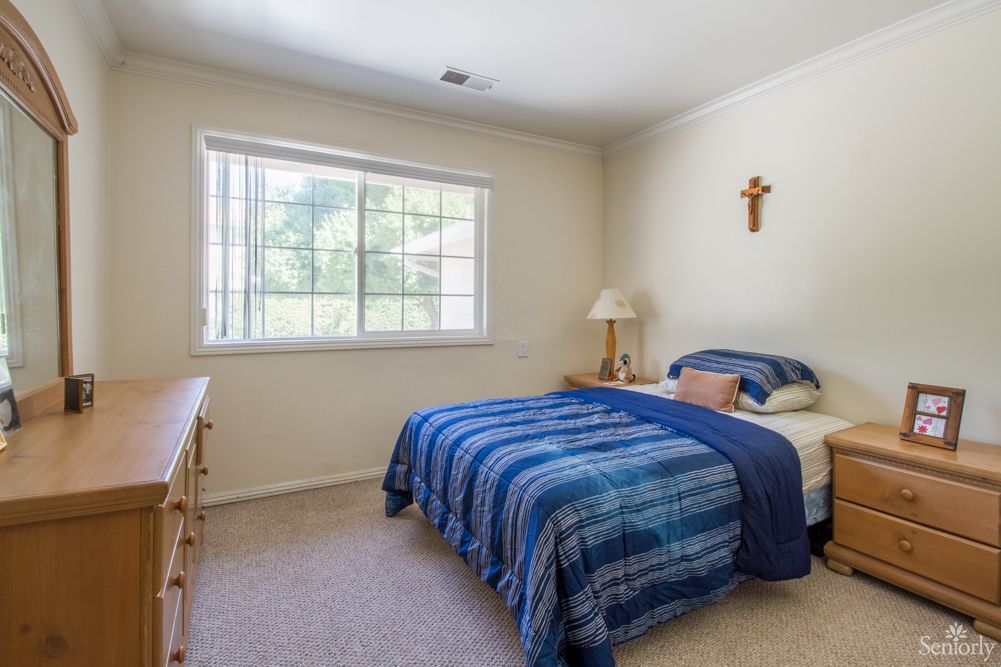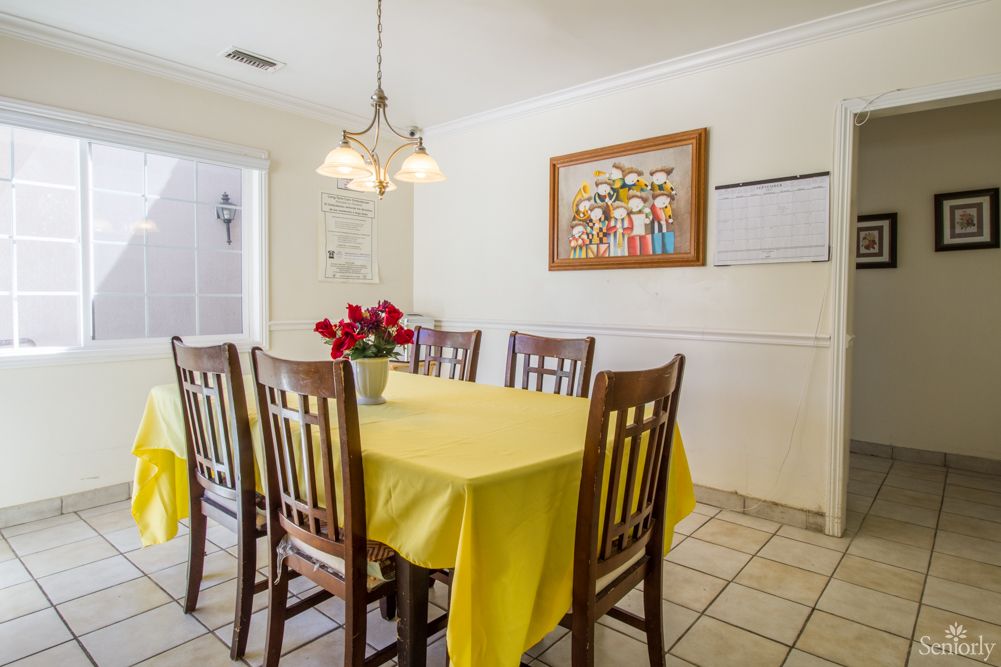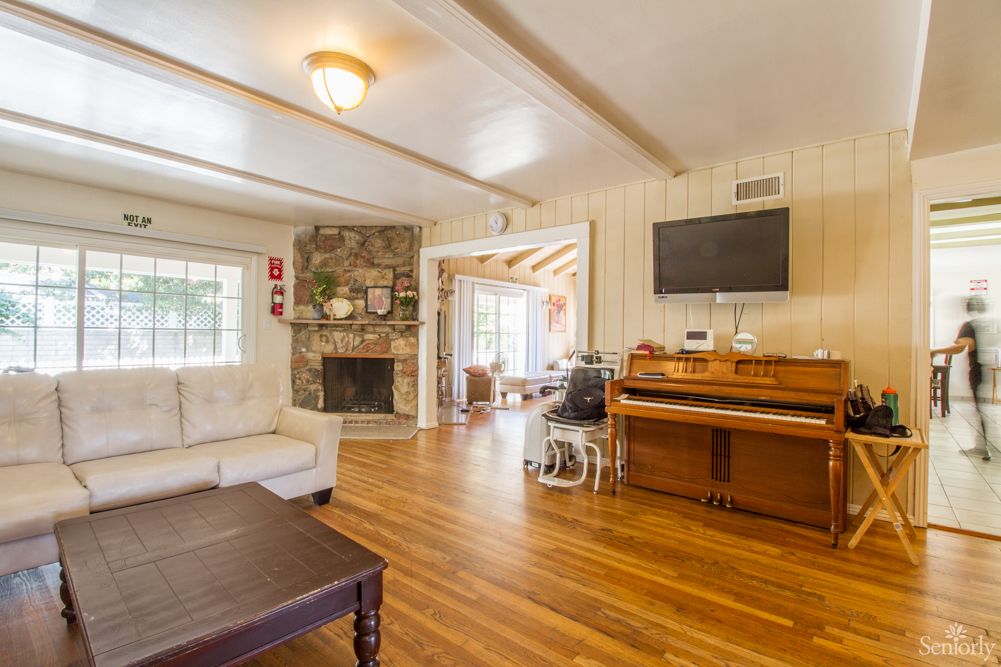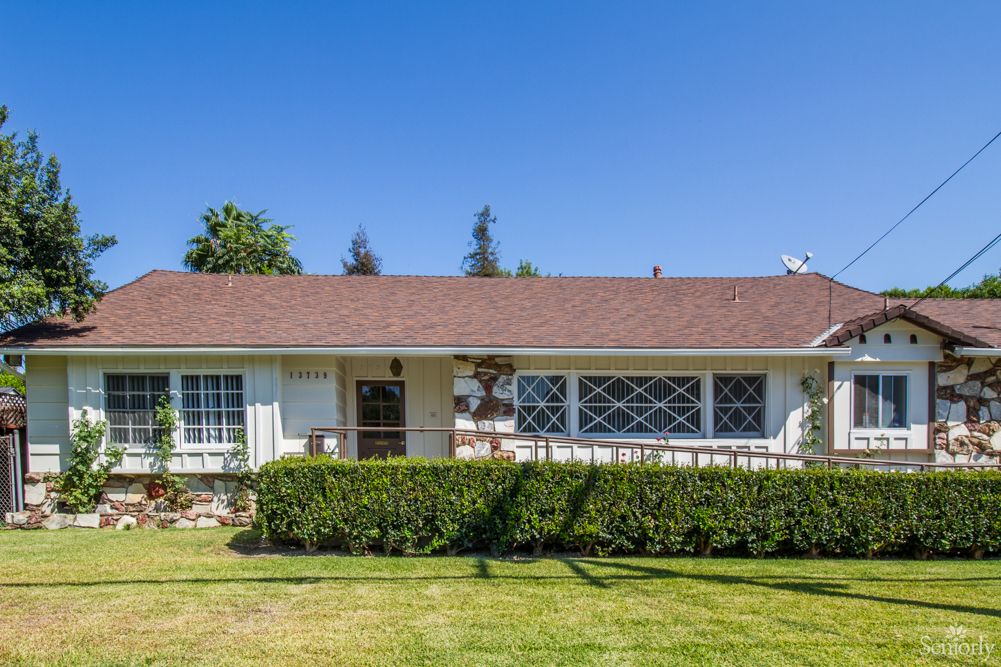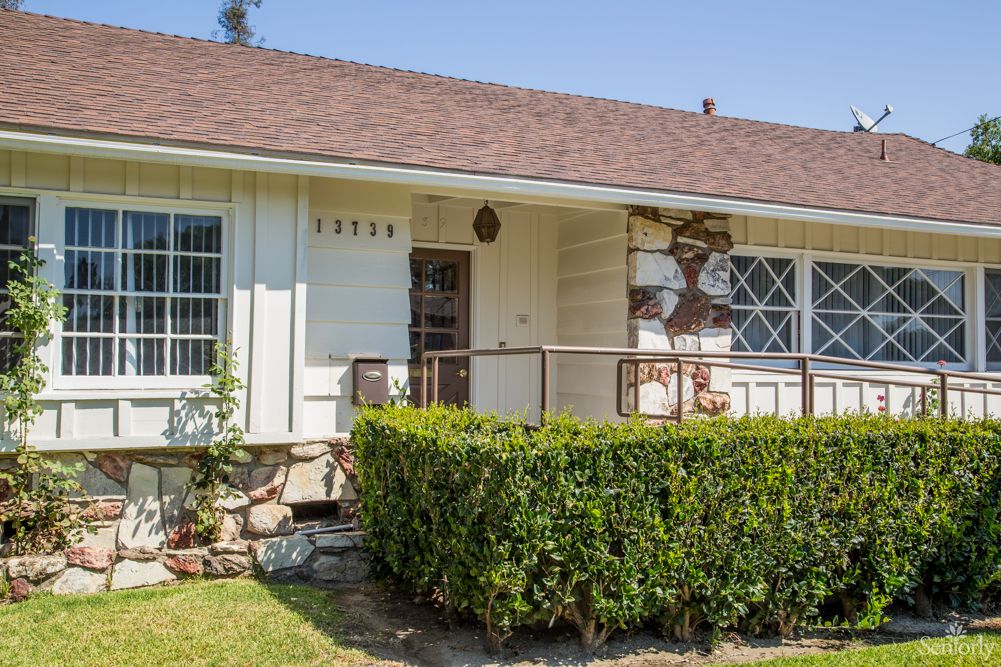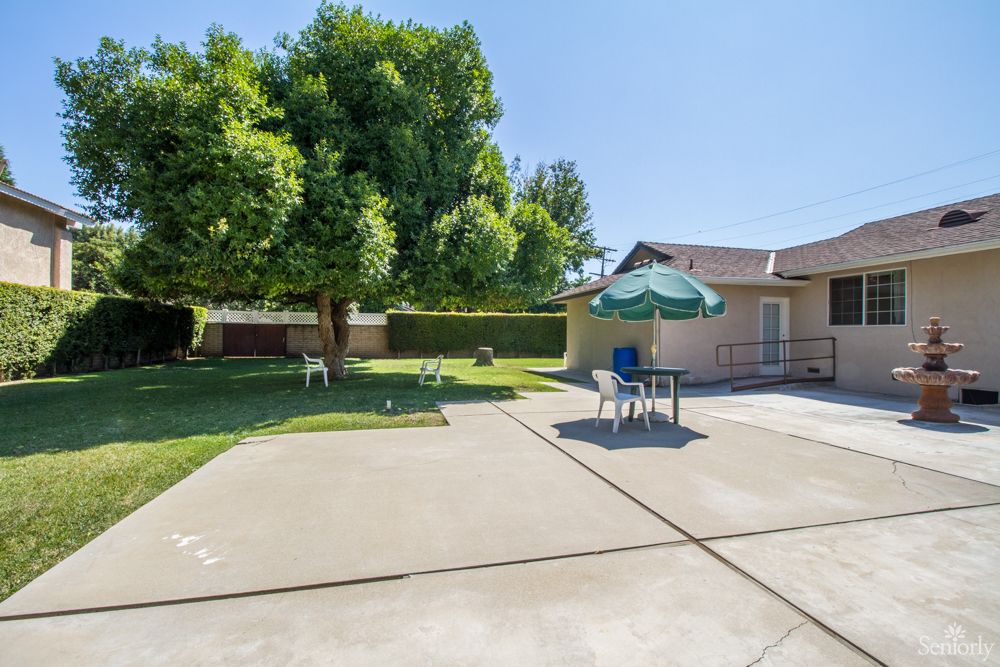


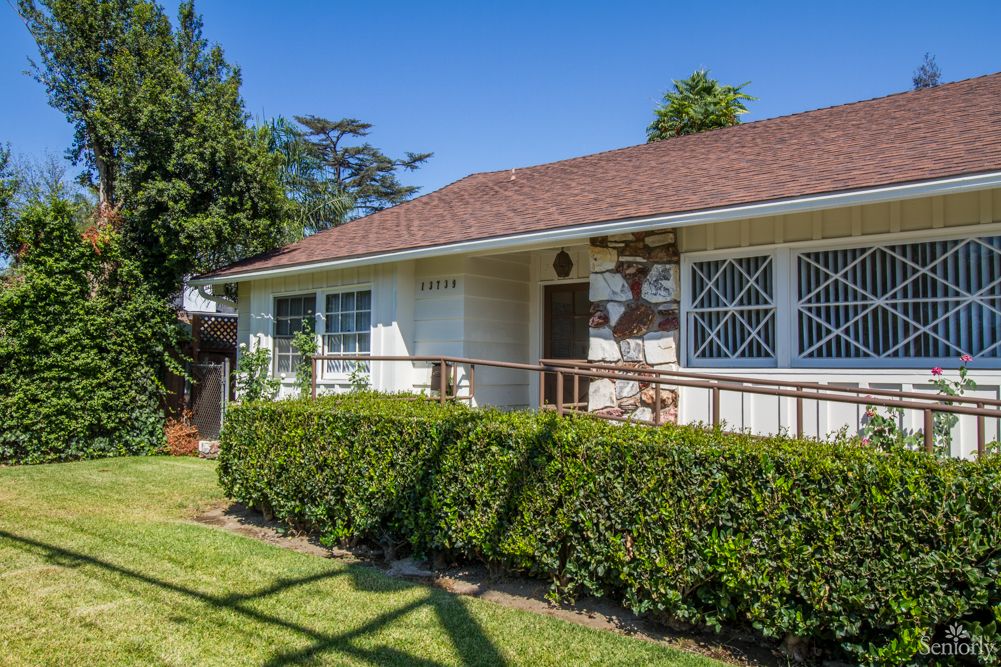
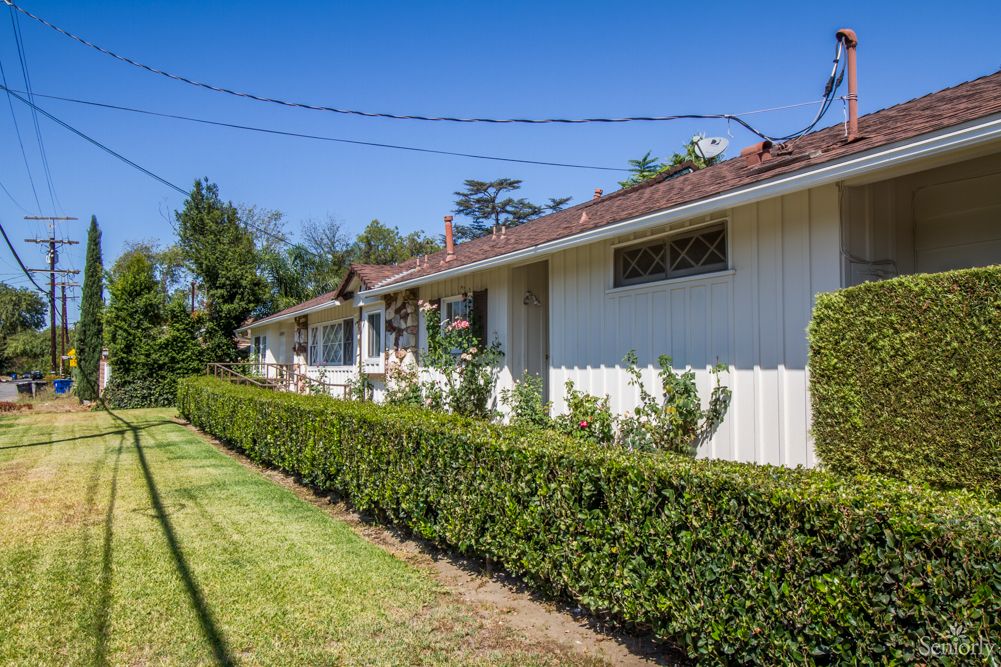


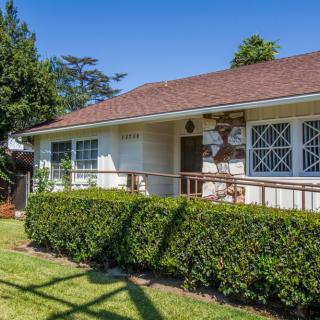
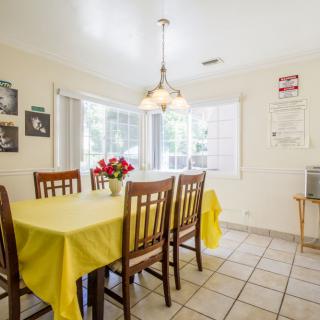
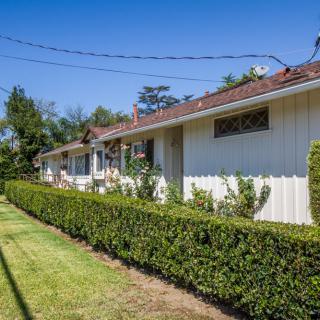
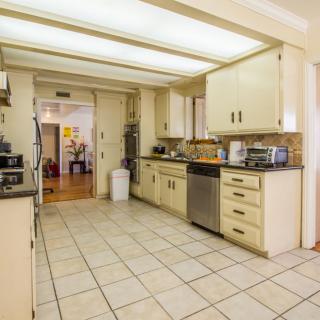


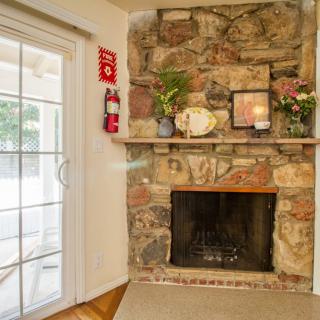
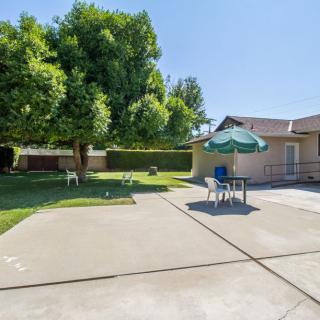
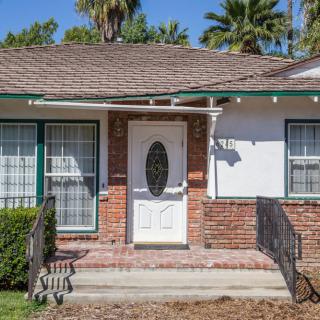
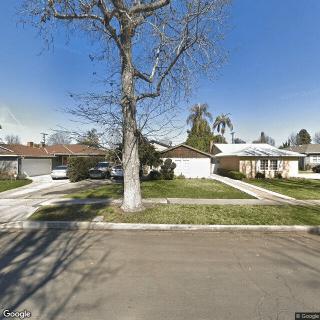
13739 Erwin Street, Van Nuys, CA 91401
For more information about senior living options: (866) 208-4318
Shalev Senior Living 5 Costs & Pricing
Shalev Senior Living 5 offers competitive pricing for its private rooms at $4,000 per month. This rate is slightly lower than the average cost in Los Angeles County, which stands at $4,197, yet it remains higher than the state average of $3,939. This positioning indicates that Shalev Senior Living 5 provides a valuable option for residents seeking quality care in an appealing environment while still being mindful of affordability compared to nearby facilities within the county. Overall, their pricing reflects a commitment to supporting seniors with an enriching lifestyle without compromising on care standards or comfort.
| Floor plans | Shalev Senior Living 5 | Los Angeles County | California |
|---|---|---|---|
| Private | $4,000 | $4,197 | $3,939 |
Assisted Living communities with a similar price nearby
-
About the same
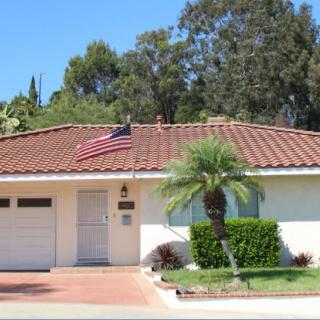
Palomino Residential Care
$4,000 to $6,000 / month19.5 miles away -
from +$500 / mo
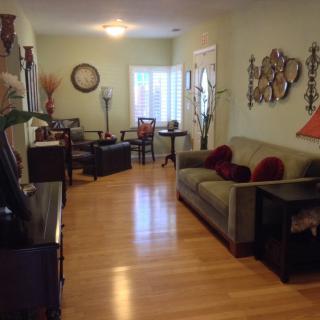
Ardenville Home Care I
$4,500 / month5.4 miles away -
from -$200 / mo
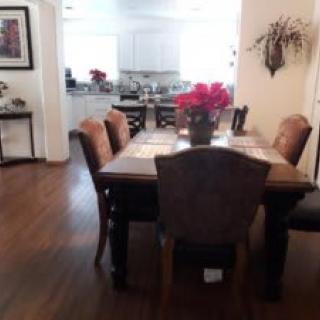
America's Care Manor
$3,800 to $4,000 / month15.2 miles away -
from -$500 / mo
Hollywood Healthy Living
$3,500 to $5,000 / month5.5 miles away -
from -$500 / mo

California Senior Of Sherman Oaks
$3,500 to $4,000 / month2.1 miles away
Overall Review of Shalev Senior Living 5
Pros
 Shalev took care of him very well.
- The family felt very comfortable having him there.
- Shalev organized social activities for residents to stimulate their minds.
- Shalev genuinely cared for the residents.
- The family was very grateful to Shalev.
- The family thanked Shalev for the care they received.
Review
Shalev Senior Living 5 in Van Nuys, CA is best suited for families seeking a warm, relationship-focused environment where an older adult can thrive through steady social engagement and attentive daily care. The community appears to work well for long-term residents who value a consistent routine and meaningful interaction with peers and staff. For seniors who respond well to regular social programming, structured activities, and visible caregiver involvement, this setting offers reassurance that daily life is active, not sedentary, and that staff are genuinely engaged in residents’ well-being.
Those considering alternatives should weigh whether needs extend beyond companionship and basic assistance. If memory care with specialized dementia programming, more intensive medical oversight, or a broader continuum of on-site clinical services is essential, other communities may be a better fit. Families seeking a larger campus with extensive rehab services, a wider array of amenities, or proximity to particular medical providers might also want to compare options. Additionally, if budget constraints or insurance coverage drive the decision, exploring facilities with transparent, comprehensive pricing and benefit coordination becomes important.
The strongest positives here stem from the human touch: consistent demonstrations of care, and a deliberate emphasis on keeping residents mentally and socially engaged. Residents are not left to mere sitting; staff appear to organize activities and social moments during visits, which helps maintain a sense of purpose and belonging. In practical terms, this translates to lower risk of isolation and a more buoyant mood for many residents. Families report feeling confident about care quality after years of observation, and the caregiving tone comes through as the core strength of the community.
That social and relational strength helps offset potential concerns about scale or clinical depth. Given the limited public data from a small number of reviews, the most credible takeaway is that Shalev’s culture centers on human connection and consistent caregiving. For families comparing options, this means the facility likely excels at day-to-day life management, routine establishment, and peer interaction. However, without explicit information about advanced medical support, memory care specialization, or rapid access to on-site nursing, it remains prudent to verify how such needs would be handled if they arise.
Prospective residents should actively probe during visits: observe how staff interact across shifts, note whether activities are genuinely inclusive and varied, and look for tangible evidence of medical responsiveness and care planning. Ask for a sample weekly calendar, an outline of staff-to-resident ratios during peak hours, and a clear explanation of how changes in a resident’s condition are communicated to families. It’s also wise to request a tour during mealtimes and evenings to see how social programming integrates with daily living and to assess the atmosphere outside peak visiting hours.
In summary, Shalev Senior Living 5 offers a compelling choice for families seeking a welcoming, activity-rich home where residents are cared for with evident warmth and consistency. It is especially well-suited for seniors who thrive on routine, social stimulation, and visible caregiver attention. Those needing extensive medical supervision, dementia-specific care, or a broader clinical footprint should compare alternatives to ensure the selected community can meet evolving needs. For the right match, the strength of genuine engagement and dependable daily care can outweigh the lack of disclosed advanced services, delivering peace of mind to families and a dignified, engaged life for residents.
 6 resident community capacity
 Assisted Living
 Board and Care Home
 Respite Care
 Activities off-site
 Bath tubs
 Beautician on-site
 Cable or satellite TV
 Devotional services on-site
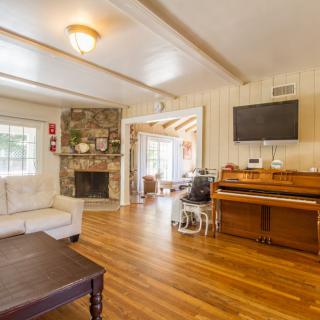
 Dining room
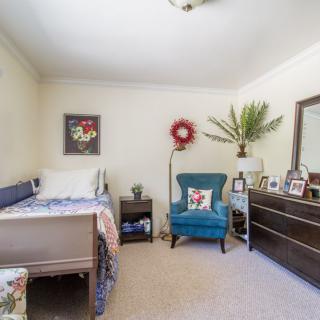
 Fully furnished
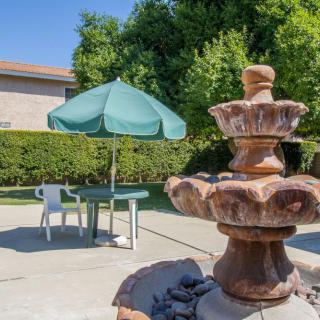
 Garden
 Housekeeping services
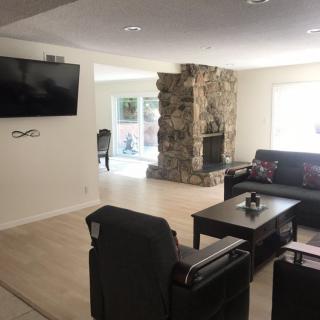
 Indoor common areas
 Move-in coordination
 Outdoor common areas
 Private
 Private bathrooms
 Small library
 Swimming pool / hot tub
 Telephone
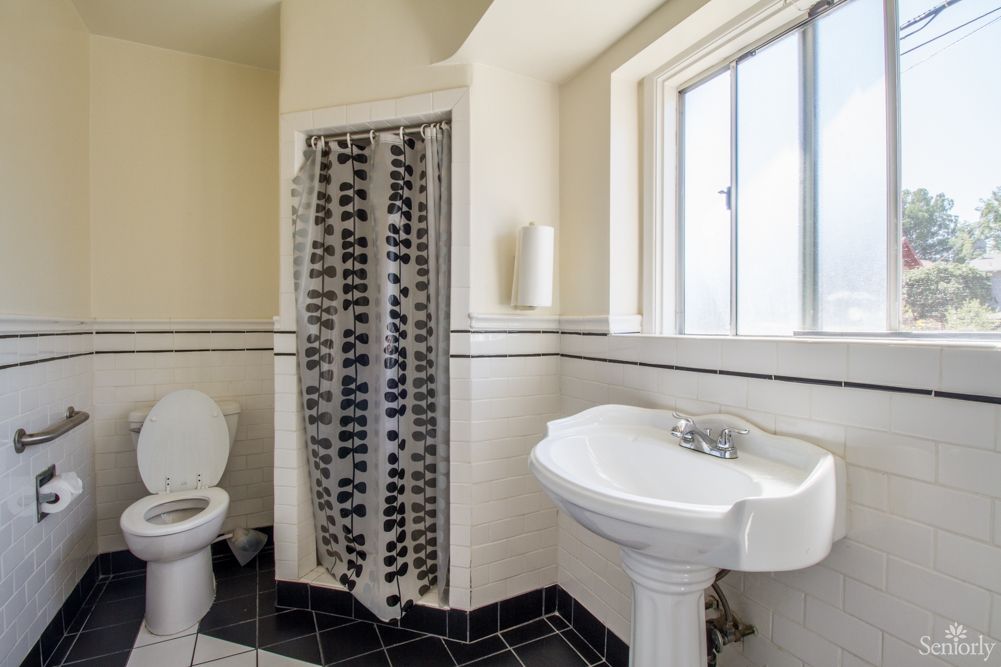
 Wheelchair accessible showers
 Burbank-Glendale-Pasadena (4 miles away)
 24-hour supervision
 Assistance with bathing
 Assistance with dressing
 Assistance with transfers
 Diabetes diet
 Diabetic care
 Incontinence care
 Meal preparation and service
 Medication management
 Special dietary restrictions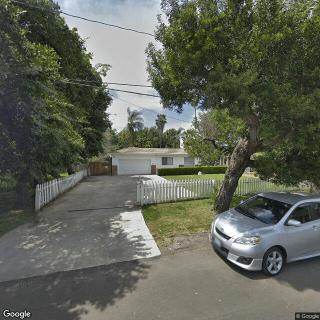



 How and When Medicaid May Cover Assisted Living Costs
 A Detailed Exploration of Assisted Living Medicaid Waivers Across the United States
 Comprehensive Residential Support and Assisted Living Solutions for Individuals with Disabilities