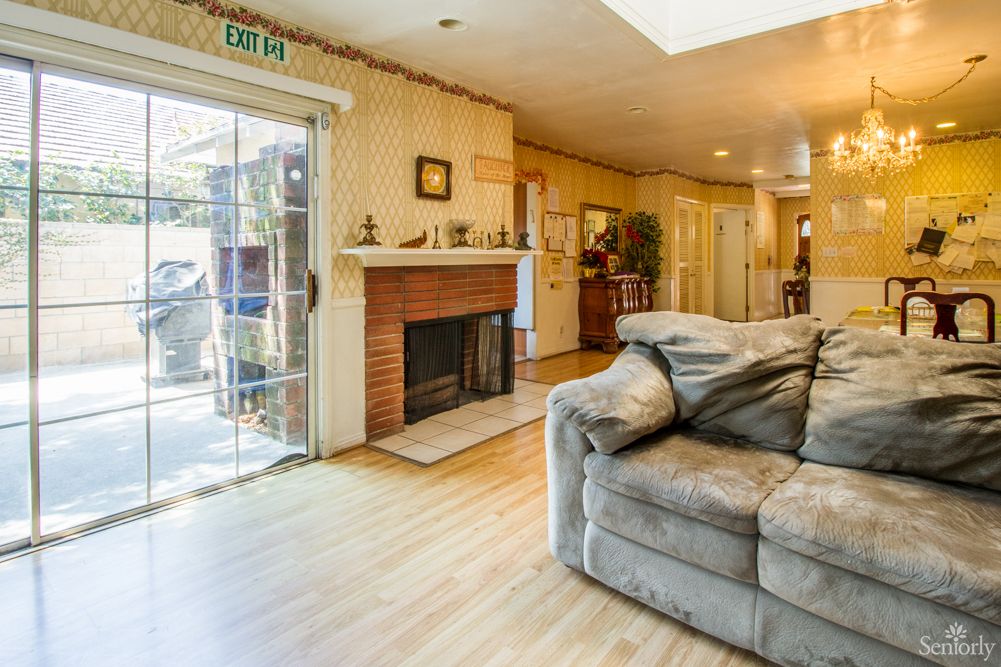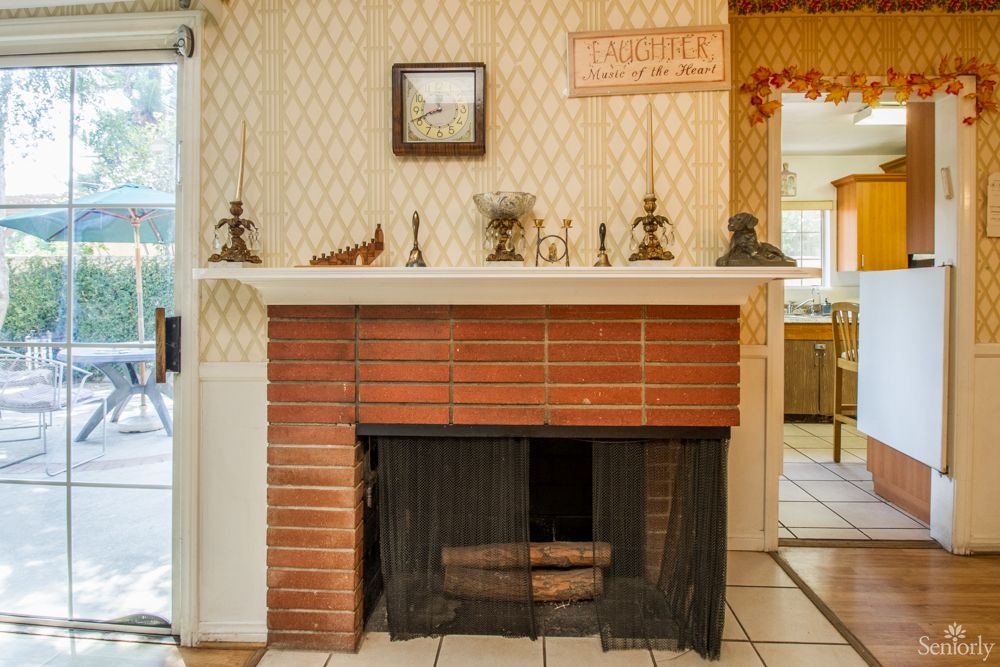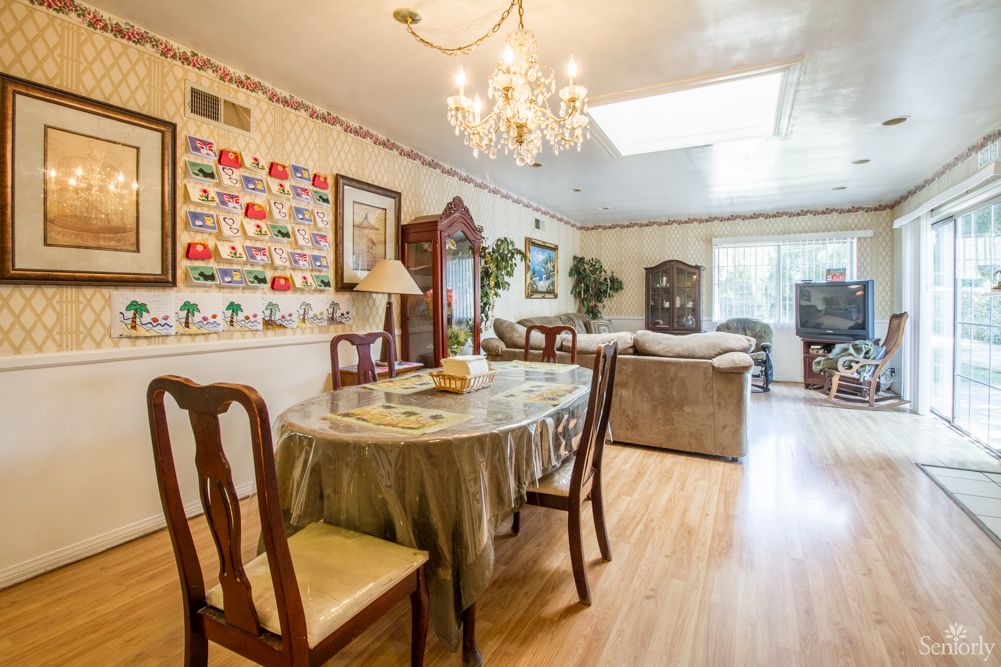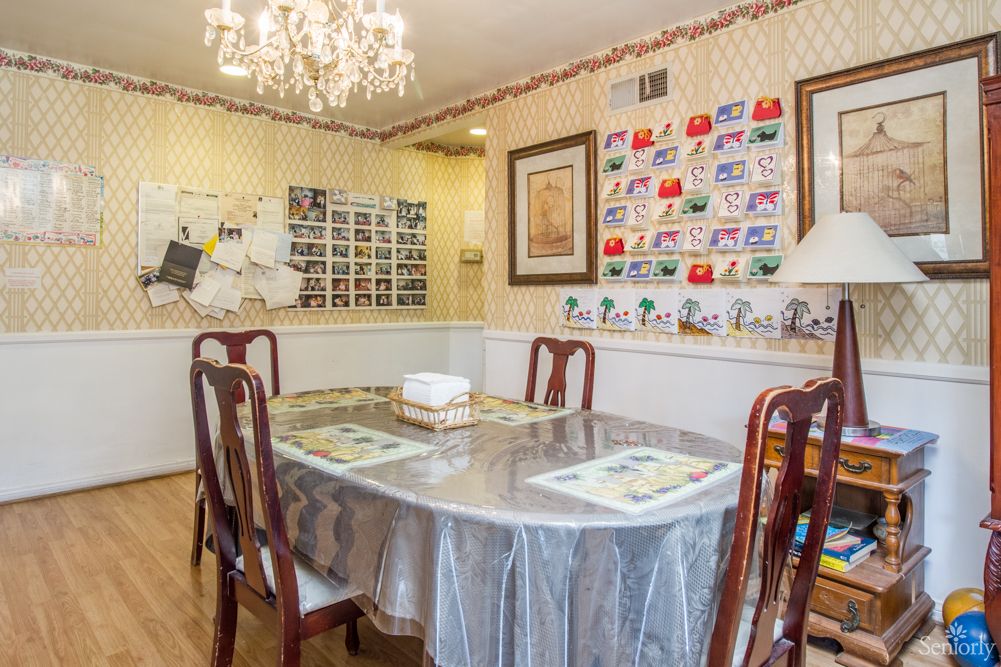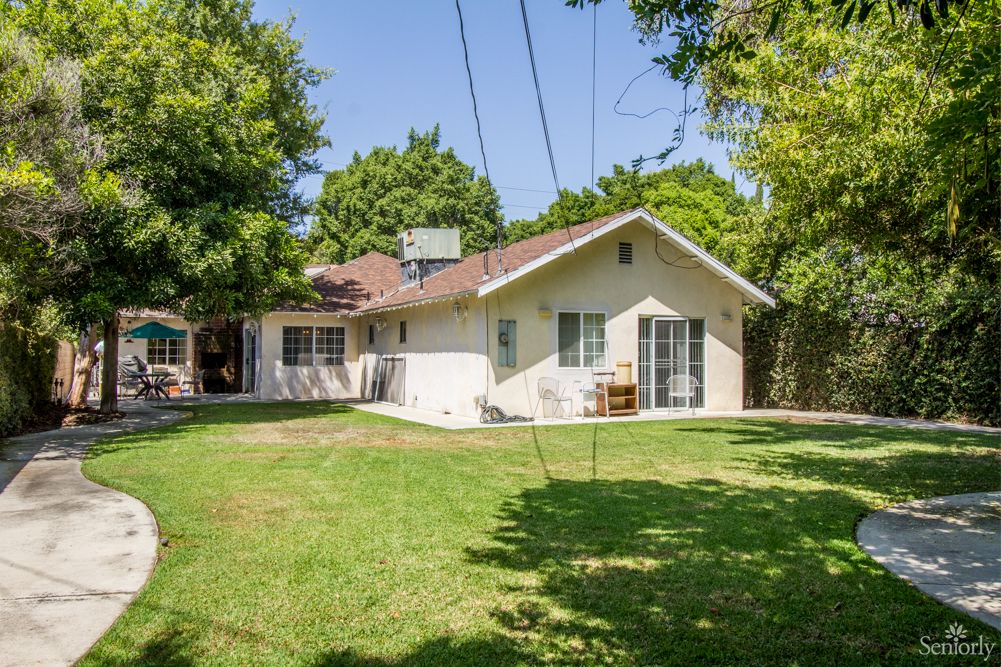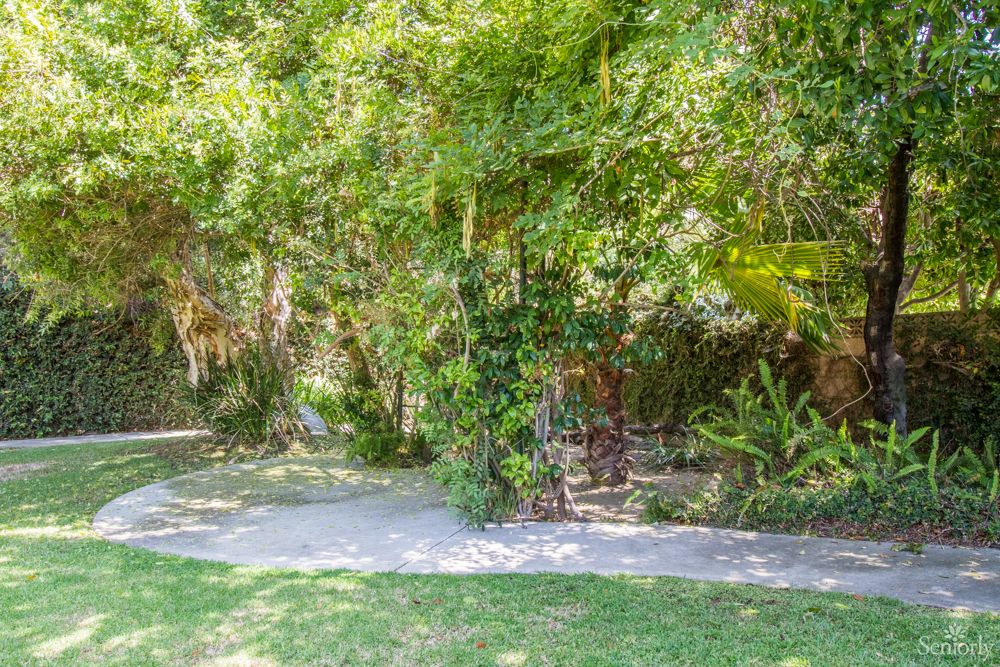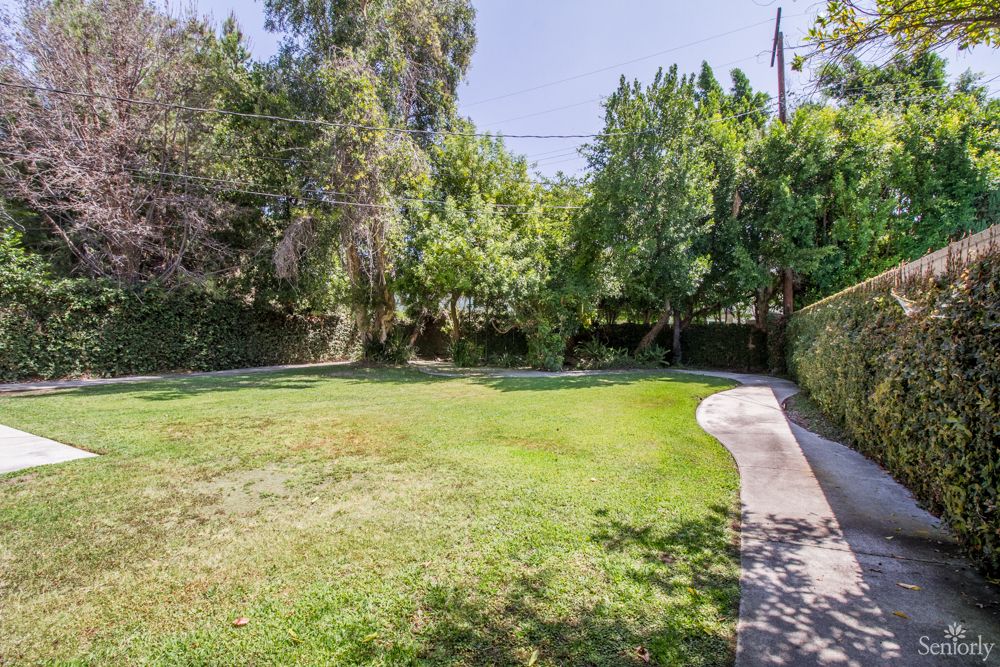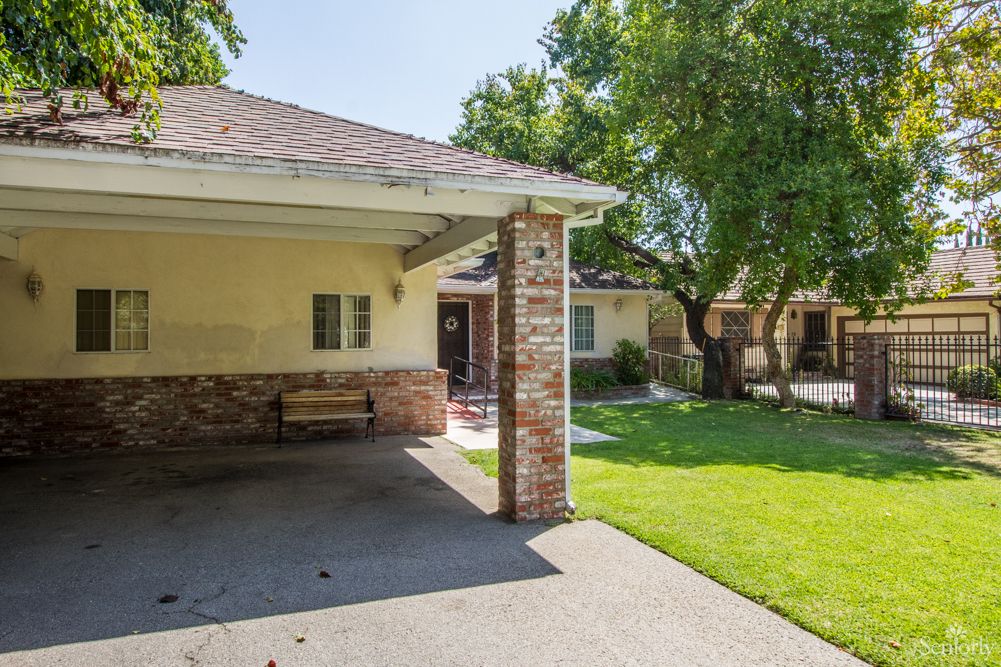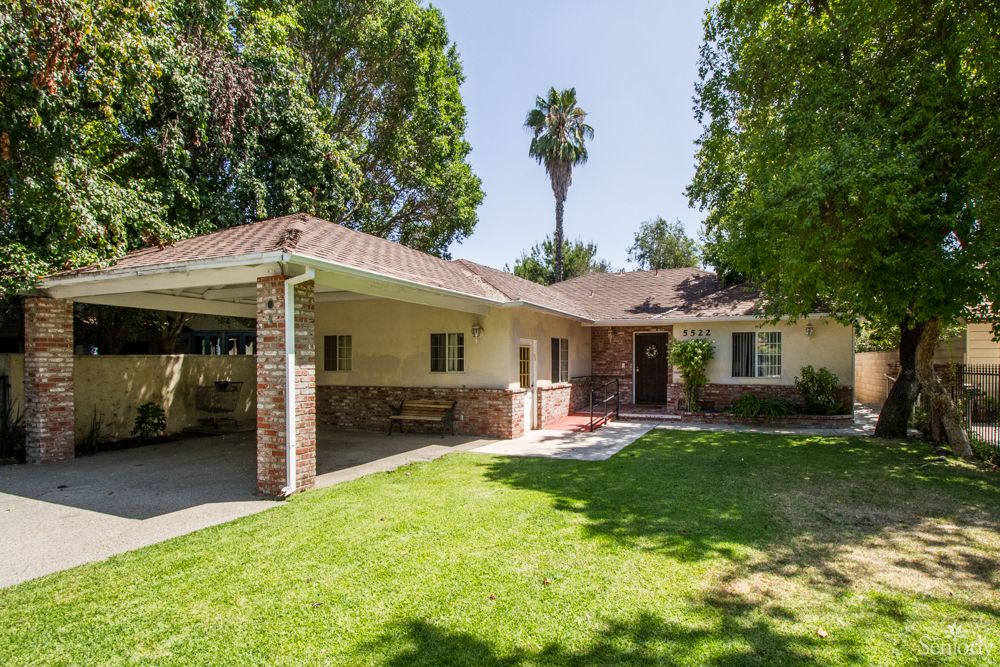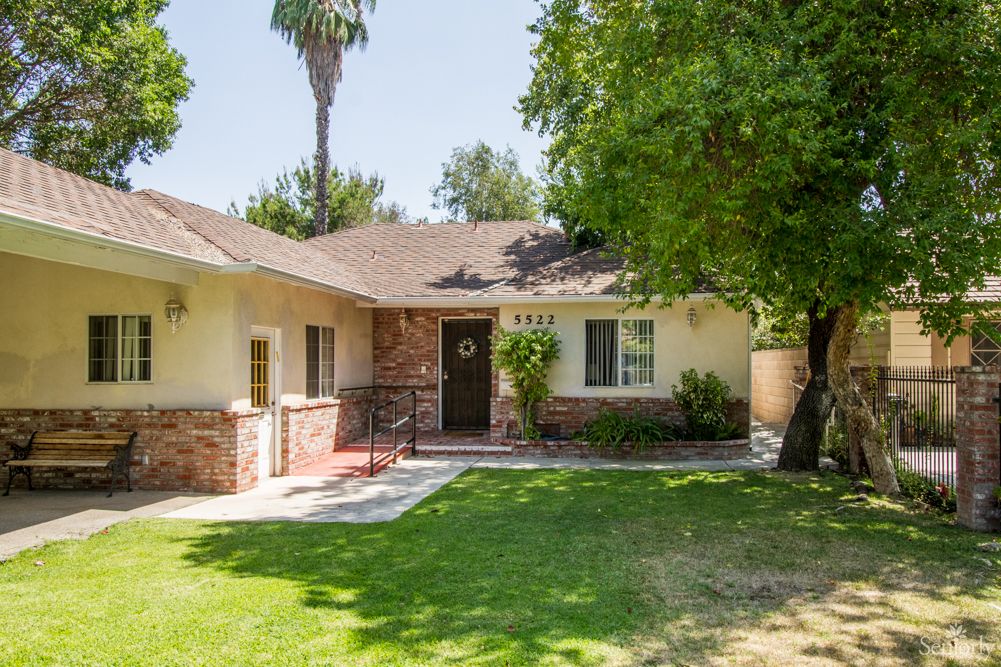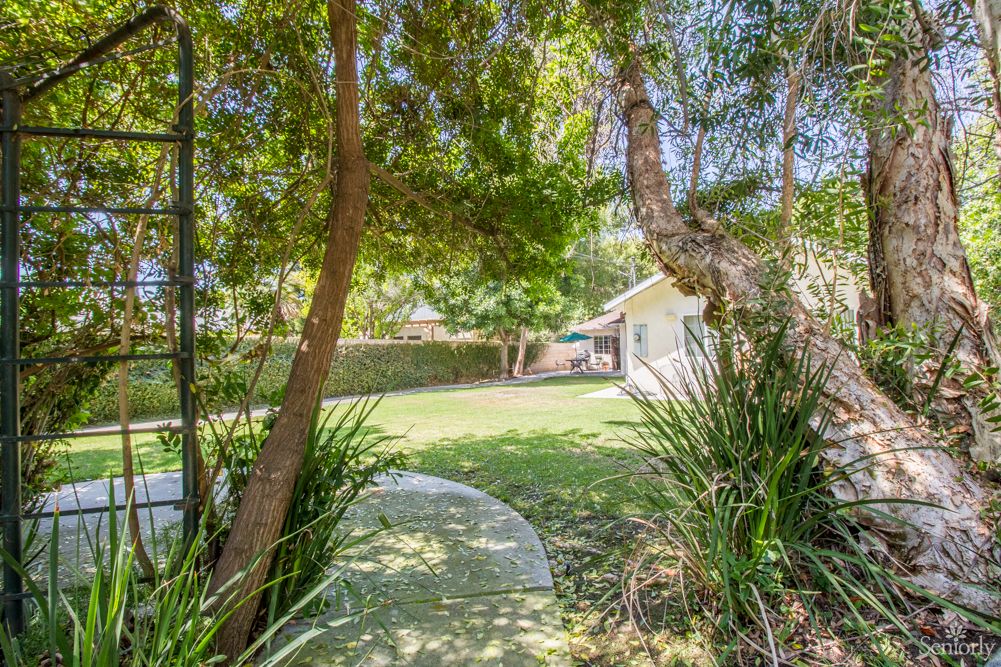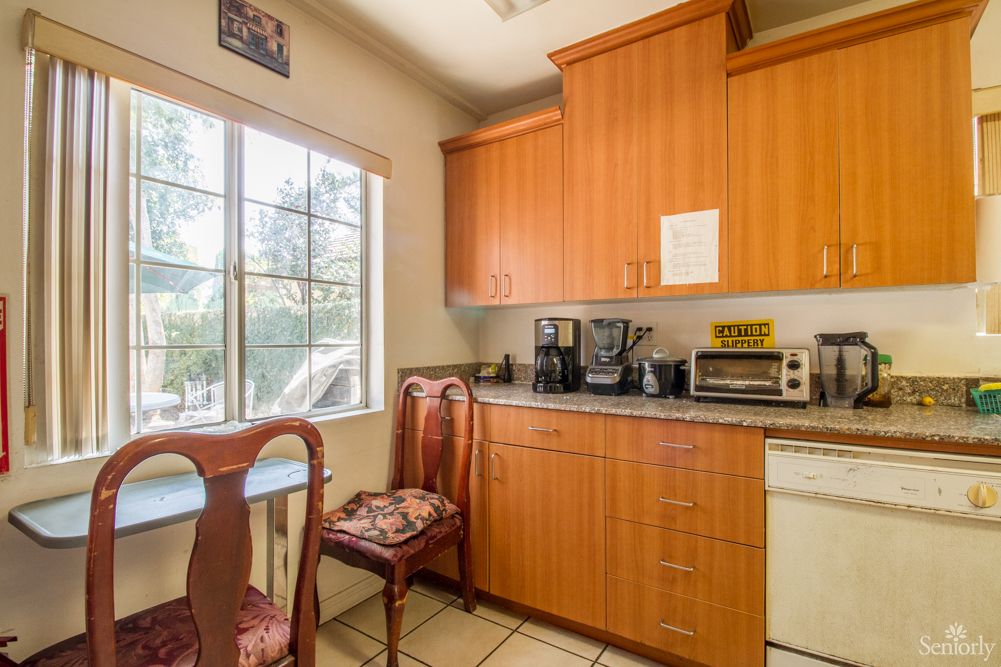
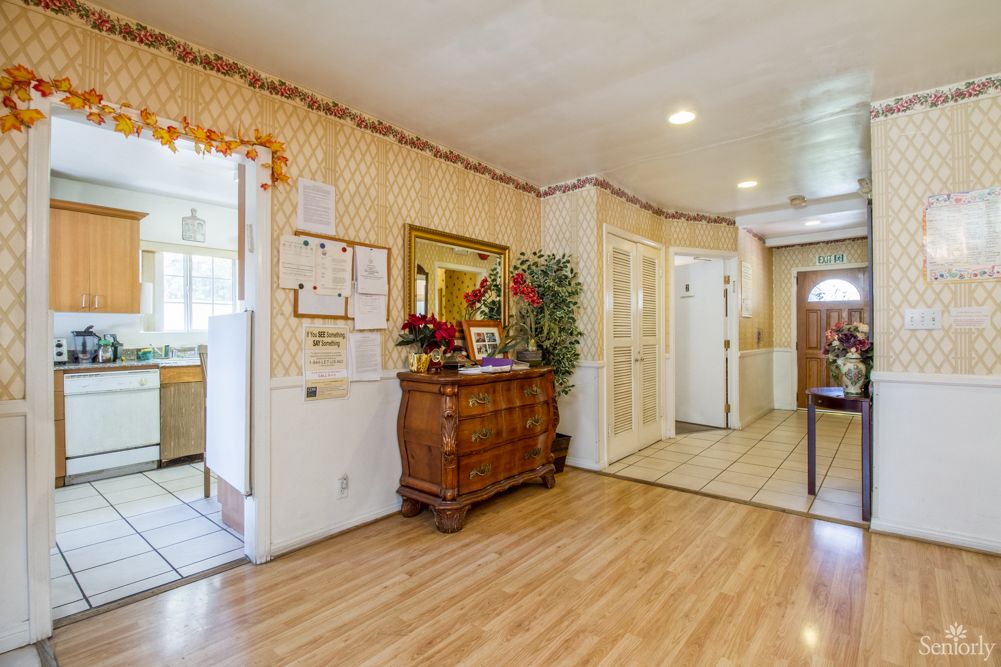
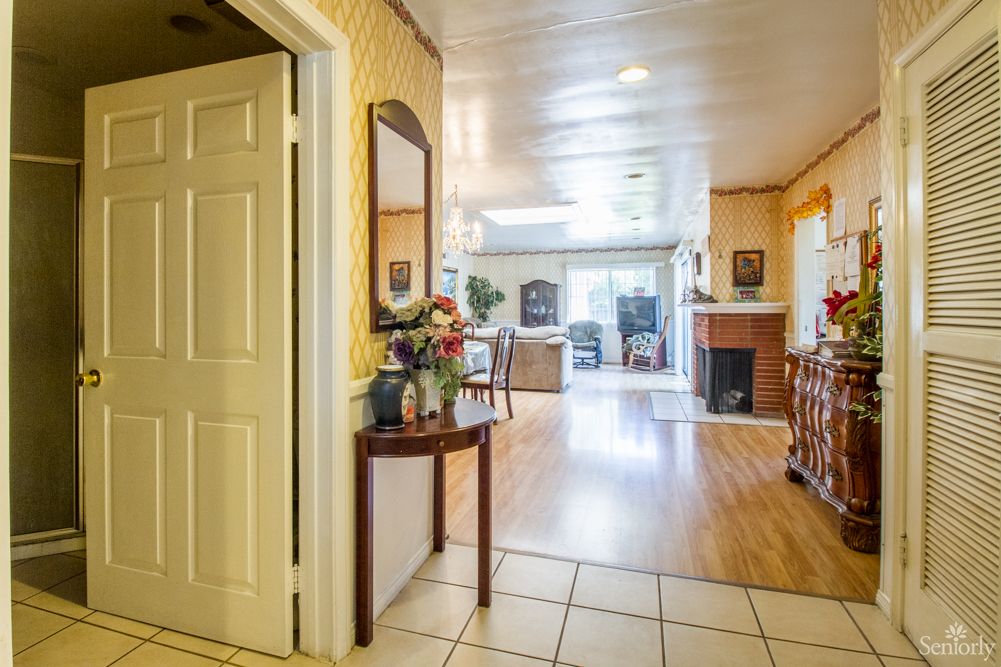
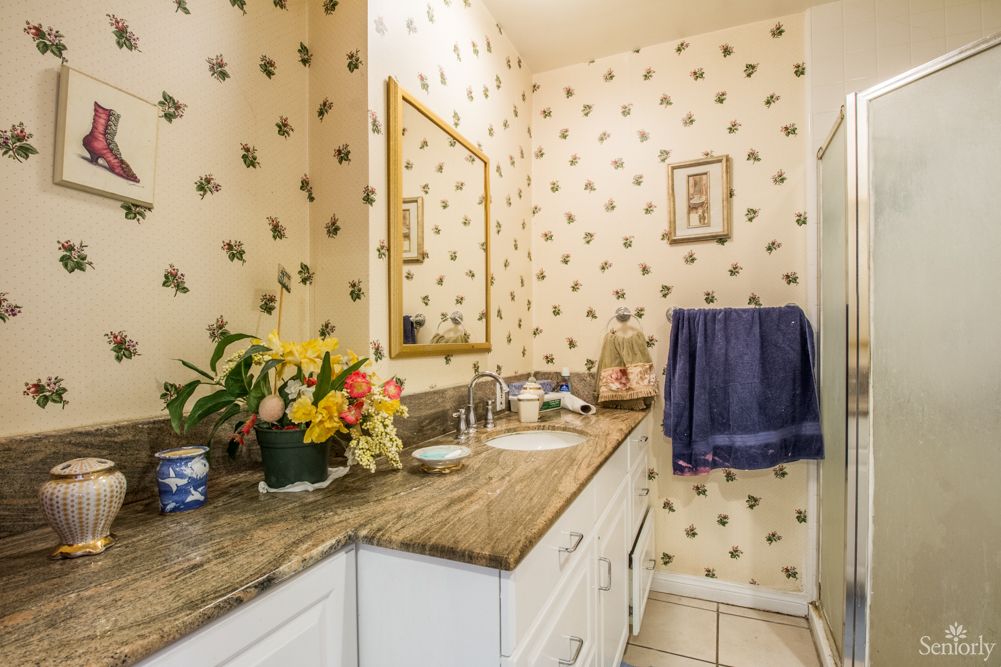




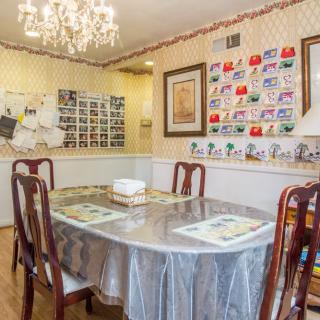
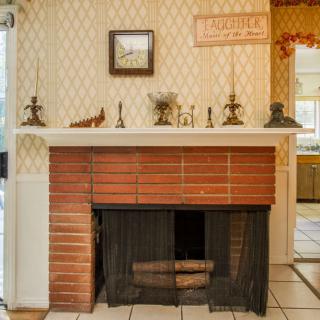
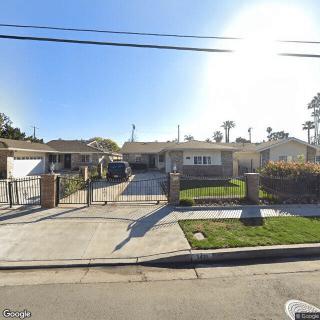
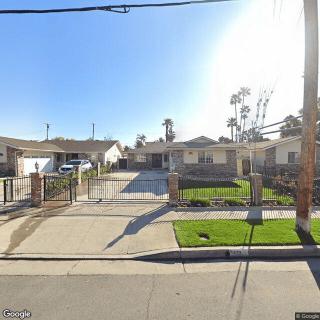
5522 Tyrone Avenue, Van Nuys, CA 91401
For more information about senior living options: (866) 208-4318
Shalom Garden Costs & Pricing
At Shalom Garden, the monthly cost for a private room is set at $3,200, which presents a competitive option compared to the broader Los Angeles County and California averages. In contrast, the average cost for a private room in Los Angeles County is approximately $4,197, while the statewide average stands at around $3,939. This pricing strategy not only underscores Shalom Garden's commitment to providing quality care at a more affordable rate but also highlights its ability to attract potential residents seeking value without compromising on quality. Shalom Garden positions itself as an appealing choice for families looking for compassionate care in a welcoming environment while being mindful of their financial resources.
| Floor plans | Shalom Garden | Los Angeles County | California |
|---|---|---|---|
| Private | $3,200 | $4,197 | $3,939 |
Assisted Living communities with a similar price nearby
-
from -$450 / mo
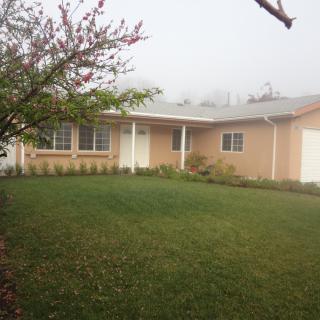
Dignity Care Home 1
$2,750 to $4,150 / month4.8 miles away -
from -$200 / mo
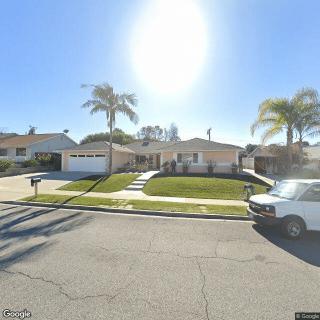
Thousand Oaks Home Care IV
$3,000 to $4,000 / month24.6 miles away -
from -$200 / mo
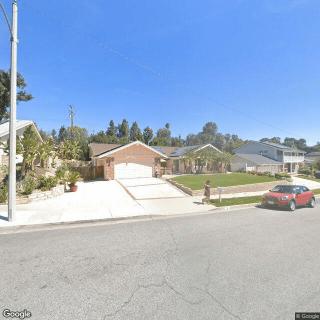
Thousand Oaks Home Care II
$3,000 to $4,000 / month24.7 miles away -
from +$600 / mo
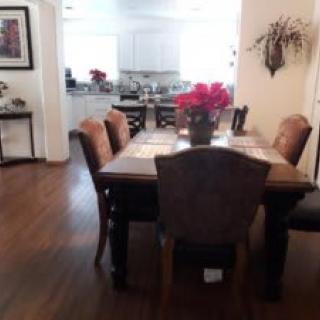
America's Care Manor
$3,800 to $4,000 / month14.9 miles away -
from +$300 / mo
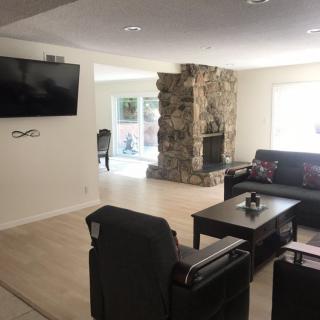
Hollywood Healthy Living
$3,500 to $5,000 / month6.5 miles away
Overall Review of Shalom Garden
Cons
 It is a pitiful excuse for a memory care unit.
- Residents in wheelchairs are brought into the dining/TV area and sit on the sidelines all day.
- Ambulatory residents are left to wander aimlessly down the halls and enter each other’s rooms, taking what they please.
- The facility is understaffed and staff do not want to be bothered from sitting with their phones to help.
- The nursing director for the entire facility left several months ago, and the position hasn’t been filled.
- Testing or new medications are treated as a joke, and the doctor is unreachable and does not return calls.
- There are no cameras in the halls, and residents fall and are swarmed by other residents until someone comes.
- Hygiene and toileting help are ignored, and toilet paper is scarce.
- On weekends there isn’t a supervisor or anyone in charge; the reception area is not staffed in the evenings or weekends, and nobody answers the phone.
Review
This community is best viewed as a last-resort option for families who have exhausted better alternatives and are prepared to advocate aggressively for every aspect of care. The sole in-depth critique available paints a troubling picture of a memory care environment where supervision is sporadic, staffing is clearly insufficient, and daily operations appear unstable. Under those circumstances, only families with the bandwidth to stay deeply engaged, request frequent updates, and be ready to relocate at the first sign of failure should seriously consider this option. In short: it is not a fit for most seniors who depend on reliable, professional memory care.
Those with clearer, safer paths should look elsewhere. Alternatives to consider include memory care communities with demonstrated staffing ratios, on-site nursing leadership, and readily reachable physicians. Facilities that provide consistent supervision, proactive safety measures, and transparent communication with families tend to prevent the cascade of problems seen in the cited critique. Families should prioritize campuses with accredited programming, active management, and measurable quality indicators rather than facilities with ambiguous oversight or intermittent availability of key staff.
In terms of balance, the review offers essentially no credible, practical positives to offset the severe drawbacks described. If any advantage exists, it is a possible sense of quiet or low-key setting when staff are not actively engaged in care tasks. However, that incidental atmosphere is decisively outweighed by the core issues: understaffing, delayed or inaccessible medical oversight, and a lack of reliable safeguards. Without a solid foundation of competent care, any potential comfort is overtaken by real risks to safety, dignity, and health.
The most alarming cons center on safety and medical management. The description of residents in wheelchairs being relegated to the periphery, ambulatory residents wandering unsupervised, and frequent medication testing delays points to a profound deficiency in daily supervision and clinical accountability. The absence of on-call or responsive leadership, no doctor contact, weekend gaps in supervision, and a non-staffed reception after hours, creates a environment where falls, confusion, and hygiene lapses become likely rather than exceptional. Hygiene support, including toileting assistance and basic supplies, being described as neglected, compounds the risk to vulnerable residents.
Family decision-making should focus on concrete due diligence steps. Schedule on-site visits to gauge caregiver-to-resident ratios across day and night shifts, ask to meet the nursing leadership, and request a transparent explanation of how medical holds, medication changes, and new treatments are coordinated. Probe for remote monitoring options, consequences for incident reporting, and a documented plan to handle weekends and holidays. Verify licensing and inspection records, ask about staff training specifically in dementia care, and seek recent references from families with similar memory-care needs. The goal is to see measurable, observable systems rather than promises.
Bottom line: based on the current review profile, Shalom Garden in Van Nuys presents too many red flags for memory care to justify proceeding without substantial assurances and improvements. For families evaluating options, this community should be deprioritized in favor of facilities with strong, visible governance, reliable medical oversight, adequate staffing, and a proven track record of safeguarding residents’ health and dignity. If continued consideration is warranted, demand concrete, written guarantees about staffing, safety audits, medical responsiveness, and a clear escalation path with independent accountability. The choice should aim for peace of mind, not the hope that problems will eventually be addressed.
 6 resident community capacity
 Assisted Living
 Board and Care Home
 Respite Care
 Cable or satellite TV
 Dining room
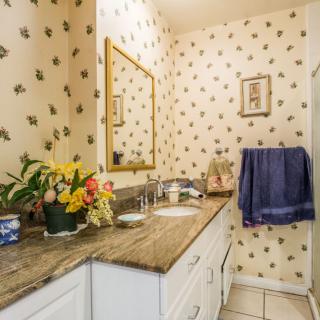
 Fully furnished
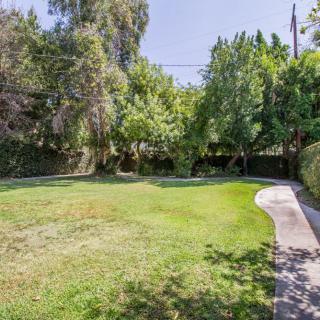
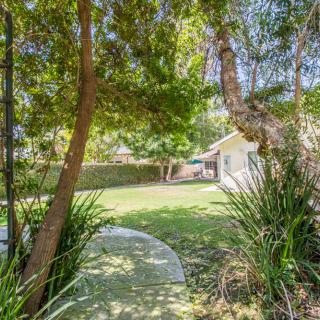
 Garden
 Housekeeping services
 Move-in coordination
 Outdoor space
 Private
 Small library
 Telephone
 Burbank-Glendale-Pasadena (5 miles away)
 24-hour supervision
 Activities of daily living assistance
 Ambulatory care
 Assistance with bathing
 Assistance with dressing
 Assistance with transfers
 Diabetes diet
 Diabetic care
 High acuity care
 Meal preparation and service
 Medication management
 Special dietary restrictions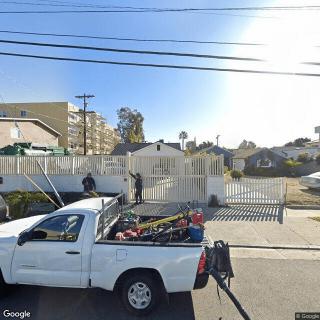
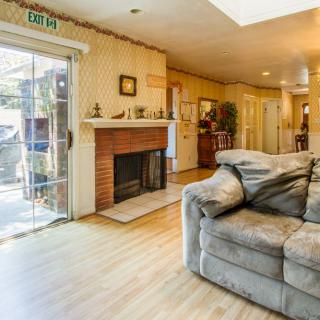
 Caring, attentive staff in a warm, home-like setting with good meals and on-site engagement.


 Securing Financial Support for Assisted Living: A Comprehensive Overview
 Social Security Benefits and Assisted Living: Navigating Options Across the U.S.
 An Extensive Exploration of the VA Aid and Attendance Benefit