
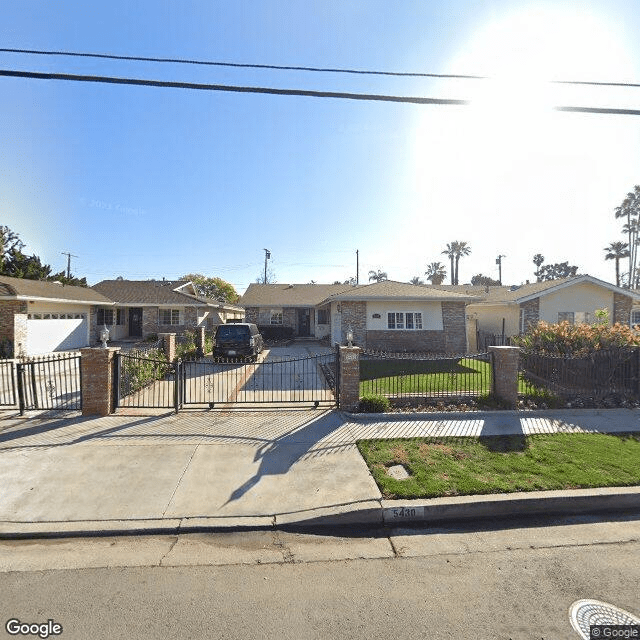
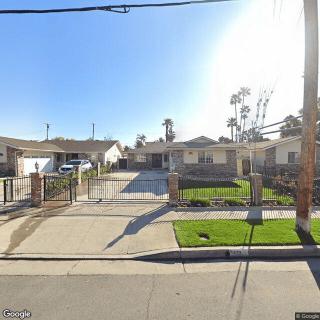
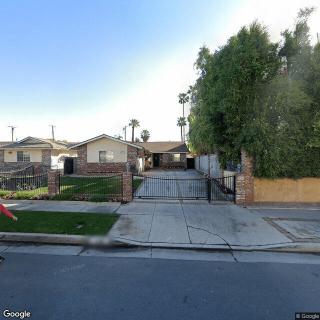
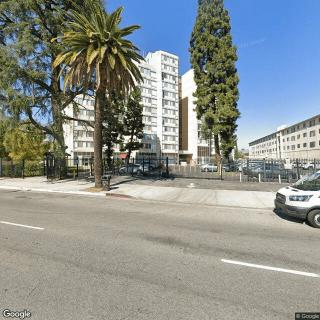
5430 Tyrone Ave., Sherman Oaks, CA 91401
To contact a resident: (818) 508-7010
For more information about senior living options: (866) 208-4318
Carmel 4 Costs & Pricing
Carmel 4 presents a competitive pricing structure for its living arrangements when compared to the broader market of Los Angeles County and California as a whole. For those considering semi-private accommodations, Carmel 4 offers rates at $3,500 per month, which is slightly above the county average of $3,349 but still in alignment with state costs of $3,333. In the private room category, Carmel 4's rate stands at $4,000, which is more economical than the county's average of $4,197 yet remains higher than the statewide figure of $3,939. Lastly, for one-bedroom units, Carmel 4 charges $4,000 per month - again below the county average of $4,603 while surpassing California's state average of $4,340. Overall, Carmel 4 combines attractive pricing with strategic positioning against local and state benchmarks in each category.
| Floor plans | Carmel 4 | Los Angeles County | California |
|---|---|---|---|
| Semi-Private | $3,500 | $3,349 | $3,333 |
| Private | $4,000 | $4,197 | $3,939 |
| 1 Bedroom | $4,000 | $4,603 | $4,340 |
Memory care communities with a similar price nearby
-
About the same
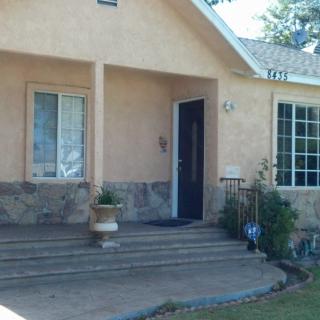
Paradise Senior Living 1
$3,500 to $4,500 / month7.4 miles away -
from +$300 / mo
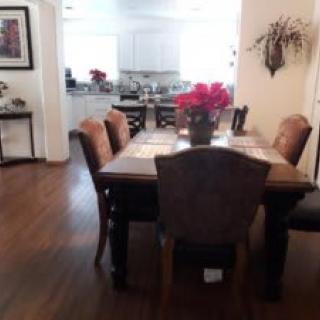
America's Care Manor
$3,800 to $4,000 / month15.0 miles away -
from +$500 / mo
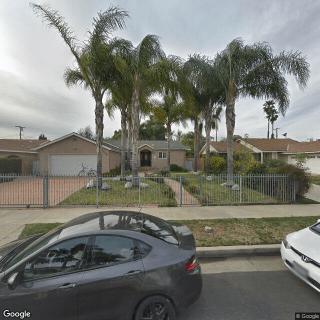
Land of Peace 6
$4,000 to $5,500 / month10.2 miles away -
About the same
Hollywood Healthy Living
$3,500 to $5,000 / month6.5 miles away -
About the same

California Senior Of Sherman Oaks
$3,500 to $4,000 / month0.9 miles away
Overall Review of Carmel 4
Pros
 The care provided to loved ones was second to none, with knowledgeable staff and an unmatched bedside manner.
- Families experience peace of mind thanks to the staff’s exceptional communication and compassionate care.
- The team goes above and beyond for their patients.
- The facility is described as a beautiful, safe home with very good communication.
- The staff are friendly and thoughtful, and the facility is clean and well maintained.
Cons
 The people running this place have put up illegal and fake signs to deter parking at the facility.
- There are fake fire lane signs and illegal towing signs on the side of the building, despite it being a public street.
- They have attempted to intimidate people with threats of towing their cars if they park in front of the building.
- The facility is described as a very poor environment with safety concerns and haphazard care, showing no real concern for residents’ welfare.
- The staff do not have the requisite knowledge or skill to run a board-and-care home for the elderly.
- Residents were afraid, bullied by a caretaker, unhappy with the food, and psychologically miserable.
- There was turnover of caretakers and multiple residents left, suggesting the place is not suitable; one reviewer said it should be closed down.
Review
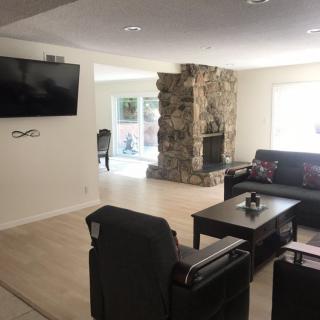
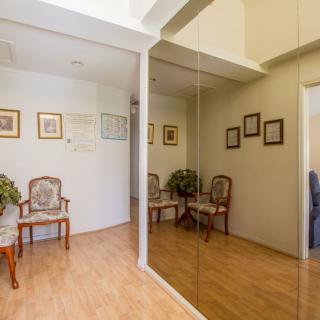
Carmel 4 is best suited for families seeking a warm, person-centered environment where daily care is delivered with genuine empathy and consistent communication. The community tends to appeal to residents who respond well to attentive, hands-on staff, a clean and home-like setting, and reliable updates for families. When care is working, the experience feels intimate rather than institutional, with caregivers who appear knowledgeable, engaged, and focused on preserving dignity and mood. For families who value frequent bedside updates, thoughtful interactions, and visible efforts to keep a loved one comfortable and connected, Carmel 4 often meets those expectations.
However, certain realities warrant careful consideration. Those who require airtight governance, transparent safety practices, or a consistently predictable leadership presence may want to compare options more rigorously. Several reviews raise serious questions about management decisions and safety signals, including allegations of improper signage and towing threats that suggest an approach to enforcement that can feel adversarial. Additionally, one family describes a persistently unsafe and unstable environment, with caregiver turnover, perceived neglect, poor food experiences, and an overall sense that welfare was not prioritized. These factors translate into a legitimate caveat for families who cannot tolerate governance and safety ambiguity.
The strongest pros, compassionate staff, clear communication, and a well-kept setting, often translate into meaningful peace of mind for families. Positive testimonials highlight staff who go “above and beyond,” a homey atmosphere, and a track record of improving a resident’s well-being, including weight stabilization and happier demeanor after transition. When staff consistently demonstrate bedside manner and responsiveness, families feel understood, and residents tend to settle into routines with less anxiety. Cleanliness, safety in common areas, and purposeful engagement also support everyday quality of life and reduce the stress of daily caregiving decisions for relatives.
Yet the cons carry substantial weight. Governance issues and alleged intimidation tactics surrounding parking and access point to a friction between management and residents or families that can erode trust. Caregiver turnover and inconsistent staffing patterns compound the risk, producing periods of reduced continuity in care. When families recount that a loved one felt frightened, mistreated, or neglected, and management appears defensive rather than proactive, the positive anecdotes lose some of their credibility. In short, the same facility that yields some exemplary care experiences also harbors persistent risks that legitimate families will want resolved before committing long-term.
For families seriously evaluating Carmel 4, a structured tour and frank conversations with leadership are essential. Ask direct questions about caregiver ratios, turnover, staff training, incident response, and the process for addressing family concerns. Seek a transparent explanation of the parking and road-signage policies, how safety is monitored, and what steps are taken when a resident or family perceives a problem. Observe meal times, caregiver interactions, and how activities are structured to foster social engagement. Cross-check licensing and speak with current residents and families about consistency of care beyond the polished surface. The aim is to verify that the promising care stories align with day-to-day reality.
Overall, Carmel 4 offers a compelling blend of warmth, competence, and livability for residents who respond to attentive, communicative caregiving. The most persuasive endorsements describe reliable, compassionate staff and a sense of peace for families. However, the presence of governance concerns, safety-related tensions, and caregiver turnover cannot be dismissed. If those issues remain unresolved, they tilt the balance toward exploring alternatives with more documented stability and transparent governance. For families prioritizing personal connection, consistent attentiveness, and a home-like environment, Carmel 4 remains a viable option worth pursuing, with the caveat that thorough, up-front diligence is essential before making a final commitment.
 Board and Care Home
 Memory Care
 Cats allowed
 Dogs allowed
 Activities off-site
 Bath tubs
 Beautician on-site
 Devotional services off-site
 Indoor common areas
 Outdoor common areas
 Private
 Private bathrooms
 Respite or short term stays offered
 Wheelchair accessible showers
 Burbank-Glendale-Pasadena (5 miles away)
 Ambulatory care
 Diabetic care
 High acuity care
 Kosher


 8 Key Indicators That Suggest It May Be Time to Transition from Assisted Living to Skilled Nursing Care
 Nourishing the Mind: Essential Dietary Approaches for Dementia
 Understanding Dementia Behaviors: Practical Insights and Strategies for Caregivers