
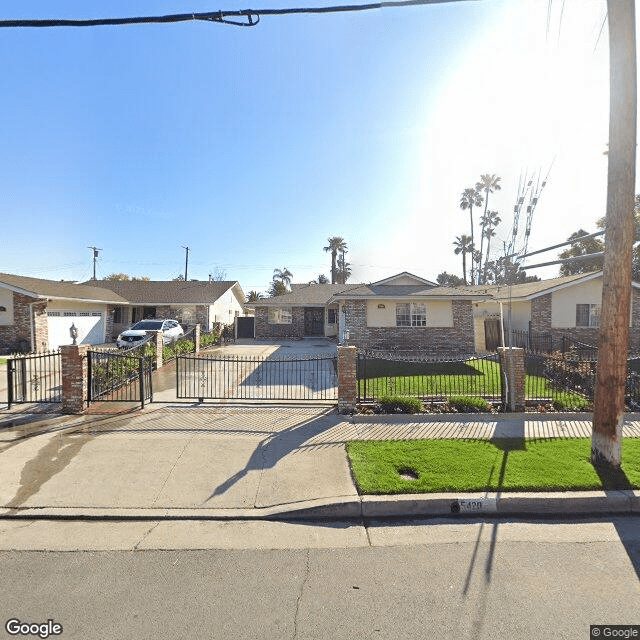
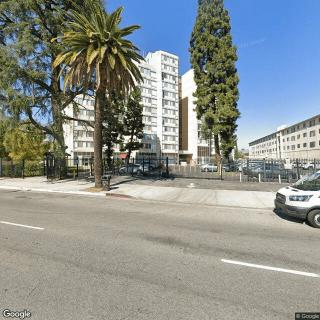
5420 Tyrone Ave, Sherman Oaks, CA 91401
To contact a resident: (818) 652-9121
For more information about senior living options: (866) 208-4318
Carmel 2 Costs & Pricing
Carmel 2 presents a unique pricing structure for its living accommodations, particularly when compared to the wider benchmarks set by Los Angeles County and the state of California. For both private rooms and one-bedroom units, Carmel 2 charges $5,500 per month, which notably exceeds the average costs in Los Angeles County - $4,197 for a private room and $4,603 for a one-bedroom - as well as the statewide averages of $3,939 and $4,340 respectively. This premium may reflect specific amenities or services that cater to a higher standard of living at Carmel 2, positioning it as an option for those seeking enhanced quality or specialized care within a more exclusive environment.
| Floor plans | Carmel 2 | Los Angeles County | California |
|---|---|---|---|
| Private | $5,500 | $4,197 | $3,939 |
| 1 Bedroom | $5,500 | $4,603 | $4,340 |
Memory care communities with a similar price nearby
-
from +$700 / mo
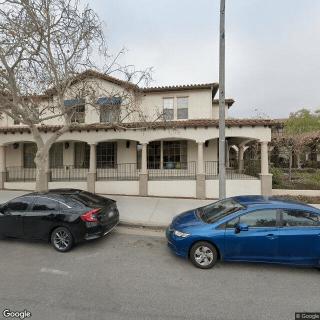
The Kensington at Sierra Madre
$6,200 to $9,270 / month22.1 miles away -
from -$500 / mo

Sweet Home Senior Living #1
$5,000 to $7,500 / month1.1 miles away -
from -$1000 / mo
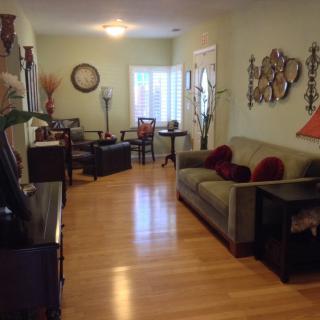
Ardenville Home Care I
$4,500 / month6.4 miles away -
from +$1000 / mo
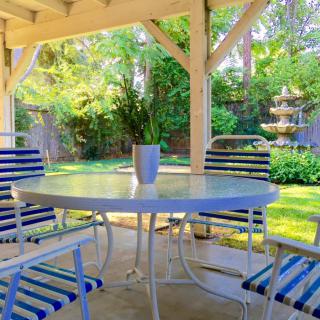
The Kentland House
$6,500 to $7,000 / month10.0 miles away -
from -$500 / mo
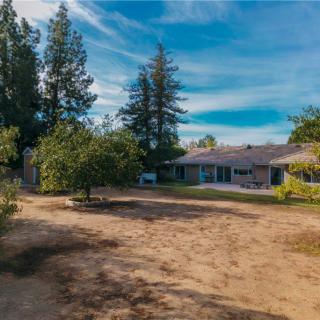
A Caring Touch Board and Care
$5,000 / month9.6 miles away
Overall Review of Carmel 2
Pros
 The people met on the tour were nice.
- The care home seemed clean.
- Carmel provides one-on-one personal care that doesn't feel like a big hospital.
- The woman who helped move a grandmother in was terrific and very helpful.
Cons
 It did not feel like a family environment.
Review
Carmel 2 in Sherman Oaks is best suited for seniors who want discreet, individualized care in a clean, non-clinical setting and who value one-on-one attention over a bustle of large-community activities. This is a place that prioritizes personal care delivered with a gentle, non-hospital feel, rather than a bustling, family-style residence. For families, the setting works well when the goal is predictable routines, quiet days, and focused assistance from attentive staff, with move-in logistics handled smoothly by capable team members.
Those considering alternatives should weigh whether a strongly social, family-oriented atmosphere is non-negotiable. With only two reviews and no strong statements about a warm, home-like community, Carmel 2 may fall short for families seeking a robust daily social scene, wide-ranging programming, and the feeling of living in a large, supportive “family.” For residents who rely on active communal life to stay engaged, other nearby options likely offer more opportunities for interaction, shared meals, and group activities that cultivate a sense of belonging.
The primary positives stand out clearly. Staff are described as pleasant and professional during tours, and the one-on-one personal care model avoids a hospital vibe while still delivering consistent attention. The move-in assistance appears to have been particularly strong, with a staff member who helped the reviewer moving a relative in described as terrific and very helpful. The cleanliness of the facility reinforces comfort and reduces any unease about institutional surroundings, contributing to an environment where routine daily care feels manageable and unobtrusive.
That absence of a family-like ambiance, however, is the most noticeable trade-off. For families who equate a warm, homey culture with safety and daily motivation, this could be a meaningful gap. The upside is a calmer, less frenetic pace that can suit residents who prefer privacy, predictable routines, and a caregiver-driven model. The benefit of one-on-one care can offset the potential loneliness by ensuring that needs are met promptly, with staff available to provide reassurance and assistance exactly when required.
From the limited data available, the main risk lies in underestimating the importance of social programming and resident connectedness. With two reviews, the picture may not capture variations in staffing shifts, weekend activity levels, or willingness to tailor programming to individual interests. Families should probe specific details during tours: caregiver-to-resident ratios, consistency of assigned aides, availability of activities beyond basic care, meal quality, and opportunities for meaningful family involvement. Clarify whether short-term stays or flexible respite care can provide a trial for comfort with the community’s rhythm.
In the end, Carmel 2 stands as a practical choice for households prioritizing individualized care, a clean, quiet milieu, and a smooth onboarding experience. It is less compelling for those who prize a strongly communal, family-like atmosphere and high-touch social programming. The decisive factor will be resident personality and care needs: for some, the one-on-one approach and serene setting will be perfect; for others, that same structure may feel isolating without a livelier community. Prospective families should schedule focused tours, compare with nearby communities offering richer social calendars, and verify long-term care alignment, then trust the specific caregiver relationship to guide the choice.
 Board and Care Home
 Memory Care
 Cats allowed
 Dogs allowed
 Activities off-site
 Bath tubs
 Beautician on-site
 Devotional services off-site
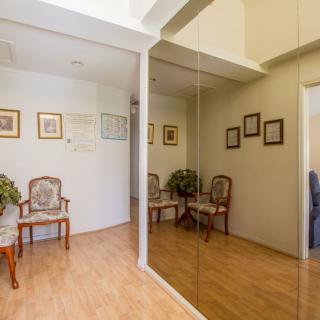
 Indoor common areas
 Outdoor common areas
 Private
 Private bathrooms
 Respite or short term stays offered
 Wheelchair accessible showers
 Burbank-Glendale-Pasadena (5 miles away)
 Ambulatory care
 Diabetic care
 High acuity care
 Kosher

 Delving into the Inner World of Dementia: Insights into Thoughts and Awareness
 Five Subtle Dementia Indicators to Observe: An In-Depth Guide to Understanding “Does My Mom Have Dementia?”
 Dementia, Paranoia, and Caregiver Guidance: Understanding the Connection