
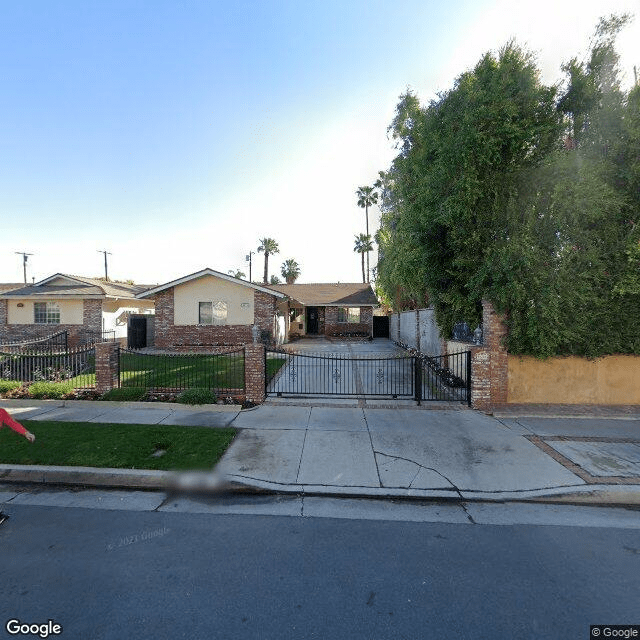
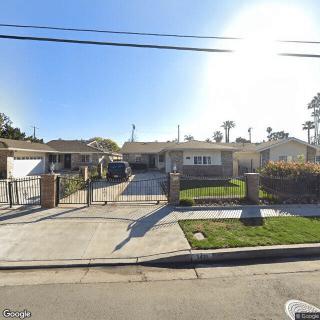
5416 Tyrone Street, Sherman Oaks, CA 91401
To contact a resident: (818) 508-7010
For more information about senior living options: (866) 208-4318
Carmel 1 Costs & Pricing
Carmel 1 presents a competitive pricing structure compared to both Los Angeles County and the broader California market. For semi-private rooms, Carmel 1's rate of $3,500 is notably lower than the county average of $3,349, positioning it as an attractive option for those seeking budget-friendly accommodations. In contrast, its private room pricing aligns closely with the county at $4,000, while still being more cost-effective than the state average of $3,939. Additionally, when it comes to one-bedroom units, Carmel 1 again matches the county price of $4,000 but offers a better value compared to the state average of $4,340. Overall, Carmel 1 strikes a balance between affordability and quality that may appeal to potential residents in this region.
| Floor plans | Carmel 1 | Los Angeles County | California |
|---|---|---|---|
| Semi-Private | $3,500 | $3,349 | $3,333 |
| Private | $4,000 | $4,197 | $3,939 |
| 1 Bedroom | $4,000 | $4,603 | $4,340 |
Memory care communities with a similar price nearby
-
About the same
Kind Heart Home Care VI
$3,500 to $5,000 / month25.0 miles away -
About the same
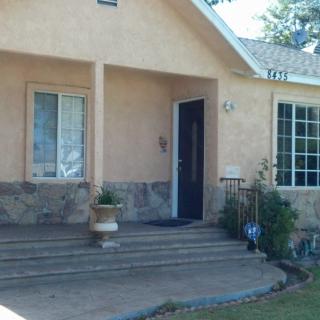
Paradise Senior Living 1
$3,500 to $4,500 / month7.4 miles away -
from +$300 / mo
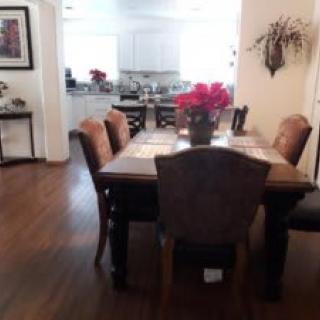
America's Care Manor
$3,800 to $4,000 / month15.0 miles away -
from +$500 / mo
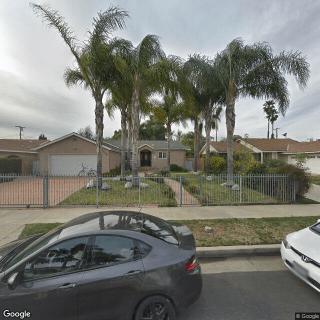
Land of Peace 6
$4,000 to $5,500 / month10.2 miles away -
About the same
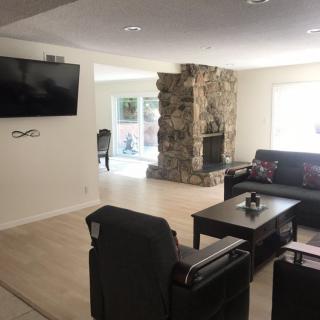
Hollywood Healthy Living
$3,500 to $5,000 / month6.5 miles away
Overall Review of Carmel 1
Pros
 The staff at Carmel have been awesome in their care of the mother.
- The home is friendly and clean, and the mother was very happy there.
- Carmel is described as a very nice board-and-care home.
- It is a great place and a bright, well-maintained facility.
- The staff are friendly and professional, and the facility is consistently well kept.
- The reviewers would definitely recommend Carmel to anyone seeking a place for a loved one.
- There is gratitude expressed for Carmel and its staff for their support.
Cons
 The bathrooms have no access for wheelchairs or walkers.
- The 24-hour care appears to consist only of the cook spending the night, with perhaps one other person who is rarely seen.
- The intercom system is antiquated, preventing residents from contacting staff from their bedrooms.
- The staff said the resident with dementia was too much work because she slept during the day.
- The reviewer believes the facility is unsuitable for dementia patients and would not place a loved one there.
- The tour misled them by showing a higher-quality house than the one where the loved one was placed.
- The owner seemed cold when handling final matters, and the reviewer did not feel the loved one received the attention and empathy deserved.
Review
Carmel 1 in Sherman Oaks is best suited for families seeking a warm, home-like board-and-care setting where personal attention from a small, consistently present staff makes a real difference. It works well for residents who can participate in daily routines, light exercise, and social activities, and who don’t require intensive, around-the-clock medical oversight. The property shines when cleanliness, a bright environment, and a friendly staff are the deciding factors. However, for individuals who need full wheelchair accessibility in bathrooms, a robust 24/7 medical response, or a formal dementia program with specialized staffing, this community is likely to fall short. In practical terms, it serves as a solid option for moderate care needs in a intimate setting, not a high-acuity or highly specialized facility.
Those who should consider alternatives are families prioritizing seamless accessibility, consistent, fully staffed dementia care, and a transparent, business-facing operating culture. If a resident requires ADA-compliant bathroom access, an entirely reliable call system, or a facility with a clearly defined, fully resourced memory-care program, other communities may offer fewer friction points. Prospective residents with complex mobility limitations or those who want a larger campus with more clearly delineated care levels should compare options to avoid gaps between expectations and delivery. In short, Carmel 1 makes sense for comfortable, social living with attentive care, less so for high-need, high-dependence scenarios.
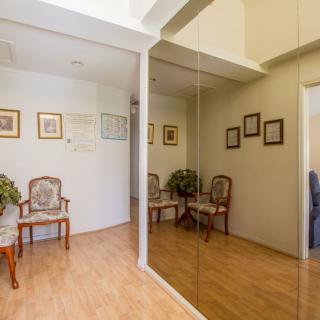
The strongest positives center on staff warmth and a welcoming, well-maintained environment. Several families praise the caregivers for their compassion and consistency, noting the home feels clean, bright, and safe. Residents are described as enjoying on-site activities, from light exercise to memory classes and occasional social events, with the facility’s schedule providing a sense of routine and continuity. This aligns with a recognizable advantage of small-board-and-care settings: staff visibility and the opportunity for meaningful interactions. When care staff are present and engaged, the day-to-day quality of life for residents clearly rises above what many experience at home with limited support.
Yet there are credible concerns that temper the overall impression. A recurring issue is that certain accessibility features and calling systems are not up to users’ needs, with reports of bathrooms lacking wheelchair access and an antiquated intercom system limiting bedroom-to-staff communication. Some families felt the care level did not match what was promised during tours, citing perceptions of understaffing and insufficient daytime coverage for a resident with dementia. There are also troubling notes about the interpersonal tone of some owners during difficult conversations, and a sense that some final billing matters were handled in a cold or less-than-empathetic way. Taken together, these factors create legitimate questions about reliability, consistency, and the facility’s ability to fully support high-needs residents.
How the positives can offset the negatives depends on the resident’s profile and the family’s advocacy. For residents who thrive on personal attention, a friendly staff, and regular social programming, Carmel 1 can deliver meaningful improvement in quality of life compared with unstructured home care. The clean, pleasant surroundings and the sense of safety are tangible benefits that are hard to replicate in a larger, more impersonal setting. The caveat is that those benefits are more fully realized when accessibility needs are modest and when families are prepared to monitor care closely, ask for clarity, and press for consistency across shifts. In other words, this community can be a meaningful fit when care expectations align with its staffing model and physical layout.
Bottom line: Carmel 1 offers a practical, homelike option for seniors who value attentive staff, a clean environment, and engaging activities, provided accessibility and dementia support are not the primary constraints. Families with residents who require robust wheelchair access, high-level medical oversight, or a clearly defined dementia program should actively compare alternatives and verify the specifics, bathroom configuration, call-system reliability, staffing levels across shifts, and the owner’s approach to difficult conversations and refunds. Visit with a checklist: tour all relevant houses in the network to see if another option better matches needs; observe a meal, an activity, and a care interaction on multiple days; request a written, whole-person care plan; and insist on transparent, consistent billing practices. When these controls are in place, Carmel 1 can be a solid, respectful choice; when they aren’t, a broader search is warranted.
 Board and Care Home
 Memory Care
 Cats allowed
 Dogs allowed
 Activities off-site
 Bath tubs
 Beautician on-site
 Devotional services off-site
 Indoor common areas
 Outdoor common areas
 Private
 Private bathrooms
 Respite or short term stays offered
 Wheelchair accessible showers
 Burbank-Glendale-Pasadena (5 miles away)
 Ambulatory care
 Diabetic care
 High acuity care
 Medication management
 Kosher


 Guiding Your Journey: Understanding Power of Attorney for Elderly Parents
 22 Remarkable Caregiver Support Groups Available Online and In-Person
 Understanding Medicaid Coverage for Assisted Living: A Comprehensive Guide