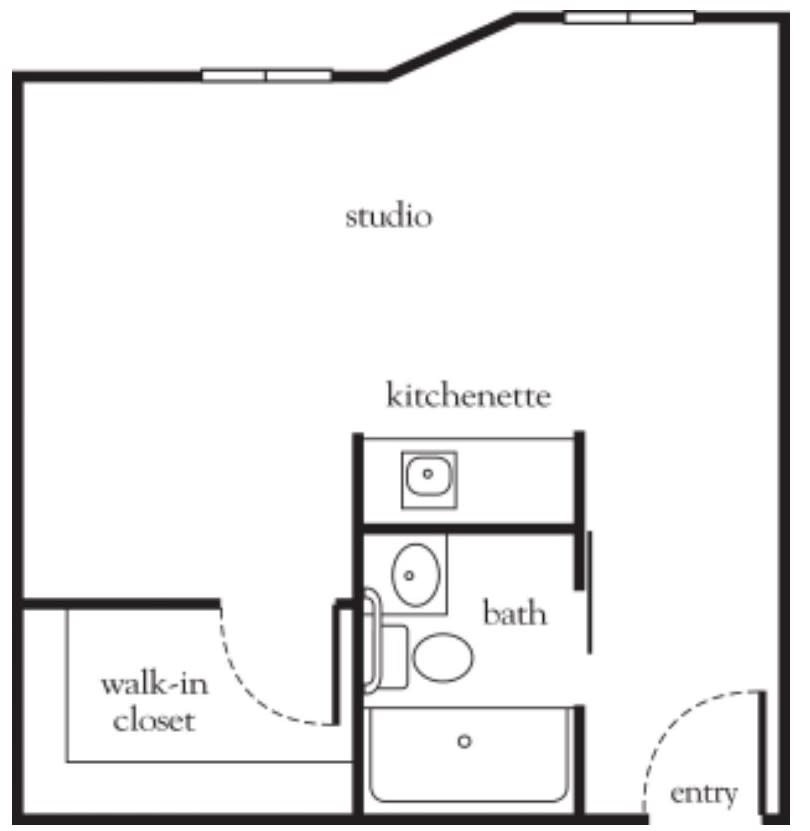
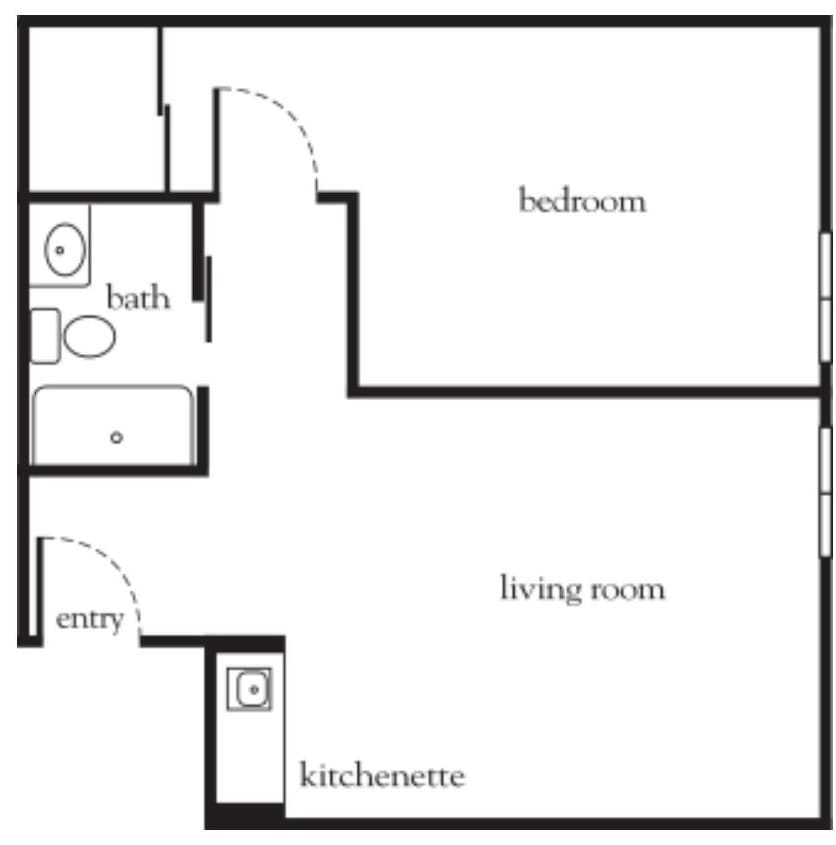
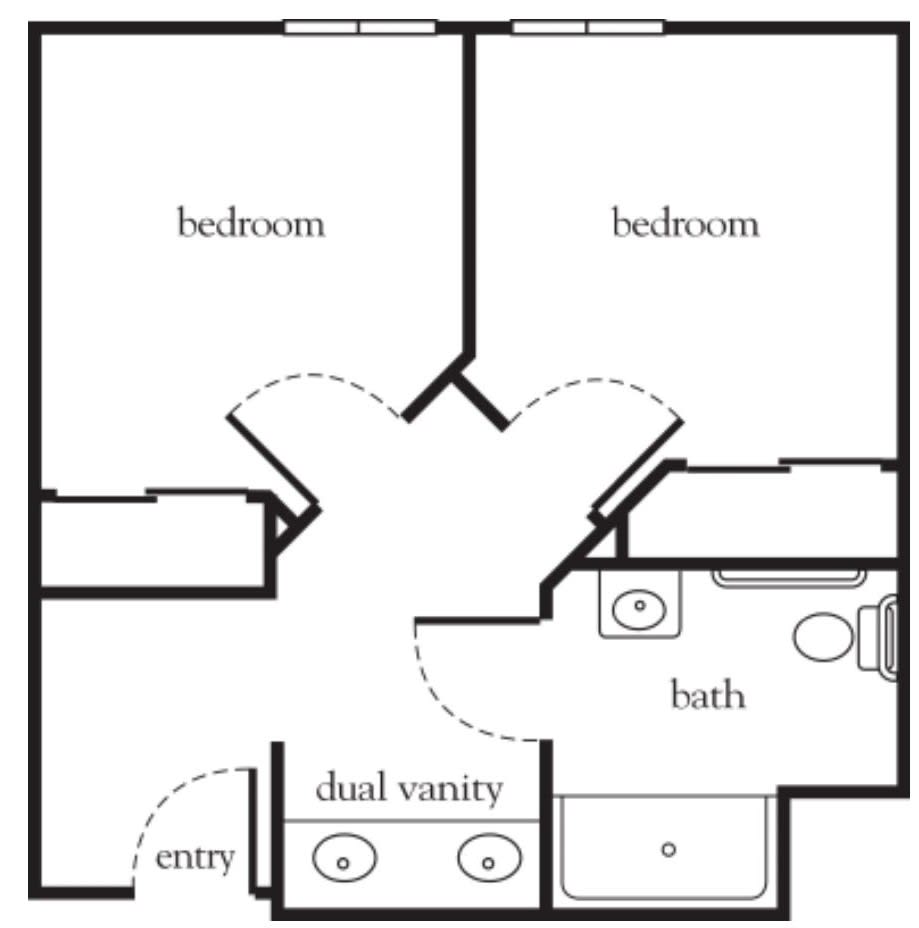
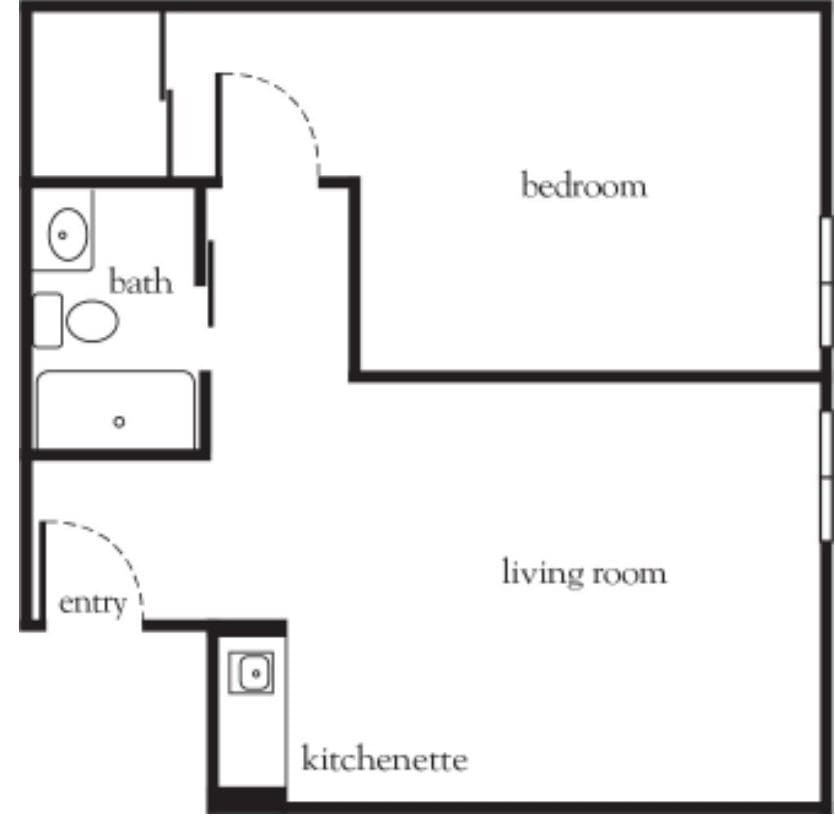
Atria Park of San Mateo offers a range of monthly costs that reflect its premium services and amenities compared to the broader market conditions in San Mateo County and California. For instance, a studio apartment at Atria is priced at $4,495, which is notably lower than the county average of $5,178 while still being higher than the state average of $4,145. The one-bedroom units are offered at $5,995, slightly above both the county's average of $5,821 and the state's average of $4,340. However, the semi-private rooms at Atria stand out with a monthly cost of $7,095, significantly exceeding both local and state averages ($3,830 and $3,333 respectively). This pricing structure suggests that while Atria Park provides competitive rates for certain living arrangements in comparison to county standards, it positions itself as a more luxurious option for semi-private accommodations within the local community.
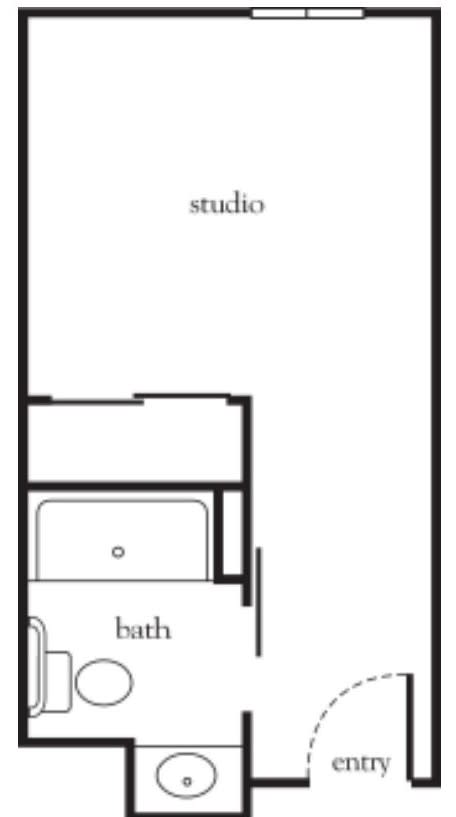
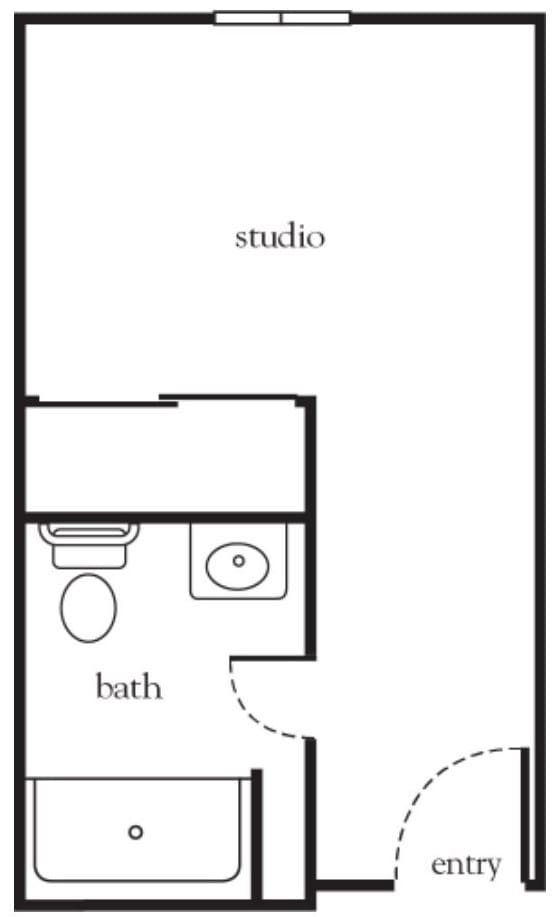
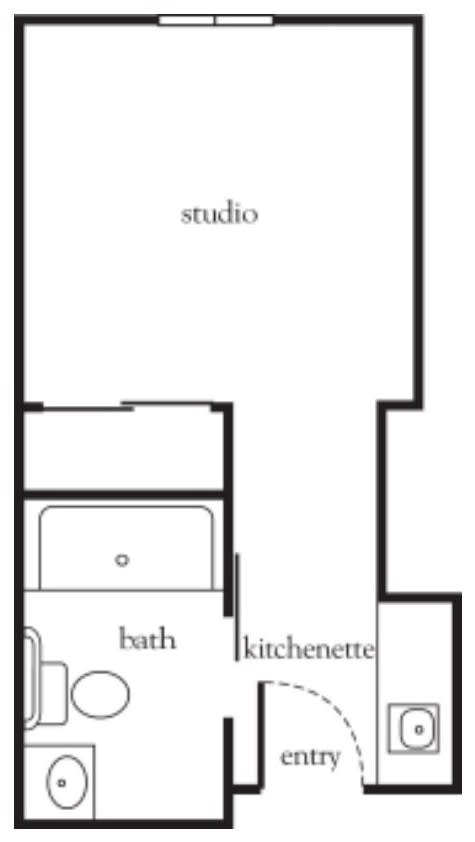
Floor plans
Atria Park Of San Mateo
San Mateo County
California
Studio
$4,495
$5,178
$4,145
1 Bedroom
$5,995
$5,821
$4,340
Semi-Private
$7,095
$3,830
$3,333
Memory care communities with a similar price nearby
Residents and families repeatedly describe staff who respond quickly and care attentively.
Many reviewers emphasize how approachable the staff is when families have questions or when residents need help. Several describe caregivers and management as caring, responsive, and willing to help, including with day-to-day support and updates for families. A few reviews also point to smoother move-in communication and helpful front-desk support.
common16 reviews mention this
Activities keep residents engaged all day
The community is described as having activities that fill the day.
Reviews often mention frequent programming, including games, movies, exercise, and organized group events. Families describe seeing residents stay active without feeling stuck in their rooms, and some highlight specific spaces like a theater, library, and bistro used for social time. The activity focus also comes up in memory care feedback, where reviewers say residents are encouraged to participate.
common14 reviews mention this
Dining is a frequent bright spot
Multiple residents praise the food, menu variety, and chef support.
Dining comes up often, with reviewers describing restaurant-style meals, a good menu, and options they can tailor to preferences or dietary needs. Several mention the bistro as a convenient spot for visitors and snacks, and others call out chef-led meal planning. A smaller number of reviewers raise concerns about food quality or limited non-meat options.
common10 reviews mention this
Clean, well-kept spaces stand out
Reviewers repeatedly describe a clean, well-maintained community.
Across reviews, residents and families note that the facility looks clean and is maintained well, including common areas and individual rooms. Some also mention recent updates or renovations during their experience, which influenced their perception of the building. While a couple reviewers report issues such as housekeeping quality, most describe the community as tidy and cared for.
caveat5 reviews mention this
Memory care safety concerns appear
Some families report serious safety and care breakdowns in memory care.
A handful of reviews raise grave concerns about safety in the memory care setting, including incidents involving residents leaving the facility and allegations connected to care failures. One reviewer also describes a COVID-19 outbreak handling dispute and misrepresentation claims during that time. These negative accounts are stark compared with the many positive staffing and engagement reviews.
caveat3 reviews mention this
Price is repeatedly called out
Pricing draws criticism for being high or increasing without notice.
Several reviewers describe the community as expensive, and a few specifically mention price increases and concerns about how rent changes are communicated. At the same time, at least one review contrasts the pricing as affordable comparatively, indicating responses vary by person and situation. Overall, cost-related feedback is one of the more consistent caveats alongside the dining and service praise.
common2 reviews mention this
Convenient peninsula location for visitors
Reviewers mention the location as a reason they chose or noticed the community.
Some reviewers say they selected the community because it is easy to reach and close to local shops and services, while others mention it as a practical benefit for visits. There is also mention of nearby dining and retail options that help make outings simpler. This appears more as a logistical advantage than as a reason alone for staying.
How we summarize
Counts show how many written reviews mention each theme; a review can touch several themes, and only frequently mentioned themes are displayed.
Features
Housing
52 resident community capacity
Studio apartments
Types of Care
Assisted Living
Memory Care
Pets
Cats allowed
Dogs allowed
Amenities
Activities off-site
Activities on-site
Air-conditioning
Beautician on-site
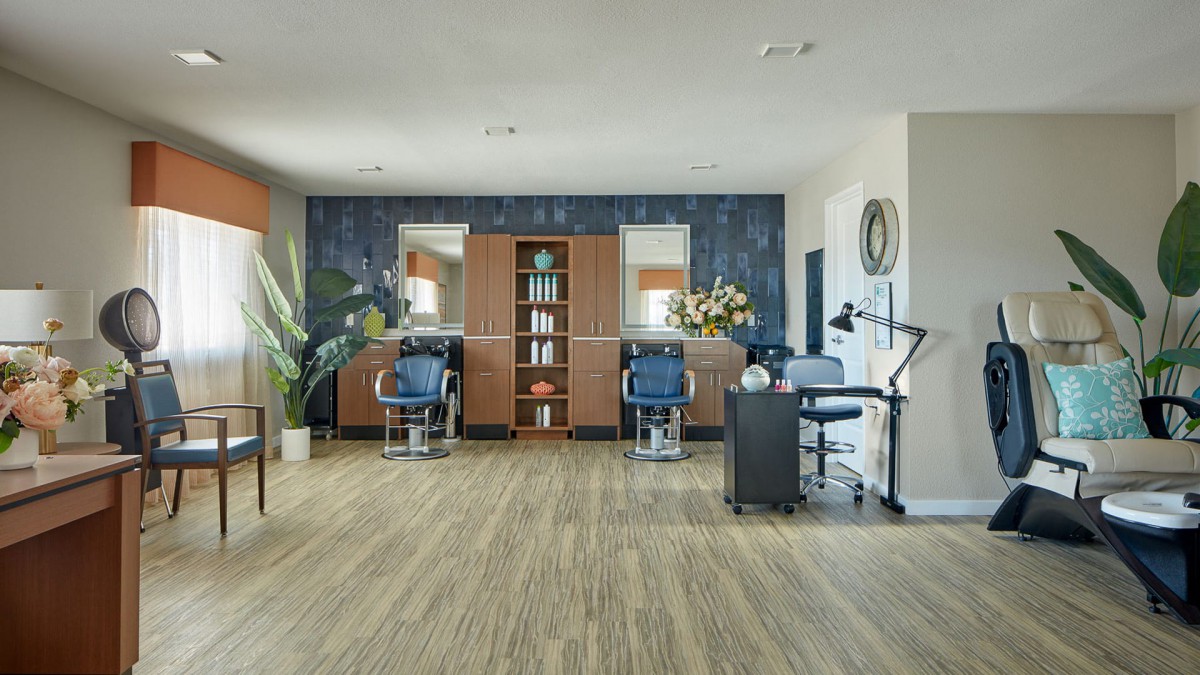
Beauty salon
Cable or satellite TV
Computer center
Devotional services off-site
Devotional services on-site
Dining room
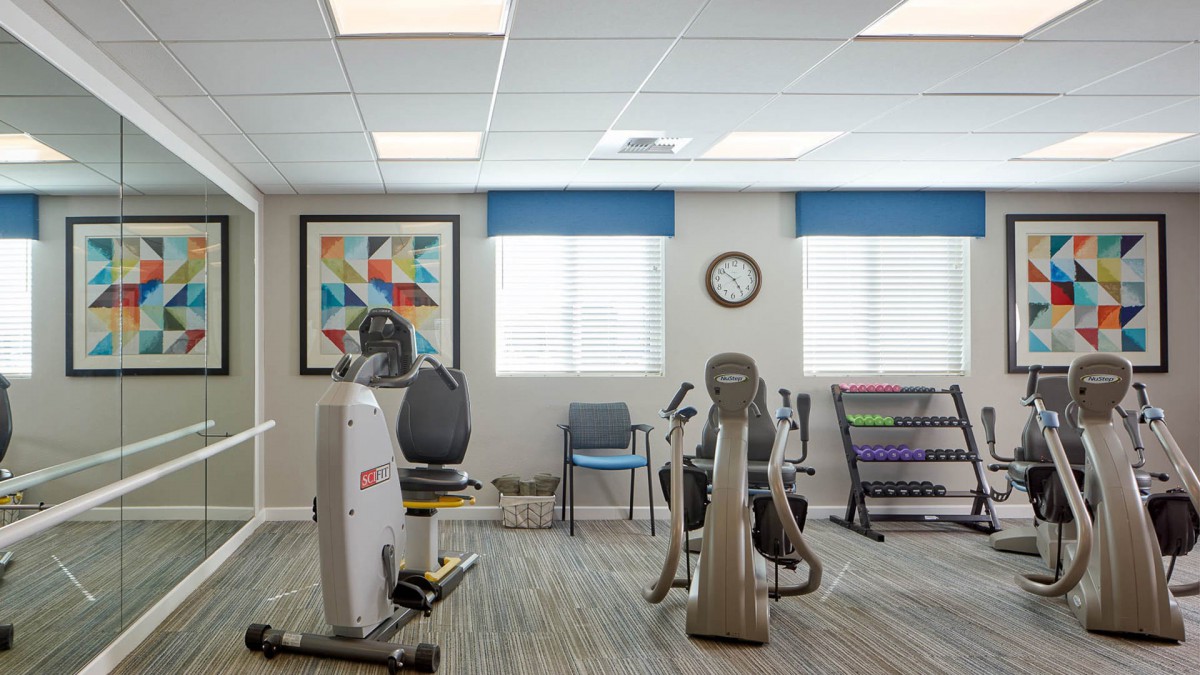
Fitness room
Fully furnished
Gaming room
Garden
Garden view
Ground floor units
Guasts at mealtime
Guest parking
Handicap accessible
Housekeeping services
Indoor common areas
Kitchenette
Laundry
Move-in coordination
Outdoor common areas
Outdoor space
Private bathrooms
Resident parking
Respite or short term stays offered
Restaurant-style dining
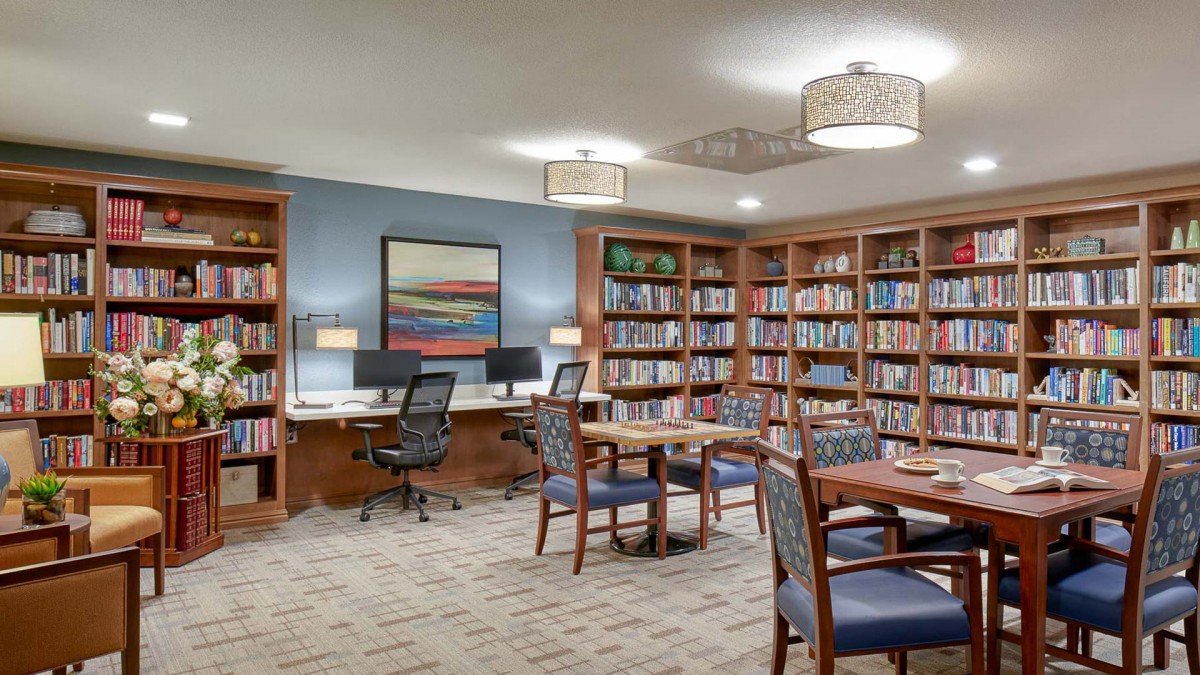
Small library
Spa
Telephone
Wellness center
Wheelchair accessible showers
Wi-Fi/high-speed internet available
Transportation
San Francisco International (7 miles away)
Metropolitan Oakland International (13 miles away)
San Jose International (23 miles away)
Community operated transportation
Transportation & parking
Transportation arrangement
Transportation arrangement (non-medical)
Care Services
12-16 hour nursing
24-hour call system
24-hour supervision
Activities of daily living assistance
Assistance with bathing
Assistance with dressing
Assistance with transfers
Coordination with health care providers
Dementia waiver
Diabetes diet
Diabetic care
High acuity care
Hospice waiver
Incontinence care
Meal preparation and service
Medication management
Mental wellness program
Mild cognitive impairment
Special dietary restrictions
Specialized memory care programming
Transportation arrangement (medical)
Transportation to doctors appointments
Dining
Anytime dining
Diabetes diet
Gluten-free
Guest meals
International cuisine
Kosher
Low / no sodium
Meals provided
No Sugar
Professional chef
Renal
Restaurant style dining
Room service
Special dietary restrictions
Special dining programs
Vegan
Vegetarian
Activities
Activities off-site
Art classes
Bible study group
Catholic services
Community-sponsored activities
Concierge services
Day trips and outings
Devotional activities offsite
Devotional activities on-site
Educational speakers / life long learning
Fitness programs
Jewish services
Karaoke
Live well programs
Planned day trips
Religious services
Resident-run activities
Scheduled daily activities
Visiting Rabbi
Visiting chaplain or priest
Languages Spoken
English
Nearby Places of Interest
This part of San Mateo, California, offers a convenient and bustling urban environment with a variety of amenities nearby. There are several cafes such as Starbucks and Philz Coffee within a short distance for socializing or enjoying a cup of coffee. The area also has several pharmacies, hospitals, and physicians' offices in close proximity, providing easy access to healthcare services. Additionally, there are transportation options like the Hillsdale Station and San Carlos Airport for travel convenience. Residents can enjoy outdoor activities at parks like Leo J Ryan Memorial Park and Coyote Point County Park or catch a movie at Cinepolis San Mateo. With a mix of dining options ranging from fast food to upscale restaurants, this neighborhood offers a vibrant lifestyle for seniors looking to live in an engaging community with various services nearby.
Cafes
Starbucks (0.8 miles)
Starbucks (5.2 miles)
Philz Coffee (5.2 miles)
Coffeebar (5.2 miles)
Starbucks (7.2 miles)
San Francisco Giants Clubhouse (7.6 miles)
Café Venetia (9.7 miles)
Pharmacies
CVS Pharmacy (0.9 miles)
Walgreens (1.1 miles)
CVS Pharmacy (1.2 miles)
CVS Pharmacy (1.6 miles)
Walgreens (2.5 miles)
CVS Pharmacy (2.5 miles)
CVS Pharmacy (3.1 miles)
Transportation
Hillsdale Station (0.9 miles)
San Carlos Airport (SQL) (2.9 miles)
San Carlos Airport Control Tower (3.2 miles)
Redwood City Caltrain Station (5.1 miles)
Millbrae Caltrain Station (6.7 miles)
Boarding Area C (7.1 miles)
Delta Sky Club (7.2 miles)
Parks
Leo J Ryan Memorial Park (1.1 miles)
Marlin Park (2.3 miles)
Central Park (2.3 miles)
Laurelwood Park (2.6 miles)
Coyote Point County Park (3.7 miles)
Burton Park (3.7 miles)
Highlands Park (3.7 miles)
Theaters
Cinepolis San Mateo (1.1 miles)
Restaurants
McDonald's (1.3 miles)
In-N-Out Burger (2.8 miles)
Chick-Fil-A (4.5 miles)
In-N-Out Burger (5 miles)
New England Lobster Market & Eatery (6.2 miles)
In-N-Out Burger (6.5 miles)
Lark Creek Grill (7.2 miles)
Hospitals
San Mateo Medical Center (1.4 miles)
Mills-Peninsula Radiology (2.6 miles)
Sequoia Hospital (4.9 miles)
Kaiser Permanente Redwood City Medical Center (5.2 miles)
Mills-Peninsula Health Services (6.2 miles)
A & C Convalescent Hospital (7.2 miles)
VA Medical Center-Menlo Park (8.8 miles)
Physicians
Bundy Opticians (2.5 miles)
Urology: San Carlos Center: Palo Alto Medical Foundation (2.6 miles)
Atria Park of San Mateo offers a range of monthly costs that reflect its premium services and amenities compared to the broader market conditions in San Mateo County and California. For instance, a studio apartment at Atria is priced at $4,495, which is notably lower than the county average of $5,178 while still being higher than the state average of $4,145. The one-bedroom units are offered at $5,995, slightly above both the county's average of $5,821 and the state's average of $4,340. However, the semi-private rooms at Atria stand out with a monthly cost of $7,095, significantly exceeding both local and state averages ($3,830 and $3,333 respectively). This pricing structure suggests that while Atria Park provides competitive rates for certain living arrangements in comparison to county standards, it positions itself as a more luxurious option for semi-private accommodations within the local community.
Atria Park of San Mateo offers a comprehensive approach to memory care through its array of supportive features designed to enhance the well-being of residents at various stages of dementia or Alzheimer's disease. The facility provides 24-hour supervision to ensure safety and immediate assistance as needed, while activities of daily living support--including help with bathing, dressing, and transfers--promotes independence and dignity. Coordination with healthcare providers ensures that medical needs are met promptly, while specialized programs tailored for memory care engage residents cognitively and socially, fostering a sense of community. Meal preparation and incontinence care address essential needs sensitively, and medication management safeguards adherence to prescribed treatments. Additionally, the mental wellness program targets emotional health, while transportation arrangements facilitate access to necessary medical appointments, creating a holistic environment conducive to both physical and mental well-being for those experiencing mild cognitive impairment or more advanced forms of dementia.
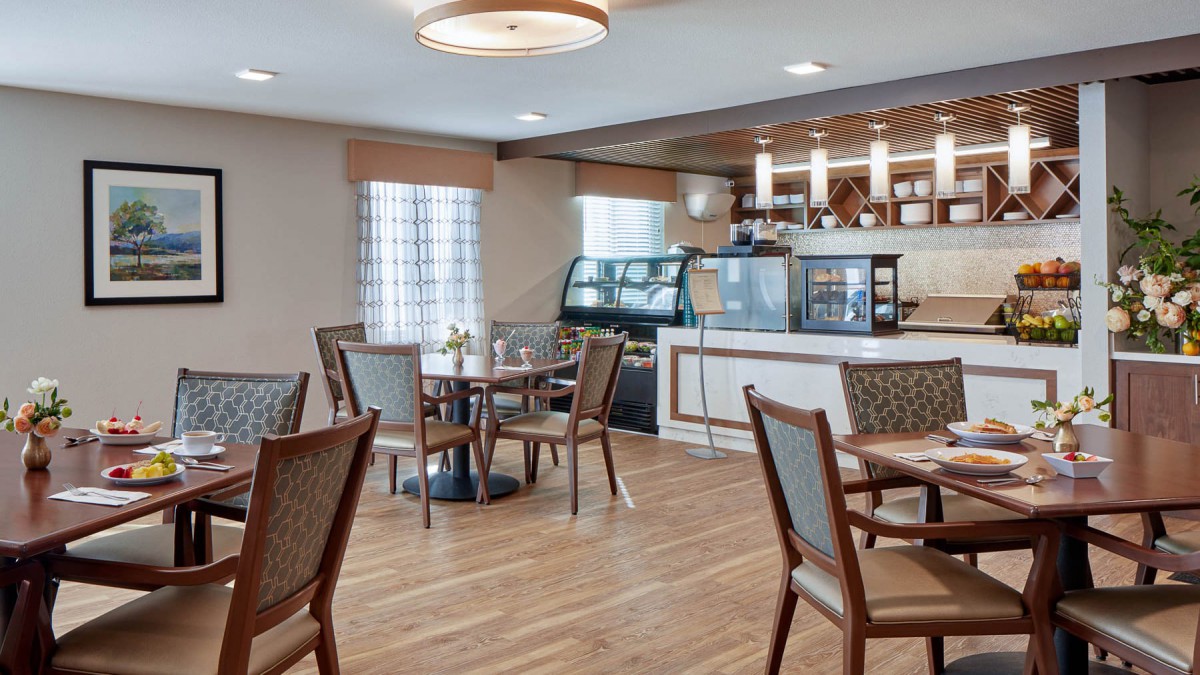
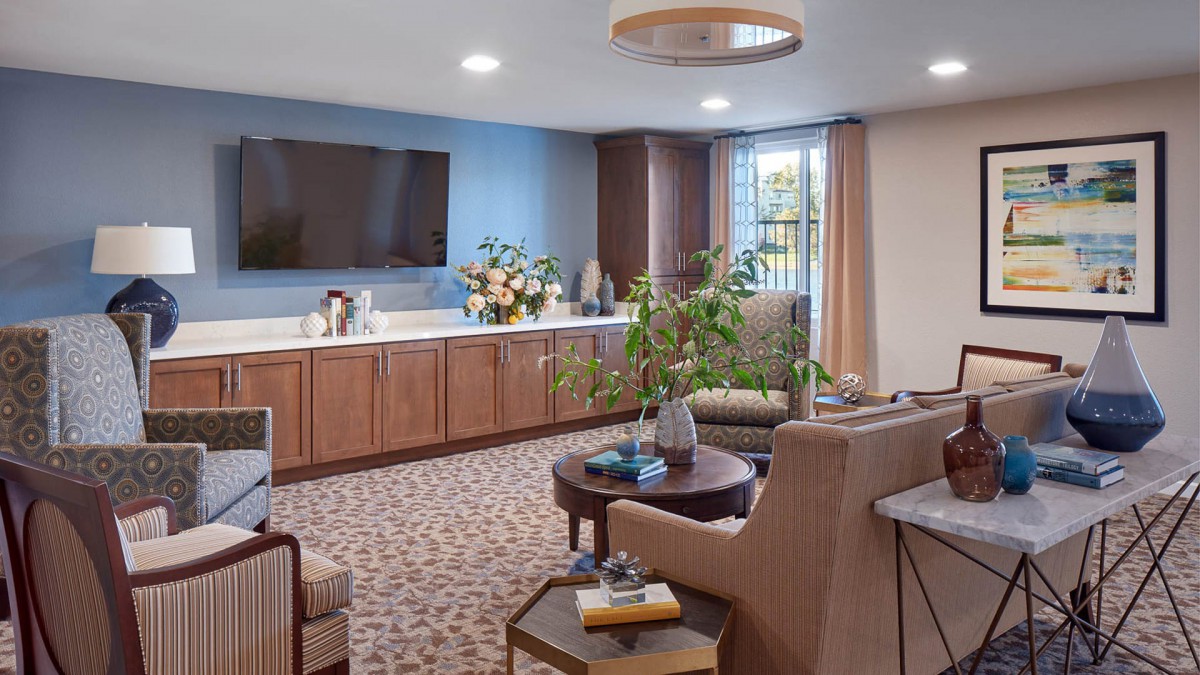
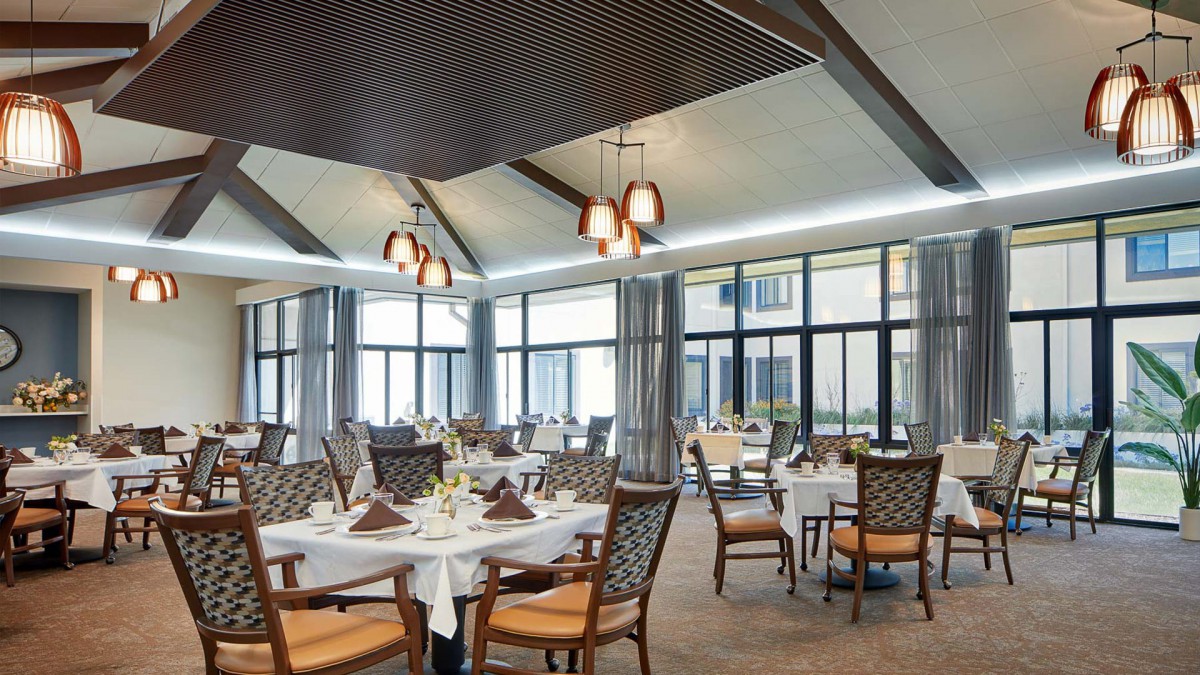
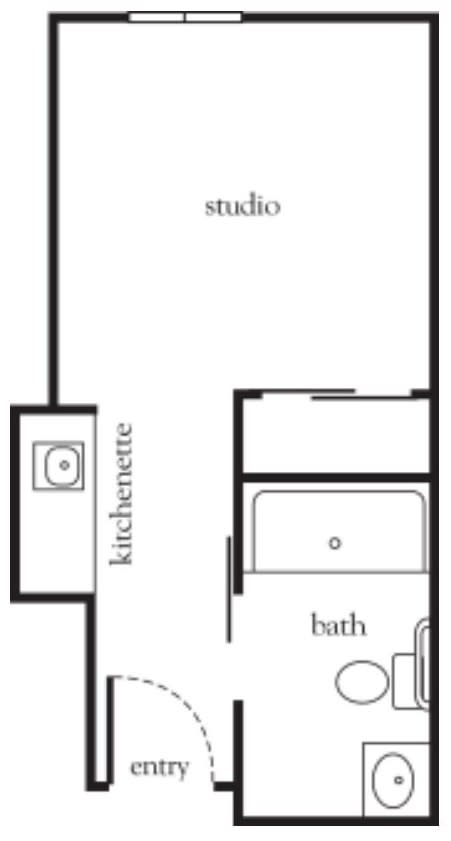
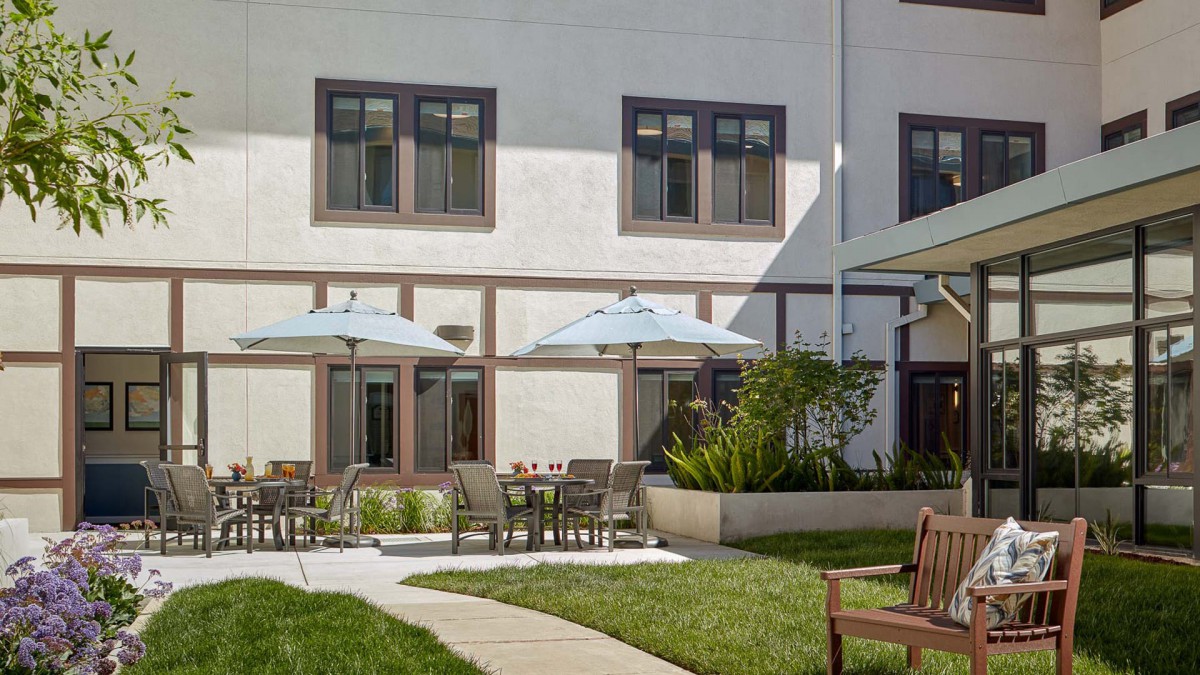
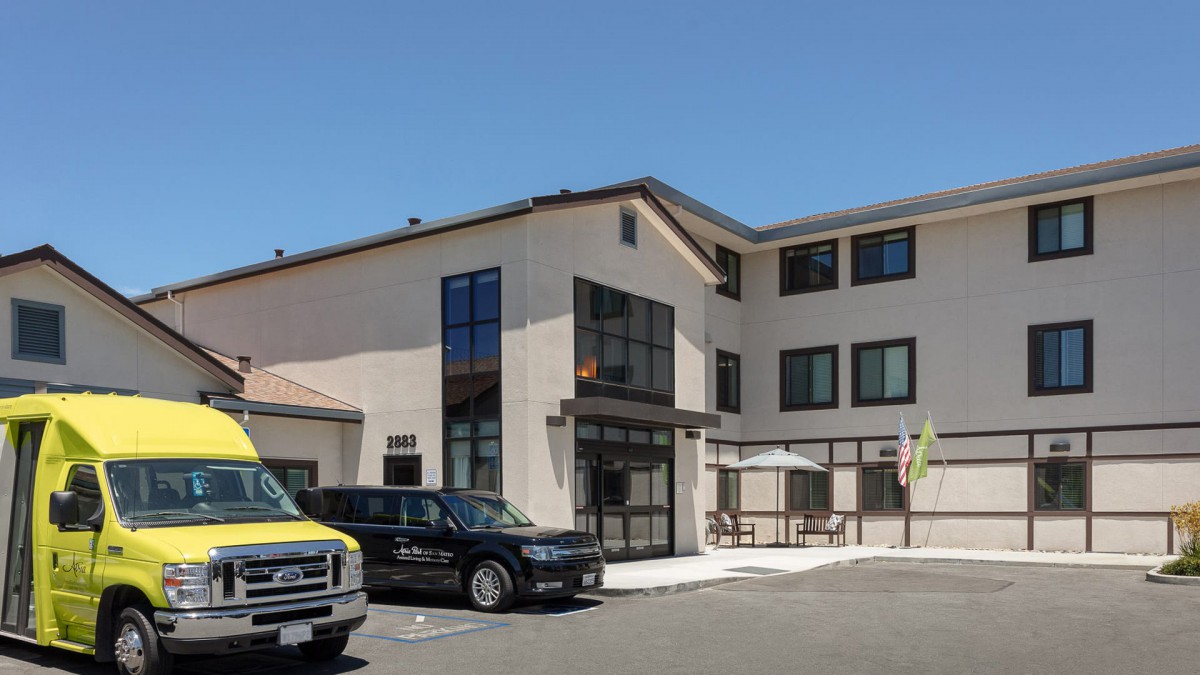
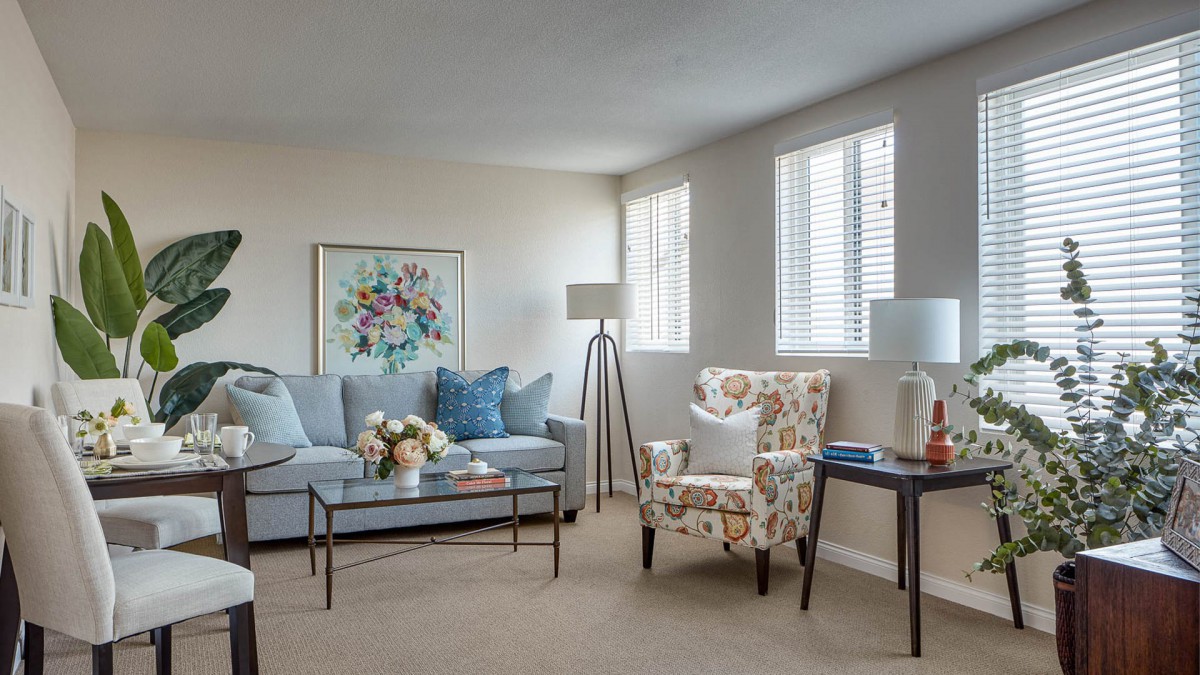
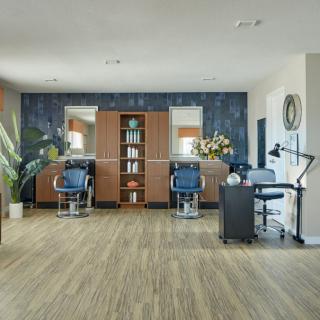
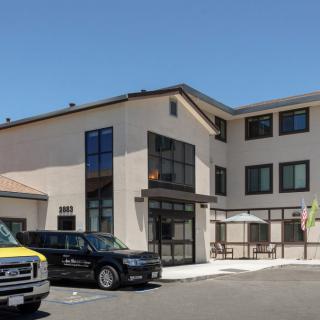
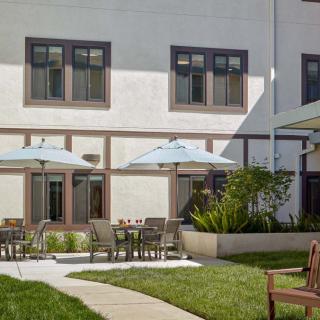
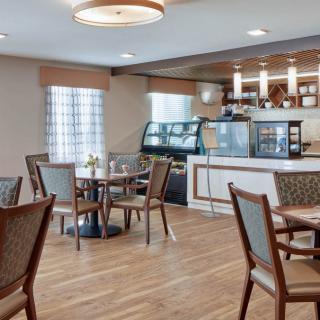
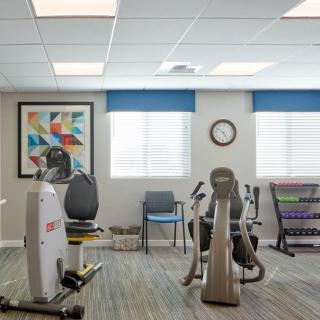
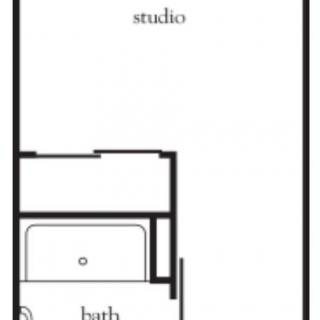
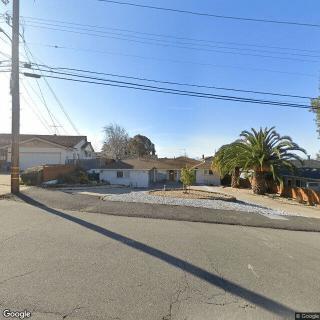
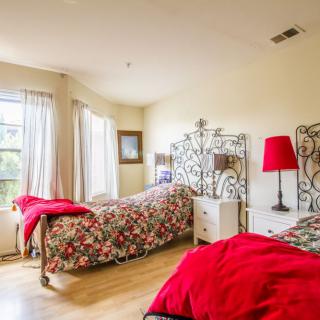
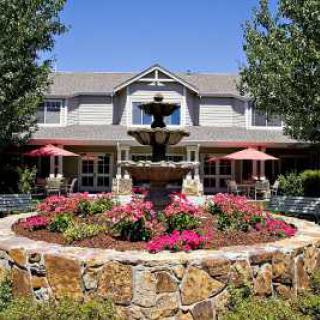
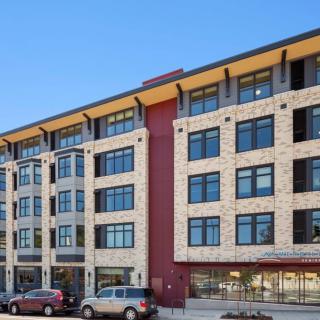
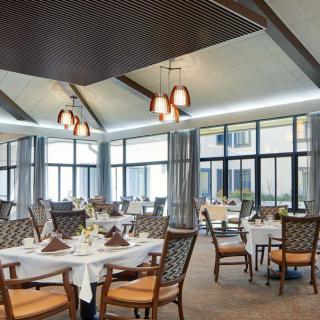
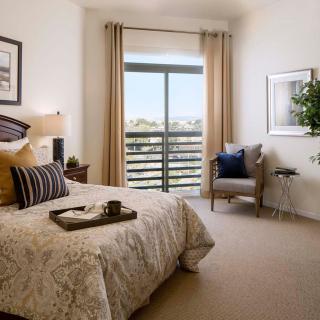
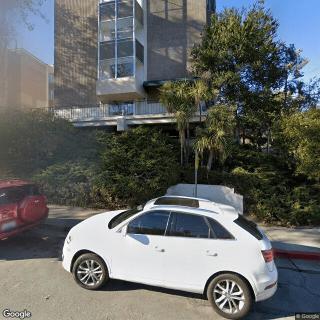
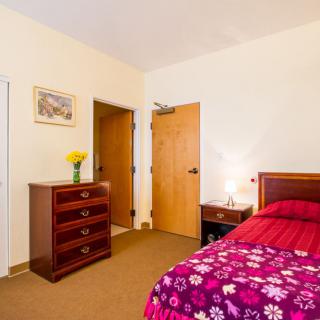
Atria Park Of San Mateo on seniors.fyi includes 18 photos including images showing floor plan, interior, architecture, studio apartment, bathroom, lighting, dining, living room, and more.
Nearby Communities
Holland House
San Mateo, CA
$3,200 / month
Lower-than-average cost for the area with diabetes care, diabetes diet, and on-site activities.
Edgewater Isle Senior Apts
San Mateo, CA
4.1 from 7 reviews
Convenient, well-connected senior living with nearby parks, dining, pharmacies, and transport.
Garden Court at the Village
San Mateo, CA
4.4 from 62 reviews
$3,800 to $5,500 / month
Caring staff, diverse dining options, clean environment, engaging activities, and a beloved garden.
Peninsula Village
San Mateo, CA
4.3 from 31 reviews
Cozy, home-like setting with furnished rooms, meals, outdoor space, activities, and care coordination.
Arcadia Home Care San Mateo
San Mateo, CA
4.8 from 22 reviews
Excellent access to parks, cafes, healthcare, and transit nearby.
Therese Residential Care Home
San Mateo, CA
5 from 2 reviews
$3,800 to $4,000 / month
Clean, welcoming family-owned home with professional, compassionate staff and easy communication.
Atria at Foster Square
Foster City, CA
4.6 from 208 reviews
$7,000 to $12,900 / month
Bright, clean, upscale community with friendly staff and engaging activities.
Bonnie Brae Terrace
Belmont, CA
4.3 from 24 reviews
Varied resident activities and a dedicated fourth-floor unit for higher care in a pleasant setting.
Burlingame Villa
Burlingame, CA
3.7 from 19 reviews
$4,395 to $5,595 / month
Caring, attentive staff in a home-like setting with a well-kept garden and engaging activities.
Dementia encompasses progressive neurological disorders that impair cognitive functions and can lead to paranoia due to cognitive decline and emotional changes. The article discusses the triggers of paranoia in dementia, caregiver strategies for managing it, and the importance of distinguishing between dementia-related paranoia and other psychiatric conditions.
Memory care activities are essential for improving the quality of life of seniors with cognitive impairments, as they stimulate cognitive function, promote well-being, and encourage social interaction through tailored strategies. These activities combine structured exercises with spontaneous tasks, sensory engagement, physical workouts, creative pursuits, and intergenerational interactions to enhance emotional connection and a sense of purpose.
Transitioning from assisted living to memory care is driven by an individual's cognitive decline and specific needs, requiring careful evaluation of indicators like increased confusion and wandering. The process involves consulting medical professionals, researching suitable communities, considering financial and legal aspects, and ensuring effective communication for personalized care plans.
Landscaping, Garden, Outdoor, Patio, and Umbrellas
Windows
Floor Plan
Building
Architecture
Bathroom
Lighting
Artwork
Television
Exercise Equipment, Gym, and Fitness Center
Salon and Mirrors
Bookshelves, Library, Reading Area, and Computers
Wall Art
Parking
Studio Apartment
Kitchenette
Window Blinds
Get PricingAsk A QuestionSchedule A TourContact Senior Advisor
By clicking submit, you agree to our Partner's Terms of Use. You
also consent to receive calls and texts, which may be autodialed, from our Partner. Your consent is not a condition to
using our Partner's service. Please visit our Partner's Privacy Policy for information about their privacy practices.




 52 resident community capacity
 Studio apartments
 Assisted Living
 Memory Care
 Cats allowed
 Dogs allowed
 Activities off-site
 Air-conditioning
 Beautician on-site
 Cable or satellite TV
 Computer center
 Devotional services off-site
 Dining room
 Fitness room
 Fully furnished
 Gaming room
 Garden
 Ground floor units
 Guest parking
 Handicap accessible
 Housekeeping services
 Indoor common areas
 Kitchenette
 Laundry
 Move-in coordination
 Outdoor common areas
 Private bathrooms
 Respite or short term stays offered
 Restaurant-style dining
 Small library
 Spa
Spa Telephone
 Wheelchair accessible showers
 Wi-Fi/high-speed internet available
 San Francisco International (7 miles away)
 Community operated transportation
 12-16 hour nursing
 24-hour call system
 Assistance with bathing
 Assistance with dressing
 Assistance with transfers
 Diabetes diet
 Diabetic care
 High acuity care
 Hospice waiver
 Incontinence care
 Medication management
 Mental wellness program
 Special dietary restrictions
 Transportation arrangement (medical)
 Art classes
 Bible study group
 Concierge services
 Day trips and outings
 Educational speakers / life long learning
 Jewish services
 Karaoke
 English
 Lower-than-average cost for the area with diabetes care, diabetes diet, and on-site activities.
 Dementia, Paranoia, and Caregiver Guidance: Understanding the Connection
 Engaging Memory Care Activities That Enhance Quality of Life
 When to Transition from Assisted Living to Memory Care: Key Indicators, Steps, and Finding the Right Community