
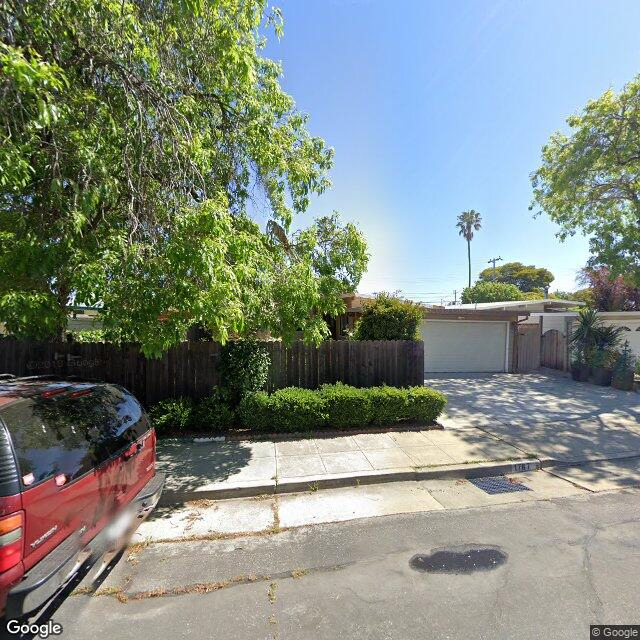
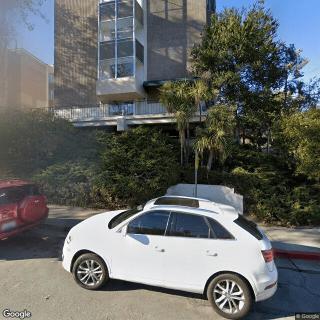
1787 Rex Street, San Mateo, CA 94403
For more information about senior living options: (866) 208-4318
Therese Residential Care Home Costs & Pricing
Therese Residential Care Home offers competitive pricing in comparison to both San Mateo County and the broader state of California. For a studio room, residents can expect to pay $3,800 per month, which is notably lower than the county average of $5,178 and also less than the state average of $4,145. Similarly, for those needing a private room, the cost at Therese Residential Care Home is set at $4,000 - this aligns closely with California's overall figure of $3,939 yet remains higher than the county's average of $4,281. This positioning not only reflects Therese's commitment to providing affordable housing options but also highlights its value as an attractive alternative within its regional market.
| Floor plans | Therese Residential Care Home | San Mateo County | California |
|---|---|---|---|
| Studio | $3,800 | $5,178 | $4,145 |
| Private | $4,000 | $4,281 | $3,939 |
Memory care communities with a similar price nearby
-
from -$605 / mo
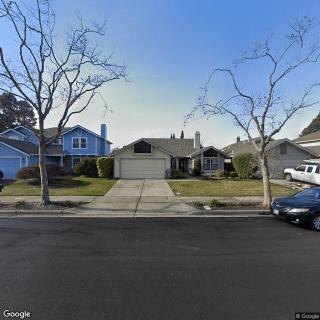
Harbor Bay Assisted Living
$3,195 to $5,000 / month13.4 miles away -
from +$200 / mo
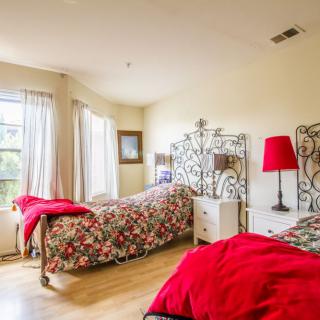
Golden Age Of Channing Way
$4,000 to $5,000 / month13.2 miles away -
from -$300 / mo
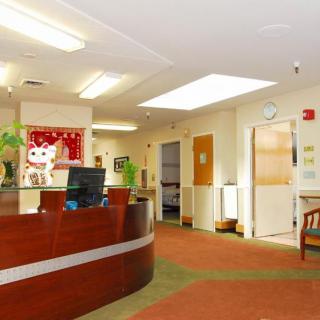
East Bay Assisted Living
$3,500 to $5,000 / month17.2 miles away -
from +$195 / mo
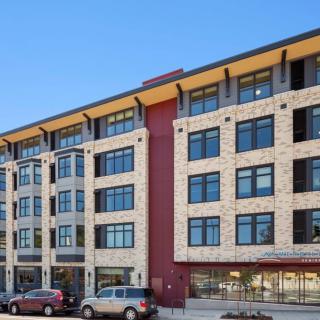
Merrill Gardens at Rockridge
$3,995 to $8,500 / month19.5 miles away -
from +$250 / mo
The Village at Hayes Valley
$4,050 to $6,900 / month16.9 miles away
Overall Review of Therese Residential Care Home
Pros
 The home is amazing and family-owned and managed.
- It is extremely clean, with staff who are professional, caring, and empathetic.
- The staff are easy to reach and very communicative.
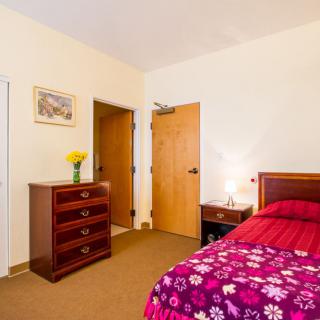
- The home is very comfortable and has a good feeling.
- The reviewers were glad that their father spent his final days there.
Review
Therese Residential Care Home in San Mateo is best suited for families seeking a small, intimate, family-owned setting where care feels personal and cleanliness and warmth define daily life. It fits seniors who prefer a homelike environment over a hospital-like atmosphere and who value consistently attentive staff, clear communication, and ready access to caregivers. The home’s character matters: residents interact with staff who appear genuinely caring rather than distant, and families report that the environment has a comfortable, welcoming vibe. For those facing end-of-life planning or transitions, this community offers a reassuring backdrop where dignity and gentle oversight are visible in everyday moments.
Those needing robust clinical oversight, advanced memory care, or a wide array of on-site medical services may want alternatives. A larger campus with scheduled activities, regular transportation, and broader programming can be a better fit for residents with specialized needs or families seeking a more structured calendar. Additionally, families looking for aggressive social programming or extensive campus amenities might find more options elsewhere. Therese Residential Care Home excels on warmth, cleanliness, and direct access to caregivers; but it operates best when care demands stay within a small, personalized framework rather than a full-scale, monolithic operation.
Key advantages emerge clearly in the reviews: an exceptionally clean setting, professional staff who are also empathetic and easy to reach, and a home environment that feels comfortable and emotionally supportive. The combination of rapid communication and visible attentiveness reduces the typical stress of coordinating care from afar. The family-owned, personally managed model helps maintain a consistent culture and a sense that residents are treated as members of a family rather than numbers. These strengths translate into reliable day-to-day guardianship and a quiet confidence for families during difficult decisions, such as planning for end-of-life care.
Decision-makers should verify several practical details during an in-person visit. Clarify staff-to-resident ratios, how care plans are customized, and how daily routines are structured. Observe interactions with residents and ask about meal options, safety measures in common areas, and the availability of family involvement in care decisions. Probe the transparency and frequency of updates to family members, and note how easily staff can be reached with questions. Given the positives cited, cleanliness, reachability, and genuine care, these questions will reveal whether the home can sustain the level of individualized attention procured by families.
Location and licensing considerations matter as much as culture. San Mateo proximity to primary physicians, specialists, and preferred hospice providers should be checked, along with current licensing status and recent inspections. Cost is another factor to weigh against the intimate care advantages; while the setting promises personal attention, staff compensation and home maintenance drive price. Prospective residents should request sample care plans and a clear outline of what services are included to avoid gaps in routine medical oversight. The emphasis on a calm, comfortable atmosphere should be balanced with practical safeguards to ensure medical needs are met.
When values align, cleanliness, transparent communication, and a family-centric approach to care, Therese Residential Care Home proves to be a compelling option for seniors who prioritize dignity and comfort in a small community. Those prioritizing intensive medical supervision, broad social programming, or a large social calendar should explore alternatives. The decisive step is a structured visit: tour the home, meet the caregivers, review sample care plans, and speak with current residents’ families about their experiences with responsiveness and continuity. If the fit feels right, the setting offers a dependable, compassionate home where end-of-life needs can be addressed with understated grace and practical support.
 6 resident community capacity
 Assisted Living
 Board and Care Home
 Memory Care
 Activities off-site
 Cable or satellite TV
 Devotional services off-site
 Dining room
 Fully furnished
 Garden
 Housekeeping services
 Indoor common areas
 Move-in coordination
 Outdoor common areas
 Private
 Private bathrooms
 Respite or short term stays offered
 Telephone
 Wheelchair accessible showers
 Wi-Fi/high-speed internet available
 San Francisco International (6 miles away)
 24-hour supervision
 Assistance with bathing
 Assistance with dressing
 Assistance with transfers
 Diabetes diet
 Diabetic care
 High acuity care
 Incontinence care
 Meal preparation and service
 Medication management
 Special dietary restrictions
 Transportation arrangement (medical)
 Transportation to doctors appointments

 Understanding Dementia Through Its Seven Stages: A Comprehensive Look at Progression and Expectations
 A Holistic Dementia Care Guide: Effective Strategies for Memory Support
 Comprehensive Insights into Activities of Daily Living (ADLs) and Their Assessment