
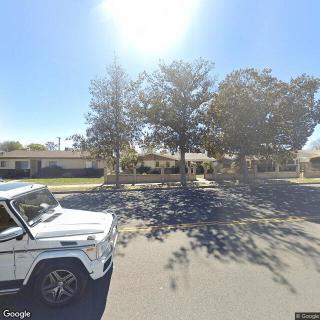
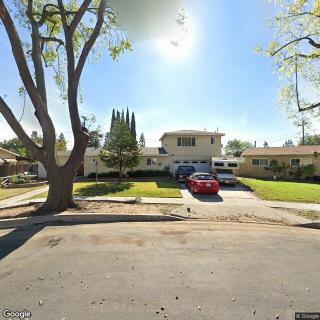
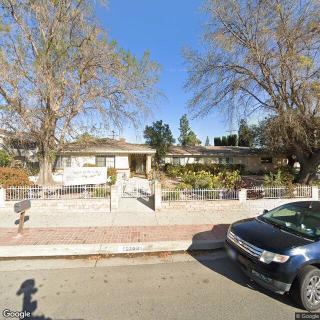
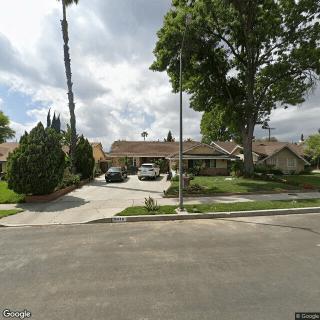
16729 Tulsa Street, Granada Hills, CA 91344
For more information about senior living options: (866) 208-4318
Overall Review of Orchid Living Board And Care
Pros
 The owners offer a first-month trial with a pro-rated refund if the home doesn’t work out.
 - The facility hosts family events, such as weekend barbecues, fostering community involvement.
- The meals are offered at affordable prices for residents.
Cons
 Florence refused a refund for the last five days after taking mom home due to safety issues.
- Flats of eggs were not refrigerated for over three hours in heat, risking salmonella.
- Adele argued with the reviewer and said they always leave eggs out.
- Adele’s daughter and family attended a family BBQ at the facility unmasked, exposing the reviewer’s 89-year-old mother to potential infection.
- The owners would not answer repeated calls about safety concerns.
- They claimed a resident was using their phones when asked for attention.
- Residents were fed cheap frozen 89-cent meals heated in microwave containers.
- The air conditioning was not turned on in hot weather, leaving the house frequently at 85 degrees or higher.
Review
Orchid Living Board And Care in Granada Hills is best suited for families operating on a limited budget who are willing to accept inconsistent safety and care standards in exchange for a lower price point. The account suggests a home that leans toward minimal structure in essential areas, offering only modest amenities and a willingness to experiment with payment terms rather than a tightly regulated, safety-driven program. For residents whose families can tolerate temperature irregularities, questionable food handling, and sporadic responsiveness from the owners, the price may seem appealing. Yet the overarching impression is that safety, reliability, and proactive care are not the core strengths guiding this community.
Those evaluating alternatives should prioritize options where safety, clear communication, and dependable daily routines are nonnegotiable. The review highlights several red flags: safety concerns around food handling (eggs not refrigerated for hours, with potential salmonella risks), unmasked visitors during a family event, and limited responsiveness when concerns were raised. In addition, interior conditions, frequent high temperatures (85 degrees and up) and the use of microwave meals, undermine comfort and nutrition. Taken together, these issues signal a governance that may not meet the expectations of families seeking steady oversight, transparent policies, and a resident-first approach.
On the upside, there is mention of a trial-month payment option, suggesting a willingness to accommodate families who want to test the living arrangement before committing long-term. The concept of paying for a first month on a trial basis, with a pro-rated refund if the home doesn’t work out, could be useful in principle for risk-averse families. However, the practical reality described, refusal to refund the last five days when leaving due to safety concerns, substantially weakens this benefit. In practice, the flexibility exists only on paper if safety and day-to-day care do not meet basic expectations, leaving families with the sense that promises may not translate into reliable action.
The major cons markedly outweigh any tenuous benefits. Core safety lapses in food handling and storage, coupled with environmental controls that fail to keep the home comfortable, form a troubling foundation for daily care. The eggs left unrefrigerated for hours pose clear health risks, while the reliance on inexpensive frozen meals heated in microwaves raises ongoing questions about nutrition, portion sizes, and long-term well-being. The persistent heat inside the home, especially during warmer periods, adds risk for seniors with chronic conditions or heat sensitivity. Communication gaps amplify the risk, as calls to the owners went unanswered during critical moments, contributing to a sense of abandonment when concerns arise. This combination of health risk, discomfort, and unresponsiveness demonstrates a pattern that undermines resident welfare.
Ultimately, the pros do not offset the cons. A trial-payment option cannot compensate for persistent health and safety concerns, nor can it paper over a governance style that delays or ignores essential problems. The absence of proactive, transparent problem-solving, whether in food safety, climate control, or responsive communication, translates into ongoing uncertainty about how issues would be addressed day to day. Economical savings are camouflage for deeper risks to health, dignity, and peace of mind. For families weighing this option, the math collapses when resident welfare is at stake, making it prudent to seek facilities with established safety records and a demonstrated commitment to resident welfare.
In the final assessment, Orchid Living Board And Care does not meet the practical criteria for a stable, trustworthy senior living environment. It is not recommended for seniors who require dependable safety standards, reliable communication, and consistently comfortable living conditions. Alternatives with transparent policies, prompt concern resolution, proper food handling, and effective climate control should be prioritized. Prospective residents should demand concrete demonstrations of how concerns are tracked and resolved, request recent inspections and any citations, and speak with current residents or their families to verify that promises align with practice. Key questions to guide the decision include: how meals are prepared and stored, what the typical indoor temperature ranges are, how quickly concerns are addressed, and what the actual refund policy looks like in practice. Only with clear, satisfactory answers to these questions will a board-and-care option be a viable choice; otherwise, directing attention toward facilities with stronger safety records and a proven commitment to resident welfare is the prudent course.
 6 resident community capacity
 Assisted Living
 Board and Care Home
 Cable or satellite TV
 Dining room
 Fully furnished
 Garden
 Housekeeping services
 Move-in coordination
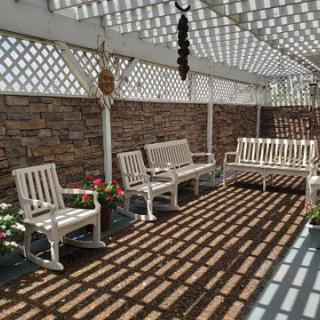
 Outdoor space
 Telephone
 Wi-Fi/high-speed internet available
 Burbank-Glendale-Pasadena (9 miles away)
 24-hour supervision
 Activities of daily living assistance
 Assistance with bathing
 Assistance with dressing
 Assistance with transfers
 Diabetes diet
 Meal preparation and service
 Medication management
 Special dietary restrictions
 Transportation arrangement (medical)
 Transportation to doctors appointments


 Beyond the Bingo Hall: 50+ Enriching Activities for Seniors in Assisted Living
 Understanding the Distinctions: Assisted Living and Memory Care Explained
 Guiding Elderly Parents Who Refuse Assisted Living: 6 Practical Steps