
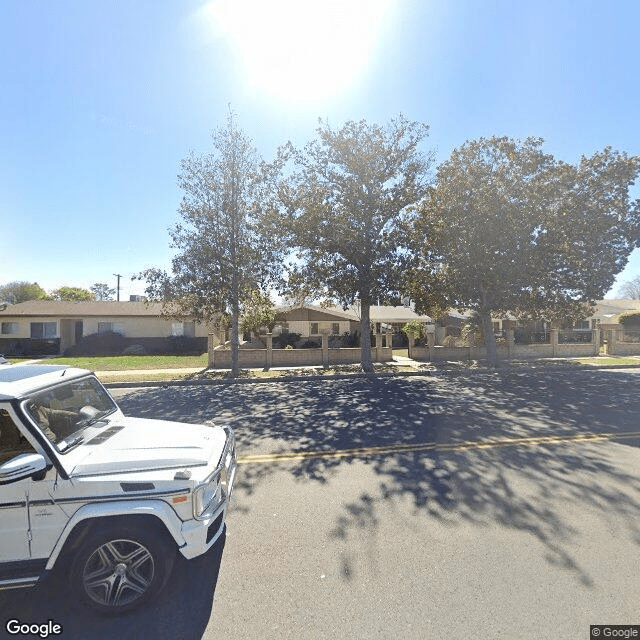
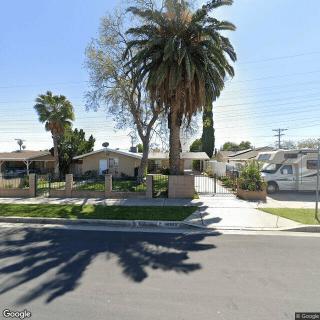
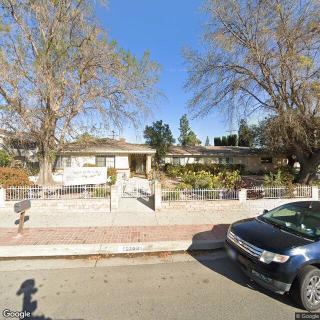
16648 San Fernando Mission Blvd, Granada Hills, CA 91344
To contact a resident: (818) 363-6477
For more information about senior living options: (866) 208-4318
Royal Garden Estate II Costs & Pricing
Royal Garden Estate II offers competitive pricing for its accommodations compared to both Los Angeles County and the broader California market. For a semi-private room, residents can expect to pay $2,500 per month, which is significantly lower than the county average of $3,349 and the state average of $3,333. Similarly, the cost for a private room at Royal Garden Estate II is set at $3,500 - more affordable than the county's average rate of $4,197 and just above California's statewide average of $3,939. This positions Royal Garden Estate II as an attractive option for individuals seeking quality care without straining their financial resources.
| Floor plans | Royal Garden Estate II | Los Angeles County | California |
|---|---|---|---|
| Semi-Private | $2,500 | $3,349 | $3,333 |
| Private | $3,500 | $4,197 | $3,939 |
Memory care communities with a similar price nearby
-
from +$250 / mo
Dignity Care Home 1
$2,750 to $4,150 / month2.9 miles away -
from -$300 / mo
Granada Hills Gardens
$2,200 to $3,500 / month0.8 miles away -
About the same
Familycare Cottage IV
$2,500 to $4,500 / month21.4 miles away -
About the same
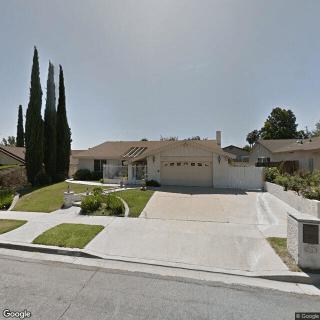
Sunrise Guest Home
$2,500 to $3,000 / month14.6 miles away -
from -$100 / mo

Leisure Living
$2,400 to $3,000 / month18.6 miles away
Overall Review of Royal Garden Estate II
Pros
 The Royal Garden Estate II has taken good care of my mother.
- The place is kept clean.
- The meals are good.
- They seem to be treating her well.
- Royal Garden Estate II is worth every penny.
- They pay attention to her and love on her.
- Friendly, supportive board & care.
Cons
 The facility would not be able to provide care for her.
- The hospital bed was a fire hazard due to narrow hallways.
- The place seemed a little run down.
- The meals were mostly rice with ground meat and no chicken or fish.
- The dining schedule was too early, with dinner served at about 3:30 pm.
- The staff needed to do a better job of giving her pain meds and other needed care.
- The staff did not interact with the residents and did not engage them.
- Residents were kept in bed for long periods, risking bed sores and pneumonia.
Review
Royal Garden Estate II in Granada Hills is best suited for families seeking a small, home‑like board‑and‑care setting where cleanliness, predictable routines, and attentive daily care are the priority. The community appears to work well for seniors who do not require advanced skilled nursing on site and who can thrive with steady supervision, regular bathing, and meals that are adequate but not elaborate. It is a solid match for residents who value a personal touch from staff and a quieter environment over a bustling, hospital‑style milieu. Prospective families should recognize, however, that very specific medical needs or mobility equipment demands may exceed what the facility can safely support, particularly for residents who require hospital beds or highly specialized care in narrow corridors.
Those weighing alternatives should consider residents with more intensive medical needs, complex rehab goals, or a requirement for highly proactive engagement and programming. If 24/7 monitoring, diverse activity schedules, or highly responsive pain management and medication oversight is non‑negotiable, a larger, more medically oriented community may be a better fit. Families should also be aware that perceptions of staff interaction vary: some reports describe a warm, caring attitude, while others point to residents being left in bed for extended periods or insufficient daily stimulation. Additionally, questions about owner presence and overall responsiveness are warranted for families seeking consistently proactive leadership.
On the upside, the environment at Royal Garden Estate II is consistently described as clean and well maintained, creating a calm living space that supports dignity and routine. Several reviewers praise the level of personal attention, noting that caregivers pay attention to bathing and general comfort, and that the staff comes across as genuinely caring. The positive echoes, “worth every penny” and “warm and caring” environments, suggest that when needs align with the care model here, residents can feel secure and well tended. The small‑scale setting can translate into meaningful, person‑centered interactions that larger facilities sometimes struggle to sustain.
Yet the drawbacks matter, and they can be decisive for families with particular expectations. Dining, while satisfactory to some, is repeatedly described as limited in variety, with meals featuring staples like rice and ground meat and little seafood or poultry. Dinner timing is consistently cited as uncomfortably early (often around 3:30 PM), which disrupts daily rhythms and can affect mood and appetite. Reports about activity and engagement raise red flags: some families observed little staff interaction beyond routine care, and concerns about ongoing bed‑rest and limited stimulation point to a potential risk for social and cognitive decline if a resident’s day is not actively structured. Medication management also emerges as an area where improvements are sometimes needed.
When weighing pros against cons, the balance tilts toward a cautious endorsement only for a specific profile. The clean, tranquil setting and the evident warmth of staff can offset modest meal limitations and a quieter day‑to‑day tempo for residents who are relatively independent, comfortable with a predictable schedule, and satisfied with regular baths and basic daily care. For families prioritizing a deeply engaging environment, varied nutrition, flexible dining, and consistently proactive clinical oversight, the drawbacks can significantly diminish quality of life. In short, the advantages satisfy a niche with uncomplicated medical needs and a preference for intimate, home‑style care; the cons argue strongly against it for residents requiring robust engagement and versatile, medically attuned programming.
Practical next steps for families considering this community: arrange extended weekend visits to observe real daily rhythms and to speak with both residents and visiting family members. Clarify upfront whether the facility can handle the resident’s specific equipment needs and medical management, including medication timing and pain control, and verify how staff interaction and engagement are fostered across shifts. Request a clear schedule of activities and meals to gauge whether variety and social opportunities align with expectations. Finally, assess leadership accessibility, confirm whether the owner or a designated administrator is consistently present to address concerns, and use those observations to determine whether Royal Garden Estate II aligns with the loved one’s care goals or if a more robust, medically integrated setting is warranted.
 Board and Care Home
 Memory Care
 Private
 Burbank-Glendale-Pasadena (9 miles away)

 Understanding Dementia Through Its Seven Stages: A Comprehensive Look at Progression and Expectations
 Safeguarding Your Memory Through the Golden Years: Eight Ways to Preserve Cognitive Health
 Comprehensive Insights into Activities of Daily Living (ADLs) and Their Assessment