

16550 Kalisher Street, Granada Hills, CA 91344
For more information about senior living options: (866) 208-4318
J & S Home Care Costs & Pricing
At J & S Home Care, we offer competitive pricing that aligns closely with the broader market trends seen in Los Angeles County and throughout California. Our semi-private rooms are available for $3,400 per month, which is slightly above the county average of $3,349 and state average of $3,333. For those seeking more privacy, our studio options are priced at $4,000 - comparable to the county's $4,172 and slightly below the state's $4,145. Additionally, our private rooms also start at $4,000 per month; this figure is quite competitive when stacked against both Los Angeles County's rate of $4,197 and California's statewide average of $3,939. Overall, J & S Home Care provides high-quality care at rates that reflect the local and state trends while ensuring a comfortable environment for all residents.
| Floor plans | J & S Home Care | Los Angeles County | California |
|---|---|---|---|
| Semi-Private | $3,400 | $3,349 | $3,333 |
| Studio | $4,000 | $4,172 | $4,145 |
| Private | $4,000 | $4,197 | $3,939 |
Memory care communities with a similar price nearby
-
About the same
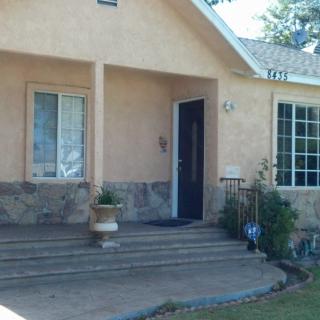
Paradise Senior Living 1
$3,500 to $4,500 / month5.1 miles away -
from -$650 / mo
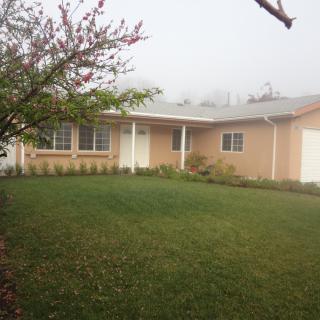
Dignity Care Home 1
$2,750 to $4,150 / month3.2 miles away -
from +$400 / mo
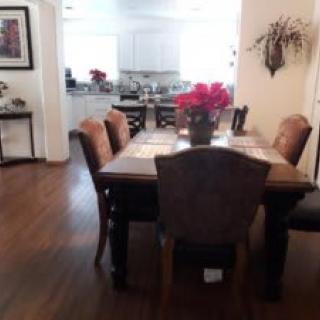
America's Care Manor
$3,800 to $4,000 / month10.6 miles away -
from +$600 / mo
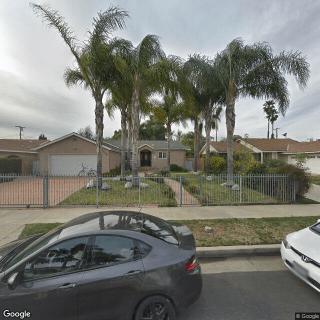
Land of Peace 6
$4,000 to $5,500 / month9.4 miles away -
About the same
Hollywood Healthy Living
$3,500 to $5,000 / month9.5 miles away
Overall Review of J & S Home Care
Pros
 The J & S Home Care is a spotless community.
- The owner has been wonderful and is on top of everything.
- She goes to each home daily to take the residents' blood pressure.
- She helps keep track of the resident's medications.
- The resident is not losing weight, which is a good sign.
Review
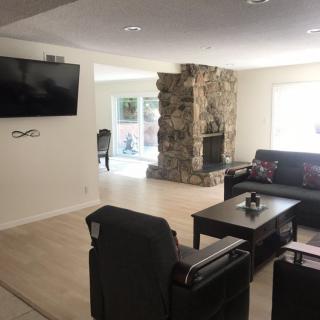
J & S Home Care in Granada Hills is best suited for families seeking a tightly run, home-like setting where cleanliness and hands-on medical oversight are the core strengths. The community presents as a place where residents can count on a consistently spotless environment and an owner who remains deeply involved in day-to-day operations. This is not a large, impersonal facility; it’s a small, attentive operation that prioritizes hands-on monitoring and a polished living space. For families looking for a calm, predictable routine with someone actively overseeing health tasks, this setting fits the bill.
Those considering alternatives should be clear about what they need beyond a clean place to live. If dining variety, robust social programming, and 24/7 professional nursing coverage are non-negotiables, a larger assisted living with formal staff shifts and a broader menu may serve better. Similarly, residents requiring more intensive clinical care or memory-specific programming will likely fare better in facilities designed around those needs. In short, J & S Home Care works well for residents who want intimate oversight and a well-kept home environment, but it may fall short for families seeking extensive on-site clinical services and a wide range of structured activities.
On the positive side, the reviewed attributes align strongly with prudent caregiving. A spotless facility is not cosmetic, it reduces infection risk, supports overall comfort, and signals disciplined housekeeping and maintenance. The owner’s hands-on approach matters: daily visits to each home for blood pressure checks and vigilant medication tracking provide continuous oversight that can prevent gaps in care. This level of daily contact offers a reassurance that medical routines are not slipping through the cracks, which is a meaningful counterweight to the absence of a larger clinical team on site. The small-scale operation, paired with consistent attention, translates into reliability many families prize.
The principal drawback evident from the available observations centers on meals and broader daytime engagement. The report notes uncertainty about meal quality because meals were not observed, and no explicit information about dining programs, menus, or social dining activities is provided. That lack of detail matters because nutrition and mealtime social interaction are significant contributors to well-being in assisted living. Without clear assurances on how food is prepared, served, and integrated into daily life, nutrition risk can’t be fully assessed. In addition, the sole review means there’s limited evidence of programming, activities, or nighttime care dynamics beyond the owner’s daytime rounds.
These strengths and gaps interact in a practical way. The strong medical oversight and pristine surroundings help offset some risk, particularly for families who value proactive health monitoring and a peaceful, sanitary living space. Weight stability in the resident suggests that current meals, even if not publicly documented, are sustaining day-to-day needs. However, the absence of published detail on meal quality and the lack of a broader activity or nursing framework introduce real uncertainties for residents with higher dietary expectations or more complex social engagement needs. In a decision-making sense, the pros incrementally mitigate risk, but they do not eliminate the concern about nutrition and programming.
Ultimately, J & S Home Care presents as a compelling option for families prioritizing cleanliness, personal attention, and dependable daily health oversight in a compact, owner-run setting. It is best approached by those who want a hands-on administrator who is consistently involved and who are comfortable with limited public information about meals and structured activities. Those who require robust dining services, diverse daily programming, or more extensive on-site clinical capabilities should actively compare alternatives before deciding. Arranging a visit during mealtimes, asking direct questions about staffing coverage after hours, meal planning, and available activities will reveal whether this intimate model truly aligns with the resident’s day-to-day needs.
 5 resident community capacity
 Assisted Living
 Board and Care Home
 Memory Care
 Activities on-site
 Cable or satellite TV
 Dining room
 Fully furnished
 Garden
 Housekeeping services
 Indoor common areas
 Move-in coordination
 Outdoor common areas
 Private
 Respite or short term stays offered
 Telephone
 Wheelchair accessible showers
 Wi-Fi/high-speed internet available
 Burbank-Glendale-Pasadena (9 miles away)
 24-hour supervision
 Ambulatory care
 Assistance with bathing
 Assistance with dressing
 Assistance with transfers
 Diabetes diet
 High acuity care
 Meal preparation and service
 Medication management
 Special dietary restrictions
 Transportation arrangement (medical)
 Transportation to doctors appointments




 Dementia Behaviors: In-Depth Understanding and Effective Coping Strategies
 5 Early Indicators of Dementia and What You Can Do
 8 Important Indicators That Memory Care May Be Necessary