
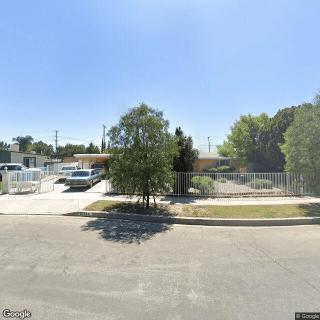
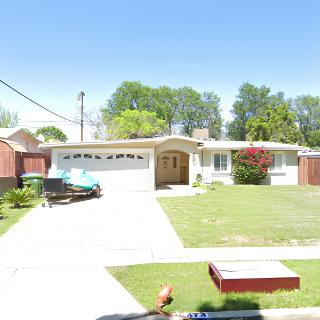
11328 Woodley Avenue, Granada Hills, CA 91344
For more information about senior living options: (866) 208-4318
Gloria's Care Villa Costs & Pricing
Gloria's Care Villa offers competitive pricing for its residents compared to both Los Angeles County and the broader California market. For a semi-private room, the cost at Gloria's is $3,200 per month, which is notably lower than the county average of $3,349 and even more so compared to the statewide average of $3,333. When it comes to private rooms, Gloria's charges $4,000 per month, which remains below Los Angeles County's average of $4,197 and slightly above the state's average of $3,939. This pricing structure positions Gloria's Care Villa as an attractive option for families seeking quality care without straining their budgets in comparison to other facilities in the area.
| Floor plans | Gloria's Care Villa | Los Angeles County | California |
|---|---|---|---|
| Semi-Private | $3,200 | $3,349 | $3,333 |
| Private | $4,000 | $4,197 | $3,939 |
Overall Review of Gloria's Care Villa
Pros
 Gloria's Care Villa is described as very nice, well-organized, and supported by a friendly, attentive staff.
- The staff at Gloria's Care Villa are very sweet and willing to spend time talking with visitors.
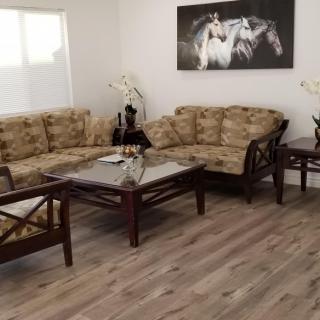
- The dining area at Gloria's Care Villa appears pleasant, with residents eating together.
- The facility is clean, and the caregivers are kind and patient with residents.
- The staff at Gloria's Care Villa goes out of their way to help not only the residents but also their families.
- Families express gratitude to Gloria and her caring staff for the care provided to their loved ones.
Cons
 Gloria showed up 25 minutes late for my tour without explanation or apology.
- It wasn't in my price range.
Review
Gloria's Care Villa is best suited for families seeking a small, hands-on, home-like setting where caregivers know residents personally and communicate regularly with families. The reviews paint a picture of intimate daily routines: residents dine together, staff engage warmly, and the facility feels clean and well-organized. For families who value proximity and the reassurance that help is close by, this community delivers a comforting, neighborly atmosphere with attentive, friendly staff. However, affordability is a real consideration; one reviewer noted the price was not in range, so budget alignment is essential before moving forward.
Those weighing alternatives should note potential gaps that could matter depending on care needs. The available feedback points to a shared room setup rather than private accommodations, and a memory-care framework that may not fit every resident’s requirements. A candid tour note describes a late arrival by the owner with little explanation, hinting at moments where operational cadence could feel uneven. Additionally, discretionary pet policies appear nuanced, requiring family consensus for a cat and weekend exceptions, something that can complicate arrangements for residents with strong attachment to pets. For families prioritizing private rooms, private-pay flexibility, or highly structured dementia programming, comparisons with other facilities is prudent.
On the upside, the strongest pro across reviews is the staff’s extraordinary level of care and willingness to go the extra mile for both residents and their families. Caregivers are described as kind, patient, and relentlessly helpful, creating a sense that residents are known and valued. The environment is clean, and the overall operation appears well managed, which reduces stress during transitions and daily routines. These human-centered strengths often outweigh concerns about shared spaces, particularly for seniors who thrive on personal attention, clear communication, and predictable mealtimes that feel like home.
That human element does not entirely erase the cons, but it does offset them for many families. When caregivers consistently demonstrate responsiveness and compassion, the fear of a less personalized experience diminishes, and trust can form quickly. A well-kept facility, together with attentive staff, can make a meaningful difference in a setting where private room options are limited and where policy sensitivities, such as pet accommodations or family-driven decisions about care, require clear, collaborative handling. In practice, the peace of mind gained from dependable staff often takes center stage for families weighing quality of life and daily comfort.
To decide decisively, prospective residents should pursue concrete, decision-driving information. Verify whether private rooms are available or if a premium for single occupancy exists, and obtain current details about memory-care capabilities, staffing ratios, and daily schedules. Clarify the pet policy in writing, including who must approve exceptions and how weekends are managed. Request a sample care plan, a menu snapshot, and a current resident or family reference who can speak to day-to-day interactions. Schedule a second tour with a supervisor or front-line caregivers present to gauge consistency in care delivery, not just the impression left by the tour. This due diligence will reveal whether Gloria's Care Villa aligns with the resident’s care goals and family expectations.
In the end, Gloria's Care Villa stands out as a dependable, compassionate option for families prioritizing warmth, attentiveness, and a homey, communal atmosphere. It is particularly well-matched for seniors who flourish with close staff relationships, ongoing family communication, and a steady daily rhythm. Those who require private rooms, highly specialized dementia programs, or minimal policy friction should compare alternatives that emphasize memory-care specialization or more flexible policies. When the fit is right, budget permitting, room configurations work, and policies align with family values, the community can deliver a high-quality, reassuring living option in Granada Hills.
 6 resident community capacity
 Assisted Living
 Board and Care Home
 Memory Care
 Cable or satellite TV
 Dining room
 Fully furnished
 Garden
 Housekeeping services
 Move-in coordination
 Outdoor space
 Private
 Respite or short term stays offered
 Telephone
 Wi-Fi/high-speed internet available
 Burbank-Glendale-Pasadena (9 miles away)
 24-hour supervision
 Activities of daily living assistance
 Ambulatory care
 Assistance with bathing
 Assistance with dressing
 Assistance with transfers
 Diabetes diet
 Diabetic care
 High acuity care
 Meal preparation and service
 Medication management
 Special dietary restrictions
 Transportation arrangement (medical)
 Transportation to doctors appointments
 Christian services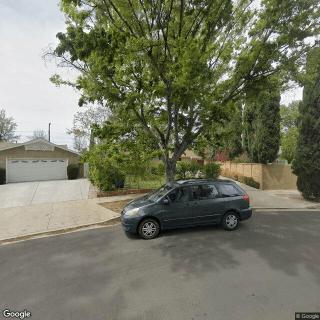



 Exploring the Power of Reminiscence Therapy for Individuals With Dementia
 An In-Depth Look at Reminiscence Therapy in Dementia Care
 Dementia-Related Hallucinations: Causes, Experiences, and Practical Approaches