
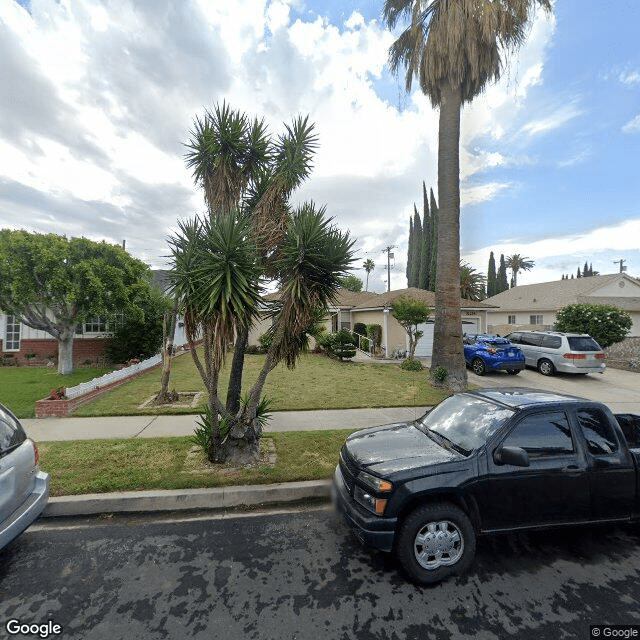
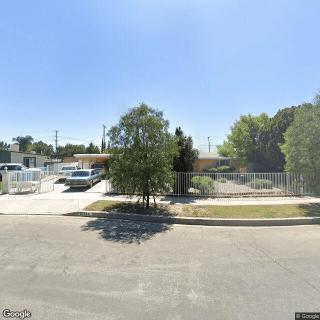
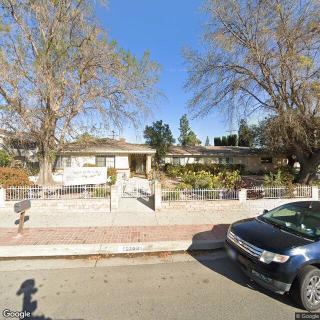
11248 Dempsy, Granada Hills, CA 98245
To contact a resident: (908) 510-1302
For more information about senior living options: (866) 208-4318
Overall Review of Crosstown Care
Pros
 The Senior Helpers team is super informative and helps families understand options based on need and budget.
- Walt and his team are kind, responsive, and truly listen to what the family needs.
- The caregivers are patient, compassionate, and attentive.
- The staff are warm, understanding, and genuinely committed to helping families.
- They treat loved ones like their own and go above and beyond to make them feel respected and supported.
- The Granada Hills location is a godsend and highly recommended.
- The team is professional, compassionate, and highly attentive, providing comfort and peace of mind.
- The staff communicate seamlessly and are always available to answer questions.
- They provide peace of mind knowing loved ones are in capable hands.
Cons
 Looking for Alzheimer’s and dementia care for a loved one is never easy.
- The family was anxious and unsure of what to expect at the start of their search for a caregiver.
- Having had prior experiences with other providers, they were frustrated and unsure about going down that road again.
- It is tough to find good customer service nowadays, especially over the phone.
Review
This Granada Hills option is best suited for families seeking dependable, in-home dementia and general elder-care support delivered with real warmth, clear communication, and a practical, budget-aware approach. The reviews consistently praise a team that listens first, explains choices, and then crafts care plans that fit the loved one’s daily needs, driving to appointments, shopping, preparing meals, and providing necessary safety checks in the familiar home environment. When the goal is to keep a loved one comfortable at home while accessing reliable oversight and companionship, this model shows itself as a thoughtful, hands-on answer.
Those choosing alternatives should consider whether 24/7 residential supervision, formal memory-care programming, or on-site medical oversight in a facility setting better matches the situation. For families facing higher medical complexity, or for whom social engagement and structured daily routines are a priority beyond what in-home care typically provides, a facility-based memory care community may be a wiser long-term fit. If caregiver continuity becomes a concern, or if the plan requires a higher level of constant monitoring than a home-based team can sustain, exploring other arrangements is prudent.
The strongest pros here, compassion, professionalism, and seamless communication, aren’t merely soft assurances; they directly offset common anxieties about in-home dementia care. Families repeatedly note that staff are patient, attentive, and genuinely invested in keeping the loved one safe and respected. The ability to tailor services to personal need and budget means care plans stay aligned with both emotional comfort and practical constraints. This combination produces measurable peace of mind for families juggling multiple responsibilities, letting them focus on life outside the caregiving role while knowing support remains steady.
A second axis of strength lies in the hands-on reliability described by clients: caregivers who are easy to work with, responsive, and willing to go “above and beyond” to accommodate scheduling, errands, or sensitive family questions. The sentiment that professionals treat the loved one as if they were their own carries real weight when situations grow emotionally charged or confusing. For families navigating uncertainty, this level of trust is the difference between a reactive, crisis-driven experience and a proactive, planning-focused partnership that keeps daily life orderly and predictable.
From a practical decision-making standpoint, the reviews highlight several actionable takeaways. First, the provider emphasizes options that match both need and budget, which is essential for families balancing finances with quality care. Second, there is a strong emphasis on accessibility, office staff are reachable, questions are answered, and processes are explained clearly. Third, the care approach centers on personhood, with caregivers who respect the individual’s routines, preferences, and dignity. These traits reduce the friction that often accompanies caregiving transitions and help families feel supported rather than overwhelmed.
To make the most of the opportunity, families evaluating this route should request a written care plan and a transparent cost outline, confirm caregiver matching criteria, and establish backup coverage to prevent gaps during scheduling or illness. They should inquire about the provider’s experience with early-stage dementia versus more advanced needs, the process for updating care plans as conditions evolve, and how transportation and errands are coordinated. By anchoring decisions in these concrete questions, families gain a clearer expectation of what is possible and how quickly needs can scale.
In sum, for households prioritizing compassionate, trustworthy in-home dementia care with flexible service options and strong communication, this Granada Hills option stands out as a practical, reliable choice. It excels at turning complex caregiving challenges into manageable routines, with caregivers who feel like an extension of the family. Yet for those whose priorities center on round-the-clock, facility-based programming, or intensive medical oversight beyond home care, alternatives should be explored. A focused consultation will reveal how well the team’s strengths align with the loved one’s current needs and future trajectory.
 Board and Care Home
 Burbank-Glendale-Pasadena (8 miles away)

 Comprehensive Guide to Medicare Coverage for Hospice Care
 Caring for Those Who Care: Recognizing, Understanding, and Overcoming Caregiver Burnout
 Caregiver Exhaustion: Recognizing the Signs and Restoring Your Well-Being