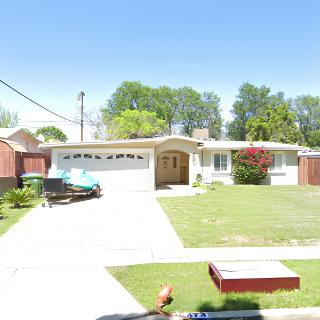
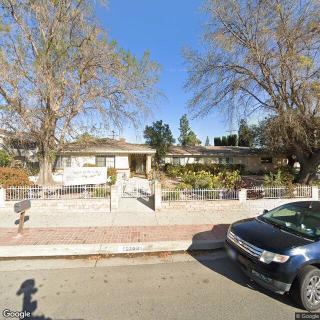
Rinaldi Guest Home is an assisted living community in Granada Hills, CA.
Information last verified:
16016 Rinaldi Street, Granada Hills, CA 91344
For more information about senior living options: (866) 208-4318
3.4 from 80 reviews
5 stars
42
4 stars
5
3 stars
3
2 stars
5
1 stars
25
Overall Review of Rinaldi Guest Home
differentiator7 reviews mention this
Rehab and therapy get strong notice
Residents frequently highlight therapy progress and a dedicated rehab team.
Multiple residents and families describe physical therapy as a turning point, with improvements in strength and mobility. Several also mention a broader therapy mix, including occupational and speech therapy, and say the rehab team was engaged in day-to-day recovery. There are also a few sharply negative accounts where families felt promised therapy wasn’t delivered, so results appear to vary by stay.
common17 reviews mention this
Staff kindness and professionalism stand out
Many reviewers describe attentive, compassionate staff who treat residents with dignity.
Across reviews, residents and families often say the staff is kind, professional, and responsive to comfort needs. Several specifically call out communication and organization during recovery or admission, and describe a calm, welcoming feel when they visited. A minority of reviews are the opposite—describing delays, neglect, or staff that didn’t respond—so the experience isn’t consistently described in the same way.
common9 reviews mention this
Cleanliness is a frequent first impression
Residents and visitors often comment on the facility being clean and well kept.
Many reviewers say the building is clean and smells fresh, with a calm atmosphere they noticed right away. Some also mention rooms and common areas as well-kept during visits or longer stays. On the other hand, several negative reviews describe unpleasant odors and hygiene issues, including accounts involving diapers and laundry or missing basic care.
caveat4 reviews mention this
Getting updates can be difficult
Some families report trouble reaching staff and slow call response.
A few reviewers say response time to calls for assistance was very slow, or that it was hard to reach people for updates. Several describe problems getting the phone answered, and at least one family says communication broke down during a loved one’s care. One reviewer does acknowledge that updates can be hard to obtain even in other hospital settings, but for others the lack of responsiveness is a major part of their negative experience.
caveat5 reviews mention this
Food quality splits opinions
Food satisfaction varies, with some describing meals as poor.
Some reviews say meals are edible or even good, and at least one mentions food specialists and holiday-style meals. Others are much less positive, describing meals as unappetizing or not nutritious, and complaining about portion quality or overall taste. At least one reviewer mentions diet-related expectations and broader concerns about basic needs, making dining part of the overall evaluation for some families.
common2 reviews mention this
Close to Holy Cross and Olive View
Reviewers appreciate nearby hospital access for emergencies.
At least a couple of reviewers mention peace of mind from the facility’s proximity to Holy Cross and Olive View. That proximity is framed as a practical safety net during recovery. Reviews don’t treat it as a substitute for care quality, but it does show up as a concrete location-related benefit.
How we summarize
Counts show how many written reviews mention each theme; a review can touch several themes, and only frequently mentioned themes are displayed.
Features
Housing
6 resident community capacity
Types of Care
Assisted Living
Board and Care Home
Amenities
Cable or satellite TV
Dining room
Fully furnished
Garden
Housekeeping services
Move-in coordination
Outdoor space
Telephone
Wi-Fi/high-speed internet available
Transportation
Burbank-Glendale-Pasadena (9 miles away)
Los Angeles International (24 miles away)
Care Services
24-hour supervision
Activities of daily living assistance
Assistance with bathing
Assistance with dressing
Assistance with transfers
Coordination with health care providers
Diabetes diet
Meal preparation and service
Medication management
Special dietary restrictions
Transportation arrangement (medical)
Transportation to doctors appointments
Dining
Diabetes diet
Special dietary restrictions
Activities
Community-sponsored activities
Scheduled daily activities
Nearby Places of Interest
Hospitals
Rinaldi Convalescent Hospital (0.7 miles)
Tebi, Sina Dr - Providence Holy Cross Medical Center Diabetes Education (1.2 miles)
Veterans Administration (2.4 miles)
Olive View Ucla Medical Center (3.7 miles)
Kaiser Permanente Emergency (5.1 miles)
Restaurants
McDonald's (1 miles)
Sugar Suite (1.2 miles)
McDonald's (2.2 miles)
In-N-Out Burger (2.3 miles)
Del Taco (2.7 miles)
Wendy's (4.3 miles)
In-N-Out Burger (5 miles)
Pharmacies
CVS Pharmacy (2.2 miles)
Rite Aid (2.6 miles)
CVS Pharmacy (2.6 miles)
CVS Pharmacy (2.7 miles)
Walgreens (2.8 miles)
Walgreens (3.1 miles)
CVS Pharmacy (3.2 miles)
Cafes
Starbucks (2.3 miles)
Starbucks (2.8 miles)
Starbucks (5.2 miles)
Porto's Bakery & Cafe (5.3 miles)
Starbucks (6 miles)
Honu Coffee (7.6 miles)
Starbucks (7.8 miles)
Parks
O'Melveny Park (2.6 miles)
Holleigh Bernson Memorial Park (5.2 miles)
Playground (6.2 miles)
Lake Balboa Park (6.5 miles)
Encino Bike Path (7 miles)
Chatsworth Park North (7.6 miles)
Parthenia Park (7.6 miles)
Places of Worship
Immanuel Bible Church (2.7 miles)
Transportation
Van Nuys FlyAway Bus Terminal to LAX (4.8 miles)
Van Nuys Airport (VNY) (5.4 miles)
Theaters
AMC Porter Ranch 9 (5.1 miles)
Regal Sherman Oaks Galleria (8.6 miles)
Physicians
Mid-Valley Comprehensive Health Center (5.3 miles)
Southern California Orthopedic Institute (5.9 miles)
Transitioning from assisted living to memory care is driven by an individual's cognitive decline and specific needs, requiring careful evaluation of indicators like increased confusion and wandering. The process involves consulting medical professionals, researching suitable communities, considering financial and legal aspects, and ensuring effective communication for personalized care plans.
Assisted living provides moderate support for seniors seeking independence, while memory care offers specialized support for individuals with dementia or cognitive impairments through structured routines and trained staff. Key differences include care approaches, environment security measures, staff training levels, activity types, and cost considerations.
Assisted living communities offer diverse activities beyond traditional games to enhance seniors' physical health, cognitive well-being, emotional enrichment, and social connections, including fitness classes, creative expression, and intergenerational interactions. These enriching programs foster community bonds and support residents' independence and happiness.
Get PricingAsk A QuestionSchedule A TourContact Senior Advisor
By clicking submit, you agree to our Partner's Terms of Use. You
also consent to receive calls and texts, which may be autodialed, from our Partner. Your consent is not a condition to
using our Partner's service. Please visit our Partner's Privacy Policy for information about their privacy practices.

 6 resident community capacity
 Assisted Living
 Board and Care Home
 Cable or satellite TV
 Dining room
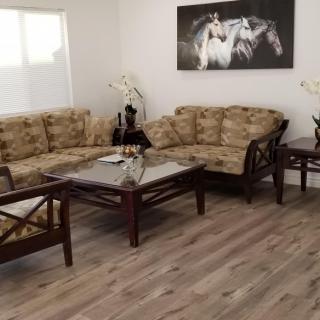
 Fully furnished
 Garden
 Housekeeping services
 Move-in coordination
 Outdoor space
 Telephone
 Wi-Fi/high-speed internet available
 Burbank-Glendale-Pasadena (9 miles away)
 24-hour supervision
 Activities of daily living assistance
 Assistance with bathing
 Assistance with dressing
 Assistance with transfers
 Diabetes diet
 Meal preparation and service
 Medication management
 Special dietary restrictions
 Transportation arrangement (medical)
 Transportation to doctors appointments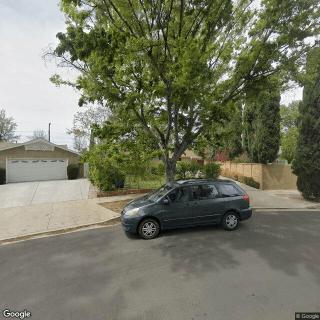
 Homey, well-maintained environment with attentive, caring staff.
 When to Transition from Assisted Living to Memory Care: Key Indicators, Steps, and Finding the Right Community
 Assisted Living and Memory Care: Understanding Their Core Differences
 Beyond the Bingo Hall: 50+ Enriching Activities for Seniors in Assisted Living