Zion Residential Care is an assisted living and memory care community in Granada Hills, CA.
Information last verified:
16654 San Fernando Mission Blv, Granada Hills, CA 91344
For more information about senior living options: (866) 208-4318
3.6 from 29 reviews
5 stars
17
4 stars
2
3 stars
0
2 stars
0
1 stars
10
Zion Residential Care Costs & Pricing
Zion Residential Care offers a variety of room types at competitive rates compared to the broader market in Los Angeles County and California as a whole. The cost for a semi-private room at Zion is $3,500 per month, slightly exceeding the county average of $3,349 but still below the state average of $3,333. For those seeking more privacy, Zion's private rooms are priced at $4,500, which is above both the county and state averages of $4,197 and $3,939 respectively. Additionally, residents who prefer studio accommodations will find that Zion's rate of $5,500 is notably higher than both the county's average of $4,172 and California's statewide average of $4,145. Overall, while some costs may be elevated compared to regional standards, Zion Residential Care appears to cater to those looking for specialized care services that justify their investment in comfort and quality.
Floor plans
Zion Residential Care
Los Angeles County
California
Semi-Private
$3,500
$3,349
$3,333
Private
$4,500
$4,197
$3,939
Studio
$5,500
$4,172
$4,145
Overall Review of Zion Residential Care
caveat5 reviews mention this
Emergency response is hit or miss
Residents and families describe long waits and missed responses when help is needed.
A number of reviewers report delays reaching staff by phone and trouble getting assistance when a call button is pressed. Some describe staff not responding for extended periods, including situations that led to injuries or a failure to help during emergencies. Reviews also mention unprofessional or inconsistent phone transfer experiences, which added frustration for families trying to connect with nurses.
common10 reviews mention this
Nurses and therapy get praise
Many reviewers say the nursing and therapy teams are attentive and supportive.
Positive reviews frequently point to nurses and physical therapy staff as the reason families felt comfortable during recovery or short stays. Several reviewers also mention staff going out of their way with day-to-day needs, safety, and questions from families. A few reviews bundle this praise with remarks about doctors being patient or helpful, reinforcing the overall care experience.
caveat2 reviews mention this
Medication and diet are concerns
Some reviewers question whether medication and dietary plans are followed consistently.
One reviewer says the facility did not follow a strict diet plan, which they linked to unwanted weight gain. Another reviewer describes concerns about psychiatric medication being stopped, which they felt should not have happened. These comments point to inconsistency around care plans that residents and families rely on.
caveat4 reviews mention this
Food quality is mixed
Food gets mixed feedback, with some wanting better options or follow-through.
Several reviewers describe food positively, including healthy meals they felt were better than what they experienced elsewhere. Others raise issues, including comments about food quality and concerns about how meals align with dietary needs. While some residents say they can request certain things, the overall feedback remains uneven across reviewers.
common4 reviews mention this
Cleanliness stands out for many
Cleanliness is described as a strength, though a few reviewers report unpleasant odors.
Some reviewers praise the facility as clean and well kept, including remarks about no noticeable smell. At the same time, a couple of reviewers describe strong urine odors and a disappointing environment. Taken together, cleanliness appears to be appreciated by many but not experienced the same way by everyone.
common2 reviews mention this
Activities bring engagement
Reviewers mention regular activities and social events.
A couple of reviewers highlight that the community offers plentiful, diverse activities and that events helped keep life engaging. One review specifically calls out an activities department organizing parties, dinners, and outings. This aligns with the broader list of on-site and off-site scheduled activities and devotional options.
How we summarize
Counts show how many written reviews mention each theme; a review can touch several themes, and only frequently mentioned themes are displayed.
Features
Housing
6 resident community capacity
Types of Care
Assisted Living
Board and Care Home
Memory Care
Amenities
Activities off-site
Activities on-site
Cable or satellite TV
Devotional services off-site
Devotional services on-site
Dining room
Fully furnished
Garden
Housekeeping services
Indoor common areas
Move-in coordination
Outdoor common areas
Outdoor space
Private
Private bathrooms
Respite or short term stays offered
Telephone
Wheelchair accessible showers
Wi-Fi/high-speed internet available
Transportation
Burbank-Glendale-Pasadena (9 miles away)
Los Angeles International (23 miles away)
Care Services
24-hour supervision
Activities of daily living assistance
Assistance with bathing
Assistance with dressing
Assistance with transfers
Coordination with health care providers
Diabetes diet
Diabetic care
High acuity care
Incontinence care
Meal preparation and service
Medication management
Special dietary restrictions
Transportation arrangement (medical)
Transportation to doctors appointments
Dining
Diabetes diet
Kosher
Meals provided
Special dietary restrictions
Vegetarian
Activities
Activities off-site
Activities on-site
Community-sponsored activities
Devotional activities offsite
Devotional activities on-site
Scheduled daily activities
Nearby Places of Interest
Hospitals
Rinaldi Convalescent Hospital (0.6 miles)
Veterans Administration (2 miles)
Tebi, Sina Dr - Providence Holy Cross Medical Center Diabetes Education (2.1 miles)
Olive View Ucla Medical Center (4.6 miles)
Kaiser Permanente Emergency (5.2 miles)
Restaurants
Sugar Suite (1 miles)
In-N-Out Burger (1.6 miles)
McDonald's (1.6 miles)
Del Taco (1.7 miles)
McDonald's (2.2 miles)
Wood Ranch BBQ & Grill (4.1 miles)
Yard House (4.1 miles)
Cafes
Starbucks (1.5 miles)
Starbucks (1.9 miles)
Porto's Bakery & Cafe (4.3 miles)
Starbucks (4.5 miles)
Starbucks (5.1 miles)
Winnetka Bowl (7 miles)
Honu Coffee (7.8 miles)
Pharmacies
Rite Aid (1.7 miles)
CVS Pharmacy (1.8 miles)
Walgreens (2.5 miles)
CVS Pharmacy (2.6 miles)
CVS Pharmacy (2.6 miles)
Walgreens (3 miles)
Rite Aid (3 miles)
Parks
O'Melveny Park (2.6 miles)
Holleigh Bernson Memorial Park (4.5 miles)
Lake Balboa Park (5.9 miles)
Encino Bike Path (6.3 miles)
Playground (6.4 miles)
Parthenia Park (6.7 miles)
Chatsworth Park North (6.7 miles)
Places of Worship
Immanuel Bible Church (2.7 miles)
Theaters
AMC Porter Ranch 9 (4.3 miles)
Regal Sherman Oaks Galleria (8.2 miles)
Transportation
Van Nuys FlyAway Bus Terminal to LAX (4.4 miles)
Van Nuys Airport (VNY) (4.9 miles)
Physicians
Mid-Valley Comprehensive Health Center (5.2 miles)
Southern California Orthopedic Institute (5.7 miles)
Zion Residential Care offers a variety of room types at competitive rates compared to the broader market in Los Angeles County and California as a whole. The cost for a semi-private room at Zion is $3,500 per month, slightly exceeding the county average of $3,349 but still below the state average of $3,333. For those seeking more privacy, Zion's private rooms are priced at $4,500, which is above both the county and state averages of $4,197 and $3,939 respectively. Additionally, residents who prefer studio accommodations will find that Zion's rate of $5,500 is notably higher than both the county's average of $4,172 and California's statewide average of $4,145. Overall, while some costs may be elevated compared to regional standards, Zion Residential Care appears to cater to those looking for specialized care services that justify their investment in comfort and quality.
Zion Residential Care's features are designed to comprehensively support residents with memory care needs, addressing both physical and emotional well-being. Assistance with dressing, bathing, and transfers fosters dignity and comfort, ensuring that personal hygiene and mobility challenges are managed effectively. Medication management mitigates the risks associated with missed doses or medication errors, which can be detrimental for individuals with cognitive impairments. Thoughtful meal preparation addresses nutritional needs while also catering to any dietary restrictions, enhancing overall health. Transportation arrangements for medical appointments facilitate access to necessary healthcare services without added stress. Coordination with healthcare providers ensures a cohesive approach to each resident's individual care plan, contributing to better health outcomes. The support offered in activities of daily living empowers residents while promoting independence within a safe environment. Round-the-clock supervision provides peace of mind for families and continuous monitoring for any changes in health status, while incontinence care ensures comfort and respect for personal dignity throughout the day. Together, these features create a nurturing space that enhances quality of life for those dealing with dementia or Alzheimer's disease.
Nearby Communities
Royal Garden Estate II
Granada Hills, CA
3.9 from 7 reviews
$2,500 to $3,500 / month
Attentive staff and a clean, well-maintained environment.
Orchid Living Board And Care
Granada Hills, CA
2.5 from 2 reviews
Homelike, fully furnished setting with 24/7 supervision, ADL support, diabetes-friendly dining, housekeeping, and transportation to medical appointments.
Orchid Board and Care
Granada Hills, CA
1 from 1 review
Tranquil suburban setting with nearby amenities.
Nvm Comfort Homes
Granada Hills, CA
5 from 2 reviews
Comprehensive care with 24-hour supervision, diabetes-friendly meals, and transportation to medical appointments.
VCT Home Care
Granada Hills, CA
$3,000 / month
Intimate, small-capacity setting with personalized care and affordable private rooms.
J & S Home Care
Granada Hills, CA
5 from 1 review
$3,400 to $4,000 / month
Clean, well-maintained community with attentive leadership and proactive health monitoring and medication management.
Casitas Care Center
Granada Hills, CA
3.1 from 47 reviews
Friendly staff and engaging activities with extensive on-site amenities.
Angels of the Valley Board & Care
Northridge, CA
4.9 from 8 reviews
$3,000 to $9,548 / month
Quality meals and friendly, reliable staff in a clean, well-maintained setting.
Delirium is a rapidly onset, reversible cognitive disturbance often caused by acute medical issues, while dementia is a gradual and irreversible decline due to chronic neurodegenerative diseases. Accurate differentiation between the two is essential for appropriate treatment and management in older adults.
Dementia, including Alzheimer’s disease, is often mischaracterized in terms of lethality as it leads to complications that can be fatal rather than being a direct cause of death; it causes a progressive decline in cognitive and physical health, making patients vulnerable to infections and other health crises. Effective management of nutrition, hydration, and communication is crucial in patient care, with palliative care becoming vital in advanced stages to enhance comfort and quality of life while caregivers play a key role amidst the challenges posed by the disease.
Reminiscence therapy helps individuals with dementia recall past memories through structured discussions and meaningful objects, enhancing mood, relationships, and sense of identity while celebrating their lives. It can be practiced in formal settings or at home, requiring sensitivity to personal histories and cultural backgrounds.
Get PricingAsk A QuestionSchedule A TourContact Senior Advisor
By clicking submit, you agree to our Partner's Terms of Use. You
also consent to receive calls and texts, which may be autodialed, from our Partner. Your consent is not a condition to
using our Partner's service. Please visit our Partner's Privacy Policy for information about their privacy practices.

 6 resident community capacity
 Assisted Living
 Board and Care Home
 Memory Care
 Activities off-site
 Cable or satellite TV
 Devotional services off-site
 Dining room
 Fully furnished
 Garden
 Housekeeping services
 Indoor common areas
 Move-in coordination
 Outdoor common areas
 Private
 Private bathrooms
 Respite or short term stays offered
 Telephone
 Wheelchair accessible showers
 Wi-Fi/high-speed internet available
 Burbank-Glendale-Pasadena (9 miles away)
 24-hour supervision
 Assistance with bathing
 Assistance with dressing
 Assistance with transfers
 Diabetes diet
 Diabetic care
 High acuity care
 Incontinence care
 Meal preparation and service
 Medication management
 Special dietary restrictions
 Transportation arrangement (medical)
 Transportation to doctors appointments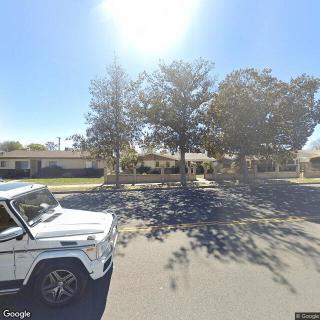
 Attentive staff and a clean, well-maintained environment.
 Delirium and Dementia: Unraveling the Key Differences
 Are Dementia and Alzheimer's Disease Lethal? A Comprehensive Exploration
 Exploring the Power of Reminiscence Therapy for Individuals With Dementia