
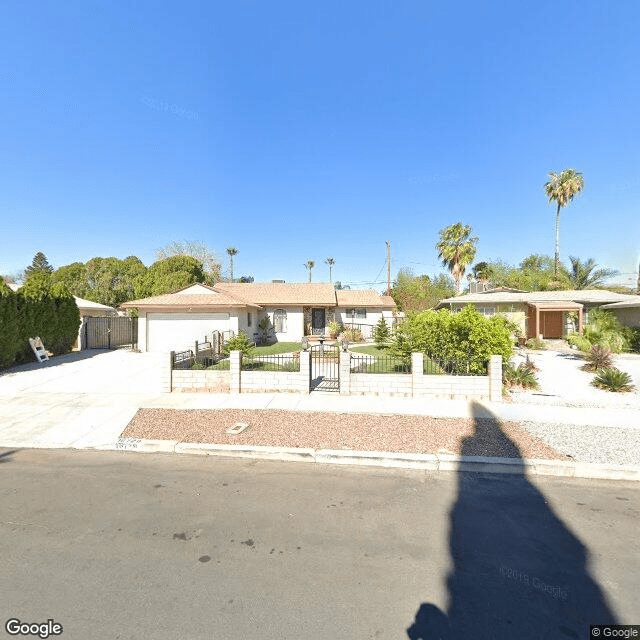
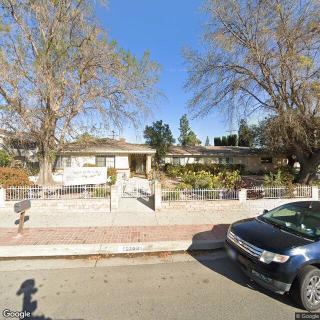
16729 tulsa st, Granada Hills, CA 91344
To contact a resident: (818) 326-8426
For more information about senior living options: (866) 208-4318
Overall Review of Orchid Board and Care
Pros
 Florence offered a first-month trial with a pro-rated refund if not happy.
- The owners stated they would pro-rate and refund money for leaving early if the home didn’t work out.
Cons
 The owners refused to refund the last five days despite safety concerns prompting the move.
- Eggs were left unrefrigerated for over three hours in heat, with staff arguing instead of addressing the salmonella risk.
- Adele and Florence did not answer calls and did not address residents' safety concerns.
- Residents were fed cheap, frozen 89-cent meals heated in microwave containers.
- The facility did not turn on air conditioning in hot weather, leaving the home at 85 degrees or higher.
- A family barbecue was held unmasked during rising Covid, endangering the 89-year-old resident.
Review
Orchid Board and Care in Granada Hills is a hard pick for anyone who expects reliable safety, consistent comfort, and clear staff accountability. The community appears best suited for families with extremely limited budgets who are willing to accept minimal standards of care and oversight. In practice, that means residents who can tolerate inconsistent temperature control, basic food handling concerns, and uneven communication from management. For seniors who require steady supervision, predictable the daily routine, or transparent safety practices, this option should not be the default choice.
Clearly identify who may want to consider alternatives: families prioritizing safety, health protections, and dependable responsiveness should look elsewhere. If a resident’s well-being hinges on properly refrigerated foods, stable indoor temperatures, timely responses from leadership, and prudent infection-control habits, this community is not the fit. Prospective buyers should recognize that affordability cannot compensate for recurring red flags related to sanitation, climate comfort, and communication gaps.
The only remotely affirmative element on paper is a trial-payment arrangement that suggests some willingness to accommodate an easy entry. In practice, this “flexibility” stands in sharp relief against a notable commitment problem: a refund for the final days when safety concerns arise was not honored. That mismatch between stated policy and actual handling signals a broader pattern where promises may not be dependable, and accountability may be uneven. When money and trust are on the line, the lure of a trial month quickly loses its shine in the face of real-world inconsistencies.
The core downsides are concrete and cumulative. Food handling raises red flags: eggs left unrefrigerated for hours risk bacterial growth, and claimed practices toward safeguarding residents’ meals are not evident in day-to-day routines. Temperature control inside the home is another persistent issue, with temperatures routinely hovering in the 80s. That climate instability not only saps comfort but can aggravate health conditions common among elderly residents. Communication failures compound the risk, with calls for attention often going unanswered and concerns dismissed or redirected. The combination of unsafe food practices, poor indoor climate, and weak responsiveness creates a fragile care environment that undermines trust.
This is not a facility designed for families seeking meticulous care standards, transparent operations, or a consistently comfortable living environment. Alternatives should be considered by those who expect meals prepared and stored with rigor, air quality and temperature maintained within a healthy range, and leadership reachable and accountable in real time. When evaluating options, prioritize facilities with visible food-safety protocols, dependable climate control, and clear channels for family input. Ask specifically about how meals are stored and heated, what temperatures are maintained in communal spaces, how often maintenance is performed, and how quickly staff and managers respond to concerns.
Ultimately, the decision centers on risk tolerance and budget feasibility. If the budget is the defining constraint and one can accept potential lapses in food safety, temperature comfort, and supervisory presence, Orchid Board and Care may be a fit. For most families weighing the needs of an elderly parent or relative who relies on consistent care and dependable safeguards, this community is a cautionary reference rather than a go-to option. The prudent path is to pursue environments with verifiable safety records, proactive management, and a demonstrated commitment to both basic comfort and responsive communication.
 Board and Care Home
 Burbank-Glendale-Pasadena (9 miles away)
 Highly Beneficial Low-Impact Exercises for Senior Living Residents
 Is In-Home Healthcare Tax Deductible? Your Comprehensive Guide
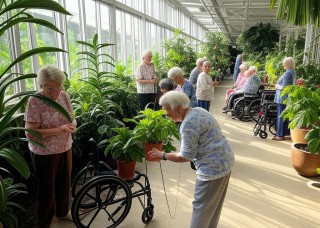 Nurturing Well-Being Through Gardening: A Detailed Guide for Senior Enthusiasts