
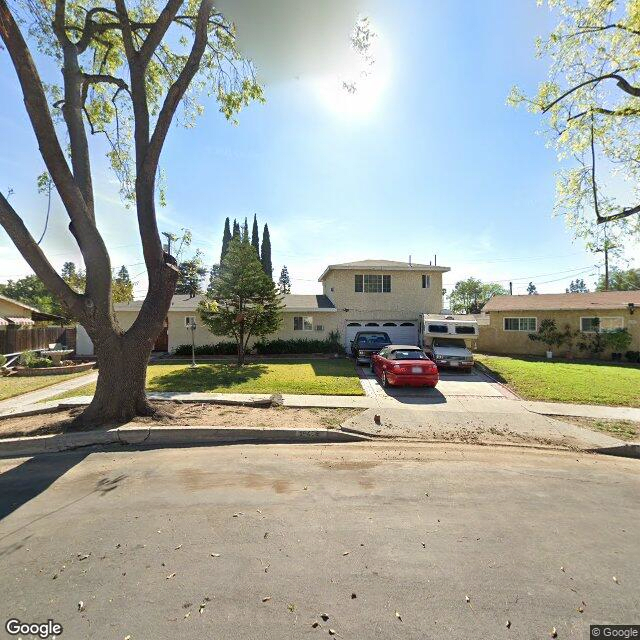
16456 los alimos st, Granada Hills, CA 91344
To contact a resident: (818) 366-7906
For more information about senior living options: (866) 208-4318
Overall Review of Angie's Home care
Pros
 Angie has been an exceptional caregiver for my elderly mother over the past four years.
- Her dedication, kindness, and professionalism have made a significant difference in my mother's quality of life.
- Angie is not only attentive to my mother's needs but also incredibly compassionate, treating her with the utmost respect and dignity.
- Angie has our highest recommendation as a caregiver.
Review
This community is best suited for families seeking intensely personalized, long-term in-home assistance in Granada Hills, with a single, deeply trusted caregiver who can establish a daily rhythm around a loved one’s routines. It works especially well for seniors who want to remain at home but need consistent, compassionate support delivered with dignity and respect. When the priority is an ongoing, one-on-one relationship that can adapt to evolving needs over years, this arrangement delivers the strongest value. It is less appropriate for those who require a broader care team, 24/7 skilled nursing oversight, or formal programming that takes place in a facility setting.
Families should consider alternatives if the elder’s needs extend beyond what a single caregiver can safely manage. If medical complexity requires continuous nursing services, regulated oversight, or specialized memory-care programming, a licensed assisted living facility or a skilled nursing environment is typically a better match. For households worried about caregiver availability or backup coverage, a smaller, solo-provider model can feel fragile; in those cases, an agency-backed model with a rotating staff or a larger care team offers more redundancy. If structured social activities, on-site rehabilitation, or in-house emergency response systems are priorities, a facility with built-in programs will outperform a sole caregiver arrangement.
The strongest advantages here revolve around the caregiver’s personal qualities and the resulting quality of life for the client. The most compelling story centers on Angie, described as exceptionally dedicated, kind, and professional, with a rare blend of compassion and practical competence. Her approach respects the elder’s dignity and autonomy while delivering attentive, responsive care that improves daily living. Such one-on-one attention tends to translate into more meaningful daily interactions, fewer misunderstandings, and better adherence to routines. For families seeking continuity over years, Angie’s ability to form a trusted bond can offset many logistical concerns, creating a home-care dynamic that feels steadier and more reassuring than piecemeal arrangements.
However, the model’s inherent drawbacks cannot be ignored. Relying on a single caregiver creates a vulnerability: if Angie is unavailable due to illness, vacation, or personal need, there may be gaps in coverage that require last-minute scrambling. The lack of a broader care team reduces the ability to scale up quickly in response to changing needs, medical events, or emergencies. Additionally, the absence of formal, facility-based programming means there is no built-in structure for social engagement beyond what the caregiver can provide, and there is limited access to on-site rehabilitation or nursing oversight. For families prioritizing predictability, backup options, and a broader ecosystem of services, these gaps are meaningful considerations.
In practical terms, decisions should hinge on risk tolerance and long-range expectations. If stability, continuity, and a warm, personalized daily routine trump the need for diverse activities or professional nursing presence, Angie's Home Care presents a credible, high-value option. But if the senior’s care plan demands round-the-clock nursing, device-based monitoring, or a robust activities calendar with on-site specialists, alternatives that offer a licensed, multi-disciplinary team within a facility will likely deliver a more comprehensive safety net. A thoughtful approach is to pilot a plan with clear backup arrangements, a transparent care plan, and a defined escalation path for medical or logistical issues.
To proceed with confidence, verify critical details before committing. Confirm the scope of care Angie can provide, including medication management, mobility assistance, and daily living activities, and outline a conservative backup plan for times she is unavailable. Obtain a clear cost structure, hourly expectations, and any additional charges; insist on written care plans, emergency contacts, and a process for updating goals as needs evolve. Ask about background checks, liability coverage, and whether any respite or temporary relief options exist. Finally, request a trial period or staged schedule to observe how well the person-centered approach meshes with the elder’s preferences, daily rhythms, and safety expectations. When the priority is a trusted, steady relationship with a highly compassionate caregiver, Angie's Home Care stands out as a compelling option, though families should be prepared to explore contingencies if broader coverage or facility-based services become necessary.
 4 resident community capacity
 Assisted Living
 Board and Care Home
 Cable or satellite TV
 Dining room
 Fully furnished
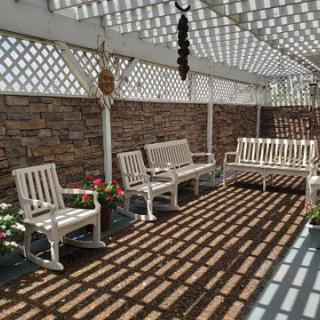
 Garden
 Housekeeping services
 Move-in coordination
 Outdoor space
 Telephone
 Wi-Fi/high-speed internet available
 Burbank-Glendale-Pasadena (9 miles away)
 24-hour supervision
 Activities of daily living assistance
 Assistance with bathing
 Assistance with dressing
 Assistance with transfers
 Diabetes diet
 Meal preparation and service
 Medication management
 Special dietary restrictions
 Transportation arrangement (medical)
 Transportation to doctors appointments




 Comprehensive Residential Support and Assisted Living Solutions for Individuals with Disabilities
 Comprehensive Supportive Living Arrangements for Adults with Disabilities
 Funding and Affording Assisted Living: A Thorough Overview