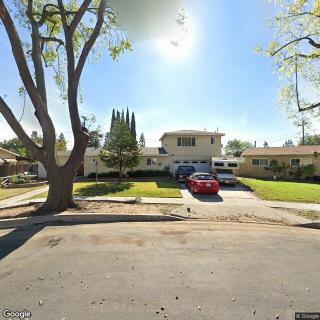
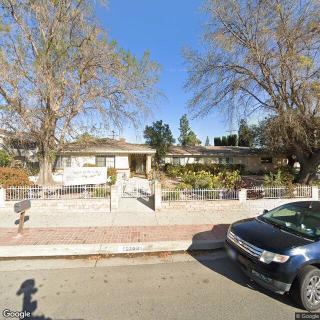
16123 Chatsworth Avenue, Granada Hills, CA 91344
For more information about senior living options: (866) 208-4318
Overall Review of Granada Hills Convalescent
Pros
 Granada Hills Care Center provides exceptional care and service to its residents, especially after surgery.
- The staff are compassionate, attentive, and highly professional.
- The social services team helps families transition home smoothly, giving peace of mind.
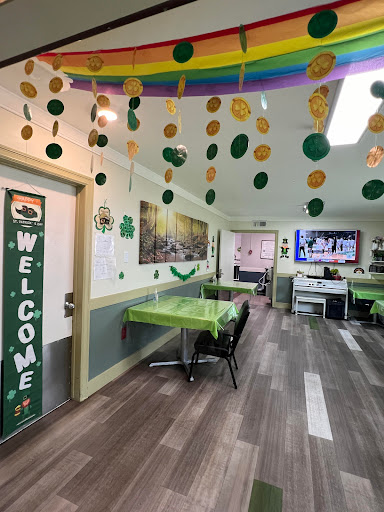
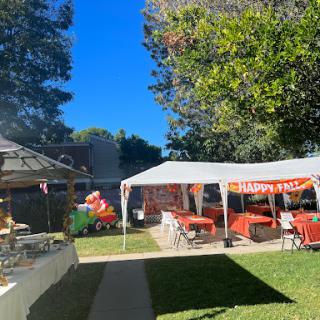
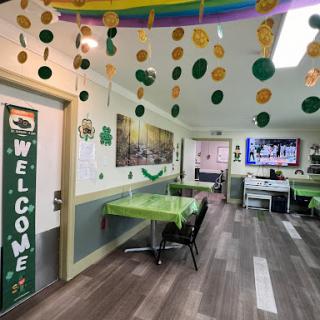
- The center offers engaging activities and maintains a friendly, healing atmosphere.
- Administration runs the facility smoothly with well-organized nursing care and routines.
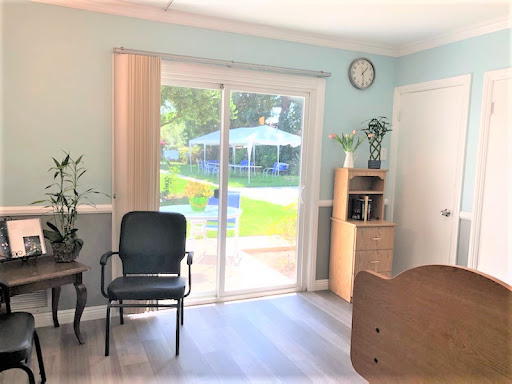
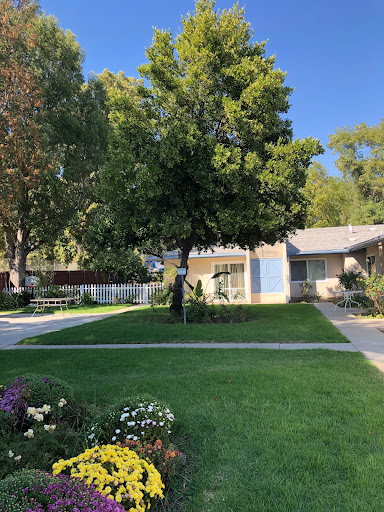
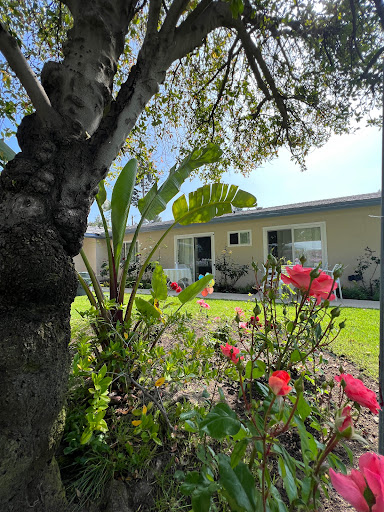
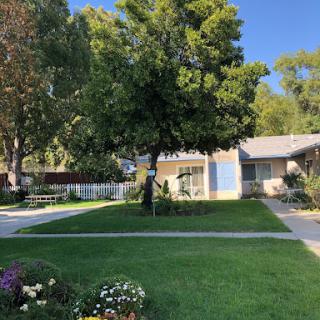
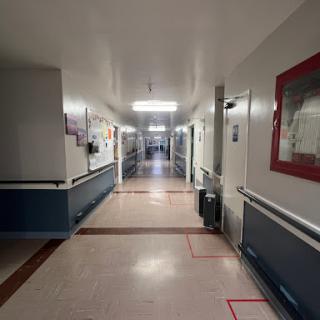
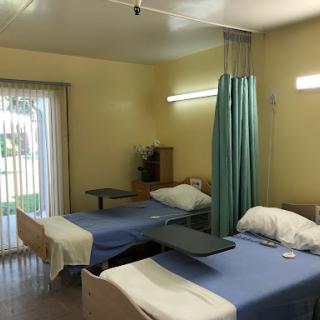
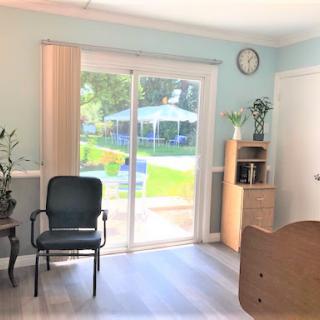
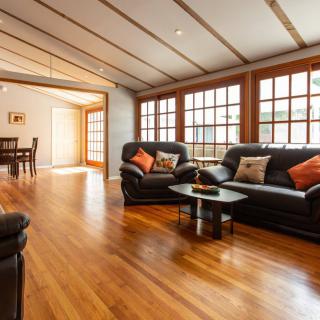
- The center is clean and well-maintained, with a welcoming environment.
- Caregivers are punctual, respectful, and genuinely caring toward residents.
- Families feel safe, informed, and supported throughout the recovery process.
Cons
 One reviewer described the staff as horrible and even suggested they should work in a slaughterhouse, warning others not to place loved ones there.
- A different commenter called the experience horrible and urged people not to send anyone they care about to this facility.
- The center was criticized as not being a true care facility, more like a detention center.
- It was noted that visiting options were limited, and there was little effort to provide stimulating activities for residents.
- A family reported that a patient was left unattended for hours after receiving multiple pain medications.
- Another concern was that staff appeared lax once authorities departed, implying inconsistent care.
Review
Granada Hills Convalescent is best suited for families seeking a post-acute rehab environment where a loved one can recover quickly after surgery or a medical event with strong bedside care and proactive discharge planning. The community earns trust from families who value compassionate nurses, professional aides, and a coordinated approach to therapy, medications, and family updates. It shines for residents who benefit from a warm, engaging atmosphere, structured daily routines, and meaningful activities that keep recovery momentum alive. In short, this is a practical choice for short-term rehabilitation and nursing support when the priority is clear communication, steady progress, and a well-organized care plan.
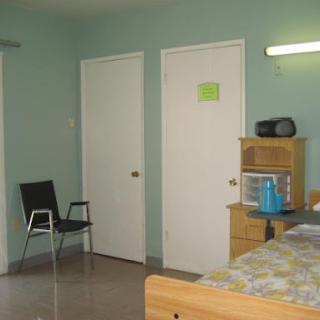
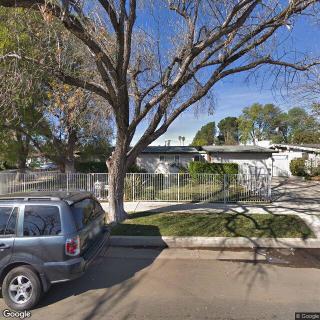
Those weighing alternatives should consider whether a long-term, memory-care focused setting or a newer, more pristine facility fits better. A few reviews highlight concerns that cannot be ignored: isolated incidents of perceived medication mismanagement, and remarks from some families about responsiveness or consistency among staff. The building itself is described as older, with maintenance needs cited by some reviewers. If stability around medication protocols, minimal environmental aging, or a consistently uniform staff experience across shifts is non-negotiable, other options may offer more peace of mind.
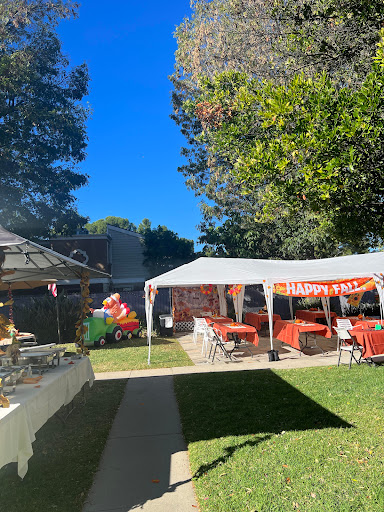
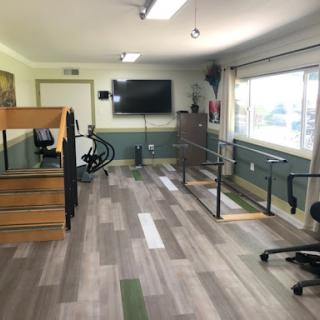
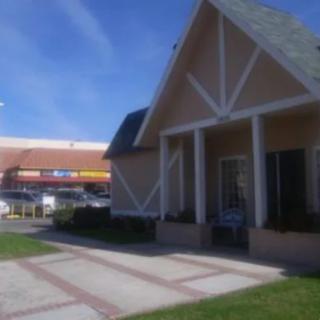
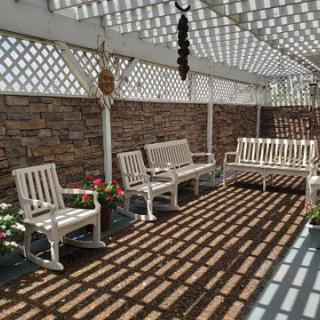
The strongest pro-to-con offset comes from the core care team and the surrounding support structure. Families repeatedly praise the admissions process as efficient and the social services as hands-on, ensuring post-stay transitions are smooth. The nursing and therapy teams are frequently described as attentive and skilled, with notable gains in mobility and functional confidence. Activities and a welcoming social atmosphere keep residents engaged, while clean, well-kept spaces and accessible outdoor areas contribute to a healing mood. When everything aligns, clear communication, timely therapy, and dependable oversight, the negatives from outlier reviews fade in importance.
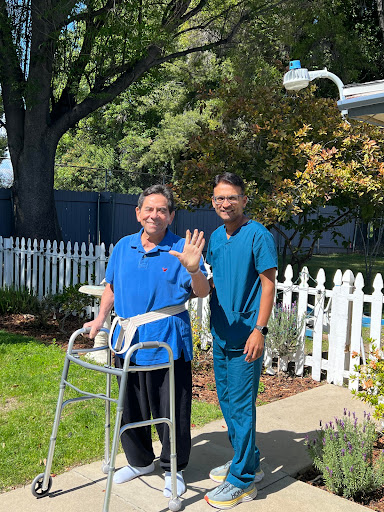
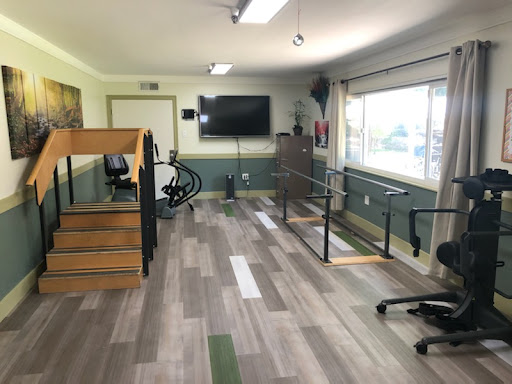
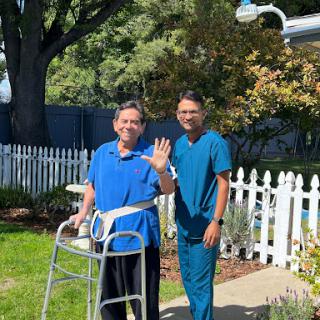
Rehab outcomes emerge as a defining strength. Several patients describe regaining independence, returning to preferred activities (even golf and walking), and leaving with improved strength and confidence. The therapy team earns particular praise for pacing progress and encouraging perseverance. Food quality and overall cleanliness are commonly cited as positives, reinforcing a sense of well-being during recovery. The garden and outdoor spaces provide morale-boosting distractions that help lengthen active periods of rehabilitation. Those evaluating Granada Hills should weigh these tangible rehab wins against the rare, negative notes about med events or staffing irregularities.
Environment and operations contribute meaningfully to the decision. The facility’s atmosphere is described as warm and engaging, with staff going above and beyond to create a community feel through events and individualized attention. Communication with families is highlighted as a real strength, with nurse-led progress meetings and proactive pathogen of aftercare coordination. On the cautionary side, some reviewers point to the building’s age and occasional alarm noise, along with a few sharp critiques about specific staff interactions. These factors matter, but they are not universal roadblocks; they simply require upfront questions and on-site verification.
Bottom line: Granada Hills Convalescent is a solid pick for families prioritizing post-acute rehab, strong caregiver engagement, and comprehensive discharge planning. It works best when a loved one benefits from active therapy, clear family communication, and a supportive, respectful environment. Those who should explore alternatives include families seeking a newer building with uniform staff across shifts, and those for whom medication safety and consistent nurse responsiveness are non-negotiable. Before deciding, families should directly review a current care plan, inquire about medication protocols, meet the therapy team, assess the building’s upkeep, and confirm aftercare arrangements. The facility’s track record suggests a reliable, compassionate option for recovery, with the attentiveness to individual needs that makes a meaningful difference in short-term rehabilitation outcomes.
 48 resident community capacity
 Skilled Nursing Facility
 Beauty salon
 Cable or satellite TV
 Dining room
 Fully furnished
 Garden
 Housekeeping services
 Kitchenette
 Move-in coordination
 Outdoor space
 Restaurant-style dining
 Small library
 Telephone
 Wi-Fi/high-speed internet available
 Burbank-Glendale-Pasadena (8 miles away)
 24-hour call system
 Activities of daily living assistance
 Assistance with bathing
 Assistance with dressing
 Assistance with transfers
 Diabetes diet
 Medication management
 Mental wellness program
 Special dietary restrictions
 Skilled Nursing Facilities vs. Nursing Homes: Making Sense of the Differences
 A Detailed Examination of Nursing Home Costs Across the U.S.
 Exploring Nonmedical Home Care: Understanding Services, Costs, and Financial Approaches