
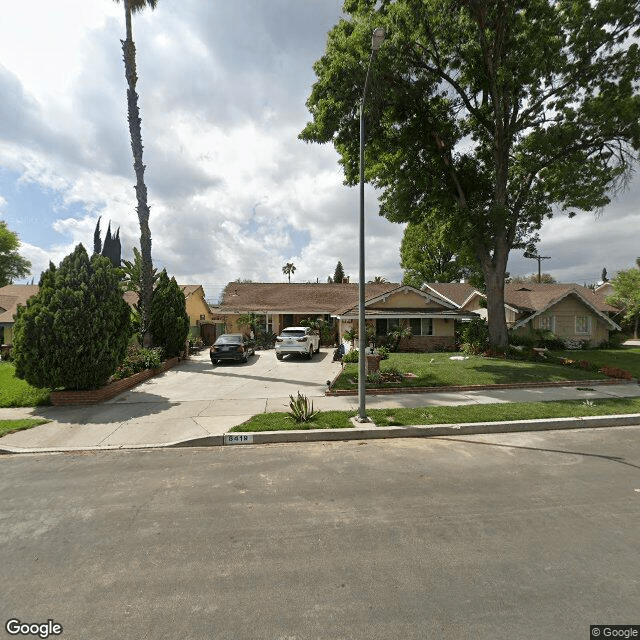
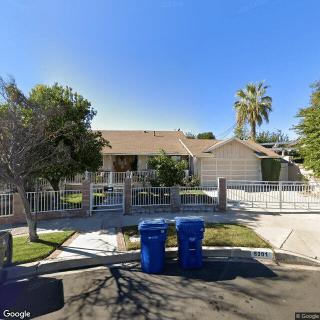
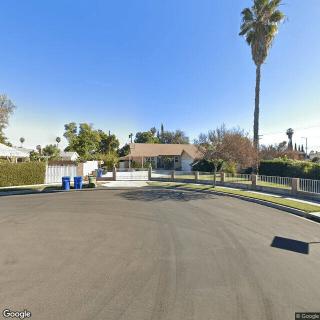
8419 Yolanda Ave, Northridge, CA 91324
To contact a resident: (818) 739-9539
For more information about senior living options: (866) 208-4318
Northridge Villa for Elderly Inc. Costs & Pricing
Northridge Villa for Elderly Inc. offers competitive pricing for its residents, with monthly costs that are slightly below the average rates seen in Los Angeles County and throughout California. For those choosing a semi-private room, Northridge Villa charges $3,000, compared to the county's average of $3,349 and the state average of $3,333. Similarly, the private room option at Northridge is priced at $4,000, which remains lower than the county's rate of $4,197 but is slightly higher than the state average of $3,939. These pricing structures make Northridge Villa an appealing choice for families seeking quality elder care without straying far from budgetary considerations.
| Floor plans | Northridge Villa for Elderly Inc. | Los Angeles County | California |
|---|---|---|---|
| Semi-Private | $3,000 | $3,349 | $3,333 |
| Private | $4,000 | $4,197 | $3,939 |
Memory care communities with a similar price nearby
-
from +$500 / mo
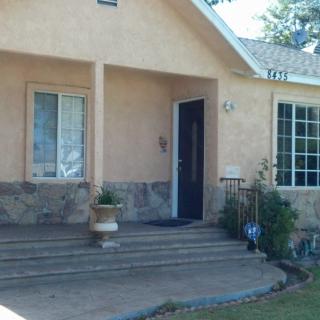
Paradise Senior Living 1
$3,500 to $4,500 / month0.8 miles away -
from -$250 / mo
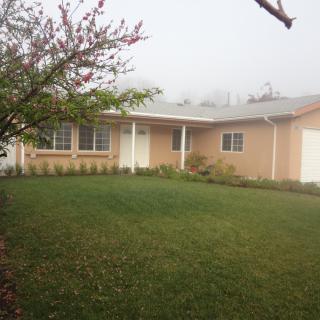
Dignity Care Home 1
$2,750 to $4,150 / month3.1 miles away -
from +$500 / mo
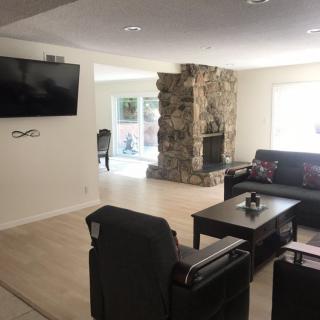
Hollywood Healthy Living
$3,500 to $5,000 / month11.2 miles away -
from +$500 / mo

California Senior Of Sherman Oaks
$3,500 to $4,000 / month6.5 miles away -
from +$500 / mo

Assisted Comfort Home
$3,500 to $6,000 / month7.0 miles away
Overall Review of Northridge Villa for Elderly Inc.
Pros
 The Northridge Villa staff provide exceptional, compassionate care and treat residents like family.
- Ronika, the administrator, is described as amazing and wonderful to work with, leading a dedicated team.
- Families are grateful for the care and would highly recommend Northridge Villa for the Elderly for their loved ones.
- The facility is clean, well-kept, safe, and welcoming, contributing to residents’ happiness and comfort.
- Caregivers are kind, loving, and attentive, with Frank and Marie highlighted for thoughtful, high-quality care.
- Residents with complex needs receive thorough and responsible care tailored to wound care, dementia, diabetes, and Parkinson’s.
Cons
 The reviewer claimed Northridge Villa failed to address a schizophrenic patient's situation, sending the patient to an alternate facility without contact and denying entry back, with the client forced to seek motel vouchers after calls were not returned, and authorities considering Adult Protective Services for possible patient dumping.
 - The reviewer stated that a hospice patient occupied the available room, which they believed would not be suitable for their mother.
- The reviewer criticized the facility for a poor food menu, the kitchen being off limits to patients, and walls that were scuffed and in need of touch-up painting.
- The reviewer warned against the facility for residents who don’t have visitors, noting there is not much to do and no mental stimulation.
Review
This community is best suited for families seeking exceptionally hands-on, compassionate care for seniors with complex needs who value a warm, family-like atmosphere and stable, attentive staff. Northridge Villa excels when a resident requires wound care, dementia support, diabetes management, and Parkinson’s-level assistance, all delivered in a home setting rather than a clinical corridor. The leadership and caregiving team, most notably administrator Ronika and long-tenured staff like Frank, are repeatedly praised for their dedication, responsiveness, and ability to treat residents like family. For families prioritizing safety, consistency, and personal attention over a bustling activity calendar, this is a strong match.
Alternatives to consider exist for residents who crave richer programming and more structured social engagement. Several reviews point to a relatively sparse activity slate and limited mental stimulation, which can leave active or socially oriented seniors yearning for more. If a resident relies heavily on daily group activities, frequent outings, or specialized programming to stay engaged, a different setting with a broader activities department may be a better fit. Likewise, families with concerns about behavioral health needs or complex transitions should scrutinize policies and outcomes around residents with challenging behaviors, since at least one review describes a difficult transfer scenario that drew external oversight.
The strongest pros here, compassionate, attentive care; a sense of family and belonging; high standards of cleanliness and safety, do a lot to offset the downsides. The staff’s genuine kindness shows in everyday interactions, from calm bedside routines to proactive wound care and meticulous daily care for residents with multiple conditions. The facility’s home-like environment, with alarmed doors and a quiet, well-kept setting, helps reassure families that their loved ones are protected and overseen by people who treat them with dignity. The ability to accommodate long-term residents with persistent needs, evidenced by residents staying for many years and families expressing gratitude for ongoing, stable support, adds a robustness to the care that often matters most in decisions about place.
However, the care philosophy does carry caveats. A few reviews flag limited activity options as a palpable gap for residents who depend on external stimulation for mood and cognitive engagement. Families should verify that the resident’s daily life includes meaningful, supervised activity beyond basic caregiving; otherwise, the emotional and social health of residents could wane over time. Additionally, there is one troubling report about a resident with schizophrenia who was not promptly reintegrated after a transfer, followed by involvement of authorities. While this appears to be an isolated incident, it underscores the importance of asking detailed questions about behavioral health management, transfer protocols, and how communication with families is handled during difficult situations. Prospective residents should request clarity on these processes and observe the team’s responsiveness in real time.
Pricing and room options emerge as pragmatic considerations. One review suggests that pricing is competitive and potentially negotiable based on care needs, which can ease budgeting for families facing long-term placement. Yet variability in what is included, meals, activities, and specific care adds-ons, means families must obtain a transparent breakdown. Tour the rooms and common areas to confirm the level of privacy, safety features, and access to essential services. Meet with Ronika and Frank to gauge whether the care plan for a given resident can be tailored as needs evolve, and confirm staff-to-resident ratios during peak times. The goal is to ensure that the warmth and reliability are matched by operational clarity and predictable, responsive governance.
In sum, Northridge Villa represents a compelling option for families who prize care depth, trust, and a familial milieu over a robust social program. It is a particularly strong fit for elders needing ongoing medical and daily life support where caregivers feel like extended family, and where stability and compassionate attention can make a meaningful difference in quality of life. The main caveats, limited activities, potential concerns around behavioral health management, and the need for clear, proactive communication, should not be dismissed but rather investigated upfront. For families where those caveats matter less than the assurance of attentive, high-touch care, Northridge Villa stands out as a prudent, grounded choice.
 Board and Care Home
 Memory Care
 Bath tubs
 Indoor common areas
 Outdoor common areas
 Private
 Private bathrooms
 Wheelchair accessible showers
 Burbank-Glendale-Pasadena (11 miles away)
 Ambulatory care
 Diabetic care
 High acuity care
 Incontinence care
 Meals provided


 When Dementia Sparks Anger and Aggression: Understanding the Connection and Ways to Cope
 Dementia Behaviors: In-Depth Understanding and Effective Coping Strategies
 5 Early Indicators of Dementia and What You Can Do