









215 West King Road, Tucson, AZ 85704
To contact a resident: (520) 690-2281
For more information about senior living options: (866) 208-4318
Villas At King Road Costs & Pricing
At Villas At King Road, the monthly costs for accommodations reflect a thoughtful approach to pricing in comparison to both Pima County and the broader state of Arizona. The semi-private rooms are offered at $2,995, positioning them below the county average of $2,805 and slightly higher than the state average of $2,820. This competitive pricing for semi-private accommodations suggests a value-driven option for residents. For those seeking more privacy, the one-bedroom units are available at $3,395, which is notably lower than Pima County's average of $3,660 and also undercuts the state average of $3,532. Overall, Villas At King Road provides appealing financial options while maintaining a commitment to quality and comfort in their living arrangements.
| Floor plans | Villas At King Road | Pima County | Arizona |
|---|---|---|---|
| Semi-Private | $2,995 | $2,805 | $2,820 |
| 1 Bedroom | $3,395 | $3,660 | $3,532 |
Assisted Living communities with a similar price nearby
-
from +$155 / mo

Casa De Buena Vida
$3,150 to $3,450 / month3.6 miles away -
from +$205 / mo

Academy Villas
$3,200 to $7,000 / month19.7 miles away -
About the same

Crossroads Adult Care Homes
$3,000 to $3,600 / month2.0 miles away -
from -$295 / mo

Casa De Los Abuelos Dos
$2,700 to $3,200 / month4.9 miles away -
from -$495 / mo

Fairmount Assisted Living
$2,500 to $3,500 / month7.0 miles away
Overall Review of Villas At King Road
Pros
 The Villas at King is a great community partner with caring and compassionate staff.
- Families feel relieved by the care and attention residents receive, including a safe environment, regular meals, medication oversight, and physician visits.
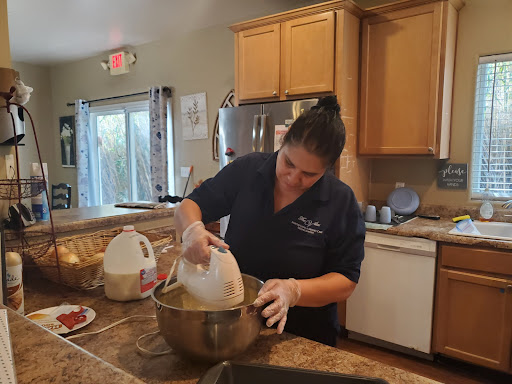
- Caregivers are compassionate, patient, responsive, and attentive.
- Management staff are amazing to work with and supportive during transitions.
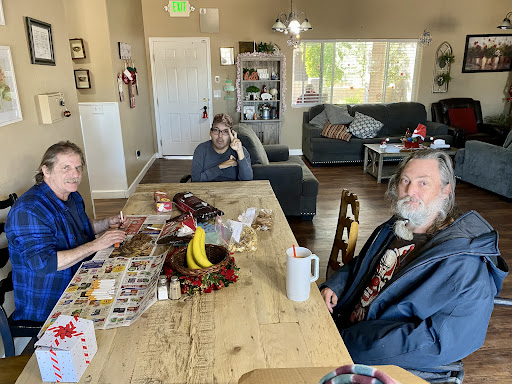
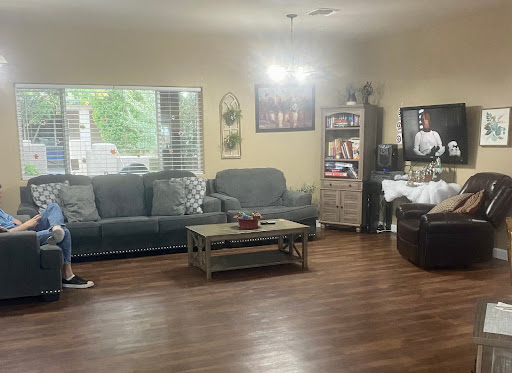
- The homes are clean and the staff are friendly, creating a homey atmosphere.
- The Villas helps residents stay engaged with activities and social opportunities.
- The facility comes highly recommended by families who have placed loved ones there.
Cons
 There were too many problems with this place to fit into a single review.
- Anything that a person would fear happening to a loved one happened there.
- The facility violated HIPAA by discussing a resident's medical information with an undesignated out-of-town family member.
- The staff placed the resident on hospice without informing her and singled her out for being vocal about her wishes.
- Several residents said she was being treated unfairly and singled out.
- The facility failed to notify the family when the resident was taken off her medications.
- The staff were not equipped to handle her complex health condition and chose hospice instead of skilled nursing.
- The staff were not caring, understanding, professional, or ethical in her care.
- The facility left her family unable to advocate or know that she was dying.
- The management decided when and where she would die, leaving her alone.
Review
The Villas at King Road is best suited for families seeking a small, home-like atmosphere with steady daily care, predictable routines, and an emphasis on resident social engagement. The community tends to work well for loved ones whose medical needs are manageable through regular oversight, medication administration, and routine physician involvement, combined with meaningful activities and a sense of community. It can be a good fit for memory-support needs that are stabilized and well-managed by attentive frontline staff, as long as expectations are aligned with the realities of governance and communication within the operation.
Those evaluating alternatives should flag a few red flags that some families have cited here. Residents with high-acuity medical conditions, frequent hospitalizations, or end-of-life decisions that require clear, consistent, and timely communication may encounter a misalignment between care demands and administrative responsiveness. The most serious concerns raised involve privacy and governance: alleged HIPAA breaches, inconsistent family updates, and decisions around hospice or med changes that were not fully explained or coordinated with relatives. For families prioritizing airtight privacy, transparent leadership, and decisive, ethically sound decision-making, exploring other options with stronger regulatory compliance and a proven record of ethical care is prudent.
On the positive side, frontline care at Villas at King Road earns consistent praise. Several reviews highlight a warm, clean, homey environment where staff are described as friendly, caring, and responsive. Families repeatedly note reliable medication oversight, regular physician visits, nutritious meals, and structured activities that keep residents socially engaged. When management is approachable and collaborative, families report smoother transitions, better documentation, and a measurable sense of relief that their loved one is in a supportive, attentive setting. In practice, these daily caregiving strengths can translate into real safety and quality of life for residents who fit the profile.
Yet the negatives carrying the most weight center on governance and communications. Multiple accounts describe serious management shortcomings, including unprofessional conduct and a perceived disrespect for families. Specific allegations involve improper handling of medical information, inconsistent guidance, and decisions around hospice that were not fully explained or timely communicated to family members. There are also distressing claims about mistreatment in care, such as rough handling and medication changes without adequate family involvement. These reports undermine trust and create an elevated risk for families who rely on transparent, accountable leadership in high-stakes elder care.
In weighing the pros against the cons, the care quality from direct caregivers and the overall home-like environment can partially offset moderate, day-to-day concerns if leadership consistently demonstrates accountability and clear, respectful communication. But when governance lapses coincide with difficult medical scenarios or end-of-life planning, the positives fail to fully offset the risks. The facility’s value hinges on whether the leadership can restore or sustain trust through proactive privacy protections, rigorous adherence to medical decision processes, and transparent, timely updates to families about their loved ones’ status and care plans. Until those assurances are consistently evident, families should approach with a cautious, information-driven plan.
For families making a decision, a practical path is essential. Schedule in-depth tours with the director and a front-line supervisor, and insist on meeting a care coordinator to review daily routines, medication protocols, and activity schedules. Request to see sample care plans, current physician notes, and copies of state inspections or complaints filed in the last year. Ask blunt questions about how emergencies are managed, how hospice referrals are discussed, and how families are notified of changes in health or medication. If the responses lack clarity, or if privacy and decision-making processes remain opaque, exploring other communities with stronger governance, consistent communication, and a demonstrable track record of safe, respectful care is the wiser course.
 Assisted Living
 Cats allowed
 Dogs allowed
 Activities on-site
 Devotional services off-site
 Indoor common areas
 Tucson International (11 miles away)
 Ambulatory care
 Diabetic care
 Meals provided






 Assisted Living Support for Veterans: A Complete and Detailed Overview
 Exploring the Contrasts Between Assisted Living and Skilled Nursing
 8 Key Indicators That Suggest It May Be Time to Transition from Assisted Living to Skilled Nursing Care