
4131 N Western Winds Dr, Tucson, AZ 85705
To contact a resident: (520) 887-9400
For more information about senior living options: (866) 208-4318
Overall Review of Western Winds Apartments
Pros
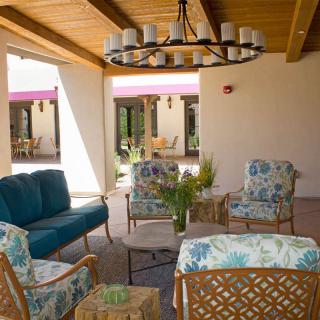
 The complex has a large courtyard in the back.
- Maintenance is wonderful and takes care of the apartments very well.
- There is a nice park nearby with cute squirrels.
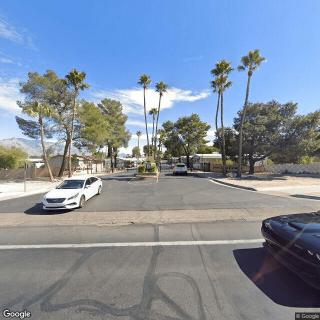
- The location is great and within walking distance to stores.
- Residents are glad to have a place to live despite a shortage of senior housing.
- Residents appreciate living in a handicap-accessible apartment with plenty of space.
- Mercy Housing has improved the building and facilities for the residents.
- The apartment is much better than the previous place.
- Maintenance staff are kind, respectful, and cheerful, even with construction ongoing.
- Residents get along regardless of religion or race.
- There is a nice patio area to view birds.
- The rules are explained clearly.
- The manager goes above and beyond for tenants.
- The apartments deserve six stars, according to at least one reviewer.
- A resident’s mother loves it.
Cons
 The reviews describe a lot of negative toxicity and a hostile environment, with pervasive gossip.
- The negativity and gossip are so high that residents have to stay in their rooms or outside the building.
- The building’s location across from the office makes it hard for residents to feel comfortable entering or leaving.
- Residents feel bullied and stressed by daily negativity and gossip, which can trigger PTSD.
- Some residents avoid the building on weekends to escape negativity and gossip.
- There is an issue with not being able to contact the Mercy housing administrator.
- There is a shortage of housing for seniors.
- The management is described as lousy.
- Some residents harassed others who posted positive reviews.
- The negativity from some residents makes the living environment uncomfortable and stressful.
Review
Western Winds Apartments is best suited for independent seniors who want roomy, accessible living with solid maintenance support, plus a strong outdoor footprint and a walkable setup near shops and a park. The big courtyard and back patio areas offer real opportunities for outdoor activity, and the property is clearly built for space-conscious residents who value distance from cramped hallways. Residents who can compartmentalize the social climate, tolerating occasional negativity and office-side bustle, will find the physical layout and upkeep to be meaningful advantages that support everyday independence.
Those weighing alternatives should note that a calm, consistently friendly resident culture is not guaranteed here. Seniors who prioritize a quietly welcoming community, predictable social dynamics, or abundant on-site wellness programming may want to compare this property with options that emphasize a more cohesive, positive living environment. Families seeking transparent, proactive management and immediate, open access to administrative leadership may also prefer places with a more straightforward, less rumor-prone atmosphere.
On the positive side, maintenance receives frequent praise for responsiveness and courtesy, and that reliability helps offset the inevitable wear of apartment life. The grounds are practical and spacious, with a courtyard that can be used for casual strolling and a dedicated area for pets and outdoor leisure. Proximity to stores and a nearby park adds practical value for daily errands and recreational breaks, while the facility’s scale preserves a sense of independence without feeling crowded. Some residents report genuine improvements under Mercy Housing stewardship, and a few affirm that the staff treats tenants with fairness and respect.
Yet the heavy downside is substantive and nontrivial. A hostile social climate, characterized by negativity, gossip, and at times bullying, drives many residents to retreat to their apartments, undermining the very sense of community that senior living typically aims to foster. PTSD triggers and general discomfort around communal spaces can make the lobby and common areas feel unsafe or stressful, dampening opportunities for spontaneous social engagement. Construction, plus an environment where some residents actively resist positive feedback, further complicate day-to-day life and complicate the perception of stability.
The practical advantages, maintenance reliability, generous living spaces, and outdoor accessibility, do not fully offset the persistent social downsides. For a resident who can enjoy the outdoors, maintain routines, and keep social circles limited, Western Winds remains a functional option with tangible value. For anyone who prizes a peaceful, cooperative, and consistently welcoming community, however, the negatives can overwhelm the benefits, eroding overall satisfaction and long-term comfort despite the property’s physical strengths.
Prospective guests should approach with a plan. Schedule visits at varying times to gauge the mood in common areas, and speak with multiple residents about their experiences to verify whether the current climate aligns with personal expectations. Inquire about management accessibility, the process for raising concerns, and whether the administration enforces clear community standards. Ask about ongoing renovations, the availability of organized activities, and how new residents are integrated so that expectations match reality. If the priority is a robust social life and a serene community, it may be wiser to consider alternatives that consistently deliver those traits rather than endure ongoing social turbulence.
 Independent Living
 Tucson International (12 miles away)

 Fecal Incontinence in Older Adults: A Comprehensive Guide
 Recognizing the Journey: Understanding and Navigating Anticipatory Grief
 Encouraging Participation in Adult Day Care: A Guide to Supporting a Hesitant Parent