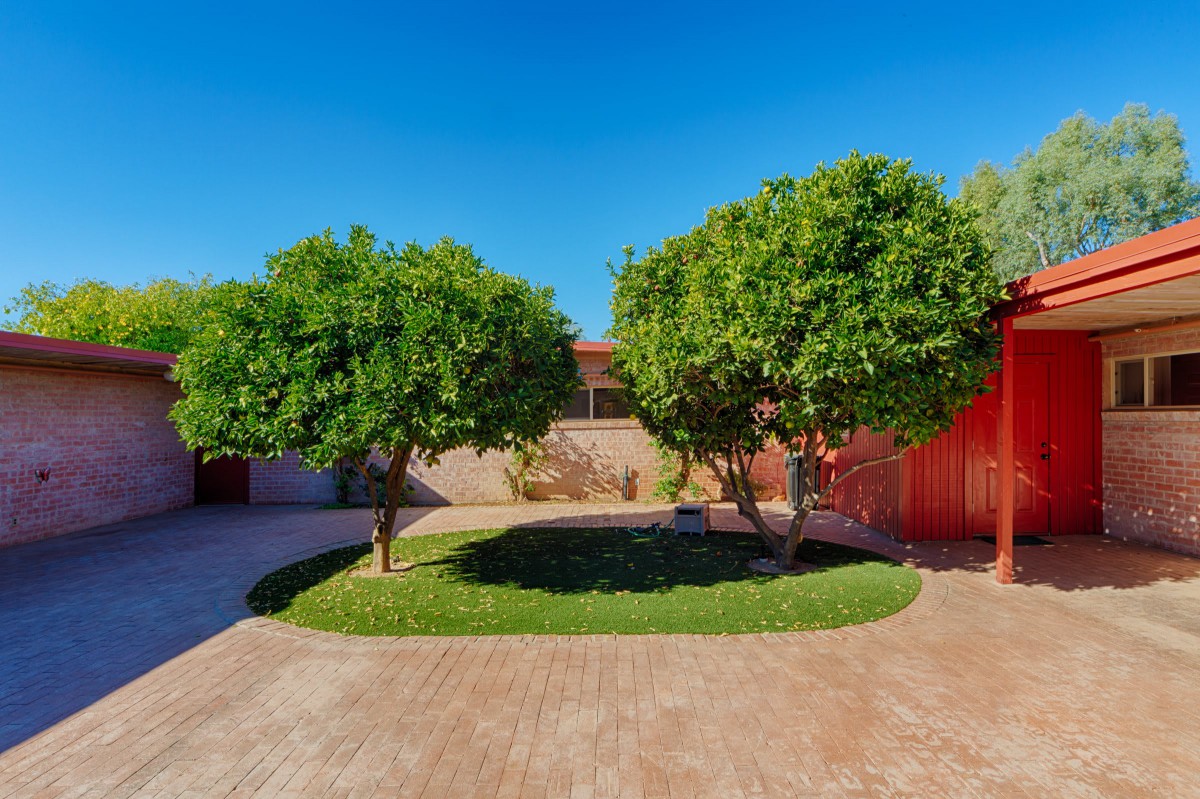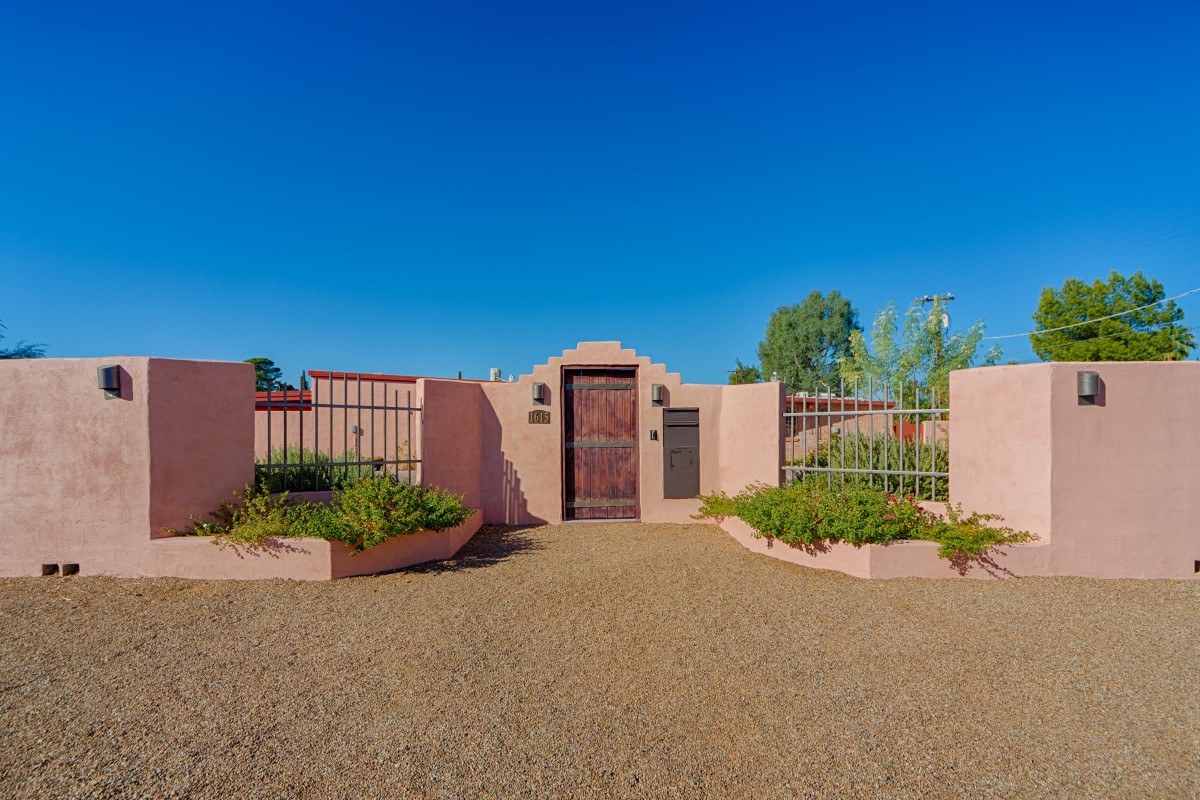
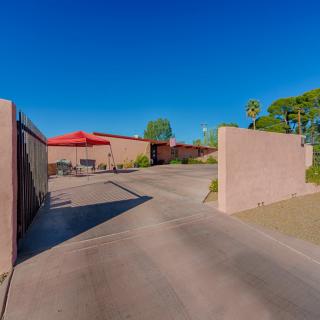
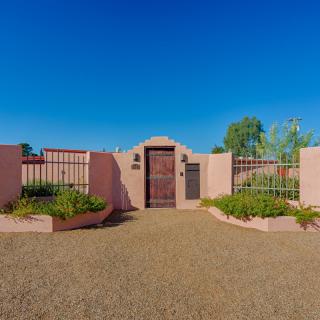
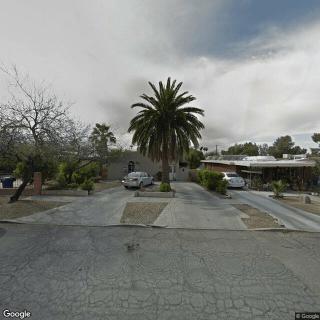
1615 North Norton Avenue, Tucson, AZ 85719
For more information about senior living options: (866) 208-4318
The Gardens at Blenman Elm Costs & Pricing
The Gardens at Blenman Elm offers a premium living experience, with a monthly cost of $5,000 for a one-bedroom unit. This rate is notably higher than both the average costs in Pima County, which stands at $3,660, and the statewide average of $3,532 for similar accommodations. While the pricing may reflect superior amenities and services available at The Gardens, it's clear that potential residents should weigh these benefits against their budgetary considerations in relation to local and state averages. Overall, The Gardens presents an elevated choice within the spectrum of senior living options in the area.
| Floor plans | The Gardens at Blenman Elm | Pima County | Arizona |
|---|---|---|---|
| 1 Bedroom | $5,000 | $3,660 | $3,532 |
Memory care communities with a similar price nearby
-
About the same
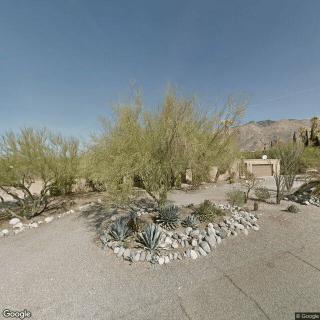
Angels Care Home
$5,000 to $5,500 / month5.9 miles away -
from -$500 / mo
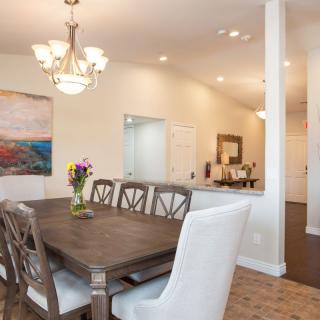
Desert Gardens Assisted Living and Memory Care
$4,500 / month5.4 miles away -
from -$705 / mo
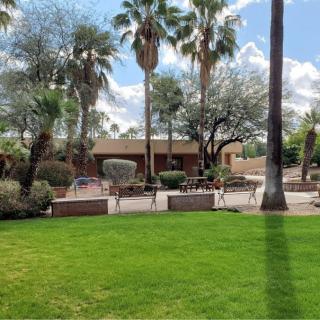
Woodland Palms Memory Care Community
$4,295 to $4,995 / month3.5 miles away -
from -$900 / mo
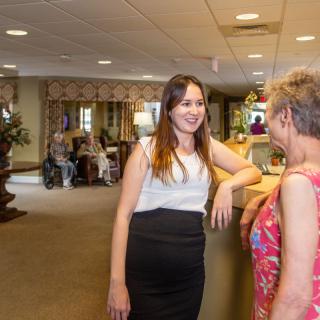
Copper Canyon Transitional Assisted Living and Memory Care
$4,100 to $6,100 / month6.7 miles away -
from -$805 / mo
Villas At Green Valley
$4,195 / month25.0 miles away
Overall Review of The Gardens at Blenman Elm
Pros
 The staff are exceptional, meals are lovely and well prepared.
- Her care level is high, with medical assistance that is immediate, caring and effective.
- Oversight is constant and reassuring to all family members.
- The staff are kind and patient with the families and residents.
- The place is clean, neat and bright.
- The facility is small (up to 10 residents) with a 5:1 care ratio.
- The food is fabulous and homemade.
- The care is very individualized, and the staff are spectacular.
Cons
 The residents are mostly left to themselves, with nothing stimulating going on.
- There are no activities for the residents, leaving them bored.
- The staff left the family a voicemail that their father had passed away instead of informing them directly.
- The owner, Dale, couldn't be bothered to call and inform the family.
- After paying around $140,000, the family felt they deserved a condolence call or some acknowledgment.
Review
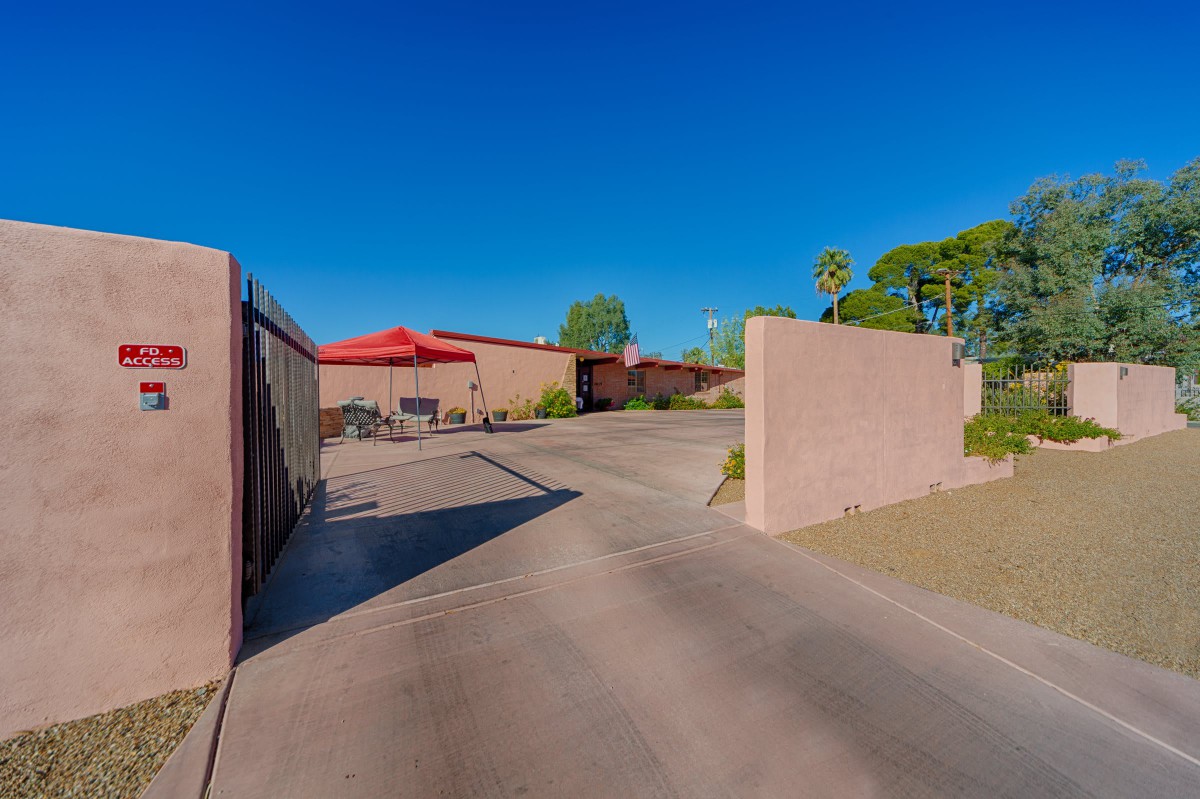
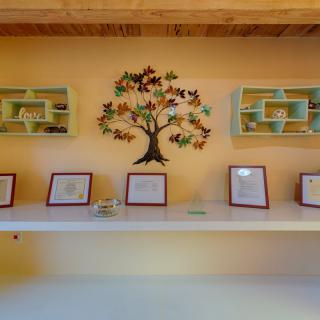
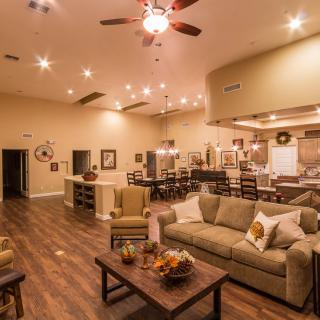
The Gardens at Blenman Elm is best suited for seniors who want a small, home-like setting where individualized attention and easy access to the people running the community are the core strengths. It shines for residents needing dementia-capable care within a calm, intimate environment, where meals, activities, and daily routines are managed with a high degree of hands-on involvement. The arrangement works particularly well for couples or siblings who wish to stay together in a single, manageable campus and for families that value direct, frequent communication with management.
Those considering alternatives should note that the strongest appeal here is not a sprawling campus with endless programming, but a tightly run, staff-centered operation. If the top priority is a bustling activity calendar, robust on-site programming across every hour, or a facility with extensive clinical resources on-site, other communities may be a better fit. A portion of feedback cites limited, though scheduled, activities, so families seeking maximal social stimulation or higher-acuity medical capabilities might prefer a larger memory-care setting or a campus with more formal programming and wider clinical coverage.
The key pros, exceptional staff, high-touch care, and a genuine sense of family, largely offset the main potential drawbacks. Residents benefit from a 5:1 care ratio in a small group, which translates into regular, meaningful engagement rather than distant oversight. Staff are described as patient, kind, and highly professional, with a dementia-focused approach that reduces agitation and fosters a peaceful atmosphere. Clean, bright, and homelike surroundings complement the care model, with menus that are homemade and meals that residents share, reinforcing social interaction and dignity at mealtime. In short, the intimacy of the setting amplifies accountability, and families consistently report clear, direct lines of communication with owners and managers.
A defining strength is the facility’s dementia savvy and the way transitions are handled. Family members recount smooth move-ins, flexible scheduling to accommodate families, and staff who recognize and respect the needs of residents living with memory challenges. The small size enables straightforward, continual oversight and a team-oriented approach to problem-solving, rather than finger-pointing. The culture emphasizes kindness and patience, with caregivers who are willing to sit with residents, monitor intake, and keep families in the loop. This combination makes it a particularly strong option for loved ones whose care demands are best met through stable relationships and predictable routines.
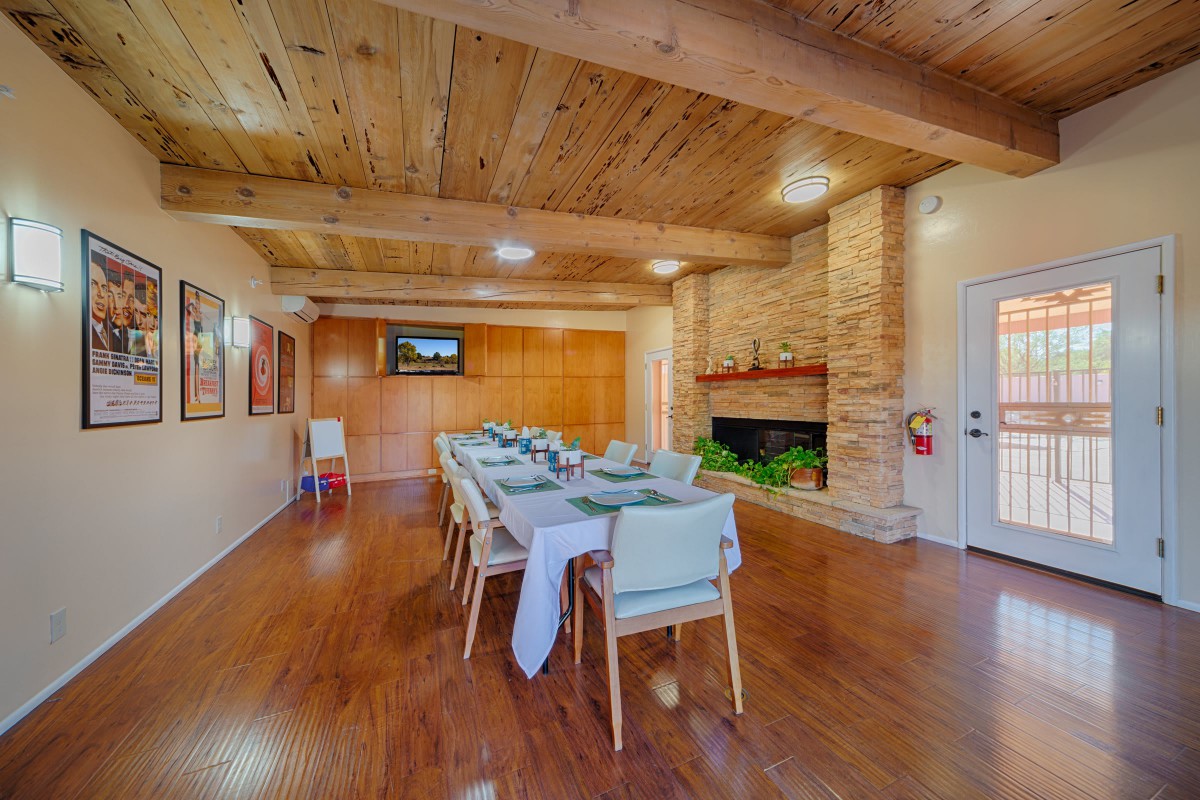
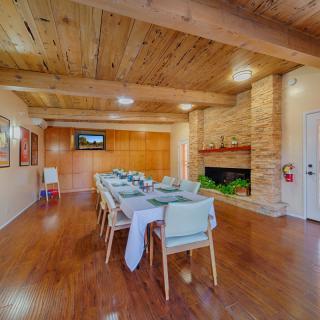
The daily life here reflects a deliberate balance between comfort and care. The environment is described as clean, neat, and bright, with opportunities for residents to participate in activities or simply enjoy a homey, communal space such as a kitchen, where staff and residents can gather. Meals are a highlight, fabulous and homemade, creating natural opportunities for socialization and oversight of dietary needs. The small scale also means residents can receive attention tailored to their preferences, with accommodations made when necessary, whether it is eating in the kitchen or dining room, or having specific routines honored within a structured day.
Bottom line: The Gardens at Blenman Elm is a strong choice for families prioritizing warmth, personal attention, and dementia-aware care in a compact, family-like setting. It is especially well-suited for residents who benefit from consistent caregiver relationships, direct access to management, and a homey atmosphere that keeps meals and daily life social and cohesive. Those with a higher demand for constant, expansive programming or broader clinical services should clearly compare options in larger communities. If a loved one thrives on personalized interaction, steady oversight, and a calm, respectful environment, this Tucson community deserves serious consideration, and a guided visit to confirm fit, pace, and on-site programming meets the specific needs and expectations of the family.
 10 resident community capacity
 Assisted Living
 Memory Care
 Activities on-site
 Air-conditioning
 Bath tubs
 Cable or satellite TV
 Devotional services off-site
 Dining room
 Fireplaces
 Full kitchen
 Fully furnished
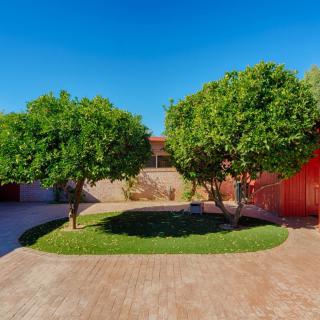
 Garden
 Ground floor units
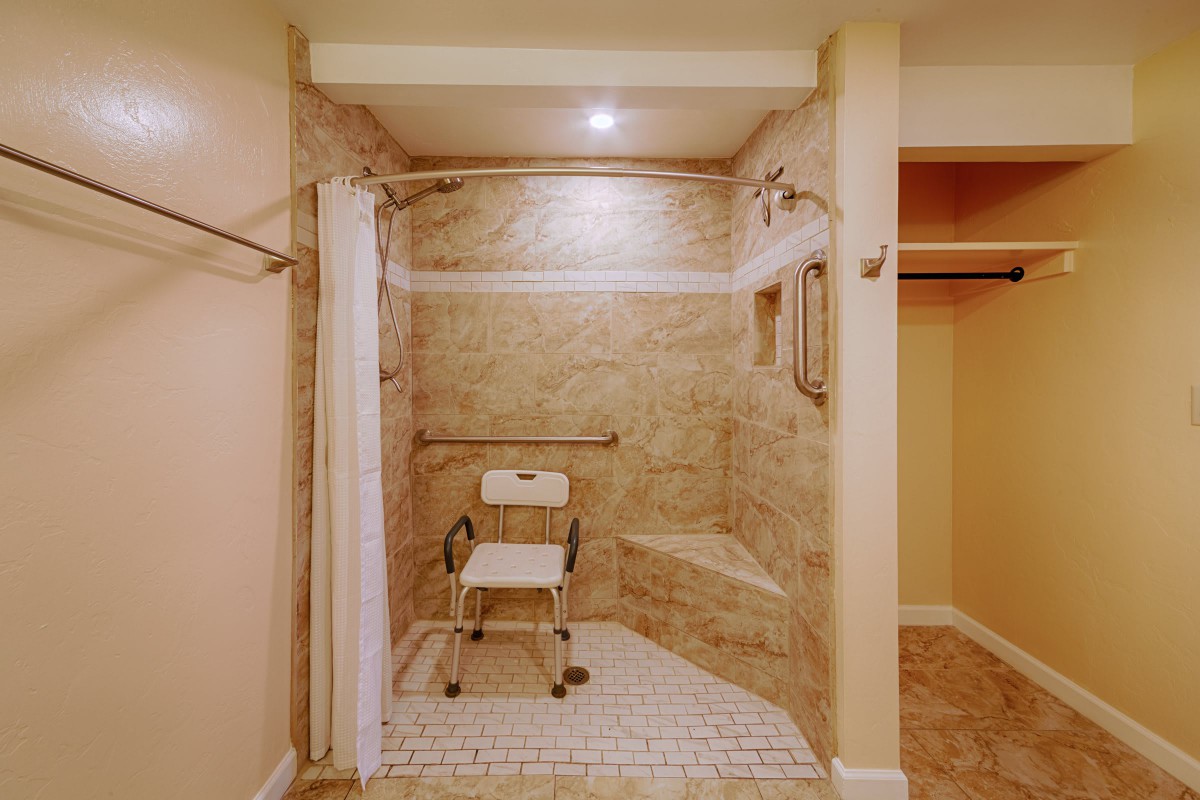
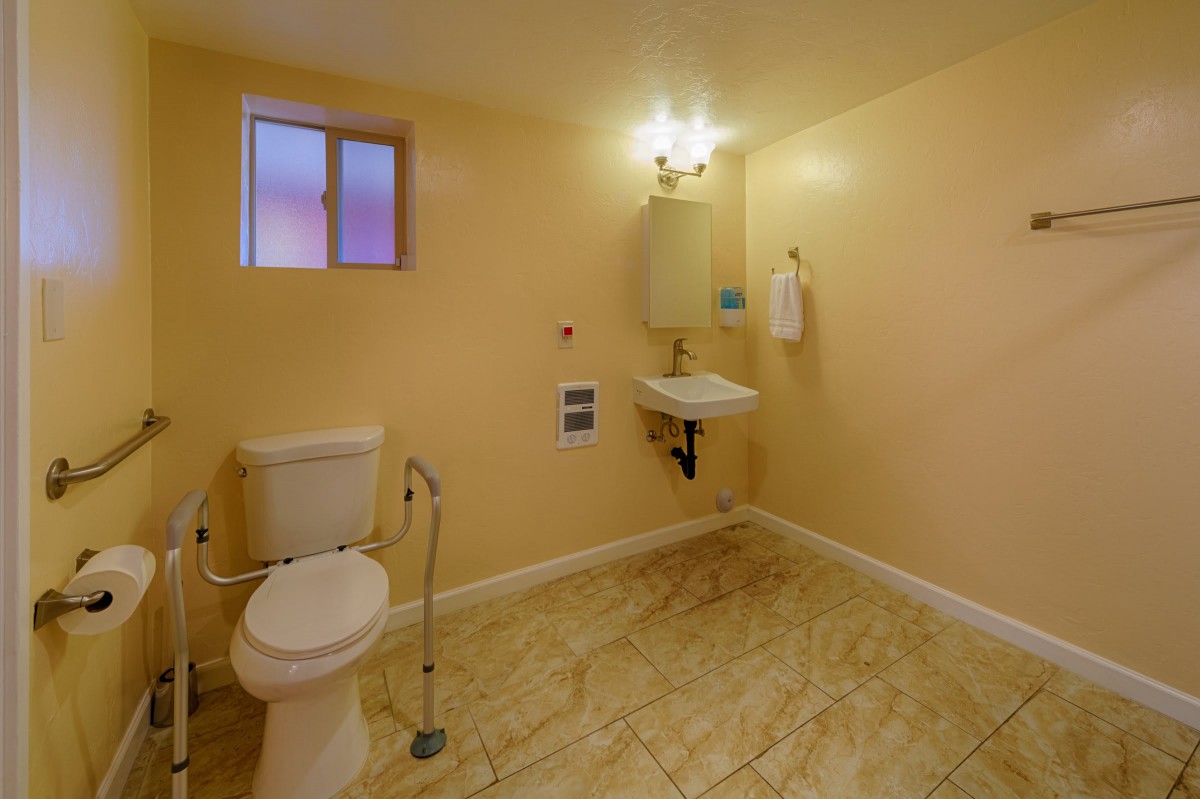
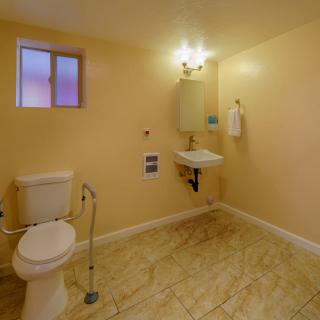
 Handicap accessible
 Housekeeping services
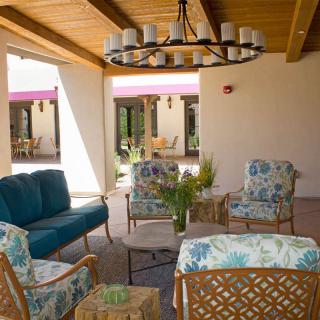
 Indoor common areas
 Move-in coordination
 Outdoor common areas
 Respite or short term stays offered
 Swimming pool / hot tub
 Telephone
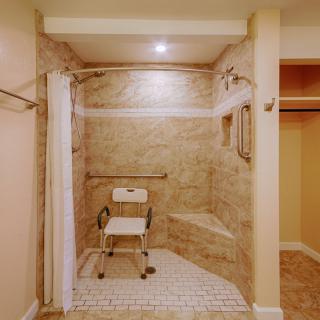
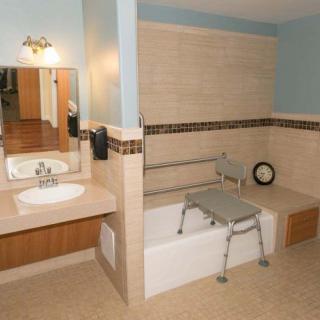
 Wheelchair accessible showers
 Wi-Fi/high-speed internet available
 Tucson International (9 miles away)
 24-hour supervision
 Assistance with bathing
 Assistance with dressing
 Assistance with transfers
 Diabetes diet
 Diabetic care
 High acuity care
 Incontinence care
 Meal preparation and service
 Medication management
 Special dietary restrictions
 Transportation arrangement (medical)
 Transportation to doctors appointments
 Art classes
 Educational speakers / life long learning
 Karaoke
 Live dance or theater performances
 Live musical performances
 Stretching classes
 Trivia games
 Visiting Rabbi
 Visiting chaplain or priest
 Walking club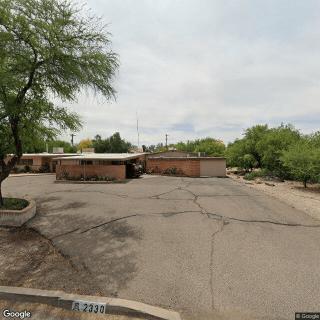


 Comprehending Evening Confusion in Dementia: Causes, Manifestations, and Support
 Delirium and Dementia: Unraveling the Key Differences
 Are Dementia and Alzheimer's Disease Lethal? A Comprehensive Exploration