

La Paz Assisted Living II in Tucson, AZ

Save

  • Interior

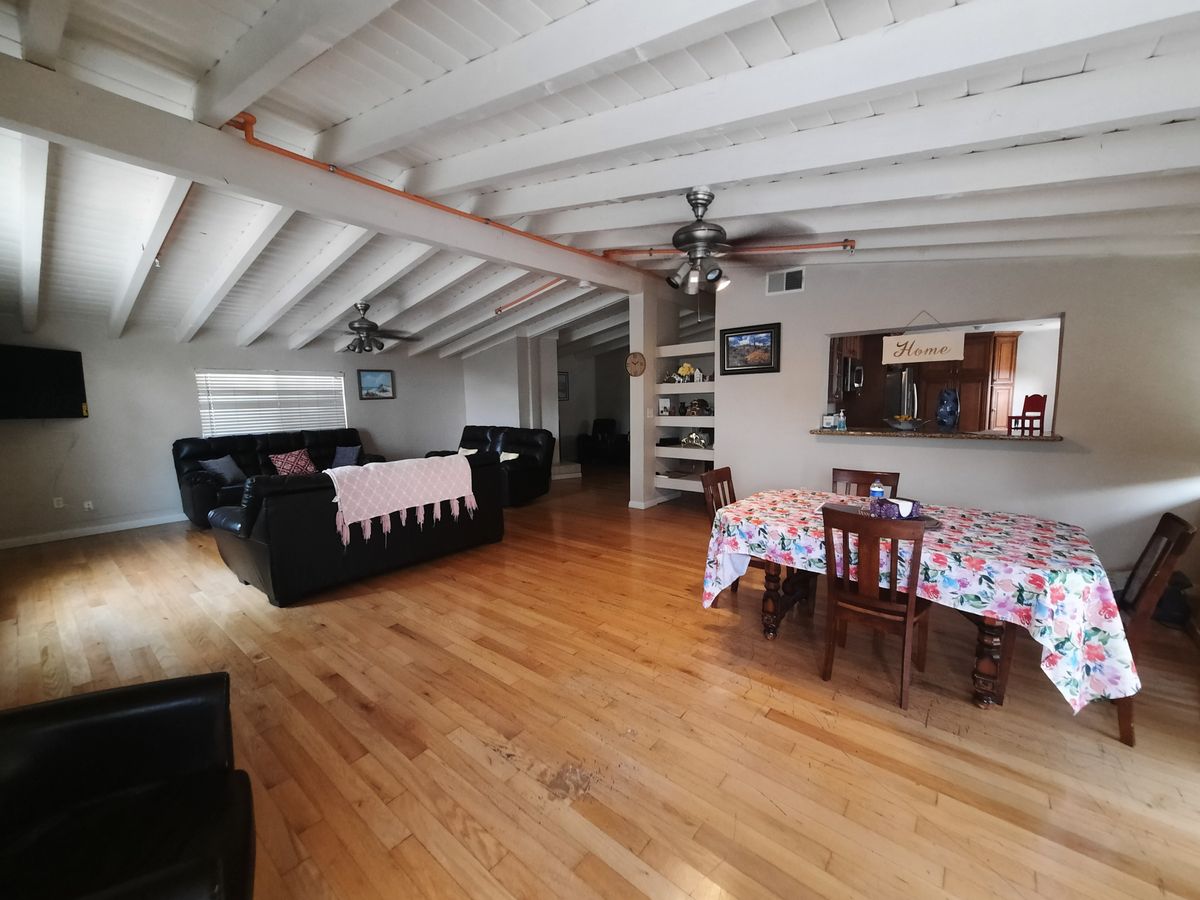
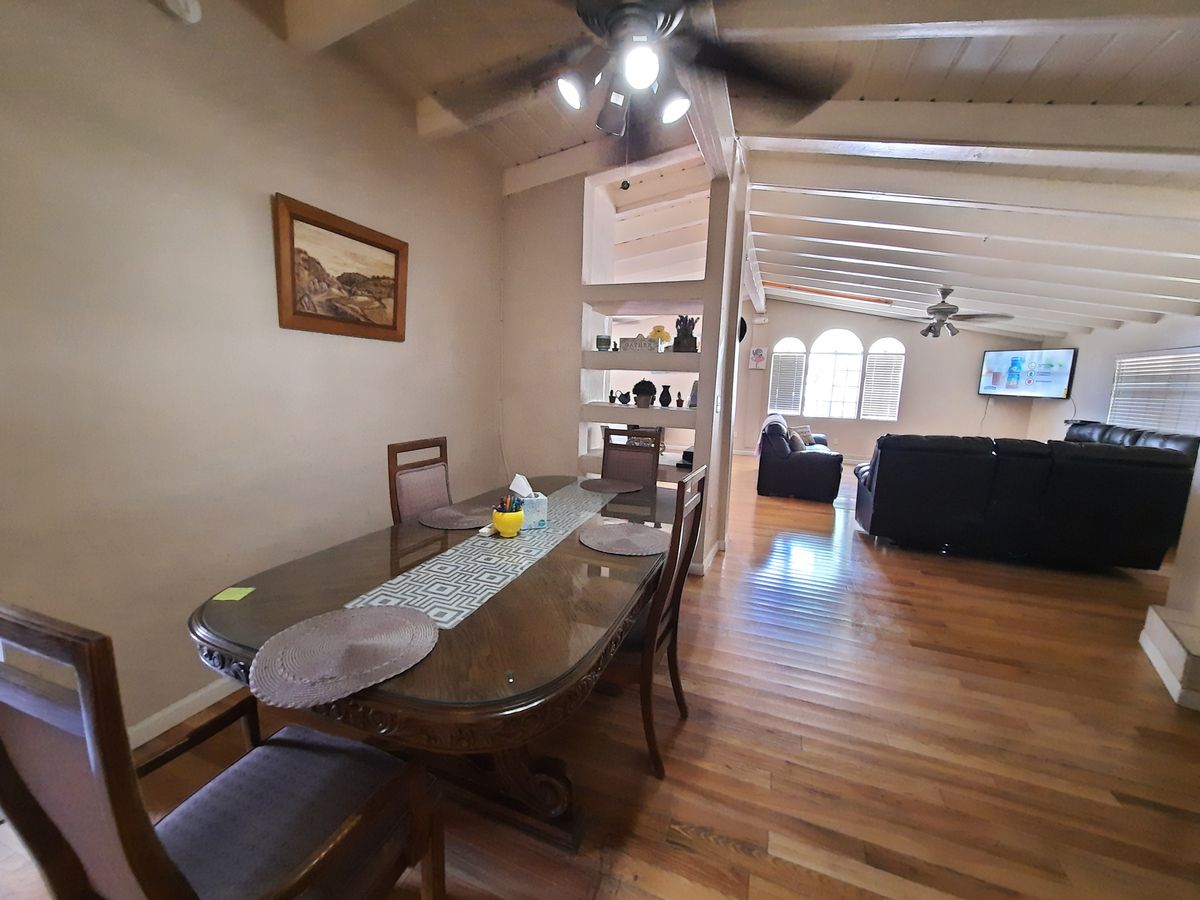
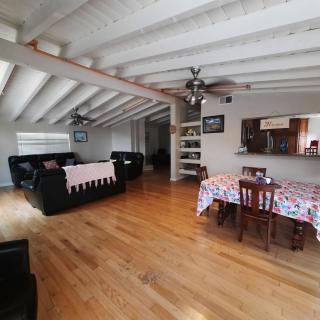
    An open dining and living area with wood flooring and a ceiling fan.
  • Decor

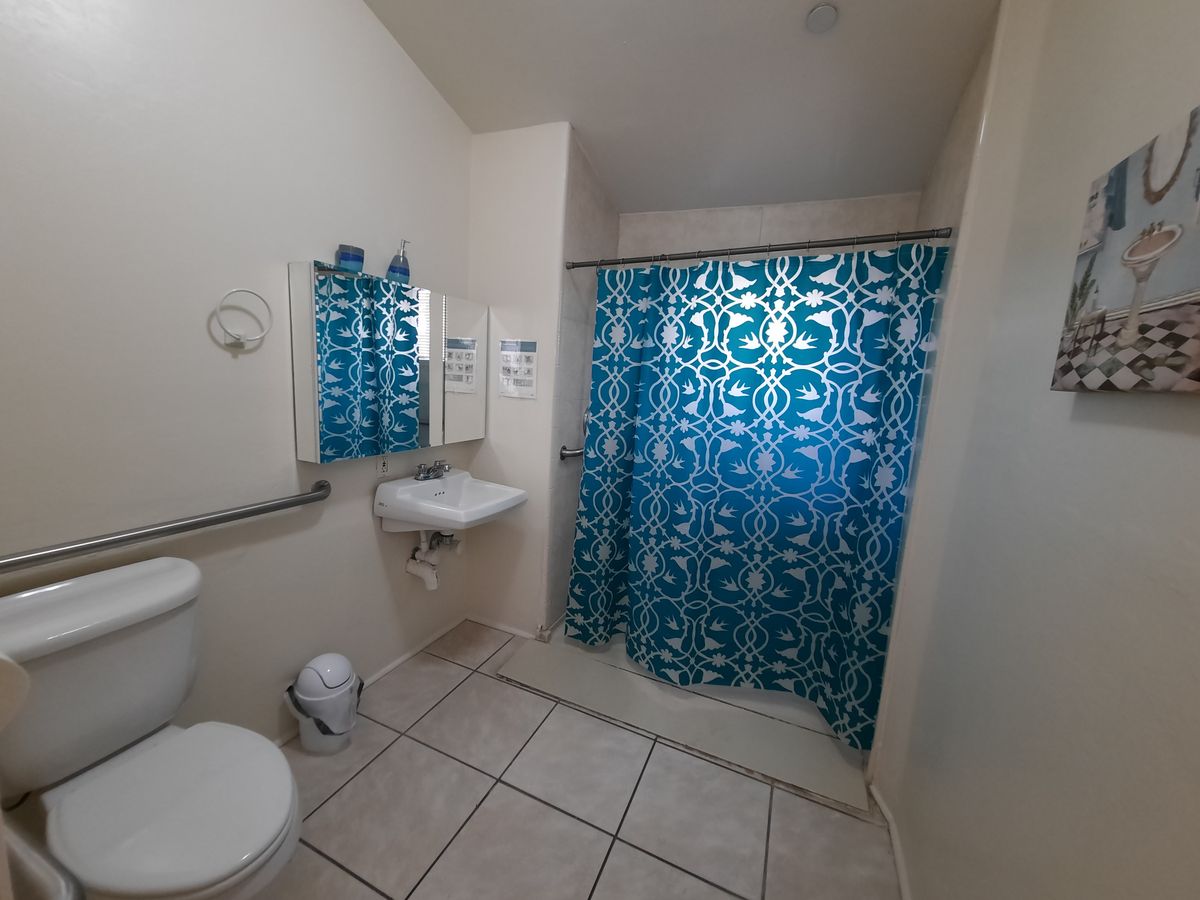
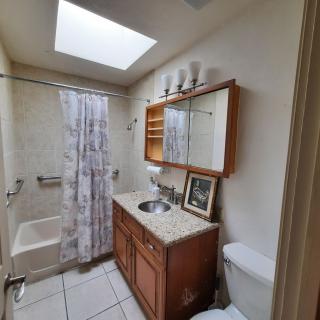
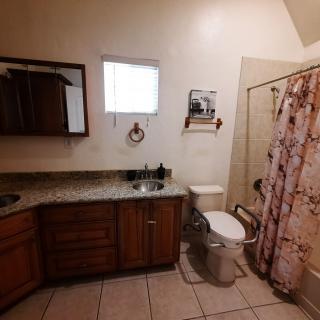
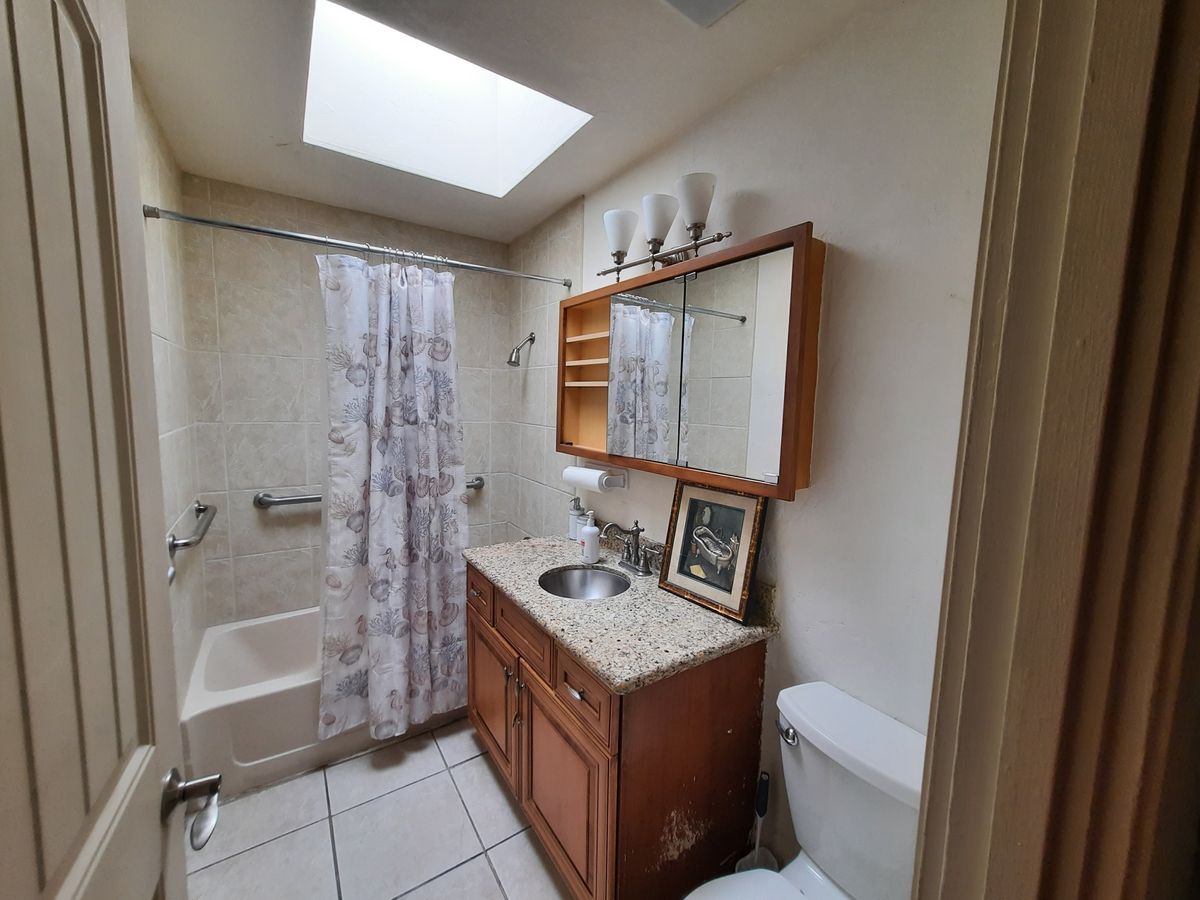
    A cozy bathroom with a skylight, featuring a vanity with a mirror, a toilet, and a shower area with a curtain.
  • Living Room

    A spacious open-plan living and dining area with wooden floors, black sofas, and exposed ceiling beams.
  • Architecture

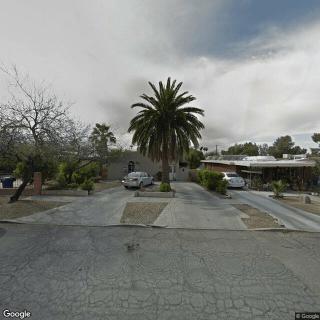
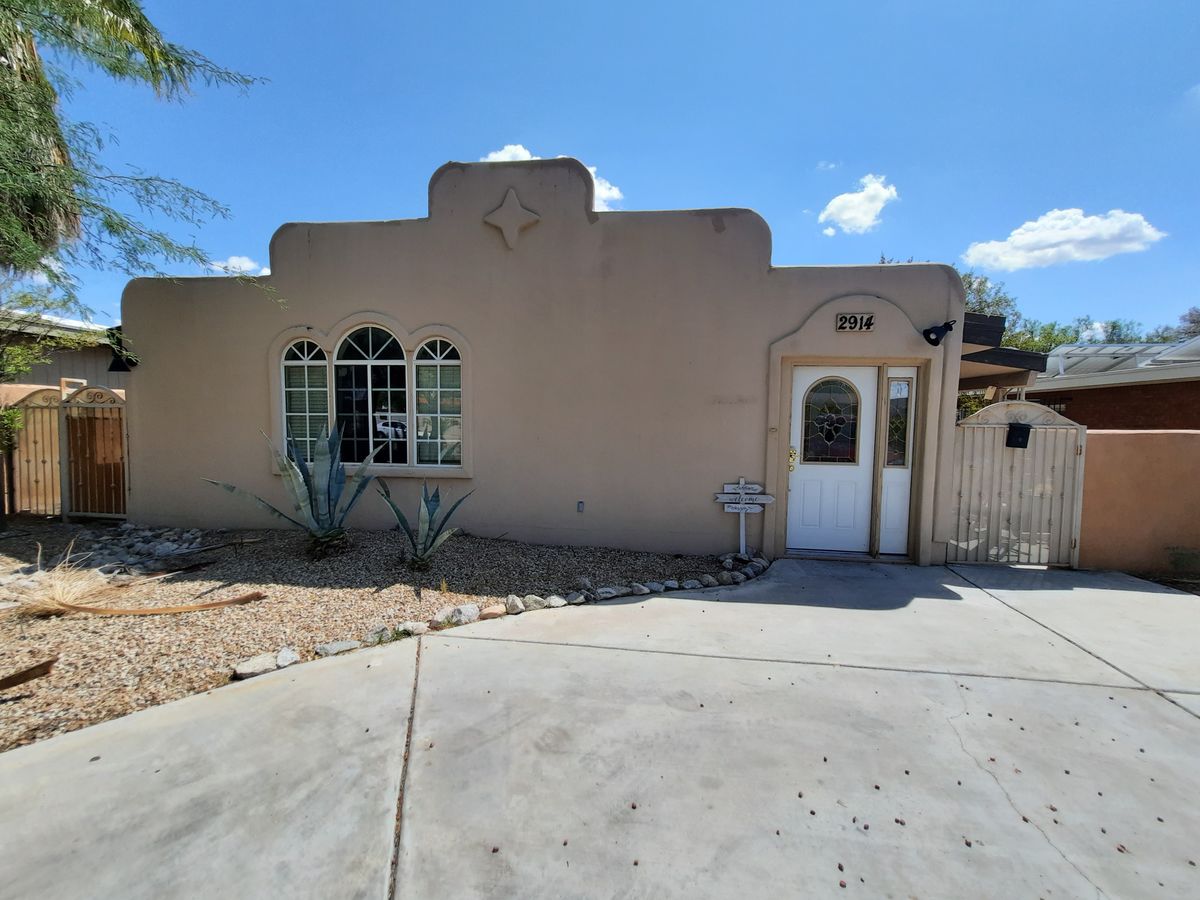
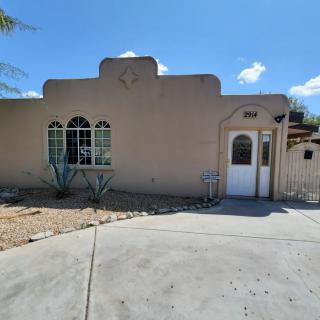
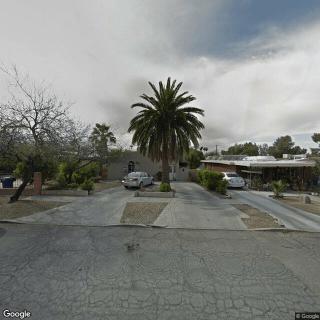
    A southwestern-style stucco house with a desert landscape and cactus plants in front.
  • Bedroom

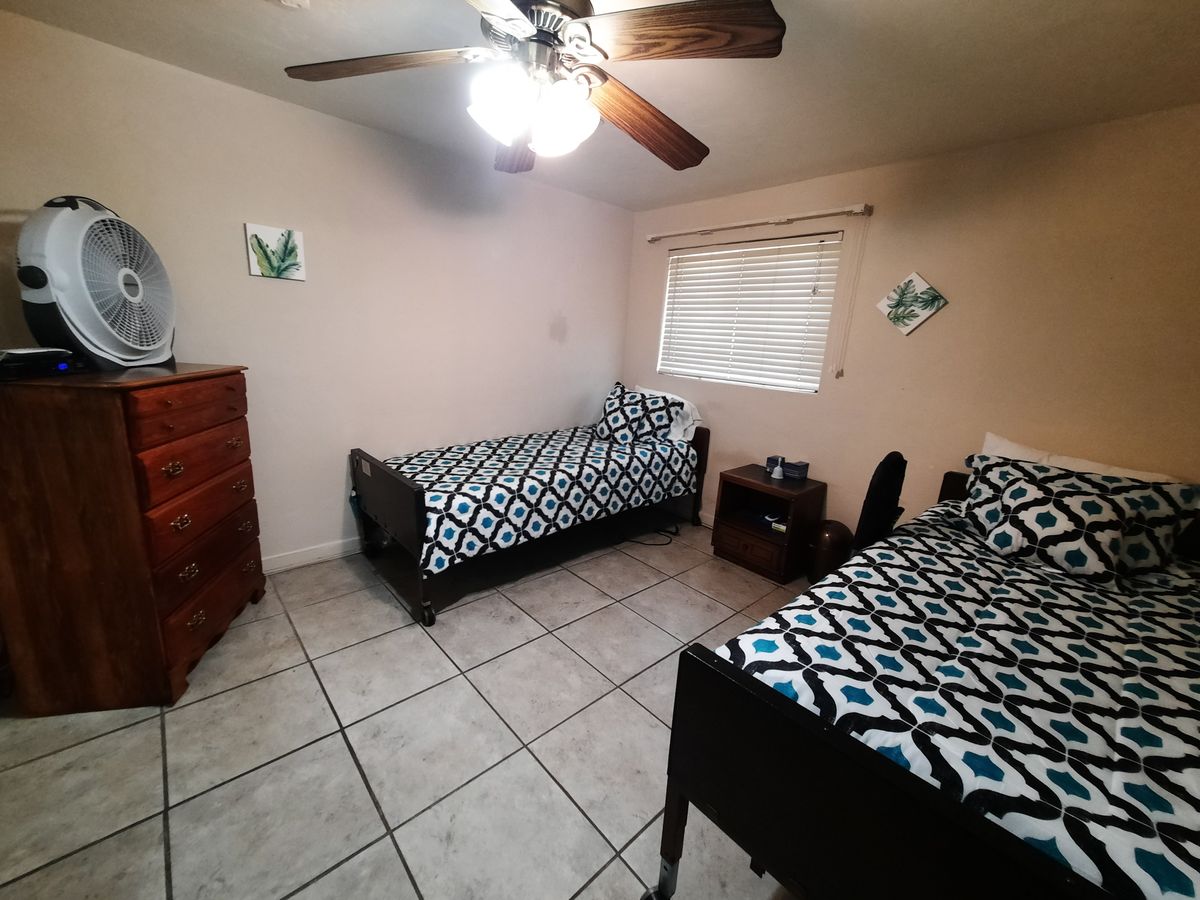
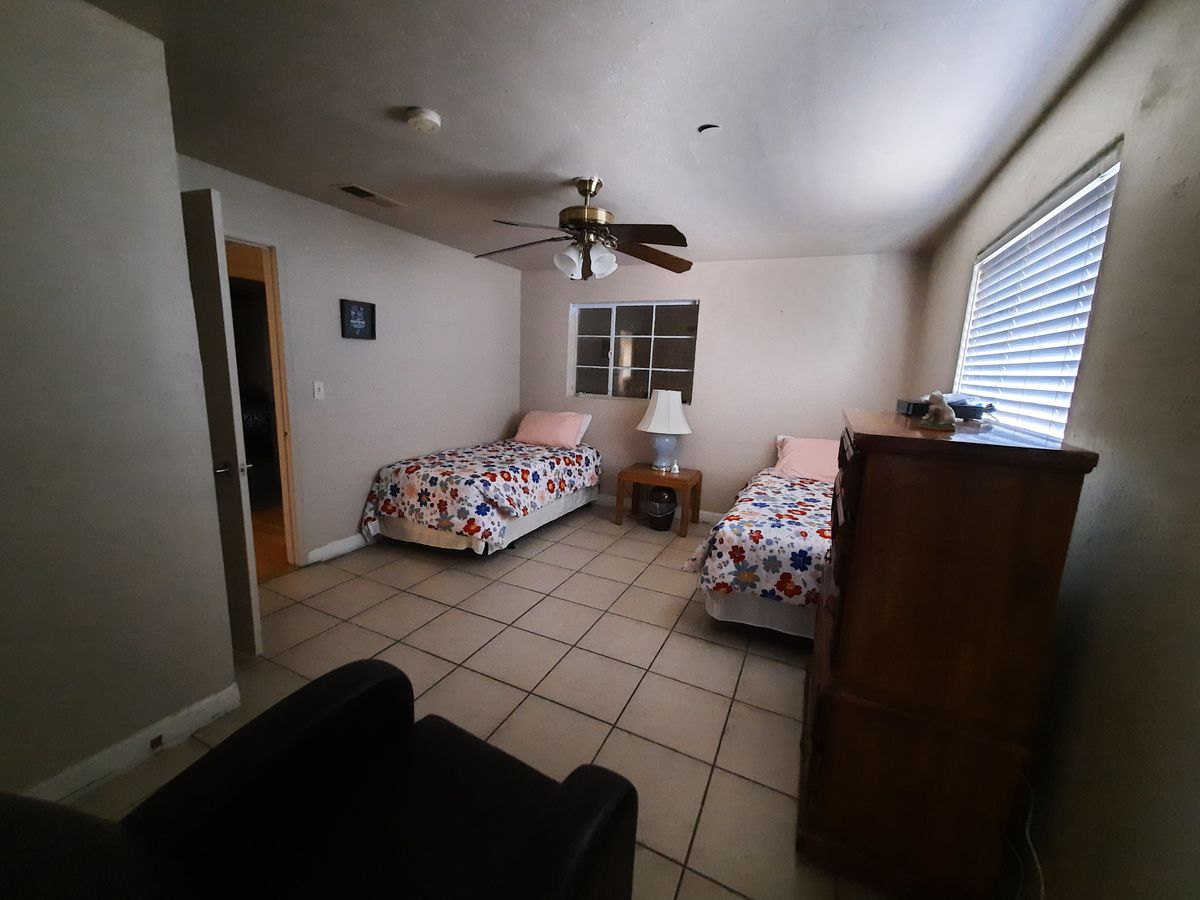
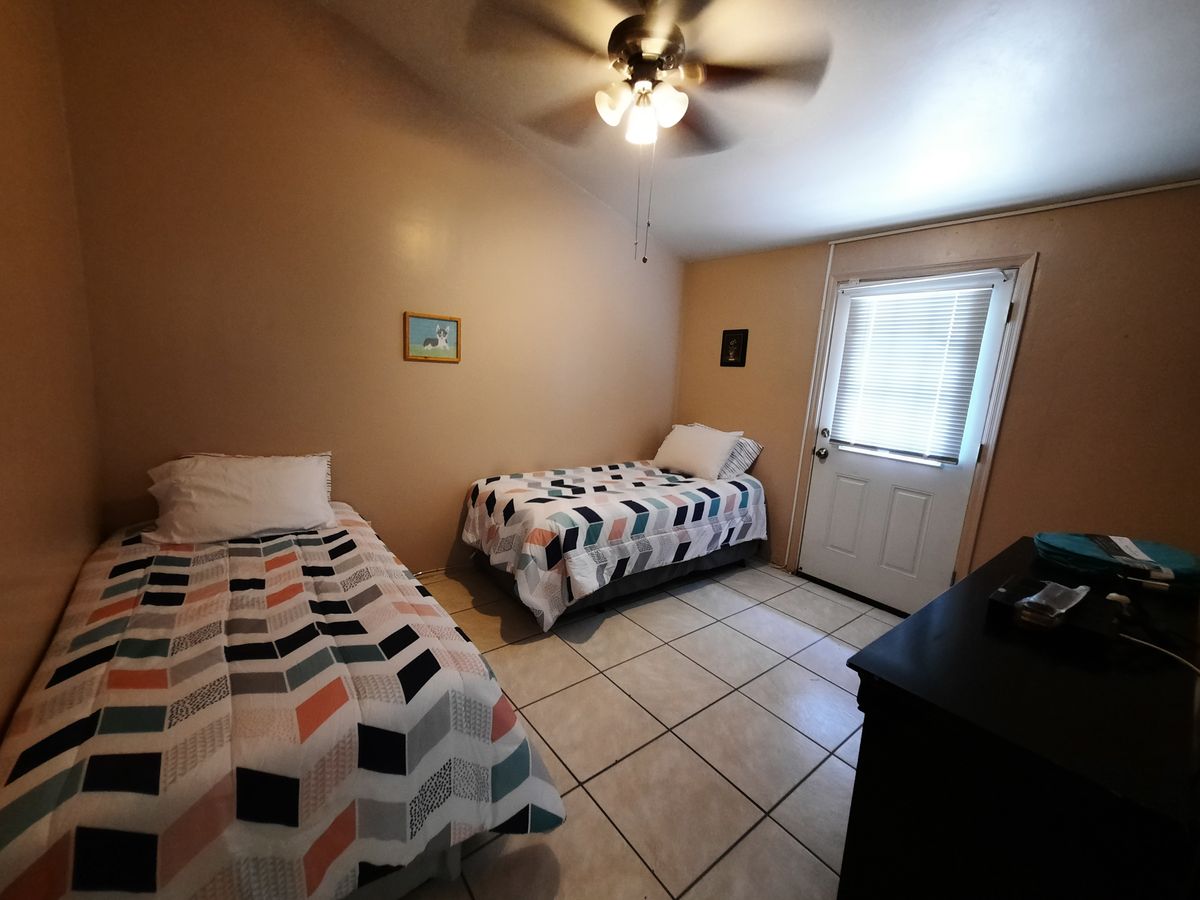
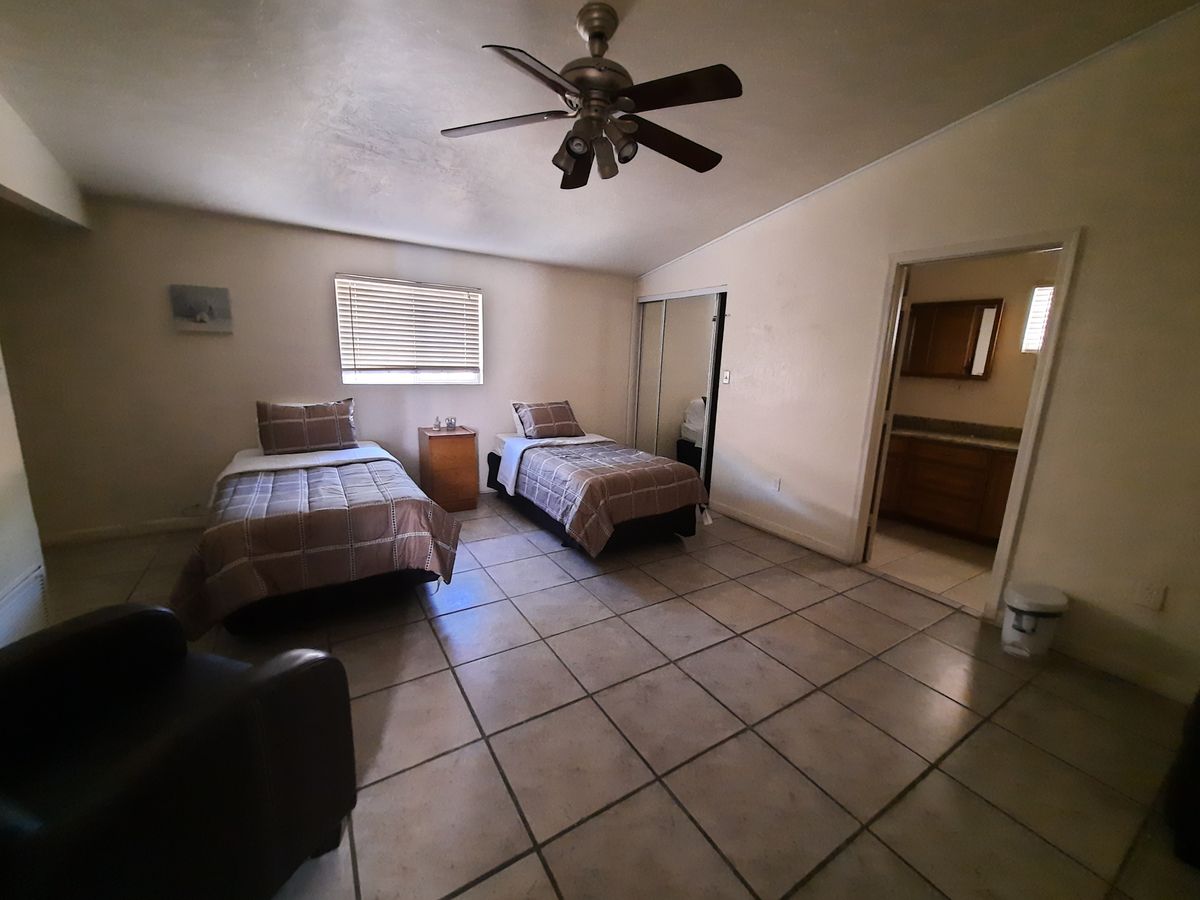
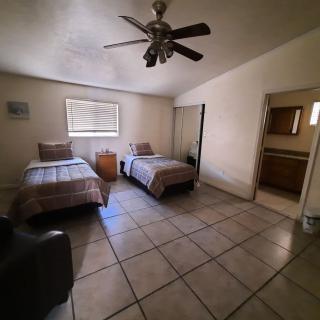
    A spacious bedroom with twin beds, a ceiling fan, and an adjoining bathroom.
  • Windows

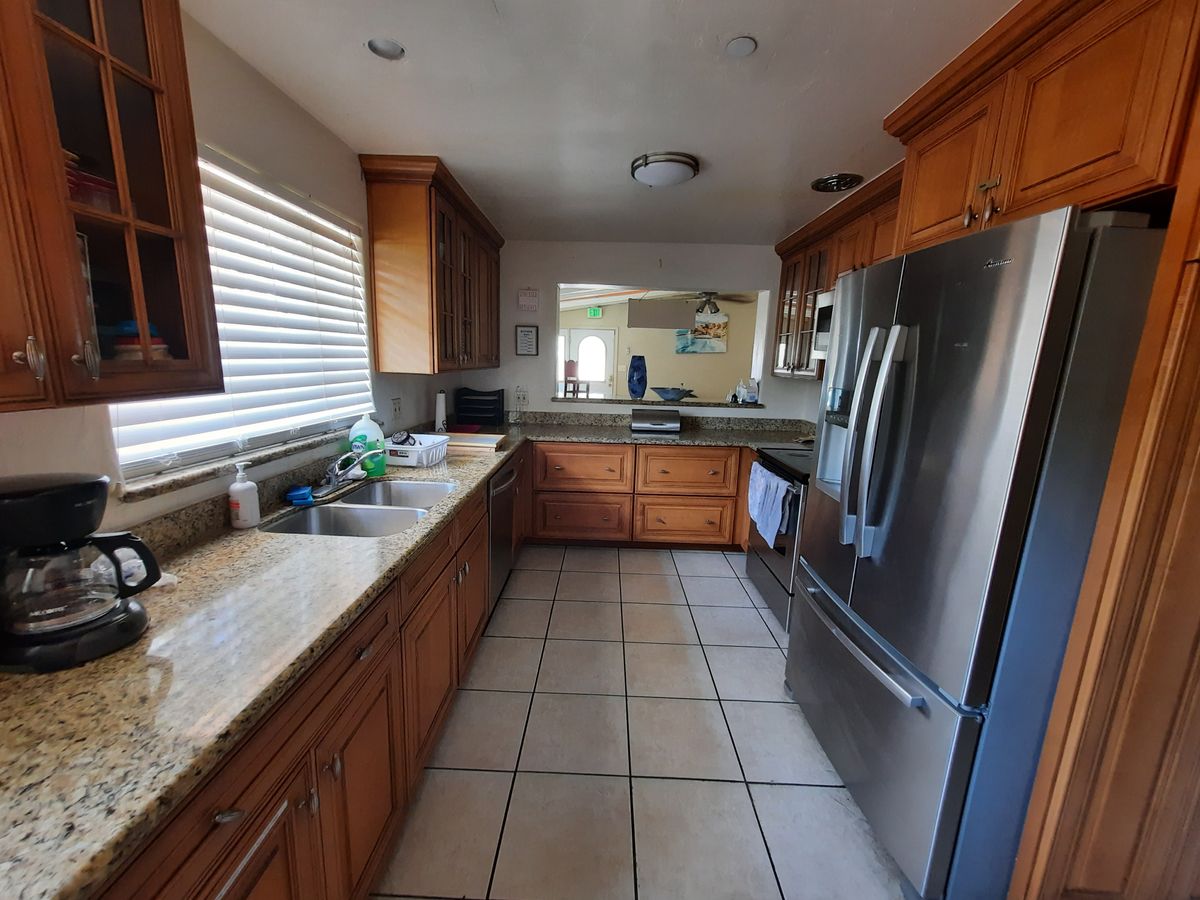
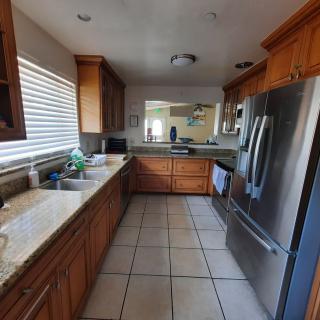
    A modern kitchen with wood cabinets, stainless steel appliances, and a tiled floor.
  • Artwork

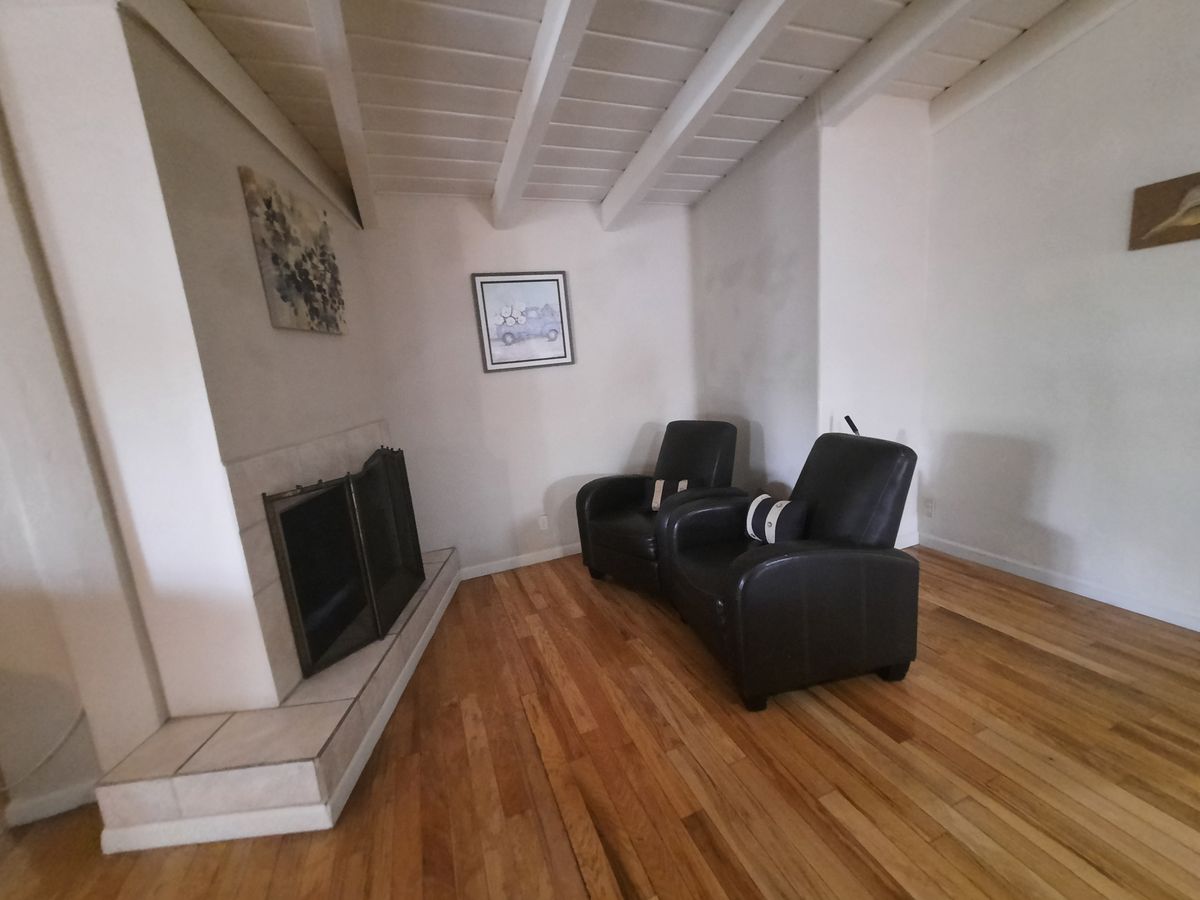
    A cozy living room features two black leather chairs facing a fireplace, with artwork on the walls and a wooden floor.
  • Bathroom

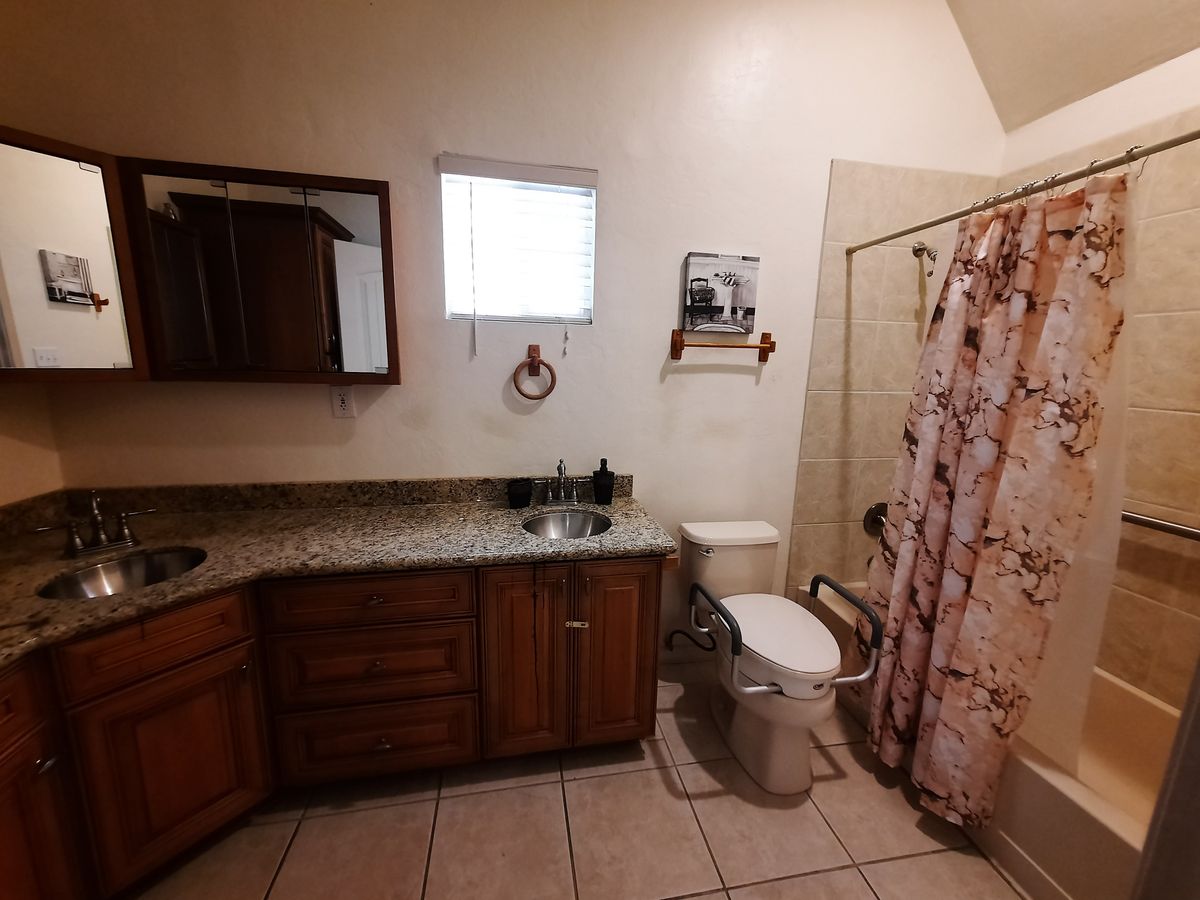
    A bathroom featuring a sink with a mirror, toilet, and a shower with a floral curtain.
  • Shower

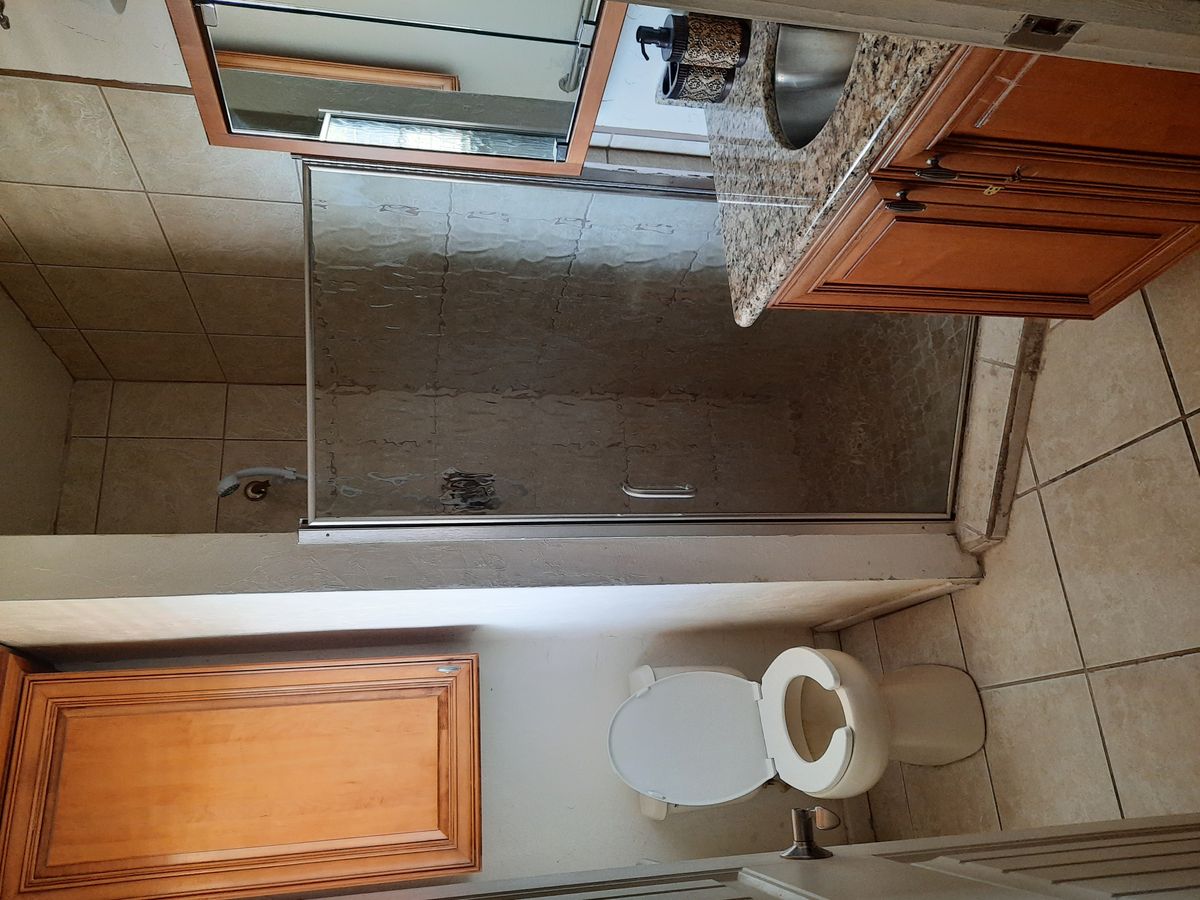
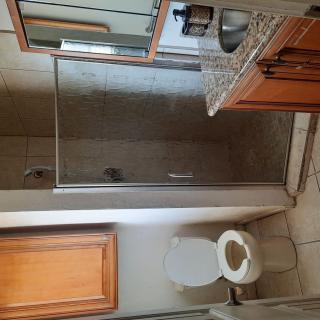
    A clean bathroom featuring a toilet, sink, mirror, shower, and wooden cabinetry.

La Paz Assisted Living II in Tucson, AZ

2914 East 4th Street, Tucson, AZ 85716

For more information about senior living options: (844) 490-3973

5 from 1 review
Assisted Living Board and Care Home Memory Care

Overall Review of La Paz Assisted Living II

Pros

  • pro La Paz is homey, clean, spacious, professional, and responsibly managed.
  • pro Cate and her staff are competent, thorough, considerate, and kind.
  • pro The residents are relaxed and happy under their care.
  • pro The homemade meals tailored to dietary needs are highly praised.
  • pro Cate provides a peaceful and supportive space for the final days and hospice care.
  • pro La Paz is appealing, safe, and supportive for receiving care, with strong recommendations from those who know the care.

Review

La Paz Assisted Living II in Tucson is best suited for families seeking an intimate, caregiver-led environment where personalized attention, warmth, and end-of-life sensitivity are prioritized. This community operates under the guidance of an on-site operator, Cate, whose hands-on involvement and leadership are repeatedly described as the foundation of strong, compassionate care. The setting is a home-like, professional space in a tree-lined neighborhood, minutes from dining options, shops, and a large park. For seniors who value safety, consistent oversight, and genuine human connection from the people responsible for daily care, La Paz offers a compelling fit that emphasizes continuity, trust, and a low-stress experience for families during challenging times.

The core strength lies in the people: Cate and her staff are portrayed as competent, thorough, considerate, and kind. That combination translates into a care rhythm that feels both reliable and responsive, with family members noticing a level of attentiveness that goes beyond basic tasks. The other residents' demeanor - described as relaxed and happy - underscores a social atmosphere that doesn't feel institutional. When a loved one required cancer treatment, the care team provided support that was not merely practical but stabilizing, a quality that becomes crucial for families weighing whether a smaller, home-like setting can sustain medical needs. The on-site leadership ensures that oversight remains intimate rather than diluted in a large facility.

Meals and daily life reinforce the sense of home and personalized care. The meals are homemade and customized to dietary requirements, a detail that makes a real difference for seniors with specific nutritional needs or taste preferences. That level of customization signals that routines can adapt to individual health conditions without requiring a move to a hospital-like environment. The combination of a clean, spacious, and professional setting with a caring culinary approach reduces friction around food-related compliance and comfort, which often becomes a salient factor in overall well-being and satisfaction. The peaceful, well-managed atmosphere supports families seeking a calm, predictable daily life for their loved ones.

For some families, there are practical reasons to consider alternatives. La Paz's strengths naturally align with a small, home-style model, which may not satisfy those who require robust medical oversight, around-the-clock nursing, or a formal memory-care program in a campus-like setting. Prospective residents who expect a broad activities calendar, specialized rehabilitation services, or large-scale transportation logistics might find themselves wanting more structure or resources than a smaller operation can credibly offer. In short, the very elements that create warmth and accessibility - low turnover, a tight-knit staff, and a homelike ambiance - can feel limiting for those whose needs outstrip what a compact, caregiver-led community typically delivers.

Those trade-offs are where the pros offset potential drawbacks most clearly. The bedrock advantages - an on-site operator who personally anchors the care, responsive staff, and a living space that feels like a trusted home - translate into tangible peace of mind. The ability to pivot quickly for medical or hospice-related needs, demonstrated during the father's transition, is not a minor comfort but a decisive factor for families navigating complex care pathways. In scenes where clinical intensity matters, the relationship-driven model reduces confusion and anxiety, helping families stay focused on dignity and comfort rather than logistics. The result is a practical, emotionally grounded environment where high-quality attention can compensate for a smaller scale.

In making a final decision, families weighing La Paz Assisted Living II should align their priorities clearly. If the objective is an intimate, personally supported setting where a dedicated operator coordinates care and end-of-life planning with sensitivity, this community stands out as a trusted choice. Prospective residents and their families should schedule visits to observe day-to-day interactions, discuss meal planning, and confirm the facility's capacity for evolving needs - especially around illness progression or hospice support. If, instead, the priority is a larger campus with expansive medical staffing, broad activity programming, or formal memory-care pathways, this would be a signal to explore other options. La Paz shines where personal touch and home-like reliability matter most, delivering practical comfort with a human-centered approach.

Features

Housing

  • 15 resident community capacity 15 resident community capacity

Types of Care

  • Assisted Living Assisted LivingAssisted living facilities provide crucial support and care for seniors who may need help with daily tasks such as medication management, bathing, and meal preparation. These communities offer a safe and comfortable environment where seniors can maintain their independence while receiving the assistance they need to thrive in their golden years.
  • Board and Care Home Board and Care HomeBoard and care homes provide a smaller, more intimate setting for seniors who require assistance with daily tasks but do not need the level of care offered by a nursing home. They offer personalized care, meals, and social activities in a homelike environment, ensuring that seniors receive individualized attention and support in their golden years.
  • Memory Care Memory CareMemory care is crucial for seniors as it provides specialized support and services for individuals with dementia or Alzheimer's disease. These programs offer a safe and secure environment where residents receive personalized care, cognitive stimulation, and help with daily activities. Memory care helps seniors maintain their independence, quality of life, and dignity while also providing peace of mind for their families.

Amenities

  • Cable or satellite TV Cable or satellite TVCable or satellite TV is important for seniors because it provides entertainment, news, and companionship, helping to combat loneliness and boredom. It also offers a wide range of programming options tailored to different interests and preferences.
  • Dining room Dining roomDining rooms are important for seniors as they provide a space for socialization, connection, and nutritious meals. They offer opportunities for residents to bond over shared meals, foster a sense of community, and promote healthy eating habits. Dining rooms also ensure that seniors have access to well-balanced meals tailored to their dietary needs and preferences.
  • Fully furnished Fully furnishedFully furnished senior living communities are important for seniors because they provide convenience, comfort, and a hassle-free moving experience. Seniors can easily settle into their new living space without the stress of having to buy and move furniture. This allows them to focus on enjoying their new home and community.
  • Garden GardenGardens are important for seniors as they provide a peaceful and therapeutic environment for relaxation, physical activity, and socialization. Being in nature has been shown to reduce stress, improve mood, and promote overall well-being. Gardens also offer opportunities for seniors to engage in gardening activities, which can improve mobility, flexibility, and cognitive function. Additionally, gardens create a sense of community and connection with others who share a passion for plants and outdoor spaces.
  • Housekeeping services Housekeeping servicesHousekeeping services are important for seniors because they help maintain a clean and safe living environment, promote independence, and reduce the risk of accidents or illnesses. Additionally, having assistance with household chores can alleviate physical strain and allow seniors to focus on other aspects of their well-being.
  • Move-in coordination Move-in coordinationMove-in coordination is important for seniors because it helps ease the transition into their new living environment. It ensures that all logistics, such as packing, organizing movers, and setting up utilities are taken care of, allowing seniors to focus on settling in and adjusting to their new home. Having a smooth move-in process can alleviate stress and anxiety, making the transition smoother and more enjoyable for seniors.
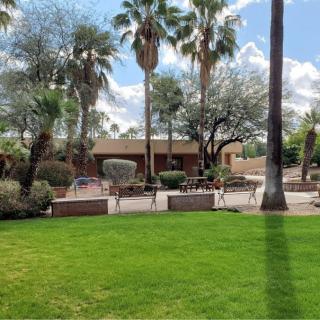
  • Outdoor space Outdoor spaceOutdoor spaces are important for seniors as they provide opportunities for physical activity, social interaction, exposure to natural light and fresh air, and a sense of connection to nature. Having access to outdoor spaces can improve overall well-being and quality of life for older adults living in senior communities.
  • Telephone TelephoneTelephones are important for seniors as they provide a lifeline for communication with loved ones, emergency services, and healthcare providers. They offer a sense of security and independence, enabling seniors to stay connected and access assistance when needed.
  • Wi-Fi/high-speed internet available Wi-Fi/high-speed internet availableWi-Fi/high-speed internet is important for seniors to stay connected with loved ones, access online resources, and participate in virtual activities to combat feelings of loneliness and isolation. It also allows them to easily manage healthcare needs, access entertainment, and engage in lifelong learning opportunities.

Transportation

  • Tucson International (8 miles away) Tucson International (8 miles away)

Care Services

  • 24-hour supervision 24-hour supervision24-hour supervision is important for seniors to ensure their safety, well-being, and access to immediate assistance in case of emergencies or health issues. This constant support provides peace of mind for both seniors and their loved ones, allowing them to age in place with dignity and security.
  • Activities of daily living assistance Activities of daily living assistanceActivities of daily living assistance are important for seniors because they provide essential support with tasks such as eating, bathing, dressing, and mobility. This assistance helps seniors maintain their independence, dignity, and overall quality of life as they age.
  • Assistance with bathing Assistance with bathingAssistance with bathing is crucial for seniors as it helps maintain personal hygiene, prevents infections, and ensures their overall well-being and comfort. It also provides a sense of dignity and independence for seniors who may struggle with this task on their own.
  • Assistance with dressing Assistance with dressingAssistance with dressing is important for seniors because it helps maintain their independence, promotes personal hygiene, prevents accidents and injuries, and improves overall quality of life. This service ensures that seniors can continue to dress comfortably and confidently, despite any physical limitations they may have.
  • Assistance with transfers Assistance with transfersAssistance with transfers is crucial for seniors as it helps prevent falls and injuries, maintains their independence, and ensures they can safely navigate their living environment. It also provides peace of mind for both seniors and their loved ones.
  • Coordination with health care providers Coordination with health care providersCoordination with health care providers is crucial for seniors to ensure proper medical care, medication management, and overall well-being. This collaboration helps prevent overlapping treatments, track progress more effectively, and provide comprehensive support tailored to individual needs.
  • Dementia waiver Dementia waiverDementia waivers are essential for seniors as they provide critical protections and accommodations for those experiencing cognitive decline. These waivers ensure individuals with dementia receive appropriate care, support, and resources to maintain their quality of life and dignity as they navigate the challenges of this progressive condition.
  • Diabetes diet Diabetes dietA diabetes diet is crucial for seniors as it helps manage blood sugar levels, reduce risks of complications, and improve overall health and well-being. By following a balanced and nutritious diet tailored to their specific needs, seniors can better control their diabetes and enhance their quality of life.
  • Hospice waiver Hospice waiverHospice waivers are important for seniors because they allow individuals to receive specialized end-of-life care and support at home or in a hospice facility. This waiver ensures that seniors can access the necessary resources and services to maintain comfort and dignity during their final days.
  • Meal preparation and service Meal preparation and serviceMeal preparation and service are crucial for seniors as they may have limited mobility or energy to cook nutritious meals. Having access to healthy and convenient food options can ensure they are getting the proper nutrition needed to maintain their overall health and well-being.
  • Medication management Medication managementMedication management is crucial for seniors to ensure they are taking the right medications at the correct dosages and times. This helps prevent adverse drug interactions, reduces the risk of medication errors, and promotes overall health and well-being. Proactive management also allows for adjustments as needed based on changing health conditions or new prescriptions.
  • Mental wellness program Mental wellness programMental wellness programs are essential for seniors as they promote cognitive stimulation, emotional support, and social engagement. These programs help prevent isolation, depression, and cognitive decline, ultimately enhancing the overall quality of life for older adults.
  • Mild cognitive impairment Mild cognitive impairment"Mild cognitive impairment" is important for seniors because it is an early stage of cognitive decline that can potentially progress to more severe conditions such as dementia. Recognizing and addressing mild cognitive impairment can help seniors receive appropriate care and support to maintain their quality of life and independence for as long as possible.
  • Special dietary restrictions Special dietary restrictionsSpecial dietary restrictions are important for seniors because age-related changes in metabolism and health conditions can make it difficult for their bodies to process certain foods. By following a diet tailored to their specific needs, seniors can maintain their overall health and well-being, manage chronic conditions, and reduce the risk of complications such as malnutrition or food interactions with medications.
  • Specialized memory care programming Specialized memory care programmingSpecialized memory care programming is crucial for seniors with cognitive impairments such as dementia or Alzheimer's disease. These programs provide a safe and supportive environment tailored to the unique needs of individuals with memory loss, helping them maintain their independence, dignity, and quality of life.
  • Transportation arrangement (medical) Transportation arrangement (medical)Transportation arrangements for medical purposes are essential for seniors as they may have difficulty driving themselves to appointments or accessing public transportation. Having reliable and safe transportation options ensures that seniors can receive timely medical care and maintain their health and well-being.
  • Transportation to doctors appointments Transportation to doctors appointmentsTransportation to doctors' appointments is crucial for seniors as it ensures they have access to necessary medical care and support for their health needs. Without reliable transportation, seniors may struggle to attend important appointments, leading to potential delays in treatment and health complications. Providing transportation services helps seniors maintain their overall well-being and quality of life.
Dining

  • Diabetes diet Diabetes dietA diabetes diet is crucial for seniors as it helps manage blood sugar levels, reduce risks of complications, and improve overall health and well-being. By following a balanced and nutritious diet tailored to their specific needs, seniors can better control their diabetes and enhance their quality of life.
  • Special dietary restrictions Special dietary restrictionsSpecial dietary restrictions are important for seniors because age-related changes in metabolism and health conditions can make it difficult for their bodies to process certain foods. By following a diet tailored to their specific needs, seniors can maintain their overall health and well-being, manage chronic conditions, and reduce the risk of complications such as malnutrition or food interactions with medications.

Activities

  • Community-sponsored activities Community-sponsored activitiesCommunity-sponsored activities are important for seniors as they provide opportunities for social interaction, mental stimulation, and physical activity. These activities can help improve overall well-being, combat loneliness and isolation, and promote a sense of belonging and purpose among older adults.
  • Scheduled daily activities Scheduled daily activitiesScheduled daily activities are important for seniors because they provide structure, socialization, mental stimulation, and physical activity. Engaging in regular activities can improve overall well-being and quality of life for seniors living in a community setting.

Description

La Paz Assisted Living II in Tucson, AZ is a warm and inviting community that provides top-notch care for seniors in need of assistance. Our dedicated staff is committed to creating a comfortable and safe environment where residents can thrive.

At our community, we offer various types of care, including board and care home services as well as memory care for those with cognitive impairments. Residents can rest easy knowing they are receiving the personalized attention they need.

Our amenities are designed to enhance the quality of life for our residents. We have a spacious dining room where delicious meals are served daily. All accommodations are fully furnished, providing a cozy and homelike atmosphere. Our beautiful garden and outdoor spaces allow residents to enjoy nature and fresh air, while our housekeeping services ensure a clean and tidy living environment.

We understand that transitioning to assisted living can be overwhelming, which is why we offer move-in coordination services to ease the process for our residents. With telephone access and Wi-Fi/high-speed internet available, staying connected with loved ones has never been easier.

Our highly trained staff is skilled in assisting with activities of daily living such as bathing, dressing, and transfers. We also provide coordination with healthcare providers to ensure each resident's medical needs are met. With specialized memory care programming and a mental wellness program, we strive to support the overall well-being of our residents.

For those with specific dietary restrictions or conditions such as diabetes, we offer meal preparation and service tailored to their needs. Medication management is also provided to ensure proper administration of medications.

Transportation arrangements are available for medical purposes or doctors' appointments. Additionally, we have an array of nearby amenities including cafes, parks, pharmacies, restaurants, transportation options, places of worship, theaters, and hospitals - ensuring convenient access to necessary services.

La Paz Assisted Living II is dedicated to providing compassionate care in a welcoming environment where seniors can live comfortably while enjoying engaging activities and quality time with their loved ones.

Nearby Places of Interest

Places of Worship

  • Benedictine Sanctuary (0.3 miles)
  • Our Saviour's Lutheran Church (1 miles)
  • Islamic Center Tucson (1.7 miles)
  • St Augustine Cathedral (2.6 miles)
  • Desert Valley Adventist Church (2.6 miles)

Pharmacies

  • Walgreens (0.4 miles)
  • Safeway Pharmacy (1.1 miles)
  • CVS Pharmacy (1.1 miles)
  • CVS Pharmacy (1.1 miles)
  • Harvest Hoc (1.4 miles)
  • CVS Pharmacy (1.7 miles)
  • Walgreens (2 miles)

Restaurants

  • Graze Premium Burgers (0.5 miles)
  • Raising Cane's Chicken Fingers (0.5 miles)
  • Red Garter Saloon (0.5 miles)
  • Eegee's (0.5 miles)
  • Rubio's Coastal Grill (0.8 miles)
  • Trident Grill (0.8 miles)
  • Chick-Fil-A (1 miles)

Theaters

  • The Loft Cinema (0.5 miles)

Hospitals

  • Tucson Natural (0.6 miles)
  • Arizona Cancer Center (1.2 miles)
  • The University of Arizona Medical Center - Medicine Clinic Physician Offices (1.2 miles)
  • UMC Emergency Room (1.3 miles)
  • UMC Radiologic (1.3 miles)

Cafes

  • Coffee Times Drive-Thru (0.7 miles)
  • Starbucks (0.8 miles)
  • Dutch Bros Coffee (1 miles)
  • Starbucks (1.1 miles)
  • Black Crown Coffee Co. (1.4 miles)
  • Starbucks (1.7 miles)
  • Cartel Coffee Lab (1.8 miles)

Physicians

  • UA Healthcare Clinics (1.1 miles)
  • Alvernon Optical (1.2 miles)
  • Premier Hearing (1.2 miles)
  • Complimentary Medicine Association (2.4 miles)
  • Hanger Clinic: Prosthetics & Orthotics (2.5 miles)
  • Dehnert Dental (2.8 miles)
  • SoundPoint Hearing Centers (2.8 miles)

Parks

  • Reid Park (1.3 miles)

Transportation

  • Union Pacific Railroad (1.9 miles)
  • U-Haul Moving & Storage (3 miles)

Frequently Asked Questions

Where is La Paz Assisted Living II?
Does La Paz Assisted Living II provide care for residents with dementia or Alzheimer's disease?
What photos are available for La Paz Assisted Living II in Tucson, Arizona?

Nearby Communities

  • Infinity II at Sam Hughes

    Infinity II at Sam Hughes

    Tucson, AZ

    4.8 from 101 reviews
    $2,500 to $2,800 / month

    pro Affordable shared rooms with meals included.

  • Akator's Assisted Living Home

    Akator's Assisted Living Home

    Tucson, AZ

    5 from 1 review
    $2,500 to $3,500 / month

    pro Competitive pricing with a wheelchair-accessible facility and engaging on-site activities.

  • Tender Care II

    Tender Care II

    Tucson, AZ


    pro Small, homelike board-and-care with comprehensive services (meals, housekeeping, medication management, ADL support, transportation, activities).

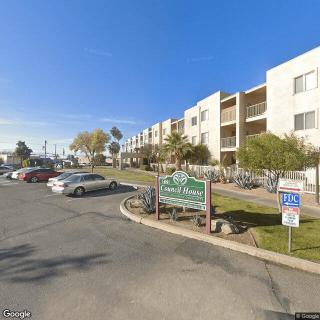
  • Council House Apartments

    Council House Apartments

    Tucson, AZ

    3.5 from 20 reviews
    $3,000 to $4,500 / month

    pro Excellent access to a wide range of nearby amenities (cafes, restaurants, pharmacies, hospitals, theaters) and multiple transportation options.

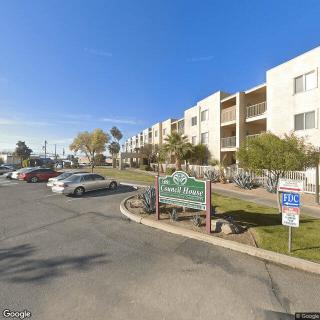
  • Council House Apartments

    Council House Apartments

    Tucson, AZ

     
    $500 / month

    pro Very affordable $500/month rent for studios, 1- and 2-bedroom units with on-site amenities (pool and activities).

  • Arizona New Era Eldercare

    Arizona New Era Eldercare

    Tucson, AZ


    pro Small, fully furnished board-and-care with dedicated staff and diabetes-friendly meals.

  • Park Avenue Health & Rehab Center

    Park Avenue Health & Rehab Center

    Tucson, AZ

     
    $4,020 to $4,770 / month

    pro Private rooms and strong rehab-focused care in a well-located Tucson setting.

  • Woodland Palms Memory Care Community

    Woodland Palms Memory Care Community

    Tucson, AZ

    4.7 from 89 reviews
    $4,295 to $4,995 / month

    pro Warm, caring staff with engaging activities in a welcoming environment.

  • The Forum at Tucson

    The Forum at Tucson

    Tucson, AZ

    4 from 186 reviews
    $2,510 to $4,215 / month

    pro Friendly, caring staff and high-quality dining with spacious, comfortable accommodations.

Assisted Living in Nearby Cities

Related Resources

  • does medicaid pay for assisted livingHow and When Medicaid May Cover Assisted Living Costs

    Medicaid coverage for assisted living varies by state and is primarily available to low-income individuals, with eligibility dependent on strict income and asset limits. Some states offer HCBS waivers for specific services in assisted living, but families must generally cover room and board costs, and should verify facility acceptance of Medicaid while considering potential waiting lists.

  • assisted living waiver programA Detailed Exploration of Assisted Living Medicaid Waivers Across the United States

    Medicaid waivers for assisted living services provide vital support for seniors and individuals with disabilities in need of long-term care, with varying state-specific eligibility criteria and benefits. These waivers cover personal care and case management but often do not fully cover room and board, leading to waiting lists for many applicants.

  • assisted living vs skilled nursingExploring the Contrasts Between Assisted Living and Skilled Nursing
    The article compares assisted living and skilled nursing facilities, detailing their differing levels of assistance, medical support, cost structures, and day-to-day experiences. It emphasizes that assisted living is for those needing help with daily activities while maintaining independence, whereas skilled nursing facilities provide intensive medical care with 24-hour staff supervision.