Sapphire Of Tucson Nursing And Rehab

Save

  • Interior

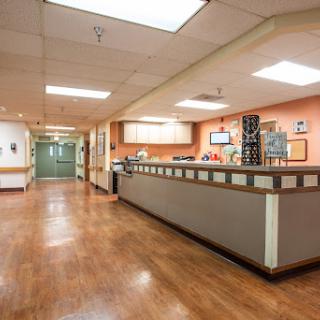
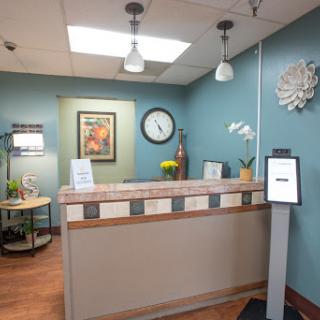
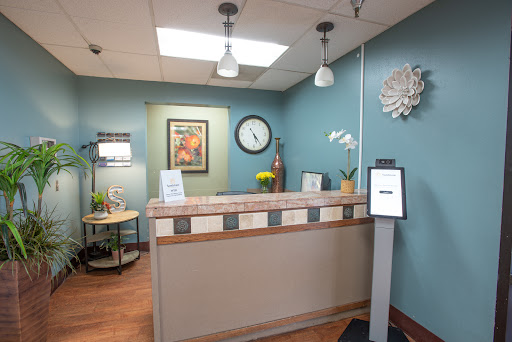
    A welcoming view of the reception area in a healthcare facility.
  • Outdoors

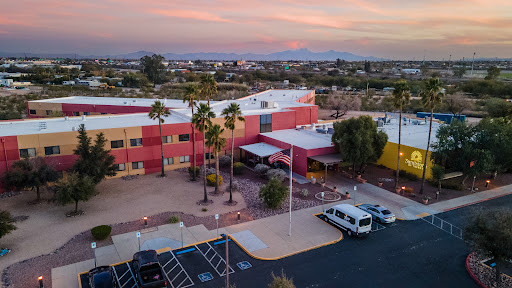
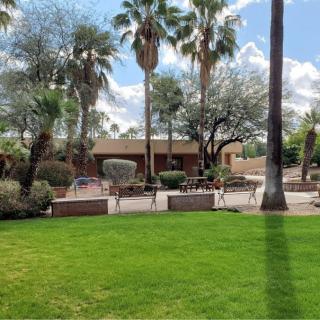
    A vibrant building surrounded by palm trees and desert landscaping under a clear blue sky.
  • Decor

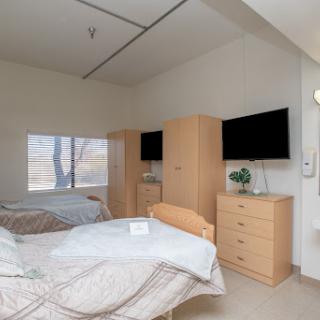
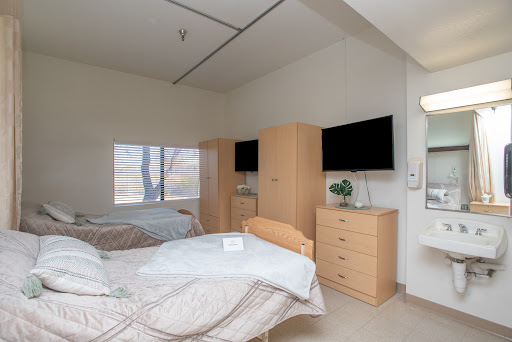
    A well-furnished bedroom featuring two beds, modern cabinets, and televisions.
  • Building

    A vibrant building surrounded by palm trees and lush greenery, set against a partly cloudy sky.
  • Architecture

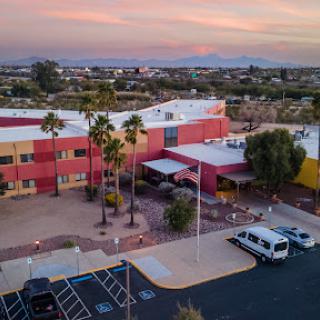
    A serene aerial view of a modern building surrounded by palm trees during sunset.
  • Landscaping

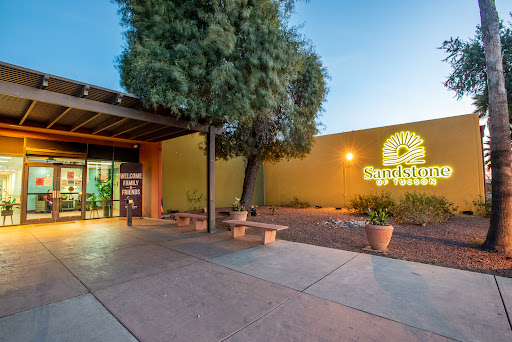
    Entrance to a building illuminated in the evening, surrounded by landscaping.
  • Lighting

    A vibrant display of colorful lights at night, featuring the Sapphire sign in front.
  • Bathroom

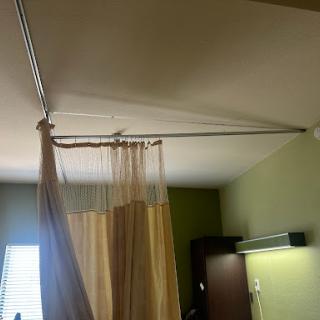
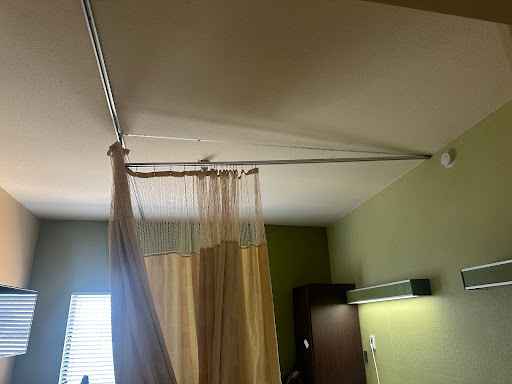
    A hospital room featuring a privacy curtain hanging from a ceiling track.
  • Exterior

    A modern building illuminated in the evening, featuring inviting landscaping and a prominent sign.
  • Office

    A modern conference room featuring a long table and ergonomic chairs, designed for professional meetings.
  • Waiting Area

    A welcoming reception area featuring modern decor and a calming blue color scheme.
  • Parking

    A shuttle bus parked in an empty parking lot on a sunny day.

Sapphire Of Tucson Nursing And Rehab

2900 East Milber Street, Tucson, AZ 85714

For more information about senior living options: (844) 490-3973

3.6 from 100 reviews
5 stars
57
4 stars
9
3 stars
4
2 stars
1
1 stars
29

Assisted Living Skilled Nursing Facility

Overall Review of Sapphire Of Tucson Nursing And Rehab

Pros

  • pro The staff here took great care of a family member.
  • pro The staff here is professional and caring.
  • pro The family was very pleased with all the caregivers here and the facility.
  • pro They were grateful for the staff's patience and hard work.
  • pro The environment is warm, safe, and welcoming.
  • pro Linda at the front desk always greets everyone with a smile and a kind word.
  • pro Linda at reception was friendly, polite, and fantastic.
  • pro The doctors were great and the therapists provided excellent care.
  • pro Candace, Veronica, and Alec are extremely dedicated to their patients.
  • pro Keysha in the finance office is reliable, friendly, and extremely helpful.
  • pro The kitchen staff is good and the facility was very clean on the second day.

Cons

  • pro This place should be shut down already.
  • pro Not one person would show documentation of proper protocol.
  • pro Every meal served cold and disgusting.
  • pro The kitchen did not care and did not meet the diabetic patient's dietary needs.
  • pro This is a disgusting facility with inhumane, cruel staff, lacking basic integrity.
  • pro Personal belongings were stolen from a deceased patient's bag.
  • pro The facility blocked the reviewer from commenting on social media.
  • pro Staff ignored call buttons when patients needed help.

Review

The collection of experiences shared about this facility reveals a wide spectrum of care, ranging from warmth and professionalism to serious concerns about safety, communication, and basic quality of life. Several reviewers describe moments of genuine compassion and attentive service, while others recount distressing incidents that shake confidence in the care provided. A recurring thread centers around a Tucson location that has previously operated under different names, including Sapphire Nursing and Rehabilitation Center and, more recently, Sandstone of Tucson, which seems to be the focal point for the most intense critiques.

On the negative end, some families report significant lapses in essential care. One reviewer describes chronic delays with dialysis transportation and wound care that should have been changed daily but often wasn't, despite explicit orders. Open wounds, long hospital-like stays, and limited opportunities to bathe - sometimes only once a week - paint a picture of a?? in which basic comfort and hygiene are difficult to achieve. Food quality is another common gripe, with comments about meals being unappealing or not meeting the dietary needs of residents, particularly for those dealing with diabetes. A sense of frustration with communication and procedural documentation is also evident, with accusations that proper protocols were not shared or explained, and that staff accountability was lacking.

The most severe allegations center on claims of neglect and outright mistreatment. One reviewer describes the facility as "disgusting" and notes that a family's father died shortly after transfer to the center, with the family not being notified promptly and possessions stolen after the death. There are accounts of staff behaving aggressively toward family members, a lack of transparency about what happened to the deceased relative, and a perception that there were few avenues for redress or accountability. The reviewer goes further, alleging that management was unresponsive and that the facility's administration avoided responsibility even when confronted with clear evidence of wrongdoing. A subsequent update claims ongoing practices designed to suppress criticism, including blocking social media comments and suggesting to the public that changes had been made when they had not. The overall tone of these accounts is a warning to prospective families to exercise extreme caution and to seek timely documentation and confirmation of care standards before trusting a loved one to the facility.

Against the backdrop of these troubling reports, there are also many positive testimonials that emphasize the human side of caregiving. Several reviews highlight staff who are professional, caring, and genuinely invested in residents' well-being. Families speak of caregivers who treat patients with dignity, celebrate small wins, and make attempts to create a home-like atmosphere in a setting that can feel impersonal. One reviewer says the staff's dedication and patience stand out, even when the facility isn't "perfect." The sentiment is that the right people - those who prioritize patients' welfare and show up with compassion - can make a meaningful difference in the daily experience of residents. In these accounts, the staff's warmth, steady presence, and teamwork help offset the more challenging aspects of the environment.

Specific staff members frequently come up by name in the praise. A front-desk representative named Linda is repeatedly singled out for friendliness, warmth, and professionalism, with several reviewers noting that her attitude helps set a positive tone as families and visitors arrive. Other staff members - across disciplines - are recognized for exceptional care: physical therapists and occupational therapists (including individuals named in several mentions), speech therapists, and various nursing and support staff who go "above and beyond." There are also mentions of dedicated colleagues in the administrative and financial offices who assist families with patience and clarity. The recurring theme is that when patients receive thoughtful, attentive care from committed individuals, their overall experience improves dramatically, even if other aspects of the facility are less favorable.

Dietary services and day-to-day operations also feature prominently in the mixed reviews. Some residents' diets are praised for meeting medical or personal needs, yet multiple accounts report problematic meals - particularly for residents with diabetes - where food choices were heavy on simple carbohydrates, served cold or poorly prepared, and not prepared with the resident's health goals in mind. There are even complaints about food service practices that feel inconsistent with the rest of the care, such as insistence that hot meals could not be warmed, which worsens the perception of quality and attention to resident comfort. Equipment and housekeeping issues surface in a few reviews as well, including concerns about the cleanliness of cups and kitchenware and the overall upkeep of the facility.

Overall, the collection presents a complex portrait: for some families, the people who care for their loved ones are the brightest light in a challenging setting; for others, the experience is marred by perceived neglect, poor communication, and traumatic incidents that leave lasting doubts about safety and ethics. The Tucson facility sits at the center of particularly strong opinions, with long-standing accusations about response times, documentation, and the handling of residents' and families' concerns. Simultaneously, other reviewers acknowledge that when competent, compassionate staff are present, the facility can feel like a supportive community where people matter and care is genuine.

If you are evaluating care for a loved one, these accounts suggest a careful, needs-specific approach. It may be valuable to visit in person, speak with multiple staff members across shifts, request recent documentation of care protocols and incident reporting, and scrutinize how emergencies and routine care are managed. Look for consistency in responses to concerns, transparent communication about patient status, and an explicit plan for how any problems will be addressed. While there are testimonies of heartfelt care and reliable, professional service, the more grave accusations cannot be dismissed and should prompt thorough due diligence and, where appropriate, formal inquiries to ensure safety, accountability, and adherence to standards of care.

Features

Housing

  • 240 resident community capacity 240 resident community capacity

Types of Care

  • Assisted Living Assisted LivingAssisted living facilities provide crucial support and care for seniors who may need help with daily tasks such as medication management, bathing, and meal preparation. These communities offer a safe and comfortable environment where seniors can maintain their independence while receiving the assistance they need to thrive in their golden years.
  • Skilled Nursing Facility Skilled Nursing FacilitySkilled Nursing Facilities are crucial for seniors as they provide round-the-clock medical care, rehabilitation services, and assistance with daily activities. These facilities ensure that seniors receive the specialized care they need to maintain their health and well-being as they age.

Amenities

  • Air-conditioning Air-conditioningAir conditioning is important for seniors as they are more vulnerable to heat-related illnesses and may have underlying health conditions that make it difficult for them to regulate their body temperature. It helps to keep them comfortable, safe, and healthy in hot weather.
  • Beauty salon Beauty salonBeauty salons are important for seniors because they provide a space for them to feel pampered, socialize, and maintain their personal grooming and hygiene. Regular visits to a beauty salon can help boost seniors' self-esteem and overall well-being.
  • Cable or satellite TV Cable or satellite TVCable or satellite TV is important for seniors because it provides entertainment, news, and companionship, helping to combat loneliness and boredom. It also offers a wide range of programming options tailored to different interests and preferences.
  • Computer center Computer centerA computer center is essential for seniors as it provides access to technology, communication tools, and resources that can enhance their daily lives. It allows them to stay connected with loved ones, engage in online activities, and learn new skills, ultimately promoting socialization and mental stimulation.
  • Dining room Dining roomDining rooms are important for seniors as they provide a space for socialization, connection, and nutritious meals. They offer opportunities for residents to bond over shared meals, foster a sense of community, and promote healthy eating habits. Dining rooms also ensure that seniors have access to well-balanced meals tailored to their dietary needs and preferences.
  • Fitness room Fitness roomHaving a fitness room in a senior living community is essential for seniors to stay active, maintain their physical health, and improve their overall well-being. Regular exercise can help prevent falls, reduce the risk of chronic diseases, and promote mental sharpness. It also provides social opportunities for residents to connect with others and enjoy a sense of community.
  • Fully furnished Fully furnishedFully furnished senior living communities are important for seniors because they provide convenience, comfort, and a hassle-free moving experience. Seniors can easily settle into their new living space without the stress of having to buy and move furniture. This allows them to focus on enjoying their new home and community.
  • Gaming room Gaming roomGaming rooms are important for seniors as they provide a fun and engaging environment for socializing, cognitive stimulation, and physical activity. Games can improve memory, problem-solving skills, and overall mental well-being while fostering friendships and reducing feelings of isolation.
  • Garden GardenGardens are important for seniors as they provide a peaceful and therapeutic environment for relaxation, physical activity, and socialization. Being in nature has been shown to reduce stress, improve mood, and promote overall well-being. Gardens also offer opportunities for seniors to engage in gardening activities, which can improve mobility, flexibility, and cognitive function. Additionally, gardens create a sense of community and connection with others who share a passion for plants and outdoor spaces.
  • Housekeeping services Housekeeping servicesHousekeeping services are important for seniors because they help maintain a clean and safe living environment, promote independence, and reduce the risk of accidents or illnesses. Additionally, having assistance with household chores can alleviate physical strain and allow seniors to focus on other aspects of their well-being.
  • Kitchenette KitchenetteKitchenettes are important for seniors living in senior living communities because they provide the convenience and independence of being able to prepare simple meals and snacks in the comfort of their own living space. This can help promote a sense of autonomy and well-being for seniors, allowing them to maintain some level of control over their dietary choices and daily routines.
  • Move-in coordination Move-in coordinationMove-in coordination is important for seniors because it helps ease the transition into their new living environment. It ensures that all logistics, such as packing, organizing movers, and setting up utilities are taken care of, allowing seniors to focus on settling in and adjusting to their new home. Having a smooth move-in process can alleviate stress and anxiety, making the transition smoother and more enjoyable for seniors.
  • Outdoor space Outdoor spaceOutdoor spaces are important for seniors as they provide opportunities for physical activity, social interaction, exposure to natural light and fresh air, and a sense of connection to nature. Having access to outdoor spaces can improve overall well-being and quality of life for older adults living in senior communities.
  • Private bathrooms Private bathroomsPrivate bathrooms are important for seniors in senior living communities because they provide independence, dignity, and comfort. Having a private bathroom allows seniors to maintain their personal hygiene routines without the need for assistance, promoting a sense of autonomy and privacy. Additionally, private bathrooms help prevent the spread of infections and provide a safe and clean environment for seniors to navigate safely.
  • Restaurant-style dining Restaurant-style diningRestaurant-style dining is important for seniors because it allows them to enjoy delicious, nutritious meals in a social and upscale setting. This enhances their dining experience, promotes healthy eating habits, and fosters socialization with fellow residents, ultimately contributing to their overall well-being and quality of life.
  • Small library Small librarySmall libraries are important for seniors as they provide access to a variety of reading materials, including books, newspapers, and magazines. This can help stimulate their minds, keep them engaged, and provide a sense of community through book clubs and other social activities. Additionally, reading has been shown to improve cognitive function and overall mental well-being in older adults.
  • Telephone TelephoneTelephones are important for seniors as they provide a lifeline for communication with loved ones, emergency services, and healthcare providers. They offer a sense of security and independence, enabling seniors to stay connected and access assistance when needed.
  • Wellness center Wellness centerWellness centers are important for seniors because they offer a variety of programs and services that promote physical, mental, and emotional well-being. These centers provide opportunities for exercise, socialization, education, and relaxation, helping seniors maintain their overall health and quality of life.
  • Wi-Fi/high-speed internet available Wi-Fi/high-speed internet availableWi-Fi/high-speed internet is important for seniors to stay connected with loved ones, access online resources, and participate in virtual activities to combat feelings of loneliness and isolation. It also allows them to easily manage healthcare needs, access entertainment, and engage in lifelong learning opportunities.

Transportation

  • Tucson International (4 miles away) Tucson International (4 miles away)
  • Community operated transportation Community operated transportationCommunity operated transportation is crucial for seniors as it provides them with the means to access essential services, social activities, and medical appointments. It allows seniors to maintain their independence and quality of life by ensuring they can participate in activities outside of their homes. Additionally, community-operated transportation services offer a safe and reliable way for seniors to travel without having to rely on family or friends for assistance.
  • Transportation arrangement Transportation arrangementTransportation arrangements are crucial for seniors as they may face challenges with driving, mobility, or access to public transportation. Having reliable transportation services ensures that seniors can easily attend appointments, social activities, and maintain their independence and quality of life.

Care Services

  • 24-hour call system 24-hour call system24-hour call systems are important for seniors because they provide peace of mind and immediate assistance in case of emergencies. This technology ensures that help is always available, promoting safety and security for elderly individuals living alone or in assisted living facilities.
  • 24-hour supervision 24-hour supervision24-hour supervision is important for seniors to ensure their safety, well-being, and access to immediate assistance in case of emergencies or health issues. This constant support provides peace of mind for both seniors and their loved ones, allowing them to age in place with dignity and security.
  • Activities of daily living assistance Activities of daily living assistanceActivities of daily living assistance are important for seniors because they provide essential support with tasks such as eating, bathing, dressing, and mobility. This assistance helps seniors maintain their independence, dignity, and overall quality of life as they age.
  • Assistance with bathing Assistance with bathingAssistance with bathing is crucial for seniors as it helps maintain personal hygiene, prevents infections, and ensures their overall well-being and comfort. It also provides a sense of dignity and independence for seniors who may struggle with this task on their own.
  • Assistance with dressing Assistance with dressingAssistance with dressing is important for seniors because it helps maintain their independence, promotes personal hygiene, prevents accidents and injuries, and improves overall quality of life. This service ensures that seniors can continue to dress comfortably and confidently, despite any physical limitations they may have.
  • Assistance with transfers Assistance with transfersAssistance with transfers is crucial for seniors as it helps prevent falls and injuries, maintains their independence, and ensures they can safely navigate their living environment. It also provides peace of mind for both seniors and their loved ones.
  • Diabetes diet Diabetes dietA diabetes diet is crucial for seniors as it helps manage blood sugar levels, reduce risks of complications, and improve overall health and well-being. By following a balanced and nutritious diet tailored to their specific needs, seniors can better control their diabetes and enhance their quality of life.
  • Meal preparation and service Meal preparation and serviceMeal preparation and service are crucial for seniors as they may have limited mobility or energy to cook nutritious meals. Having access to healthy and convenient food options can ensure they are getting the proper nutrition needed to maintain their overall health and well-being.
  • Medication management Medication managementMedication management is crucial for seniors to ensure they are taking the right medications at the correct dosages and times. This helps prevent adverse drug interactions, reduces the risk of medication errors, and promotes overall health and well-being. Proactive management also allows for adjustments as needed based on changing health conditions or new prescriptions.
  • Special dietary restrictions Special dietary restrictionsSpecial dietary restrictions are important for seniors because age-related changes in metabolism and health conditions can make it difficult for their bodies to process certain foods. By following a diet tailored to their specific needs, seniors can maintain their overall health and well-being, manage chronic conditions, and reduce the risk of complications such as malnutrition or food interactions with medications.

Dining

  • Diabetes diet Diabetes dietA diabetes diet is crucial for seniors as it helps manage blood sugar levels, reduce risks of complications, and improve overall health and well-being. By following a balanced and nutritious diet tailored to their specific needs, seniors can better control their diabetes and enhance their quality of life.
  • Special dietary restrictions Special dietary restrictionsSpecial dietary restrictions are important for seniors because age-related changes in metabolism and health conditions can make it difficult for their bodies to process certain foods. By following a diet tailored to their specific needs, seniors can maintain their overall health and well-being, manage chronic conditions, and reduce the risk of complications such as malnutrition or food interactions with medications.

Activities

  • Community-sponsored activities Community-sponsored activitiesCommunity-sponsored activities are important for seniors as they provide opportunities for social interaction, mental stimulation, and physical activity. These activities can help improve overall well-being, combat loneliness and isolation, and promote a sense of belonging and purpose among older adults.
  • Concierge services Concierge servicesConcierge services are essential for seniors as they provide assistance with daily tasks and errands, enhance their quality of life by offering convenience and personalized care, and promote a sense of safety and security.
  • Fitness programs Fitness programsFitness programs are crucial for seniors as they help improve strength, flexibility, balance, and overall well-being. Staying active can reduce the risk of chronic diseases, improve mental health, and enhance quality of life in older adults.
  • Planned day trips Planned day tripsPlanned day trips are important for seniors because they offer opportunities for socialization, mental stimulation, and physical activity. They provide a change of scenery and help seniors stay engaged and connected to their community, promoting overall well-being and quality of life.
  • Resident-run activities Resident-run activitiesResident-run activities are important for seniors as they encourage social interaction, creativity, and a sense of autonomy. These activities empower seniors to stay engaged and active in their community while fostering meaningful connections with their peers.
  • Scheduled daily activities Scheduled daily activitiesScheduled daily activities are important for seniors because they provide structure, socialization, mental stimulation, and physical activity. Engaging in regular activities can improve overall well-being and quality of life for seniors living in a community setting.

Description

Sapphire Of Tucson Nursing And Rehab is a skilled nursing facility located in Tucson, AZ. Our community offers a range of amenities and care services to ensure the comfort and well-being of our residents.

For those looking to stay active and social, we provide various amenities such as a beauty salon, fitness room, gaming room, small library, and a wellness center. Residents can also enjoy delicious meals in our restaurant-style dining room with special dietary restrictions catered to.

At Sapphire Of Tucson Nursing And Rehab, our highly trained staff provides 24-hour supervision and assistance with activities of daily living including bathing, dressing, and transfers. We also offer medication management services to ensure proper administration of medications. Our team takes pride in providing personalized care tailored to each individual's needs.

Residents can look forward to engaging in a variety of activities arranged by our dedicated staff. These include fitness programs, resident-run activities, planned day trips, and scheduled daily activities. Additionally, concierge services are available to assist with any additional needs or requests.

Our location offers convenience with numerous nearby cafes, parks, pharmacies, physicians' offices, restaurants, transportation options, places of worship, theaters, and hospitals. Residents have easy access to essential services and opportunities for recreation.

Whether you or your loved one requires short-term rehabilitative care or long-term skilled nursing services, Sapphire Of Tucson Nursing And Rehab strives to provide a comfortable and supportive environment for all residents.

Nearby Places of Interest

This vibrant neighborhood in Tucson, Arizona offers a wide range of amenities for seniors looking to settle in a welcoming community. With multiple hospitals nearby including the University of Arizona Healthcare Hospital and the VA Medical Center, residents have access to quality healthcare services. There are also various physicians' offices, pharmacies, and complimentary medicine options for holistic well-being. Dining options are diverse with popular chains like In-N-Out Burger and local favorites such as Taqueria Pico De Gallo. For leisure activities, there are theaters like Century Theaters at Tucson Marketplace and parks like Reid Park within a short distance. Additionally, places of worship such as St Augustine Cathedral cater to spiritual needs. Transportation is convenient with proximity to Union Pacific Railroad and the Tucson Airport Executive Terminal. Overall, this area provides a balanced mix of healthcare facilities, dining options, entertainment venues, and transportation services for seniors seeking a comfortable lifestyle in Tucson.

Hospitals

  • University of Arizona Healthcare Hospital (0.3 miles)
  • VA Hospital Building 80/Lab (2.1 miles)
  • VA Medical Center (2.1 miles)
  • Tucson Natural (3.5 miles)
  • Arizona Cancer Center (4.3 miles)

Physicians

  • UAMC South Campus Outpatient Clinics (0.3 miles)
  • Clinica Del Alma (1.7 miles)
  • Savahcs Saguaro Clinic (2.2 miles)
  • Complimentary Medicine Association (3.7 miles)
  • SoundPoint Hearing Centers (4 miles)
  • Alvernon Optical (4 miles)
  • Tucson Occupational Medicine (4.1 miles)

Restaurants

  • In-N-Out Burger (0.9 miles)
  • Culver's (1.3 miles)
  • McDonald's (1.9 miles)
  • Taqueria Pico De Gallo (2.7 miles)
  • Tacos Apson (2.9 miles)
  • El Torero Restaurant (3 miles)
  • Barrio Brewing Co. (3.4 miles)

Pharmacies

  • Walgreens (1.1 miles)
  • Walgreens (2.7 miles)
  • Fry's Pharmacy (3.1 miles)
  • Safeway Pharmacy (3.4 miles)
  • Walgreens (3.8 miles)
  • Walmart Pharmacy (4 miles)
  • Walgreens (4 miles)

Cafes

  • Starbucks (1.3 miles)
  • Dutch Bros Coffee (1.4 miles)
  • Starbucks (3.5 miles)
  • Exo Roast Co. (4 miles)
  • Cartel Coffee Lab (4 miles)
  • Starbucks (4.2 miles)
  • The Diamond Cafe (4.3 miles)

Theaters

  • Century Theaters at Tucson Marketplace (1.6 miles)
  • The Loft Cinema (4.5 miles)

Transportation

  • Union Pacific Railroad (2.5 miles)
  • Tucson Airport Executive Terminal - TIA Tower (3.4 miles)
  • Lazar Enterprises (3.5 miles)
  • Delta Airlines (3.6 miles)
  • Main Terminal (3.6 miles)
  • Concourse B (3.6 miles)
  • Rental Car Center (3.6 miles)

Parks

  • Reid Park (2.8 miles)

Places of Worship

  • Apostolic Bethel Temple (4 miles)
  • St Augustine Cathedral (4.1 miles)
  • Benedictine Sanctuary (4.3 miles)
  • Our Saviour's Lutheran Church (4.6 miles)

Frequently Asked Questions

Where is Sapphire Of Tucson Nursing And Rehab?
What photos are available for Sapphire Of Tucson Nursing And Rehab in Tucson, Arizona?

Nearby Communities

Assisted Living in Nearby Cities

Related Resources

  • va benefits for assisted livingAssisted Living Support for Veterans: A Complete and Detailed Overview

    The guide highlights the importance of assisted living facilities for aging veterans needing daily support, discusses unique challenges they face, and outlines available financial assistance from the VA, including the Aid and Attendance program. It emphasizes understanding eligibility criteria and navigating the VA system to access necessary benefits effectively.

  • assisted living vs skilled nursingExploring the Contrasts Between Assisted Living and Skilled Nursing

    The article compares assisted living and skilled nursing facilities, detailing their differing levels of assistance, medical support, cost structures, and day-to-day experiences. It emphasizes that assisted living is for those needing help with daily activities while maintaining independence, whereas skilled nursing facilities provide intensive medical care with 24-hour staff supervision.

  • when to move from assisted living to nursing home8 Key Indicators That Suggest It May Be Time to Transition from Assisted Living to Skilled Nursing Care
    The transition from assisted living to skilled nursing care is often prompted by complex medical needs that assisted living cannot meet, with key indicators including frequent health declines, increased falls, severe memory issues, and caregiver burnout. Families should recognize these signs early to discuss options with healthcare providers and prepare for the emotional and logistical aspects of moving to a facility that offers comprehensive medical support.