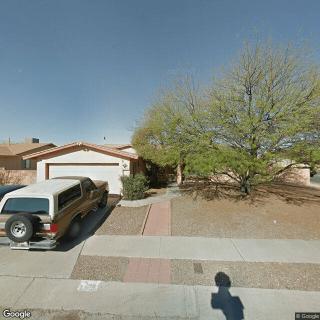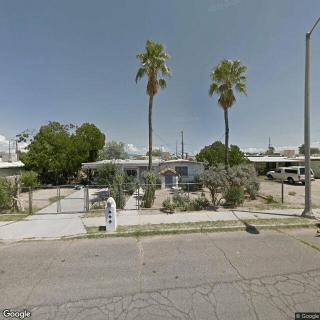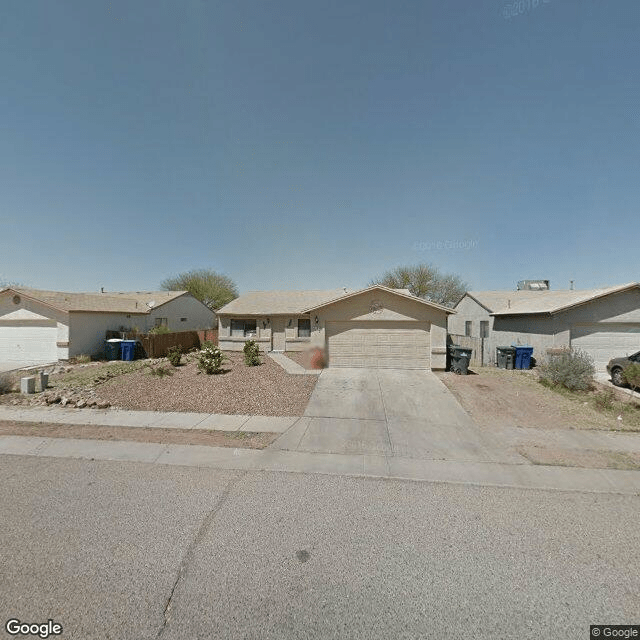
Hummingbird Assisted Living Home in Tucson, AZ

Save
Hummingbird Assisted Living Home

Hummingbird Assisted Living Home in Tucson, AZ

1828 West Sauvignon Drive, Tucson, AZ 85746

For more information about senior living options: (844) 490-3973

4.7 from 6 reviews
5 stars
5
4 stars
0
3 stars
1
2 stars
0
1 stars
0

Assisted Living Board and Care Home

Overall Review of Hummingbird Assisted Living Home

Pros

  • pro Vivian's family is forever grateful for the excellent care she received at Hummingbird Manor Assisted Living at The Alamo in Tucson.
  • pro The home is small, comfortable, and clean, like living in a welcoming four-bedroom, two-bath house.
  • pro The staff are good, and the owner is wonderful, providing attentive daytime leadership.
  • pro Residents receive meals and assistance with dressing, bathing, cleaning, and laundry, meeting daily needs.
  • pro The property features a nice backyard where residents can sit in the sun.
  • pro Vegan residents receive special meals, reflecting personalized, considerate care.
  • pro The price is competitive, and the private room with a shared bath offers good value.

Cons

  • pro They don't have activities, and that's what's lacking.

Review

Hummingbird Assisted Living Home in Tucson is best suited for families seeking a small, home-like environment where a senior can receive hands-on daily assistance without the bustle of a large community. The setting is ideal for residents who prioritize intimate, individualized attention, safety, and predictable routines over flashy amenities. With a five-resident group home structure, residents benefit from constant proximity to caregivers, a clean, comfortable living space, and the opportunity to keep personal dignity intact in a private-feel environment. The value proposition is reinforced by meals and practical support - dressing, bathing, laundry, and room upkeep - delivered with a personal touch, often paired with a quiet outdoor space for sun and fresh air.

Those weighing alternatives should consider whether a more active social calendar or more formal medical oversight is essential. If daily programming, structured group activities, or specialized memory-care support are priorities, this setting may fall short. Families seeking robust recreational programming, on-site therapy, or frequent clinician visits should compare with larger assisted living facilities or dedicated memory-care communities. Additionally, while the home is adaptable to vegan and other dietary preferences, residents desiring a greater variety of social events or more extensive in-house services may want to explore options with broader activity schedules and more expansive staffing.

The strongest positives here are the intensely personal level of care and the intimate staff-resident dynamic. The small size ensures vigilance and quick responses, with an assistant on site around the clock and the owner actively involved on weekdays. Residents benefit from a comfortable, clean environment that feels like home, including a backyard for sunshine and easy outdoor time. Nutritional needs are respected, with meals prepared to accommodate special diets, such as vegan preferences, and the overall atmosphere tends toward warmth and familiarity. The price point is notably competitive for a five-resident home, and a private room with a shared bath keeps living costs predictable for families tracking expenses.

Yet, the absence of formal activities is a clear downside that repeatedly surfaces. Without a scheduled programming slate, residents may experience fewer opportunities for social engagement beyond one-on-one interactions with staff and family. The five-resident model, while a strength in care intensity, also means limited choice in companionship and programming, and may feel restrictive for those who crave varied social experiences. Another practical limitation is the shared bathroom arrangement, which can be less convenient for residents who prefer complete privacy. Finally, the lack of explicit 24/7 on-site medical oversight details can be a concern for families needing continuous clinical monitoring or rapid access to skilled nursing.

Despite these drawbacks, the pros largely offset the cons for the right resident. The hands-on care, consistent staff presence, and owner's direct involvement create a trustworthy safety net that can outperform larger settings in terms of attentiveness and individualized respect. Caregivers can monitor changes in health or mood more readily, and family members often appreciate the ease of communication and the sense that their loved one is known well by name. The home-like atmosphere, coupled with practical supports and dietary flexibility, translates into meaningful daily comfort that can substantially improve quality of life for someone who thrives on routine and personal connections.

To make a well-informed decision, approach this community with concrete questions: Will weekend coverage be as attentive as weekdays, and how is continuity of care maintained when the owner isn't on site? Are there planned or optional activities, social outings, or in-house programs that can be scheduled to increase engagement? What level of medical oversight is available - on-site visits, visiting clinicians, or transportation arrangements for appointments? Confirm whether a private room with a private bath is possible and how pricing might change with different room configurations or added services. Request a trial visit or short-term stay to observe daily rhythms, caregiver interactions, and how well the environment supports personal independence alongside assistance. In the end, this community becomes a compelling choice for families prioritizing intimate, dependable care in a home setting, provided the resident's needs align with the level of activity, oversight, and social opportunity that the home can sustain.

Features

Housing

  • 5 resident community capacity 5 resident community capacity

Types of Care

  • Assisted Living Assisted LivingAssisted living facilities provide crucial support and care for seniors who may need help with daily tasks such as medication management, bathing, and meal preparation. These communities offer a safe and comfortable environment where seniors can maintain their independence while receiving the assistance they need to thrive in their golden years.
  • Board and Care Home Board and Care HomeBoard and care homes provide a smaller, more intimate setting for seniors who require assistance with daily tasks but do not need the level of care offered by a nursing home. They offer personalized care, meals, and social activities in a homelike environment, ensuring that seniors receive individualized attention and support in their golden years.

Amenities

  • Activities on-site Activities on-siteActivities on-site are important for seniors because they provide opportunities for socialization, mental stimulation, physical activity, and overall well-being. Engaging in activities can help seniors stay active, maintain their independence, and improve their quality of life.
  • Cable or satellite TV Cable or satellite TVCable or satellite TV is important for seniors because it provides entertainment, news, and companionship, helping to combat loneliness and boredom. It also offers a wide range of programming options tailored to different interests and preferences.
  • Devotional services off-site Devotional services off-siteDevotional services off-site are important for seniors as they provide spiritual nourishment, social engagement, and a sense of community outside of the senior living facility. This can enhance overall well-being and help combat feelings of isolation and loneliness often experienced by older adults.
  • Dining room Dining roomDining rooms are important for seniors as they provide a space for socialization, connection, and nutritious meals. They offer opportunities for residents to bond over shared meals, foster a sense of community, and promote healthy eating habits. Dining rooms also ensure that seniors have access to well-balanced meals tailored to their dietary needs and preferences.
  • Fully furnished Fully furnishedFully furnished senior living communities are important for seniors because they provide convenience, comfort, and a hassle-free moving experience. Seniors can easily settle into their new living space without the stress of having to buy and move furniture. This allows them to focus on enjoying their new home and community.
  • Garden GardenGardens are important for seniors as they provide a peaceful and therapeutic environment for relaxation, physical activity, and socialization. Being in nature has been shown to reduce stress, improve mood, and promote overall well-being. Gardens also offer opportunities for seniors to engage in gardening activities, which can improve mobility, flexibility, and cognitive function. Additionally, gardens create a sense of community and connection with others who share a passion for plants and outdoor spaces.
  • Housekeeping services Housekeeping servicesHousekeeping services are important for seniors because they help maintain a clean and safe living environment, promote independence, and reduce the risk of accidents or illnesses. Additionally, having assistance with household chores can alleviate physical strain and allow seniors to focus on other aspects of their well-being.
  • Indoor common areas Indoor common areasIndoor common areas are crucial for seniors as they provide a space for socialization, recreation, and community engagement, promoting overall well-being and reducing feelings of isolation and loneliness.
  • Move-in coordination Move-in coordinationMove-in coordination is important for seniors because it helps ease the transition into their new living environment. It ensures that all logistics, such as packing, organizing movers, and setting up utilities are taken care of, allowing seniors to focus on settling in and adjusting to their new home. Having a smooth move-in process can alleviate stress and anxiety, making the transition smoother and more enjoyable for seniors.
  • Outdoor space Outdoor spaceOutdoor spaces are important for seniors as they provide opportunities for physical activity, social interaction, exposure to natural light and fresh air, and a sense of connection to nature. Having access to outdoor spaces can improve overall well-being and quality of life for older adults living in senior communities.
  • Telephone TelephoneTelephones are important for seniors as they provide a lifeline for communication with loved ones, emergency services, and healthcare providers. They offer a sense of security and independence, enabling seniors to stay connected and access assistance when needed.
  • Wi-Fi/high-speed internet available Wi-Fi/high-speed internet availableWi-Fi/high-speed internet is important for seniors to stay connected with loved ones, access online resources, and participate in virtual activities to combat feelings of loneliness and isolation. It also allows them to easily manage healthcare needs, access entertainment, and engage in lifelong learning opportunities.

Transportation

  • Tucson International (4 miles away) Tucson International (4 miles away)

Care Services

  • 24-hour supervision 24-hour supervision24-hour supervision is important for seniors to ensure their safety, well-being, and access to immediate assistance in case of emergencies or health issues. This constant support provides peace of mind for both seniors and their loved ones, allowing them to age in place with dignity and security.
  • Activities of daily living assistance Activities of daily living assistanceActivities of daily living assistance are important for seniors because they provide essential support with tasks such as eating, bathing, dressing, and mobility. This assistance helps seniors maintain their independence, dignity, and overall quality of life as they age.
  • Ambulatory care Ambulatory care"Ambulatory care services provide essential medical support and treatment to seniors without requiring hospitalization, allowing them to maintain their independence and quality of life while managing chronic conditions or receiving routine medical care."
  • Assistance with bathing Assistance with bathingAssistance with bathing is crucial for seniors as it helps maintain personal hygiene, prevents infections, and ensures their overall well-being and comfort. It also provides a sense of dignity and independence for seniors who may struggle with this task on their own.
  • Assistance with dressing Assistance with dressingAssistance with dressing is important for seniors because it helps maintain their independence, promotes personal hygiene, prevents accidents and injuries, and improves overall quality of life. This service ensures that seniors can continue to dress comfortably and confidently, despite any physical limitations they may have.
  • Assistance with transfers Assistance with transfersAssistance with transfers is crucial for seniors as it helps prevent falls and injuries, maintains their independence, and ensures they can safely navigate their living environment. It also provides peace of mind for both seniors and their loved ones.
  • Coordination with health care providers Coordination with health care providersCoordination with health care providers is crucial for seniors to ensure proper medical care, medication management, and overall well-being. This collaboration helps prevent overlapping treatments, track progress more effectively, and provide comprehensive support tailored to individual needs.
  • Diabetes diet Diabetes dietA diabetes diet is crucial for seniors as it helps manage blood sugar levels, reduce risks of complications, and improve overall health and well-being. By following a balanced and nutritious diet tailored to their specific needs, seniors can better control their diabetes and enhance their quality of life.
  • Diabetic care Diabetic careDiabetic care is crucial for seniors as they are more susceptible to developing diabetes due to aging and other health conditions. Proper management of diabetes can help prevent complications such as heart disease, vision loss, and nerve damage, improving the overall quality of life for seniors in senior living communities.
  • Meal preparation and service Meal preparation and serviceMeal preparation and service are crucial for seniors as they may have limited mobility or energy to cook nutritious meals. Having access to healthy and convenient food options can ensure they are getting the proper nutrition needed to maintain their overall health and well-being.
  • Medication management Medication managementMedication management is crucial for seniors to ensure they are taking the right medications at the correct dosages and times. This helps prevent adverse drug interactions, reduces the risk of medication errors, and promotes overall health and well-being. Proactive management also allows for adjustments as needed based on changing health conditions or new prescriptions.
  • Special dietary restrictions Special dietary restrictionsSpecial dietary restrictions are important for seniors because age-related changes in metabolism and health conditions can make it difficult for their bodies to process certain foods. By following a diet tailored to their specific needs, seniors can maintain their overall health and well-being, manage chronic conditions, and reduce the risk of complications such as malnutrition or food interactions with medications.
  • Transportation arrangement (medical) Transportation arrangement (medical)Transportation arrangements for medical purposes are essential for seniors as they may have difficulty driving themselves to appointments or accessing public transportation. Having reliable and safe transportation options ensures that seniors can receive timely medical care and maintain their health and well-being.
  • Transportation to doctors appointments Transportation to doctors appointmentsTransportation to doctors' appointments is crucial for seniors as it ensures they have access to necessary medical care and support for their health needs. Without reliable transportation, seniors may struggle to attend important appointments, leading to potential delays in treatment and health complications. Providing transportation services helps seniors maintain their overall well-being and quality of life.
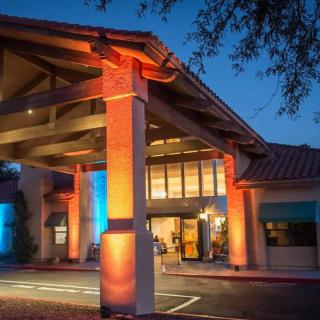
Dining

  • Diabetes diet Diabetes dietA diabetes diet is crucial for seniors as it helps manage blood sugar levels, reduce risks of complications, and improve overall health and well-being. By following a balanced and nutritious diet tailored to their specific needs, seniors can better control their diabetes and enhance their quality of life.
  • Meals provided Meals provided"Meals provided" are crucial for seniors in assisted living communities as it ensures they have access to nutritious, balanced meals without the stress of meal planning and preparation. This can help promote overall health and well-being for seniors who may have limited mobility or cognitive abilities.
  • Special dietary restrictions Special dietary restrictionsSpecial dietary restrictions are important for seniors because age-related changes in metabolism and health conditions can make it difficult for their bodies to process certain foods. By following a diet tailored to their specific needs, seniors can maintain their overall health and well-being, manage chronic conditions, and reduce the risk of complications such as malnutrition or food interactions with medications.

Activities

  • Activities on-site Activities on-siteActivities on-site are important for seniors because they provide opportunities for socialization, mental stimulation, physical activity, and overall well-being. Engaging in activities can help seniors stay active, maintain their independence, and improve their quality of life.
  • Community-sponsored activities Community-sponsored activitiesCommunity-sponsored activities are important for seniors as they provide opportunities for social interaction, mental stimulation, and physical activity. These activities can help improve overall well-being, combat loneliness and isolation, and promote a sense of belonging and purpose among older adults.
  • Devotional activities offsite Devotional activities offsiteDevotional activities offsite are important for seniors because they provide social engagement, spiritual growth, and a sense of community outside of their living environment. This can improve overall well-being, mental health, and combat feelings of isolation or loneliness.
  • Scheduled daily activities Scheduled daily activitiesScheduled daily activities are important for seniors because they provide structure, socialization, mental stimulation, and physical activity. Engaging in regular activities can improve overall well-being and quality of life for seniors living in a community setting.

Description

Hummingbird Assisted Living Home in Tucson, AZ is a warm and welcoming board and care home that provides exceptional care services for seniors. Our community offers a comfortable and fully furnished living space with amenities such as cable or satellite TV, Wi-Fi/high-speed internet, and telephone services, allowing residents to stay connected with their loved ones.

At Hummingbird Assisted Living Home, we prioritize the well-being of our residents by providing assistance with activities of daily living, ambulatory care, bathing, dressing, and transfers. Our dedicated staff works closely with health care providers to ensure coordinated care for each resident's specific needs.

Residents at Hummingbird Assisted Living Home enjoy nutritious meals provided in our dining room, tailored to accommodate special dietary restrictions such as diabetes diets. Additionally, our community organizes community-sponsored activities and devotional activities offsite to promote social engagement and spiritual well-being.

The convenient location of our community offers easy access to various amenities nearby. With 5 cafes, 1 park, 6 pharmacies, 4 physicians' offices, 16 restaurants, 11 transportation options, 3 places of worship, 1 theater nearby along with the proximity to 4 hospitals; our residents have excellent access to essential services and entertainment options.

At Hummingbird Assisted Living Home in Tucson, AZ, we strive to create an enriching environment where seniors can receive personalized care while enjoying a fulfilling lifestyle.

Nearby Places of Interest

This part of Tucson, Arizona, offers a variety of amenities and services that cater to the needs of seniors. There are multiple pharmacies within a short distance, making it convenient to access medications and healthcare supplies. In addition, there are several reputable hospitals and medical centers nearby for any health-related needs. The area also has a selection of restaurants, cafes, and places of worship for socializing and spiritual support. Transportation options are easily accessible with nearby airports and aviation services. Overall, this neighborhood provides a balanced mix of convenience, healthcare facilities, dining options, and recreational activities such as parks and theaters for seniors looking to settle in a welcoming community in Tucson.

Restaurants

  • McDonald's (0.4 miles)
  • Blake's Lotaburger (0.6 miles)
  • IHOP (0.6 miles)
  • Burger King (0.6 miles)
  • In-N-Out Burger (2 miles)
  • Desert Diamond Casino bingo hall (2.9 miles)
  • Desert Diamond Buffet (2.9 miles)

Pharmacies

  • CVS Pharmacy (0.5 miles)
  • Fry's Pharmacy (0.7 miles)
  • Walgreens (1.6 miles)
  • Walgreens (1.7 miles)
  • Fry's Pharmacy (2.1 miles)
  • Walgreens (3.9 miles)
  • Safeway Pharmacy (6 miles)

Cafes

  • Starbucks (0.6 miles)
  • Dutch Bros Coffee (0.6 miles)
  • The Diamond Cafe (2.9 miles)
  • Starbucks (4.4 miles)
  • Dutch Bros Coffee (4.8 miles)
  • Exo Roast Co. (5.4 miles)
  • Cartel Coffee Lab (5.9 miles)

Physicians

  • Midvale Medical Center (0.7 miles)
  • Children's Medical Center of Tucson (0.8 miles)
  • Savahcs Saguaro Clinic (3.6 miles)
  • Clinica Del Alma (3.9 miles)
  • UAMC South Campus Outpatient Clinics (5 miles)
  • El Rio Health Center (5.6 miles)
  • Behavioral Awareness Center (5.8 miles)

Parks

  • Cardinal Neighborhood Park (1.8 miles)
  • Reid Park (6.8 miles)
  • Joaquin Murrieta Park (6.9 miles)

Places of Worship

  • Apostolic Bethel Temple (2.1 miles)
  • Franciscan Friars (2.4 miles)
  • Mission San Xavier del Bac (2.4 miles)
  • St Augustine Cathedral (5.7 miles)
  • Islamic Center Tucson (7 miles)

Transportation

  • Ascent Aviation Services (2.9 miles)
  • Skywest (3.9 miles)
  • Lazar Enterprises (3.9 miles)
  • Tucson Airport Executive Terminal - TIA Tower (4 miles)
  • Concourse B (4.1 miles)
  • Delta Airlines (4.2 miles)
  • Main Terminal (4.2 miles)

Hospitals

  • VA Medical Center (3.6 miles)
  • VA Hospital Building 80/Lab (3.7 miles)
  • Davita Kidney Care (3.9 miles)
  • University of Arizona Healthcare Hospital (5 miles)
  • St Mary's Hospital (5.9 miles)
  • Tucson Natural (7.1 miles)
  • Arizona Cancer Center (7.1 miles)

Theaters

  • Century Theaters at Tucson Marketplace (4.3 miles)

Frequently Asked Questions

Where is Hummingbird Assisted Living Home?

Nearby Communities

  • Echelon of Tucson

    Echelon of Tucson

    Tucson, AZ

    4.6 from 145 reviews
    $1,895 to $2,695 / month

    pro Responsive management and friendly, attentive staff in a clean, pleasant living environment.

  • Oakridge At Midvale

    Oakridge At Midvale

    Tucson, AZ

    4.7 from 3 reviews
    $1,700 to $2,300 / month

    pro Safe, clean, family-like care.

  • Casita Linda Adult Care Home

    Casita Linda Adult Care Home

    Tucson, AZ


    pro Small, personalized care for up to 5 residents.

  • Angels in Paradise Adult Care Home

    Angels in Paradise Adult Care Home

    Tucson, AZ

     
    $1,000 to $1,500 / month

    pro Affordable pricing relative to county/state averages (semi-private $1,000; private $1,500).

  • Rancho Verde Care Home Los Reales

    Rancho Verde Care Home Los Reales

    Tucson, AZ


    pro Personalized, home-like care with 24/7 supervision, diabetes-friendly meals, fully furnished rooms, and close access to healthcare and amenities.

  • Tender Haven

    Tender Haven

    Tucson, AZ

    3 from 1 review
    $2,300 to $2,800 / month

    pro Competitive pricing for semi-private and private rooms.

  • Marshall Home For Men

    Marshall Home For Men

    Tucson, AZ

    4.2 from 6 reviews
    $1,500 to $2,150 / month

    pro Friendly staff and good meals; supports low-income men, including veterans.

  • Park Avenue Health & Rehab Center

    Park Avenue Health & Rehab Center

    Tucson, AZ

     
    $4,020 to $4,770 / month

    pro Private rooms and strong rehab-focused care in a well-located Tucson setting.

  • Woodland Palms Memory Care Community

    Woodland Palms Memory Care Community

    Tucson, AZ

    4.7 from 89 reviews
    $4,295 to $4,995 / month

    pro Warm, caring staff with engaging activities in a welcoming environment.

Assisted Living in Nearby Cities

Related Resources

  • does medicaid pay for assisted livingUnderstanding Medicaid Coverage for Assisted Living: A Comprehensive Guide

    The guide outlines the complexities of Medicaid coverage for assisted living, highlighting significant state-to-state variations, limited coverage often restricted to personal care services, and the existence of specialized waivers for certain needs like memory care. It advises families to consult local Medicaid offices for options while emphasizing the importance of understanding state-specific regulations and facility policies.

  • does medicaid pay for assisted livingHow and When Medicaid May Cover Assisted Living Costs

    Medicaid coverage for assisted living varies by state and is primarily available to low-income individuals, with eligibility dependent on strict income and asset limits. Some states offer HCBS waivers for specific services in assisted living, but families must generally cover room and board costs, and should verify facility acceptance of Medicaid while considering potential waiting lists.

  • assisted living waiver programA Detailed Exploration of Assisted Living Medicaid Waivers Across the United States

    Medicaid waivers for assisted living services provide vital support for seniors and individuals with disabilities in need of long-term care, with varying state-specific eligibility criteria and benefits. These waivers cover personal care and case management but often do not fully cover room and board, leading to waiting lists for many applicants.