Desert Gardens Assisted Living and Memory Care Costs & Pricing
Desert Gardens Assisted Living and Memory Care offers its services at a competitive price point, with both private and studio room types priced at $4,500 per month. This rate notably exceeds the average costs for similar accommodations in Pima County, where the monthly expenses typically range from $3,332 for private rooms to $3,786 for studios. Comparatively, Arizona's statewide averages reflect similar trends, with private rooms averaging around $3,345 and studio options at approximately $3,829. While Desert Gardens' rates are higher than both county and state averages, they may encompass additional amenities or specialized care that can justify the premium pricing for residents seeking comprehensive support in a community-oriented environment.
Floor plans
Desert Gardens Assisted Living and Memory Care
Pima County
Arizona
Private
$4,500
$3,332
$3,345
Studio
$4,500
$3,786
$3,829
Memory care communities with a similar price nearby
from +$500 / mo
Angels Care Home
4.8 from 10 reviews
$5,000 to $5,500 / month
3.1 miles away
from -$205 / mo
Woodland Palms Memory Care Community
4.6 from 91 reviews
$4,295 to $4,995 / month
3.1 miles away
from -$400 / mo
Copper Canyon Transitional Assisted Living and Memory Care
Overall Review of Desert Gardens Assisted Living and Memory Care
common20 reviews mention this
Caregivers are responsive and involved
Residents and families consistently describe attentive, responsive caregivers and management.
Many reviews highlight caregivers who are kind and patient, with families feeling heard and supported. Several mention clear communication with updates and concern follow-through, including help coordinating questions and needs when family can’t be present. A few reviews also describe strong day-to-day involvement, including celebrations and welcoming family visits.
common7 reviews mention this
Meals feel home-cooked and plentiful
Families repeatedly mention home-cooked meals and consistently good food.
Food comes up often in the reviews as a standout part of the experience, with multiple people describing meals as delicious and home-cooked. Reviews also connect dining with special occasions, including holiday and birthday meals and treats. Even when discussing transitions from other places, families cite better meal quality and attention to dietary needs.
common4 reviews mention this
Activities keep residents engaged
Reviews frequently describe daily engagement through organized activities.
Several residents and families mention structured activities that help make days feel full, ranging from games and trivia to arts and music. Reviews also note that staff encourage participation and engagement, with residents spending time together in sitting or activity areas. In a few accounts, the community’s activity approach is tied to making transitions easier and keeping residents comfortable over time.
common6 reviews mention this
Cleanliness and a home-like feel
Reviews repeatedly describe a very clean, home-like environment.
A number of reviews emphasize cleanliness and an orderly facility, including residents and visitors noticing how well the home is maintained. Multiple people describe a warm, home-felt atmosphere—small enough to ease a move—and comfortable shared spaces for visitors and residents. The same theme appears in reviews that compare the experience positively to other facilities they considered or left.
differentiator4 reviews mention this
Dementia support is a key focus
Families mention memory-care support during worsening symptoms.
Several reviews specifically reference dementia care, describing staff helping residents through changes in behavior and supporting comfort as needs increased. A few accounts include end-of-life support and describe the care as compassionate and individualized. This aligns with the community offering memory-care programming and assistance with specialized needs tied to cognitive impairment and related diets.
How we summarize
Counts show how many written reviews mention each theme; a review can touch several themes, and only frequently mentioned themes are displayed.
Features
Housing
10 resident community capacity
Types of Care
Assisted Living
Board and Care Home
Memory Care
Pets
Dogs allowed
Amenities
Activities on-site
Bath tubs
Beautician on-site
Cable or satellite TV
Devotional services on-site
Dining room
Fully furnished
Garden
Ground floor units
Handicap accessible
Housekeeping services
Indoor common areas
Move-in coordination
Outdoor common areas
Outdoor space
Private
Private bathrooms
Respite or short term stays offered
Small library
Telephone
Wheelchair accessible showers
Wi-Fi/high-speed internet available
Transportation
Tucson International (12 miles away)
Care Services
24-hour supervision
Activities of daily living assistance
Assistance with bathing
Assistance with dressing
Assistance with transfers
Diabetes diet
Diabetic care
High acuity care
Incontinence care
Meal preparation and service
Medication management
Mental wellness program
Mild cognitive impairment
Special dietary restrictions
Specialized memory care programming
Dining
Anytime dining
Diabetes diet
Gluten-free
Guest meals
Kosher
Low / no sodium
Meals provided
No Sugar
Special dietary restrictions
Special dining programs
Vegan
Vegetarian
Activities
Art classes
Brain fitness
Community-sponsored activities
Devotional activities on-site
Gardening club
Karaoke
Light therapy programs
Live dance or theater performances
Live musical performances
Scheduled daily activities
Stretching classes
Tai Chi
Trivia games
Wine tasting
Yoga / chair yoga
Nearby Places of Interest
This part of Tucson, Arizona, offers a range of amenities and services that cater to the needs of seniors. With several pharmacies, physicians' offices, and hospitals in close proximity, accessing healthcare services is convenient and efficient. There are also a variety of dining options available, from fast food to sit-down restaurants, as well as cafes for socializing or enjoying a cup of coffee. In addition, there are parks nearby where seniors can enjoy outdoor activities and stay active. Places of worship provide spiritual support and community connections, while the local theater offers entertainment options for those looking to enjoy a movie. Overall, this area provides a well-rounded environment for seniors looking to make the most of their retirement years in Tucson.
Desert Gardens Assisted Living and Memory Care offers its services at a competitive price point, with both private and studio room types priced at $4,500 per month. This rate notably exceeds the average costs for similar accommodations in Pima County, where the monthly expenses typically range from $3,332 for private rooms to $3,786 for studios. Comparatively, Arizona's statewide averages reflect similar trends, with private rooms averaging around $3,345 and studio options at approximately $3,829. While Desert Gardens' rates are higher than both county and state averages, they may encompass additional amenities or specialized care that can justify the premium pricing for residents seeking comprehensive support in a community-oriented environment.
The features offered by Desert Gardens Assisted Living and Memory Care play a crucial role in supporting residents with dementia or Alzheimer's disease. The 24-hour supervision ensures that residents are always monitored, providing safety and security while reducing anxiety associated with memory loss. Assistance with activities of daily living, such as bathing and dressing, promotes dignity and comfort, allowing individuals to maintain their personal routines. Support with transfers minimizes the risk of falls, enhancing mobility and independence. Engaging residents through brain fitness activities stimulates cognitive function, which is vital for those experiencing mild cognitive impairment. Incontinence care, meal preparation and service tailored to dietary needs, and medication management contribute to overall health and well-being. Additionally, a dedicated mental wellness program along with specialized memory care programming creates an environment that fosters social interaction, emotional support, and cognitive engagement tailored specifically for individuals at various stages of dementia.
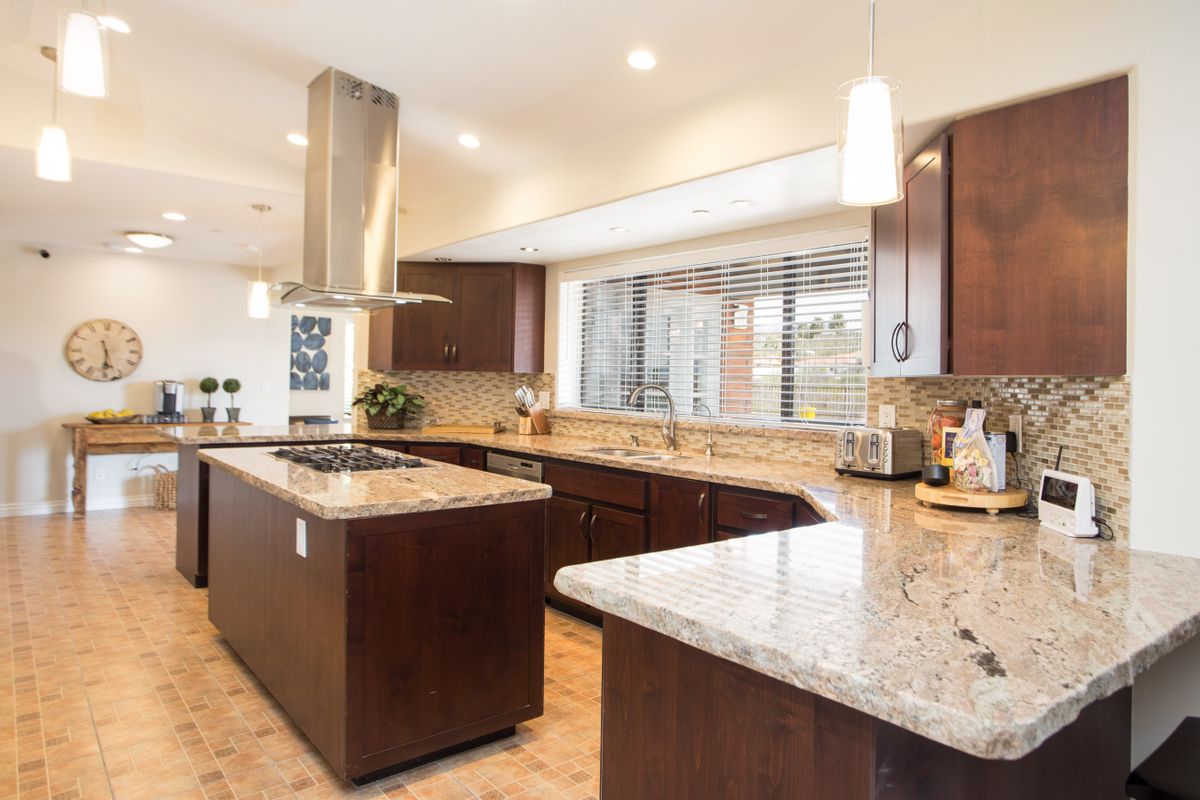
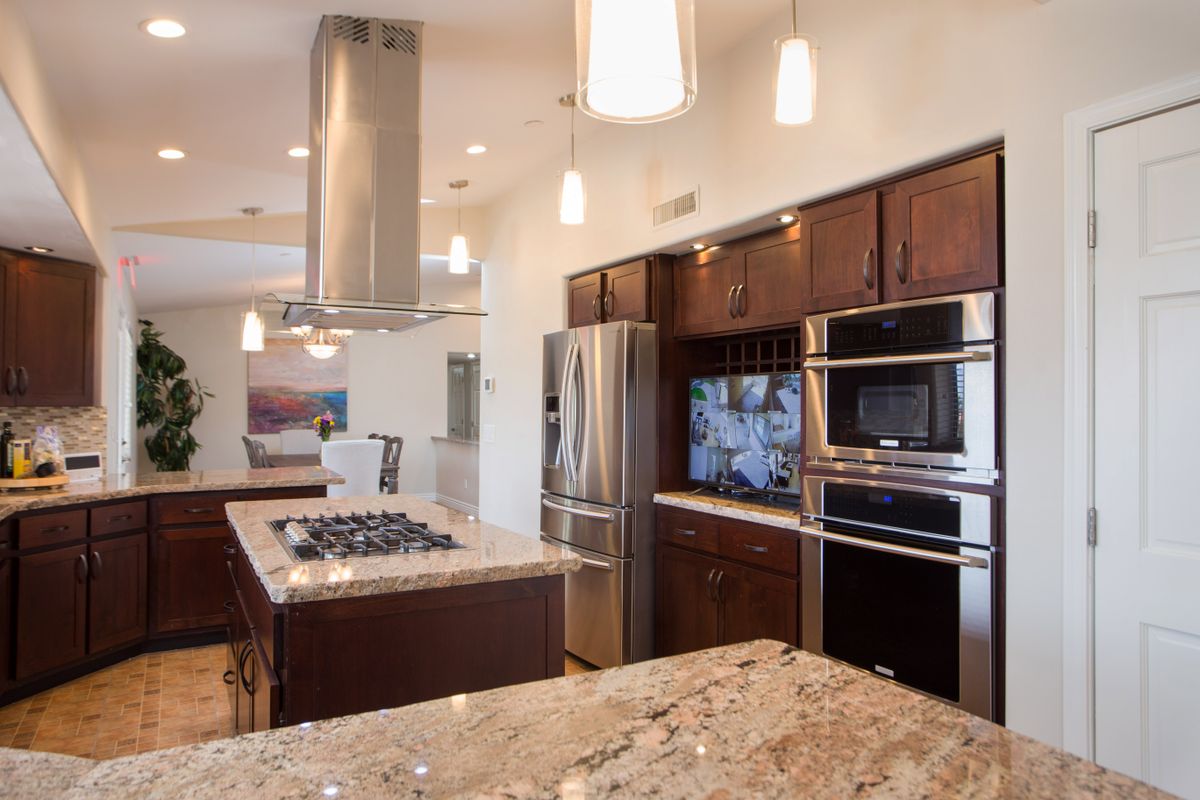
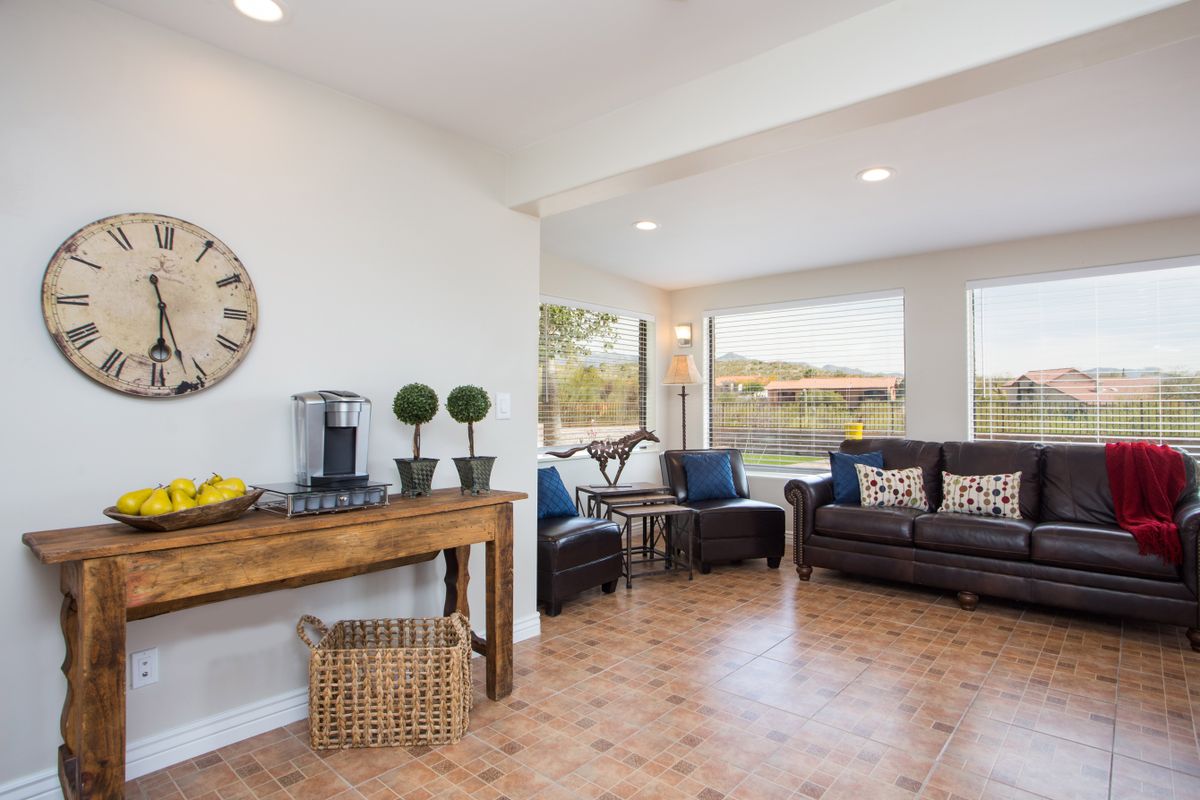
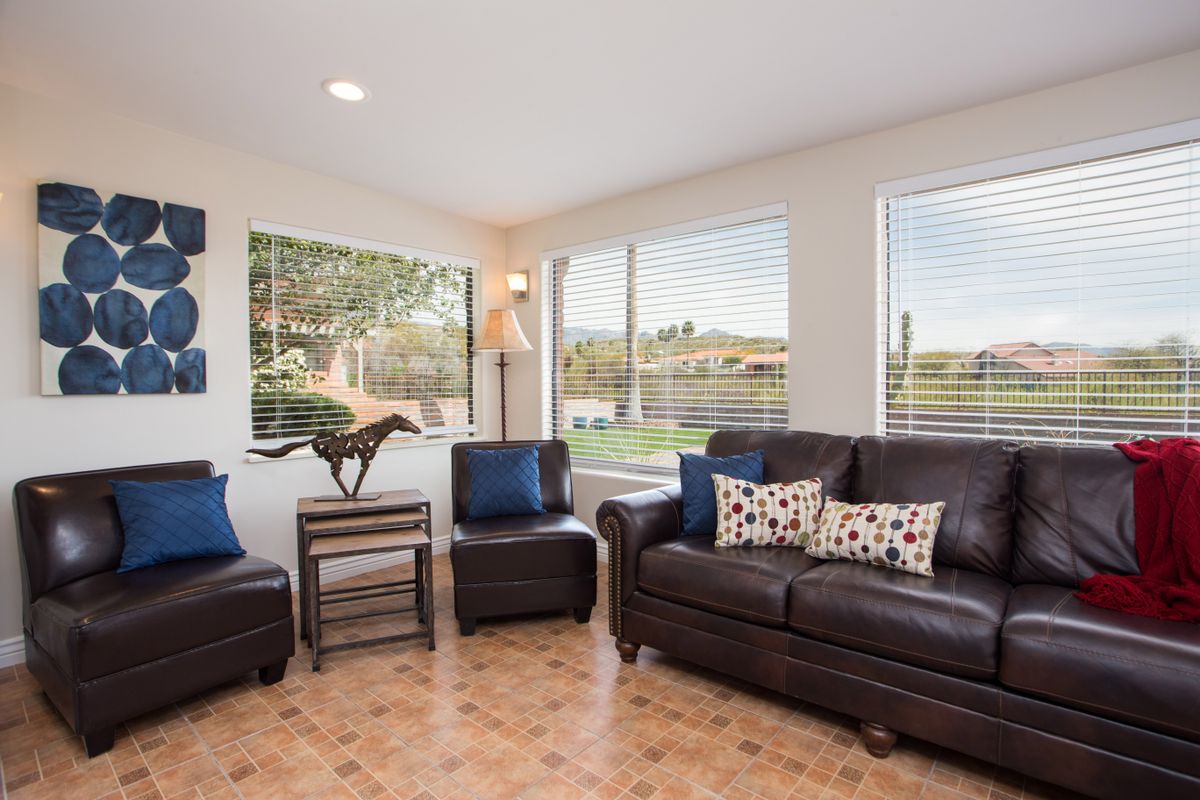
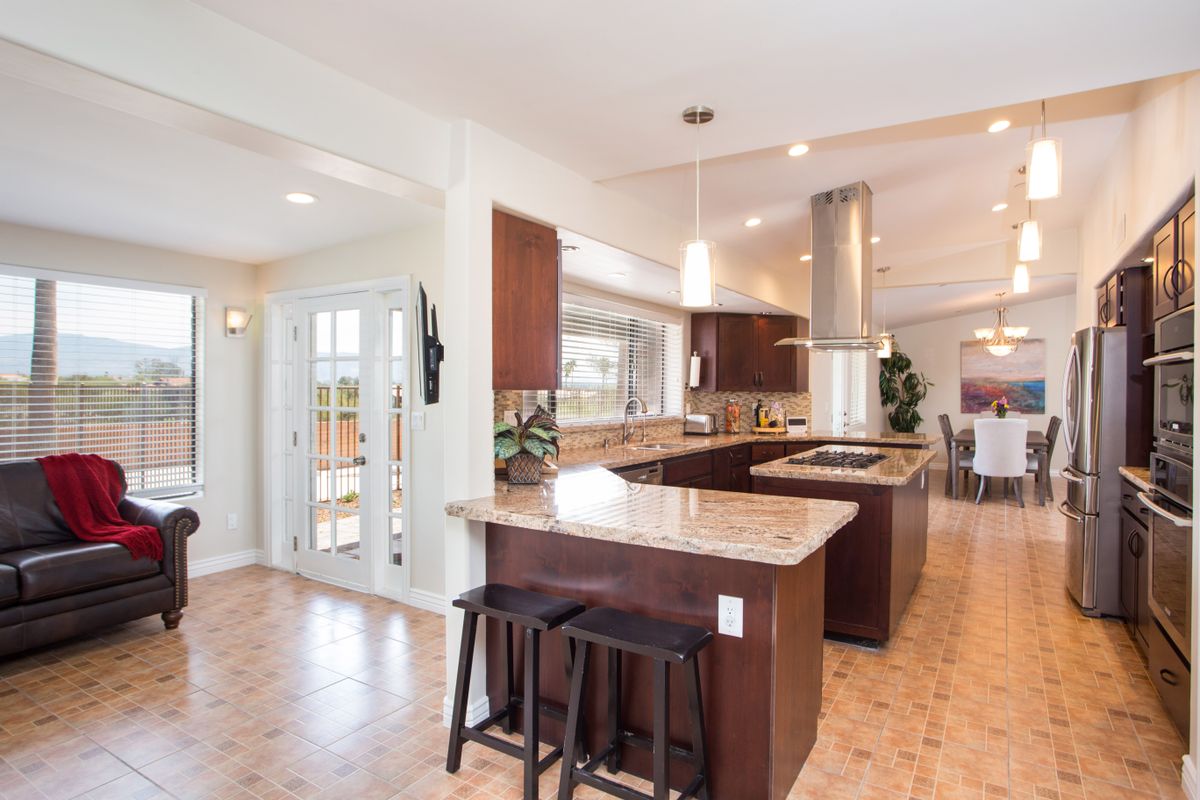
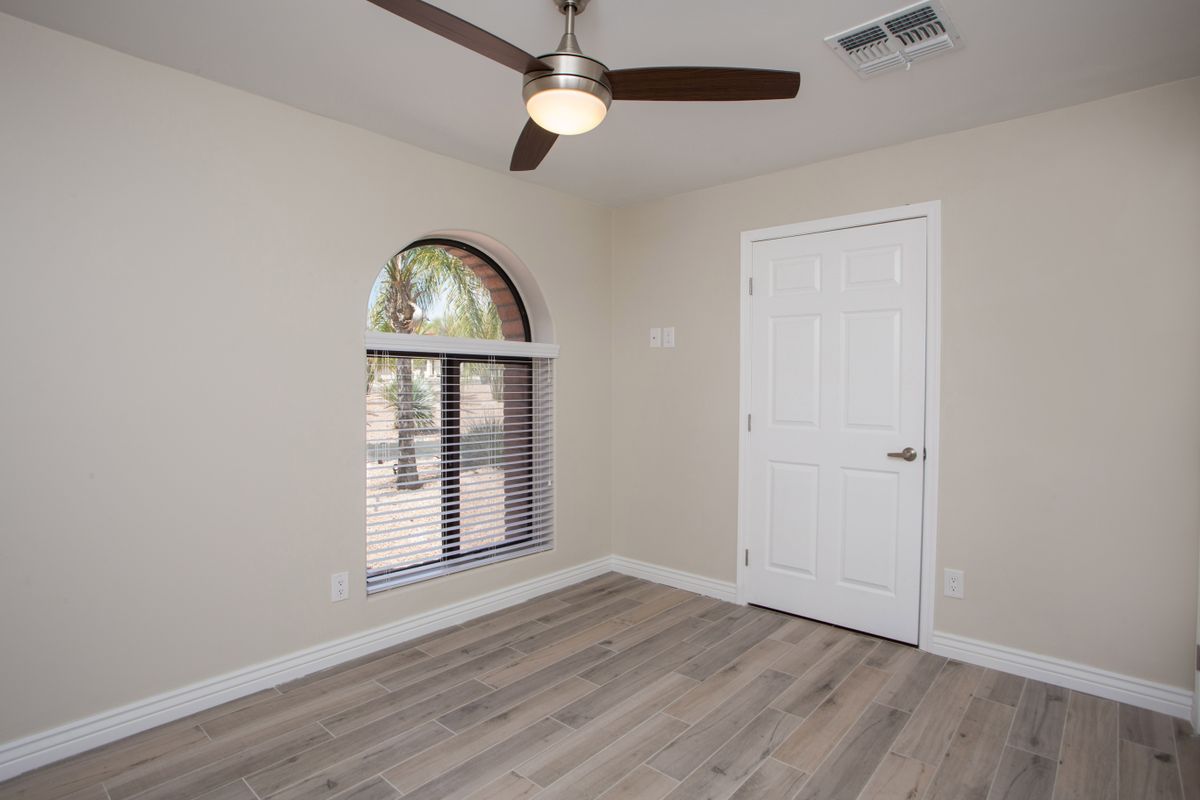
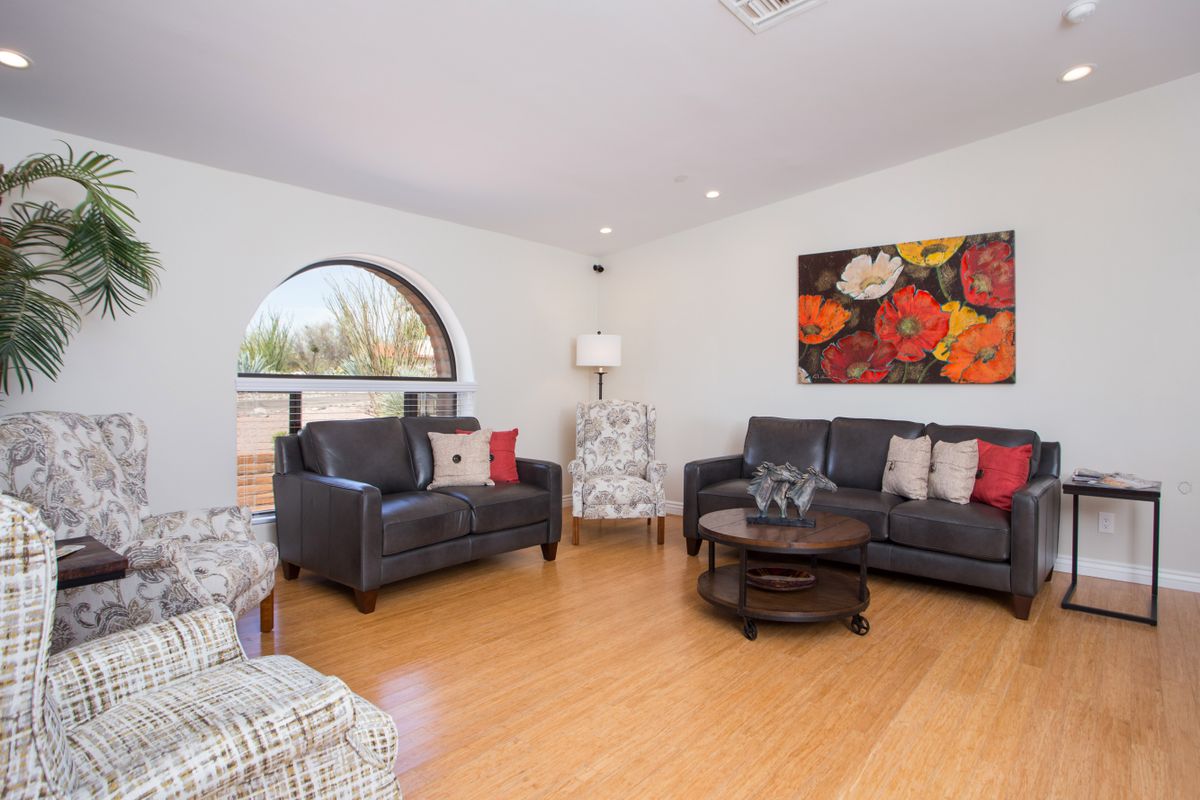
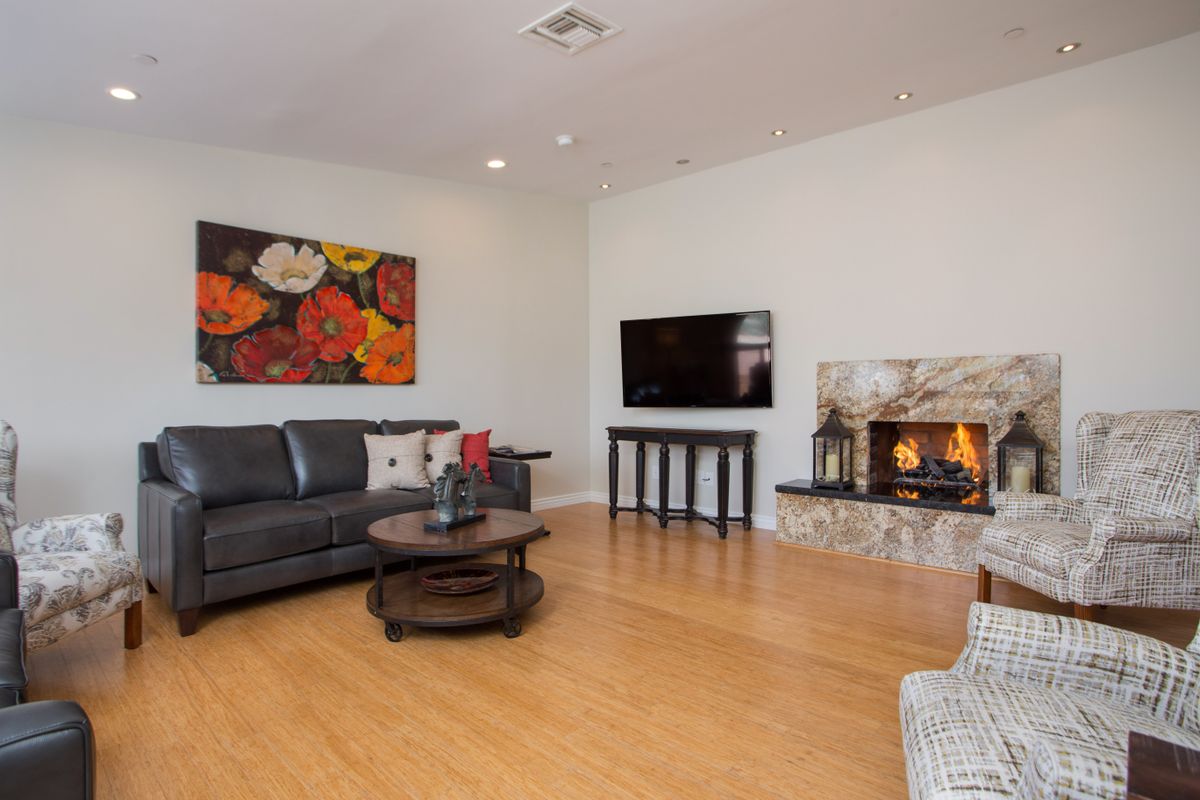
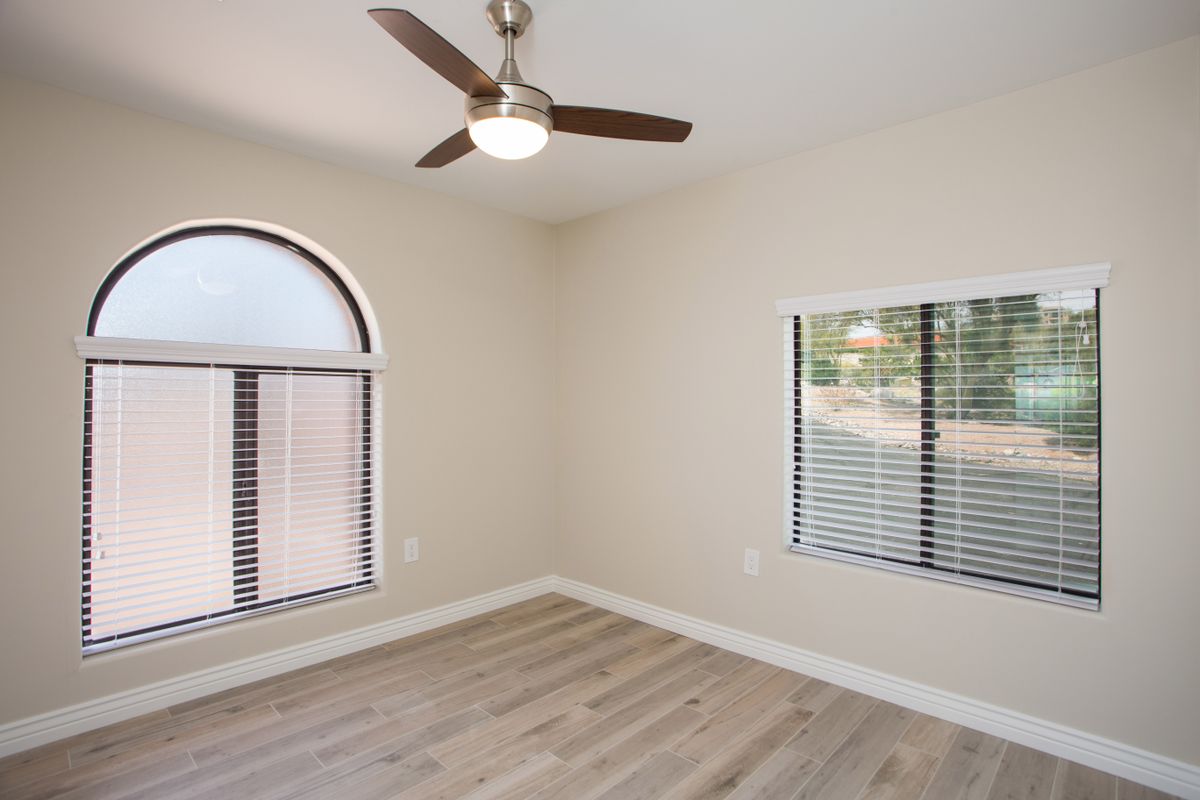
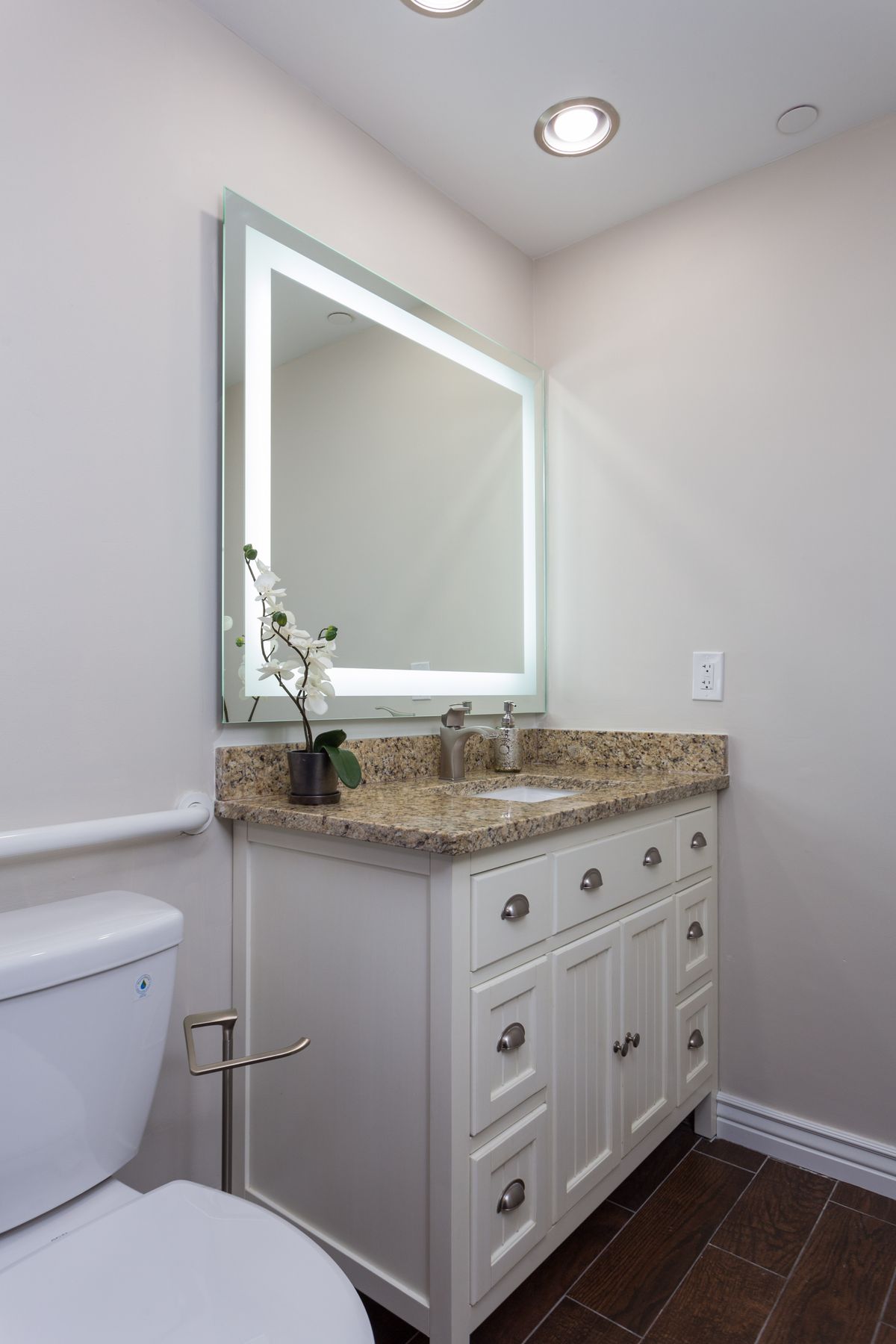
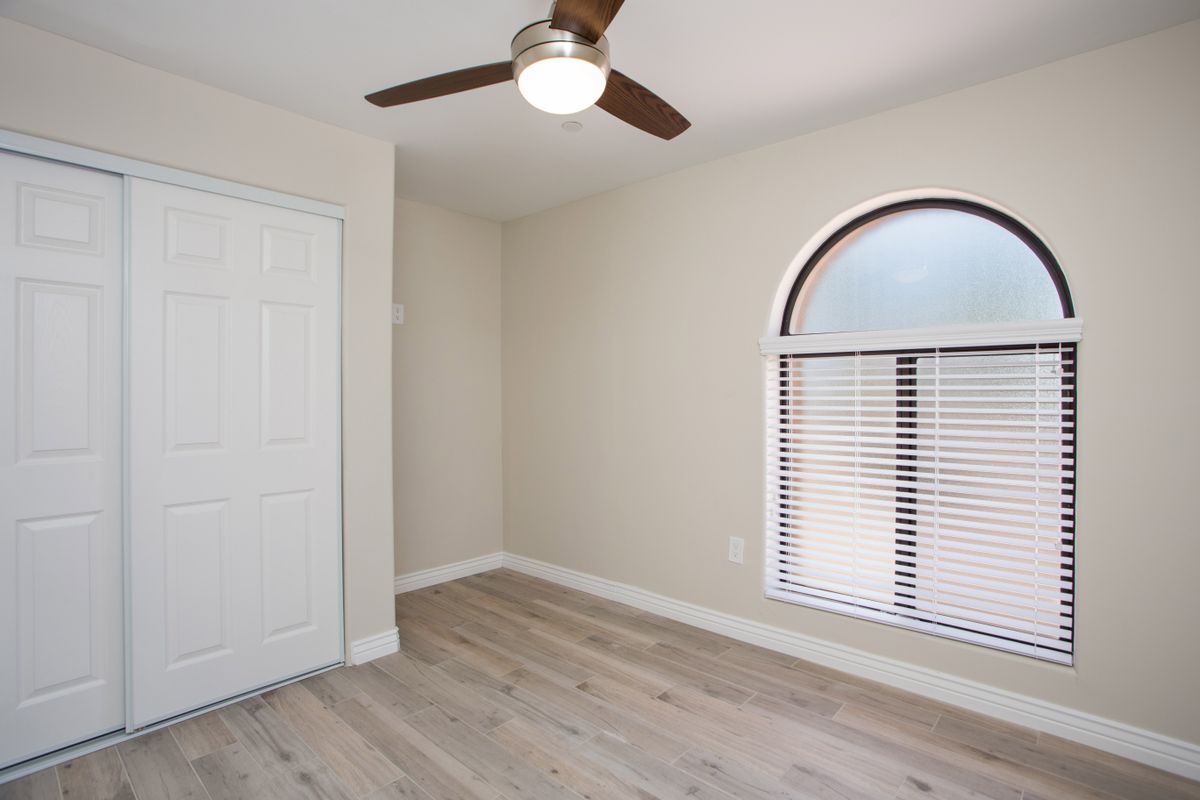
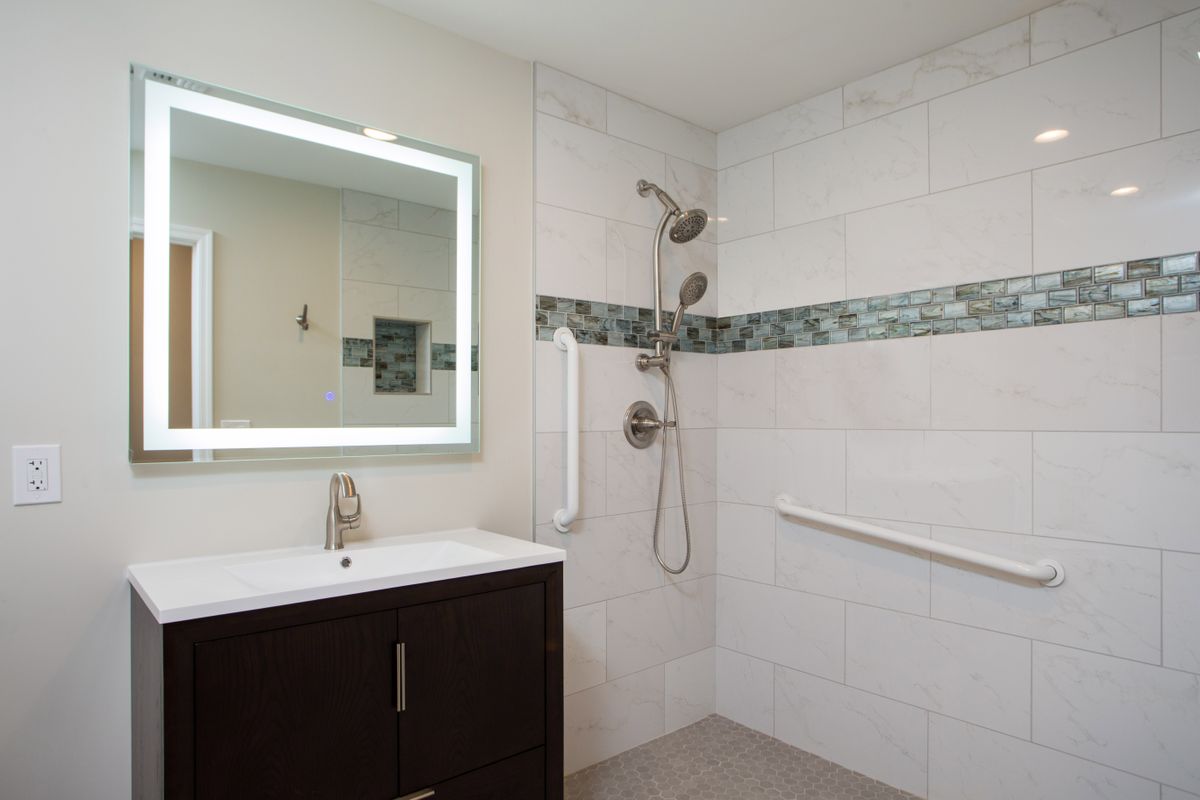
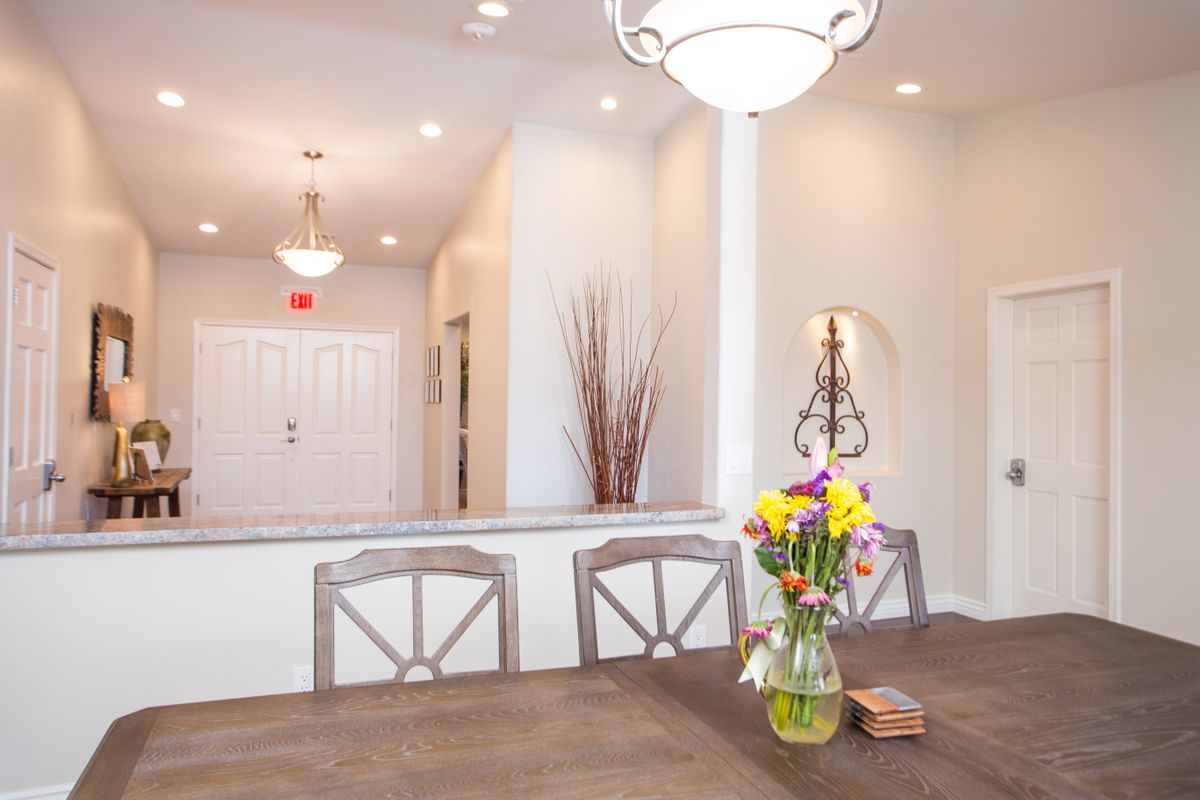
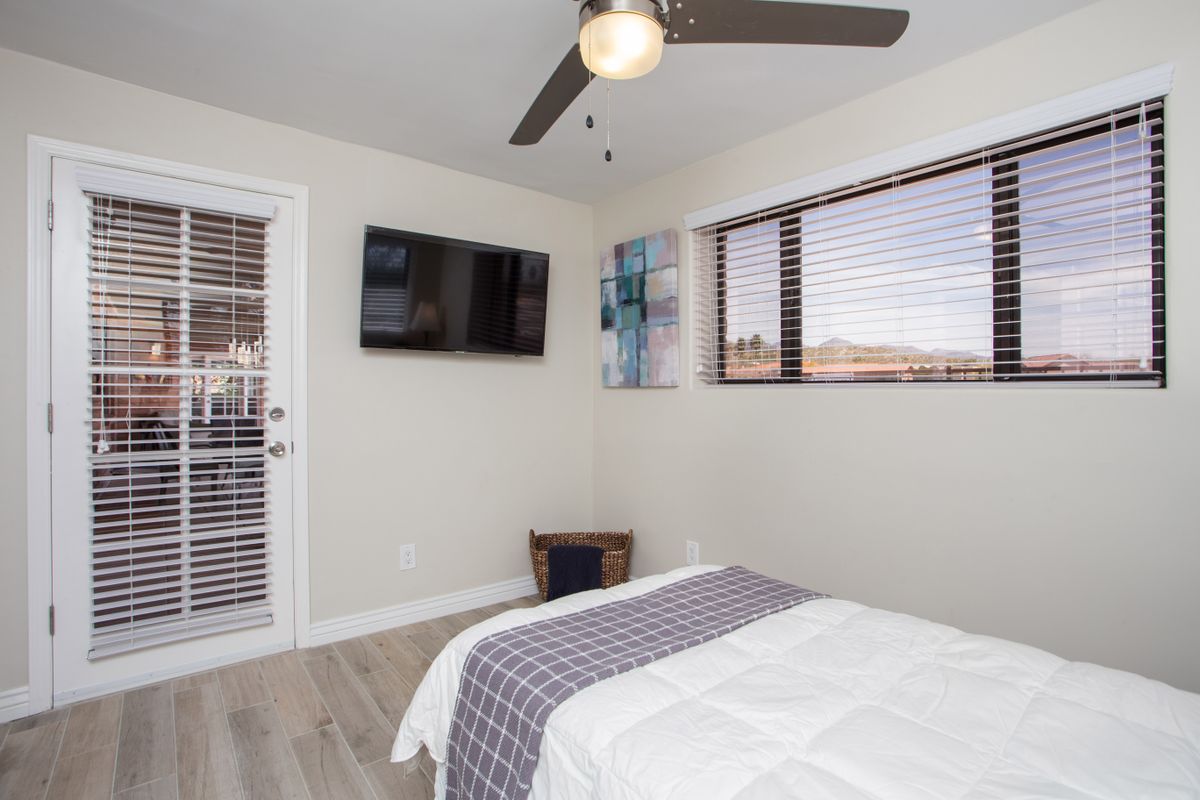
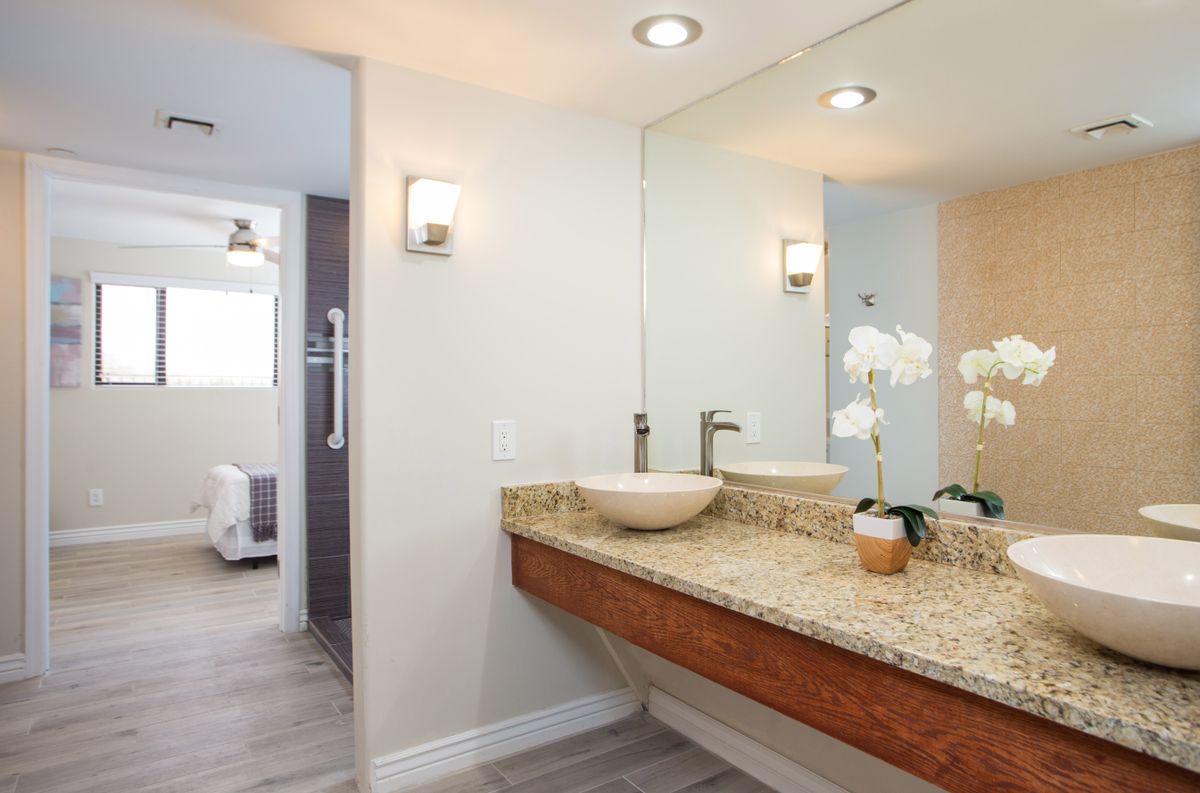
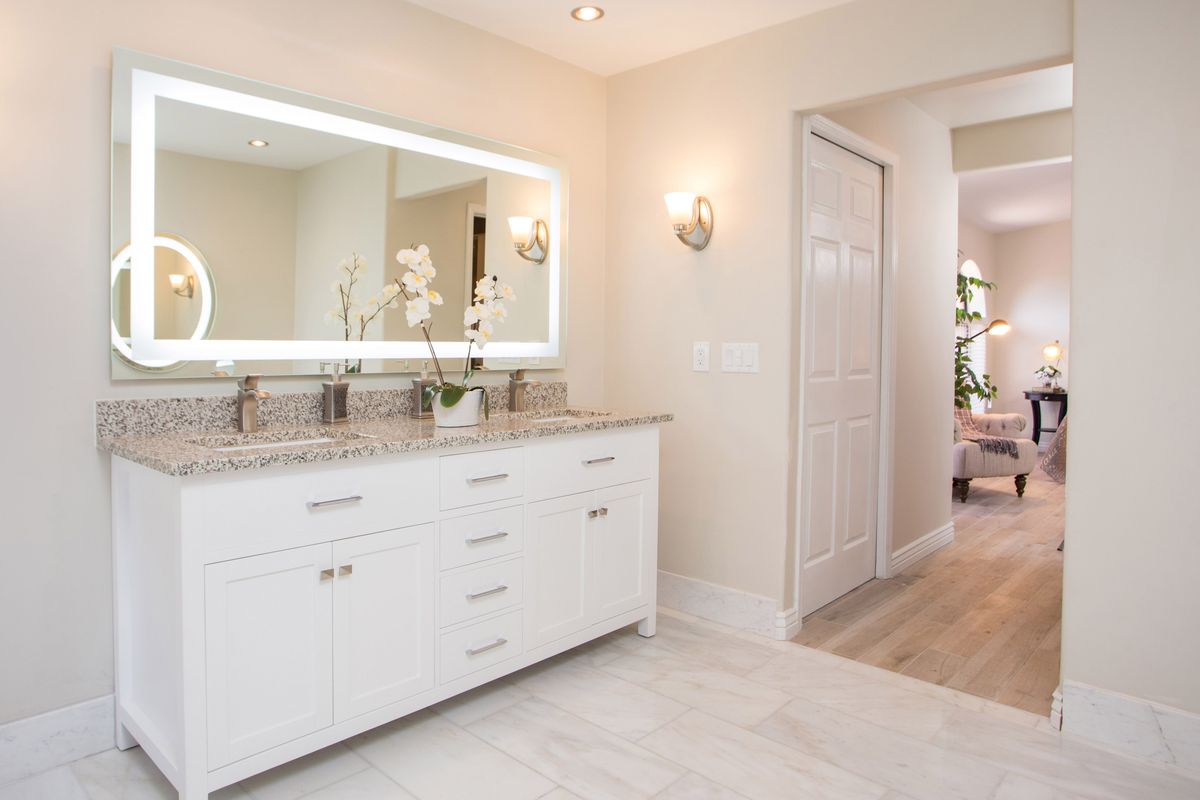
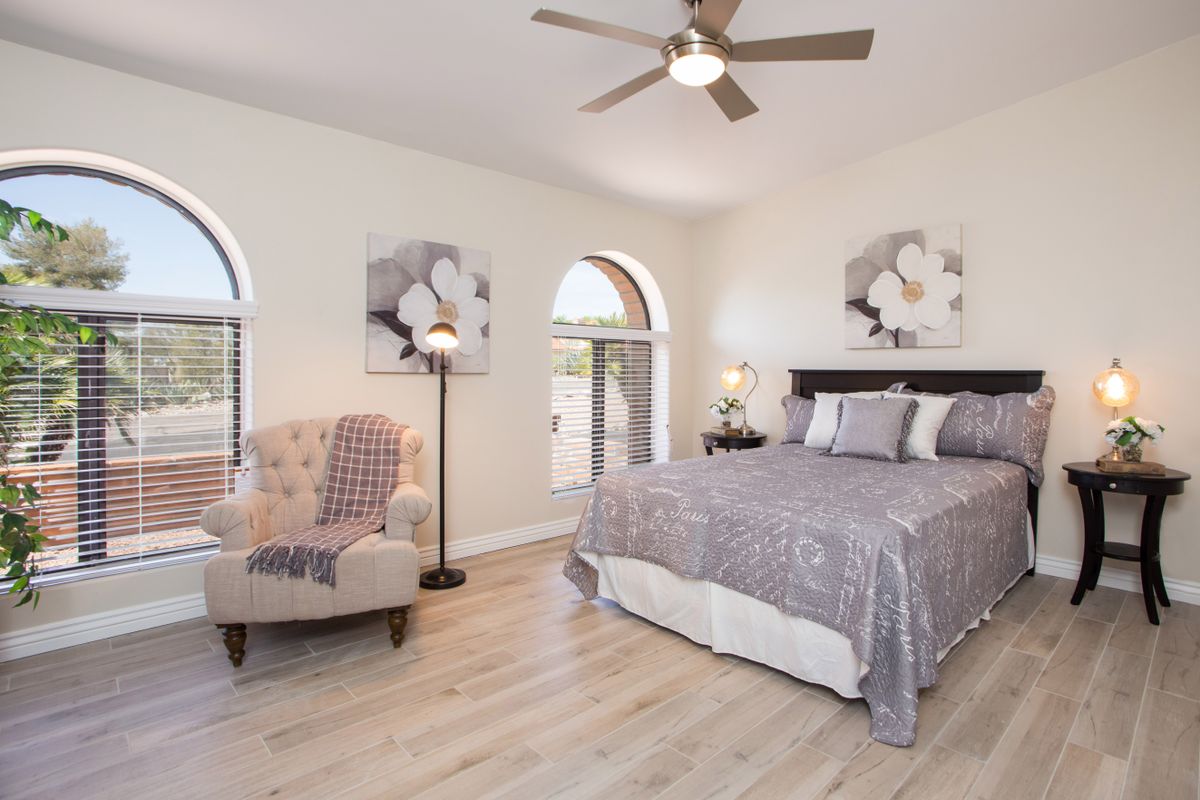
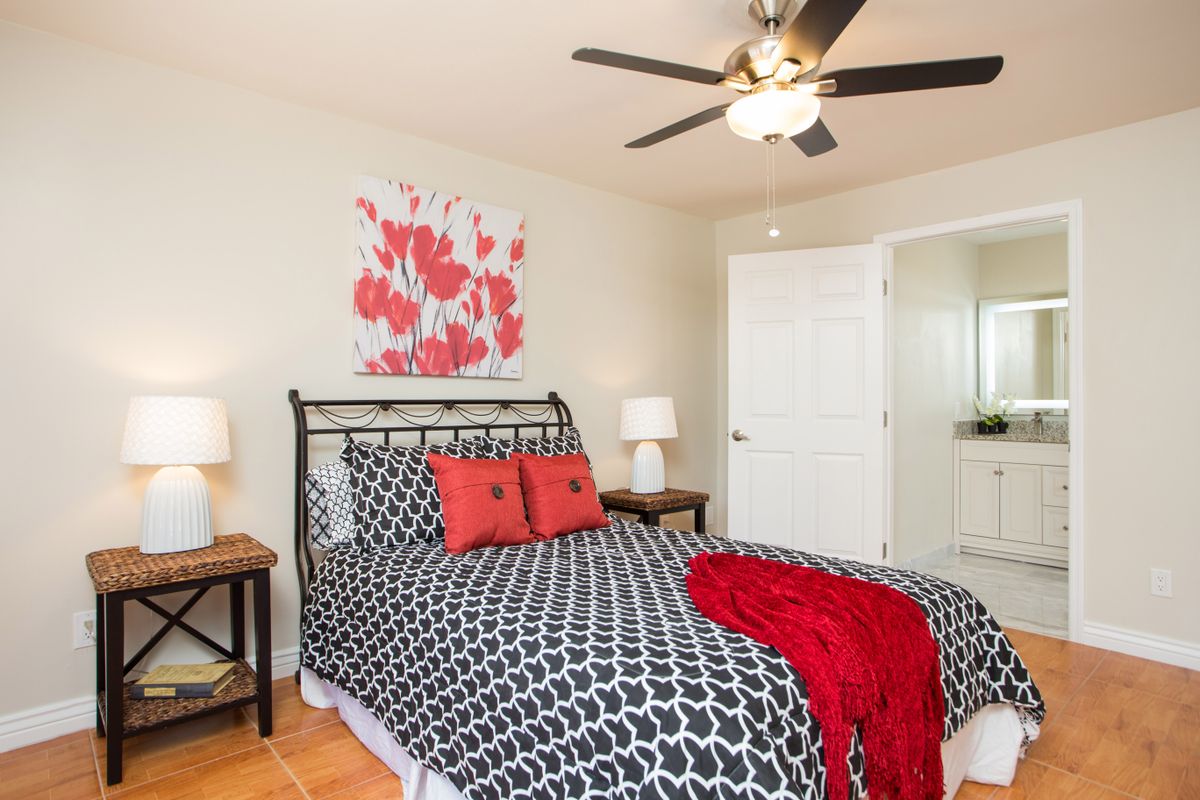
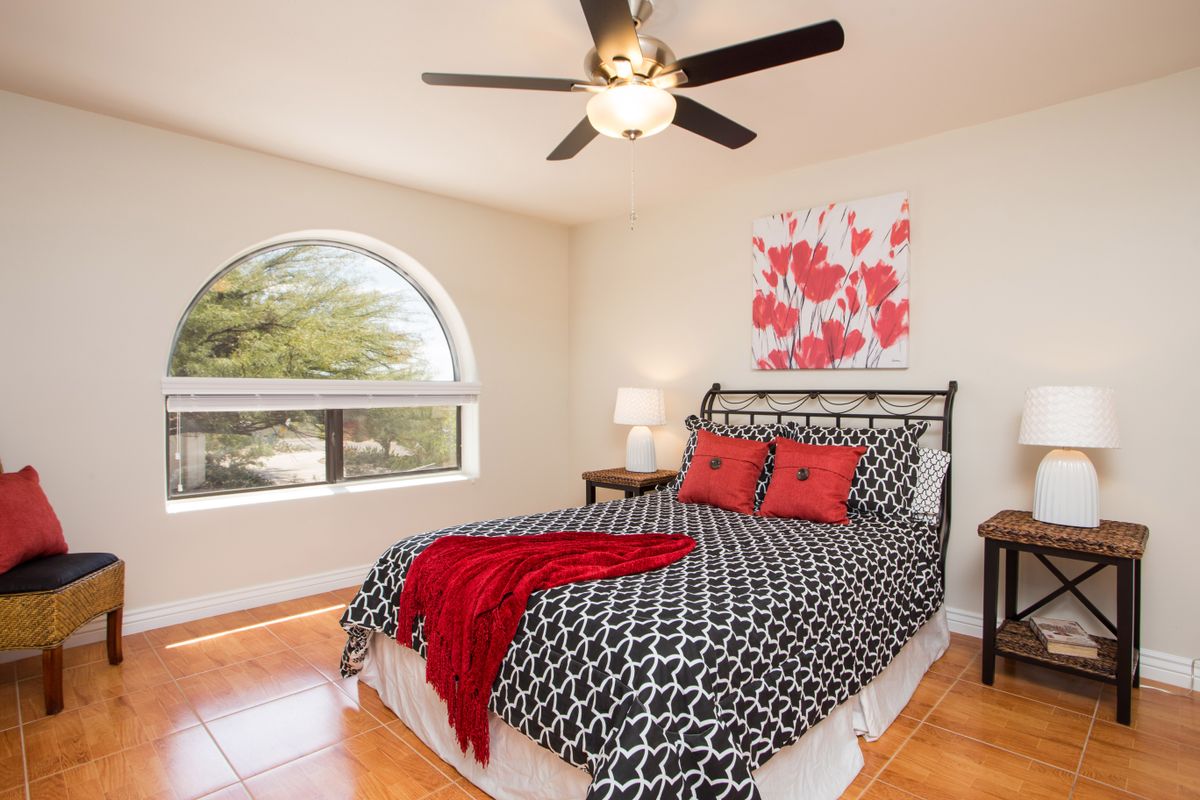
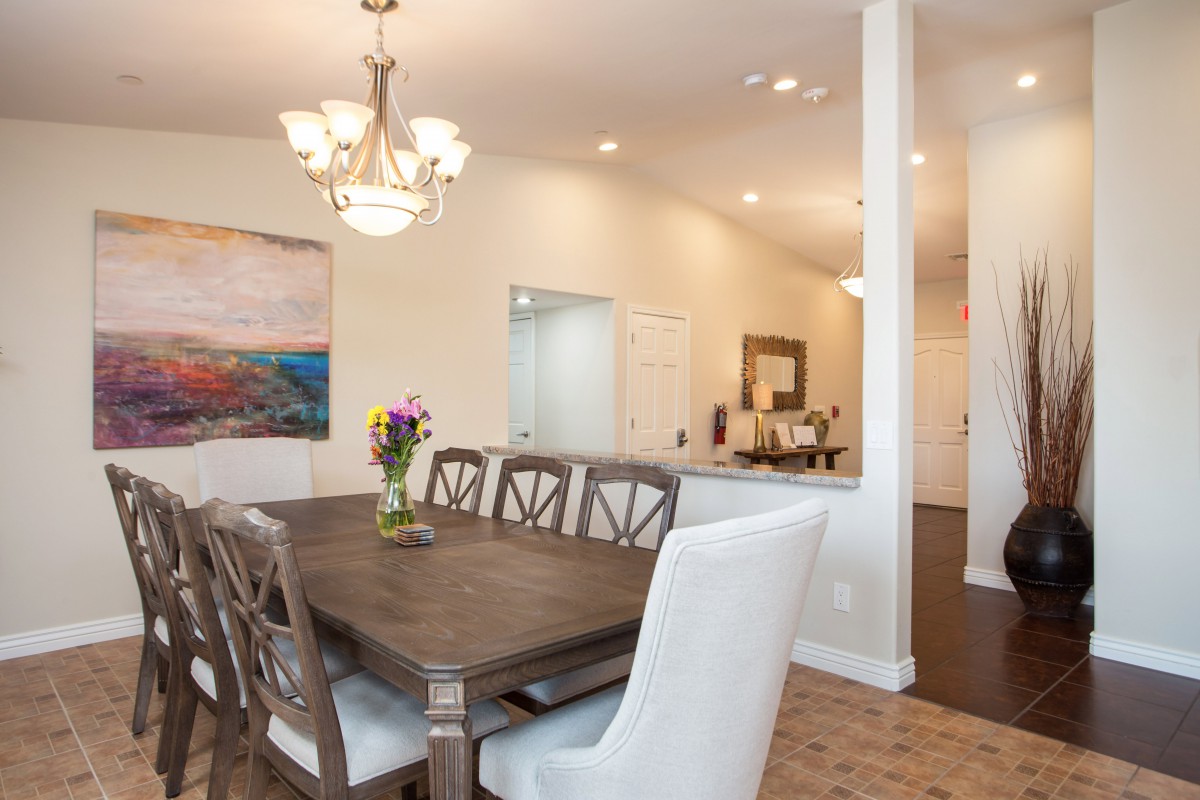
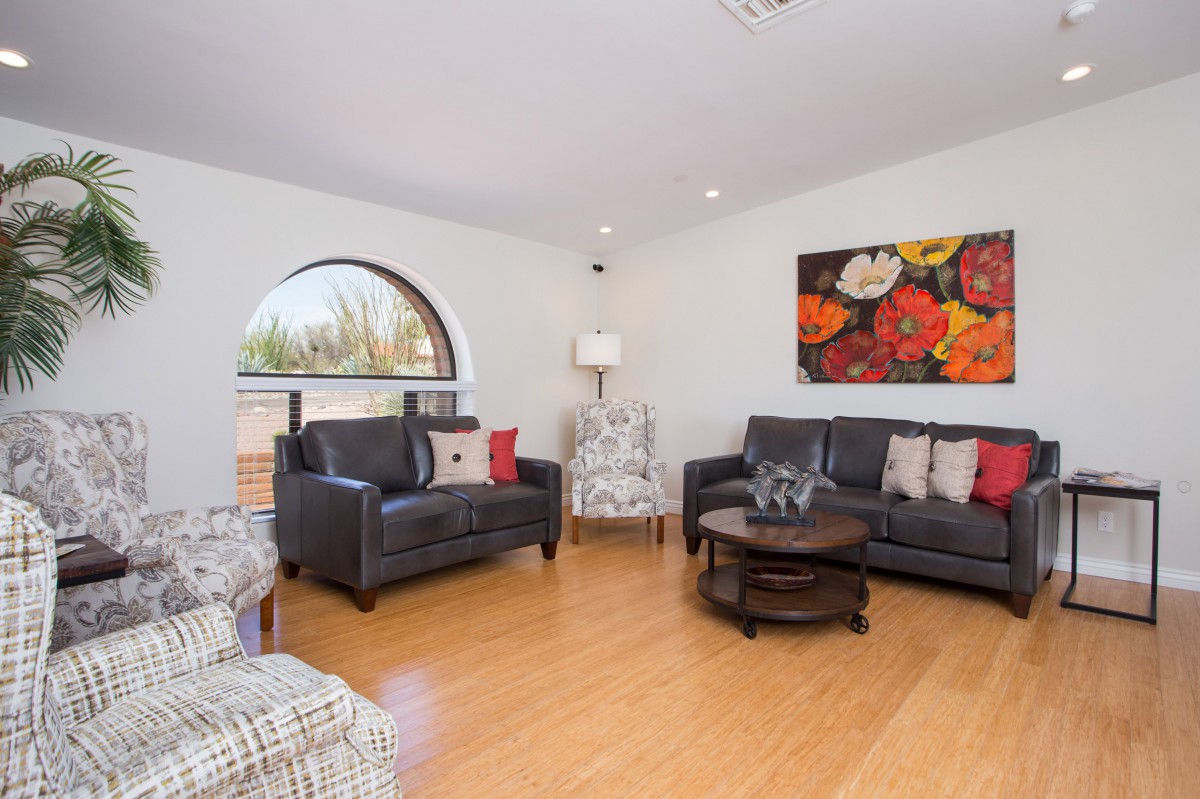
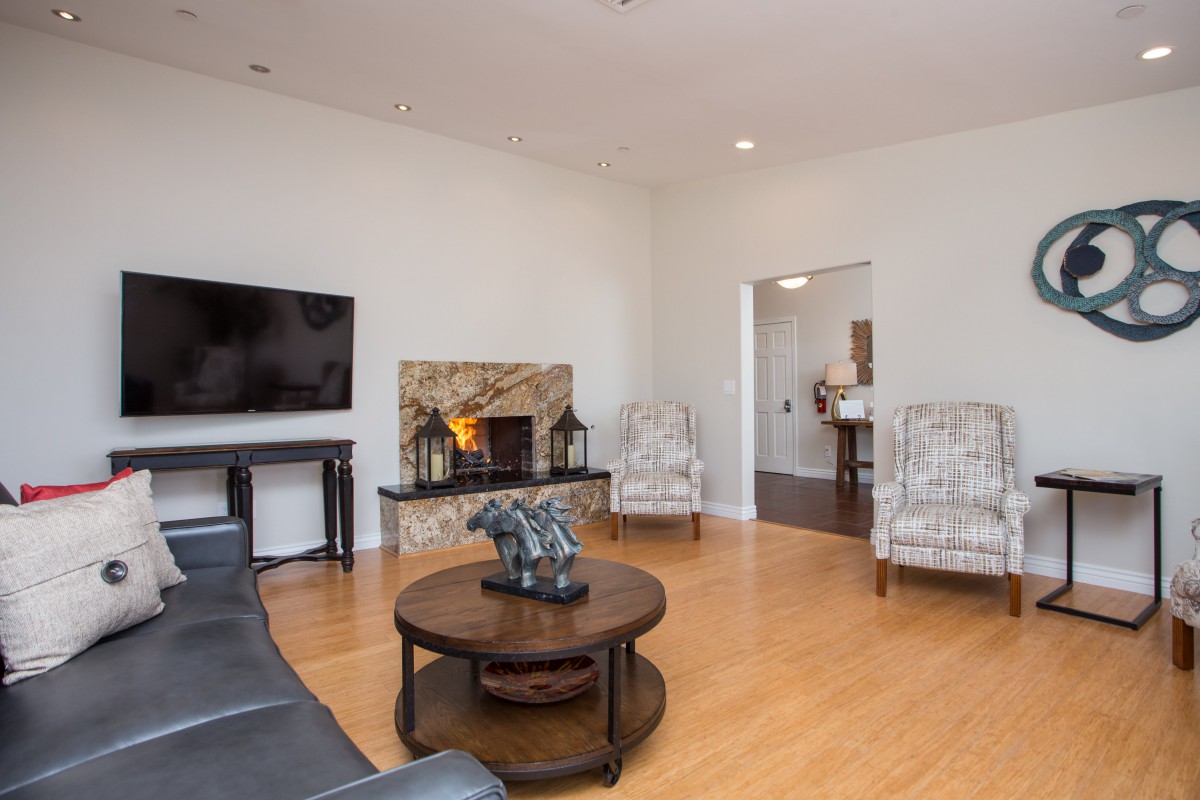
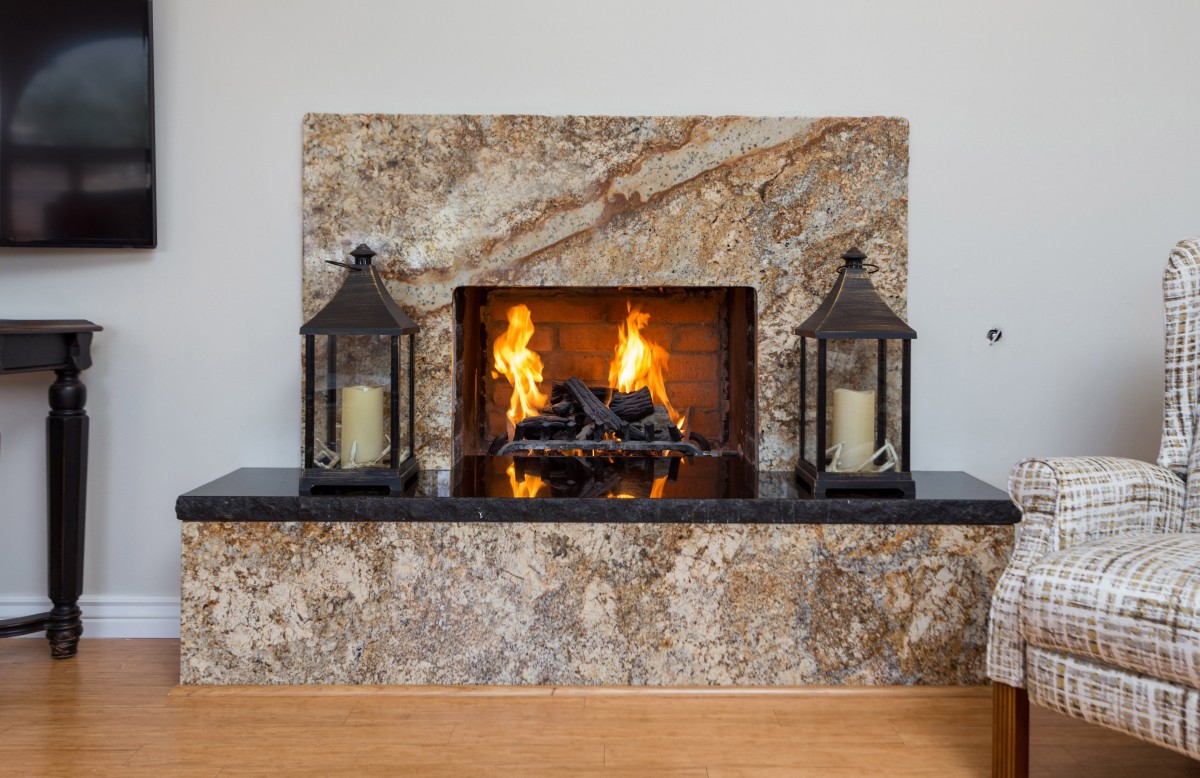
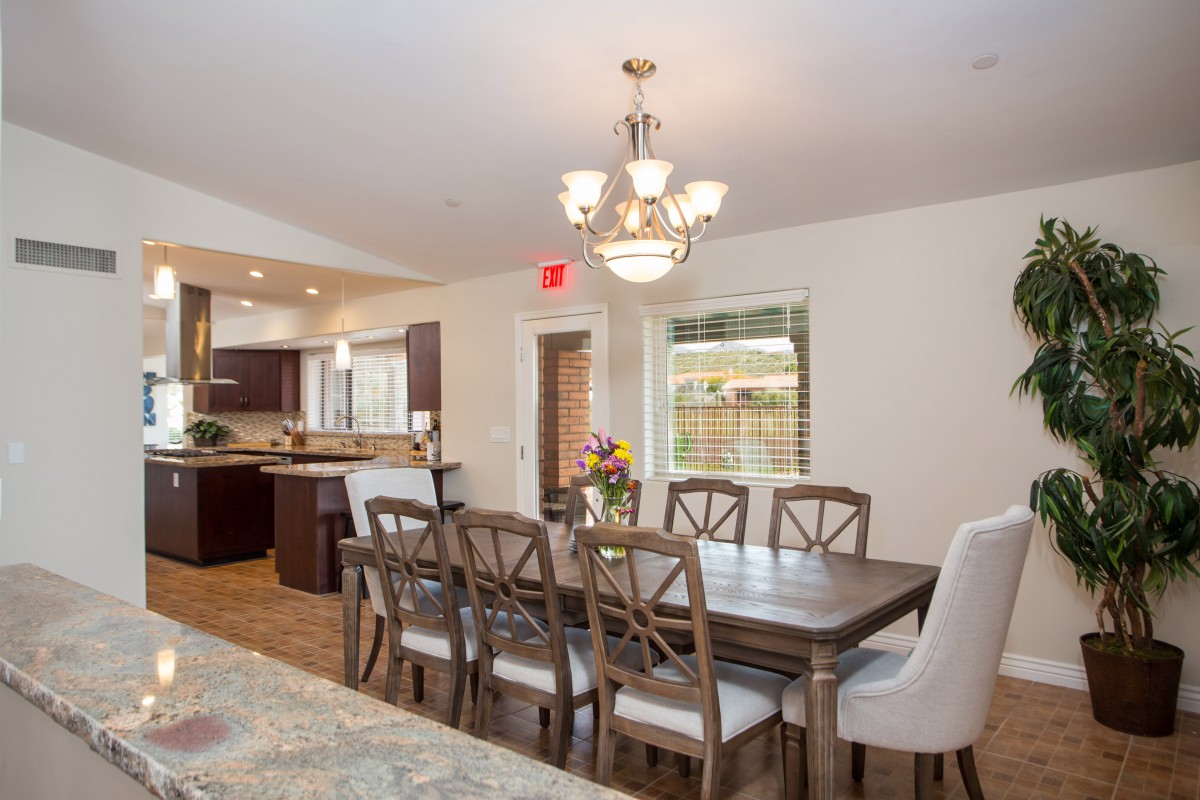
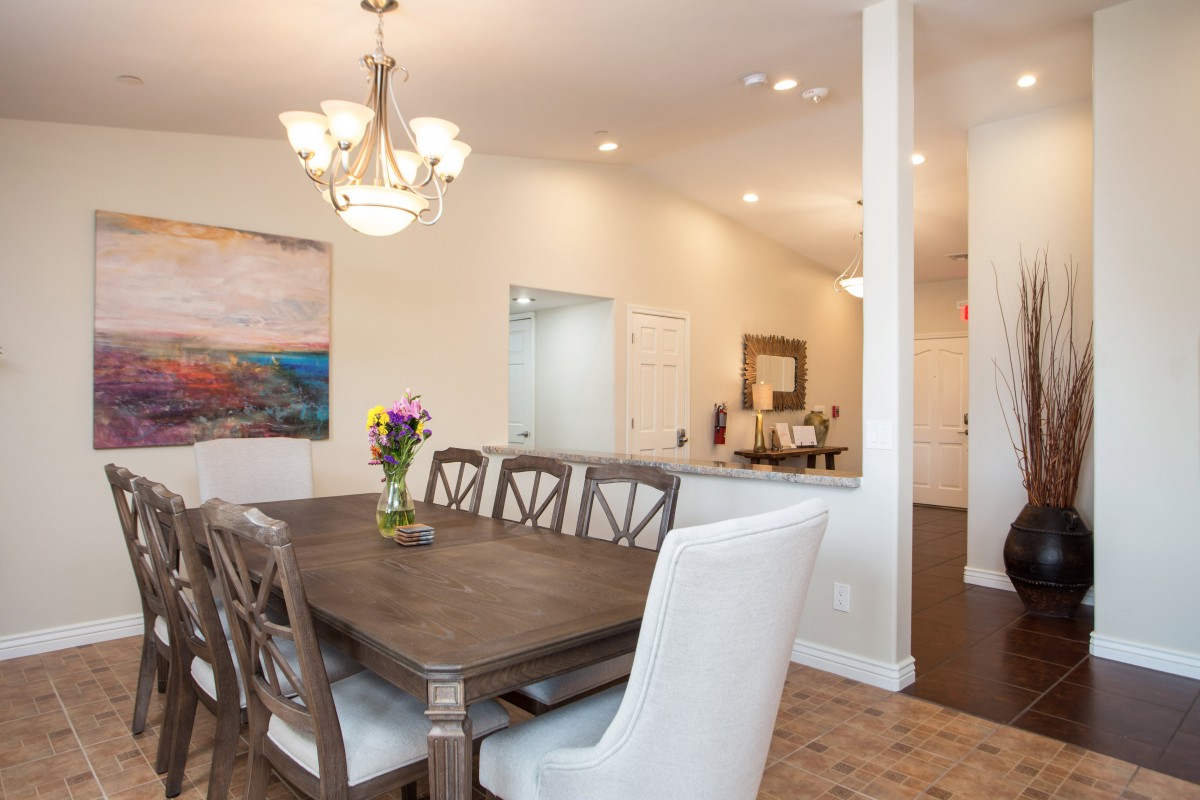
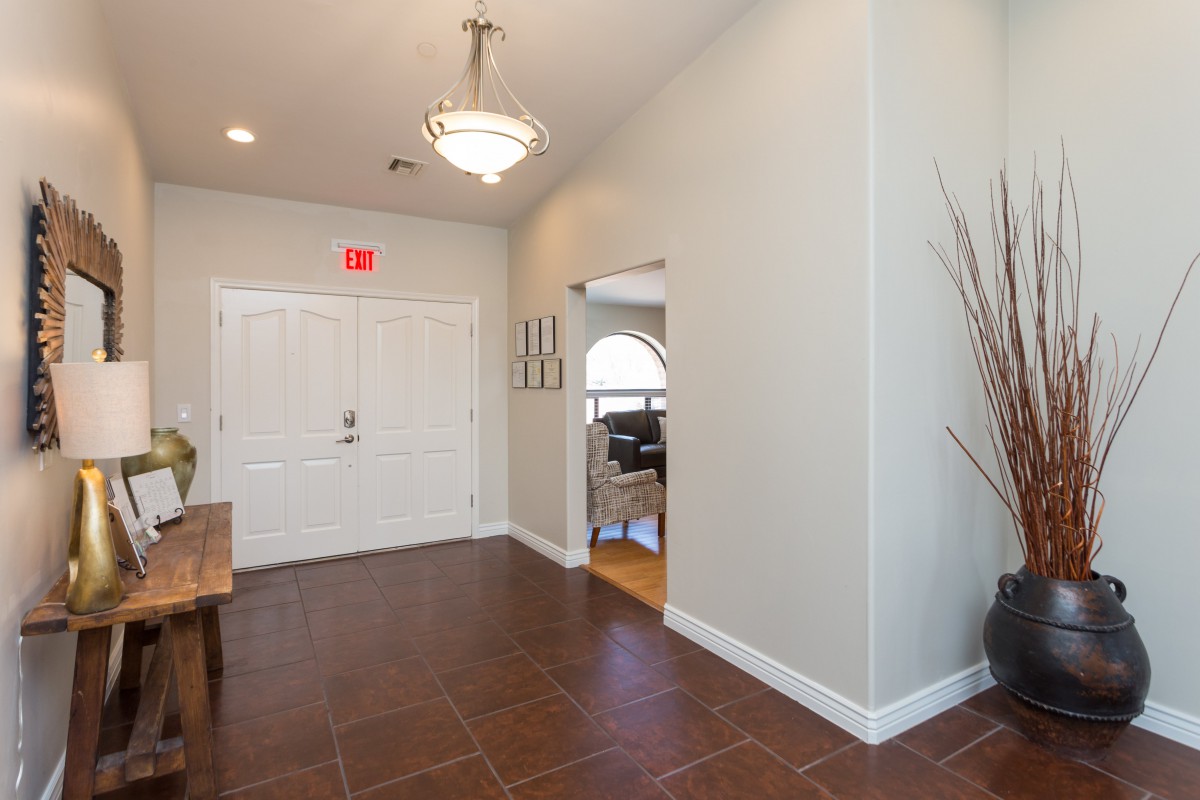
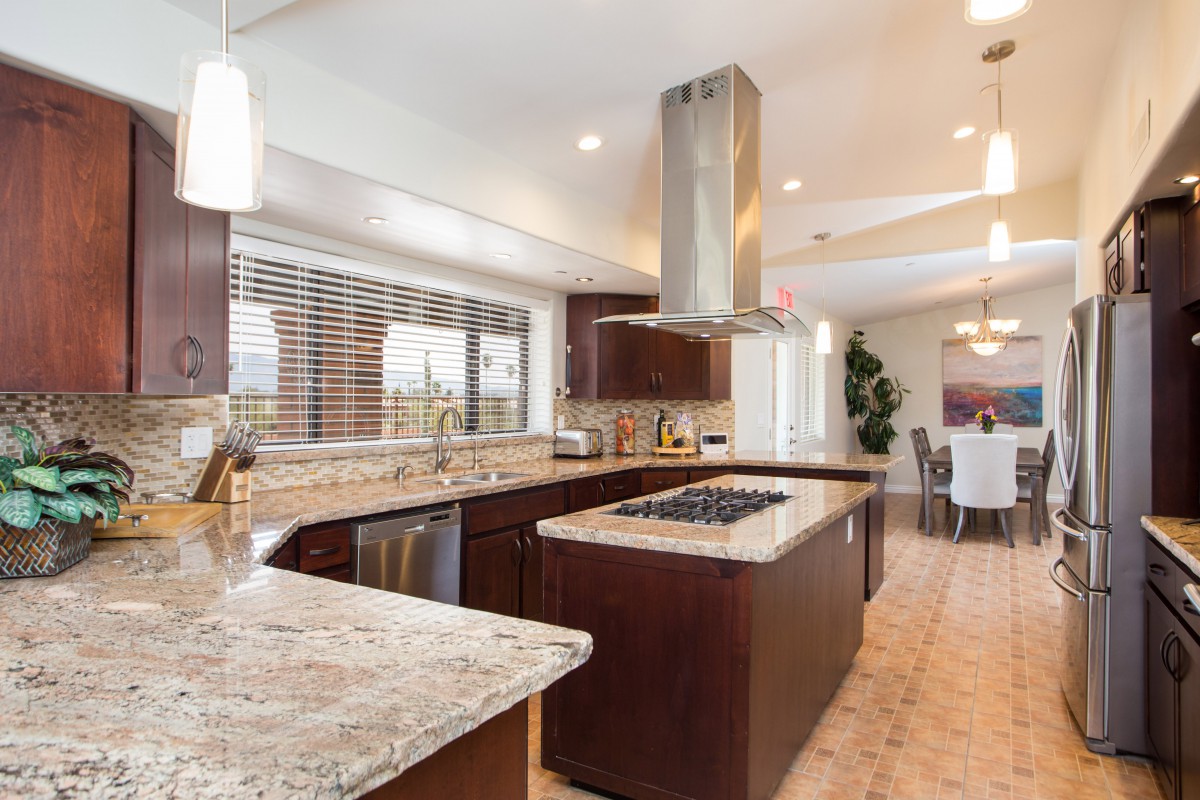
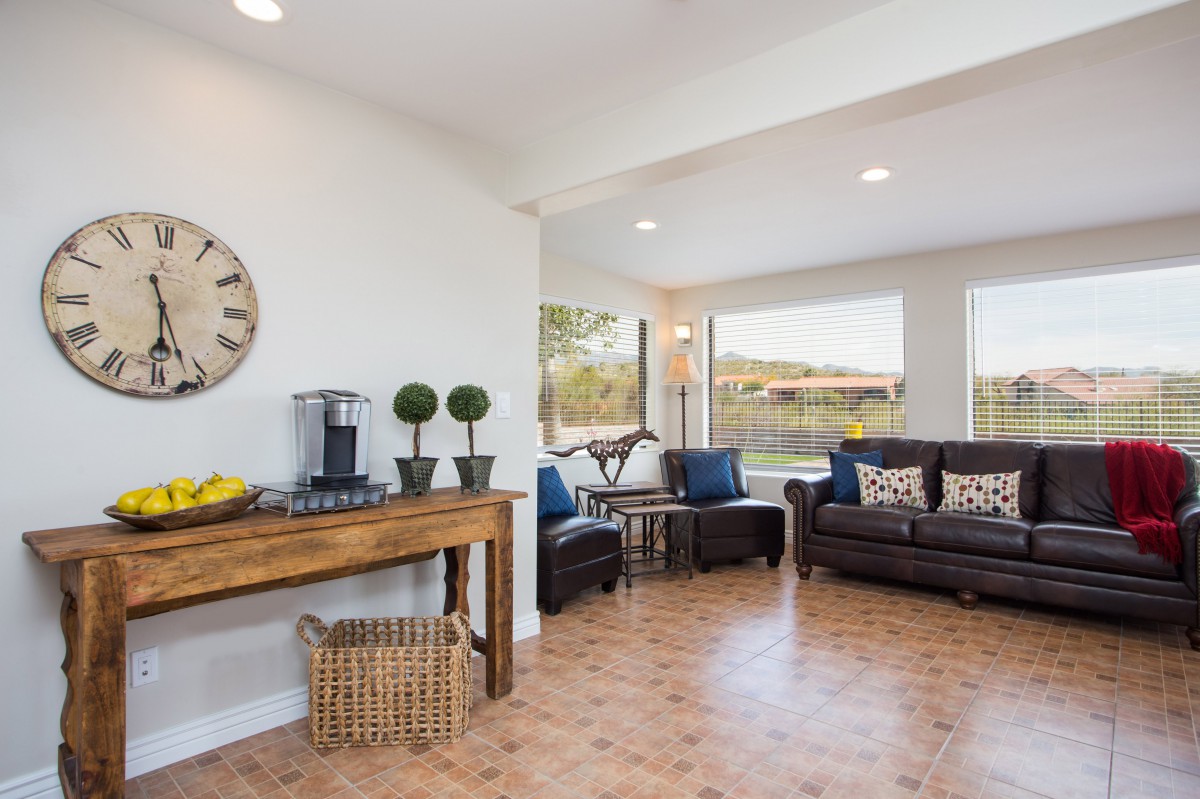
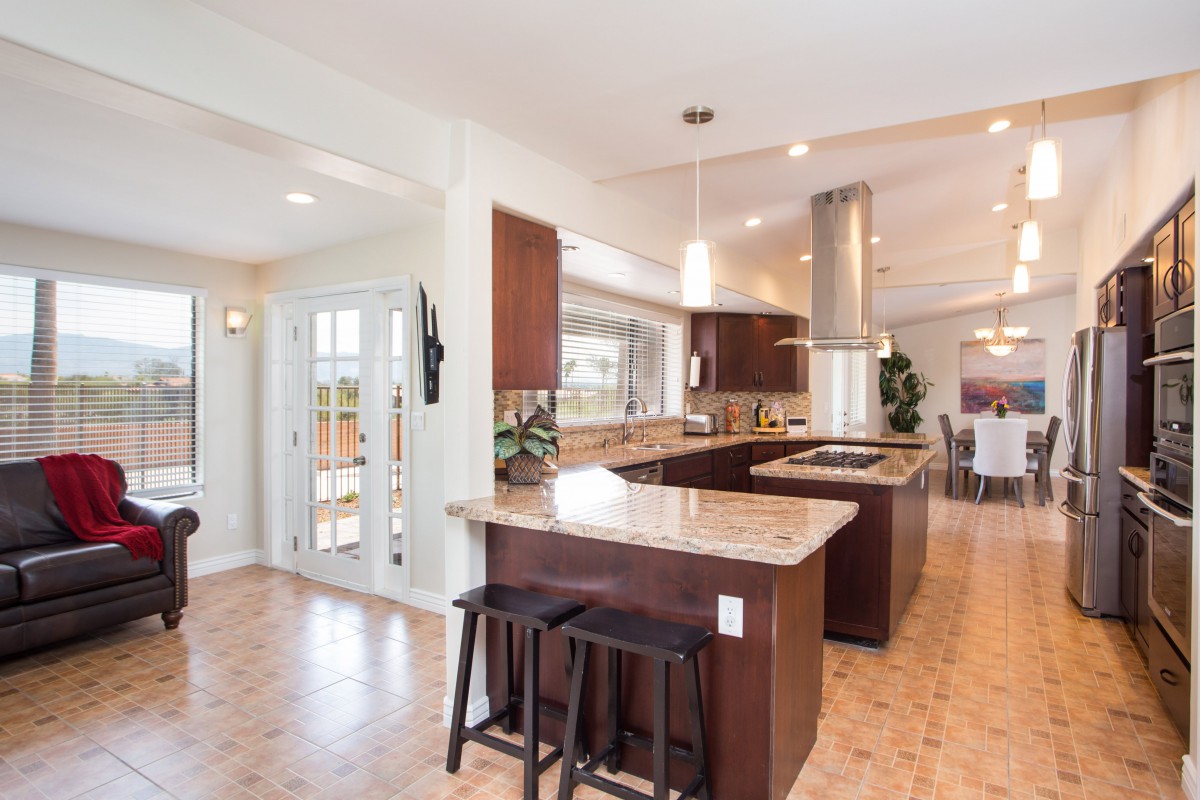
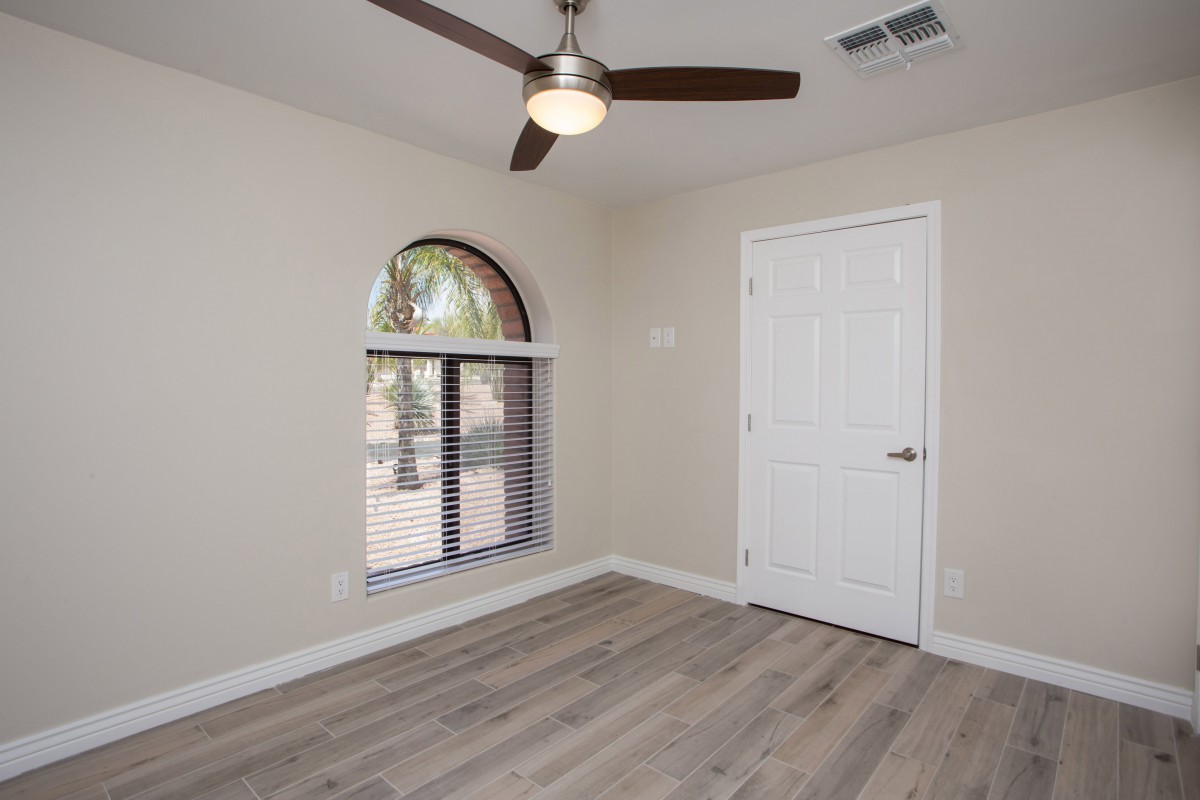
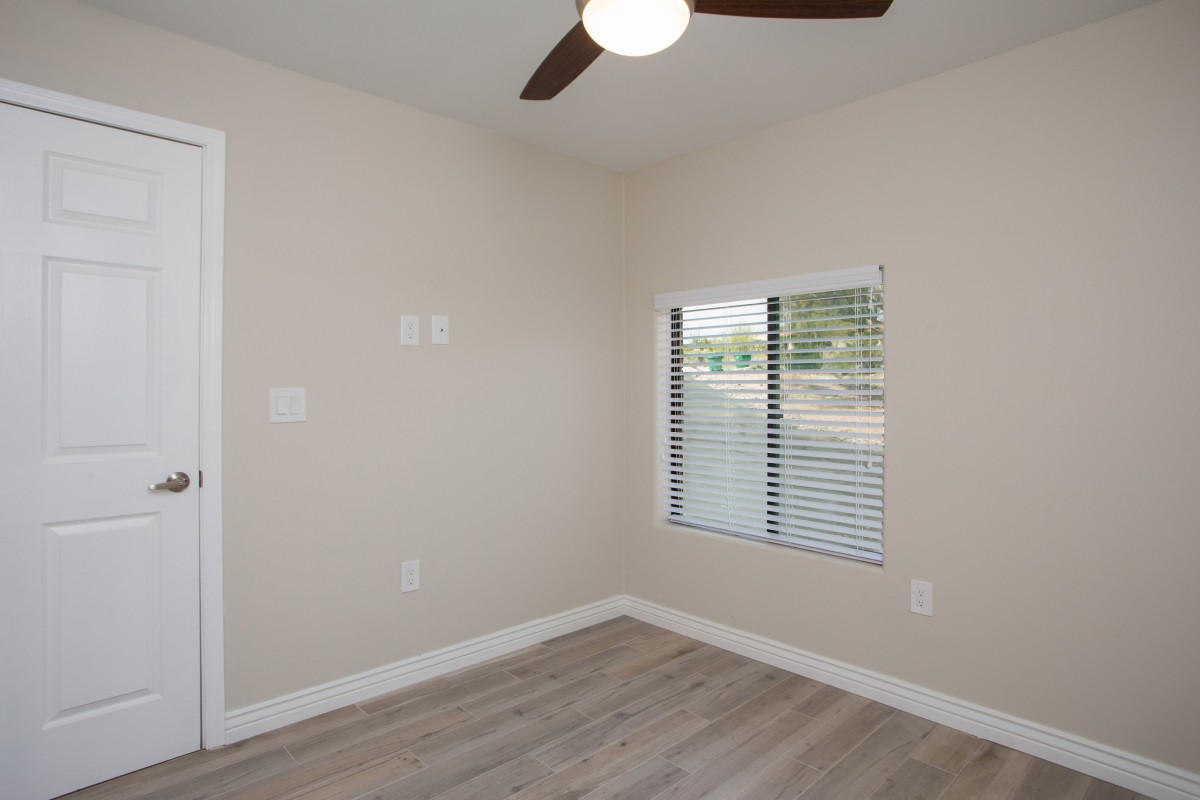
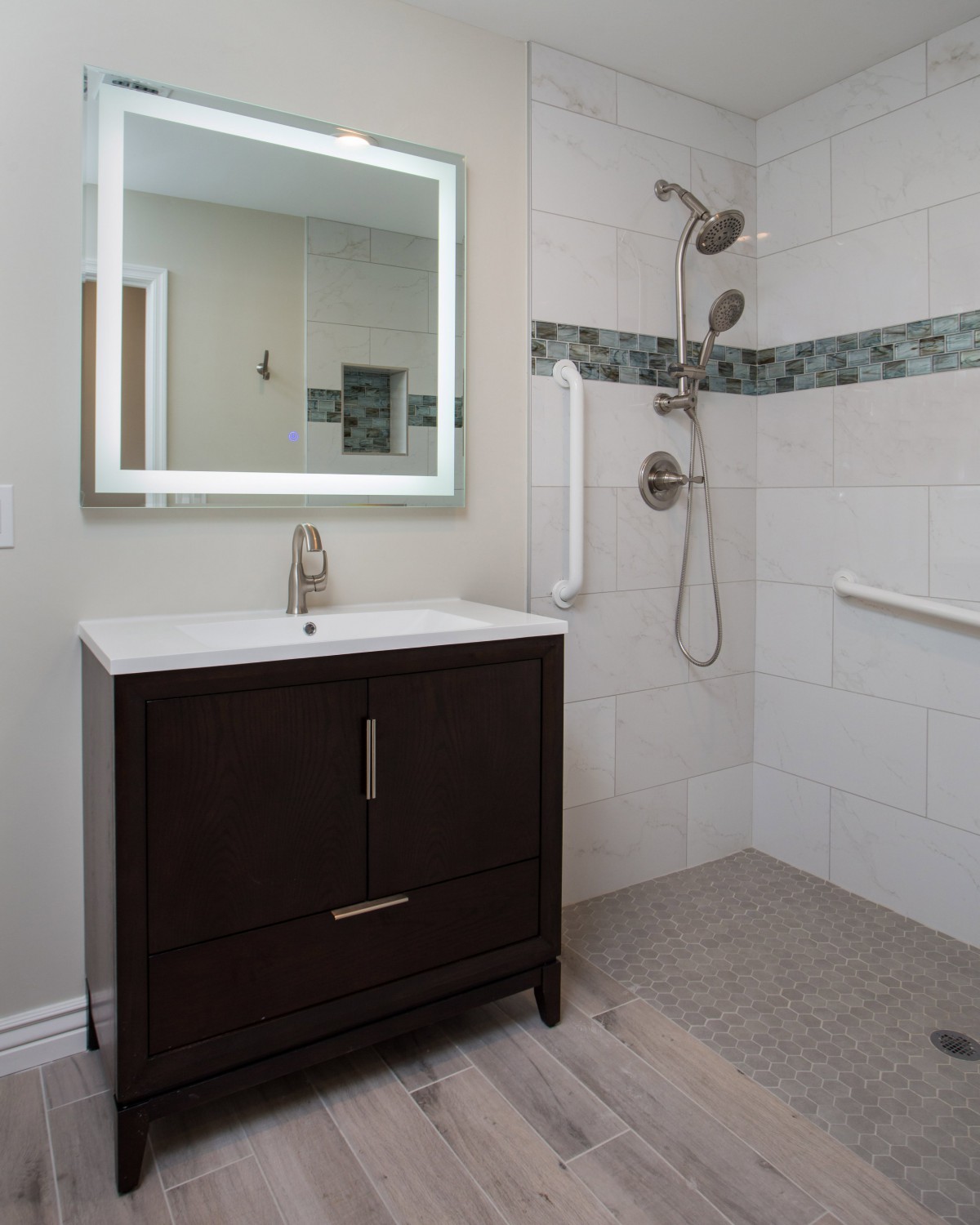
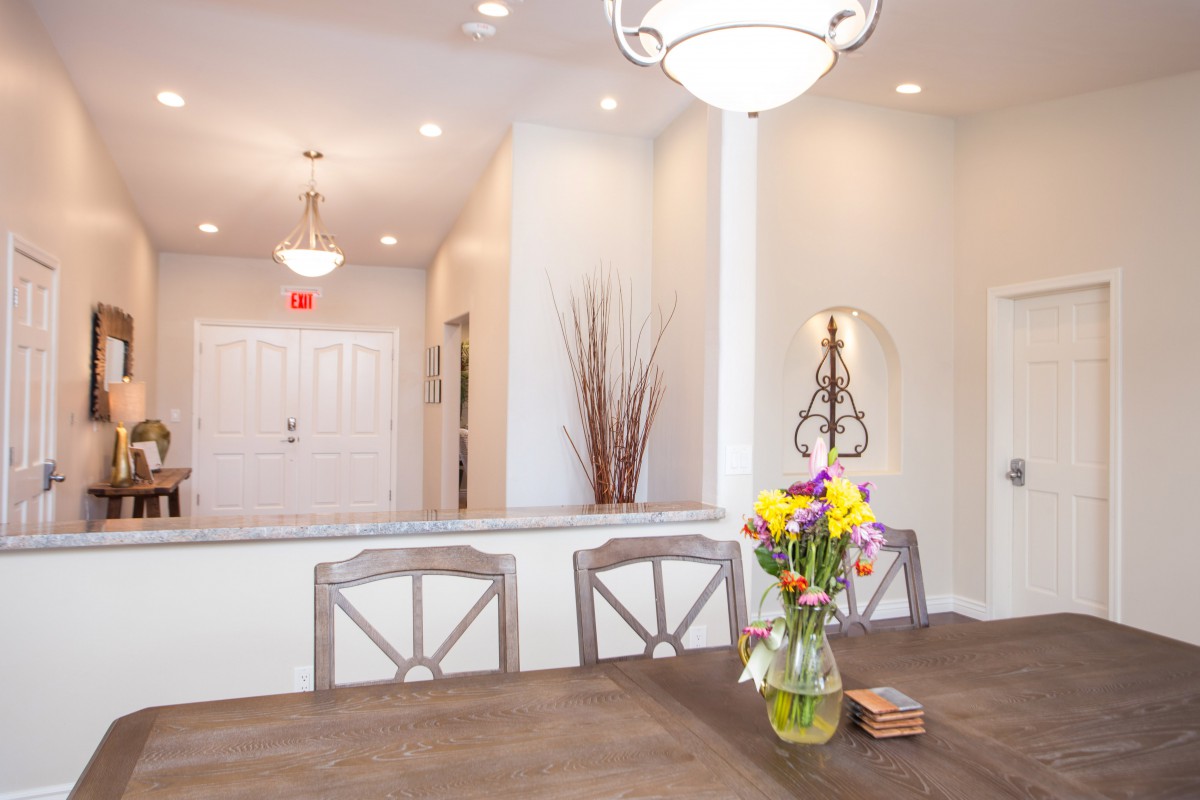
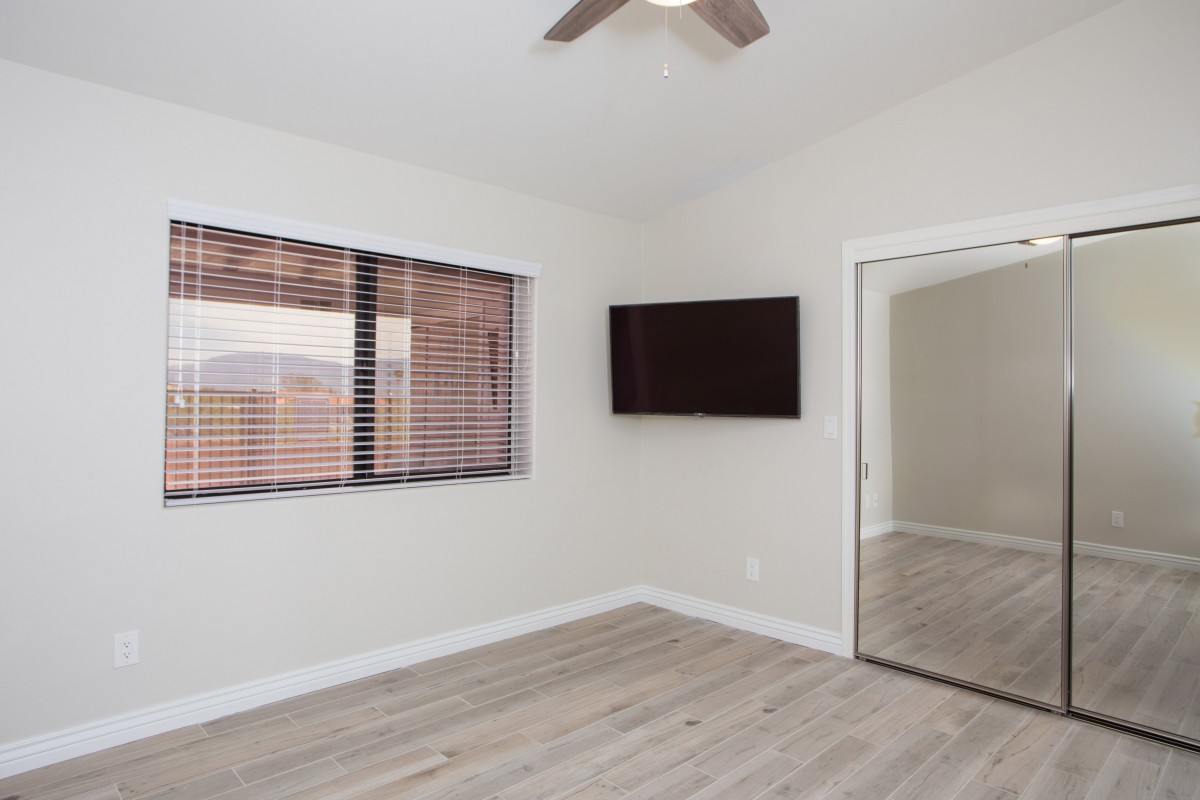
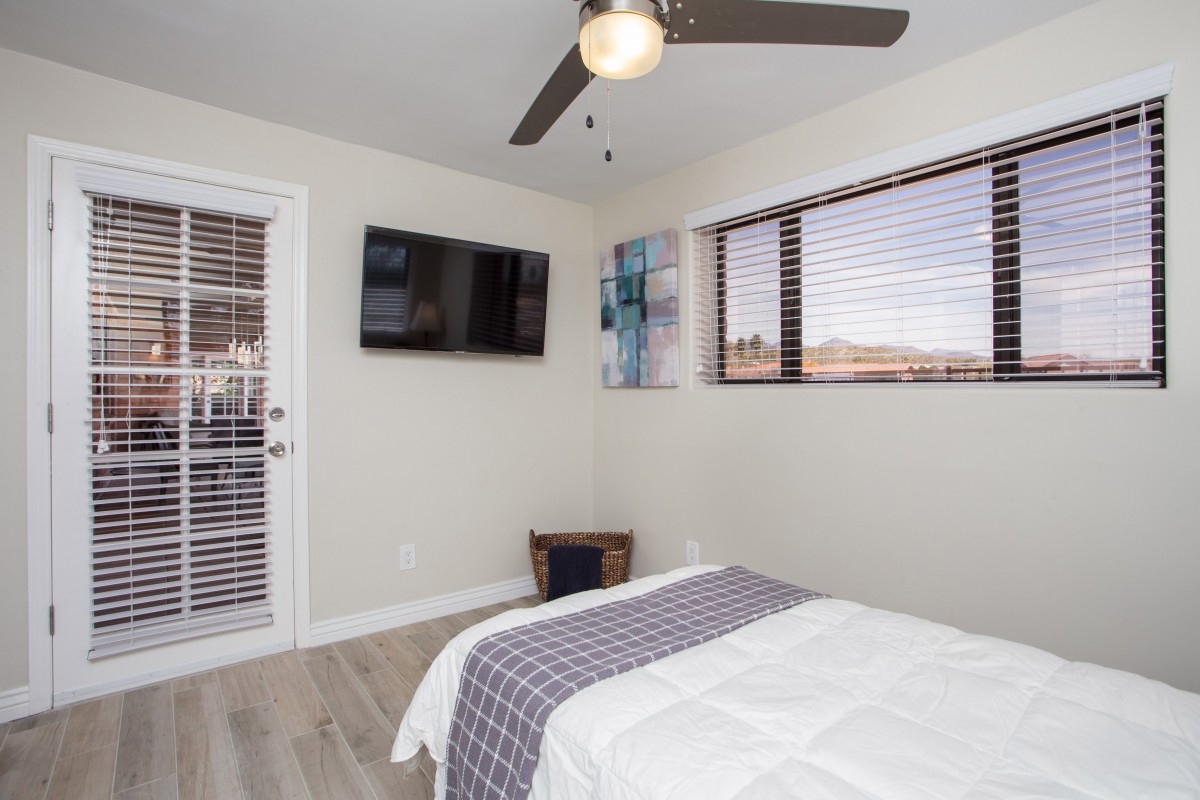
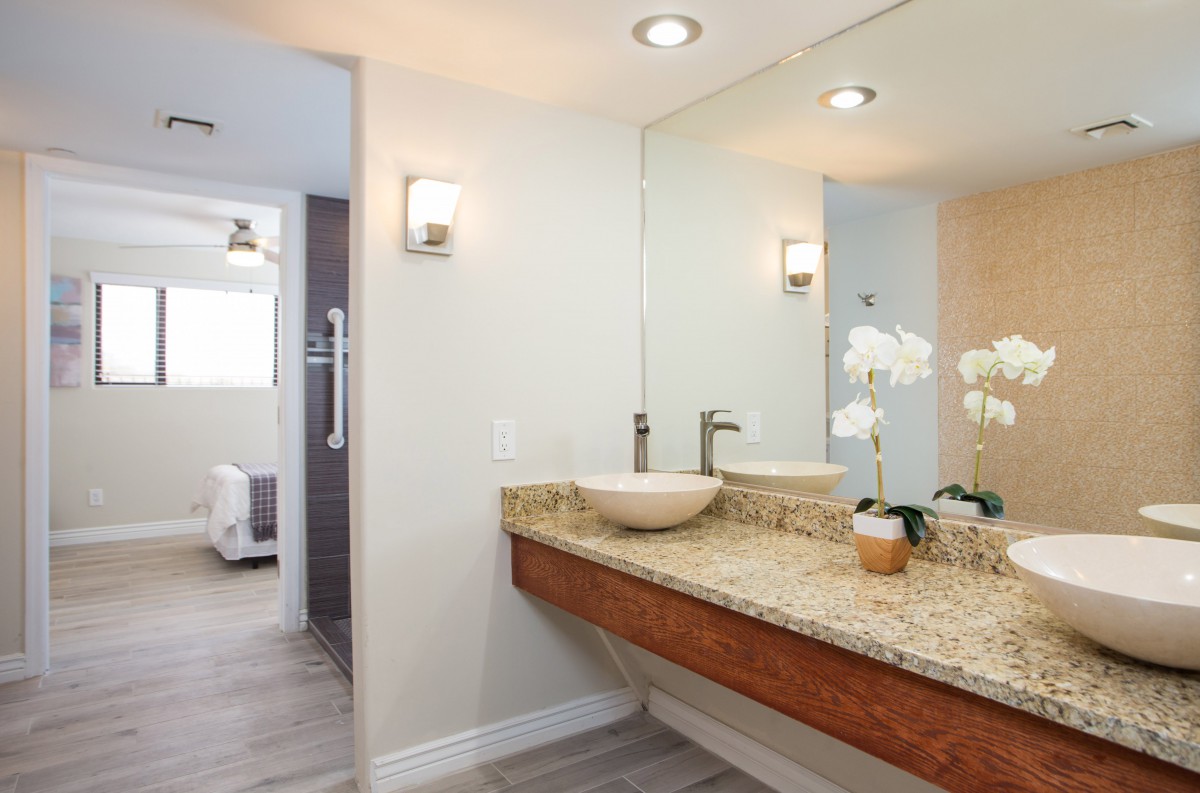
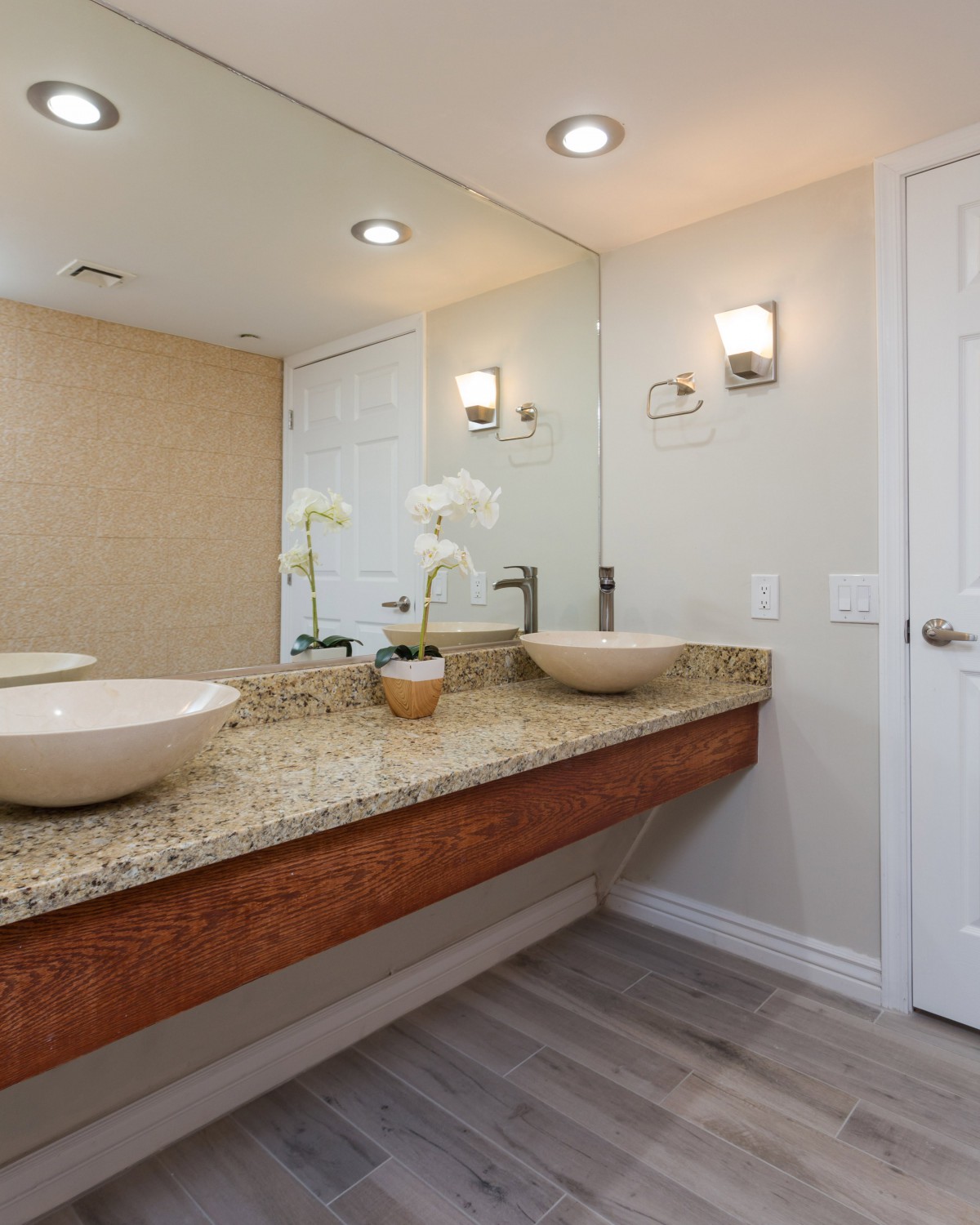
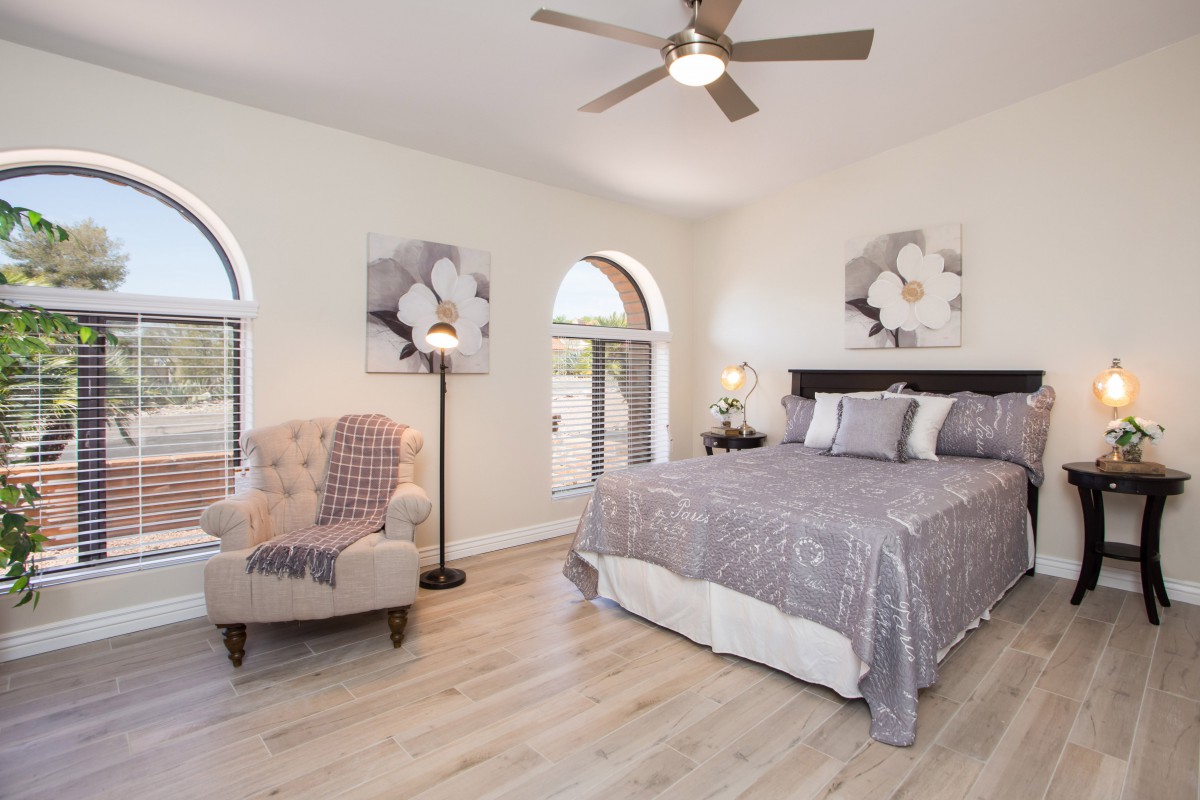
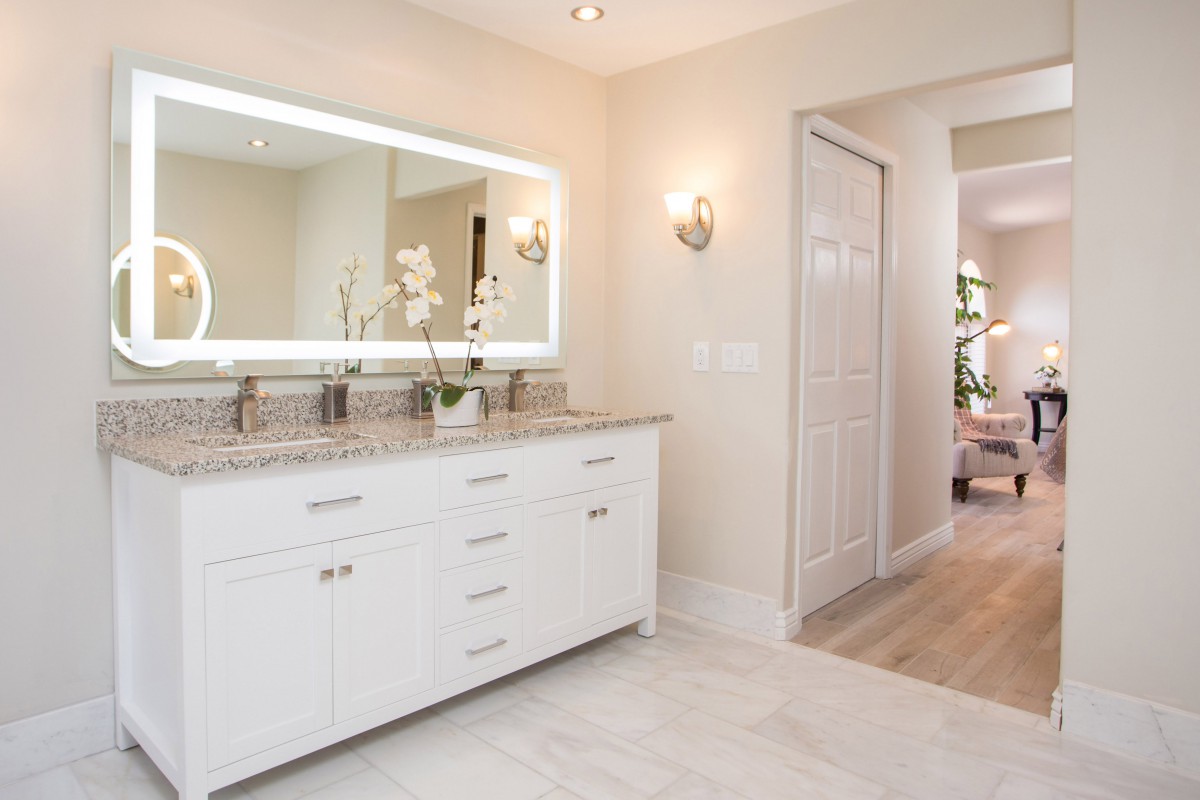
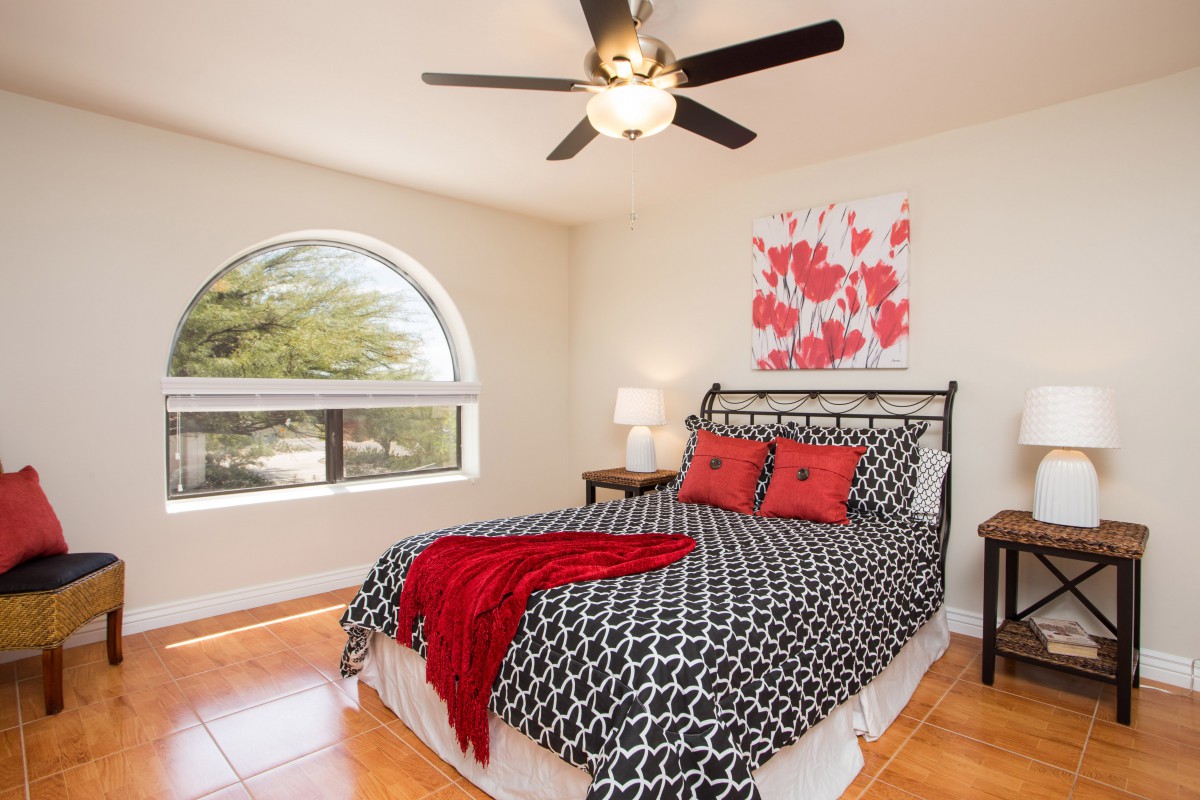
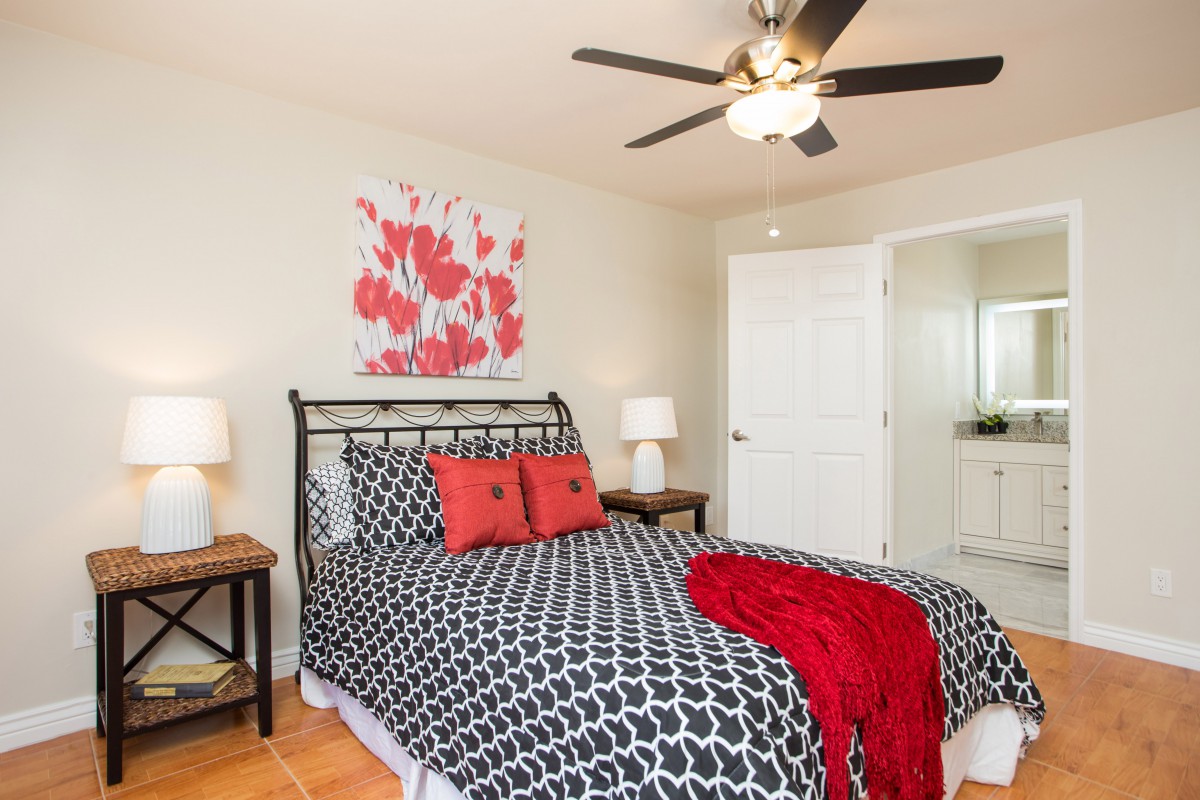
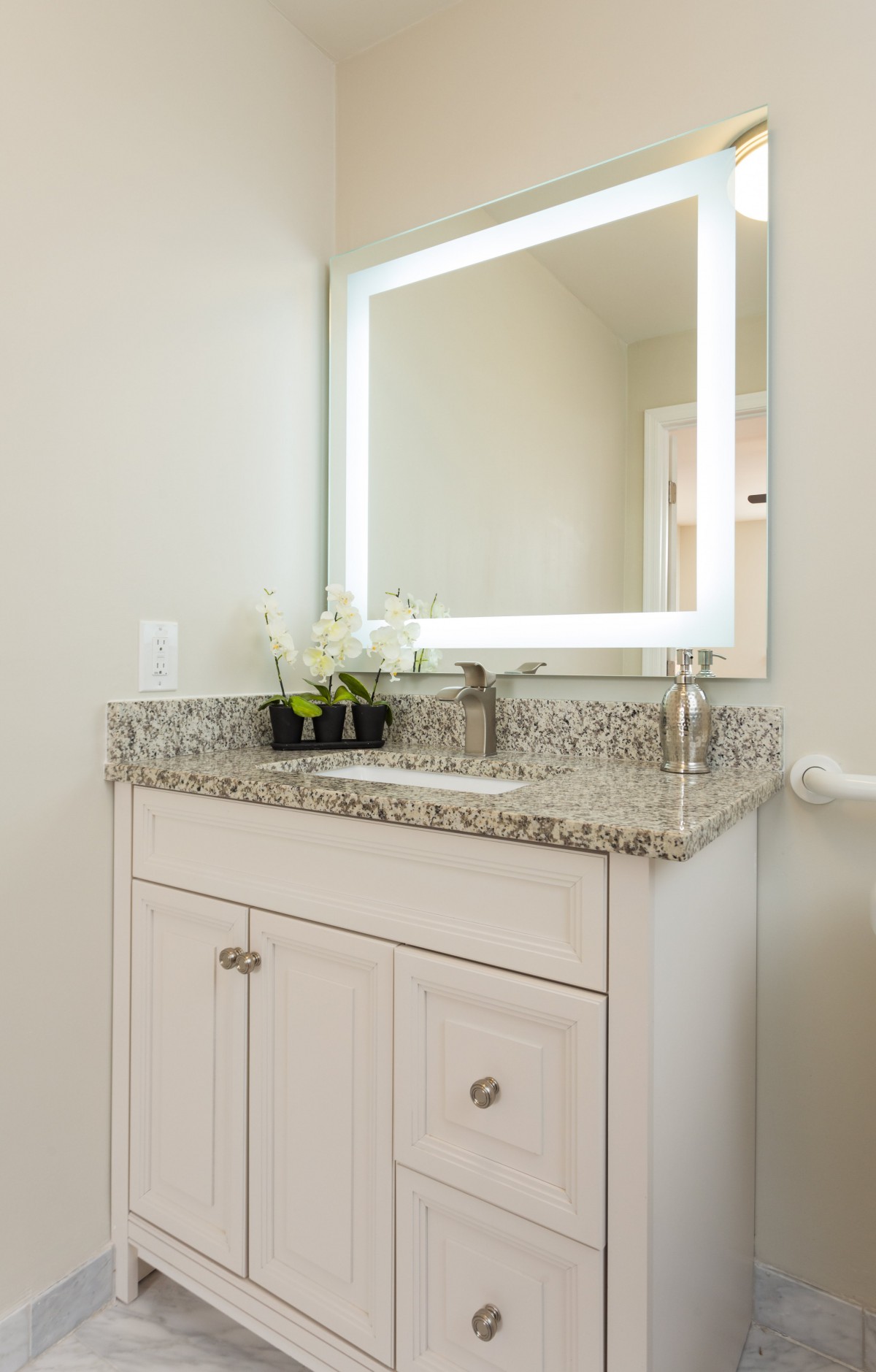
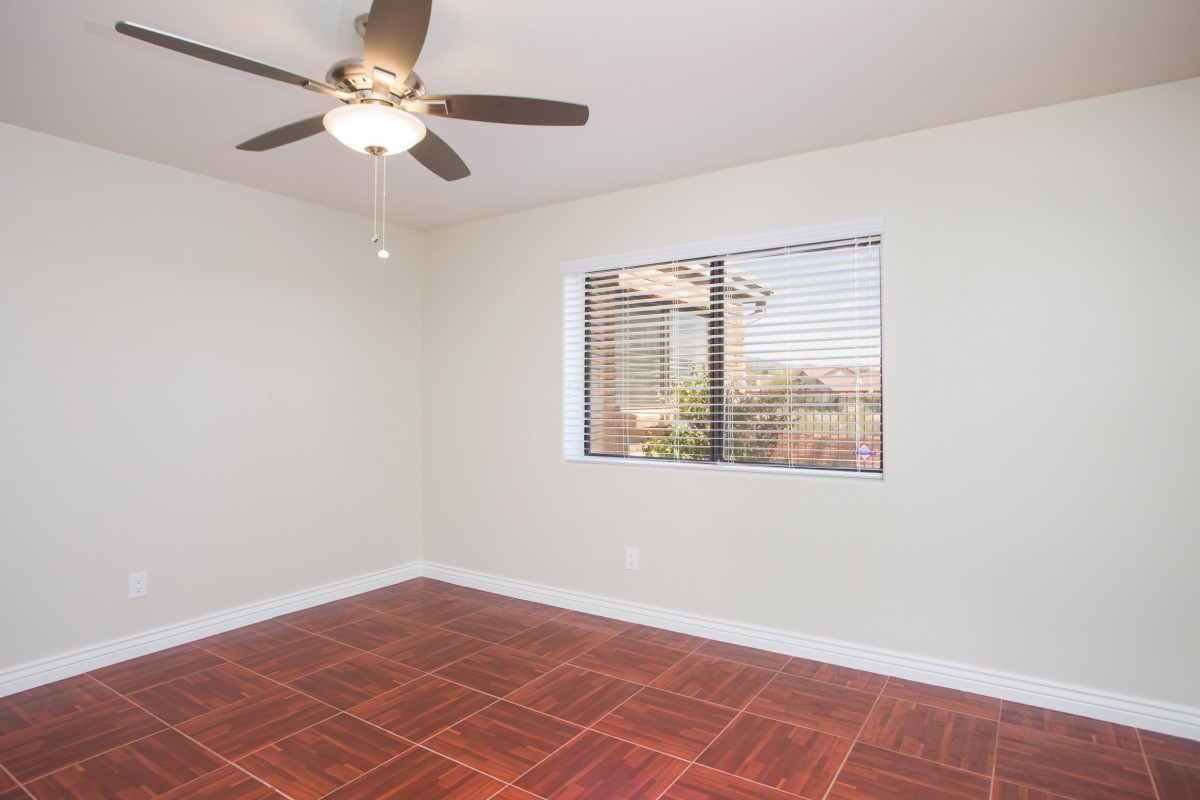
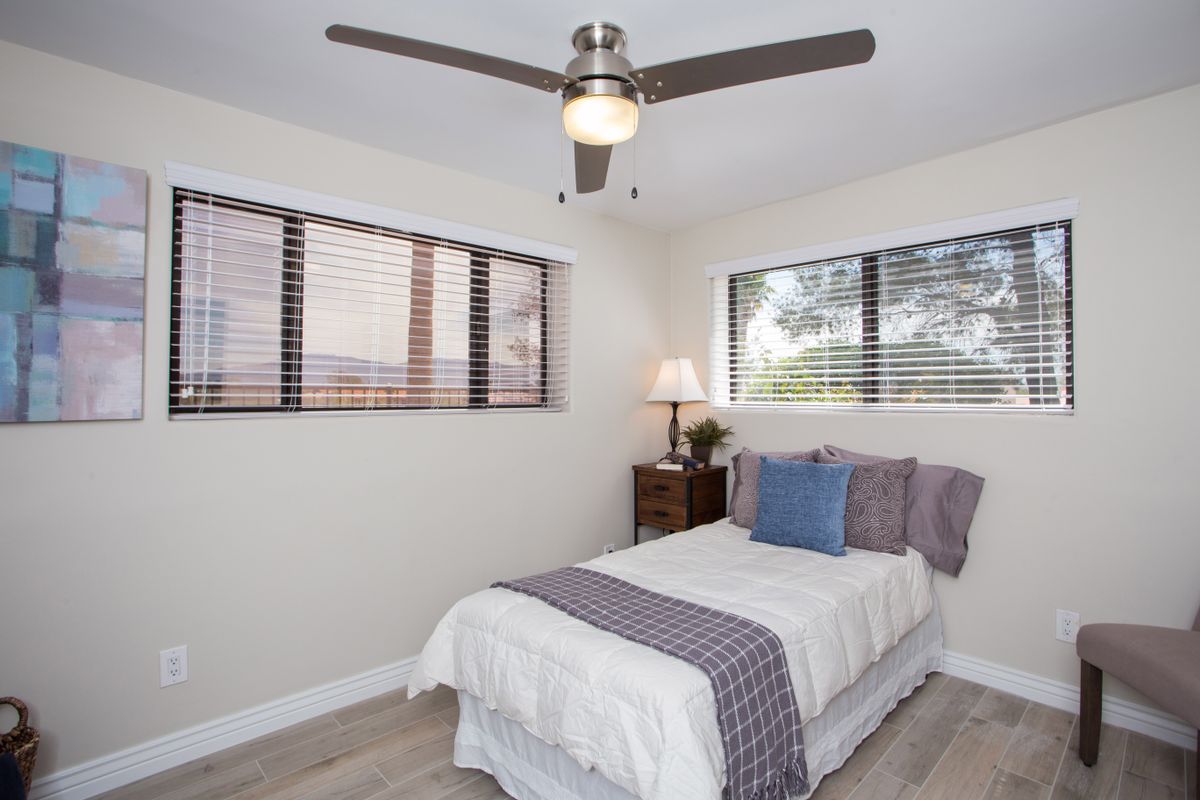
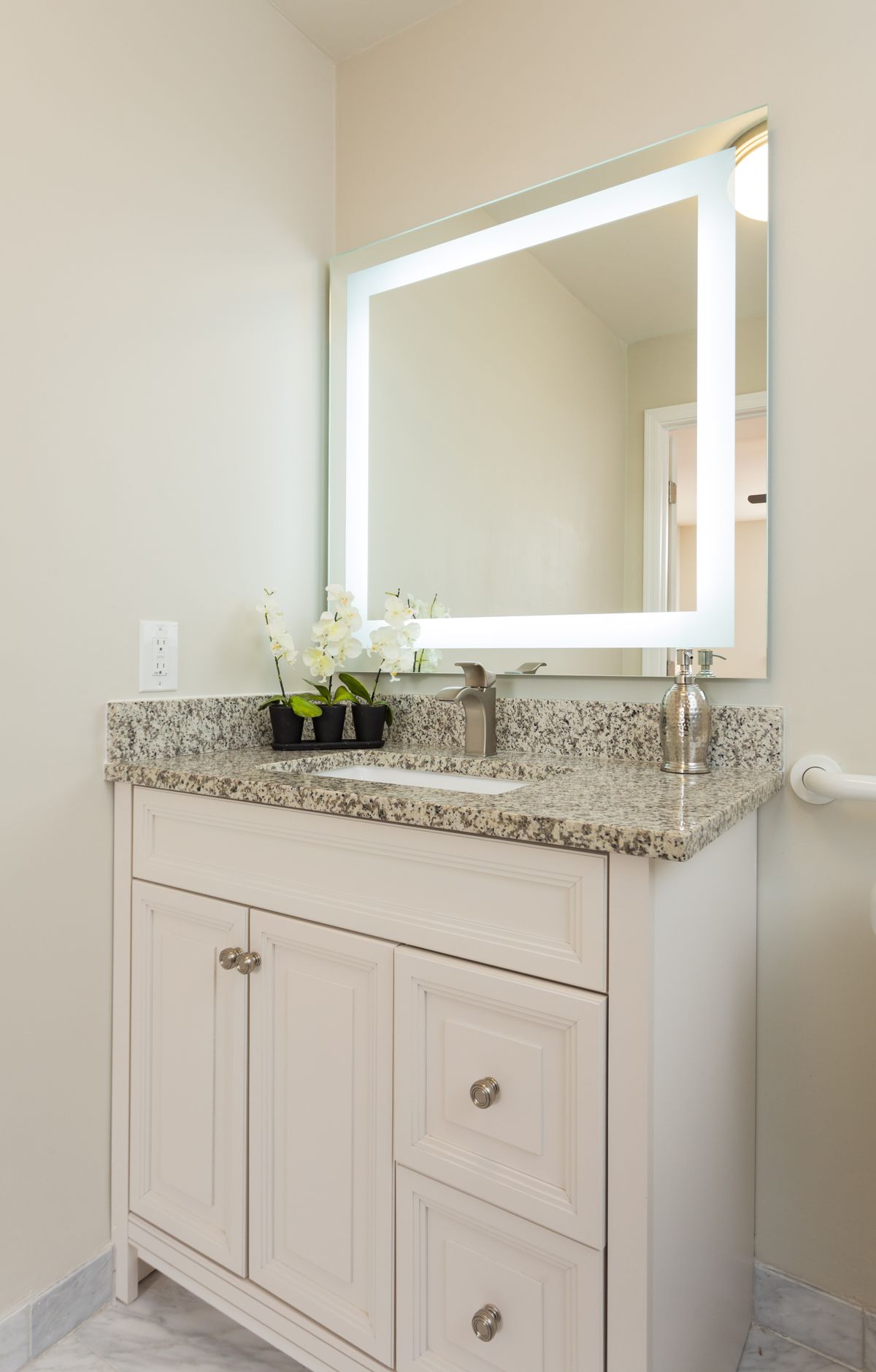
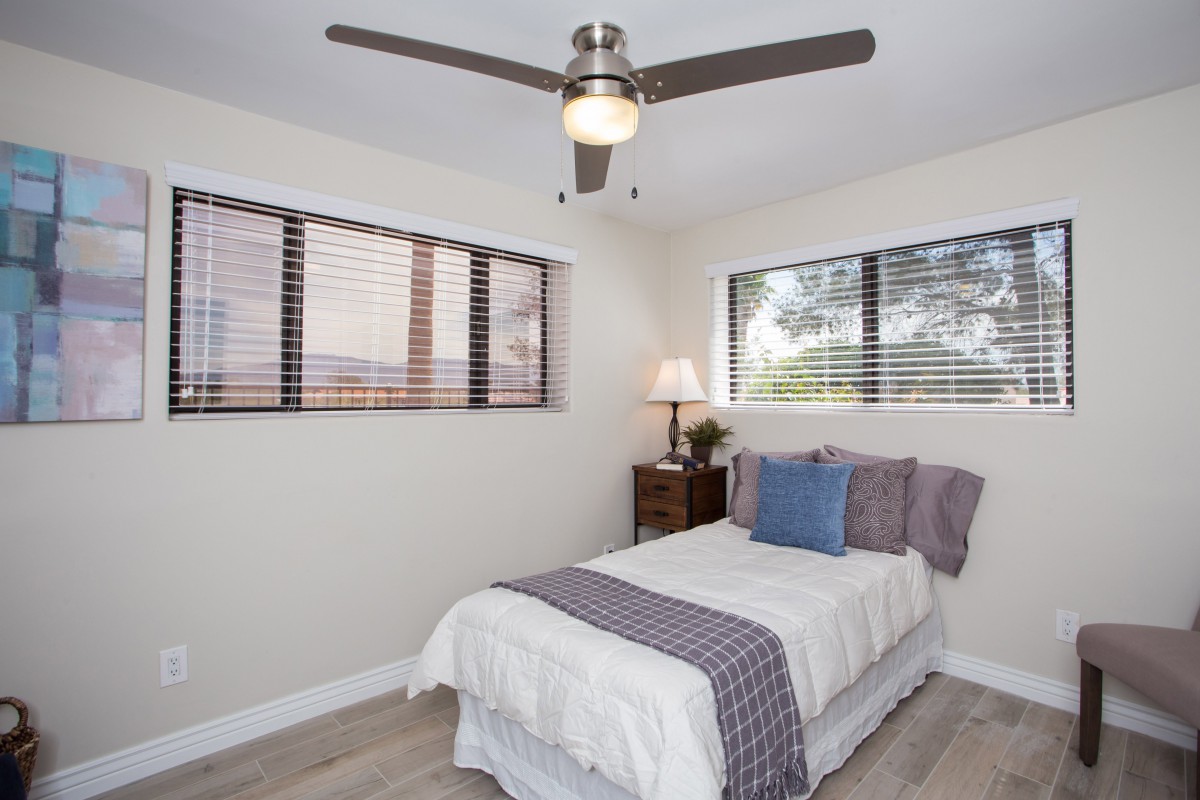
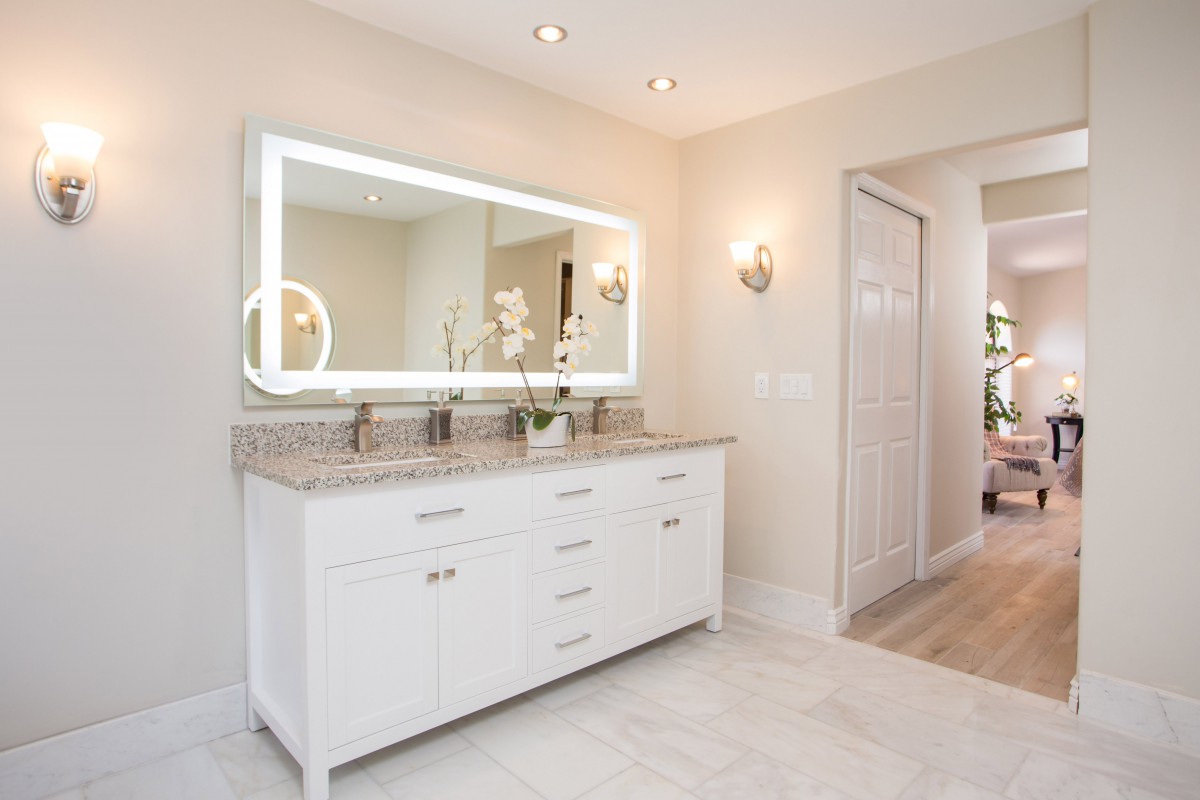
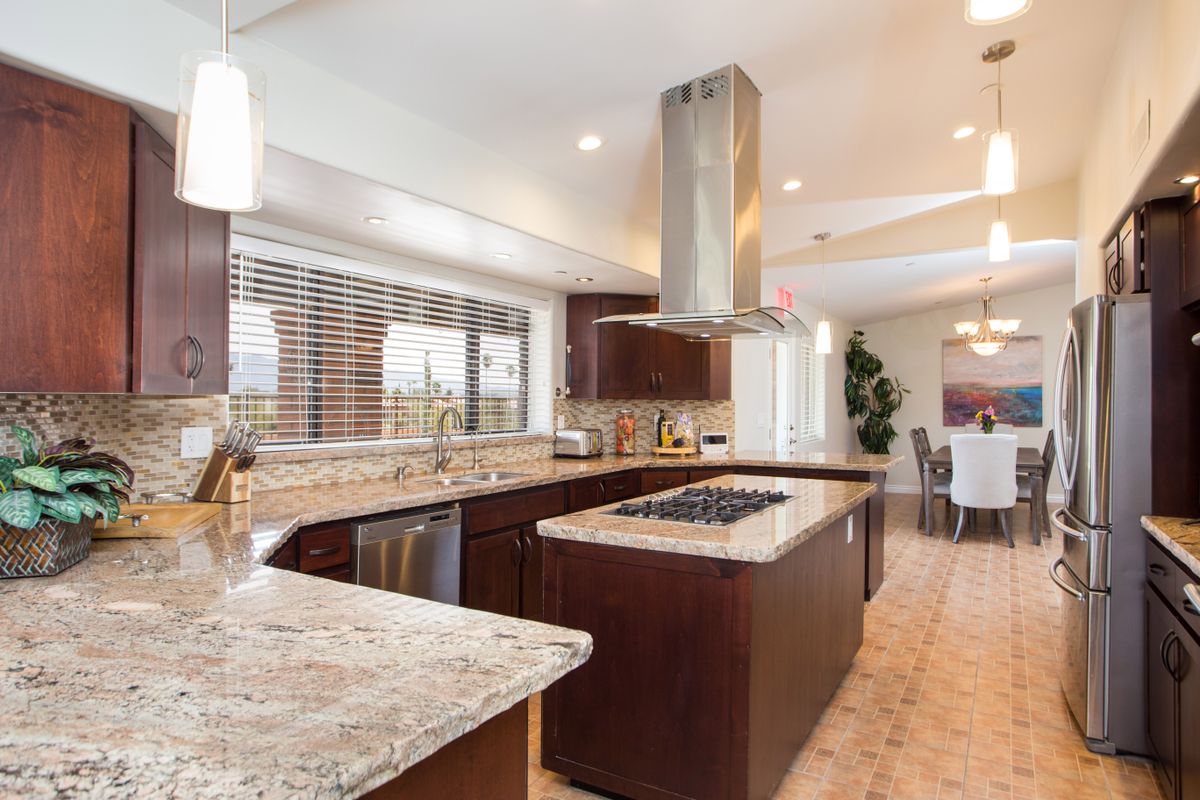
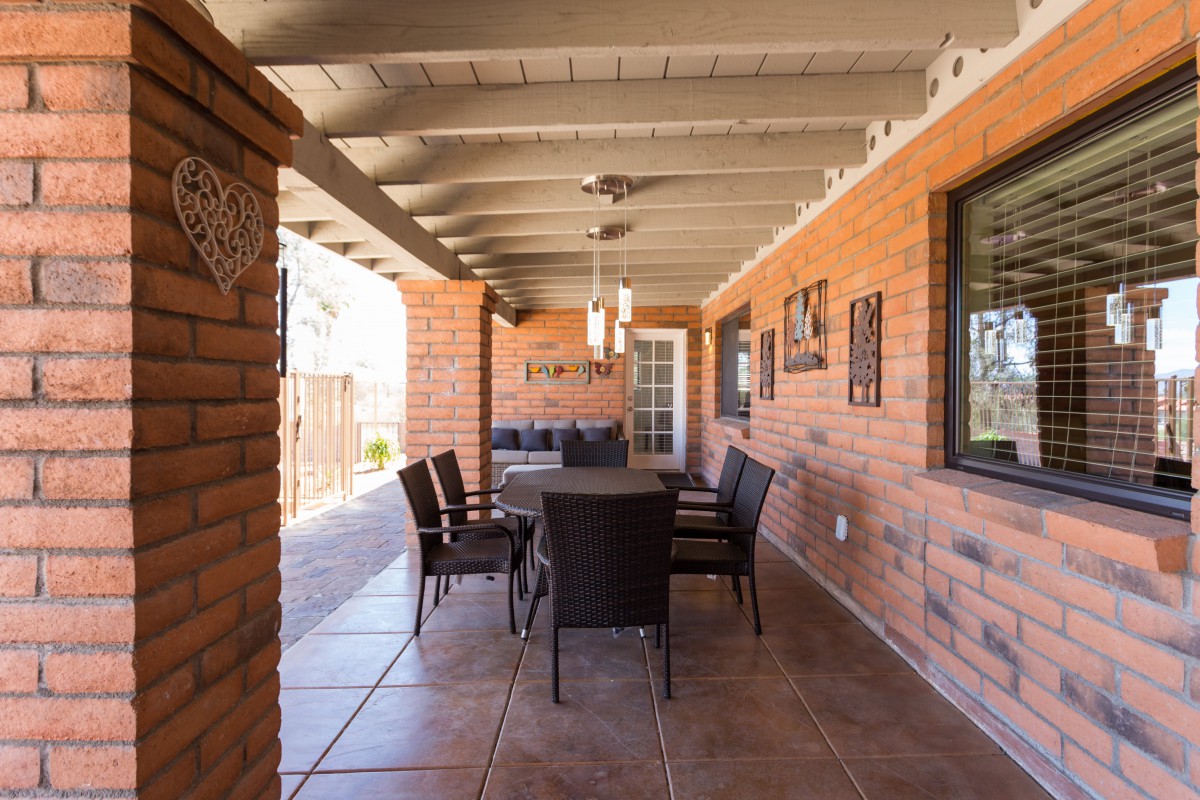
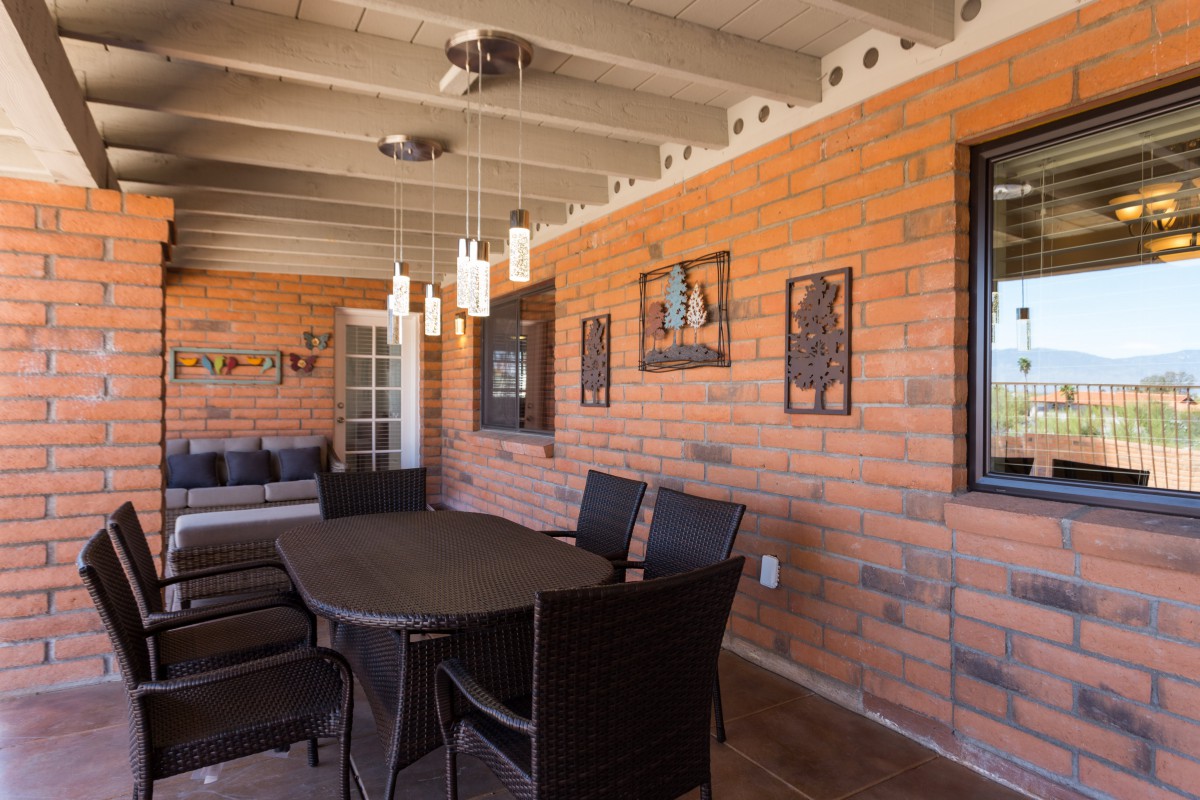
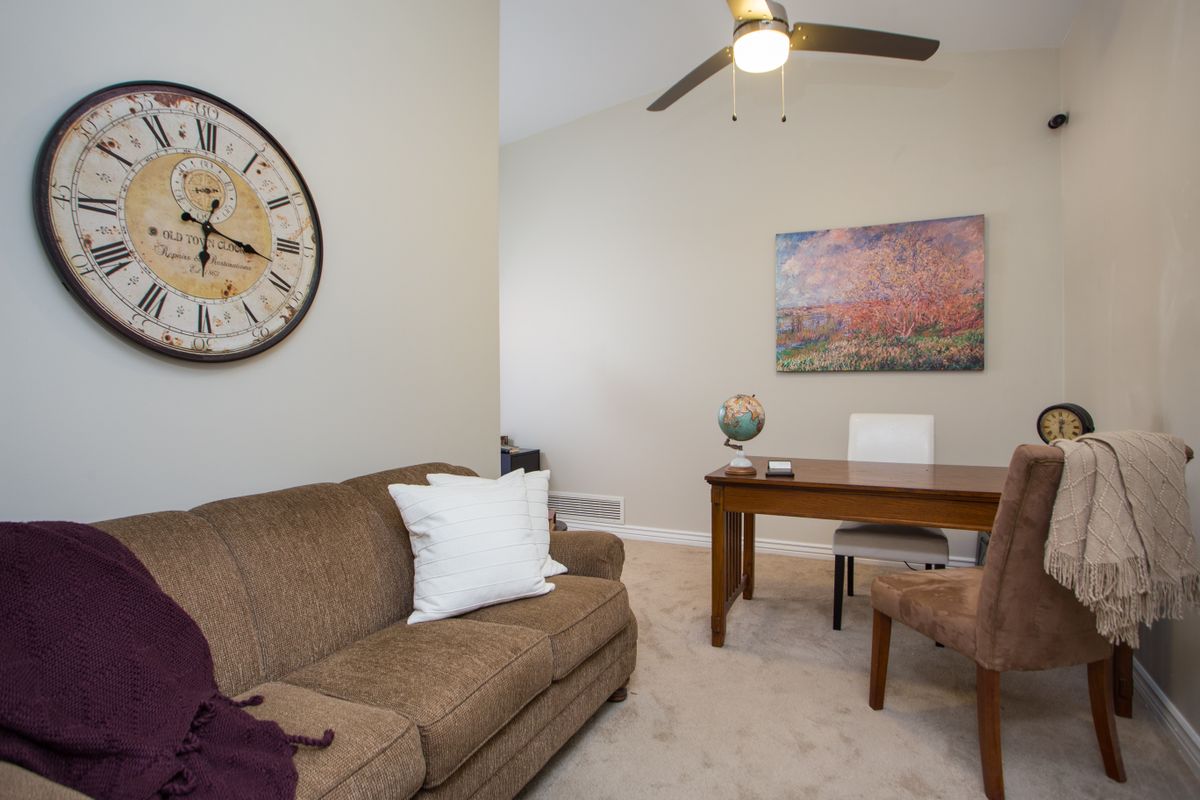
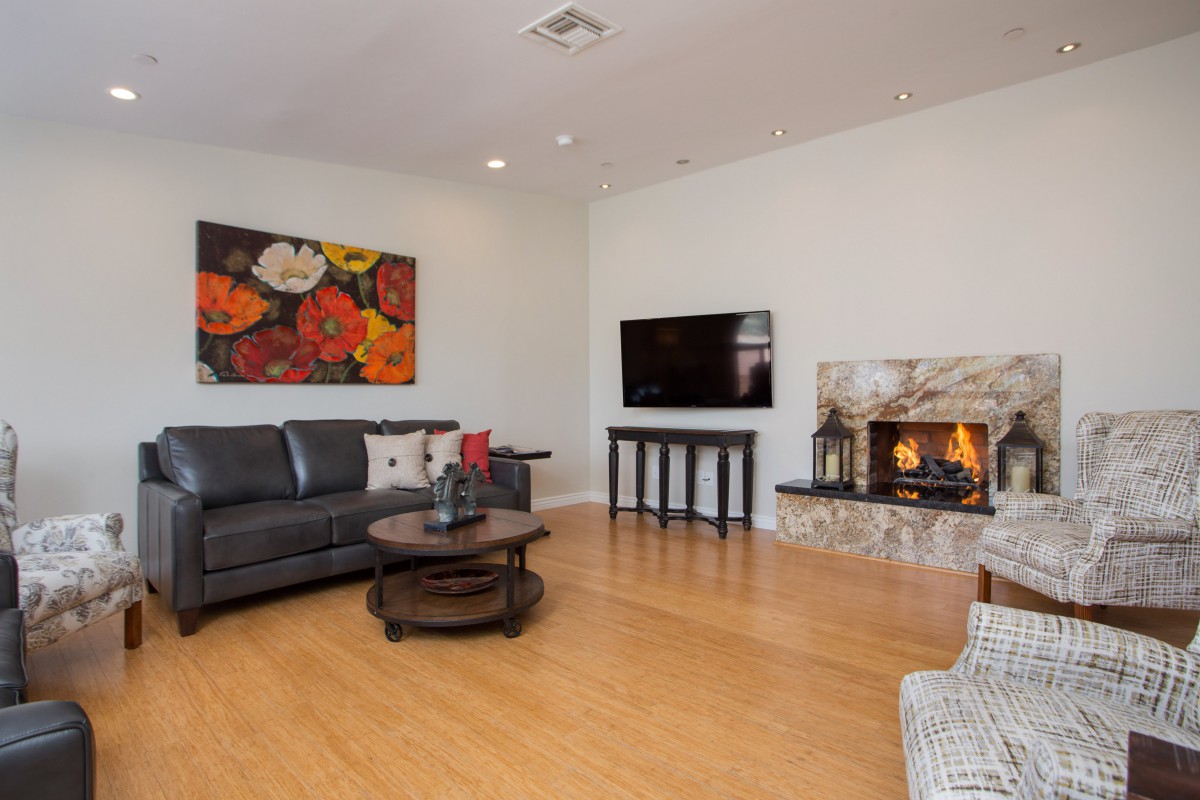
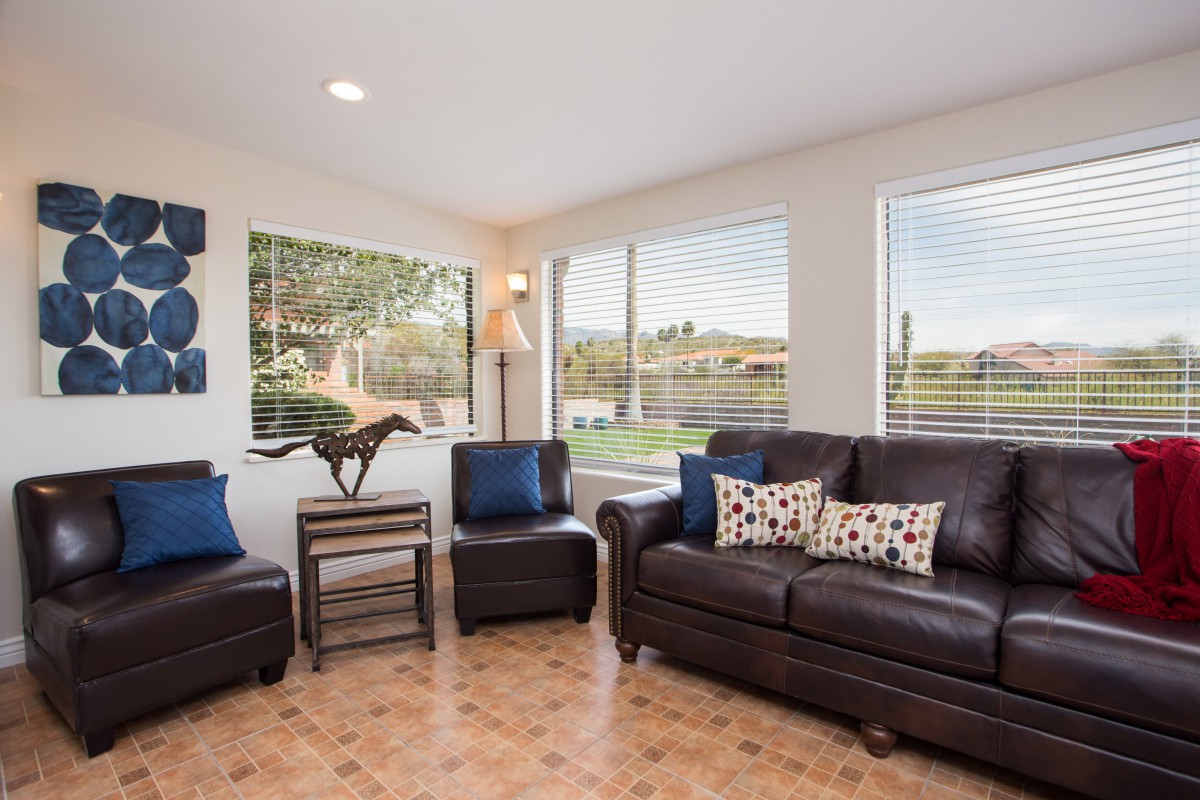
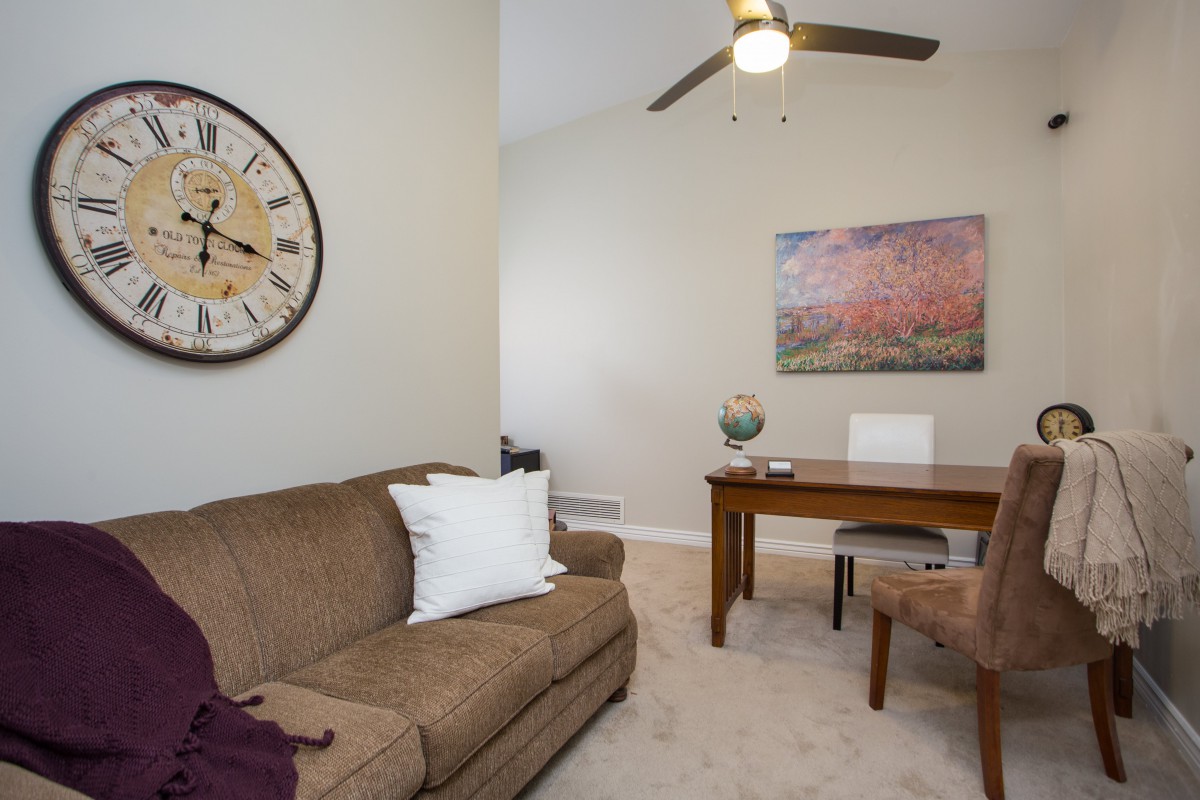
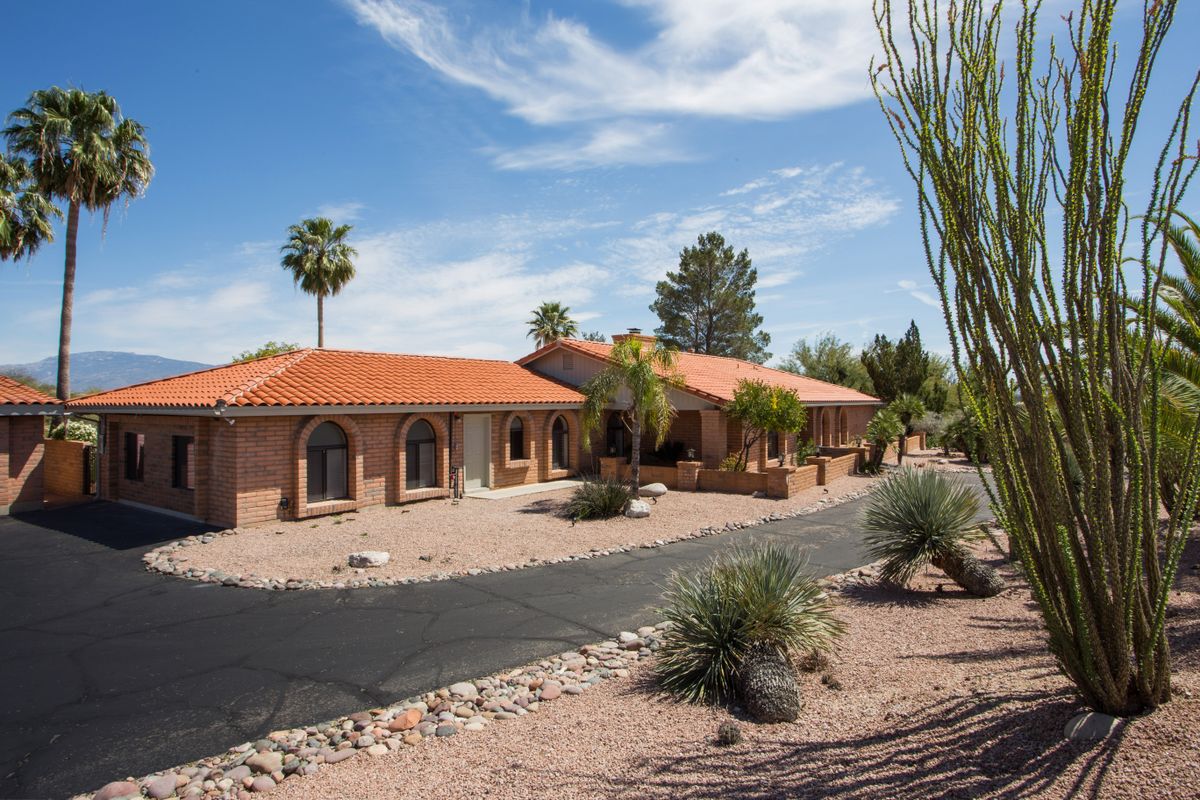
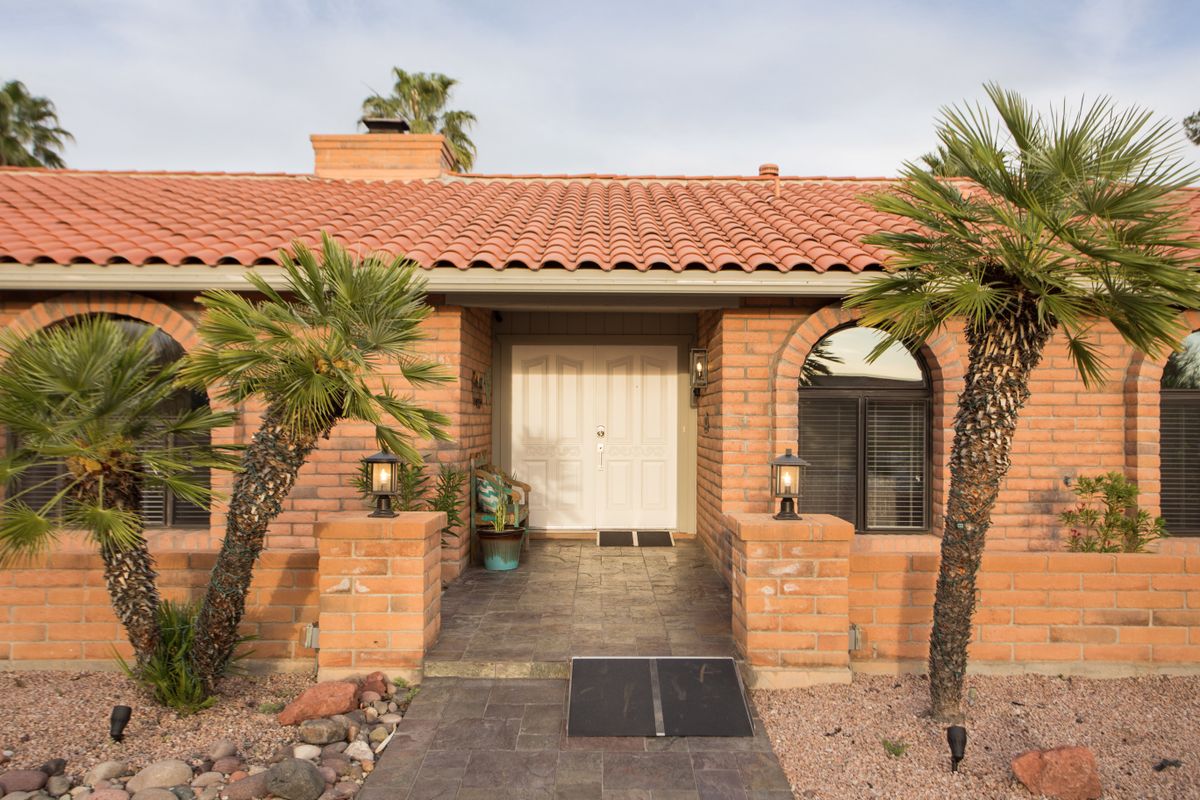
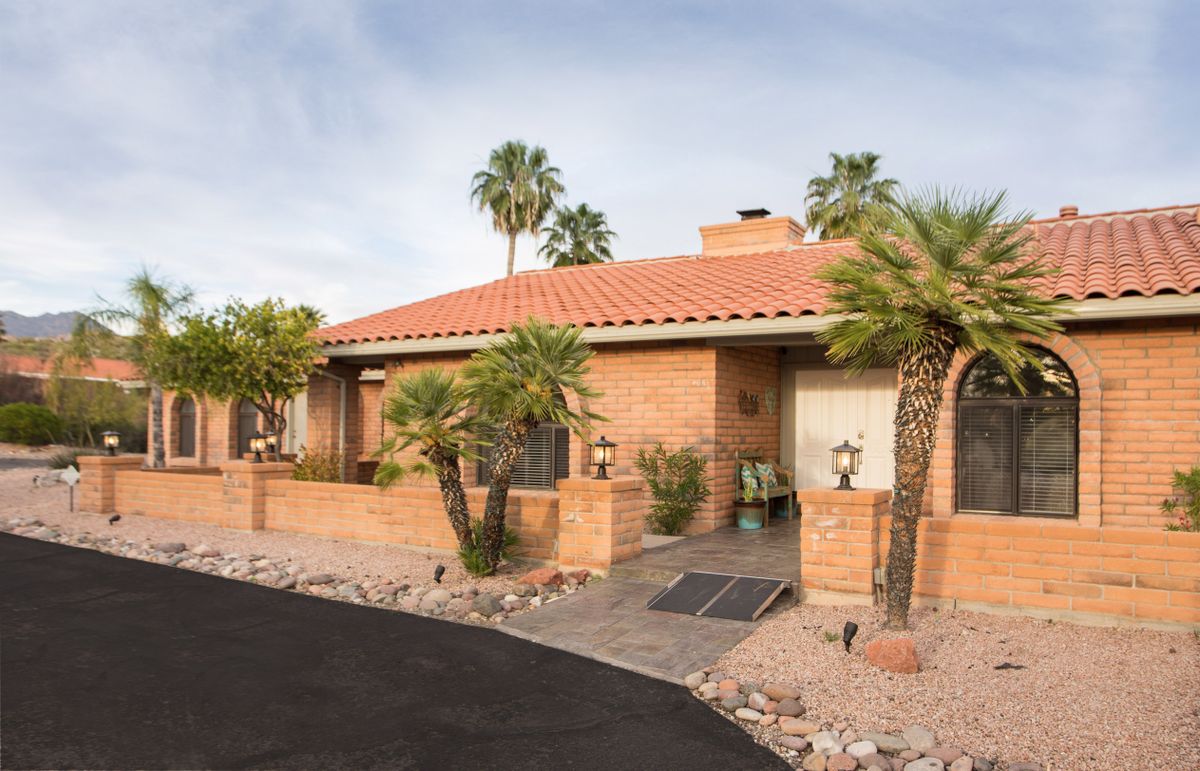
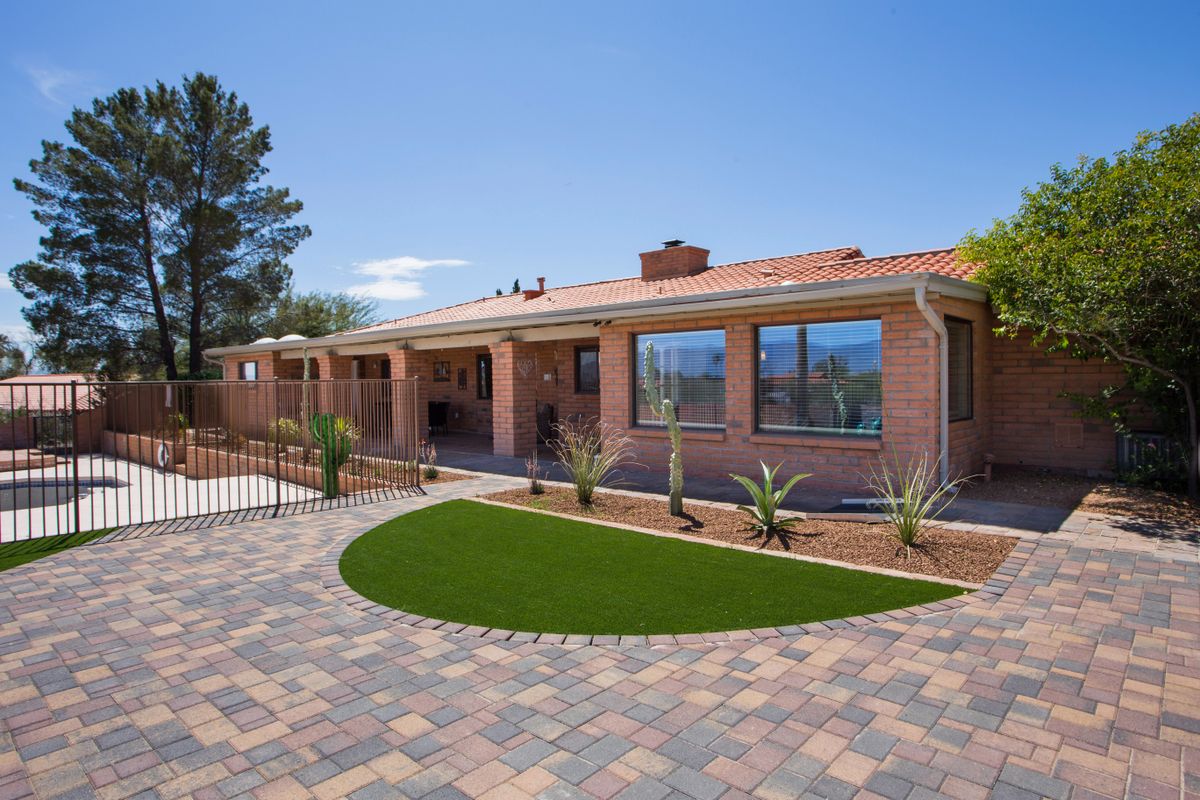
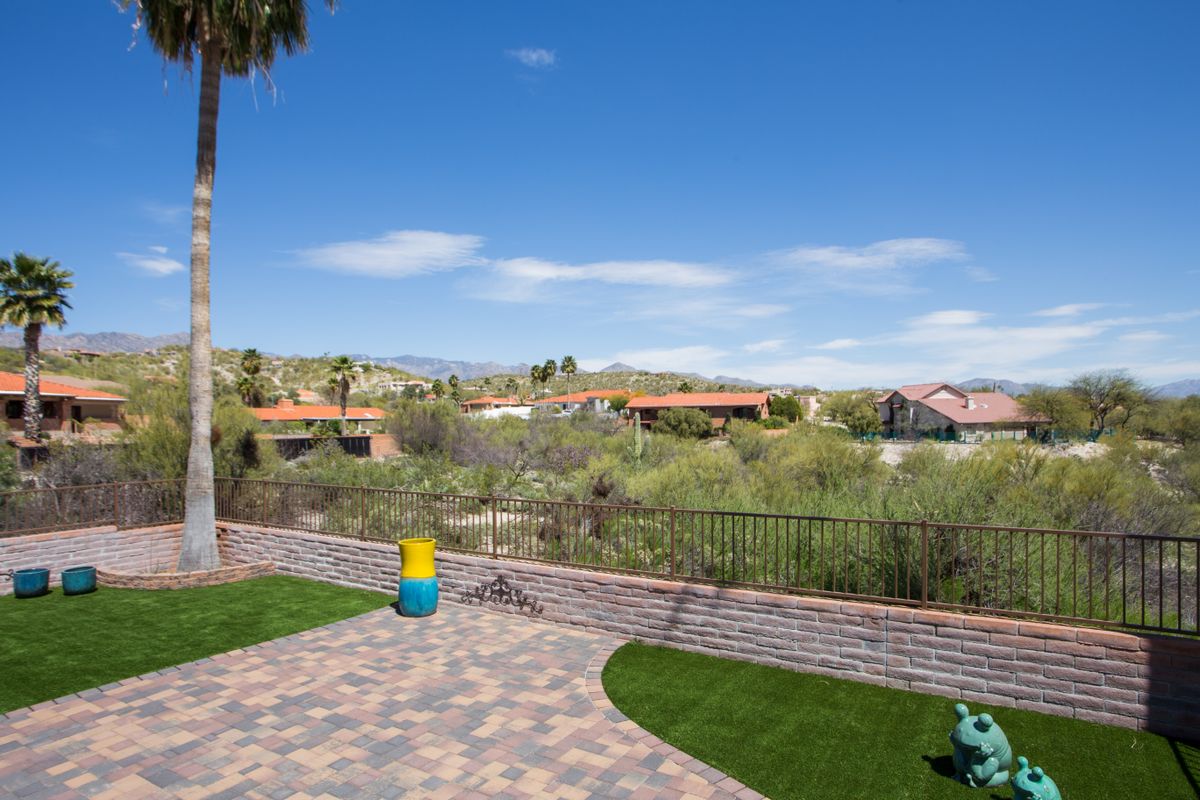
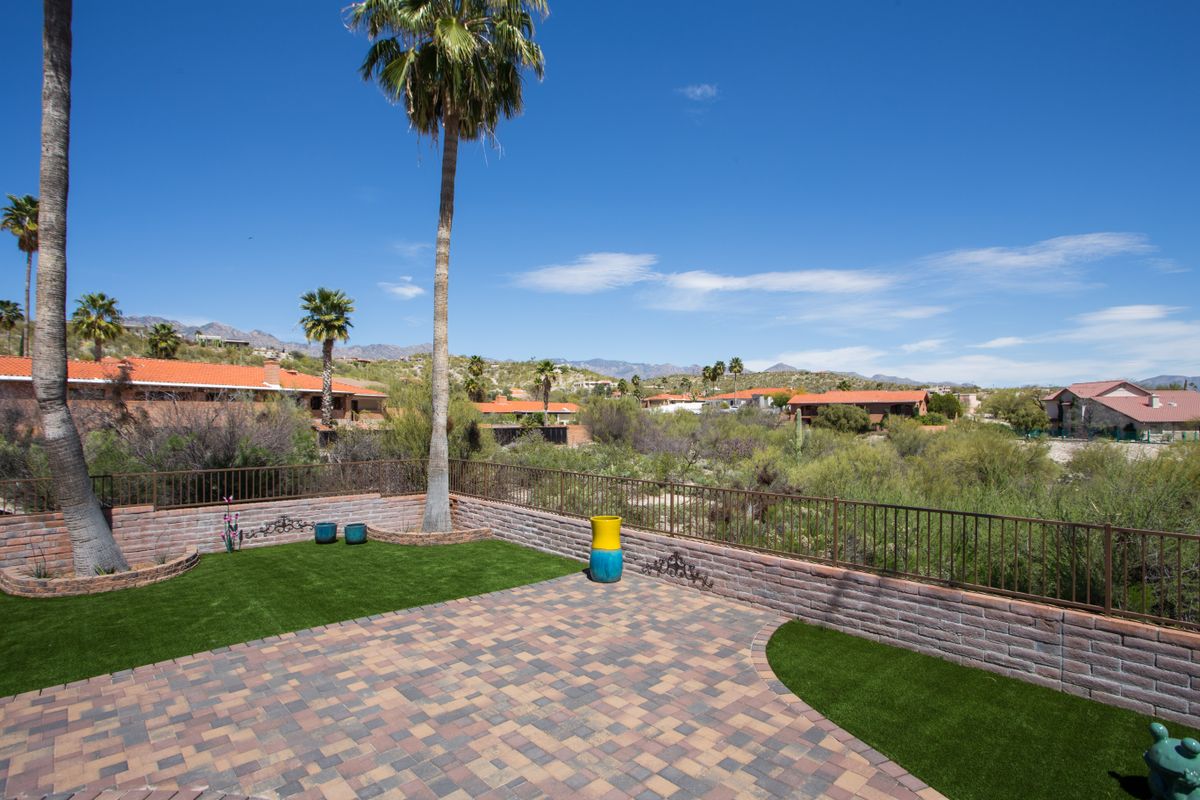
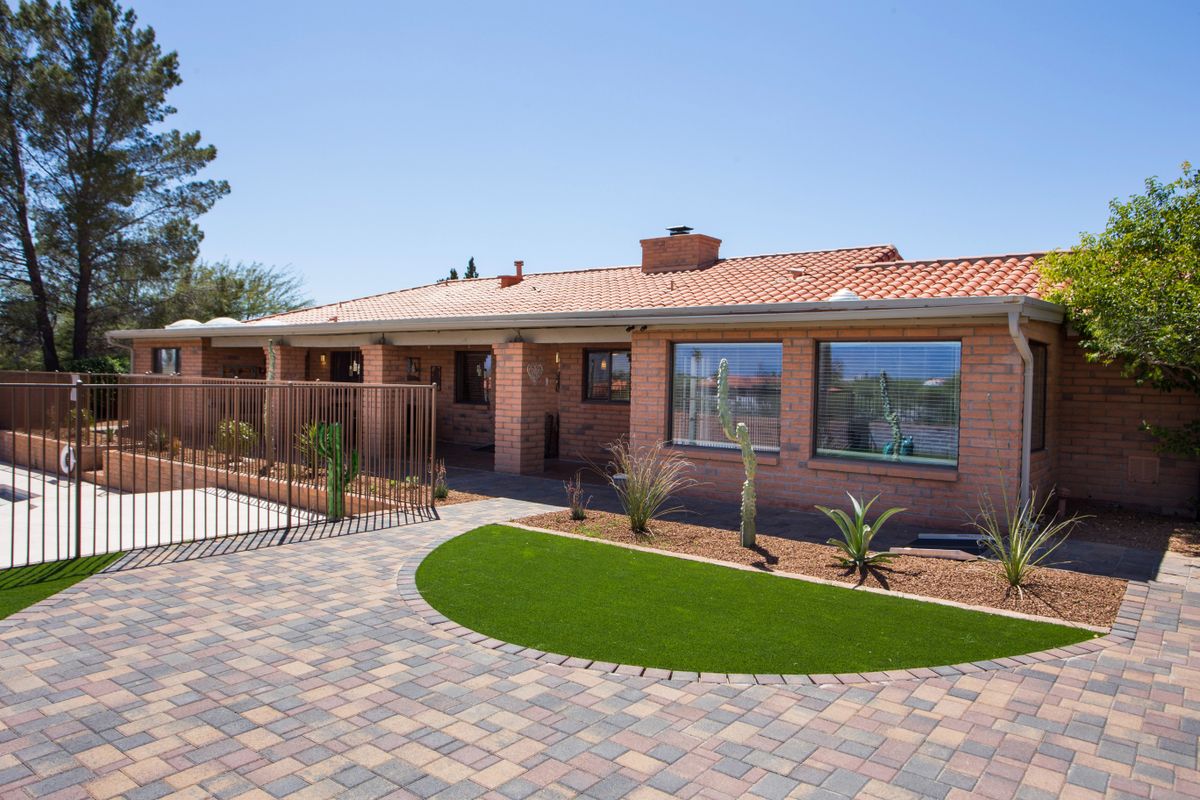
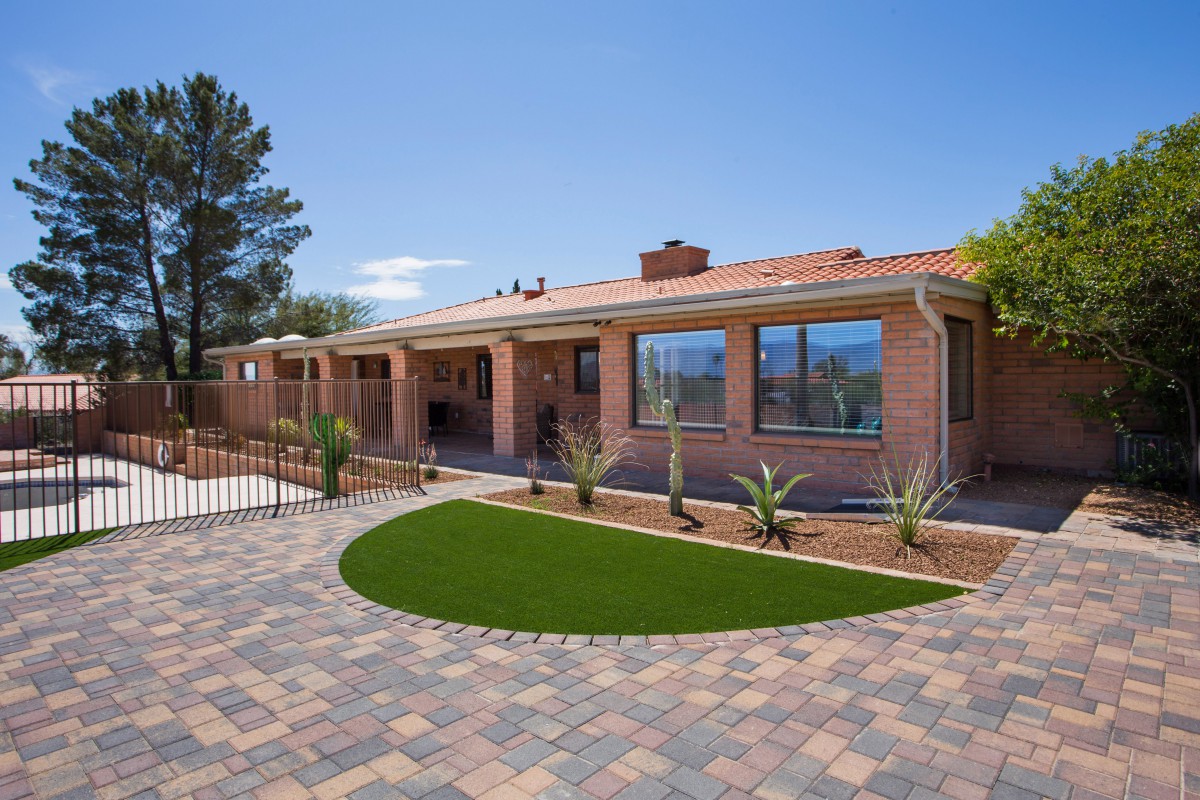
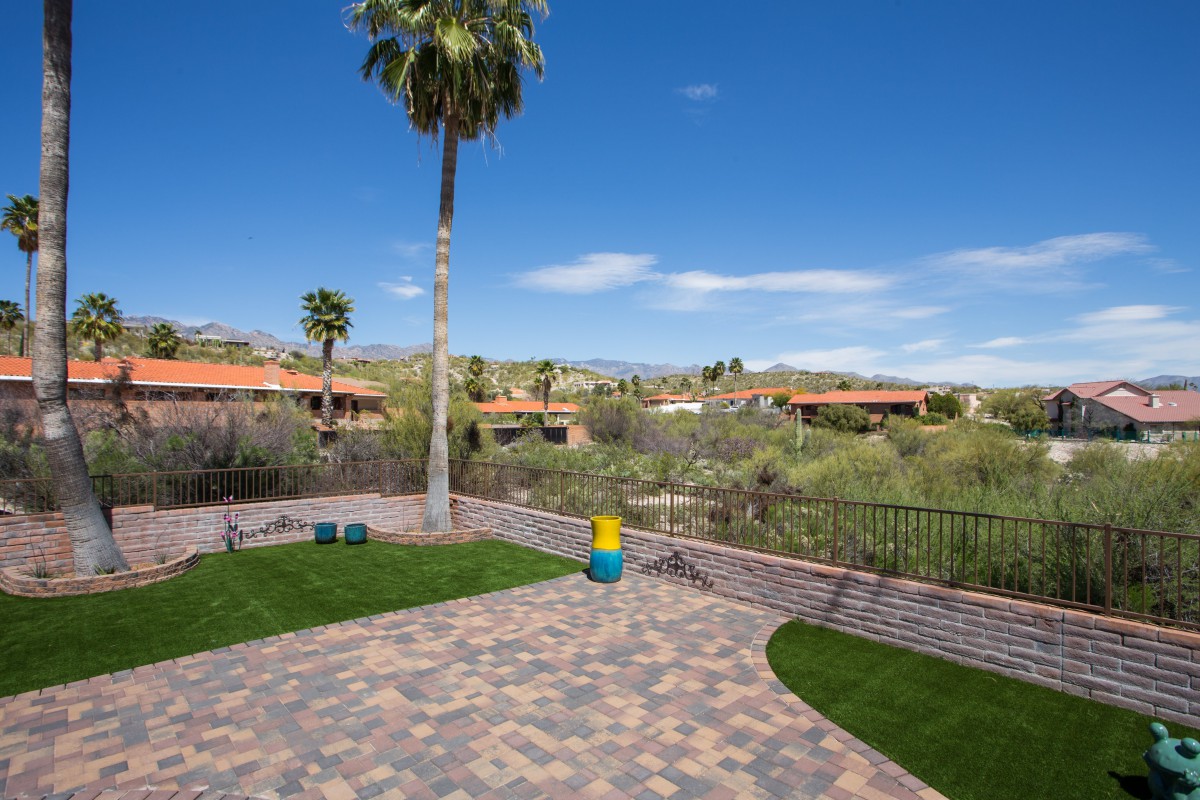
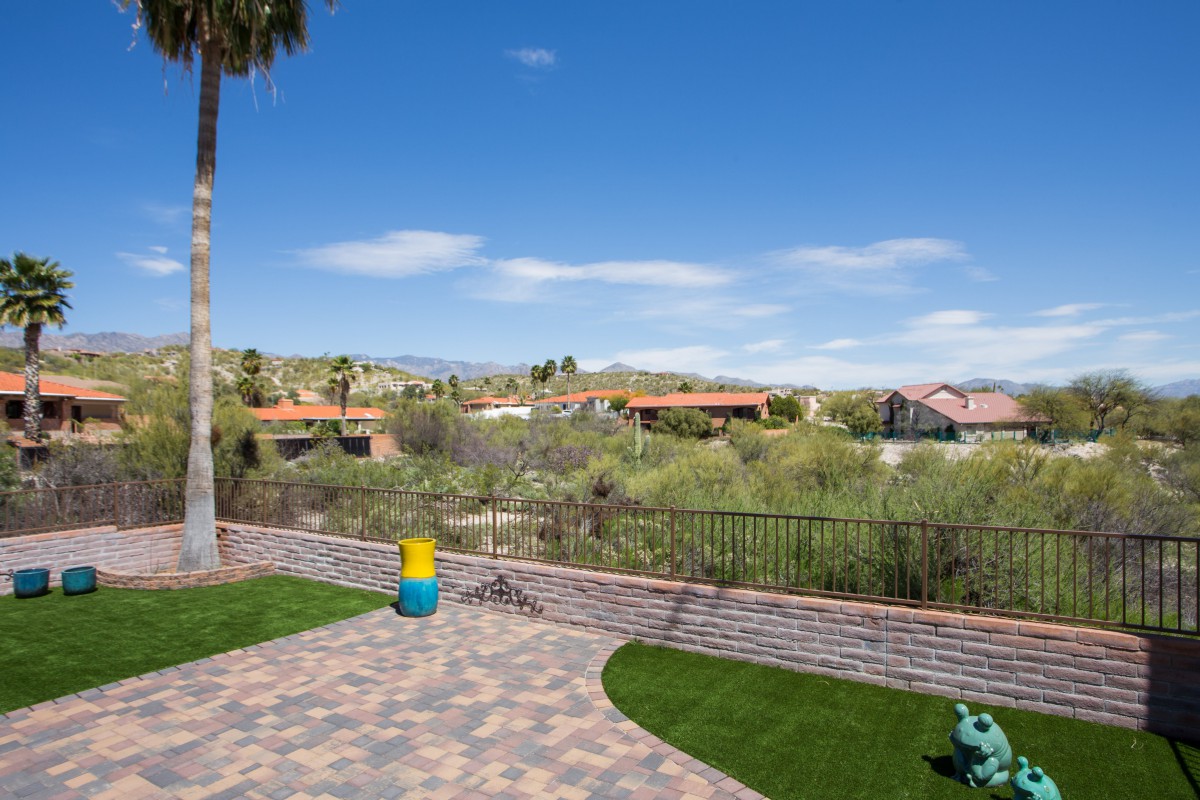
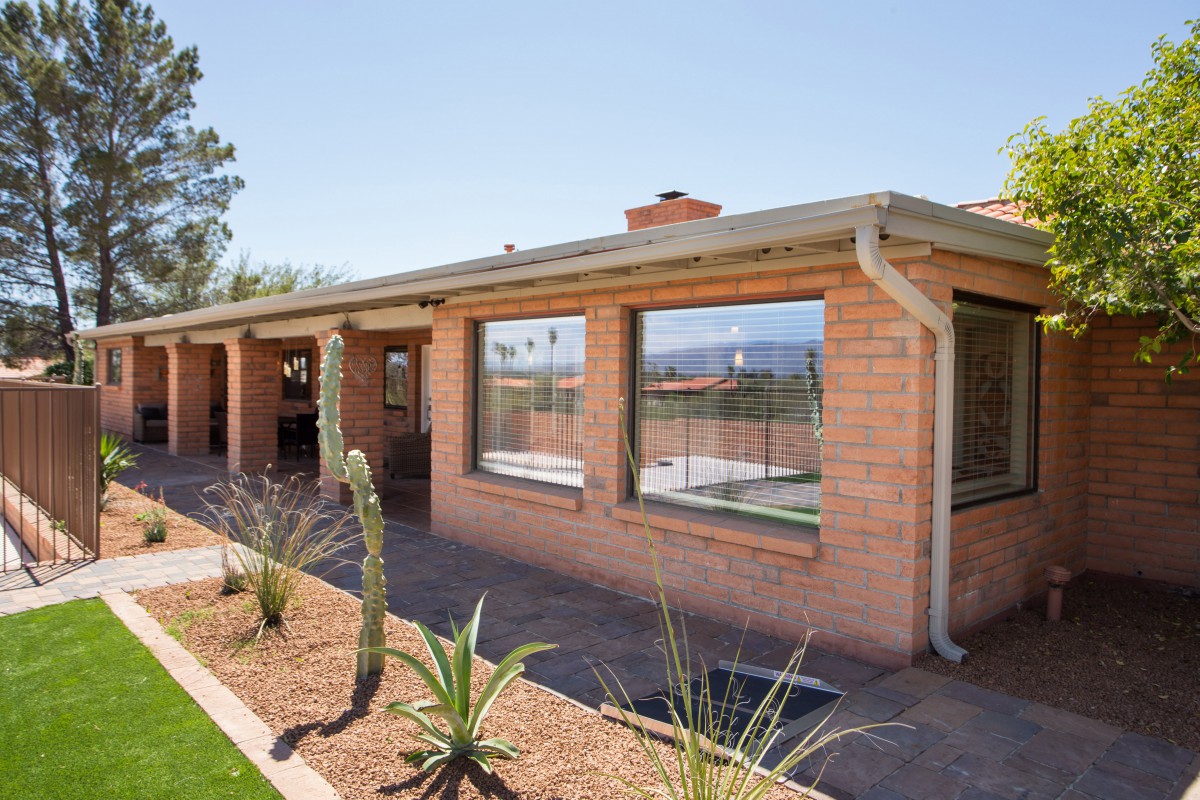
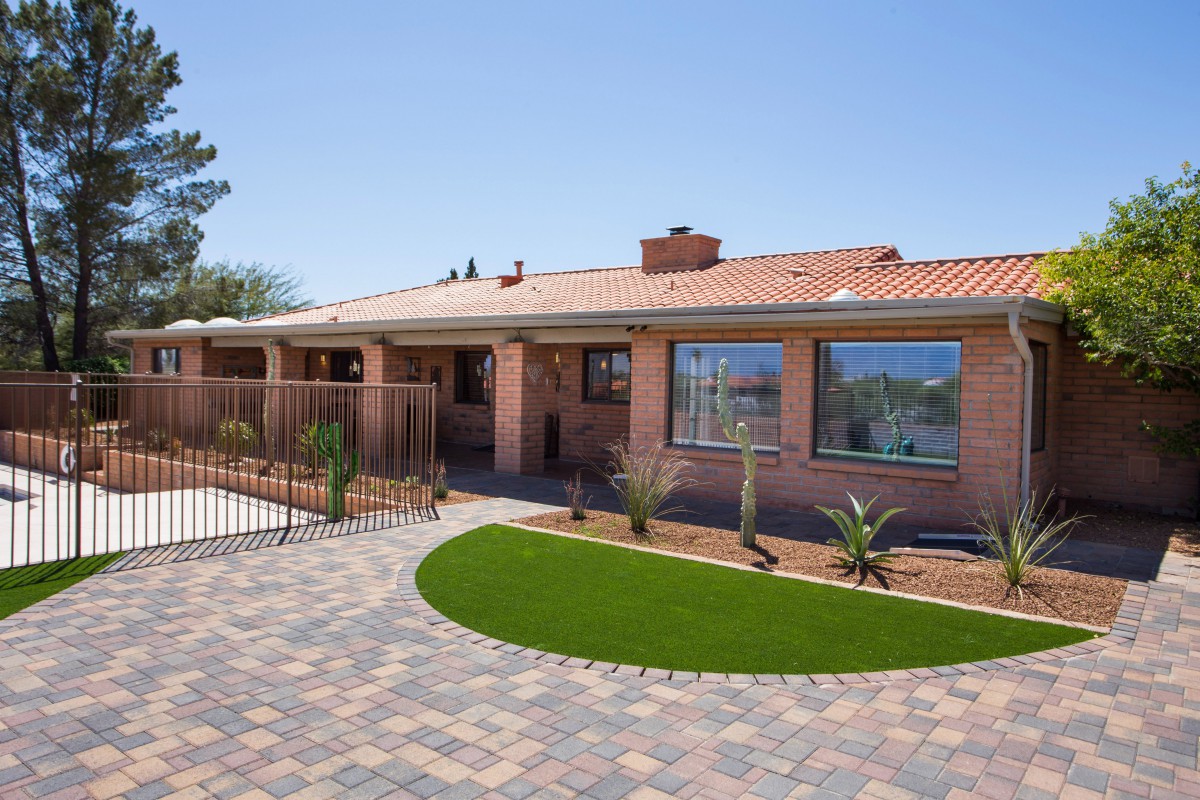
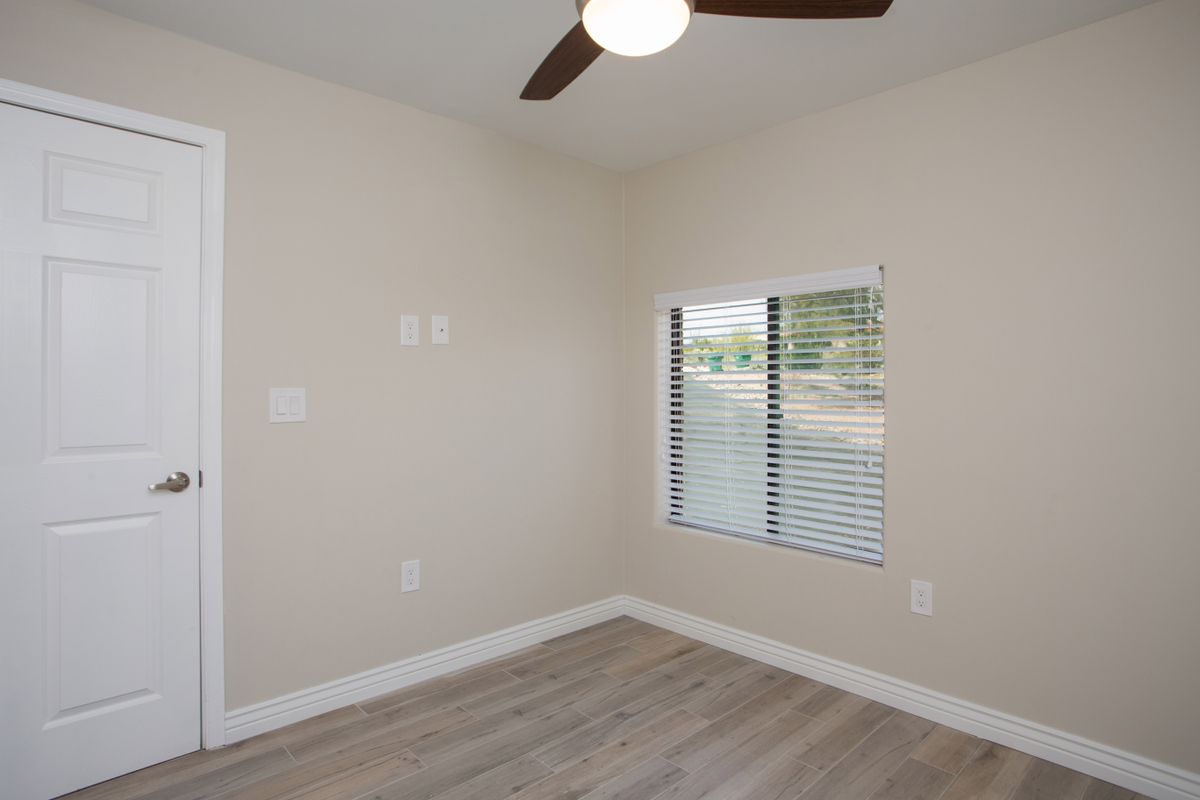
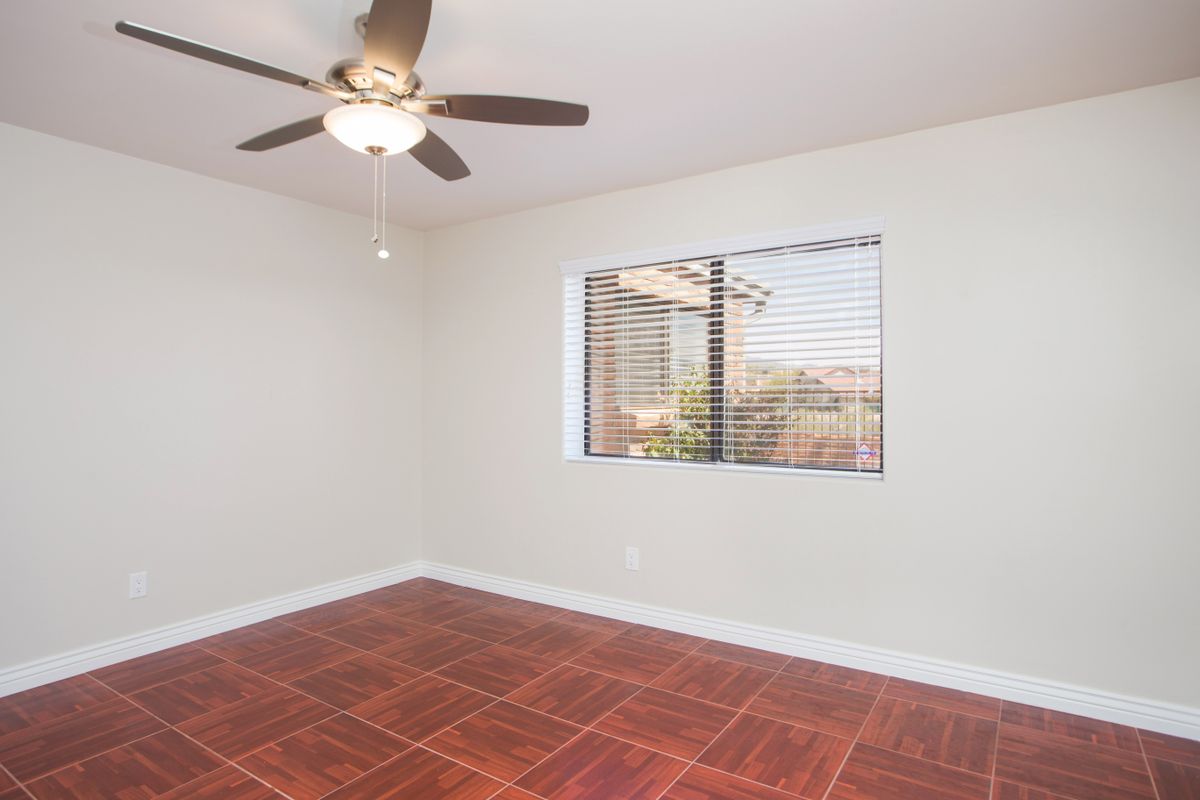
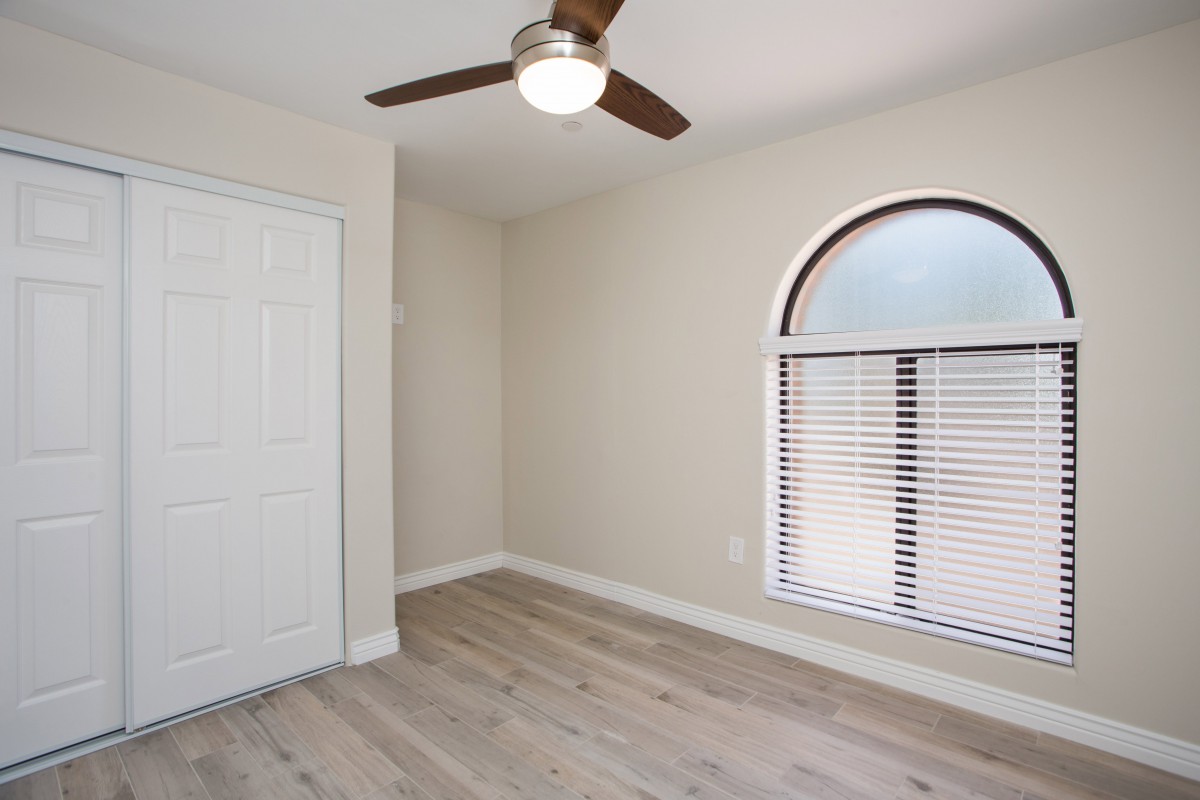
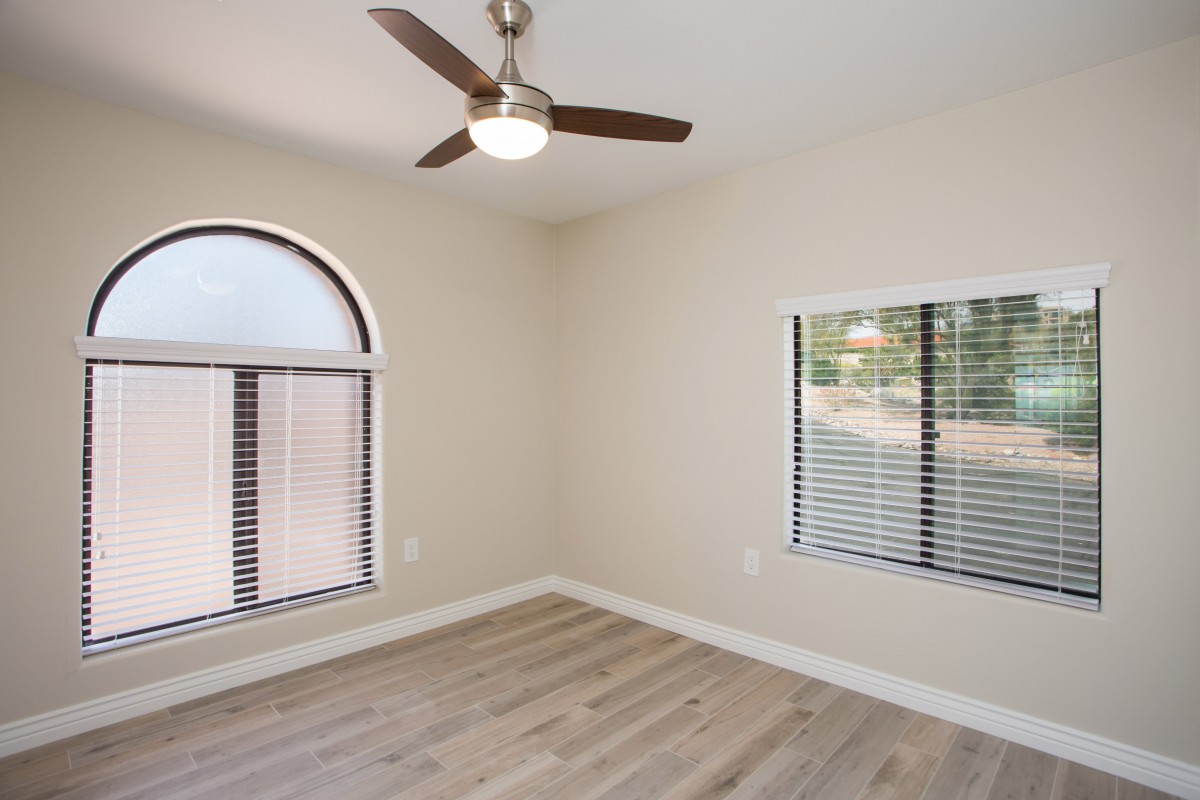
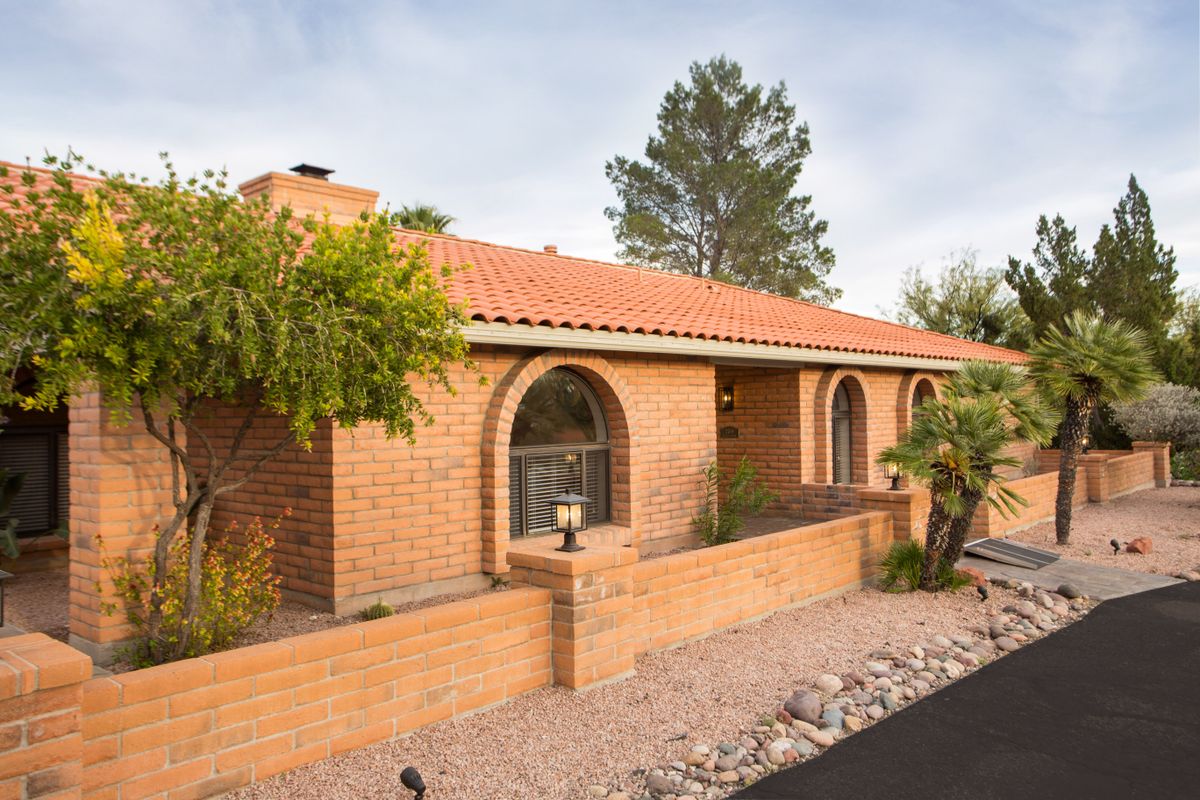
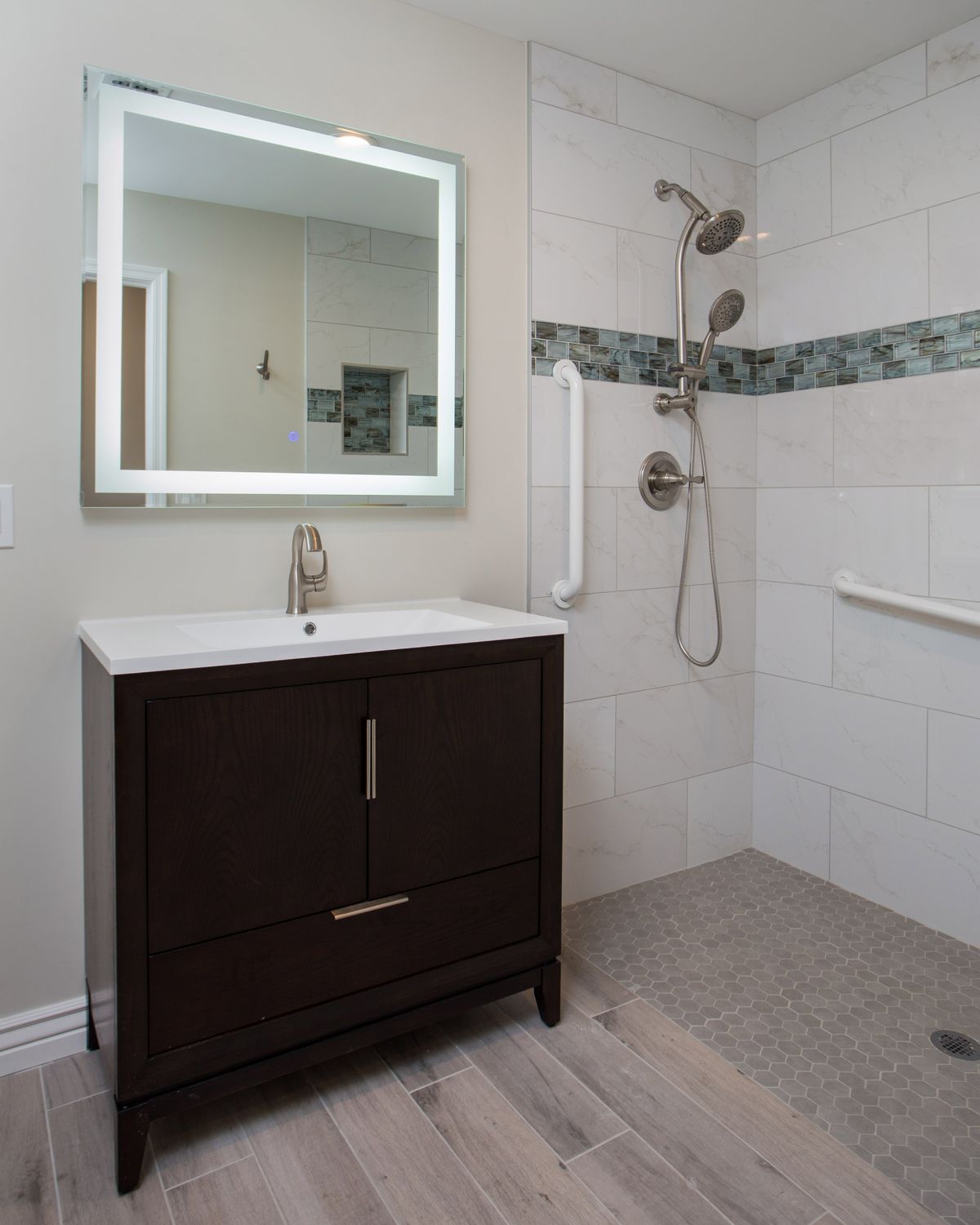
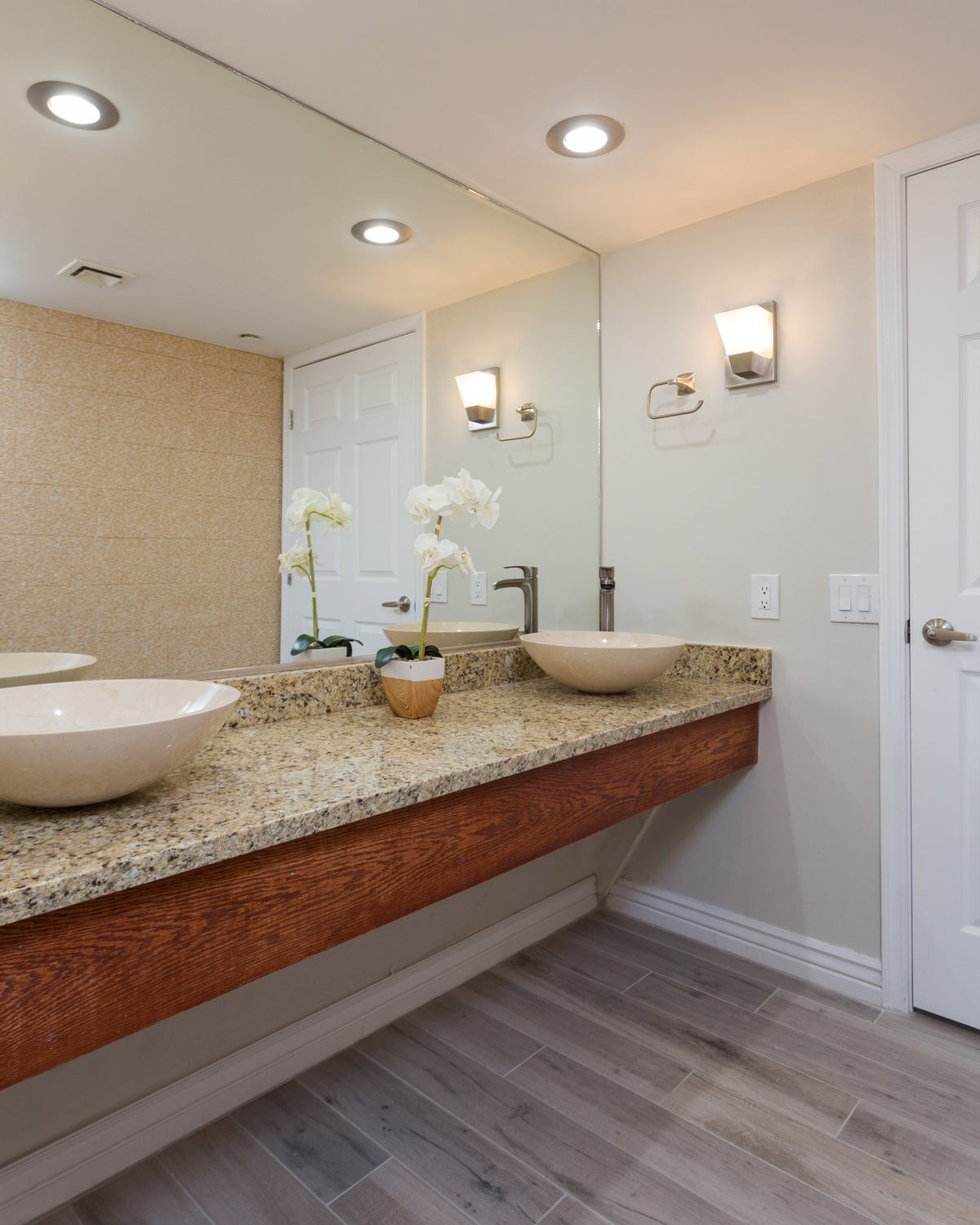
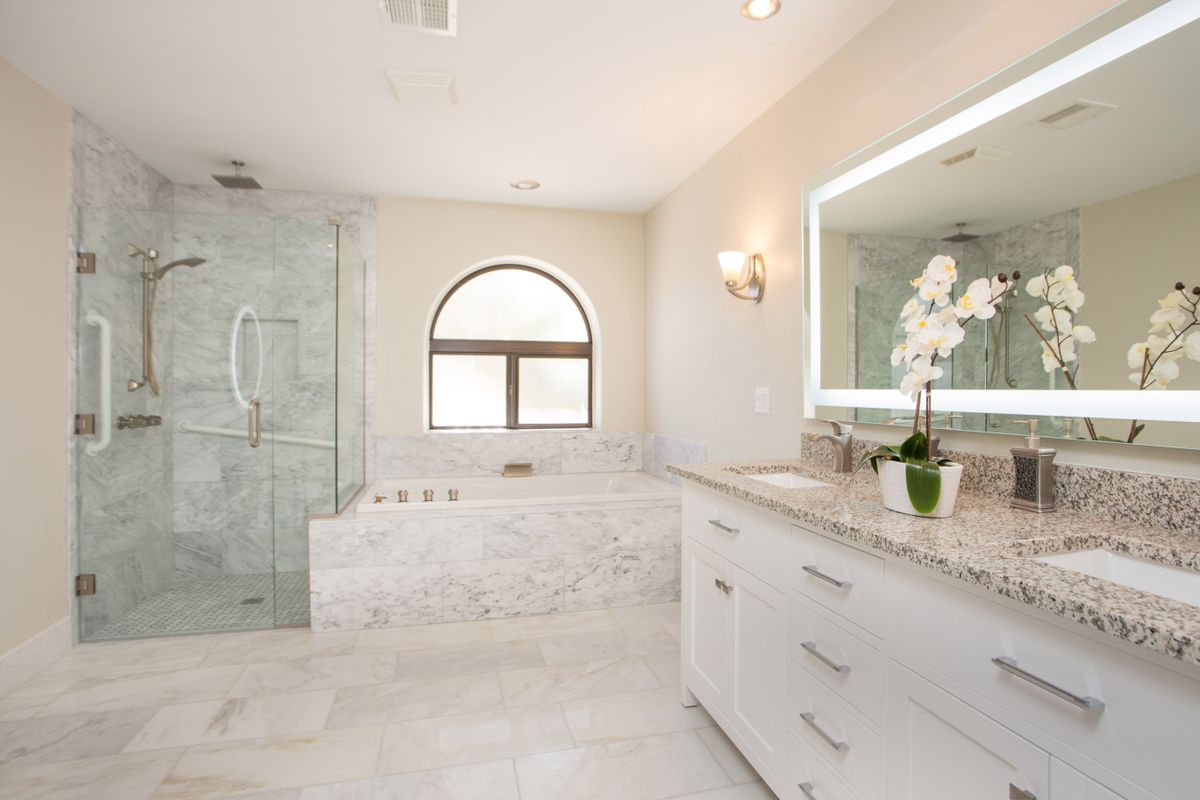
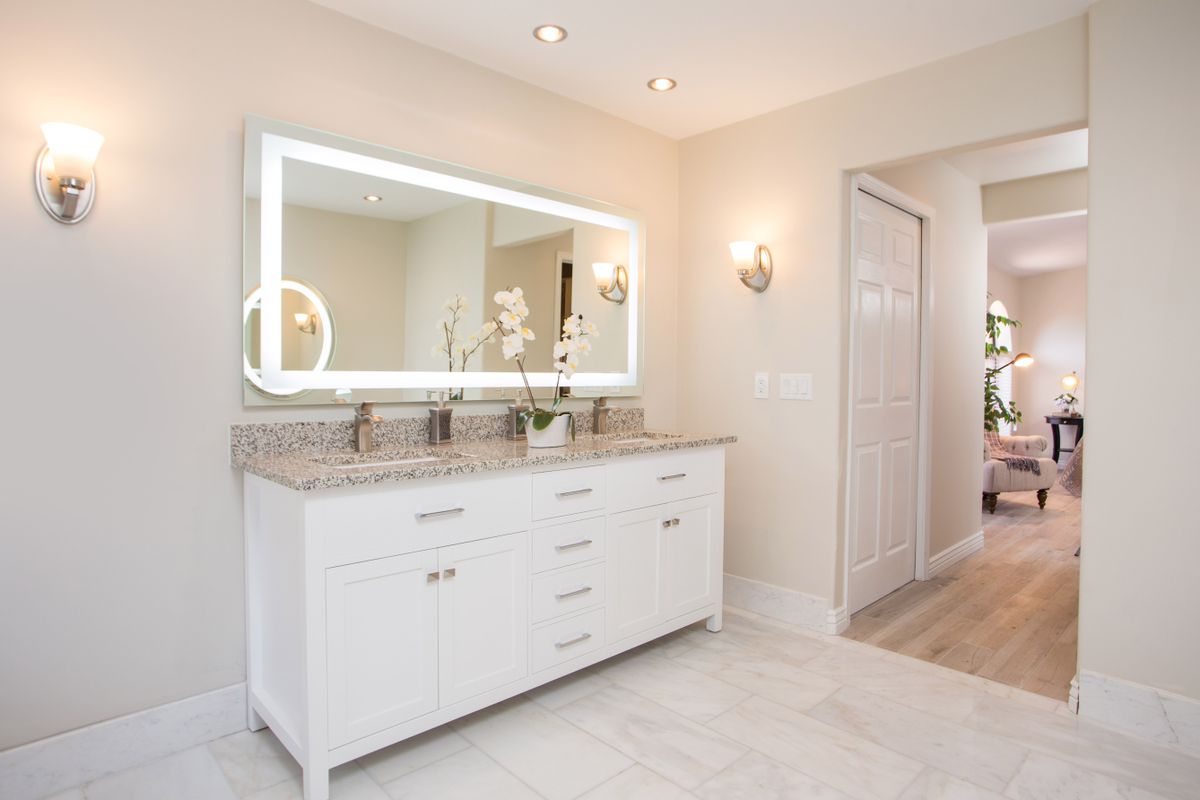
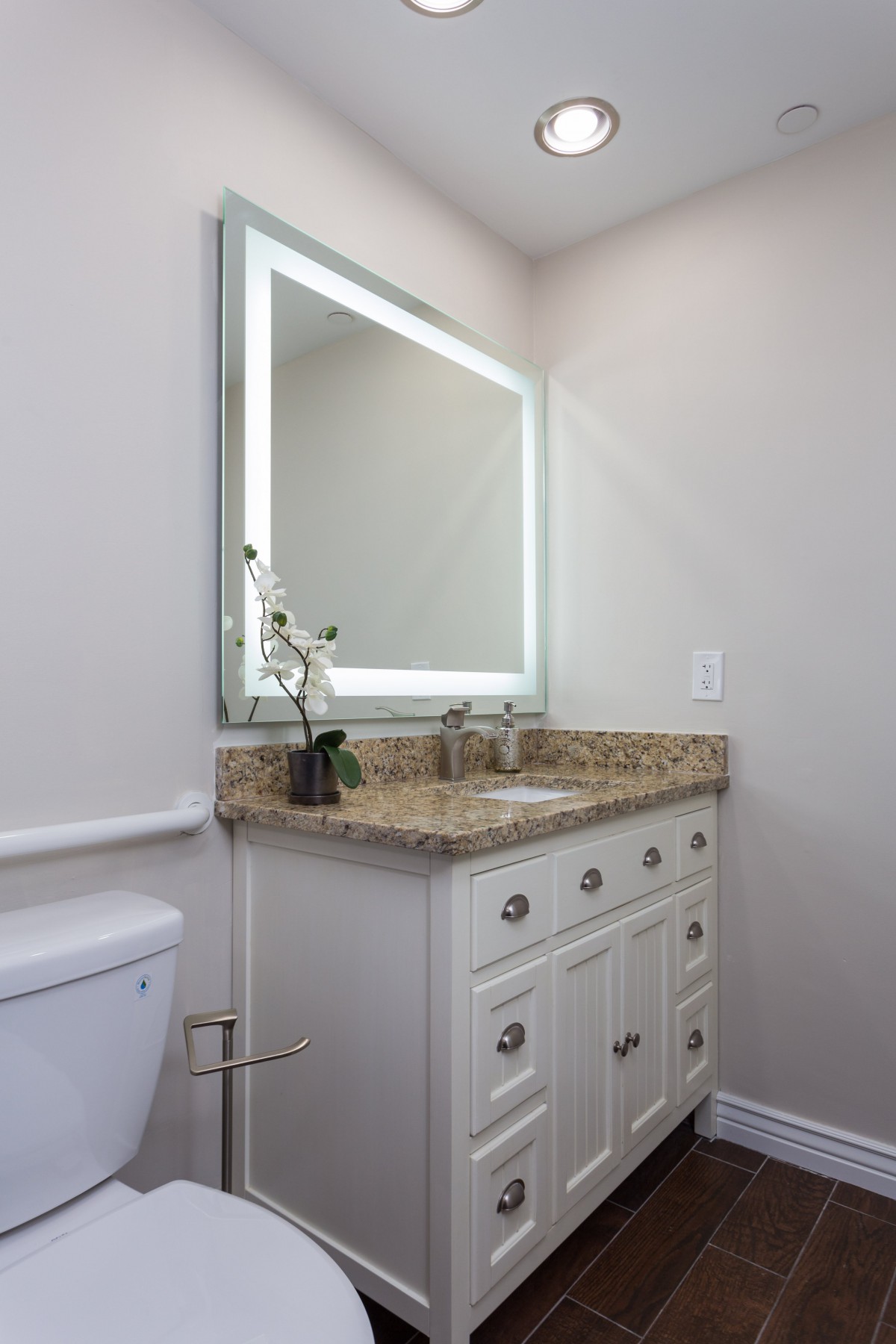
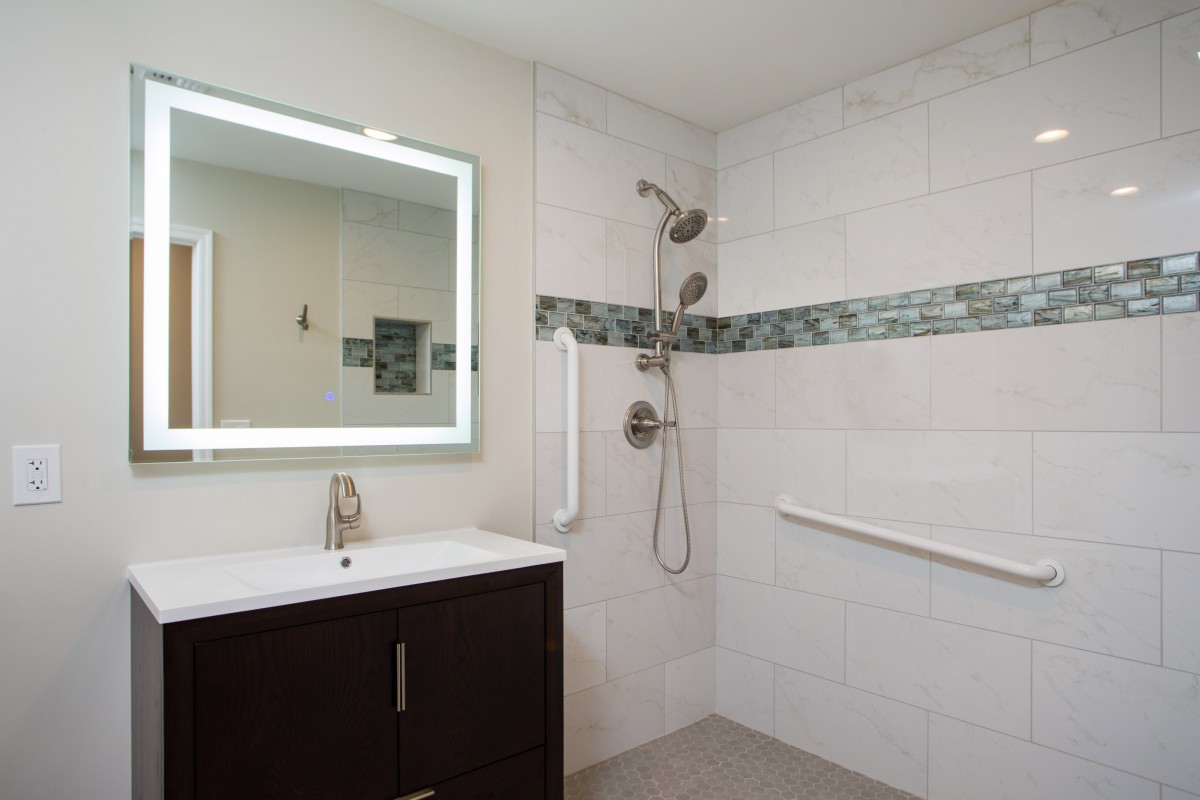
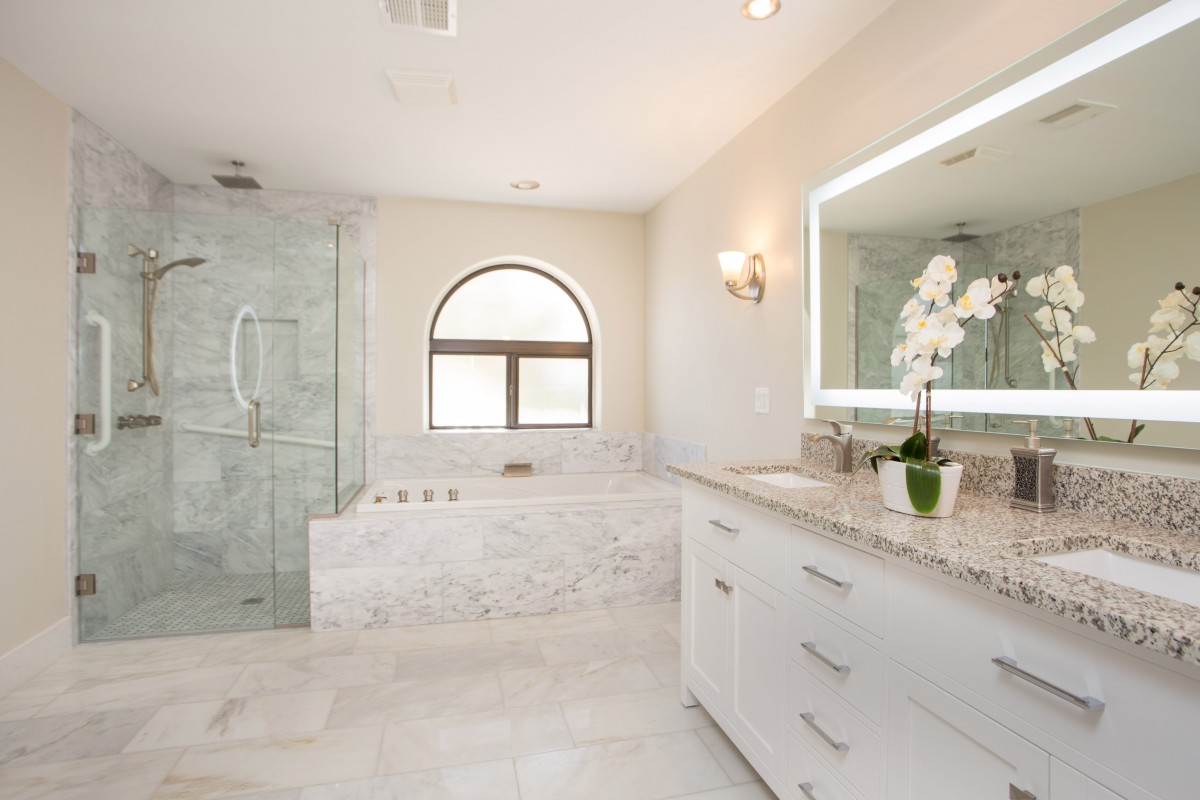
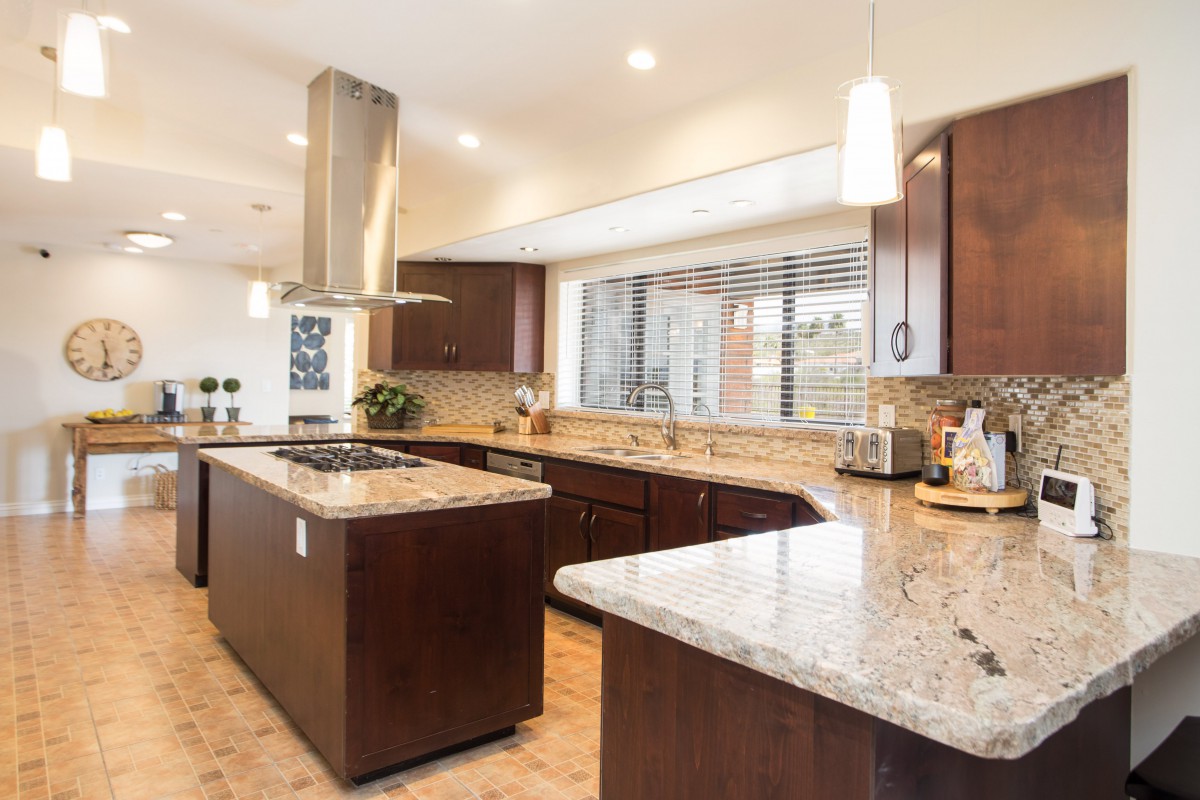
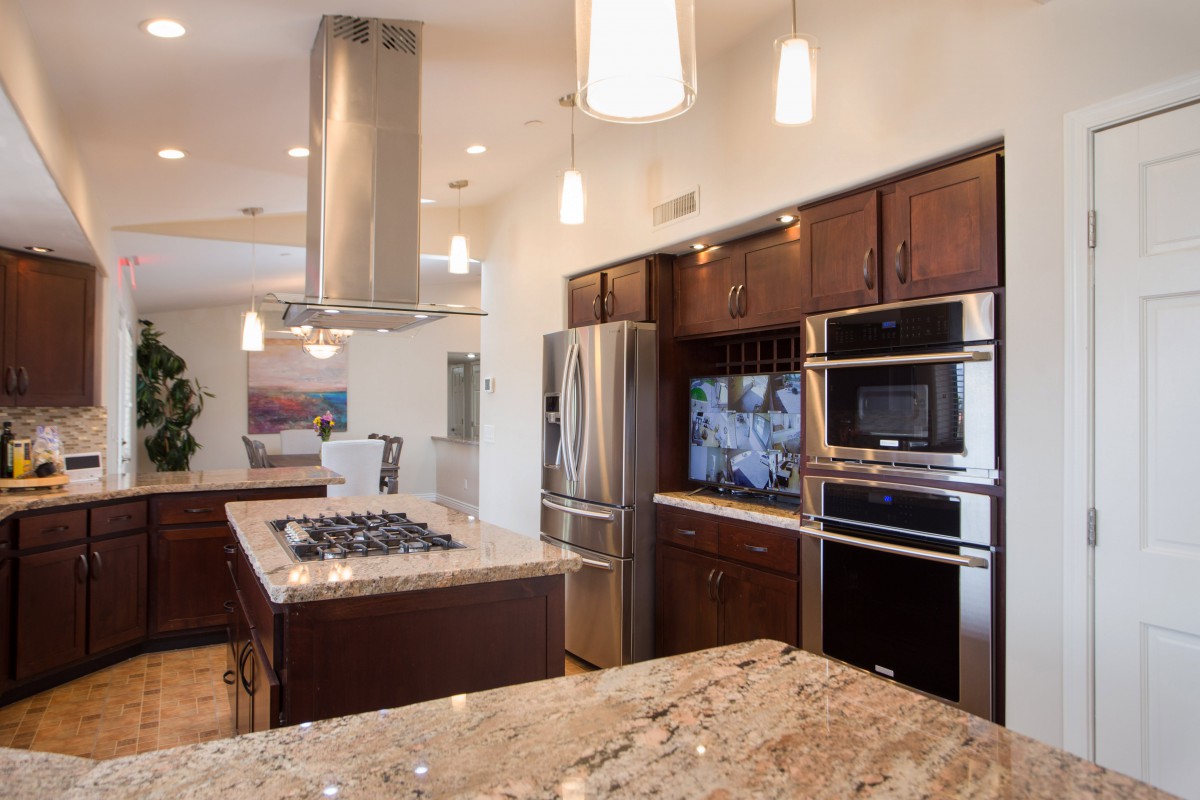
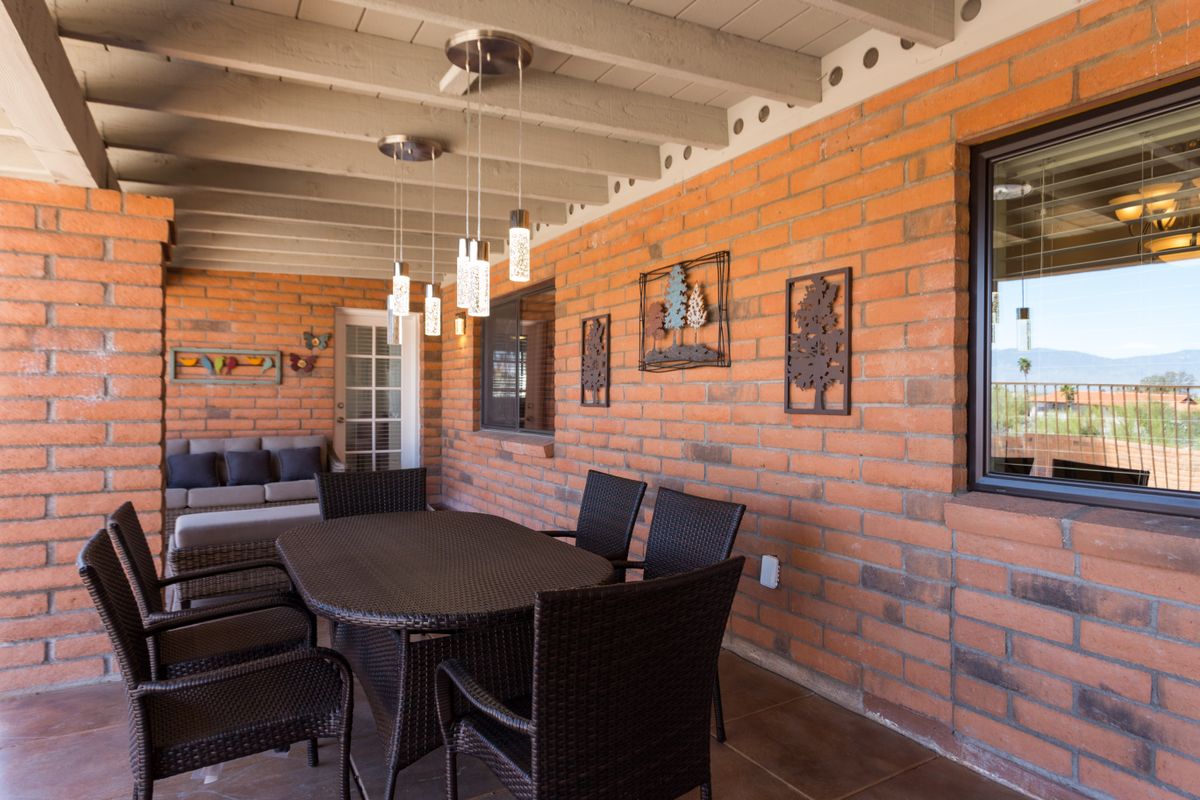
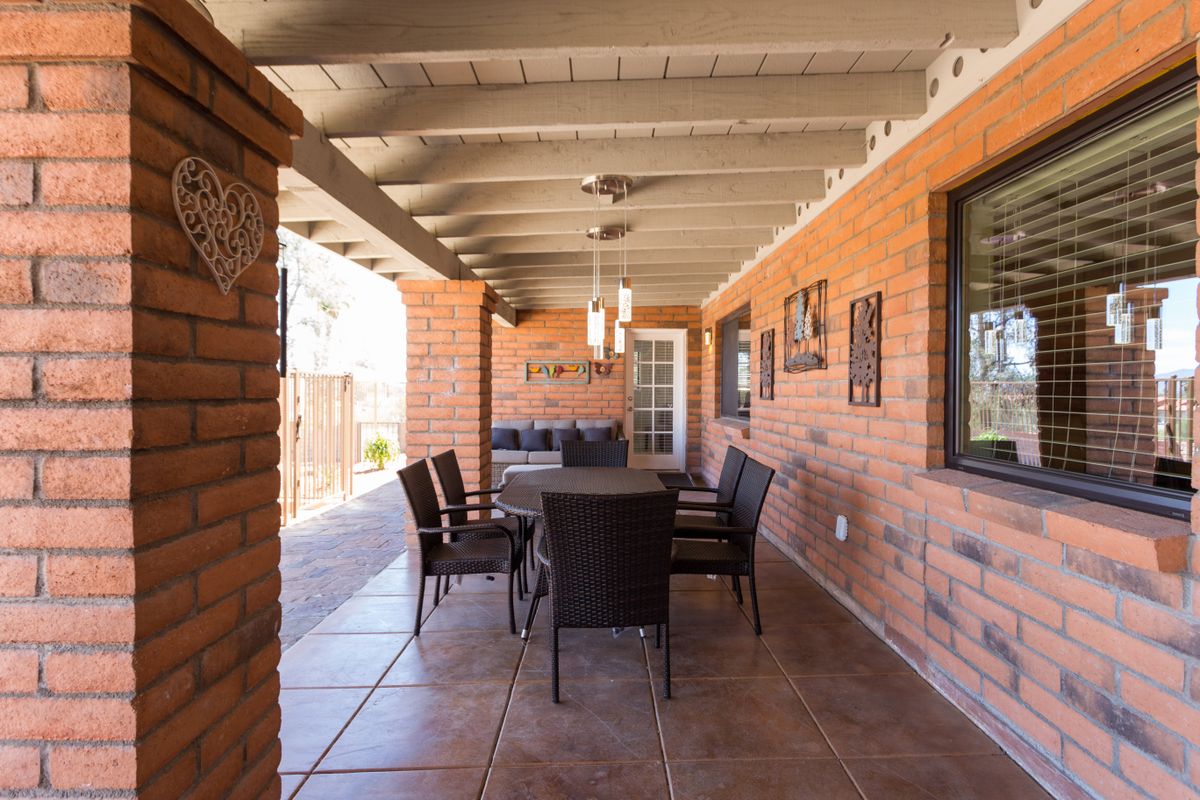
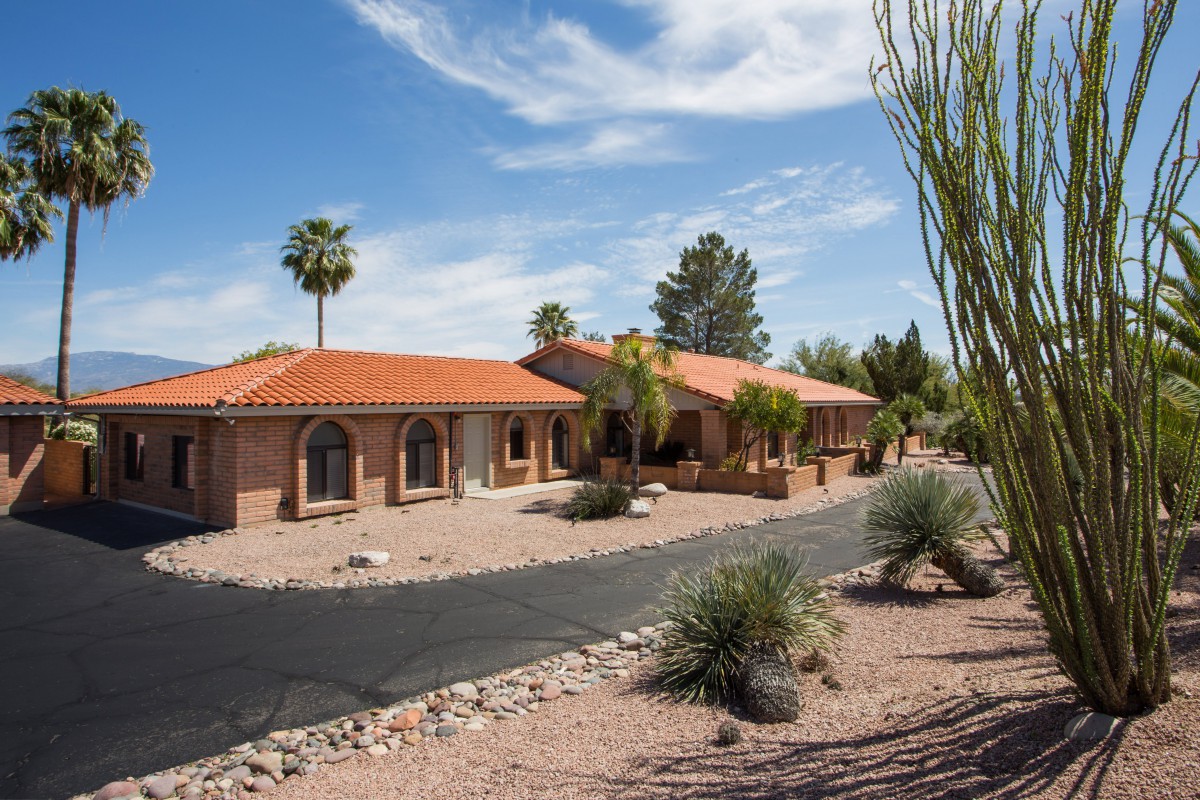
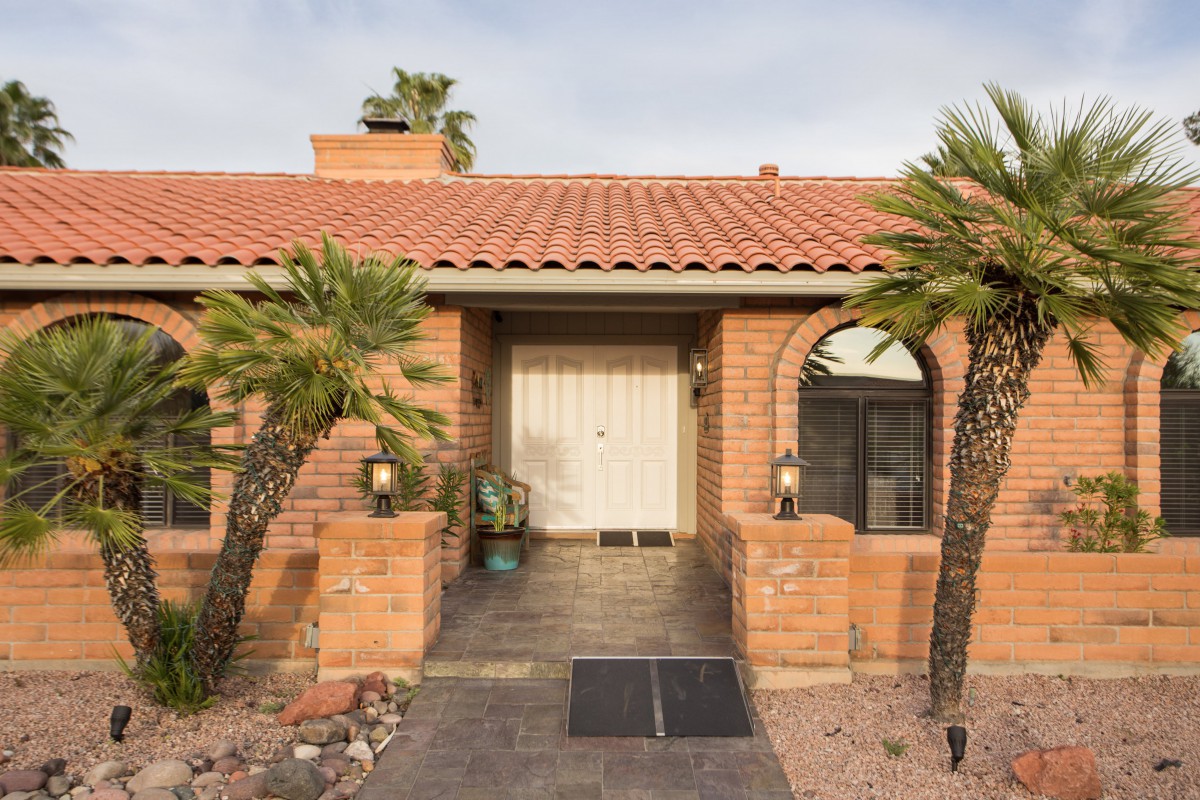
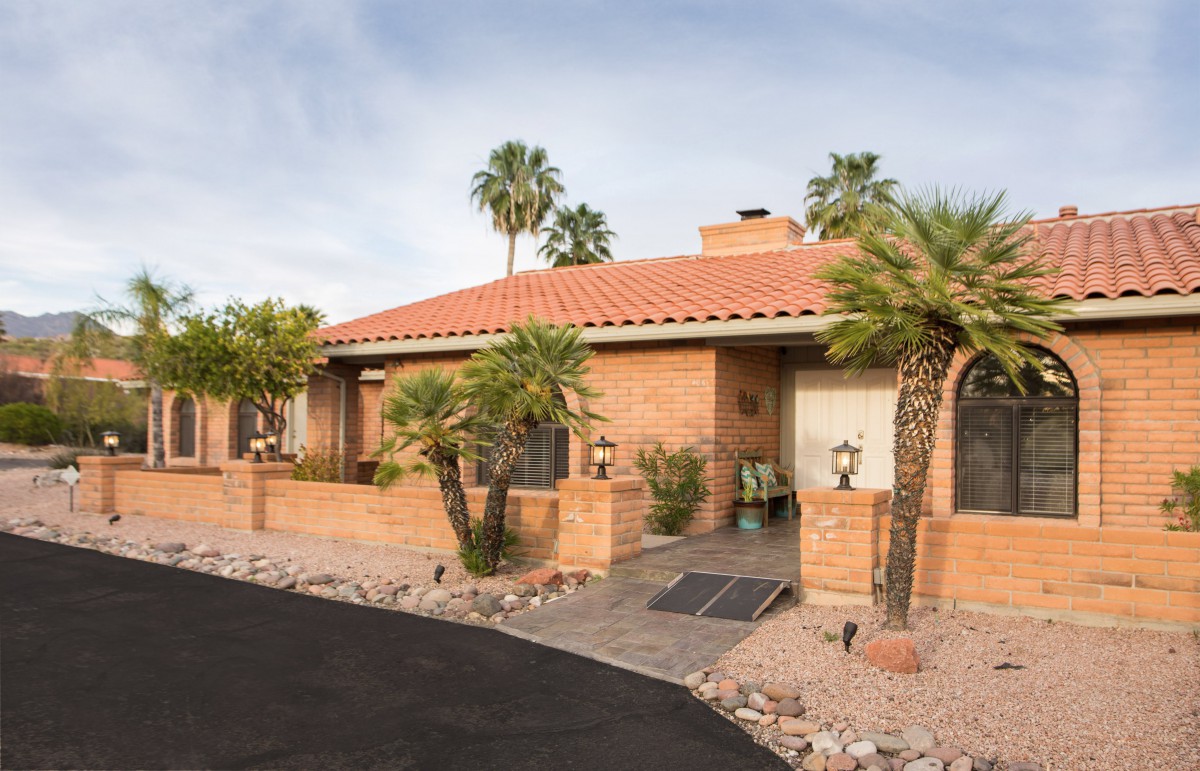
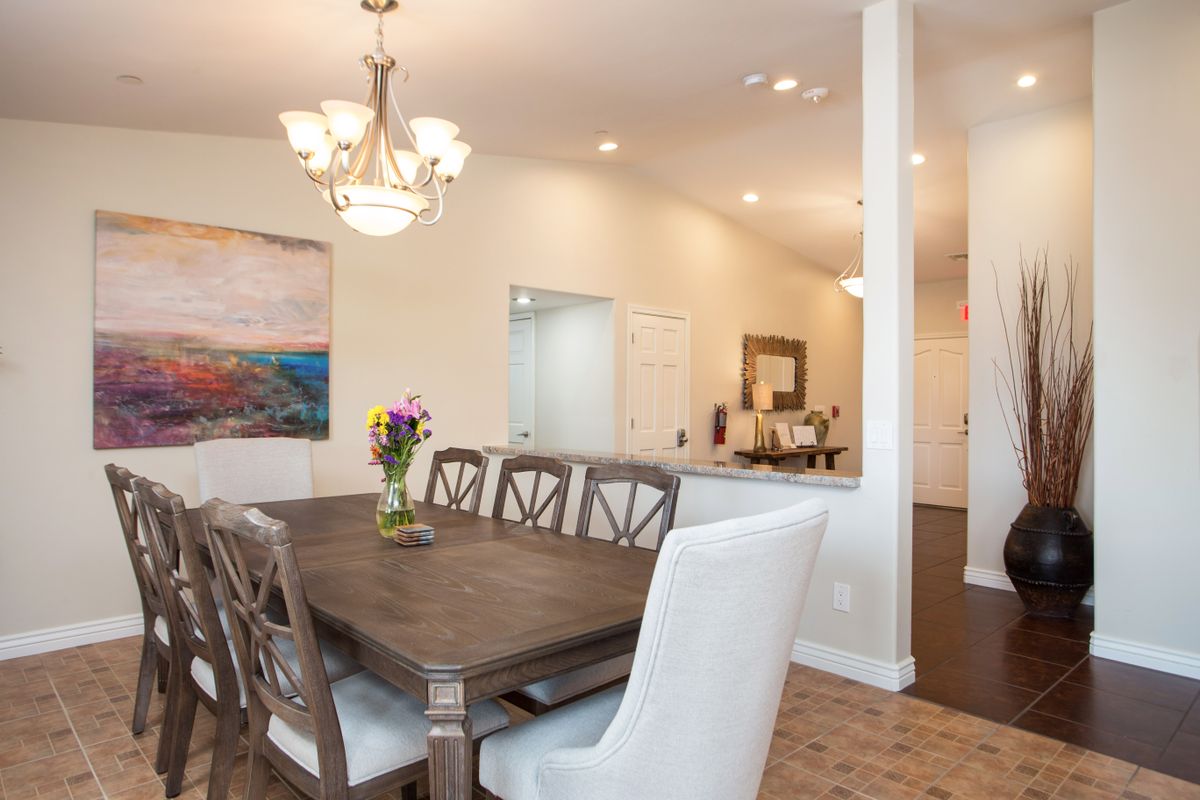
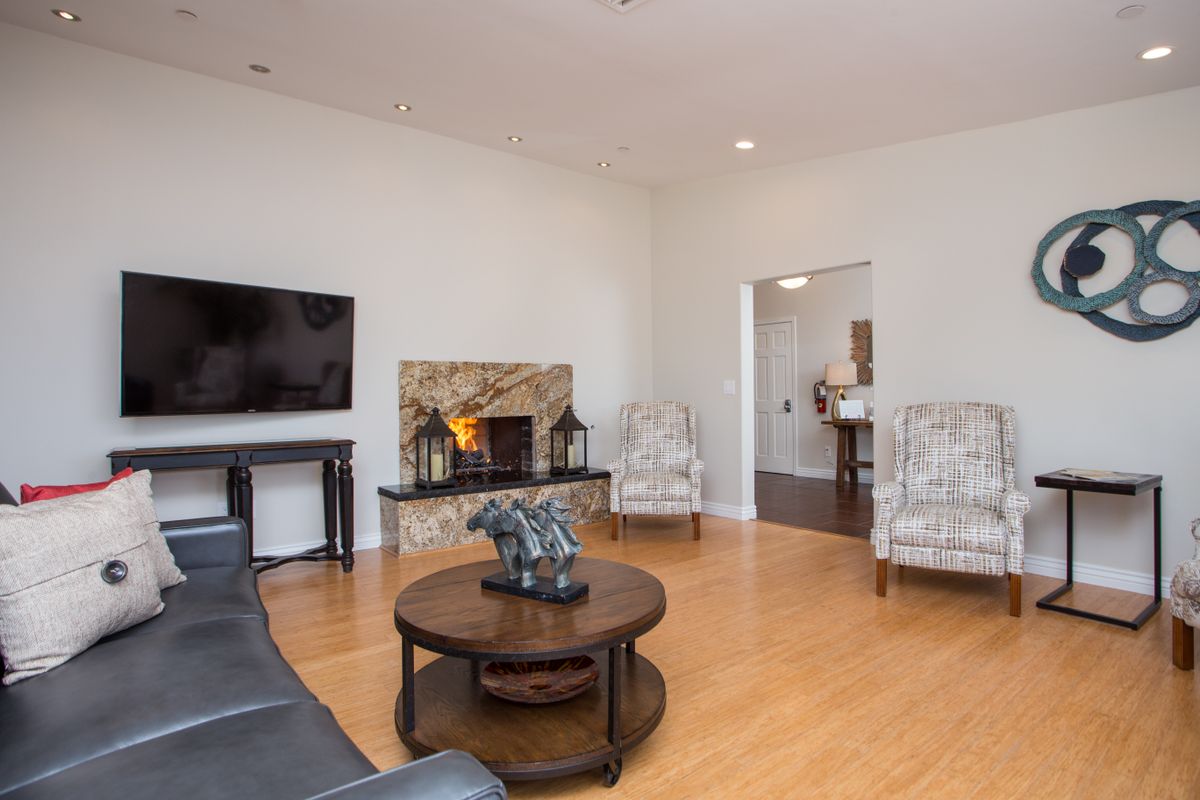
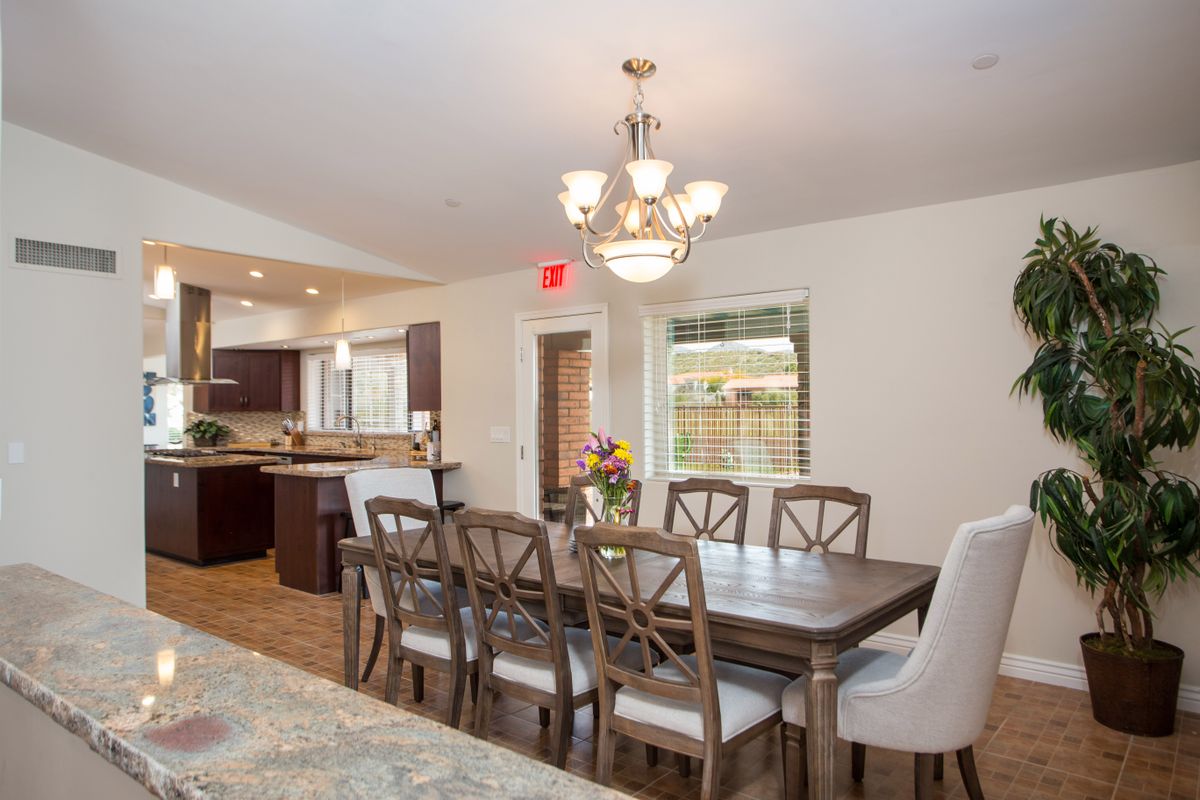
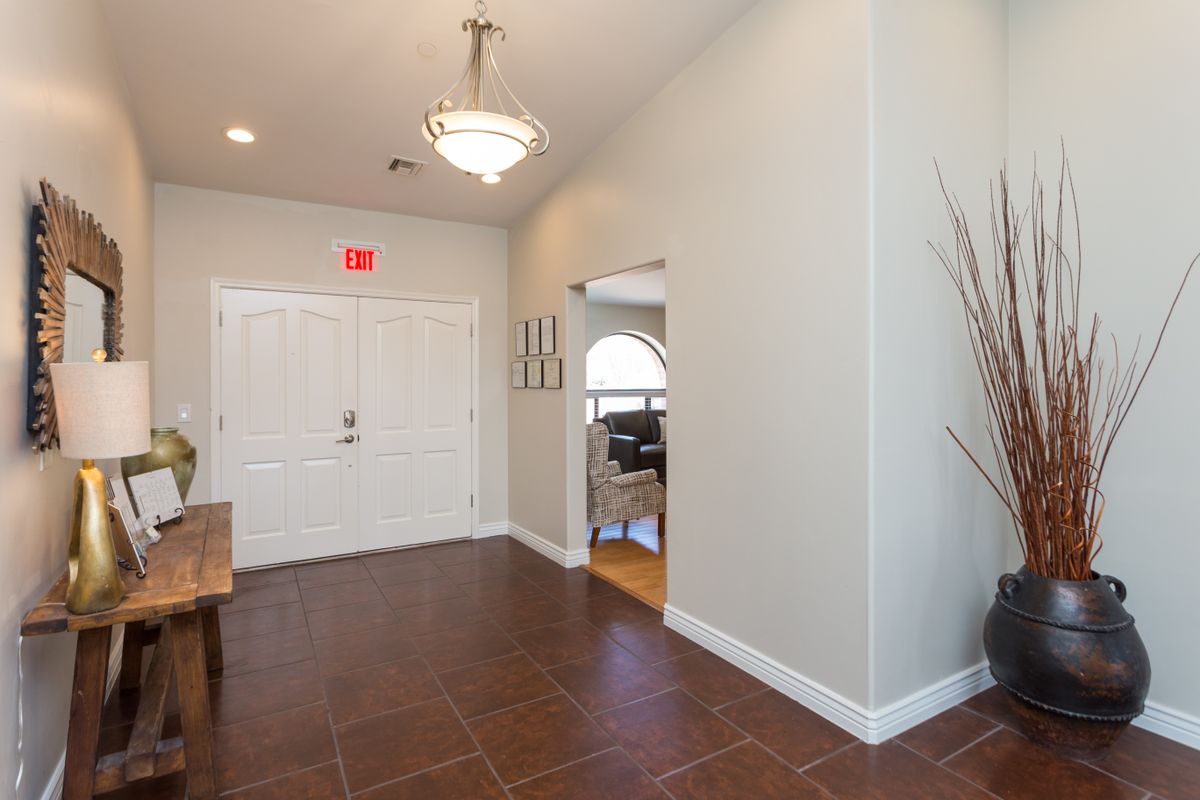
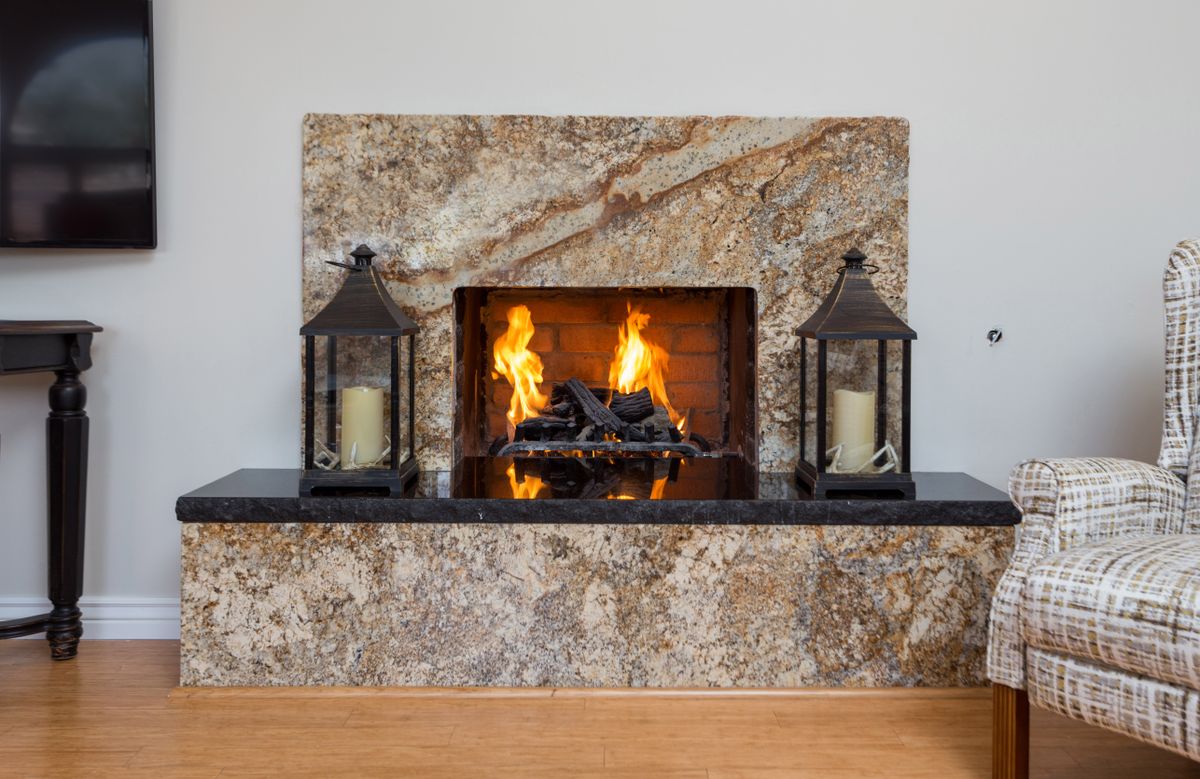
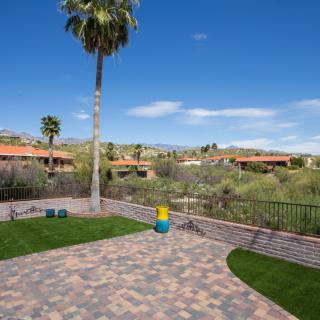
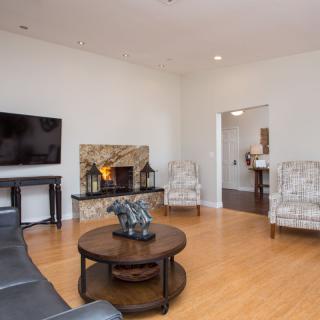
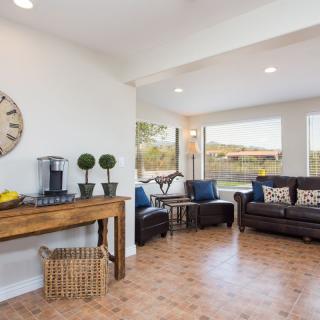
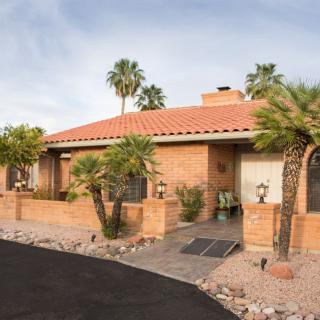
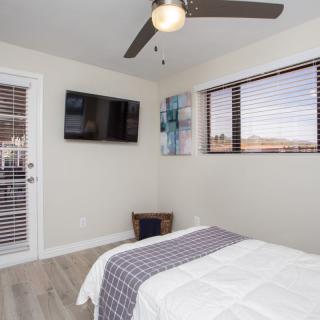
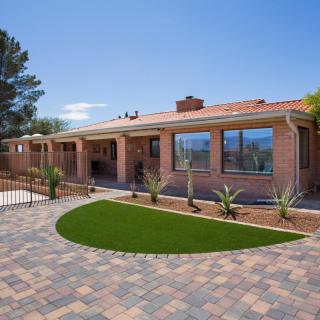
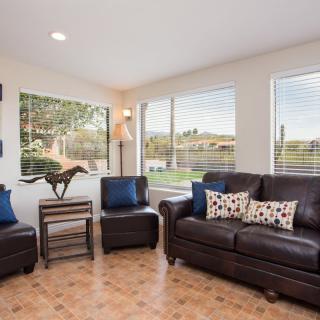
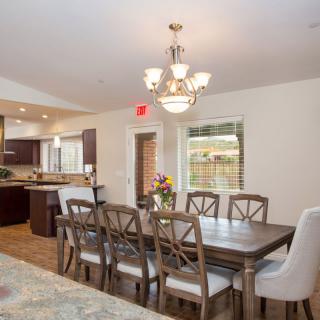
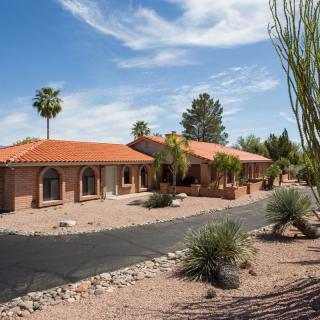
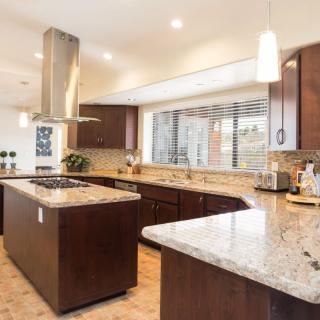
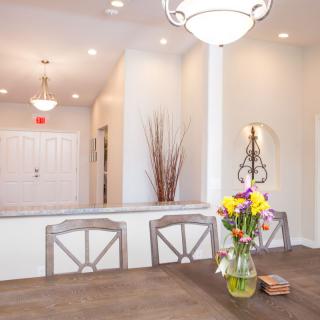
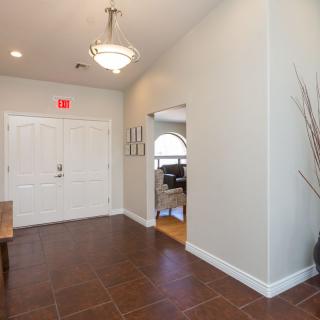
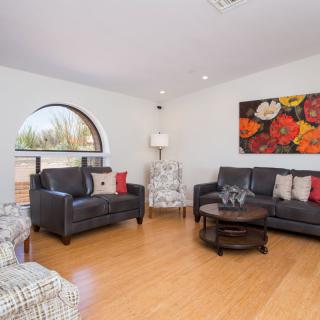
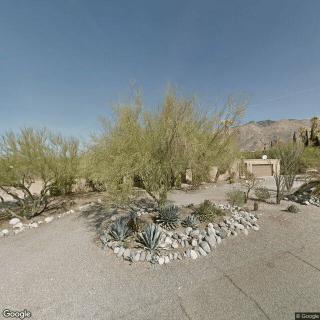
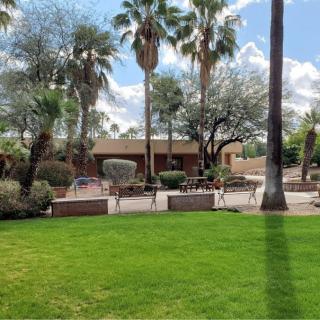
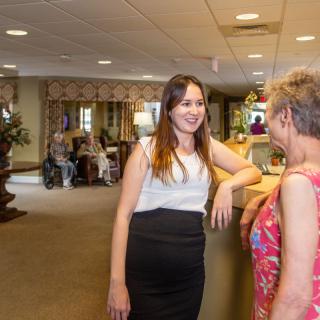
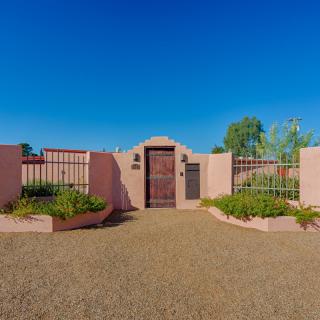
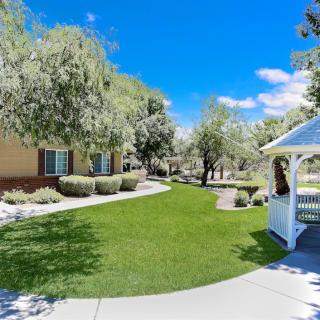
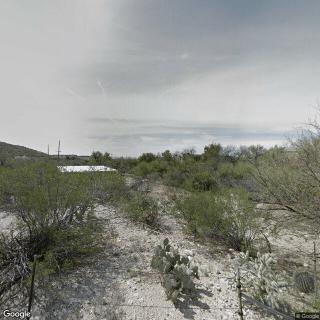
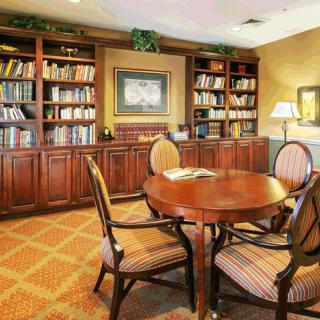
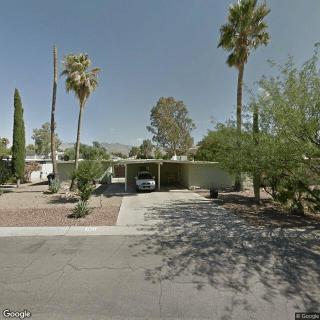
Desert Gardens Assisted Living and Memory Care on seniors.fyi includes 93 photos including images showing interior, decor, bathroom, bedroom, windows, landscaping, artwork, living room, and more.
Nearby Communities
Cattleya Adult Care Home
Tucson, AZ
3.3 from 3 reviews
$2,000 to $2,800 / month
Responsive management and competitive pricing.
Hacienda at the Canyon
Tucson, AZ
4.7 from 106 reviews
Personalized care options (Independent Living, Memory Care, diabetic care) with 24/7 supervision and extensive on-site amenities.
ComForCare
Tucson, AZ
4.8 from 14 reviews
Excellent nearby access to amenities and healthcare.
ComForCare Home Care - Tucson, AZ
Tucson, AZ
4.4 from 17 reviews
Some caregivers are attentive and provide quality care, with a reliable recent caregiver.
Inspirations of River Centre
Tucson, AZ
4.5 from 131 reviews
$3,640 to $4,490 / month
Compassionate staff, well-maintained facility, and engaging activities.
El Rancho Encanto Assisted Living At The Fort
Tucson, AZ
3.7 from 3 reviews
Small 8-bed board-and-care with personalized attention, 24-hour supervision, and tailored meals/medication support.
Placita In Home Care
Tucson, AZ
4.8 from 109 reviews
Professional, compassionate care with attentive staff.
Devon Gables Rehabilitation Center
Tucson, AZ
3.4 from 71 reviews
Compassionate staff in a clean, home-like setting with active rehabilitation.
Comfort Gardens
Tucson, AZ
$2,400 to $2,800 / month
Cozy, private rooms with convenient access to healthcare and nearby amenities.
"Memory Care Pathways: A Holistic Guide to Dementia Support" outlines the complexities of dementia and its various types, emphasizing early detection, patient-centered care strategies, caregiver support, and long-term care options while addressing legal and financial considerations to enhance the quality of life for individuals with dementia and their families.
Sundown syndrome, or sundowning, is a phenomenon in dementia patients characterized by increased confusion and agitation during late afternoon and evening, influenced by factors like disrupted circadian rhythms and fatigue. Effective caregiver strategies include establishing routines and managing environmental light while addressing caregiver stress through support services.
Delirium is a rapidly onset, reversible cognitive disturbance often caused by acute medical issues, while dementia is a gradual and irreversible decline due to chronic neurodegenerative diseases. Accurate differentiation between the two is essential for appropriate treatment and management in older adults.
Desert Gardens Assisted Living and Memory Care photos
×
Interior
Outdoors
Decor
Living Room
Architecture
Bedroom
Trees
Windows
Dining
Landscaping
Kitchen
Lighting
Entrance
Artwork
Interior
Decor
Bedroom
Dining
Living Room
Landscaping
Windows
Architecture
Bathroom
Trees
Kitchen
Lighting
Artwork
Television
Chandelier
Fireplace
Outdoor
Entrance
Patio
Outdoors
Outdoor Seating
Exterior
Appliances
Natural Light
Seating
Hallway
Hardwood Floor
Palm Trees
Shower
Grass
Fence
Brick
Minimalist
Dining Table
Brick Wall
Open Space
Closet
Grab Bars
Stove and Oven
Lighting Fixtures and Cozy Atmosphere
Table And Chairs and Pendant Lights
Modern Furniture
Residential Building
Brick Exterior
Light Fixture
Covered Area
Window Blinds
Open Concept
Wooden Flooring
Lighting Fixture
Pendant Lighting
Single-story
Front Porch
Home Office
Modern Lighting
Get PricingAsk A QuestionSchedule A TourContact Senior Advisor
By clicking submit, you agree to our Partner's Terms of Use. You
also consent to receive calls and texts, which may be autodialed, from our Partner. Your consent is not a condition to
using our Partner's service. Please visit our Partner's Privacy Policy for information about their privacy practices.



 10 resident community capacity
 Assisted Living
 Board and Care Home
 Memory Care
 Dogs allowed
 Activities on-site
 Bath tubs
 Beautician on-site
 Cable or satellite TV
 Devotional services on-site
 Dining room
 Fully furnished
 Garden
 Ground floor units
 Handicap accessible
 Housekeeping services
 Indoor common areas
 Move-in coordination
 Outdoor common areas
 Private
 Private bathrooms
 Respite or short term stays offered
 Small library
 Telephone
 Wheelchair accessible showers
 Wi-Fi/high-speed internet available
 Tucson International (12 miles away)
 24-hour supervision
 Assistance with bathing
 Assistance with dressing
 Assistance with transfers
 Diabetes diet
 Diabetic care
 High acuity care
 Incontinence care
 Meal preparation and service
 Medication management
 Mental wellness program
 Special dietary restrictions
 Art classes
 Brain fitness
 Karaoke
 Light therapy programs
 Live dance or theater performances
 Live musical performances
 Stretching classes
 Trivia games
 Wine tasting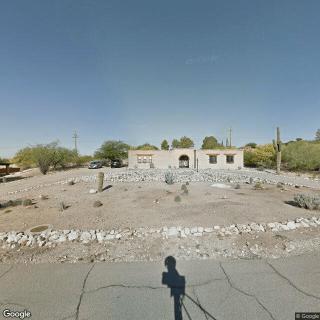
 Responsive management and competitive pricing.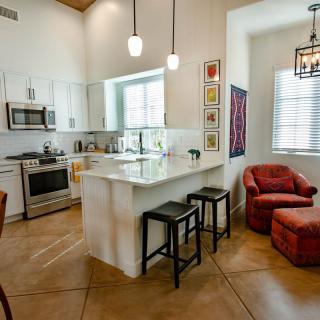

 Memory Care Pathways: A Holistic Guide to Dementia Support
 Comprehending Evening Confusion in Dementia: Causes, Manifestations, and Support
 Delirium and Dementia: Unraveling the Key Differences